News related to
Technology

Germany’s financial regulatory authority, BaFin, has granted approval for 21X, a Frankfurt-based exchange, to begin trading tokenized securities. This milestone positions 21X as a key player in the European financial market, particularly in the burgeoning sector of blockchain-based trading platforms.

21X’s platform will allow the trading of tokenized assets including equity and debt securities, investment funds, real estate, and artworks. By tokenizing these traditional assets, 21X aims to simplify transactions, reduce costs, and bring greater liquidity to markets traditionally hindered by inefficiencies. The exchange plans to launch in the first quarter of 2025, offering investors the ability to trade these assets in fractionalized, digitized forms.

The approval from BaFin is a significant step forward for the tokenization of financial assets in Europe. It also marks a victory for the broader blockchain and cryptocurrency industries, which have faced regulatory challenges in various jurisdictions worldwide. BaFin’s endorsement suggests that Germany is adopting a more favorable approach to the integration of blockchain technology into the financial system.

The approval comes amid a growing interest in digital assets within global financial markets. Tokenization, the process of converting ownership of an asset into a digital token on a blockchain, has gained traction in recent years as a way to democratize access to investments and improve liquidity. Through this process, assets such as real estate and artworks, which were traditionally illiquid and costly to trade, can now be fractionalized, allowing investors to buy and sell portions of these assets with ease.

21X’s move to tokenize securities will likely have a ripple effect on traditional financial markets. By offering tokenized equities and bonds, the platform could revolutionize how these instruments are bought, sold, and traded. The use of blockchain technology ensures transparency, security, and faster settlement times compared to traditional methods. The decentralization of the platform also eliminates the need for intermediaries, which typically increase transaction costs and time delays.

The platform’s ability to tokenize real estate and artworks is particularly notable. These markets have been notoriously difficult to access for smaller investors due to high entry costs. Tokenizing these assets allows for fractional ownership, where a single asset is divided into multiple smaller tokens, each representing a share in the overall value of the asset. This opens up these markets to a much wider pool of investors, particularly those who would not have been able to afford a full property or artwork investment.

The approval by BaFin is also seen as a sign that European regulators are becoming more open to innovative financial technologies. In the past, blockchain and cryptocurrency ventures have faced scrutiny, with some countries opting for restrictive regulations. However, Germany’s progressive stance on digital assets reflects a growing recognition of the potential benefits that blockchain technology can bring to the financial sector.

Experts believe that BaFin’s decision will spur further developments in the blockchain space within Germany and beyond. As the financial landscape continues to evolve, tokenization could play a pivotal role in shaping the future of investments, particularly in Europe’s financial hub, Frankfurt.

21X’s entry into the market aligns with a broader trend toward decentralized finance (DeFi), where blockchain-based systems allow for peer-to-peer transactions without traditional banking intermediaries. The integration of tokenized securities into the DeFi ecosystem could significantly change how financial markets operate globally, further bridging the gap between traditional finance and digital currencies.

However, while the move is celebrated within the blockchain community, challenges remain. Regulatory compliance and investor protection are ongoing concerns. For instance, ensuring that tokenized assets adhere to existing financial laws and standards will require careful oversight and continuous collaboration between regulatory bodies and blockchain companies. The legal framework surrounding digital assets is still developing, and the integration of tokenized securities into mainstream financial markets may necessitate further legislative adjustments.

Market adoption could be slow, as institutional investors may hesitate to embrace new technologies that significantly differ from traditional trading platforms. Overcoming this inertia will require robust education and clear benefits to attract both institutional and retail investors.


Polymarket bettors are betting that Microsoft’s shareholders will reject a proposal to purchase Bitcoin, signaling skepticism around a major pitch from MicroStrategy CEO Michael Saylor. Saylor, a vocal proponent of Bitcoin, has been advocating for Microsoft to add Bitcoin to its corporate treasury. This proposal has now reached a critical juncture, with Microsoft’s board set to vote on December 10. Despite Saylor’s persuasive presentations, including a direct appeal to Microsoft’s board, Polymarket participants believe the proposal is unlikely to gain the necessary shareholder approval.

Microsoft’s leadership has been hesitant about adopting such a volatile asset, with its focus instead on more traditional investments. The tech giant’s board has raised concerns about the risks associated with Bitcoin and its long-term suitability for Microsoft’s strategy, which heavily emphasizes artificial intelligence and other core technologies. Although a small group of shareholders, including some from large institutional investors, have shown interest in the proposal, the general sentiment is that the company should avoid high-risk investments like Bitcoin.

The proposal gained traction earlier this year when the National Center for Public Policy Research (NCPPR) pushed for the move, pointing to the success of MicroStrategy’s own Bitcoin strategy. This approach has significantly boosted MicroStrategy’s stock value, with the company’s shares surging by over 500% in 2024, far outpacing Microsoft’s modest stock gains. Despite this performance, Microsoft’s board remains firm in its stance that it is not currently focused on Bitcoin as a viable investment.

Polymarket bettors seem to agree with Microsoft’s cautious approach. As of early December, wagers on the platform overwhelmingly predict that shareholders will vote against the proposal, likely due to concerns about Bitcoin’s volatility and its potential to distract from Microsoft’s main business objectives. Even major institutional investors such as Vanguard, which hold substantial stakes in both Microsoft and Bitcoin-related assets like MicroStrategy, are not rallying behind the proposal.

The debate over Microsoft’s stance on Bitcoin underscores a broader trend within corporate finance, as companies grapple with the growing influence of cryptocurrency and digital assets. Saylor’s push for Microsoft to follow in the footsteps of companies like Tesla and Square, both of which have added Bitcoin to their balance sheets, highlights the increasing pressure on major corporations to reconsider their investment strategies. However, despite these external pressures, Microsoft’s leadership remains focused on prioritizing stability and minimizing risk.

Microsoft’s shareholders, many of whom are institutional investors with deep ties to traditional finance, have not embraced Bitcoin in the same way as other tech firms. Although there is interest in exploring blockchain technology and the broader crypto market, the company’s hesitance to diversify its treasury with Bitcoin reflects concerns about its long-term viability as an asset class. The volatility of Bitcoin, coupled with regulatory uncertainties, makes it a difficult choice for a company with such a large and diverse shareholder base.

Saudi Aramco, the world’s largest energy company, has secured a significant foothold in the evolving mobility sector through its acquisition of a 10% stake in Horse Powertrain, a global leader in automotive engineering and electrification technologies. This strategic move, announced last week, underscores Aramco’s ambition to diversify its portfolio and strengthen its commitment to sustainable mobility solutions. Horse Powertrain, renowned for its cutting-edge advancements in electric powertrains, […]

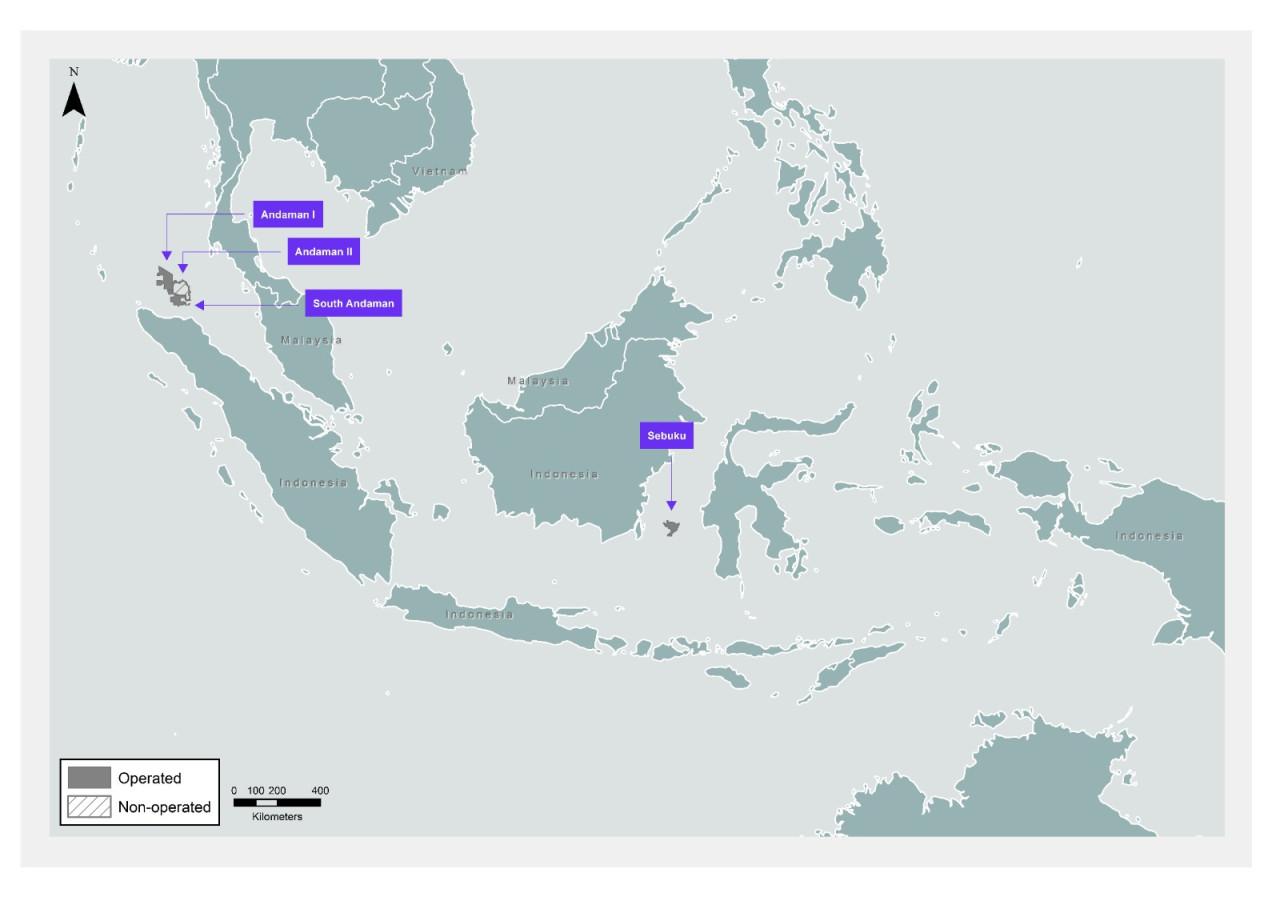
Indonesia has taken a significant step forward in its energy exploration sector by signing a contract with Harbour Energy and Abu Dhabi’s Mubadala Petroleum for the development of the Central Andaman block. The agreement is poised to unlock new prospects in the nation’s oil and gas sector, a move that is expected to enhance energy production and boost foreign investment in Indonesia’s energy resources.

The deal, which was finalized amid growing interest in Southeast Asia’s oil and gas reserves, marks a key milestone in Indonesia’s long-term strategy to increase its energy output and strengthen partnerships with international energy giants. Harbour Energy, a leading UK-based oil and gas company, alongside Mubadala Petroleum, an investment arm of the UAE’s Mubadala Investment Company, will collaborate on exploring and developing the Central Andaman block, located in the western part of Indonesia’s maritime zone. This area is rich in hydrocarbon potential, a crucial factor in meeting both domestic demand and export needs for Indonesia’s energy consumption.

This partnership is seen as a testament to Indonesia’s appeal as a prime investment destination in the energy sector. The agreement follows the country’s efforts to secure more investments in upstream oil and gas projects as part of its broader initiative to meet its energy targets. Indonesia has been working to reverse declining oil production and ensure that the nation’s oil and gas reserves continue to meet growing demand. The Central Andaman block, with its significant untapped reserves, is expected to contribute substantially to these goals.

The signing of the contract also aligns with the Indonesian government’s broader policy of attracting foreign capital into its energy sector. Harbour Energy’s track record in global exploration and Mubadala’s financial strength position both entities as highly strategic partners for the state-owned energy company, PT Pertamina. Pertamina, which will retain a stake in the project, is tasked with overseeing the development and ensuring the sustainability of operations across the block.

The Central Andaman block is located within an area known for its favorable geologic conditions, potentially offering both deepwater oil fields and gas reserves that have remained underexplored until now. The consortium’s exploration activities are expected to employ advanced technologies and methodologies to assess the block’s full potential, including seismic surveys and drilling operations in areas that have previously been difficult to access.

One of the key outcomes expected from this partnership is the improvement of Indonesia’s energy security. By developing its own oil and gas resources, Indonesia aims to reduce its dependence on energy imports, which have long been a vulnerability in its economic framework. Moreover, the exploration of new oil fields can provide an economic boost through job creation, the generation of local revenue, and the attraction of further investment into related sectors such as infrastructure and technology.

In addition to bolstering energy security, the deal also reflects growing geopolitical shifts in the global energy landscape. Southeast Asia has increasingly become a focal point for energy investments as global oil companies look for new frontiers amidst declining oil reserves in traditional oil-producing regions. The Central Andaman block’s untapped reserves add to Indonesia’s strategic importance, not only as an energy producer but also as a key player in the Indo-Pacific energy equation.

However, the path forward is not without challenges. The complex environmental and regulatory landscape of Indonesia’s offshore oil fields poses potential hurdles, including the need to adhere to stringent environmental standards while developing the block’s resources. Harbour Energy and Mubadala’s experience in managing large-scale offshore projects will likely be tested as they navigate these challenges, balancing sustainable practices with the need for efficient resource extraction.

The Indonesian government has indicated that it will continue to prioritize energy projects that contribute to the nation’s long-term economic growth while ensuring environmental sustainability. The Central Andaman block deal is expected to be closely monitored by both domestic and international stakeholders, who view the partnership as a litmus test for Indonesia’s ability to maintain its position as a leading oil and gas producer in Asia.

Crypto casinos are already popular for players seeking anonymous, fast, and secure experiences. Unlike traditional casinos, they provide unique benefits by enabling players to use cryptocurrencies for deposits and withdrawals. However, cashing out from a cryptocurrency casino might be challenging if you’re unaware of the procedure or withdrawal options. But this article helps you with just that! Here are the best withdrawal techniques, and advice on handling […]

Cambodia’s authorities have moved to block access to 16 cryptocurrency exchange websites, including global giants Binance and Coinbase, citing the lack of necessary operating licenses. This decisive measure underscores the country’s intensifying battle against unregulated cryptocurrency activities in its burgeoning digital economy. However, the mobile apps associated with these platforms remain accessible, raising concerns over the efficacy of these restrictions in curbing illicit activities.

The Securities and Exchange Regulator of Cambodia (SERC) spearheaded this initiative as part of a broader effort to regulate the rapidly expanding cryptocurrency market. Despite repeated warnings and regulatory announcements, exchanges operating without appropriate authorization have continued to flourish, presenting risks to users and the financial ecosystem.

The absence of comprehensive laws governing cryptocurrency operations in Cambodia has created a regulatory vacuum, exploited by both local and international actors. Although collaborations with established players like Binance have been announced to build regulatory frameworks and enhance operational transparency, enforcement mechanisms remain nascent. Binance, for instance, has signed agreements to assist in developing the country’s digital asset ecosystem, but its platform now faces restricted access amid this crackdown.

The move aligns with global trends where countries are tightening controls over crypto operations to mitigate risks such as money laundering and financial fraud. Nations like the United States and Japan have implemented rigorous licensing procedures, while Cambodia’s current actions reflect an early stage of regulatory enforcement aimed at similar outcomes.

As cryptocurrency adoption grows in Southeast Asia, Cambodia has emerged as a region of interest for industry leaders. Yet, challenges persist in balancing innovation with compliance. Despite SERC’s partnerships aimed at fostering legal crypto market development, illegal exchanges have capitalized on the regulatory gaps, exploiting consumer trust and creating an uneven playing field.

The broader implications of this crackdown extend to the economy’s digital transformation. Cambodia is actively seeking to harness blockchain technology to boost its financial and economic infrastructure. However, unchecked cryptocurrency activities could undermine these efforts, necessitating more robust legislation and international cooperation.

Cambodia’s struggle mirrors broader global challenges in regulating an inherently decentralized and rapidly evolving sector. As the nation ramps up its enforcement, the sustainability of these measures will depend on the development of a clear regulatory framework and the ability to enforce compliance effectively.

Omnichannel data audience company wins for Best Customer Data Platform, Best AI Marketing Solution, and Best Mobile Marketing Solution SUNNYVALE, USA & HONG KONG SAR – Media OutReach Newswire – 3 December 2024 – AlikeAudience, a company directly integrated with major demand side platforms and data marketplaces worldwide that provides premium omnichannel audience data to brands, has announced its victory in three categories at this year’s Marketech […]

Advertisements

Coinbase has launched a new feature, integrating Apple Pay into its platform through the “OneRamp” product, enabling users to make seamless fiat-to-crypto transactions. This move comes as part of Coinbase’s strategy to simplify cryptocurrency trading and expand access for everyday users. By integrating Apple Pay, Coinbase aims to offer a more efficient and user-friendly method for purchasing cryptocurrencies directly from fiat accounts.

OneRamp, designed to streamline the transaction process, allows users to connect their Apple Pay accounts with their Coinbase profiles. The feature enables the purchase of digital assets with a single click, providing an immediate, seamless bridge between traditional fiat currencies and the world of cryptocurrency. The integration comes at a time when many investors and users are seeking easier ways to participate in crypto markets without dealing with the complexities of traditional banking and crypto exchanges.

The collaboration between Coinbase and Apple Pay is expected to make crypto more accessible to mainstream audiences, particularly those who are already comfortable using Apple Pay for everyday transactions. Apple Pay is widely used for various purchases, from retail shopping to online services, and the integration into Coinbase provides a new, frictionless entry point into the cryptocurrency ecosystem. As the crypto market continues to evolve, such integrations are seen as vital for bridging the gap between traditional finance and the decentralized finance world.

For Coinbase, the introduction of OneRamp with Apple Pay represents a significant shift in how the platform approaches user experience. By eliminating barriers like cumbersome account setup processes or the need for multiple authentication steps, Coinbase hopes to attract a broader user base. One-click crypto purchases can appeal to individuals who are not well-versed in blockchain technology but are familiar with digital payment methods like Apple Pay.

This integration also positions Coinbase to compete more effectively with other crypto exchanges that are constantly working on improving ease of use and expanding payment options. Other platforms have made similar moves in recent months, integrating traditional payment systems into their crypto-buying processes. As a result, Coinbase’s new feature is part of a larger trend to democratize access to cryptocurrency, making it as easy to purchase as any other consumer good.

The broader implications of the Coinbase-Apple Pay collaboration also touch on the growing intersection of traditional finance and the evolving cryptocurrency space. Apple, with its large user base and robust payment infrastructure, brings credibility and convenience to cryptocurrency purchases, something that has long been a barrier for potential investors. Cryptocurrency still faces challenges in gaining widespread adoption, with concerns over security, volatility, and regulatory uncertainty. By partnering with a trusted name like Apple, Coinbase hopes to address some of these issues while encouraging more mainstream participation.

This development also highlights Coinbase’s ongoing efforts to improve its platform for a global audience. Apple Pay is available in multiple regions, and its integration with OneRamp is expected to facilitate crypto transactions in these markets. Expanding payment options and making crypto more accessible to users in various countries is part of Coinbase’s strategy to broaden its international presence and increase its user base beyond North America.

In addition to the technical improvements, this integration has the potential to drive increased liquidity in the crypto market. The ability to quickly convert fiat into cryptocurrency through widely recognized payment systems could boost market activity, as users will have easier access to buy and sell cryptocurrencies as they see fit. This could also lead to a more dynamic marketplace, where crypto trading becomes just as seamless as trading in other financial assets.

However, the success of this integration will depend on how well Coinbase and Apple Pay can manage issues such as fraud prevention and regulatory compliance. With governments and regulators around the world tightening their focus on cryptocurrency transactions, Coinbase will need to ensure that its platform remains compliant with both local and international regulations. The integration of Apple Pay, while simplifying the purchasing process, may also require Coinbase to maintain robust security measures to protect users from potential cyber threats.

HONG KONG SAR – Media OutReach Newswire – 2 December 2024 – The 18th MIPIM Asia Summit returns this year to address key themes reshaping the real estate landscape in Asia and globally. Bringing together prominent international investors and speakers, the MIPIM Asia Summit 2024 will feature the prestigious MIPIM Asia Awards Ceremony and take place on December 3rd and 4th at the Grand Hyatt in Hong […]

From wars in Eastern Europe and the Middle East to rising tensions in the Taiwan Strait, geopolitical instability has become the defining characteristic of our time. There are now more active armed conflicts than at any point since World War II. Simultaneously, the digital realm has become a battleground, with cyberattacks escalating in frequency and sophistication, targeting both national infrastructures and private enterprises. While these developments are […]

By Nantoo Banerjee It is a matter of grave concern that counterfeit Rs 500 notes from the Mahatma Gandhi (new) series have nearly quadrupled between 2018-19 and 2023-24. And, the detection of counterfeit Rs 2,000 notes has tripled since 2020-21. The Rs 2,000 notes continue to remain legal tender and can be exchanged at RBI […]

Coinbase, one of the world’s largest cryptocurrency exchanges, has officially withdrawn its pre-application to enter Turkey’s highly competitive cryptocurrency market. This marks a significant shift in the company’s strategy, as it had initially expressed strong intentions to expand into the Turkish market, a region that has seen growing interest in digital assets amid economic volatility.

The decision to withdraw follows a series of regulatory hurdles and growing challenges within the Turkish crypto landscape. While Turkey has long been a fertile ground for cryptocurrency adoption, especially as citizens seek alternatives to the national currency amidst inflationary pressures, the government’s regulatory stance on digital assets has been evolving. Authorities in Turkey have yet to formalize comprehensive rules for cryptocurrency exchanges, leaving many firms cautious about fully committing to the market.

This move by Coinbase is a noteworthy development, particularly as Turkey’s cryptocurrency market continues to attract international players. While Coinbase steps back, other exchanges like Bitfinex and OKX remain in the race to establish their presence. These platforms are among the remaining applicants vying for regulatory approval to offer custody services in Turkey, signaling a competitive shift as major players navigate the evolving regulatory environment.

The regulatory framework for cryptocurrency exchanges in Turkey has been under close scrutiny for some time. The country introduced a series of measures to monitor and control the crypto sector, particularly focusing on anti-money laundering (AML) and combating the financing of terrorism (CFT). These measures have raised concerns among some international companies about the compliance and operational challenges associated with entering the Turkish market.

For Coinbase, which has faced increasing regulatory scrutiny in its home market of the United States, the decision to withdraw its pre-application could signal a shift in its global expansion strategy. While Turkey remains an attractive market due to its tech-savvy population and growing cryptocurrency adoption, the complexities surrounding compliance and local regulations might have led to Coinbase reassessing the potential risks.

On the other hand, Bitfinex and OKX are pushing ahead with their applications, signaling confidence in the Turkish market despite the regulatory uncertainties. These exchanges are known for their established presence in various global markets and have experience navigating complex regulatory landscapes. Bitfinex, for instance, has already secured regulatory approvals in several jurisdictions and is hoping to build on this momentum to gain entry into Turkey. Similarly, OKX, a major player in the crypto trading world, has been actively expanding its global footprint and sees Turkey as a strategic location to broaden its services.

Turkey’s regulatory stance has played a significant role in shaping the market’s future. The government has shown a willingness to embrace blockchain technology, but with cautious oversight. In late 2021, Turkey’s central bank launched a digital currency pilot project, signaling the country’s interest in blockchain innovation while maintaining strict control over the crypto space. This move demonstrated a desire to ensure that cryptocurrencies do not undermine the financial system but instead complement the traditional banking infrastructure.

Despite the regulatory hurdles, Turkey remains one of the largest markets for cryptocurrency in the Middle East. According to several reports, more than 20 million Turkish citizens own or trade cryptocurrencies, a significant portion of the population. The adoption of digital assets has been driven by factors such as inflation, a weakening national currency, and the search for alternative investment vehicles. Many Turkish citizens have turned to Bitcoin, Ethereum, and other digital currencies as a store of value during economic uncertainty.

While the Turkish government is still in the process of refining its stance on cryptocurrencies, the market has witnessed substantial growth in user adoption. However, concerns over security and fraud have prompted regulators to tighten oversight. The Turkish government’s approach to crypto regulation is expected to remain cautious, as officials work to balance innovation with security and financial stability.

As Coinbase retreats from the race, its competitors will have to navigate these challenges and carefully consider how to meet regulatory requirements while capitalizing on the growing demand for digital assets in Turkey. For Bitfinex, OKX, and other exchanges, the competition to dominate the Turkish market will likely intensify as they seek to establish themselves as trusted players in the region.

HONG KONG SAR – Media OutReach Newswire – 2 December 2024 – The “Building Your Edges: Tech-Forward Ventures in ASEAN” summit, hosted by edge Summit in collaboration with Oracle NetSuite and ONE Pacific, with support from Cyberport and Gobi Partners, explored how Hong Kong businesses can leverage contemporary cloud ERP systems, startup support initiatives, and venture capital opportunities to expand into the ASEAN market, facilitating growth, expansion, […]

Tech Mahindra has collaborated with Universal Scientific Industrial (USI), a leading global provider of electronic design and manufacturing services, to establish an engineering development center in Bengaluru. This partnership marks USI’s first such venture in India and aims to leverage advanced technological expertise for developing innovative smart devices, augmented and virtual reality solutions, and connected vehicle technologies.

The facility, housed within Tech Mahindra’s Bengaluru office, is designed to accelerate the delivery of scalable solutions and bring cutting-edge products to market efficiently. By combining Tech Mahindra’s extensive talent pool and USI’s robust engineering capabilities, the initiative focuses on creating breakthrough innovations in software development, hardware design, and integrated testing services.

The center is set to offer a wide array of services including modem software development, middleware engineering, device drivers, board support packages, and advanced PCB design. These capabilities will significantly enhance USI’s focus on the telecom and automotive sectors, aiming for quicker and more efficient product deployment.

Tech Mahindra’s leadership emphasized the strategic importance of the collaboration. Narasimham RV, President of Engineering Services, stated that the venture underscores the company’s commitment to driving technological advancement through specialized engineering solutions. Similarly, John Fang, Chief Technology Officer at USI, highlighted that the center would enhance USI’s R&D capabilities, enabling the company to better meet the rapidly evolving demands of its global clientele.

Verizon, in partnership with Ciena, has achieved a significant milestone in optical communication by successfully transmitting data at 1.6 terabits per second (Tbps) over a single-carrier wavelength. The trial, conducted along a 118-kilometer metro route in Boston, utilized Ciena’s WaveLogic 6 Extreme (WL6e) coherent optical technology. This innovation is part of Verizon’s broader strategy to enhance its fiber network capabilities to meet the surging demands of artificial […]

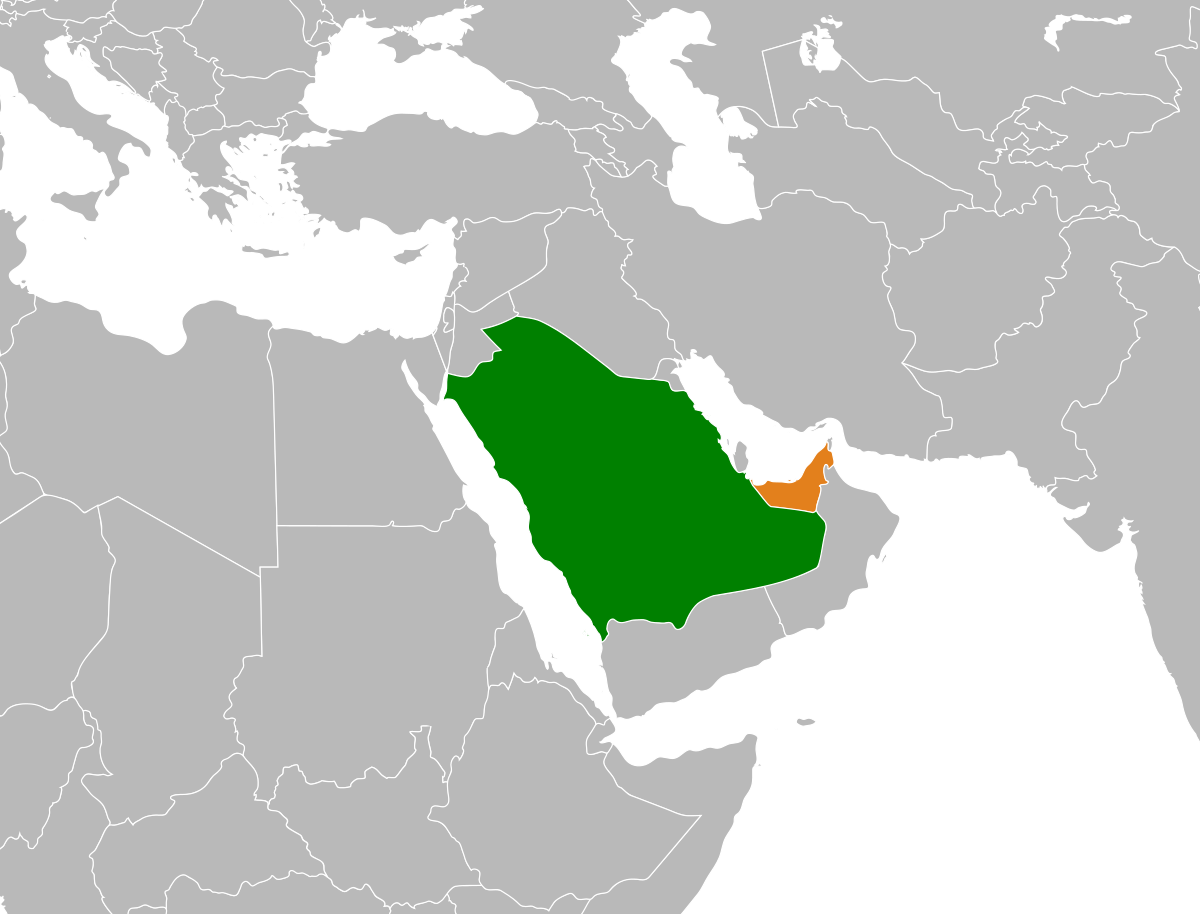
UAE President Sheikh Mohamed bin Zayed Al Nahyan and Saudi Crown Prince Mohammed bin Salman held a high-level meeting to further solidify their countries’ bilateral relations, underscoring the enduring strength of their partnership. The meeting comes as both nations navigate complex regional and global challenges, aiming to reinforce their cooperation in key sectors such as energy, security, and technology.

The summit, which took place in Abu Dhabi, reflects the growing strategic importance of the UAE-Saudi relationship. This alliance has been marked by a shared commitment to regional stability, economic growth, and development. The two leaders’ discussions have centered on deepening political and economic collaborations, enhancing trade, and exploring opportunities in emerging fields like renewable energy and space exploration.

The UAE and Saudi Arabia have long been influential players in the Gulf region, and their partnership is often seen as a counterbalance to external powers. Their collaboration spans beyond bilateral matters, impacting broader issues such as security in the Middle East, OPEC oil production agreements, and joint ventures in technological advancements. The convergence of their interests is aimed at positioning the two nations as global leaders in multiple sectors.

Trade relations between the UAE and Saudi Arabia have been growing steadily, with the UAE becoming one of Saudi Arabia’s largest trading partners. The two nations are focused on further facilitating economic integration through the Gulf Cooperation Council (GCC), which serves as a platform for harmonizing their policies on trade, investment, and infrastructure. Their concerted efforts are seen as crucial for advancing the region’s economic diversification and reducing dependence on oil.

In the realm of energy, the UAE and Saudi Arabia are working together to lead the charge on clean energy initiatives. Both countries have made significant strides in developing sustainable energy solutions, with large investments in solar power, nuclear energy, and hydrogen. Their collaboration in these sectors is intended to help the Gulf region transition toward a low-carbon future while maintaining energy security.

Security is another critical component of the UAE-Saudi partnership. Both nations have faced regional security threats, particularly from non-state actors and the geopolitical tensions surrounding Iran. As a result, the UAE and Saudi Arabia have worked in tandem to fortify their defense mechanisms and enhance intelligence sharing. Their coordinated efforts are also evident in joint military operations, particularly in Yemen, where both countries have been involved in the ongoing conflict as part of a Saudi-led coalition.

The leaders’ discussions also touched on the importance of technological innovation as a driver of future economic growth. The UAE has positioned itself as a hub for technological advancements in the Middle East, with initiatives like Dubai’s smart city projects and the UAE’s space program gaining international recognition. Meanwhile, Saudi Arabia has launched its own ambitious Vision 2030 initiative, which includes plans for transforming its economy through technology, including its investments in artificial intelligence, blockchain, and digital infrastructure.

The strategic alliance between the UAE and Saudi Arabia has not only helped shape the region’s economic and political landscape but has also made them key partners in broader international forums. Both nations have increasingly taken a proactive stance in addressing global challenges, including climate change, public health, and geopolitical tensions. Their efforts to collaborate on such issues signal a broader commitment to fostering stability and peace in the Middle East and beyond.

XRP has made an impressive leap in the cryptocurrency market, surpassing both Solana (SOL) and Tether (USDT) to become the third-largest cryptocurrency by market capitalization. This surge comes after the altcoin witnessed a significant rally of more than 25% in just 24 hours, pushing its price to approximately $2.4 as of Monday, December 2. The sudden rise in XRP’s value has caught market observers by surprise, with many speculating on the reasons behind its rapid ascension.

The rally follows a period of relative stability for XRP, which had traded in the range of $1.80 to $2.00 for several weeks. However, the momentum that has propelled XRP to its new position has been primarily driven by market sentiment, bullish trading volumes, and renewed investor interest. As a result, XRP now stands behind Bitcoin (BTC) and Ethereum (ETH) in market capitalization, making it a significant player in the evolving cryptocurrency space.

Ripple Labs, the company behind XRP, has been at the center of several legal battles, particularly with the U.S. Securities and Exchange Commission (SEC), over whether XRP should be classified as a security. While the case remains unresolved, many investors view the current rally as a signal that positive sentiment may be returning towards the digital asset. The outcome of the SEC case is closely watched by the crypto community, and a favorable ruling could further bolster XRP’s position in the market.

The significant price movement has sparked a broader conversation about the potential for altcoins to challenge the dominance of Bitcoin and Ethereum in the crypto space. While Bitcoin has long been regarded as the “gold standard” of cryptocurrencies, and Ethereum remains the leading platform for decentralized applications (dApps) and smart contracts, XRP’s rise to third place underscores the dynamic and unpredictable nature of the market.

XRP’s market surge has been further fueled by increasing adoption among financial institutions and the ongoing development of Ripple’s payment solutions. Ripple’s cross-border payment technology has gained traction, particularly in regions where traditional banking infrastructure remains underdeveloped. Ripple’s RippleNet network enables faster and cheaper cross-border transactions, a service that has drawn the attention of banks, remittance services, and financial institutions globally.

In addition to institutional interest, XRP’s price movement has been supported by a surge in retail trading activity. As more retail investors engage with the asset, liquidity in the market has increased, creating an environment where sharp price movements can occur more easily. This influx of interest, combined with positive sentiment surrounding the potential resolution of the SEC case, has resulted in XRP’s remarkable rally.

Solana, once considered one of the most promising cryptocurrencies due to its fast transaction speeds and low costs, has faced its own challenges in recent months. Despite high expectations, Solana has struggled to maintain its momentum, experiencing volatility and technical setbacks that have dampened investor confidence. This has opened the door for XRP to climb in the ranks, as Solana’s market capitalization faltered.

Similarly, Tether (USDT), the world’s leading stablecoin, has faced scrutiny in the wake of broader concerns about the stability and transparency of stablecoins. Although Tether has maintained its peg to the U.S. dollar, regulatory pressures and concerns over its backing have led some investors to seek alternatives, contributing to its relative stagnation in the rankings. The decline in Tether’s dominance in the stablecoin space has allowed other cryptocurrencies like XRP to take advantage of shifting market dynamics.

As XRP edges ahead of Solana and Tether, the cryptocurrency market continues to exhibit its volatile and unpredictable nature. While XRP’s ascent is notable, it remains to be seen whether this growth will be sustained or if other factors—such as regulatory developments or market corrections—could shift the tide. XRP’s future trajectory is closely tied to both the broader market trends and the outcome of the legal battles it faces.

For investors, the rise of XRP represents both an opportunity and a risk. Those who have been holding the asset for an extended period are likely to see substantial gains, but the volatility of the cryptocurrency market means that caution is necessary for those entering the space. As XRP’s market capitalization continues to grow, it may attract new investors, but it will also face increased scrutiny as it becomes more prominent.

The partnership will bring sports and technology into the same arena to power up HKRT’s players, football fans and the broader community HONG KONG SAR – Media OutReach Newswire – 29 November 2024 – The Football Association of Hong Kong, China (HKFA) is pleased to announce that the Hong Kong, China Representative Team (HKRT) has received strong support from the shared power bank provider CHARGESPOT, which will […]

The transition from traditional banking systems to cryptocurrency has marked a pivotal shift in the financial world, driven by the impact of demonetization trends and the surge in digital transactions. This evolution, explored in depth by researchers Aashi Rawal, Santosh Gopalkrishnan, Dhanashree Tharkude, and Pallavi Deshpande, highlights the challenges and opportunities that cryptocurrencies present to global financial frameworks. A comprehensive study presented at the 2024 International Seminar […]

Tech Mahindra has entered a strategic partnership with Amazon Web Services (AWS) to revolutionize the telecom industry by integrating Generative AI (GenAI) into network operations. This collaboration aims to modernize telecom networks through the development of an Autonomous Networks Operations Platform (ANOP), which promises to streamline and enhance network management for Communication Service Providers (CSPs) and enterprise clients.

The ANOP, powered by AWS’s machine learning and GenAI services, will provide a robust infrastructure for telecom companies to transition their operations from traditional, on-premise setups to more advanced, cloud-based models. This move is designed to improve operational efficiency by allowing real-time, proactive management of network issues, optimizing performance, and reducing downtime.

Key features of the platform include the integration of Amazon SageMaker, AWS’s tool for building and deploying machine learning models, and Amazon Bedrock, which provides a suite of high-performing foundation models from AI enterprises. These technologies are set to offer actionable, just-in-time recommendations for Network Operations Centers (NOCs), reducing human intervention and enhancing automation. Tech Mahindra is also focused on deploying AI-driven solutions for NOC productivity, which is expected to improve by over 50%, while field visits could drop by as much as 15%. The collaboration is set to shorten Mean Time to Repair (MTTR) for network incidents by over 30%.

The collaboration represents a significant step toward simplifying telecom operations. Manish Mangal, Chief Technology Officer at Tech Mahindra, explained that the communications industry is moving towards disaggregated, virtualized, and cloud-native Radio Access Networks (RAN). This partnership with AWS is aligned with that trend, helping telecom operators unlock new revenue streams through advanced technologies like AI and machine learning. One of the pivotal elements of the collaboration is the testing and validation of O-RAN functions, which will play a crucial role in enhancing network management and cloudification.

AWS also benefits from the collaboration by integrating its generative AI capabilities to deliver predictive maintenance and automated self-healing features. Robin Harwani, Head of Telco Industry Solutions at AWS, highlighted that these improvements will allow telecom operators to proactively manage networks, optimize operations, and cut down on operational costs. Through these AI enhancements, network performance can be managed in a more efficient and responsive manner, mitigating risks before they impact users.

BANGKOK, THAILAND – Media OutReach Newswire – 29 November 2024 – Everydayhappy Company Limited, a leading natural skincare brand, has been honoured with the prestigious Asia’s Most Promising SMEs Award at the Asia Corporate Excellence & Sustainability (ACES) Awards, organised by MORS. Established in 2010, the brand De Leaf emerged under the Everydayhappy umbrella with a fundamental belief: natural ingredients are essential for healthy skin. Over the […]

Motorcity Systems, a leader in transportation technology, has introduced ROLLER™, a new mobile application designed to transform fleet operations and improve the experiences of both drivers and fleet managers. The app, which integrates seamlessly with Motorcity’s cloud-based platforms, brings advanced features to streamline workflows and enhance operational efficiency.

Rigetti Computing has secured $100 million through its at-the-market (ATM) equity offering, which began in March 2024. This funding round is a significant step in the company’s push to advance its quantum computing capabilities, particularly focusing on the development of next-generation qubit systems. Rigetti aims to use the raised capital to accelerate the integration of superconducting qubits, with a target of achieving groundbreaking advancements in quantum-classical hybrid […]

Meta is set to undertake a groundbreaking project that could reshape global internet infrastructure. The company plans to lay down a 40,000 km subsea fiber optic cable that will encircle the globe. The estimated cost of the project exceeds $10 billion, marking it as one of the largest and most ambitious undertakings by the tech giant. This cable will be the first of its kind, owned and […]

VISHNU RAJA
RYO YAMADA
HITORI GOTOH
IKUYO KITA
Just in: