Just in:
Ningbo Consensus on Collaborative Development released at 2026 Global Mayors Dialogue · Ningbo // HKUST President and Chinese Academy of Sciences Academician Prof. Nancy Ip Receives UNESCO Honor for a Second Time // Microfinance case trouble for Vellappally // Excise chief shunted out in bar licence dispute // Private varsities bill all set to face the axe // India Under Pressure To Join RCEP On The Eve Of ASEAN Summit In Manila On Nov 15-17 // Geely’s i-HEV Intelligent Hybrid Technology Offers a New Direction for Gasoline-Powered Vehicles // Trump’s Iran War Has A Share Of Contribution To His Midterm Debacle // The “1st Greater Bay Area Health and Longevity Summit & Awards Ceremony” concludes successfully in Macao // HKUST President Prof. Nancy IP Receives UNESCO–Equatorial Guinea International Prize for Research in Life Sciences // Motorola introduces Signature 27 flagship priced at $1,599 // Battle Uttar Pradesh Will Be Tougher For Yogi Than Expected // CM disputes Vijayan’s claims // OpenAI abandons secrecy agreements for future data centres // OpenAI introduces GPT-6 Cyber with restricted security access // Democrats Gearing Up For 2028 Presidential Elections To Gain Full Power // Ousted top Kochi cop gets IG post // ADIA subsidiary seeks $7.5 billion private investment financing // Beyond the exhibition floor: How robots, AI and networks are moving into the real world // Geely’s i-HEV Intelligent Hybrid Technology Offers a New Direction Vision for Gasoline-Powered Vehicles //

News related to
Tesla

Tesla, once the unchallenged leader in the electric vehicle market, is experiencing significant headwinds as sales decline and competitors gain ground. In January 2025, Tesla’s European sales plummeted by 45% compared to the same month in 2024, with only 9,913 units sold, down from 18,121. Germany, a pivotal market for Tesla, witnessed a staggering 76% decrease in sales, with only 1,429 vehicles sold in February 2025. This […]

By P. Sudhir The US President Donald Trump, in his first address to the US Congress following his election, has threatened to impose tariffs on countries that he considers are taking advantage of US trade policies. In his list is India, along with Canada, Mexico, China, Brazil and the European Union. Trump has repeatedly named […]

The world’s leading technology billionaires have experienced unprecedented declines in their net worths, with a collective loss of approximately $266 billion in 2025. This downturn surpasses the market capitalizations of major corporations such as Salesforce and McDonald’s. Elon Musk, the CEO of Tesla and SpaceX, has seen his wealth diminish by $102 billion in just two months, primarily due to a 35% drop in Tesla’s stock price. […]

Matein Khalid I have warned my friends that US recession risk was rising alarmingly in the past month as I saw the price of oil and money (2-year Treasury note yields) tank in unison while metrics of consumer/business confidence nosedived. Now Wall Street has accepted my thesis that the tariff trauma will lead to a deflation Big Chill and not an inflation spike in the US economy. […]

Matein Khalid There is no doubt in my mind that the epic US equities bull market is now over since the S&P 500 index broke its 200 day moving average while I was at the wonderful StanChart suhoor with so many old pals from the 1990’s Al Mankhool salad days when the Mexican food at Zodiac/Bordertown in the Imperial Suites provided the hottest salsa (mirchi) in Rolla […]

Matein Khalid 2024 was the annus horribilis for luxury stocks as ​the Dragon Empire’s cultural DNA under Xi Dada pivoted to Maoist austerity, inflation hit the mass affluent wannabe Gatsbys of Europe and boonie America and Incredible India’s bling-bling badshahs and bhabhijis discovered the hard way that the speculative stock market mania on Dalal Street can and did end in tears. Obviously, Gandhian values are not exactly […]

Chinese automaker BYD Co. has reported a significant increase in its February 2025 sales, reinforcing its leading position in the global electric vehicle market. The company sold 322,846 vehicles worldwide, marking an 8.9% rise from January’s 296,446 units and a substantial year-on-year growth from 122,311 units in February 2024. This surge includes 318,233 passenger new energy vehicles , encompassing both battery electric vehicles and plug-in hybrid electric […]

Advertisements

OSU President Jayathi Murthy and OSU Foundation CEO Shawn Scoville meet alumni and future students in Bangkok BANGKOK, THAILAND – Media OutReach Newswire – 27 February 2025 – Oregon State University (OSU) President Professor Jayathi Y. Murthy met with OSU alumni and newly admitted students in Bangkok today, reinforcing the university’s commitment to world-class education, research excellence, and student success. Jayathi Y. Murthy, President of Oregon State […]

Cryptocurrency markets have witnessed a sharp downturn, with major tokens such as Solana , XRP, and Dogecoin experiencing significant losses. The market has plunged by double digits, with Solana seeing a drop of 14%, while XRP and Dogecoin both fell by 8%. Analysts are pointing to a combination of macroeconomic factors and market sentiment driving the sell-off, which has left many traders and investors anxious about the future of digital assets.

The sell-off marks another chapter in a volatile year for the cryptocurrency market, which has been heavily impacted by shifts in investor confidence, regulatory pressure, and broader economic conditions. Despite the immediate losses, experts suggest that the bearish sentiment may be overblown and that the situation could improve if broader market conditions stabilise. A significant aspect of the downturn stems from macroeconomic decisions, particularly those related to interest rates and inflationary concerns, which continue to affect global financial markets.

A closer examination of the data reveals that Solana’s decline of 14% has been the most pronounced, as the token has struggled to maintain momentum amid broader market turmoil. Solana, once hailed as a promising competitor to Ethereum due to its high transaction speeds and lower fees, had seen significant growth earlier in the year. However, a combination of investor uncertainty and technical setbacks has prompted a sharp pullback. The cryptocurrency, which had been making strides in various sectors including decentralized finance and NFTs, now faces questions about its long-term prospects.

XRP, the token associated with Ripple Labs, also saw a notable decline. XRP’s price had been particularly sensitive to ongoing regulatory scrutiny. The US Securities and Exchange Commission had filed a lawsuit against Ripple Labs, alleging that XRP was being sold as an unregistered security. While the case has experienced some legal setbacks for the SEC, the uncertainty surrounding its final resolution continues to weigh heavily on XRP’s price. The overall decline of XRP further demonstrates the market’s vulnerability to legal and regulatory challenges.

Dogecoin, once considered a meme coin but now one of the most widely recognised cryptocurrencies, also experienced a sharp decline. Dogecoin has largely been buoyed by its strong community and celebrity endorsements, particularly from Elon Musk, who has been a vocal supporter of the coin. However, the broader market sentiment has put pressure on Dogecoin, and its reliance on external factors such as Musk’s influence has led some analysts to question its sustainability as a long-term investment.

Traders and analysts are divided on the cause of the ongoing market plunge. Many argue that the market is simply undergoing a correction after a period of speculative excess, while others point to external macroeconomic factors such as rising inflation and concerns over central bank policies. The US Federal Reserve’s interest rate hikes have been a particular point of concern, as higher rates tend to increase the cost of borrowing, which can reduce risk appetite among investors.

On the other hand, some market participants suggest that the negative sentiment is exaggerated. “The cryptocurrency market is inherently volatile, and these sharp sell-offs are not unusual,” said one experienced trader. “While the market is facing headwinds, there are still significant opportunities for growth if the macroeconomic landscape improves.” According to these traders, the market may bounce back once investors regain confidence, and the ongoing regulatory developments around cryptocurrencies are clarified.

Market watchers are also considering the role of technological advancements and institutional adoption in shaping the future of digital assets. There has been a growing trend of large institutional players becoming more involved in the cryptocurrency space. Companies such as Tesla and MicroStrategy have been buying up Bitcoin, while various traditional financial institutions have been exploring blockchain-based solutions for their clients. The continued expansion of blockchain technology, particularly in areas like supply chain management and cross-border payments, is expected to contribute to long-term growth in the sector.

However, the current sell-off raises important questions about the underlying value of digital assets. Many investors are beginning to question whether the price levels of cryptocurrencies can sustain themselves without broader economic support. The fear of further regulatory crackdowns and the uncertainty surrounding potential government intervention in the space has left many feeling wary of long-term investments in cryptocurrencies.

In light of the current downturn, some analysts believe that the market could stabilise over the coming months, especially if global financial conditions improve. While the sell-off is painful for many investors, it could also present opportunities for those with a longer-term outlook. “These types of corrections are painful, but they are also a natural part of any market cycle,” said one economist specialising in digital currencies. “If the macroeconomic situation stabilises and governments and regulators take a more balanced approach, the market could bounce back.”

The rise of central bank digital currencies is another aspect that could impact the cryptocurrency landscape. Several countries, including China and the European Union, are actively exploring or testing CBDCs, which could potentially reduce demand for private cryptocurrencies. However, experts believe that CBDCs and cryptocurrencies could coexist, with central banks using digital currencies for state-backed transactions and private cryptocurrencies continuing to serve as alternatives for more speculative or peer-to-peer transactions.


KUALA LUMPUR, MALAYSIA – Media OutReach Newswire – 25 February 2025 – Over the past few years, the strategic endorsements, enigmatic tweets, and business manoeuvres of Elon Musk have caused shock waves in the cryptocurrency market with wild price fluctuations. Today, he is creating a native cryptocurrency on the X platform under the temporary name, X Money. Source: Shutterstock When and if it happens, the project can […]

By K Raveendran The term disruption has undergone a significant transformation in meaning over the years. Traditionally, it carried a negative connotation, indicating disorder or interruption. However, in the contemporary technological setting, disruption is celebrated as a driver of innovation, progress, and problem-solving. Companies like Uber, Airbnb, and Tesla have all disrupted their respective industries, […]

Portland-based startup AheadComputing has secured $21.5 million in seed funding to develop advanced CPU technology utilizing the open-source RISC-V architecture. Founded by former Intel executives, the company aims to address performance challenges in artificial intelligence applications, particularly those related to bandwidth and data processing limitations. Leading the company is CEO Debbie Marr, who, along with other senior executives, departed Intel last year to establish AheadComputing. Marr emphasized […]

Nissan Motor Co. experienced an 11% surge in its share price on Friday following reports that a prominent Japanese consortium is formulating plans to attract investment from Tesla Inc. This development comes on the heels of Nissan’s unsuccessful merger discussions with Honda Motor Co., highlighting the automaker’s ongoing efforts to stabilize its financial standing. The initiative is spearheaded by Hiro Mizuno, a former Tesla board member, with […]

A collision between a Tesla Model Y and a Xiaomi SU7 in a Chinese tunnel has sparked widespread discussions about electric vehicle safety and build quality. The incident, which occurred when the Xiaomi SU7 rear-ended the Tesla Model Y, resulted in both vehicles sustaining damage, with the Xiaomi SU7’s front end severely crushed, while the Tesla Model Y exhibited comparatively minor rear-end damage. Photographs of the aftermath […]

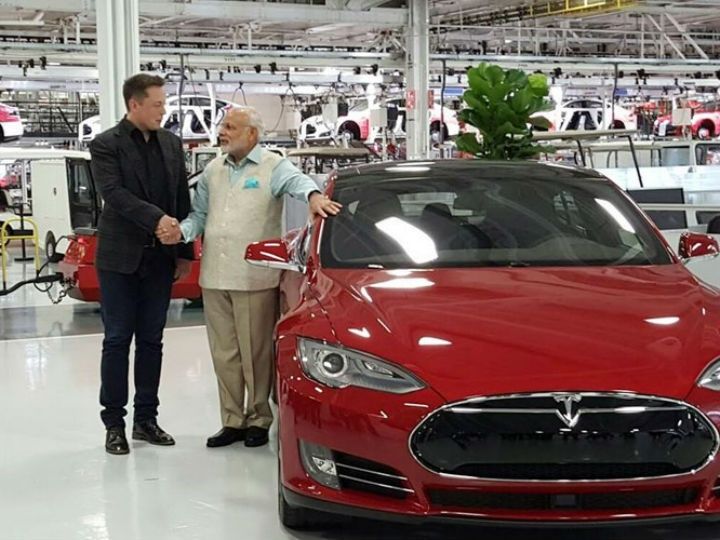
Tesla Inc. has made a significant move towards entering the Indian market, as evidenced by a surge in job openings across key locations like Mumbai and Delhi. The company is currently seeking to fill 13 roles, spanning customer-facing and back-end positions, marking a clear commitment to establishing a foothold in India’s growing electric vehicle sector.

The announcement comes after Elon Musk’s high-profile meeting with Prime Minister Narendra Modi, a discussion that appears to have catalysed Tesla’s decision to pursue expansion in the region. The timing of this strategic move is especially relevant given the recent developments in India’s trade policies, with the government reducing import duties on luxury cars, a measure that could provide Tesla with a more favourable environment for operations.

India’s electric vehicle market, while still in its infancy compared to China’s, is poised for considerable growth. The country’s rapid urbanisation, increased government focus on sustainability, and rising interest in eco-friendly transportation solutions position it as a key player in the global EV landscape. Tesla, with its reputation for high-performance, premium EVs, stands to benefit from these trends.

Tesla’s recruitment efforts are seen as an indication of the company’s intention to tap into the vast potential of India’s automotive sector. The roles available span various areas, including technical support and operations, aimed at building the company’s infrastructure in the region. This is not the first time Tesla has shown interest in India; however, the recent policy changes have provided a more favourable environment for international companies looking to expand their operations.

Prime Minister Modi’s engagement with Elon Musk is likely to have been a pivotal factor in advancing Tesla’s plans for India. During the meeting, both parties discussed ways to enhance cooperation, particularly in sectors such as renewable energy and electric vehicles. Tesla’s entry into India aligns with the government’s push to reduce carbon emissions and transition towards sustainable energy solutions.

The reduction in import duties on luxury vehicles is a significant policy shift that could greatly benefit Tesla’s plans. Previously, India imposed high import duties on foreign-made vehicles, making it challenging for companies like Tesla to price their products competitively in the local market. The recent reduction, part of a broader effort to stimulate the EV sector, is seen as a move to attract global automakers. Tesla, which manufactures its vehicles primarily in the United States, is expected to benefit from these lower tariffs, potentially making its vehicles more affordable for Indian consumers.

India’s EV market, while smaller than China’s, is growing at a rapid pace. The country’s government has set ambitious targets for electric vehicle adoption, with a focus on reducing air pollution and decreasing dependence on imported oil. The Indian government has also introduced several incentives to promote the sale and manufacturing of electric vehicles, including subsidies for EV buyers and manufacturers, as well as tax exemptions for charging infrastructure.

Despite these encouraging trends, Tesla will face stiff competition in the Indian market. Homegrown automakers, such as Tata Motors and Mahindra & Mahindra, have already established themselves as key players in the EV sector, offering affordable electric cars that cater to Indian consumers’ needs. Additionally, the infrastructure for electric vehicles in India remains underdeveloped in many regions, with limited charging stations and a lack of widespread awareness among consumers about EV technology.

Nevertheless, Tesla’s brand recognition and technological expertise are expected to give it an edge in the Indian market. The company’s high-performance vehicles, coupled with its focus on sustainable energy solutions, could appeal to India’s growing middle and upper classes, who are increasingly concerned with environmental issues. Additionally, Tesla’s potential to create local manufacturing jobs and contribute to India’s green energy goals may help the company secure government support.

Tesla’s entry into India also signals the increasing importance of emerging markets in the global automotive industry. As more companies look to expand beyond their traditional markets in North America and Europe, countries like India and China are becoming central to the automotive industry’s future growth. India, with its large population, growing middle class, and rising environmental awareness, presents a significant opportunity for Tesla to expand its global footprint.

By Kunal Bose The world, much to its disappointment, is seeing the United States of America, which is the world largest economy and mightiest military power, rapidly embracing raw, unrestrained capitalism under the newly inaugurated second-term Presidency of Donald John Trump abandoning all traces of egalitarianism. Induction of Tesla chairman Elon Musk to head the […]
A fresh debate has erupted surrounding the United States’ vast gold reserves, with Tesla CEO Elon Musk’s latest initiative drawing significant attention. The billionaire entrepreneur’s venture into auditing the nation’s most famous gold vault, Fort Knox, has sparked a chain of reactions among US lawmakers, financial experts, and the general public. Musk’s involvement, via his cryptocurrency project D.O.G.E., has reignited long-standing questions about the transparency and true scale of the nation’s gold holdings.

The Fort Knox vault, located in Kentucky, has long been a symbol of American financial security. It is home to thousands of tonnes of gold, which are believed to be held as part of the US’ reserve assets. While the facility itself has been shrouded in mystery for decades, Musk’s recent remarks have breathed new life into theories that question the actual existence and accessibility of these gold reserves. His call for an independent audit using his company’s resources has added fuel to an ongoing fire, leading to broader scrutiny of the US government’s financial transparency.

At the centre of this new controversy is Musk’s claim that there are inconsistencies regarding the Fort Knox vault’s gold inventory. The entrepreneur’s involvement with cryptocurrency, particularly through D.O.G.E., has raised eyebrows due to the rapid growth and volatility of digital currencies. Musk, who has been known to influence markets with his statements, now aims to apply the same approach to the traditional gold market. By introducing D.O.G.E., a cryptocurrency linked to his ambitious tech empire, Musk is positioning the digital asset as a tool for conducting an audit of the US gold reserves.

US lawmakers have quickly joined the debate, with several key figures calling for a full audit of the nation’s gold holdings. Senator Joe Manchin, a senior figure in US politics, has been vocal about the need for transparency in the government’s financial affairs. He has expressed concern that the gold may not be where it is supposed to be or that the quantities may have been overstated. His remarks have sparked both support and criticism, with some arguing that the audit would help restore public trust in the US financial system, while others believe it could undermine faith in the nation’s economic stability.

The idea of auditing Fort Knox is not new. Over the years, various proposals to open the vaults for a comprehensive check have been raised, but none have gained significant traction. Some believe that the gold has been subject to changes in ownership or use, potentially as collateral for government loans or other financial arrangements. Musk’s recent comments, however, have added a new layer of intrigue, with his backing of a high-profile audit pushing the issue to the forefront once again.

Many experts view the current debate as part of a larger trend in which billionaires and tech moguls, such as Musk, use their influence to challenge established systems. These figures are increasingly venturing into areas traditionally dominated by governments and central banks, and their ability to sway public opinion has become more pronounced in recent years. By combining the potential of cryptocurrency with a highly publicised investigation into one of the US government’s most guarded assets, Musk is demonstrating the growing convergence of traditional finance and emerging technologies.

The issue of transparency surrounding Fort Knox also taps into wider concerns about the US economy. The country’s debt continues to rise, and there are growing calls for a revaluation of the assets held by the Federal Reserve. Gold has long been seen as a hedge against inflation and economic uncertainty, and questions about its true volume in government hands have led to speculation about the US’ ability to back its currency with tangible assets. Critics of the current system argue that a more accurate and transparent audit of the gold reserves could shed light on the government’s financial health and provide clearer insight into the US dollar’s future stability.

Adding further complexity to the situation is the role of cryptocurrency in this conversation. Musk, through his involvement with D.O.G.E., has embraced digital currencies as a powerful financial tool. Cryptocurrency’s decentralised nature contrasts sharply with the traditional and highly centralised nature of national gold reserves. By advocating for an independent audit using his crypto project, Musk is signalling a challenge to the long-standing dominance of traditional financial systems, proposing that digital currencies could offer a more transparent, equitable method of handling government assets.

Financial analysts have mixed opinions on whether Musk’s proposed audit will succeed. On one hand, the billionaire’s reputation for challenging norms has earned him a dedicated following, particularly among younger investors and cryptocurrency enthusiasts. His involvement with D.O.G.E., which has grown rapidly in value, has brought significant media attention to the project, and some believe this could give it the momentum needed to gain government approval for the audit. On the other hand, critics argue that such a move could lead to unforeseen consequences for both the US economy and the global financial landscape.

The debate is also gaining traction among gold industry leaders, some of whom argue that Musk’s initiative could be disruptive. They contend that an audit of Fort Knox could create market volatility, particularly for the gold markets, which are already subject to fluctuations based on geopolitical events and investor sentiment. These concerns highlight the complexity of aligning digital and traditional financial systems, especially when such powerful figures enter the fray.

Apple Inc. and Meta Platforms are intensifying efforts to develop AI-driven humanoid robots, signaling a significant shift in the technology landscape. This move positions both companies in direct competition within the emerging robotics sector, aiming to revolutionize industries ranging from healthcare to domestic services. Meta has initiated a substantial investment in humanoid robotics, focusing on creating advanced robots capable of performing human-like tasks. The company’s Reality Labs […]

Elon Musk’s Department of Government Efficiency has commenced significant layoffs within the U.S. federal workforce, issuing termination notices to over a dozen employees at the U.S. Digital Service . This action aligns with President Donald Trump’s directive to streamline government operations and reduce expenditures. The layoffs have sparked nationwide protests, with demonstrators targeting Tesla showrooms to express their dissent against Musk’s cost-cutting measures and perceived influence over […]

DUBAI, UAE – Media OutReach Newswire – 11 February 2025 – The World Government Summit, known as “the world’s largest and most influential” intergovernmental forum, was held in Dubai, UAE, from 11 to 13 February. Themed as “Shaping Future Governments”, the Summit attracts about 6,000 participants, including more than 30 heads of state and government, over 80 heads of international organizations and 140 government delegations. The Summit […]

Tesla and SpaceX CEO Elon Musk’s ambitious “buyout” offer, made available to employees, has seen an overwhelming response as the deadline draws near. By Wednesday, more than 40,000 employees from a mix of industries had expressed interest in the scheme. The initiative, which provides employees with the opportunity to exit their respective positions in exchange for a generous severance package, is creating a ripple effect across the corporate landscape.

Musk, known for his unorthodox management style, initially pitched the buyout programme with the goal of reducing costs and restructuring his growing empire. The offer, which includes a lump-sum severance and additional benefits, was extended to both salaried and hourly employees. However, it also comes with the stipulation that interested parties must leave by the end of February, with a severance package set to be paid out through September.

Industry observers have expressed mixed reactions to Musk’s strategy. On one hand, it could be a calculated move to reduce headcount while offering an attractive exit for employees seeking a change. On the other hand, the rapid sign-up rates have sparked concerns over potential long-term impacts on talent retention within Musk’s companies.

The initial wave of interest is largely attributed to the promise of a significant payout, which is perceived as a rare opportunity for employees to leave with financial security. While some see this as a chance to pursue personal or entrepreneurial goals, others have raised questions about the longer-term implications for Musk’s companies, particularly in light of the growing demands on SpaceX’s staffing and Tesla’s continued expansion.

The offer also reflects broader trends within corporate restructuring and employee turnover. Many companies are increasingly offering severance packages as part of cost-cutting measures, especially as the global economy faces uncertainty. These buyout schemes are seen by some as a win-win: employees get a financial cushion, while companies streamline their workforce to navigate economic pressures.

Though the buyout offer has been met with a high level of interest, particularly among those seeking a fresh start or financial independence, it is also revealing deeper issues within Musk’s companies. Employees have voiced concerns about the overall work environment, including high stress, long hours, and the fast-paced nature of the job. These concerns have contributed to the attractiveness of the buyout, especially among those who feel they may be reaching a breaking point.

Despite the swelling numbers of employees seeking to leave, Musk’s companies are not facing an immediate staffing crisis. Experts suggest that many of those opting for the buyout may not represent critical roles, and the company could ultimately come out ahead by shedding positions that are not central to its operations. Furthermore, it allows Musk to consolidate control and reduce costs, which is a common goal for companies seeking to increase profitability.

However, the growing popularity of the buyout scheme highlights a significant shift in employee-employer dynamics. With workers increasingly looking for work-life balance and more control over their professional futures, companies are being forced to reconsider their relationship with staff. Musk’s initiative could be seen as an attempt to meet this demand by offering a financial exit, but it may also be indicative of the pressures faced by employees in high-performance environments like those at Tesla and SpaceX.

The ultimate success of the buyout offer will likely hinge on its ability to balance financial incentives with long-term strategic goals. While Musk is not new to bold business strategies, this offer marks a critical juncture for the companies he leads. Employees’ decision to accept or decline the buyout will shape the future direction of Tesla, SpaceX, and other ventures under Musk’s control.

As the deadline for the buyout scheme approaches, Musk will likely face tough decisions regarding the impact on his companies. If more employees continue to sign up, the effect on organisational structure and morale could become a pressing concern. Conversely, if a smaller pool of workers leaves, Musk could be seen as having succeeded in streamlining operations without sacrificing too much talent.

Bitcoin traders are bracing for a possible downturn as market sentiment shifts. The flagship cryptocurrency has been under pressure for weeks, with experts warning that a significant price drop could be on the horizon. According to on-chain metrics, factors such as increased selling activity and a slowing bullish momentum are contributing to the growing concern.

Bitcoin, which has long been a cornerstone of the cryptocurrency market, has experienced remarkable volatility in recent months. After reaching new highs, the cryptocurrency has struggled to maintain its upward momentum, with many analysts suggesting that the market is entering a phase of heightened risk. A key factor in this shift is the increasing sell-off activity by long-term holders and institutional investors, who have been cashing in on their positions after a period of sustained growth.

As Bitcoin faces heightened selling pressure, experts point to several signs indicating a potential price correction. On-chain metrics, which track activity on the blockchain, show that many investors are currently in a profit-taking mode. This has created a significant imbalance between buying and selling, with more sellers than buyers in the market. Historically, this has been a precursor to price declines as selling pressure increases, and Bitcoin’s price fluctuates as a result.

Several prominent analysts have expressed concern about Bitcoin’s price trajectory, with some predicting that the cryptocurrency could plummet to as low as $74,000 if the current trend continues. This figure is significantly lower than Bitcoin’s recent highs, marking a potential decline that could shake investor confidence. For many in the crypto community, this warning serves as a reminder of the market’s inherent volatility, where massive swings in value are not unusual.

Despite these concerns, there are still optimists within the market who believe Bitcoin’s current price levels are merely part of a natural correction. Many investors argue that the cryptocurrency market is in the midst of a healthy consolidation phase, which often precedes further upward movement. They point to Bitcoin’s resilience over the years and the increasing adoption of digital assets by traditional financial institutions as reasons to remain bullish in the long term. However, even among these optimists, the prevailing sentiment is that market conditions are growing more uncertain.

At the heart of the current debate is the role of institutional investors. Bitcoin has increasingly attracted attention from large-scale investors, many of whom have been instrumental in driving its previous price surges. However, their involvement has also introduced a new level of complexity to the market. Institutional investors tend to take a more measured approach, often selling off their holdings when they perceive a downturn, which can amplify downward pressure on the price.

The technical indicators also suggest that Bitcoin is facing a critical juncture. On-chain analysis reveals that key support levels are being tested, and a break below these levels could trigger a cascade of selling. If the price drops below $74,000, many analysts expect further liquidation from investors, which could accelerate the decline. This potential scenario has left some traders on edge, as they weigh their options amid the uncertainty.

Adding to the unease is the broader economic environment. The cryptocurrency market, like many others, is not immune to the effects of global economic shifts. In recent months, regulatory scrutiny around cryptocurrencies has increased, particularly in major markets such as the United States and the European Union. The prospect of stricter regulations or increased taxes on crypto transactions has the potential to further weigh on Bitcoin’s price, as it could reduce market liquidity and discourage new investment.

Despite these pressures, there are also several factors working in Bitcoin’s favour. The increasing institutional adoption of digital currencies continues to grow, with companies like Tesla and Square adding Bitcoin to their balance sheets. This trend is expected to continue, as more traditional companies see Bitcoin as a hedge against inflation and a store of value. Moreover, Bitcoin’s use as a digital asset for cross-border payments and remittances continues to expand, particularly in regions where inflation and currency instability are concerns.

Elon Musk’s comments at a rally for Germany’s far-right Alternative for Germany party last weekend have sparked controversy and raised concerns over the tech mogul’s increasing involvement in global politics. Musk’s participation in the rally, which coincided with a surge in populist sentiment across Europe, was seen by many as an overt signal of his growing political influence outside the United States, particularly in Europe and Canada. Critics argue that Musk’s public endorsements and actions could amplify political divisions and contribute to the undermining of democratic processes in these nations.

Musk, who has been involved in numerous controversies and political statements over the years, appears to have intensified his political footprint with this latest move. At the rally, the Tesla and SpaceX CEO expressed support for AfD’s anti-immigration stance, which aligns with Musk’s previously stated preferences for limited government intervention and a more libertarian approach to policy. While Musk’s comments were framed as an endorsement of the AfD’s platform, they also touched on broader themes of individual freedom and skepticism toward governmental power, which have resonated with populist movements in various regions.

Musk’s involvement with far-right groups in Europe follows a similar pattern in North America. His outspoken political views have also made waves in Canada, where he has commented on the country’s handling of freedom of speech and its handling of protests in the past. Musk’s growing influence in foreign political spheres is raising alarms about the consequences of billionaire-led political activism, particularly in countries where political systems are grappling with rising extremism and division.

While many view Musk’s commentary as a sign of his personal beliefs, others see it as part of a wider trend of corporate elites exerting increasing power over political agendas globally. Musk’s companies, including Tesla, SpaceX, and Twitter , wield considerable influence in both the business and political realms, making his actions noteworthy beyond the realm of business. His comments on political matters, which some claim could shape elections and sway public opinion, have the potential to further erode public trust in political systems that are already fraught with challenges.

The AfD, a party that has been labeled as far-right and often criticized for its nationalist and anti-immigration rhetoric, has seen its support base grow in recent years. The party’s platform includes policies that have drawn support from voters disillusioned with the political establishment and its handling of issues like immigration, the European Union, and national identity. By aligning himself with the AfD, Musk has attracted both praise and condemnation. Supporters argue that Musk’s advocacy for personal freedom and his criticisms of government policies are aligned with broader values of individual autonomy and free markets. Critics, however, warn that his association with far-right groups could amplify extremist ideologies and fuel anti-democratic movements.

Musk’s remarks about the AfD echo his long-standing criticism of government regulations and his advocacy for deregulation in various sectors, from technology to energy. His stance on political issues has often been controversial, especially given his vast business empire, which includes electric vehicles, aerospace, and social media. The risk of his influence shaping national political agendas is amplified by his vast wealth and the global reach of his companies. Critics argue that such unchecked power poses a threat to the balance of power within democratic societies, potentially skewing political discourse and undermining the sovereignty of foreign governments.

The billionaire’s involvement in politics is not confined to his statements alone. Musk has previously made headlines for his public endorsements of political candidates and his support for controversial political initiatives in both the United States and abroad. His backing of certain candidates and policies, particularly in Europe, has fueled concerns about the corporate world’s increasing control over political landscapes, especially as populist movements gain momentum.

In Canada, Musk’s rhetoric about free speech and government overreach has been scrutinized, with some questioning whether his remarks will influence the country’s political climate, especially as tensions surrounding freedom of expression have become a prominent issue. Musk’s comments have drawn attention to the global nature of political discourse in the digital age, where the actions of influential business leaders can cross national borders and impact the political fabric of other nations.

While Musk’s supporters argue that his views on government regulation and individual liberties align with democratic ideals, his critics contend that his actions and words contribute to the growing polarization of global politics. Some view his influence as detrimental to political discourse, particularly in democracies that are already grappling with rising extremism and populism. The question remains whether Musk’s increasing political involvement will continue to shape public opinion in a way that exacerbates these issues or whether his influence will eventually wane as governments and citizens respond to his calls for more direct involvement in politics.

Tesla continues to hold a substantial amount of Bitcoin, reaffirming its position as one of the largest corporate holders of the cryptocurrency. In its latest shareholder update for the fourth quarter of 2024, the company revealed that it did not sell any of its Bitcoin during the period. This follows a trend from previous quarters where the electric vehicle giant chose to maintain its cryptocurrency assets instead of liquidating them for cash.

As of the end of Q4 2024, Tesla holds 9,720 Bitcoins, a figure that has remained consistent since its last quarterly report. The company’s Bitcoin holdings are valued at approximately $250 million based on current market prices, a significant sum given the volatility of the cryptocurrency market. Despite fluctuations in the value of Bitcoin, Tesla has opted to retain its investment in the digital asset, signaling its long-term outlook on the future of cryptocurrency.

Tesla first announced its Bitcoin purchase in early 2021, acquiring $1.5 billion worth of Bitcoin. The announcement caused a surge in the price of the cryptocurrency and drew considerable attention to Tesla’s unconventional move in adopting digital currency. The company’s CEO, Elon Musk, has been a vocal proponent of Bitcoin, and Tesla’s move was seen as a significant endorsement of the cryptocurrency by a major publicly traded company.

However, Tesla’s Bitcoin strategy has not been without its challenges. In 2021, the company temporarily halted Bitcoin payments for its electric vehicles, citing concerns over the environmental impact of Bitcoin mining. This decision led to a dip in Tesla’s stock price and raised questions about the company’s stance on Bitcoin. Despite this, Tesla continued to hold its Bitcoin reserves, and its Q4 2024 update confirms that no changes were made to its position.

The company’s stance on cryptocurrency remains a topic of interest, particularly as other major corporations and institutional investors are also increasing their exposure to Bitcoin. Investment firms and asset managers are increasingly exploring ways to integrate digital currencies into their portfolios, and some have followed Tesla’s example in purchasing Bitcoin as part of their investment strategies. Tesla’s decision to hold Bitcoin through volatile market periods has drawn attention from investors who are keen to understand how the company balances its crypto holdings with its core automotive and energy businesses.

While Tesla has made no significant changes to its Bitcoin strategy, the company’s continued commitment to cryptocurrency reflects broader trends in the financial and technology sectors. Bitcoin has become an increasingly important asset in global markets, and its role as a store of value and potential hedge against inflation is being widely discussed. Despite some regulatory challenges and environmental concerns, Bitcoin remains a key focus for many investors and companies.

Tesla’s involvement in cryptocurrency is also linked to its broader vision of advancing renewable energy and adopting innovative technologies. Elon Musk has frequently expressed interest in integrating clean energy solutions with emerging technologies, including digital currencies. Tesla’s commitment to Bitcoin could be seen as part of its larger strategy to position itself at the intersection of technology, finance, and sustainability.

The broader landscape of corporate Bitcoin adoption is evolving, with many companies taking a cautious approach in managing their digital assets. While Tesla continues to hold its Bitcoin reserves, it has refrained from making further purchases or sales, leaving some to speculate about its long-term strategy. It remains to be seen whether Tesla will increase its holdings or make adjustments based on market conditions or regulatory developments.

Tesla’s decision to hold onto its Bitcoin could also be influenced by regulatory uncertainty surrounding cryptocurrency. Governments and financial regulators worldwide are closely scrutinizing digital assets, with varying degrees of regulation being implemented in different regions. Some countries have moved towards stricter regulations, while others have embraced cryptocurrencies as part of their financial systems. Tesla, like many other companies, is likely monitoring these developments as it assesses its cryptocurrency strategy.

As of now, Tesla’s Bitcoin holdings are a relatively small portion of its overall market capitalization, which is primarily driven by its electric vehicle sales and clean energy products. Nevertheless, the company’s ongoing engagement with Bitcoin highlights the growing intersection of technology and finance and signals its willingness to take calculated risks in exploring new markets.

VISHNU RAJA
RYO YAMADA
HITORI GOTOH
IKUYO KITA