News related to
Tesla

By Nitya Chakraborty Is the U.S. President Donald Trump looking for a big deal with the Chinese President Xi Jinping in his second term to reshape the global order favouring two super powers and marginalizing both Western Europe and Russia? The question gets all the relevance if one analyses the policy announcements by the second […]
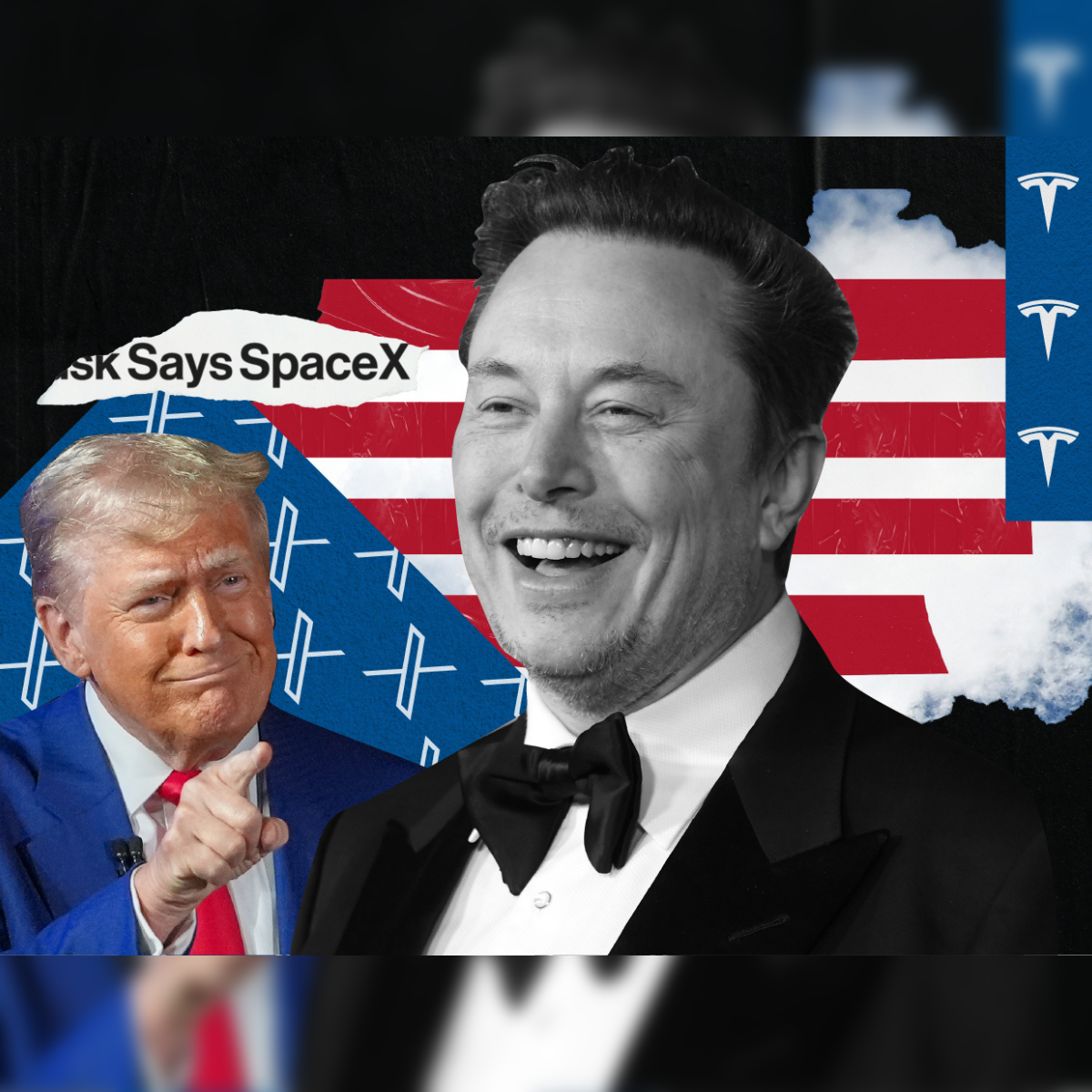
By Nitya Chakraborty Year 2025 is going to witness a new era of global advance of far right led by the incoming U.S. President Donald Trump and his acolyte, the richest man of the world Elon Musk. It will be a unique combination fusing the brand of Trump with the big money and tech skills […]

Bitcoin has been hovering near significant price levels, prompting traders and investors to closely monitor market movements. As the cryptocurrency approaches the psychological $100,000 mark, many speculate whether it will maintain its upward momentum or face another setback. While numerous indicators are used to predict Bitcoin’s movements, experts agree that none can guarantee precise timing. The challenge lies in deciphering the market’s sentiments and understanding the underlying factors that influence its volatility.

Historically, Bitcoin has been subject to dramatic fluctuations, with traders attempting to predict its movements based on a range of technical and fundamental factors. While lagging indicators, such as moving averages and relative strength indices (RSI), offer some guidance, they often fail to provide real-time insights that would allow investors to capitalize on price swings before they occur. For this reason, market sentiment remains a crucial yet elusive factor in forecasting Bitcoin’s next move.

One of the key elements that influence Bitcoin’s price is investor sentiment, driven by factors like macroeconomic conditions, regulatory developments, and institutional adoption. As Bitcoin’s price has grown, so has interest from major financial institutions, leading to a surge in demand. Institutional investors have been particularly attracted to Bitcoin’s potential as a hedge against inflation and a store of value amid uncertain economic conditions.

Over the past several years, Bitcoin has increasingly been viewed as “digital gold” by some of the world’s largest financial institutions. This shift in perception has played a significant role in driving up Bitcoin’s price, as companies like Tesla and Square, along with numerous hedge funds, have invested heavily in the cryptocurrency. This institutional buy-in has sparked further bullish sentiment, making Bitcoin’s potential for reaching new highs a frequent topic of discussion in financial circles.

However, this optimism is tempered by ongoing regulatory challenges. Governments around the world have expressed concerns about the volatility of cryptocurrencies, prompting regulatory scrutiny. Recently, there has been a wave of regulatory developments, particularly in the United States and Europe, aimed at increasing transparency and reducing the risk of illegal activities associated with cryptocurrency transactions. While these regulations are still evolving, many believe that they will eventually offer greater clarity and stability for Bitcoin’s future growth.

Bitcoin faces challenges in maintaining its value amidst the increasing popularity of decentralized finance (DeFi) and alternative cryptocurrencies. Ethereum, the second-largest cryptocurrency by market capitalization, continues to dominate the smart contract space, while newer blockchain platforms are pushing for increased scalability and efficiency. As investors explore other projects, Bitcoin’s role in the cryptocurrency ecosystem faces some competition, though its dominance remains strong.

On the technical side, several analysts point to the upcoming halving event in 2024 as a potential catalyst for Bitcoin’s price surge. Halving occurs approximately every four years and reduces the reward miners receive for verifying transactions, effectively decreasing the rate at which new Bitcoin enters circulation. Historically, halving events have been followed by significant price increases, although there are no guarantees that this pattern will repeat.

As the $100,000 mark approaches, Bitcoin’s price movements are being closely watched by both retail investors and professionals. The psychological impact of hitting this milestone could influence market behavior, with some speculating that it may trigger another wave of FOMO (fear of missing out) as traders rush to capitalize on the upward trend. However, others caution that Bitcoin’s price may face resistance at this level, with profit-taking occurring among long-term holders who may choose to lock in gains.

Despite the uncertainty, Bitcoin’s long-term outlook remains optimistic. The cryptocurrency continues to gain mainstream recognition, with major companies and investors continuing to enter the space. Furthermore, Bitcoin’s decentralized nature and limited supply make it an attractive asset in a world where inflationary pressures continue to rise. As more people view Bitcoin as a store of value rather than just a speculative investment, its role in the global financial system becomes increasingly significant.

The Oman Investment Authority (OIA) has acquired a stake in xAI, the artificial intelligence company founded by entrepreneur Elon Musk. This strategic investment aligns with OIA’s objective to diversify its international portfolio and leverage advanced technologies across various sectors.

Established in March 2023 and officially launched in July of the same year, xAI has rapidly positioned itself among the top five companies in the AI industry. The firm specializes in developing advanced AI systems, including generative AI models designed to understand and interpret complex data.

In December 2024, xAI secured approximately $6 billion in equity financing, elevating its valuation to $50 billion. This substantial funding round attracted investments from prominent venture capital firms such as Andreessen Horowitz, Lightspeed Venture Partners, Sequoia Capital, and Tribe Capital.

The OIA’s investment in xAI is part of Oman’s broader strategy to integrate advanced AI technologies into its economy. Abdulsalam Mohammed Al Murshidi, Chairman of OIA, emphasized that this move aims to benefit from globally advanced technologies across various sectors.

xAI has recently achieved significant milestones, including the establishment of a cutting-edge data center in the United States and the launch of an enhanced version of its platform, Grok-2. These developments are expected to bolster the company’s capabilities in processing and analyzing real-time data, further solidifying its position in the AI sector.

Elon Musk’s ventures have experienced remarkable growth, with his net worth surpassing $400 billion, making him the world’s wealthiest individual. This financial ascent is largely attributed to the success of companies like Tesla, SpaceX, and xAI. Notably, SpaceX has reached a valuation of $350 billion, establishing it as the world’s most valuable startup.

Bitcoin has surged above $106,000, marking a notable milestone for the cryptocurrency as investors and analysts increasingly focus on its strategic role in future financial reserves. This rise reflects a broader shift in market sentiment, driven by growing institutional interest and increasing speculation around Bitcoin’s potential to become a key asset in global financial systems. As central banks, corporations, and financial institutions explore digital assets, Bitcoin’s price surge signals a pivot toward its establishment as a store of value.

Several factors have contributed to this dramatic price increase, but perhaps the most pivotal is the anticipation that Bitcoin will become a reserve asset for institutional investors and even central banks. As nations and large financial entities explore the possibility of holding Bitcoin in their reserves, it is positioning itself as a digital alternative to traditional assets like gold. Analysts view Bitcoin’s growth as part of a larger trend, where digital currencies are gaining acceptance amid growing concerns over inflation, currency debasement, and geopolitical risks.

Bitcoin’s performance, which has fluctuated significantly in recent months, now suggests a major shift in investor confidence. On platforms such as the Chicago Mercantile Exchange (CME), institutional interest in Bitcoin has been at an all-time high. Meanwhile, global financial institutions are increasingly analyzing the asset’s potential within their investment portfolios. Many are viewing Bitcoin not just as a speculative asset, but as a hedge against traditional financial risks, particularly in light of the ongoing turbulence in global markets. This shift in perception is underscored by statements from prominent market players, who indicate that Bitcoin could become a key part of diversified investment strategies moving forward.

Meanwhile, Bitcoin’s increasing adoption by large corporations has helped elevate its status. Companies like Tesla, MicroStrategy, and Block (formerly Square) have all made substantial Bitcoin purchases in recent years, contributing to the growing acceptance of the cryptocurrency as a legitimate investment. These moves are part of a larger trend in which major companies, especially in technology and finance, are increasingly embracing Bitcoin. Tesla’s CEO, Elon Musk, has notably been vocal about Bitcoin’s potential as a store of value, further fueling optimism in the market.

Bitcoin’s price surge also coincides with broader changes in global monetary policies. Amid inflationary pressures and low-interest rates in major economies, many investors are turning to digital assets as an alternative to traditional stocks and bonds. The growing acceptance of Bitcoin by governments and businesses as a viable asset class is helping drive the latest surge in its price. Notably, countries like El Salvador have already taken steps to recognize Bitcoin as legal tender, setting a precedent for other nations to follow suit.

Market participants also point to the increasing regulatory clarity surrounding Bitcoin and other cryptocurrencies. Countries such as the United States, with ongoing discussions in Congress, are exploring frameworks that could provide more stability and legitimacy to the cryptocurrency market. This evolving regulatory landscape is seen as a key factor in institutional investors’ willingness to adopt Bitcoin as part of their portfolios. While some concerns remain regarding how global regulators will handle cryptocurrencies in the long term, the current trend points toward greater integration of Bitcoin into the mainstream financial system.

As Bitcoin’s price climbs, so too does the debate over its environmental impact. Critics have long raised concerns about the high energy consumption required to mine Bitcoin. Despite this, Bitcoin’s advocates argue that advancements in sustainable mining technology and increasing use of renewable energy sources are addressing these issues. The rise of Bitcoin ETFs and other investment products also reflects a more mainstream acceptance of Bitcoin as an asset class. These products allow investors to gain exposure to Bitcoin without directly holding the cryptocurrency, expanding its appeal to a wider range of market participants.

The surging price has drawn the attention of both retail and institutional investors, who are looking to capitalize on Bitcoin’s new role in the global economy. However, while the optimism surrounding Bitcoin remains high, analysts warn that its volatility remains a significant risk. Prices can fluctuate dramatically in a short time frame, and this uncertainty continues to make Bitcoin a speculative investment for many. Nonetheless, with its growing acceptance among institutional investors, Bitcoin’s evolution from a niche asset to a more mainstream store of value seems increasingly likely.

The broader cryptocurrency market has also benefited from Bitcoin’s price movement, with altcoins like Ethereum seeing significant gains in recent weeks. Many investors view Bitcoin as a bellwether for the overall health of the digital asset market, and its rise has had a ripple effect across the industry. Ethereum, which has long been seen as the second-largest cryptocurrency by market capitalization, has also seen its price surge as more investors look for alternative digital assets with the potential for similar growth.

MicroStrategy, the business intelligence firm that has increasingly positioned itself as a major player in the Bitcoin space, is set to join the Nasdaq 100 index, a milestone that will further integrate Bitcoin-linked assets into mainstream financial markets. The decision underscores the growing intersection between traditional technology firms and cryptocurrency exposure, signaling to investors a new wave of passive investment flows.

This move places MicroStrategy among the 75 largest non-financial companies in the Nasdaq, a list traditionally populated by household names such as Apple, Microsoft, and Amazon. For the firm, it represents the culmination of a year marked by aggressive Bitcoin acquisitions, which have significantly boosted its market value. The firm’s stock has seen explosive growth as it has leaned heavily into Bitcoin, becoming one of the largest institutional holders of the digital asset.

Founded in 1989, MicroStrategy initially built its reputation as a provider of analytics software, helping companies harness data for decision-making. However, in recent years, under the leadership of CEO Michael Saylor, the company has transformed into a prominent Bitcoin advocate. MicroStrategy’s strategic pivot to Bitcoin began in 2020 when it made its first purchase of the cryptocurrency, and since then, it has continued to acquire more, amassing over 150,000 Bitcoin.

The company’s decision to enter the Nasdaq 100 has profound implications for investors. The inclusion not only boosts its visibility but also opens the door for passive investments from exchange-traded funds (ETFs) and mutual funds that track the Nasdaq 100. These funds, many of which are structured to automatically buy and sell stocks in the index, will now include MicroStrategy in their portfolios. As a result, Bitcoin-linked stocks could see billions of dollars in new investment inflows.

For passive investors who may have no direct interest in cryptocurrency but are focused on broad market exposure, MicroStrategy’s entry into the Nasdaq 100 offers a means to indirectly engage with Bitcoin’s price movements. While the firm’s stock has been volatile due to its dependence on the cryptocurrency market, this volatility may be tempered by its larger footprint in the tech sector, which has seen massive gains over the last decade.

MicroStrategy’s inclusion also reinforces the idea that Bitcoin is becoming entrenched in the financial ecosystem. Previously seen as an alternative investment for a select group of enthusiasts, the cryptocurrency is increasingly being integrated into corporate balance sheets and financial products. As traditional investors gain exposure to Bitcoin indirectly through stocks like MicroStrategy, it adds a layer of legitimacy to the cryptocurrency in the eyes of institutional investors and retirement funds.

While the move is seen as a victory for Bitcoin proponents, it has raised concerns among some analysts about the risks of such exposure. Bitcoin’s price fluctuations are well-known, and the cryptocurrency’s history of volatility could potentially affect MicroStrategy’s stock performance. For instance, as Bitcoin’s price rose, so too did MicroStrategy’s stock, but should Bitcoin experience a downturn, the company could face significant losses, which could then ripple through the broader Nasdaq 100 index.

Despite these risks, analysts view the inclusion of MicroStrategy in the Nasdaq 100 as a validation of the growing acceptance of Bitcoin by mainstream markets. The company’s transformation from a traditional business analytics firm to a Bitcoin-centric institution mirrors the broader trend of tech firms increasingly integrating digital assets into their business strategies. Companies like Tesla, Square, and Galaxy Digital have made similar moves, signaling a growing belief in Bitcoin as a store of value and hedge against inflation.

MicroStrategy’s financial standing has been propelled by Bitcoin’s rise. The firm’s market cap has swelled as its Bitcoin holdings have appreciated in value. Since its first purchase, Bitcoin’s price has experienced explosive growth, reaching over $60,000 per coin at its peak, although it has fluctuated significantly since then. Nevertheless, MicroStrategy’s heavy investment in Bitcoin continues to give it a major stake in the digital currency’s success.

One significant consequence of this shift is the potential impact on traditional investors who may not fully understand the cryptocurrency space. Many of these investors may now find themselves exposed to Bitcoin’s price swings through their broader equity holdings, even if they are not directly investing in cryptocurrency. This introduces a level of risk that was not present before, but also reflects the deepening ties between cryptocurrency and mainstream financial markets.

The inclusion of MicroStrategy in the Nasdaq 100 highlights a broader shift in how tech companies and institutional investors are incorporating cryptocurrency into their portfolios. The rise of Bitcoin-focused companies is part of a larger trend that is reshaping the landscape of global finance. As Bitcoin becomes more embedded in corporate strategies, its influence on traditional stock markets is likely to grow.

Step Finance, a pioneering dashboard for Solana blockchain users, has unveiled its strategy to bring tokenized trading of popular stocks, such as Nvidia and Tesla, to the decentralized finance (DeFi) ecosystem. This initiative follows the acquisition of Moose Capital, an early-stage startup specializing in financial licensing and infrastructure. Step Finance aims to launch these services by the first quarter of 2025, positioning itself as a trailblazer in integrating traditional financial instruments with blockchain technology.

The acquisition is poised to address critical regulatory challenges associated with tokenized stocks, a burgeoning sector that links conventional equities to blockchain. By leveraging Moose Capital’s expertise, Step Finance intends to secure the necessary permissions to operate within compliant frameworks. This marks a significant step toward bridging the gap between mainstream financial markets and decentralized platforms.

Tokenized stocks have gained momentum for their potential to democratize access to equity trading, enabling users to buy fractional shares of major companies without requiring traditional brokerage accounts. Step Finance’s entry into this domain could enhance Solana’s appeal as a high-speed, low-cost blockchain, particularly in the DeFi space. The platform is already known for aggregating Solana transactions, serving as a comprehensive interface for managing portfolios.

The move aligns with a broader trend of DeFi platforms exploring interoperability with traditional finance. Solana, recognized for its scalable infrastructure, has seen increasing adoption among developers and investors seeking alternatives to Ethereum, which faces challenges with network congestion and high transaction fees. Step Finance’s plan could further cement Solana’s position as a leading blockchain for financial innovation.

Advertisements

Riot Platforms has significantly expanded its cryptocurrency holdings with the acquisition of 705 Bitcoin (BTC) tokens, valued at approximately $68.45 million. This move underscores the company’s ongoing strategy to strengthen its position in the cryptocurrency market, particularly amidst volatile market conditions. The purchase, made during the early hours of the Asian market on December 9, comes in the wake of an announcement regarding Riot’s plans for a private offering of convertible senior notes worth around $500 million.

The recent acquisition aligns with Riot’s broader strategy to boost its Bitcoin holdings as part of its corporate goals. In a statement released shortly after the purchase, Riot outlined that the funds raised from the senior notes offering would be primarily directed toward acquiring additional Bitcoin and supporting general corporate activities. The company has been steadily increasing its Bitcoin inventory, furthering its commitment to becoming a major player in the crypto space.

Riot’s decision to acquire the additional 705 BTC at this time may reflect the company’s confidence in Bitcoin’s long-term growth prospects, despite the ongoing fluctuations in its value. Bitcoin’s price has been prone to volatility, but major players like Riot continue to view the asset as a strategic reserve. By purchasing at this stage, Riot positions itself to capitalize on any potential upswing in Bitcoin prices while adding to its balance sheet.

The company’s foray into the cryptocurrency market began with a focus on Bitcoin mining but has increasingly encompassed broader crypto-related ventures. Riot Platforms, formerly known as Riot Blockchain, has made headlines for its ambitious investments in the Bitcoin ecosystem, including the development of mining facilities and the acquisition of digital assets. With this latest acquisition, Riot now holds over 10,000 Bitcoin, reinforcing its status as one of the largest publicly traded Bitcoin holders in the U.S.

Riot’s focus on Bitcoin is not unique within the industry, as other major firms also look to bolster their holdings of the cryptocurrency. Companies such as MicroStrategy and Tesla have similarly accumulated large Bitcoin reserves, viewing the asset not just as a store of value, but as a hedge against inflation and economic uncertainty. The competition for Bitcoin among institutional investors has intensified, with several firms eyeing the potential for significant long-term gains, even as the price of Bitcoin continues to experience short-term volatility.

Despite its optimism surrounding Bitcoin, Riot has also been preparing for potential risks. The company has diversified its operations, and the senior notes offering is designed to ensure financial flexibility. This move provides Riot with the ability to raise capital without diluting its shareholders through equity offerings. The issuance of convertible senior notes also offers investors the potential to convert their debt into equity under favorable conditions, making it an attractive proposition for both the company and investors.

Riot’s growth strategy appears to be driven by a mix of organic expansion and strategic acquisitions. The company has consistently reinvested its earnings into scaling its operations, including purchasing more mining equipment and enhancing its infrastructure. Riot’s growth trajectory is closely tied to the price of Bitcoin, which has seen significant fluctuations over the past year. As such, the company’s financial outlook depends in part on the broader trends in the cryptocurrency market.

The private offering of the senior notes is part of Riot’s broader plan to maintain flexibility in its financial structure. With an eye on further acquisitions, the company is positioning itself for future growth in the cryptocurrency space. As more institutional players enter the market, the demand for Bitcoin and other digital assets is expected to rise, and Riot’s strategic investments could pay off in the coming years.

In the context of the current market landscape, Riot’s purchase also serves as a signal to other investors about the company’s confidence in Bitcoin’s future potential. While many traditional financial institutions have been cautious about entering the cryptocurrency space, firms like Riot are leading the way by integrating digital assets into their core business models. This represents a shift in how mainstream corporations view Bitcoin—not as a speculative asset, but as a key component of their investment strategies.

Riot’s expansion into Bitcoin holdings is part of a broader trend in which companies are increasingly incorporating digital currencies into their balance sheets. As the regulatory environment for cryptocurrencies continues to evolve, Riot and other players in the market will likely face new challenges, particularly concerning the classification and taxation of digital assets. However, with the company’s recent moves, Riot is positioning itself at the forefront of a rapidly changing industry.

Riot’s actions are also reflective of the broader evolution of the cryptocurrency mining industry. As competition increases, mining operations are becoming more sophisticated, and companies like Riot are investing heavily in both hardware and digital assets. Riot’s expansion is an example of how miners are diversifying their business models, not just by mining Bitcoin but also by acquiring large quantities of the asset itself.

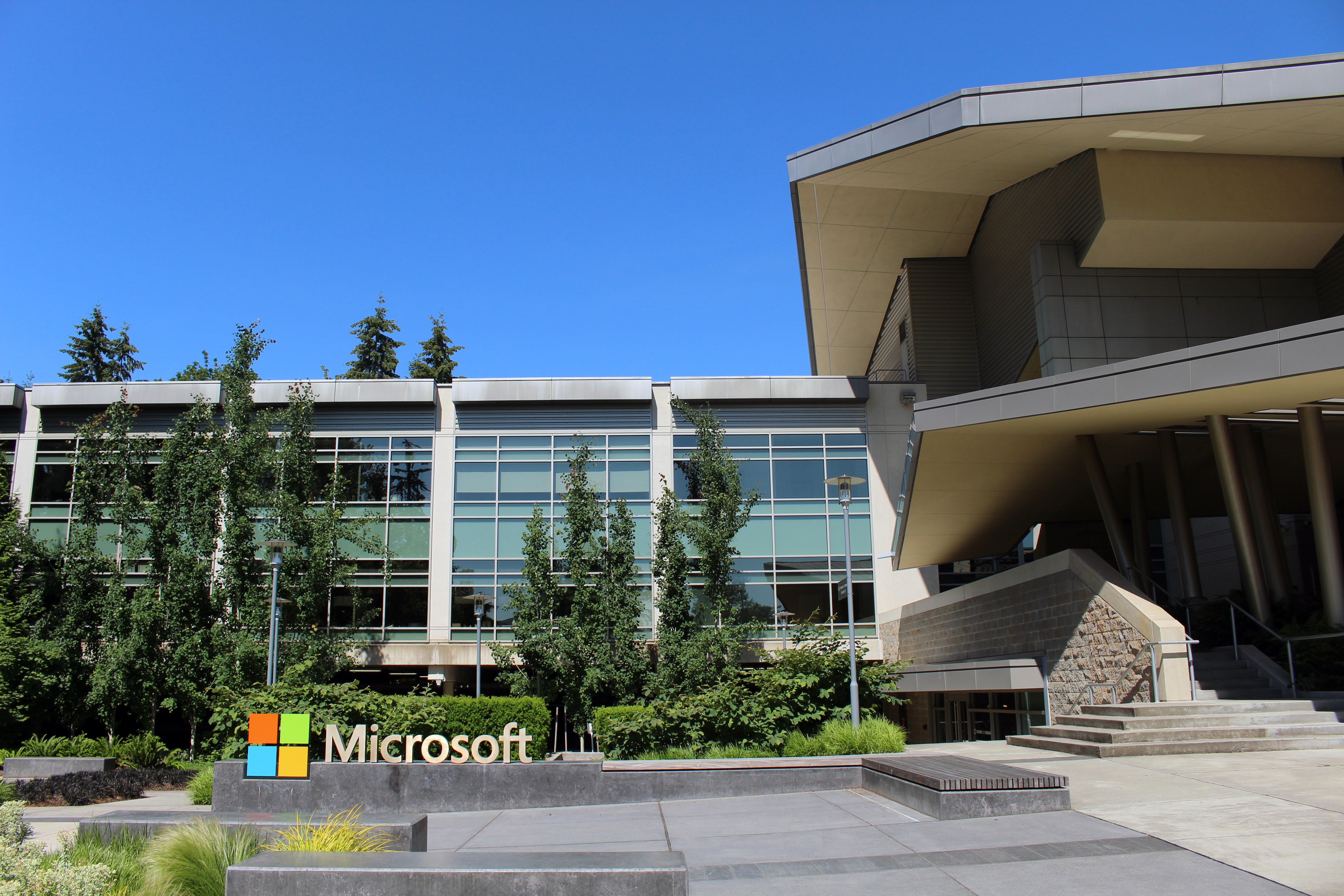
A proposal urging Microsoft to integrate Bitcoin into its financial reserves faced rejection during the company’s shareholder meeting, reflecting a cautious stance toward cryptocurrency adoption among major corporate players. The resolution, championed by MicroStrategy’s Michael Saylor, highlighted Bitcoin’s potential to augment shareholder value and align with broader technological trends. However, Microsoft’s leadership and a significant majority of its investors opposed the move, signaling concerns about volatility and strategic misalignment.

Michael Saylor, known for steering MicroStrategy toward aggressive Bitcoin investments, presented a compelling case during the meeting. He suggested that Microsoft could enhance its valuation by leveraging Bitcoin as a strategic asset, proposing a reallocation of the company’s $80 billion in cash reserves toward cryptocurrency acquisitions. Saylor argued that this shift could potentially add trillions of dollars to the company’s market value, citing the broader acceptance of Bitcoin among institutional investors and governments.

The proposal drew mixed reactions. While some retail investors, constituting approximately 23.5% of Microsoft’s shareholder base, expressed interest in exploring Bitcoin’s long-term benefits, institutional investors, who hold nearly 70% of Microsoft shares, were more reserved. Prominent shareholders, including Vanguard Group, BlackRock, and State Street, echoed concerns about Bitcoin’s price volatility, regulatory uncertainties, and its alignment with Microsoft’s core business strategy.

Microsoft’s executive team, led by CEO Satya Nadella, also maintained a cautious approach. Despite acknowledging the transformative potential of blockchain and decentralized technologies, the leadership emphasized the importance of prudent financial management and alignment with shareholder expectations. The decision to reject the proposal was reinforced by the belief that Microsoft’s current capital allocation strategies, such as stock buybacks and dividend payouts, deliver more predictable and stable returns.

Michael Saylor’s advocacy for Bitcoin stems from his own company’s extensive experience in cryptocurrency investments. MicroStrategy has acquired over 386,000 Bitcoins since 2020, with its holdings significantly appreciating in value during Bitcoin’s bullish phases. However, this strategy has also exposed the company to criticism and financial risks during market downturns.

The debate surrounding Microsoft’s potential adoption of Bitcoin highlights a broader discussion within corporate America about cryptocurrency’s role in financial and technological ecosystems. While tech-focused companies like Tesla and Square have embraced Bitcoin as a reserve asset, others remain hesitant, prioritizing stability and regulatory compliance over speculative gains.

This shareholder decision underscores the growing polarization over cryptocurrency in corporate governance. While proponents argue that Bitcoin can serve as a hedge against inflation and a catalyst for technological innovation, skeptics warn of its inherent risks and regulatory challenges. As Microsoft moves forward, its rejection of this proposal reaffirms its commitment to traditional financial prudence, signaling a reluctance to adopt untested financial strategies despite evolving market trends.

The rejection may influence broader corporate sentiment toward cryptocurrency adoption, especially among technology giants. It reflects a prevailing view that while blockchain technologies may hold significant promise, their integration into mainstream financial operations remains fraught with challenges. This decision will likely serve as a reference point for other corporations evaluating Bitcoin’s role in their financial frameworks.

Tesla’s long-anticipated Cybertruck production has been put on hold, marking a significant setback for Elon Musk and the electric vehicle giant. The delay follows a series of hurdles that have shaken investor confidence and raised concerns about the company’s ability to meet its ambitious targets. These setbacks compound the challenges Musk has faced this week, including a major drop in his stock valuation and continued issues related […]

Elon Musk’s $56 billion compensation package from Tesla has been voided by a Delaware judge, who ruled that the deal was influenced by Musk’s dominant role in the company. The court found that Tesla’s board and compensation committee failed to act independently during negotiations, citing Musk’s deep ties with board members and his control over the process. This decision follows allegations that Tesla’s shareholder vote on the […]

Elon Musk’s legal battle against OpenAI, the artificial intelligence company he helped launch, has intensified with the filing of an injunction aimed at halting the company’s transition to a for-profit model. Musk, who played a pivotal role in OpenAI’s early development, is challenging the company’s decision to pivot from its original non-profit status, citing concerns over the ethical implications and potential conflicts of interest arising from this […]

Polymarket bettors are betting that Microsoft’s shareholders will reject a proposal to purchase Bitcoin, signaling skepticism around a major pitch from MicroStrategy CEO Michael Saylor. Saylor, a vocal proponent of Bitcoin, has been advocating for Microsoft to add Bitcoin to its corporate treasury. This proposal has now reached a critical juncture, with Microsoft’s board set to vote on December 10. Despite Saylor’s persuasive presentations, including a direct appeal to Microsoft’s board, Polymarket participants believe the proposal is unlikely to gain the necessary shareholder approval.

Microsoft’s leadership has been hesitant about adopting such a volatile asset, with its focus instead on more traditional investments. The tech giant’s board has raised concerns about the risks associated with Bitcoin and its long-term suitability for Microsoft’s strategy, which heavily emphasizes artificial intelligence and other core technologies. Although a small group of shareholders, including some from large institutional investors, have shown interest in the proposal, the general sentiment is that the company should avoid high-risk investments like Bitcoin.

The proposal gained traction earlier this year when the National Center for Public Policy Research (NCPPR) pushed for the move, pointing to the success of MicroStrategy’s own Bitcoin strategy. This approach has significantly boosted MicroStrategy’s stock value, with the company’s shares surging by over 500% in 2024, far outpacing Microsoft’s modest stock gains. Despite this performance, Microsoft’s board remains firm in its stance that it is not currently focused on Bitcoin as a viable investment.

Polymarket bettors seem to agree with Microsoft’s cautious approach. As of early December, wagers on the platform overwhelmingly predict that shareholders will vote against the proposal, likely due to concerns about Bitcoin’s volatility and its potential to distract from Microsoft’s main business objectives. Even major institutional investors such as Vanguard, which hold substantial stakes in both Microsoft and Bitcoin-related assets like MicroStrategy, are not rallying behind the proposal.

The debate over Microsoft’s stance on Bitcoin underscores a broader trend within corporate finance, as companies grapple with the growing influence of cryptocurrency and digital assets. Saylor’s push for Microsoft to follow in the footsteps of companies like Tesla and Square, both of which have added Bitcoin to their balance sheets, highlights the increasing pressure on major corporations to reconsider their investment strategies. However, despite these external pressures, Microsoft’s leadership remains focused on prioritizing stability and minimizing risk.

Microsoft’s shareholders, many of whom are institutional investors with deep ties to traditional finance, have not embraced Bitcoin in the same way as other tech firms. Although there is interest in exploring blockchain technology and the broader crypto market, the company’s hesitance to diversify its treasury with Bitcoin reflects concerns about its long-term viability as an asset class. The volatility of Bitcoin, coupled with regulatory uncertainties, makes it a difficult choice for a company with such a large and diverse shareholder base.

Elon Musk’s net worth has reached a staggering $348 billion, driven by a surge in Tesla stock and the continued growth of his artificial intelligence venture, xAI. Musk’s wealth has seen a remarkable spike, placing him at the forefront of global billionaires, surpassing key figures in both tech and finance. This surge highlights the continued influence of Musk’s ventures, particularly Tesla, as the company’s performance remains strong […]

Donald Trump’s history of appointing controversial figures to key government roles continues to draw scrutiny, as allegations of sexual misconduct and complicity against several of his picks have resurfaced. Critics argue that these choices reflect a disregard for ethical concerns, further polarizing the political landscape.

Elon Musk, CEO of SpaceX and Tesla, has been enlisted by Trump to contribute to a proposed Department of Government Efficiency. Musk faces a lawsuit filed by eight former SpaceX employees, accusing him of tolerating sexual harassment within the company. The lawsuit claims Musk fostered an environment rife with inappropriate conduct, including explicit imagery and degrading commentary about women and the LGBTQ+ community. Musk has denied these allegations, responding with characteristic deflection on his social media platform, X, which he owns.

Linda McMahon, another Trump appointee and the former head of the Small Business Administration, has been linked to allegations stemming from her tenure at World Wrestling Entertainment (WWE). A lawsuit alleges a culture of sexual abuse within the organization during her leadership. McMahon has avoided direct comment on the claims, which have drawn renewed attention through a recent documentary series.

The nomination of Matt Gaetz, a former Congressman, to serve as attorney general was short-lived, as he withdrew amid public backlash and allegations of sexual misconduct. Accusations include involvement with sex trafficking, with court documents indicating testimony from multiple witnesses about his alleged relationships with minors. Although Gaetz denies these claims, they have significantly tainted his political career and credibility.

These allegations add to the already divisive reputation of Trump’s leadership style, where loyalty and alignment with his agenda often appear to outweigh considerations of character or public accountability. Legal experts and watchdog groups have raised concerns about the broader implications of such appointments, arguing that they undermine public trust in governance.

Video-sharing platform Rumble has announced its intent to diversify its financial strategy by allocating up to $20 million of its excess cash reserves into Bitcoin. The move underscores the company’s commitment to adopting innovative measures while showcasing confidence in the potential of cryptocurrency as a store of value.

The decision reflects an emerging trend among technology firms leveraging digital currencies to hedge against inflation and enhance liquidity options. Rumble’s leadership emphasized that this strategic pivot aligns with its broader goals of decentralization and financial autonomy, mirroring the platform’s ethos of providing an independent content space.

Rumble, headquartered in Longboat Key, Florida, has seen significant growth in its user base, fueled by increasing demand for platforms that prioritize free expression. The company’s trajectory, bolstered by its public listing in September 2022, has positioned it as a formidable competitor to mainstream platforms. Its diversification into Bitcoin suggests a dual focus on strengthening its financial health while aligning with digital innovation trends that resonate with its user demographic.

This move follows a pattern of corporations exploring Bitcoin as a treasury asset. Notable companies such as MicroStrategy and Tesla have similarly invested significant portions of their reserves into the cryptocurrency, citing its scarcity and long-term value prospects. MicroStrategy, a pioneer in this domain, holds the largest corporate Bitcoin reserve, totaling over 150,000 BTC. Rumble’s initiative, while smaller in scale, signals its belief in Bitcoin’s stability despite the volatile nature of the crypto market.

Cryptocurrency markets have seen heightened activity over the past year, with Bitcoin experiencing a resurgence following regulatory clarity and institutional interest. Rumble’s planned acquisition comes at a time when the digital currency hovers near its highest price levels for the year, fueled by speculation surrounding Bitcoin exchange-traded funds (ETFs) and increased blockchain adoption. The timing of the investment could enable Rumble to capitalize on potential upward trends, although it also entails risks inherent to market fluctuations.

Analysts have noted that this decision aligns with Rumble’s brand identity as a disruptor in the digital media space. By embracing Bitcoin, the company reaffirms its stance against conventional norms, appealing to its core audience that values independence and alternative approaches. Some market observers believe this move could further attract creators and viewers who support decentralized solutions across various domains, including finance.

Despite the optimism surrounding cryptocurrency investments, critics caution against potential challenges, particularly given Bitcoin’s history of price volatility. Skeptics argue that while Bitcoin has demonstrated resilience, its correlation with broader market dynamics and regulatory pressures could pose risks to companies holding it as a financial asset. Rumble’s decision to allocate a portion of its reserves rather than a full-scale commitment appears to reflect a balanced approach, mitigating exposure while allowing for potential gains.

The announcement also reflects broader conversations about the role of digital assets in corporate finance. As businesses explore innovative strategies to manage reserves, Bitcoin’s prominence as a viable alternative asset class continues to gain traction. Advocates of Bitcoin argue that its deflationary design and finite supply make it an ideal hedge against economic uncertainties, a sentiment echoed by Rumble’s leadership.

Elon Musk and Jeff Bezos have become embroiled in a public spat over claims involving stock predictions tied to the 2024 U.S. presidential election. The conflict centers on Musk’s assertion that Bezos had advised people to sell stock in Tesla and SpaceX, speculating that Donald Trump would lose the upcoming election. Bezos has firmly rejected the accusations, labeling them as “100% not true.”

Musk, known for his outspoken commentary and influence across industries, made these claims during an appearance on a podcast, alleging that Bezos had encouraged investors to offload Tesla and SpaceX shares, based on his belief that Trump’s re-election bid would falter. The remarks have raised eyebrows, especially given the ongoing political climate and the volatility surrounding tech stocks and the stock market in general.

The controversy gained traction quickly, with Musk’s comments drawing attention from tech industry insiders, political analysts, and investors alike. Musk’s public persona often intertwines with his ventures in both technology and space exploration, creating a unique intersection where his statements on politics and business are heavily scrutinized. While some critics see his accusations as part of a broader tension with Bezos, others have raised questions about the implications such claims might have for investor sentiment.

Bezos, for his part, has vehemently denied the allegations. The Amazon founder, whose wealth and influence are often discussed in parallel with Musk’s, responded to the accusation through a spokesperson, who conveyed his strong disagreement with Musk’s narrative. “This is 100% not true,” the statement read, emphasizing Bezos’s position and distancing him from any involvement in discussions about selling stock based on political outcomes.

The timing of Musk’s claims is crucial, as both Tesla and SpaceX are closely linked to political developments in the United States. Tesla, a global leader in electric vehicles, has been a major topic of debate in the context of environmental policy and government incentives. SpaceX, a private space exploration company, often finds itself at the crossroads of technology and political agendas, with government contracts and space policy significantly impacting its operations.

Musk’s connection to Trump has long been a subject of interest. Musk has publicly supported Trump at various points during the former president’s tenure, even receiving praise from Trump himself. However, Musk’s ties to Bezos, who has had a more neutral stance in the political realm, have often been less clear-cut. Bezos, through his ownership of The Washington Post, has been seen as more directly involved in political discourse, and his views on policy have sometimes diverged from Musk’s, especially when it comes to environmental regulations and government subsidies for private companies.

Investors in both Tesla and SpaceX, two companies that Musk and Bezos are closely linked with, were quick to react to the public dispute. Stock prices of Tesla saw some fluctuations following Musk’s comments, although they remained relatively stable in the face of the accusations. SpaceX, being a privately held company, was not directly impacted in terms of stock price. However, analysts have noted that any potential friction between the two billionaires could lead to long-term repercussions, not just for their companies but for the wider tech and space industries.

The rift between Musk and Bezos could have broader implications beyond their personal feud. The public nature of their disagreement highlights the intersection of politics, business, and media in an era of increased polarization. Both men have significant influence over public perception, and their comments often carry weight far beyond the immediate context. Musk, who frequently uses Twitter to communicate with millions of followers, has been known to influence markets and public opinion with his words, while Bezos has a more traditional media influence through his ownership of The Washington Post and his broader media endeavors.

The stakes of the 2024 U.S. presidential election also contribute to the intensity of the dispute. As the election draws nearer, the rhetoric surrounding Trump’s potential victory or defeat will become increasingly important for business leaders, investors, and policymakers. Both Musk and Bezos have positioned themselves as influential figures in the U.S. economy, and their views on political outcomes may influence broader business strategies and investment patterns.

While both billionaires have become prominent figures in the public sphere, their relationship has never been without tension. Their rivalry has been marked by competition across multiple sectors, from space exploration to electric vehicles. Musk’s SpaceX competes directly with Bezos’s Blue Origin, a private space exploration venture, for government contracts and commercial partnerships. Tesla and Amazon also operate in parallel sectors, with Tesla’s electric vehicles posing a challenge to Amazon’s ambitions in sustainable energy and transportation.

MicroStrategy’s founder, Michael Saylor, will address Microsoft’s board next month regarding the potential incorporation of Bitcoin into the tech giant’s corporate strategy. As the world’s largest software company continues to seek ways to leverage its $78 billion cash reserve, Bitcoin could become a cornerstone in their plans. However, reports indicate the board has already expressed skepticism, with several members raising concerns about the risks and volatility associated with digital assets.

Saylor, a vocal Bitcoin advocate, is expected to present a proposal that could see Microsoft join the growing number of corporate entities embracing cryptocurrency as part of their balance sheets. This follows a broader trend among tech companies, including Tesla and Square, that have invested in Bitcoin as both a hedge against inflation and as a means of aligning with the growing prominence of decentralized digital currencies.

The move by Microsoft, though not final, marks a significant moment in the ongoing evolution of corporate finance. While the company is sitting on a hefty cash reserve, which could potentially absorb the fluctuations of Bitcoin’s market, internal dissent underscores the divide between traditional financial strategies and the allure of digital currency. Microsoft’s board has been reluctant to adopt cryptocurrency, citing potential regulatory hurdles and concerns about the environmental impact of Bitcoin mining.

Despite the opposition, Saylor’s advocacy for Bitcoin remains unwavering. Since 2020, MicroStrategy has acquired over 150,000 BTC, making it one of the largest corporate holders of Bitcoin. The company has also committed to expanding its digital asset strategy, seeing Bitcoin not only as a store of value but also as a long-term investment that can yield substantial returns.

For Microsoft, the decision to integrate Bitcoin as part of its corporate strategy could be pivotal, especially as the company navigates the challenges of an evolving global economy. The ongoing discussions, set to culminate in the upcoming board meeting, come at a time when the financial world is increasingly debating the merits of digital currencies as an asset class. If the proposal is approved, Microsoft would join a small but growing group of traditional corporations making Bitcoin a central part of their financial structure.

In contrast, critics of cryptocurrency within the board have voiced concerns over Bitcoin’s volatility, which could undermine the stability of Microsoft’s cash reserves. These critics argue that the risks associated with such an investment could harm the company’s reputation as a reliable tech giant and create uncertainty for investors who have long viewed Microsoft as a safe haven in the stock market.

There are broader concerns about the regulatory environment surrounding cryptocurrencies. As governments worldwide grapple with the challenges of regulating digital currencies, the legal and financial uncertainties may deter some corporate leaders from taking such bold steps. Microsoft’s leadership, while innovative, has been historically cautious about ventures that could potentially invite scrutiny from regulators or affect the company’s relationships with stakeholders.

On the other hand, proponents of Bitcoin integration argue that Microsoft, with its vast financial resources, is well-positioned to weather the market’s fluctuations. Bitcoin’s rise in value over the past few years has proven that, despite its volatility, the digital currency holds significant long-term potential. With large tech companies and institutional investors like BlackRock increasingly backing Bitcoin, proponents believe that Microsoft’s endorsement could lend further legitimacy to the cryptocurrency market.

If Microsoft were to proceed with a Bitcoin investment strategy, the tech industry could see further moves from other major corporations exploring digital assets as a new avenue for growth. The decision would also reflect the changing mindset of corporate America, which is gradually warming to the idea of blockchain and cryptocurrencies as vital components of future business strategies.

Saylor, whose vision for Bitcoin as a central asset in corporate portfolios has often made headlines, will likely present a case focused not just on the potential upside of investing in Bitcoin, but also on its function as a store of value in an era of economic uncertainty. He argues that Bitcoin offers a unique value proposition compared to traditional assets like stocks or bonds, given its decentralized nature and the finite supply that protects against inflationary pressures.

The internal debate at Microsoft is just one example of how large corporations are grappling with the idea of digital currency integration. While some companies embrace Bitcoin as a forward-thinking investment, others remain wary, opting for more conventional approaches to managing their cash reserves.

As the tech world continues to wrestle with the implications of cryptocurrency, the decision Microsoft faces will serve as a barometer for the broader corporate landscape. Should the tech giant take the leap, it would signal a major shift in how corporations view digital currencies and their role in the future of business finance.

BMW M GmbH’s latest innovation, the iX M60, is set to redefine the boundaries of electric mobility, blending high-performance dynamics with cutting-edge technology. As the first all-electric Sports Activity Vehicle (SAV) from the M division, the iX M60 delivers thrilling performance, sophisticated luxury, and a forward-looking vision for sustainable driving. With its powerful motor, refined suspension system, and robust technological features, this electric vehicle marks a significant […]

The Bitcoin Fear and Greed Index surged to an extraordinary 90 on November 17, signaling an ‘Extreme Greed’ sentiment in the cryptocurrency market. This mark, which has only been seen three times in the past, reflects heightened optimism and a surge in speculative investment, as traders and investors appear more eager than ever to embrace the volatile market. The last time this index hit a similar level was nearly three years ago, and analysts are closely monitoring this sudden spike to assess its long-term implications on Bitcoin’s price trajectory.

This sharp increase in market sentiment has stirred up both excitement and caution among market observers. The last occasions the Fear and Greed Index reached such high numbers were in 2019 and 2020, periods of rapid price increases followed by corrections. The cryptocurrency community is now wondering if history will repeat itself or if Bitcoin has entered a new era of sustained bullish behavior.

The Fear and Greed Index, a tool designed to gauge market sentiment on a scale from 0 to 100, reflects the psychological mood of investors by measuring factors like price volatility, trading volume, social media activity, and surveys. When the index reaches extreme values like 90, it often signals that the market is overheated, making it vulnerable to a pullback or sudden correction. However, for many Bitcoin enthusiasts, these numbers can also be a signal of continued upward momentum.

Historically, periods of extreme greed have been followed by significant price swings. For instance, the 95 reading from June 26, 2019, coincided with a massive rally that saw Bitcoin’s price rise from around $3,500 to $13,800 within a span of just six months. Similarly, in December 2020 and January 2021, Bitcoin saw a steady climb, crossing the $40,000 mark after months of extreme greed in the market.

The trend in 2021 was particularly notable as Bitcoin reached an all-time high above $60,000 in April, but quickly fell back under $30,000 by July. This marked a period of high volatility, demonstrating how quickly the market can shift from euphoria to fear. Investors have long debated whether these rapid cycles of boom and bust are an inherent part of Bitcoin’s behavior or whether the cryptocurrency has reached a level of maturity that will temper these fluctuations.

With the Fear and Greed Index at 90, the market is again facing similar conditions. The latest surge comes amid growing institutional interest in Bitcoin, as companies like MicroStrategy, Tesla, and Square have all made substantial investments in the digital currency. This institutional involvement has provided a degree of legitimacy to Bitcoin, which was once seen primarily as a speculative asset. Now, as more hedge funds and financial firms enter the space, many are predicting that Bitcoin’s volatility may decrease, although the current spike in sentiment would suggest otherwise.

Further driving this bullish sentiment is the recent activity in the broader cryptocurrency market, which has seen impressive growth across altcoins as well. Ethereum, the second-largest cryptocurrency by market capitalization, has also been gaining traction, partly due to its role in decentralized finance (DeFi) and its upcoming network upgrades aimed at improving scalability. This has led to a renewed interest in the broader crypto ecosystem, with Bitcoin often viewed as a bellwether for the entire market.

Some analysts, however, remain cautious, warning that extreme greed could lead to a price correction. The market’s unpredictable nature is amplified by external factors such as government regulations and macroeconomic conditions. In the past, China’s crackdown on cryptocurrency mining and trading has led to sudden market drops, and recent discussions around U.S. regulatory measures have raised concerns over potential tightening of crypto policies.

The Fear and Greed Index is also influenced by public sentiment and media coverage. Bitcoin has garnered increased attention from mainstream media outlets, particularly as the price of Bitcoin has soared in 2024. This media coverage has sparked a new wave of retail investment, with more individuals entering the market without fully understanding the risks involved. The growing presence of social media influencers in the cryptocurrency space has further amplified these feelings of optimism, with prominent figures encouraging followers to invest in Bitcoin as a hedge against inflation or as a means of achieving significant returns.

Despite the overwhelming sense of optimism, some are warning that the Bitcoin market remains highly speculative. Bitcoin’s inherent volatility means that even small shifts in investor sentiment can cause large fluctuations in price. The high levels of greed recorded on the index could be a precursor to another sudden sell-off, where a rapid rise in price triggers profit-taking and causes a sharp decline. This cycle of fear and greed is something that Bitcoin investors have experienced multiple times in the past, and while each cycle offers new lessons, it remains a constant in the world of cryptocurrency.

What stands out about this particular surge in the Fear and Greed Index is the context in which it occurs. Bitcoin has shown resilience amid global economic uncertainty, and many investors now view it as a store of value, similar to gold. With inflation fears, currency devaluation, and geopolitical tensions rising around the world, more individuals are turning to Bitcoin as a hedge, driving up demand and fueling the optimism reflected in the index.


Tesla, a prominent name in the electric vehicle industry, has come under scrutiny as a new study reveals its cars are involved in fatal accidents at a rate double the industry average. This concerning figure, derived from a LendingTree analysis of National Highway Traffic Safety Administration (NHTSA) data, has raised questions about the real-world implications of Tesla’s advanced technologies, including Autopilot.

The study highlights that for every billion miles traveled, Tesla vehicles experience 1.6 fatal crashes, a stark contrast to the industry benchmark of 0.8 per billion miles. Despite Tesla’s robust marketing of its safety credentials, including top crash-test ratings, this data has ignited debates over the effectiveness of these technologies in diverse driving conditions. Factors such as driver overreliance on automation and misunderstanding of Tesla’s advanced features are believed to contribute to this elevated risk.

Autopilot, Tesla’s driver-assistance system, is frequently cited in accident investigations. Critics argue that the name itself may encourage overconfidence in its capabilities, leading some drivers to engage in risky behaviors. Reports of crashes where drivers were inattentive or reliant on the system have added fuel to these concerns. Tesla, however, maintains that its technologies enhance safety when used as intended, emphasizing the need for driver engagement.

Insurance premiums for Tesla owners also reflect these findings. The vehicles’ higher crash rates influence their risk profile, often resulting in elevated insurance costs compared to other brands. Analysts suggest that while Tesla’s vehicles are packed with technology designed to mitigate accidents, the outcomes are influenced heavily by driver behavior.

The study has broader implications for the auto industry. It underscores a critical need for manufacturers to address the gap between technological capabilities and user understanding. Safety experts emphasize that while features like automated emergency braking and adaptive cruise control are transformative, they are not replacements for attentive driving.

Tesla’s accident statistics are further complicated by its demographic. The brand is popular among tech-savvy, younger drivers who may engage in higher-risk driving behaviors compared to the general population. Analysts caution that this factor, coupled with the vehicles’ high-performance capabilities, may skew the statistics.

NHTSA is actively investigating Tesla’s technologies in light of the company’s accident rates. Several probes focus on crashes involving Autopilot, particularly in scenarios where emergency vehicles are involved. These investigations aim to determine whether Tesla’s systems adequately alert drivers or mitigate risks in complex situations.

Amid these challenges, Tesla continues to innovate in automotive safety. The company regularly updates its software and introduces new features to address identified risks. For example, Tesla has implemented driver monitoring systems to ensure users remain attentive when using Autopilot. However, the effectiveness of these measures in reducing fatal accidents remains to be seen.

As Tesla grapples with these findings, the broader automotive sector faces similar questions about the integration of advanced technologies. Automakers are navigating a delicate balance between innovation and safety, striving to ensure that cutting-edge features do not inadvertently introduce new risks.

By Anjan Roy As president elect Donald Trump is edging towards taking over powers in America on January 20 next year, the country is lurching towards becoming a typical case of a plutocracy. Money bags, as opposed to public spirited men and women who have devoted a life time in public affairs, are coming to […]
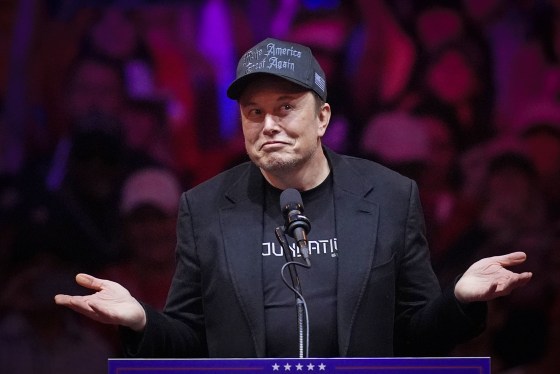

Bitcoin has surpassed $90,000 this week for the first time, marking yet another significant milestone for the cryptocurrency. The surge comes amid growing discussions about using Bitcoin to address America’s escalating national debt. Tesla, X, and SpaceX CEO Elon Musk, and vocal proponent of cryptocurrency, recently endorsed the idea of deploying digital assets to alleviate the United States’ debt burden—a sentiment echoed by President-Elect Donald Trump. Musk, […]

Tesla’s cryptocurrency holdings have soared, with the value of its 11,000 Bitcoin reaching over $1 billion. The electric vehicle giant’s investment in Bitcoin has been a key part of its strategy to diversify corporate assets beyond traditional fiat currencies. While the price of Bitcoin fluctuates, Tesla’s large holding has provided it with significant exposure to the cryptocurrency market, elevating the company’s financial profile in a sector that continues to gain attention and evolve.

In 2021, Tesla made headlines when it announced an investment of $1.5 billion in Bitcoin, signaling confidence in the digital asset as a store of value. CEO Elon Musk’s affinity for cryptocurrency, coupled with the company’s broader interest in innovation and emerging technologies, led to this pivotal move. Since then, Tesla’s Bitcoin holdings have fluctuated alongside market conditions, but they have proven to be a lucrative asset, contributing to the company’s financial resilience during periods of market volatility.

Bitcoin’s value has experienced considerable ups and downs, often driven by market sentiment, regulatory changes, and macroeconomic factors. In 2024, the cryptocurrency market saw a resurgence, with Bitcoin prices breaking new thresholds. Tesla’s holdings of 11,000 Bitcoin have benefited significantly from this rise, surpassing the $1 billion mark. At current market prices, Tesla’s Bitcoin stash represents a notable portion of its financial portfolio, highlighting the growing intersection between traditional businesses and the digital economy.

The company’s decision to hold Bitcoin has sparked both praise and criticism. Advocates of the investment argue that Tesla’s strategic move aligns with its innovative image, positioning the company as a leader in adopting cutting-edge technologies. The large holding is seen as a hedge against inflation and a potential future asset in a more decentralized global financial system. Tesla’s Bitcoin investment also provides liquidity, offering the company an alternative means of transacting in the digital realm without relying on conventional banking systems.

Critics, however, point to the volatility of cryptocurrencies and the risks associated with such an investment. Bitcoin’s price can fluctuate significantly over short periods, which has raised concerns about Tesla’s exposure to market swings. Some argue that Tesla’s holdings in Bitcoin could expose the company to unnecessary financial risk, potentially impacting its stock price and long-term stability. There are also broader environmental concerns, with Bitcoin mining being energy-intensive, which could contradict Tesla’s sustainability goals. While the company’s electric vehicles aim to reduce carbon emissions, critics note the contrast between Tesla’s green mission and the energy consumption associated with Bitcoin mining.

Tesla’s Bitcoin holdings also invite scrutiny from regulators. Governments around the world have been taking a closer look at the role of cryptocurrencies in the global economy, with some considering stricter regulatory frameworks. In the U.S., the Securities and Exchange Commission (SEC) has taken an active interest in digital assets, including Bitcoin. Tesla, as a publicly traded company, is subject to scrutiny from regulators on how it reports its cryptocurrency holdings and any potential risks they might pose to shareholders. The company has had to navigate these regulatory waters carefully, ensuring compliance while continuing to profit from its Bitcoin investment.

Despite the risks, Tesla has shown no signs of backing away from its Bitcoin position. The company’s strategy appears to be one of cautious optimism, leveraging the value of Bitcoin while balancing the volatility that comes with holding the cryptocurrency. Tesla has also explored the potential for using Bitcoin as a payment method for its vehicles, further deepening its integration with the digital economy. While this initiative faced some setbacks due to environmental concerns and Bitcoin’s energy consumption, it highlights Tesla’s commitment to pushing the boundaries of innovation in the financial and automotive sectors.

Tesla’s Bitcoin investment has had ripple effects across the business world. Other companies have followed suit, with some publicly traded firms diversifying into cryptocurrency holdings as a hedge or alternative investment. The trend of corporate adoption of Bitcoin has raised questions about the future role of digital currencies in mainstream financial markets. For now, Tesla stands at the forefront of this movement, with its Bitcoin holdings continuing to make waves in both the tech and finance sectors.

The company’s exposure to Bitcoin has also brought attention to the evolving landscape of corporate finance. As the global economy increasingly embraces digital assets, businesses are exploring new ways to incorporate cryptocurrency into their strategies. Tesla’s success with Bitcoin demonstrates the potential for companies to use cryptocurrencies not just as speculative investments, but as integral components of their overall financial strategies.

VISHNU RAJA
RYO YAMADA
HITORI GOTOH
IKUYO KITA