News related to
Trump

Dubai hosted the TOKEN2049 crypto conference on Wednesday, drawing approximately 15,000 attendees, including executives from major firms like BlackRock, Goldman Sachs, and Binance. The event, featuring a scheduled appearance by Eric Trump, highlighted both the sector’s resilience and the diminishing enthusiasm surrounding President Donald Trump’s pro-crypto stance.

President Trump, once a sceptic of digital currencies, has positioned himself as a champion of the crypto industry, launching his own cryptocurrency and pledging to ease regulatory constraints. However, the anticipated surge in market performance has not materialised; Bitcoin has declined by over 10% from its peak of $109,225 since Trump’s inauguration, reflecting investor concerns over the pace of policy implementation and broader economic uncertainties.

Despite these challenges, the crypto sector has witnessed significant investment activity. In the first quarter of 2025, global venture capital funding in the industry reached $5.4 billion, marking the strongest performance since mid-2022. Notable deals include Twenty One Capital’s planned $3.6 billion SPAC merger, Ripple’s $1.25 billion acquisition of Hidden Road, and Kraken’s $1.5 billion deal with futures broker NinjaTrader. Galaxy Digital is also set for a Nasdaq listing after securing SEC approval.

Dubai’s emergence as a crypto hub is evident, with initiatives such as Binance receiving a $2 billion investment from Abu Dhabi’s MGX, developers accepting Bitcoin for real estate transactions, and Emirates NBD launching crypto services. The Dubai Multi Commodities Centre has announced plans for a new “crypto tower” by 2027, further cementing the city’s position in the global crypto landscape.

In the United States, the Trump administration has taken steps to foster a more crypto-friendly environment. Regulatory agencies, including the Federal Reserve, FDIC, and OCC, have rolled back previous guidance that urged caution for banks engaging in cryptocurrency activities. The SEC has dropped lawsuits against major crypto firms like Coinbase and Ripple, and a dedicated crypto task force has been established to address the regulatory needs of the evolving digital asset space.

President Trump’s executive order establishing the U.S. Strategic Bitcoin Reserve, holding approximately 200,000 BTC from seizures, has positioned the United States as the largest sovereign Bitcoin holder. However, the announcement initially caused Bitcoin’s price to drop by 5.7% before recovering, indicating market sensitivity to policy developments.

While the administration’s pro-crypto stance has invigorated the market, some investors remain cautious. The launch of Trump-themed cryptocurrencies, such as the $Trump coin, has faced criticism and underperformance, with the coin’s value plummeting by 50% following the debut of a similar token by First Lady Melania Trump.
Eric Trump, son of former U.S. President Donald Trump, has issued a stark warning to the global banking industry: without embracing cryptocurrency, particularly Bitcoin, banks could face extinction within the next decade. In a bold statement, he emphasised that financial institutions must adapt to the evolving landscape of digital finance or risk being rendered obsolete by the rise of decentralised financial systems. Trump’s remarks come at a […]

By Nitya Chakraborty The United States of America President Donald J. Trump has completed his first one hundred days in office in his second non-consecutive term on April 29, Tuesday amidst continuing global disorder over his chaotic policies — unilateral tariffs hike, failure to establish peace in Gaza with Israeli killing spree continuing unabated and […]
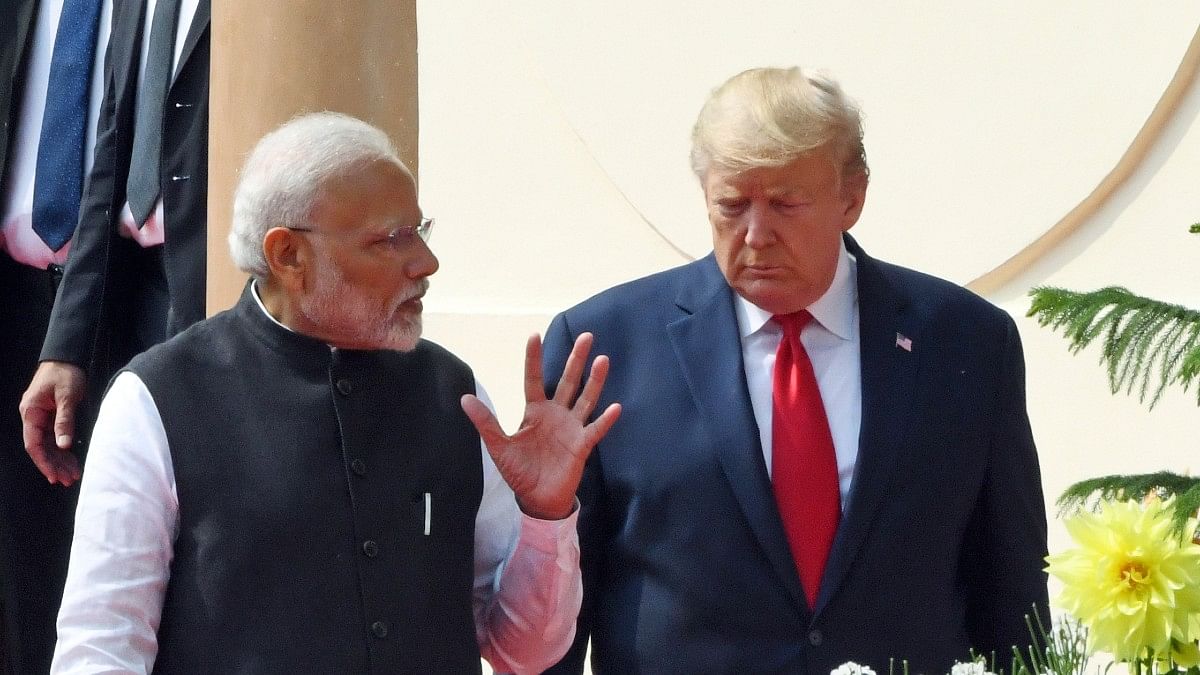
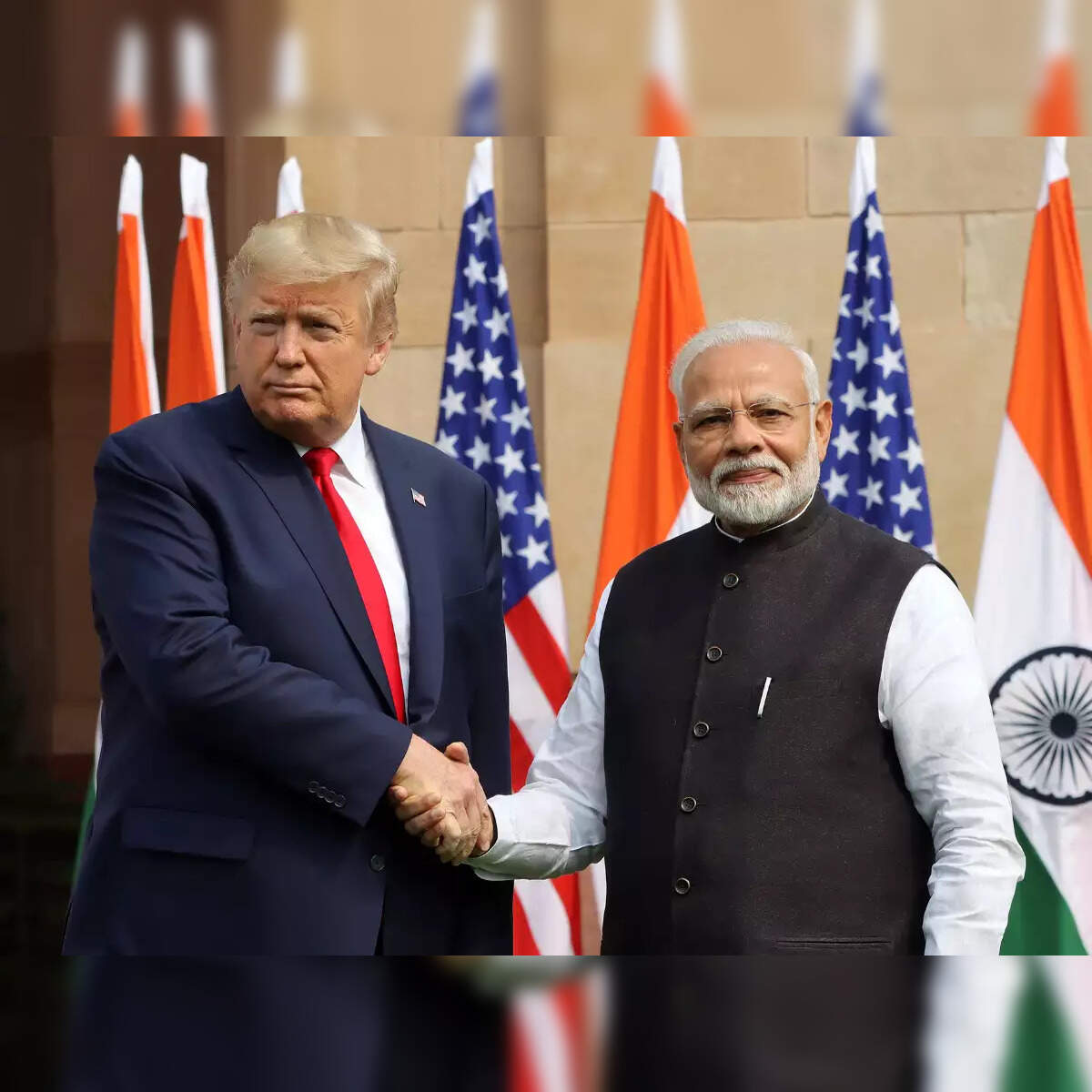
By K Raveendran U.S. Treasury Secretary Scott Bessent’s declaration that India could be the first to finalise a trade deal with the United States after President Trump embarked on his reckless trade war against the world signals a strategic point. The proposed agreement offers India an escape hatch from the looming 26 percent reciprocal tariffs […]

Dr Imran Khalid President Donald Trump’s erratic dance with tariffs continues to confound not just global markets but even his own team. On April 22, in a move that underscored the White House’s habitual policy incoherence, Trump declared that the “very high” tariffs on Chinese goods would soon be “substantially reduced.” This comes after days of raising them dramatically at the start of the month, then selectively exempting key electronics sectors – moves that reflect both strategic […]

President Donald Trump is set to host an exclusive dinner on May 22 at the Trump National Golf Club in Washington, D.C., inviting the top 220 holders of his $TRUMP memecoin. This announcement has led to a significant surge in the coin’s value, with prices climbing over 60% to reach $16.17, marking its highest level since early March.

The event, organized by Fight Fight Fight LLC, stipulates that eligibility is determined by average holdings between April 23 and May 12. Attendees must pass a background check and cannot be from countries on Know Your Customer watchlists. The top 25 holders will receive additional perks, including a VIP reception and a special tour with the president. However, the event terms note that Trump may not attend, in which case winners would receive a limited edition Trump NFT instead.

Launched on January 17, 2025, just days before Trump’s inauguration, the $TRUMP coin is hosted on the Solana blockchain. Initially, 200 million tokens were released, with plans to expand the total supply to 1 billion over three years. Approximately 80% of the tokens are held by CIC Digital LLC and Fight Fight Fight LLC, entities linked to the Trump Organization. The coin’s market capitalization has reached approximately $2.6 billion, ranking it as the 37th-largest cryptocurrency.

By Nitya Chakraborty Chinese President Xi Jinping has won the first round in the protracted battle against Donald Trump over his declaration of tariff war against China. After waiting for long three weeks for a personal call from XI Jinping offering talks to discuss the proposed tariff hikes, Trump partially retreated on Tuesday when he […]
Advertisements
By Nitya Chakraborty Though there is a 90 day pause in Trump’s latest unilateral imposition of reciprocal tariffs on most of the countries, the trade war between the USA and China, the two largest economies of the world is in full steam imparting tremors in global trade and economy. Close advisers of Trump were expecting […]
President Donald Trump has affirmed that Chinese-made electronics, including smartphones and laptops, will not be exempt from U.S. tariffs, signaling a continuation of his administration’s protectionist trade policies. Despite a temporary 90-day pause on certain tariffs, Trump clarified that these products remain subject to existing levies and may face additional duties under national security considerations. Commerce Secretary Howard Lutnick announced that electronics will be reclassified under semiconductor […]

By K Raveendran In both foolhardiness in decision making and shameless flip-flop in dealing with disastrous aftermaths, Narendra Modi and Donald Trump have exhibited a total lack of honesty in admitting their mistakes. The similarity is too striking to be missed. Thanks to recklessness and impulsiveness in decision making—Narendra Modi with demonetization and Donald Trump […]
Matein Khalid “We went eyeball to eyeball and the other guy blinked” – JFK said about Nikita Peasantovich Shoe Bangarov after Stalin’s henchman in the Red Terror back down in the Cuban missile crisis. Trump has gone eyeball to eyeball with the bond market and Xi Jinping but only the Dragon Empire’s Emperor for Life has blinked while the bond vigilantes have gone berserk in the netherworld […]

By Anjan Roy Just as Donald Trump’s tariffs had shaken the world and the financial markets, a sudden brake on their implementation had equally shocked leaders to market sloggers as much. President Trump had equally abruptly pushed back the time when his “reciprocal” tariffs were to kick in. He deferred it by ninety days and […]

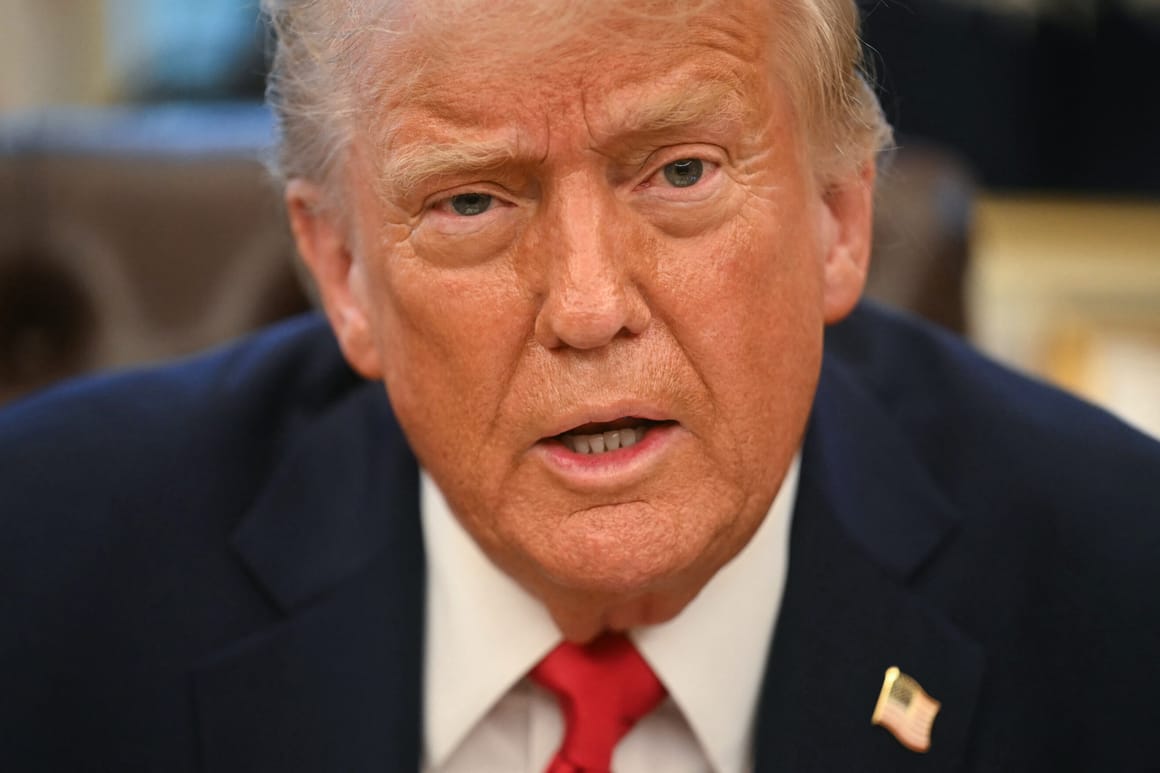
President Donald Trump has signed legislation repealing a Biden-era Internal Revenue Service rule that mandated cryptocurrency brokers, including decentralised finance platforms, to report user transactions via Form 1099s. The rule, finalised in December 2024, aimed to extend tax reporting obligations to DeFi platforms, treating them similarly to traditional financial intermediaries.

The repeal follows bipartisan votes in both the House and Senate, utilising the Congressional Review Act to overturn the regulation. Critics argued that the rule imposed unworkable requirements on DeFi platforms, which, by design, lack centralised control and user data necessary for compliance. Industry stakeholders contended that enforcing such reporting standards on DeFi would stifle innovation and drive activity offshore.

The original IRS rule was part of a broader effort to enhance tax compliance in the digital asset sector, stemming from the 2021 Infrastructure Investment and Jobs Act. It sought to align cryptocurrency reporting with that of traditional financial instruments, estimating an increase in federal revenue. However, the DeFi community maintained that the decentralised nature of their operations made adherence to the rule impractical.

Supporters of the repeal, including Senator Ted Cruz and Representative Mike Carey, emphasised the importance of fostering innovation and avoiding regulatory overreach. They argued that the rule exceeded congressional intent and posed significant burdens on emerging technologies.

Opponents of the repeal expressed concerns about potential revenue losses and the risk of increased tax evasion. The Joint Committee on Taxation projected that rescinding the rule could reduce federal revenue by $3.9 billion over the next decade. Tax experts warned that the absence of reporting requirements might complicate efforts to monitor illicit activities within the crypto space.

Matein Khalid We are now living “ten days that shook the world” in real life, as John Reed did that fateful autumn long ago in Lenin’s shadow as the Bolshies stormed the Winter Palace in October 1917 before he was resurrected to begin his next life as the chairman/CEO of Citicorp in 1984. Is this just a magic realism joke? No. The fall of Tsar Nicki and […]

By Anjan Roy In the wake of Trump’s tariffs and restrictive trade practices, a global economic warfare has been sparked off, with all major economies working up stringent measures to teach the newly elected US prescient, Donald Trump, a lesson: Tariffs are a two way instrument. If you impose tariffs on others, others can impose […]
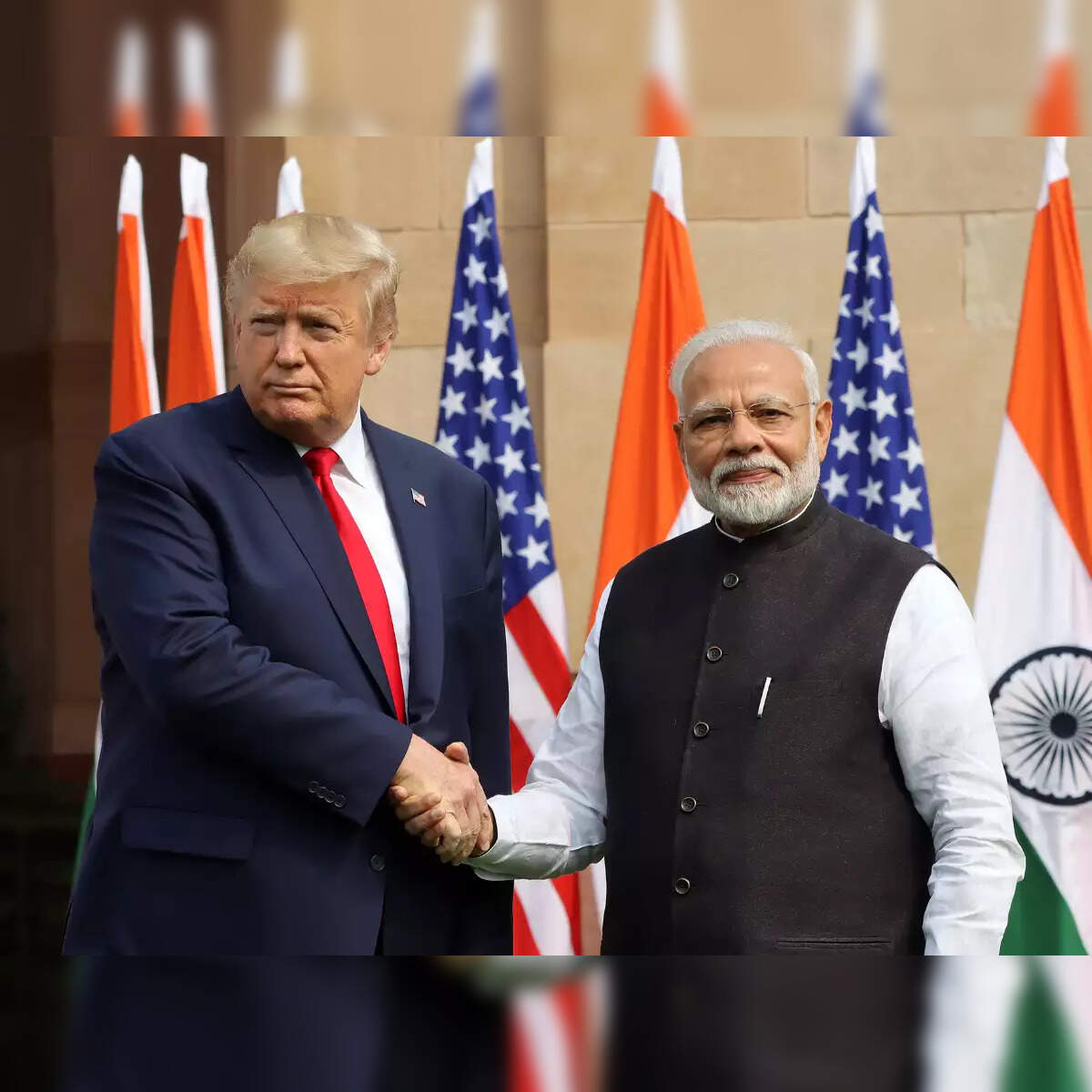
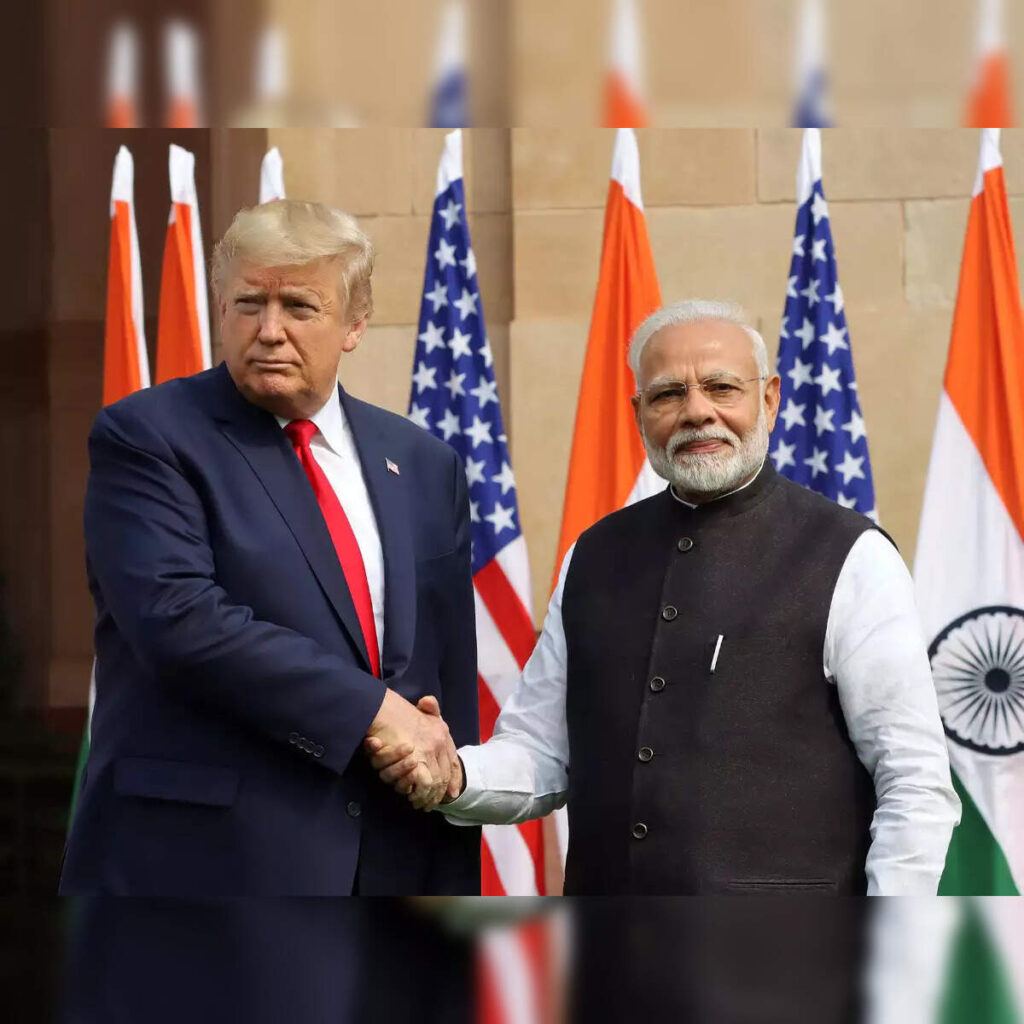
President Donald Trump has announced plans to impose an additional 50% tariff on Chinese goods starting April 9, escalating tensions in the ongoing trade dispute between the United States and China. This move comes in response to Beijing’s recent implementation of a 34% tariff on U.S. imports, which was itself a countermeasure to earlier U.S. tariffs. The administration’s decision has sent shockwaves through global financial markets. The […]

By K Raveendran Donald Trump and Narendra Modi never seem to tire of expressing admiration for each other, their mutual regard forming an odd but undeniable transnational political camaraderie. What binds them is not simply shared ideology but a similar worldview shaped by populism, nativism, and a flair for dramatic, often reckless, decision-making. Modi’s ‘Atmanirbhar […]
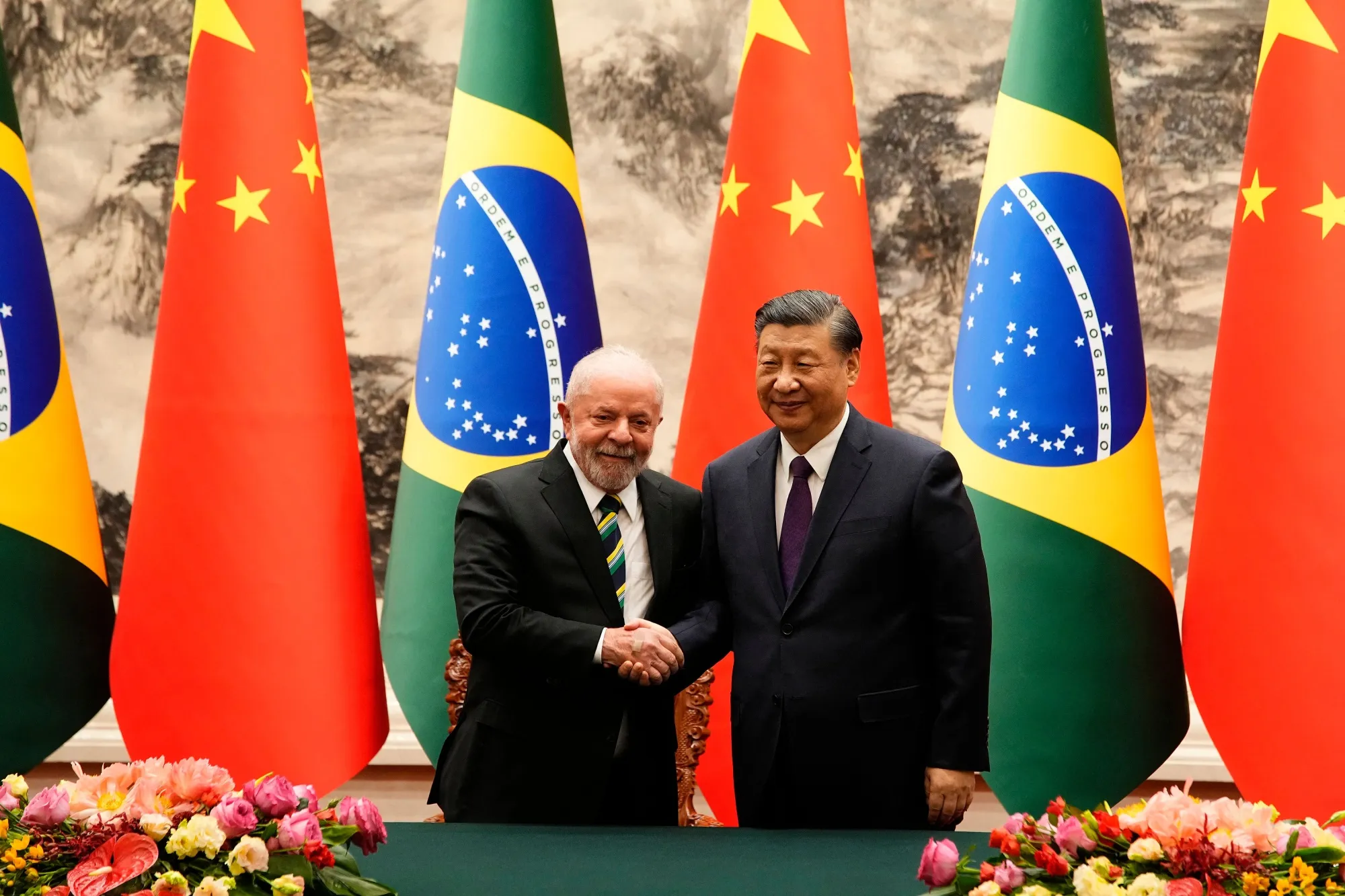
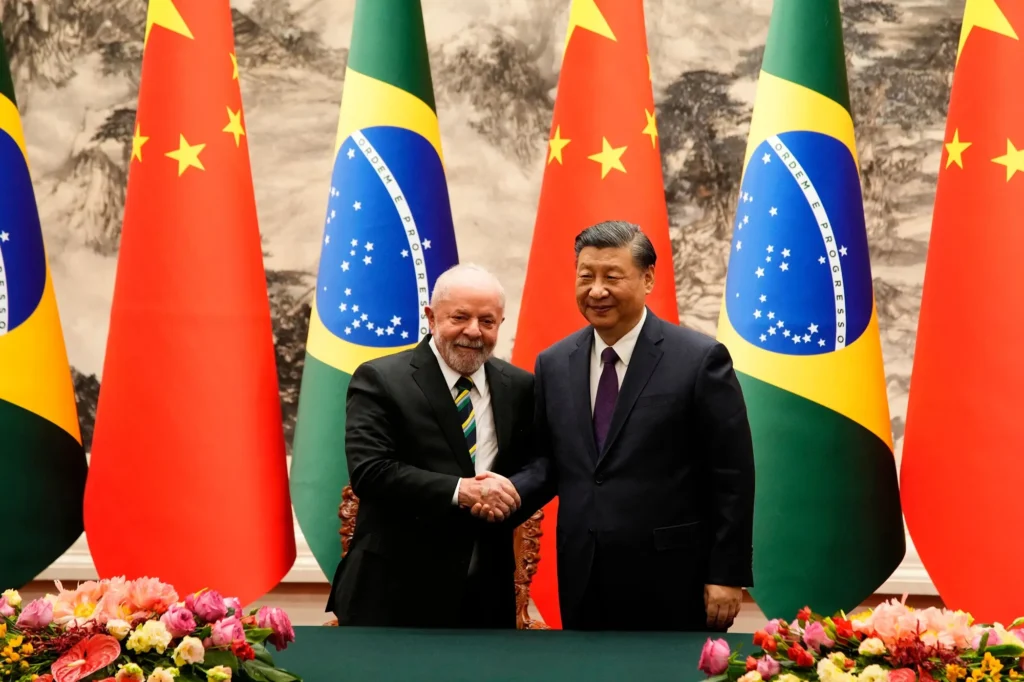
Dr Imran Khalid President Donald Trump’s declaration of April 2, 2025, as “Liberation Day” marked a seismic shift in U.S. trade policy, with the imposition of sweeping reciprocal tariffs that have sent shockwaves through the global economy. The new measures include a universal 10% tariff on all imports, with punitive rates as high as 54% for China, 46% for Vietnam, and 20% for the European Union, alongside […]

President Donald Trump’s declaration of “Liberation Day” introduced sweeping tariffs on imports, triggering significant upheaval in global energy markets. The administration announced a baseline tariff of 10% on all imported goods, with elevated rates for specific countries accused of nonreciprocal or discriminatory trading practices. These measures have prompted widespread market volatility and raised concerns about potential economic slowdowns. Oil prices experienced a sharp decline following the tariff […]

By Nitya Chakraborty Brazil’s President Luiz Inacio Lula da Silva, better known globally as Lula has launched a major initiative to meet the U.S. President Donald Trump’s unilateral tariff offensive by joining hands with Chinese President Xi Jinping and the Russian President Vladimir Putin, apart from taking assistance from South Africa and a few other […]
President Donald Trump’s administration has announced a sweeping tariff regime, imposing a baseline 10% duty on all imports into the United States, with significantly higher rates targeting specific countries. This move, described by Trump as a “Declaration of Economic Independence,” aims to rectify what he perceives as longstanding trade imbalances. However, the policy has elicited widespread concern, particularly regarding its impact on developing economies. Among the hardest […]

The United States has imposed a 26% tariff on Indian imports, intensifying trade tensions between the two nations. This measure, announced by President Donald Trump on April 2, 2025, is part of a broader strategy targeting countries with which the U.S. has significant trade deficits. The baseline 10% tariff will take effect on April 5, with the additional 16% following on April 9.

President Trump has consistently criticized India’s trade policies, labeling the nation as a “tariff king” and a “big abuser” of tariffs. The administration justifies the new tariffs by pointing to the disparity between the U.S.’s 2.5% tariff on passenger vehicle imports and India’s 70% tariff on similar American products.

Indian officials have expressed mixed reactions to the announcement. A senior government representative described the development as a “mixed bag,” emphasizing that it is not perceived as a significant setback. The commerce ministry is currently evaluating the potential impact of these tariffs on the Indian economy.

The sectors most vulnerable to the increased tariffs include pharmaceuticals, textiles, and automotive parts, which constitute a substantial portion of India’s exports to the U.S. Analysts predict that these industries may experience a decline in competitiveness within the American market, potentially leading to decreased export volumes and revenue losses.

In an effort to mitigate the impact of the tariffs and foster better trade relations, India has proposed reducing tariffs on certain U.S. agricultural products, such as almonds, cranberries, and bourbon whiskey. This initiative aims to facilitate a more favorable trade agreement between the two countries.

Despite these conciliatory efforts, the U.S. proceeded with the tariff imposition. The move has elicited concerns among Indian policymakers and industry leaders about the potential escalation of a trade war and its ramifications on the domestic economy. The Confederation of Indian Industry has urged the government to engage in diplomatic negotiations to resolve the dispute amicably.

The global community is closely monitoring the situation, as the U.S.’s tariff measures have affected multiple countries, including China, the European Union, and Japan. The European Commission has criticized the tariffs as a severe blow to the global economy, while other nations have signaled intentions to retaliate or seek negotiations.

President Donald Trump has announced a comprehensive tariff strategy, imposing a baseline 10% duty on all imports into the United States, with significantly higher rates targeting approximately 60 countries. This move, declared during a White House event termed “Liberation Day,” aims to address trade imbalances and bolster domestic industries. Under the new policy, key trading partners will face steep tariffs: China is subjected to a 34% duty, […]

Eric Trump has announced a significant move into the cryptocurrency sector by partnering with Hut 8 Mining to establish American Bitcoin, a company aiming to become a leading force in Bitcoin mining. This decision follows the closure of multiple family bank accounts by major U.S. financial institutions.

In a recent interview, Eric Trump revealed that several prominent banks, including JPMorgan Chase, Bank of America, Capital One, TD Bank, and First Republic, terminated accounts associated with the Trump family. He described these actions as politically motivated and an attack on the family’s financial stability. Capital One has publicly denied these allegations, asserting that account closures are not influenced by political considerations.

The abrupt termination of these accounts prompted Eric Trump to explore decentralized financial systems, leading to his involvement in the cryptocurrency industry. He expressed that the experience underscored the vulnerabilities inherent in traditional banking and highlighted the potential of digital currencies to offer financial autonomy.

American Bitcoin emerges from a strategic partnership between the Trump-affiliated American Data Centers and Hut 8 Mining, a well-established player in the crypto-mining infrastructure sector. Under the terms of the agreement, Hut 8 holds an 80% stake in the new venture, while American Data Centers retains the remaining 20%. Eric Trump assumes the role of Chief Strategy Officer, with Matt Prusak appointed as Chief Executive Officer.

The company’s mission is to position itself as the world’s most efficient Bitcoin miner and to build a substantial strategic Bitcoin reserve. This initiative aligns with the broader objective of establishing the United States as a central hub for cryptocurrency innovation and operations. Donald Trump Jr. emphasized the family’s commitment to the value of Bitcoin, noting that mining offers opportunities beyond mere ownership of the digital asset.

The announcement of American Bitcoin has elicited varied reactions. Supporters view it as a forward-thinking move that leverages emerging technologies to circumvent traditional financial barriers. Critics, however, raise concerns about potential conflicts of interest, given the family’s political prominence, and the environmental implications associated with large-scale Bitcoin mining operations.

President Donald Trump has indicated that his first international trip in his second term will likely include visits to key countries in the Middle East, namely Saudi Arabia, the United Arab Emirates , and Qatar. While speaking to the press in the Oval Office, Trump suggested the visit could occur next month, though he noted it might be slightly delayed depending on diplomatic and scheduling considerations.

This trip is expected to be a crucial moment in Trump’s foreign policy, as it will focus on reinforcing the United States’ strategic relationships in the region, particularly in the wake of his administration’s efforts to reshape the dynamics of the Middle East through initiatives such as the Abraham Accords and military partnerships. The planned visit underscores the ongoing importance of these Gulf nations as key players in both regional and global geopolitical matters, including security, energy, and economic cooperation.

The president’s statement reflects the evolving nature of U.S. foreign policy in the Middle East, where traditional alliances have been reinforced while new partnerships, especially with the UAE and Bahrain, have emerged over the past few years. The Abraham Accords, signed in 2020, have opened new avenues for diplomatic engagement in the region, with several Arab countries normalising ties with Israel, a move that has significantly altered the political landscape.

Saudi Arabia, as a longstanding ally of the United States, remains at the heart of the Middle East’s geopolitics, particularly in relation to energy markets and security concerns regarding Iran’s growing influence. Trump’s administration was marked by its staunch support for the kingdom, including a controversial stance on the murder of journalist Jamal Khashoggi and its military cooperation in the region. A visit to Riyadh would likely reaffirm these strategic ties, especially as the U.S. continues to grapple with Iran’s nuclear ambitions and its role in regional instability.

The UAE has also become an increasingly influential partner, not only in terms of energy and security but also in fostering technological innovation and investment. In addition to hosting Israeli diplomatic missions following the Abraham Accords, the UAE has positioned itself as a hub for economic development, hosting major events like Expo 2020 Dubai and advancing its space exploration programme. Trump’s engagement with the UAE signals an ongoing commitment to strengthen ties with nations that have emerged as leaders in the Middle East’s economic diversification efforts.

Qatar, a key player in regional diplomacy and a host to the massive U.S. military base at Al Udeid, will also play a central role in Trump’s plans. As a small but influential country, Qatar has positioned itself as a mediator in various regional conflicts, often serving as an intermediary between conflicting parties in the region. Trump’s relationship with Qatar has been critical, particularly in relation to military cooperation and counter-terrorism efforts, and his visit would likely reaffirm the importance of these ongoing collaborations.

While the specifics of the trip remain unclear, the White House has made it known that the president’s travels will reflect the continued prioritisation of U.S. interests in the Middle East. Following years of tension over issues such as the U.S. withdrawal from Afghanistan and its approach to Iran, the Middle East remains a focal point of U.S. foreign policy. This visit could signal a shift towards a more engaged and active approach, particularly as the region faces new challenges ranging from economic instability to security threats from non-state actors.

Experts suggest that Trump’s trip will also serve as a signal to other global powers, particularly China and Russia, of the U.S.’s commitment to maintaining its influence in the Middle East. The region’s role in global energy production, combined with its strategic location at the crossroads of Europe, Africa, and Asia, makes it a critical area for U.S. interests. Trump’s visit is expected to focus on advancing energy partnerships, countering the growing influence of China in the region, and ensuring that U.S. military presence continues to be a stabilising factor in the face of Iranian provocations and broader geopolitical shifts.

Trump’s visit comes at a time when the Middle East is witnessing significant shifts in its diplomatic and economic alignments. Saudi Arabia, for example, has begun to recalibrate its foreign policy, striking deals with China and Russia, and there are signs that the kingdom is exploring new relationships outside its traditional Western alliances. Trump’s visit could also serve to counter these new trends, reinforcing U.S. leadership in the region.

The trip could be particularly significant for the future of U.S. relations with Israel. Although Israel’s peace agreements with several Arab states have altered the region’s political landscape, U.S. support for Israel remains a cornerstone of its Middle East policy. Trump’s visit will likely address how the U.S. plans to build on these agreements while navigating the evolving dynamics between Israel and its Arab neighbours.

As Trump prepares for his visit, discussions will also revolve around the broader implications of his foreign policy agenda. The Middle East is not only a region of military importance but also a key player in the global fight against terrorism, as well as in shaping energy markets and technological innovations. Trump’s emphasis on strengthening partnerships with countries like Saudi Arabia, the UAE, and Qatar will be crucial in setting the tone for the next phase of U.S. involvement in the region.

Matein Khalid It took Trump 2.0 to finally dethrone King Dollar. The US Dollar Index has fallen from 110 to 104 as Planet Forex has finally concluded that aggressive tariffs on Canada, Mexico, China and the EU, coupled with stagflation risk in the US and Powell’s dovish take on a potential dual mandate pivot to easy money at a time when Germany ramps up defense spending by […]

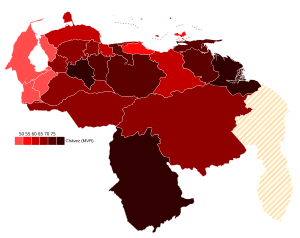
President Donald Trump has declared that, effective April 2, the United States will impose a 25% tariff on all imports from countries purchasing oil or gas from Venezuela. This measure, announced via his Truth Social platform, is aimed at penalizing nations that continue energy trade with Venezuela, which the administration accuses of covertly sending violent criminals into the U.S.

The President’s decision introduces a “secondary tariff” targeting nations engaging in energy transactions with Venezuela. He asserted that Venezuela has “purposefully and deceitfully” sent “tens of thousands” of high-level criminals, including members of the Tren de Aragua gang, into the United States. This gang has been designated as a Foreign Terrorist Organization by the U.S. government.

The impending tariffs are set to affect major importers of Venezuelan oil, notably China and India. India’s significant corporations, such as Reliance Industries Limited and Indian Oil Corporation , which have resumed importing Venezuelan crude following the easing of previous U.S. sanctions, may now face substantial economic repercussions.

This development marks a significant escalation in the U.S.’s economic measures against Venezuela. In August 2017, the Trump administration imposed sanctions targeting Venezuela’s petroleum industry by restricting the trading of Venezuelan bonds in U.S. markets. Further sanctions in January 2019 aimed to pressure President Nicolás Maduro to resign, freezing $7 billion of PDVSA’s U.S. assets and preventing U.S. firms from exporting naphtha to Venezuela.

The President’s announcement has already influenced global oil markets, with Brent crude prices rising by 1% following the news. This surge reflects concerns over potential disruptions in the global oil supply chain and the broader implications of the new tariffs.

The administration’s stance is that these measures are necessary to protect national security and address the alleged threats posed by Venezuela. However, critics argue that such broad tariffs could strain diplomatic relations and have unintended economic consequences for U.S. allies. The lack of detailed implementation plans has also raised questions about the practical enforcement of these tariffs and their impact on ongoing energy contracts.

President Donald J. Trump has initiated a significant overhaul of the United States Agency for International Development , rebranding it as the U.S. International Humanitarian Assistance and integrating blockchain technology into its operations. This restructuring places the agency under the direct authority of Secretary of State Marco Rubio, aiming to enhance transparency and efficiency in foreign aid distribution.

An internal memo circulating within the State Department outlines the administration’s plan to utilize blockchain technology to secure and trace aid disbursements. The objective is to improve the transparency, security, and efficiency of aid distribution by leveraging blockchain’s immutable ledger capabilities. However, the specifics of this integration—whether it involves the use of cryptocurrencies or solely blockchain ledgers—remain unclear. The administration emphasizes a shift towards outcomes-based funding, intending to ensure that aid programs deliver measurable results.

Despite these intentions, the proposed reorganization has encountered legal challenges. A federal judge recently ruled that the dismantling of USAID by the Department of Government Efficiency , led by Elon Musk, likely violates the Constitution. The court issued an indefinite injunction blocking further actions against USAID and mandated the reinstatement of email and computer access to affected employees. This ruling does not reverse all personnel changes or fully restore the agency but highlights concerns over the administration’s approach to restructuring.

Critics argue that while blockchain technology offers potential benefits, its application in humanitarian contexts may not be necessary or cost-effective. Some experts caution that such technological solutions could impose additional burdens on smaller non-governmental organizations and may not provide substantial advantages over existing systems. They suggest that the focus should remain on addressing the immediate needs of aid recipients rather than implementing complex technological frameworks.

The administration’s broader strategy includes reducing the size of the federal government and reallocating resources to align more closely with American geopolitical interests. This involves concentrating on areas such as global health, food security, and disaster response, while politically oriented programs may be redirected to other sections within the State Department. The restructuring plan also proposes the elimination of multiple regional bureaus, aiming to streamline operations and enhance efficiency.

Secretary of State Marco Rubio has indicated that the reorganization will proceed with input from Congress, underscoring the administration’s commitment to aligning foreign aid programs with the interests of U.S. taxpayers and strategic objectives. However, the legal setbacks and critiques from various stakeholders suggest that the path forward may be complex and contentious.

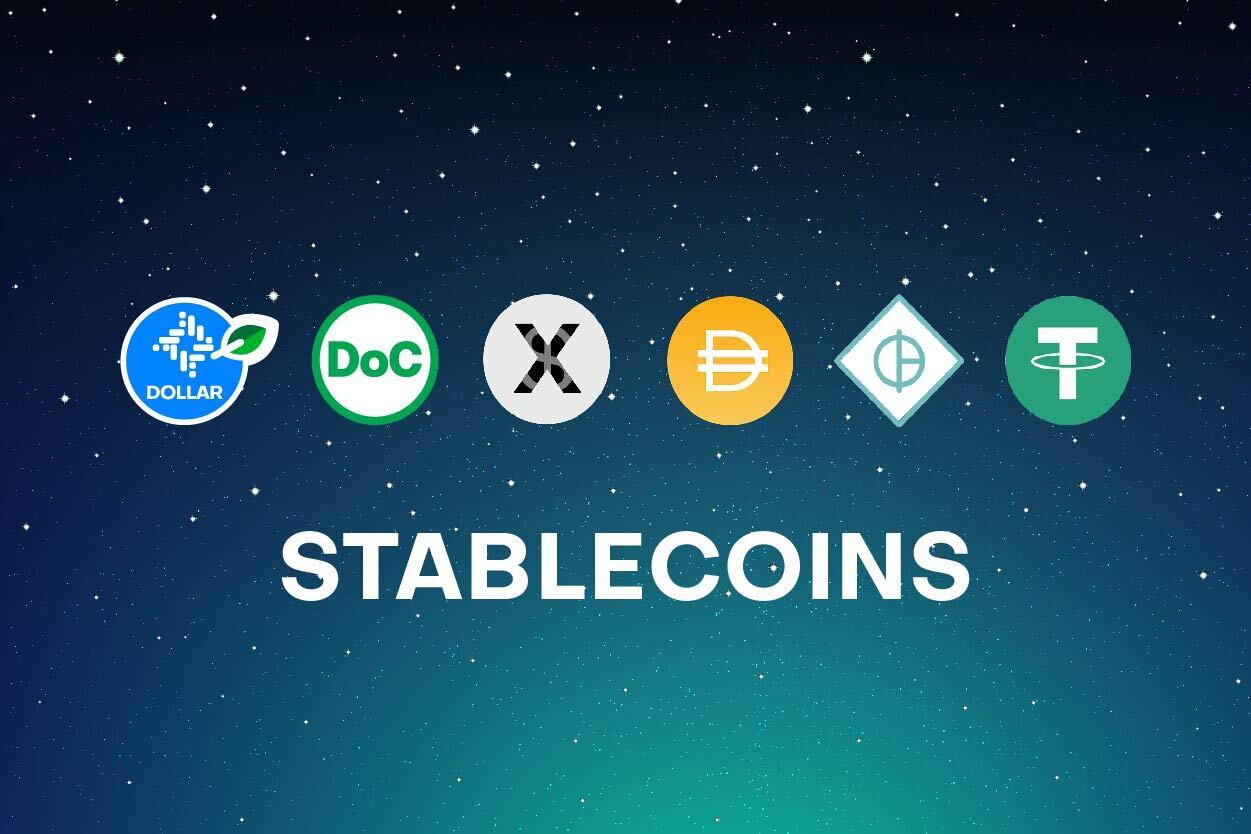
President Donald Trump has called on Congress to expedite the passage of stablecoin and cryptocurrency reserve legislation, emphasizing the need for regulatory clarity in the rapidly evolving digital asset sector. This appeal was made during his address at the Digital Asset Summit, marking the first time a sitting U.S. president has spoken at a cryptocurrency-focused conference.

In his speech, President Trump underscored the importance of integrating digital assets into the mainstream financial system, stating, “We must ensure that our regulatory framework fosters innovation while protecting consumers and maintaining financial stability.” He urged legislators to deliver comprehensive bills to his desk before the congressional recess in August, reflecting a sense of urgency in addressing the regulatory challenges posed by digital currencies.

This development follows the Senate Banking Committee’s recent advancement of the Generating Necessary Information for Unobstructed Selection Act, a bipartisan bill co-sponsored by Senators Bill Hagerty and Kirsten Gillibrand. The GENIUS Act aims to provide federal legitimacy to stablecoins, digital currencies pegged to traditional assets like the U.S. dollar, by establishing a dual regulatory framework. This framework would allow stablecoin issuers to register with either state or federal authorities, thereby promoting their adoption as mainstream payment options. However, critics, including Senator Elizabeth Warren, have raised concerns about potential risks such as insufficient consumer safeguards and financial instability, cautioning against a possible Big Tech takeover of the dollar.

In addition to legislative efforts, the Trump administration has taken proactive steps to position the United States as a leader in the digital asset space. Earlier this month, President Trump signed an executive order establishing a Strategic Bitcoin Reserve and a U.S. Digital Asset Stockpile. The Strategic Bitcoin Reserve is designed to treat bitcoin as a reserve asset, capitalized with bitcoin forfeited in criminal or civil asset forfeiture proceedings. This move aims to create a “digital Fort Knox,” signaling a significant shift in the U.S. government’s approach to digital assets. The U.S. Digital Asset Stockpile will consist of other digital assets obtained through similar forfeiture proceedings, with strategies for their responsible stewardship under consideration.

The administration’s actions have been met with both optimism and skepticism. Proponents argue that these measures will integrate cryptocurrencies more deeply into the financial system, transforming them into viable payment systems and investment vehicles. Kevin O’Leary, a prominent investor and “Shark Tank” star, remarked that under President Trump’s leadership, cryptocurrency is moving away from its “cowboy era,” referencing past market volatility and regulatory uncertainties. O’Leary noted that with the implementation of regulations, crypto is becoming more integrated with financial institutions, signaling a maturation of the industry.

Conversely, critics express concerns over the rapid institutionalization of digital assets without comprehensive regulatory oversight. They caution that an overly permissive stance could lead to financial instability and inadequate consumer protections. The debate highlights the delicate balance policymakers must strike between fostering innovation and ensuring the safety and soundness of the financial system.

The Digital Asset Summit also featured discussions on the global implications of the United States’ digital asset policies. Industry leaders emphasized the need for international collaboration to establish harmonized regulatory standards, citing the borderless nature of cryptocurrencies. They argued that coordinated efforts are essential to prevent regulatory arbitrage and to promote the healthy development of the global digital asset ecosystem.

As the legislative process unfolds, all eyes are on Congress to see how it will navigate the complex landscape of digital asset regulation. The outcome will have profound implications not only for the United States but also for the global financial system, as nations worldwide grapple with the challenges and opportunities presented by the rise of digital currencies.

Arabian Post Staff -Dubai President Donald Trump hosted Sheikh Tahnoon bin Zayed Al Nahyan, the United Arab Emirates’ National Security Adviser and Deputy Ruler of Abu Dhabi, at the White House on Tuesday evening. The meeting underscored the enduring ties between the two nations and focused on enhancing cooperation in technology and investment sectors. In a statement following the dinner, President Trump highlighted the significance of the […]

VISHNU RAJA
RYO YAMADA
HITORI GOTOH
IKUYO KITA