News related to
Trump

By Nitya Chakraborty Just six days have passed since the inauguration of Donald Trump as the second term President of the United States of America and his policy announcements on the first day in office. The impact varies from country to country but nowhere it is more panicky than in the European Union countries, especially […]

Donald Trump has urged Saudi Arabia to make a $1 trillion investment in the United States and to help lower oil prices. Speaking at a rally in Michigan, the former U.S. president emphasized the economic benefits of such a partnership for both countries, asserting that it would create millions of jobs and foster mutual prosperity. The call comes at a time when energy prices and geopolitical concerns […]

Abu Dhabi-based private equity firm MGX has made a substantial contribution to former President Donald Trump’s ambitious $100 billion artificial intelligence (AI) initiative. This investment, reportedly one of the largest in the tech space, is set to fuel groundbreaking developments in AI technology, specifically in areas like data processing and autonomous systems. The strategic partnership between MGX and Trump’s venture signals the UAE’s growing interest in the AI sector and positions both entities as key players in the global AI race.

The AI project, which aims to revolutionize industries such as healthcare, finance, and manufacturing, is part of Trump’s broader strategy to solidify his legacy in technological innovation. The initiative, described as the largest private-sector investment in AI, is intended to foster a new era of automation and machine learning. Experts in the field believe the collaboration with MGX could accelerate the timeline for implementing AI technologies at scale.

MGX, which has a history of backing high-profile ventures, is known for its investments in technology startups and its involvement in cutting-edge sectors. The firm’s decision to back Trump’s AI initiative underscores the growing convergence between Middle Eastern capital and American tech ventures. This partnership comes at a time when both the UAE and the United States are competing to lead in the rapidly evolving AI landscape.

The move also aligns with the UAE’s vision to diversify its economy and establish itself as a global leader in emerging technologies. Through strategic investments, the country has sought to expand its footprint in the global tech market, which is rapidly becoming dominated by AI-driven advancements. In recent years, the UAE has invested heavily in tech startups and AI research, positioning itself as a hub for innovation in the Middle East.

MGX’s contribution to the AI initiative marks a significant step in its expansion plans, particularly in terms of its growing influence in the global tech industry. The firm’s investment in AI technologies follows its track record of supporting businesses that aim to revolutionize established sectors. By entering the AI space, MGX not only bolsters its portfolio but also positions itself at the forefront of a rapidly evolving field.

Trump’s AI venture is expected to have far-reaching implications, particularly in sectors such as autonomous vehicles, smart cities, and healthcare. The potential of AI to automate complex tasks and process massive datasets holds the promise of transforming industries and improving efficiency across multiple sectors. However, experts warn that the ethical and societal impacts of widespread AI adoption will need to be carefully managed, with attention to issues such as job displacement and data privacy.

While the details of the deal between MGX and Trump’s venture remain closely guarded, insiders suggest that the collaboration will focus on the development of AI systems capable of transforming traditional industries. This includes advancements in predictive analytics, machine learning algorithms, and natural language processing, all of which have the potential to revolutionize how businesses operate.

The partnership is also expected to draw attention from policymakers and regulators, especially as the global debate over the regulation of AI intensifies. As AI becomes an increasingly powerful tool, questions about its ethical use, data security, and impact on employment will likely become central to the political discourse. Trump’s backing of AI is likely to spur more interest from global governments seeking to navigate the complex issues surrounding AI deployment.

At the heart of this initiative is the drive to position AI as a catalyst for economic growth and technological advancement. By aligning himself with MGX, Trump is positioning his venture at the intersection of innovation and capital, securing the funding necessary to scale his AI vision. The partnership serves as a demonstration of how private sector investments can shape the future of technological development, particularly in a field as dynamic and impactful as artificial intelligence.

For MGX, this deal represents a further expansion into the global tech sector, adding to its diverse portfolio of high-value investments. The firm’s deep pockets and commitment to backing groundbreaking technologies make it an influential player in the AI field. As the demand for AI solutions grows, particularly in sectors like healthcare and finance, MGX’s stake in the AI space is poised to yield substantial returns in the coming years.

As AI technology continues to evolve, both MGX and Trump’s venture are betting on its transformative power. The partnership serves as a reminder of the growing influence of private equity in shaping the future of technological development. With the combined resources of MGX and Trump’s ambition, the AI venture is set to become a cornerstone in the next wave of technological innovation.

By Nitya Chakraborty Is the U.S. President Donald Trump looking for a big deal with the Chinese President Xi Jinping in his second term to reshape the global order favouring two super powers and marginalizing both Western Europe and Russia? The question gets all the relevance if one analyses the policy announcements by the second […]

No tariffs on Day One from Trump? Sure, that’s made the dollar wobble—but let’s not kid ourselves. The tariff threats, trade drama, and inflationary fireworks are still there. Trump’s first 100 days are set to be a rollercoaster for the greenback. The President’s reported plan to “study” trade relationships rather than unleash tariffs immediately is hardly a sign that he’s gone soft. This is the man who […]

President Donald Trump’s declaration of a national energy emergency can be expected to spark seismic shifts in global markets and create a wave of opportunities for investors, predicts the CEO of one of the world’s largest independent financial advisory and asset management organizations. deVere Group’s Nigel Green’s comments come as the new administration’s focus will be on ramping up domestic energy production, particularly in Alaska, and rolling back […]

By Anjan Roy The recent volatility in the exchange rate of the Indian rupee against the US dollar has given rise to a debate on how the central bank should react to the situation of progressive depreciation of the national currency. To wit, the rupee appears to hit 90 to a dollar in no time, […]
Advertisements

The Trump administration is preparing a comprehensive plan to implement stricter oil sanctions against Russia and impose additional economic pressure on Iran. This move comes as part of a broader strategy to curb both nations’ geopolitical influence, especially in global oil markets and energy security. Senior U.S. officials have outlined a series of measures aimed at restricting Russia’s ability to profit from its oil exports and penalizing […]

By Nitya Chakraborty The announcement on Gaza between Israel and Hamas just five days before the inauguration of Donald Trump as the President of USA on January 20 has baffled many leaders of the peace movement as also left liberal political analysts as to how to properly assess the policies of this hard far right […]
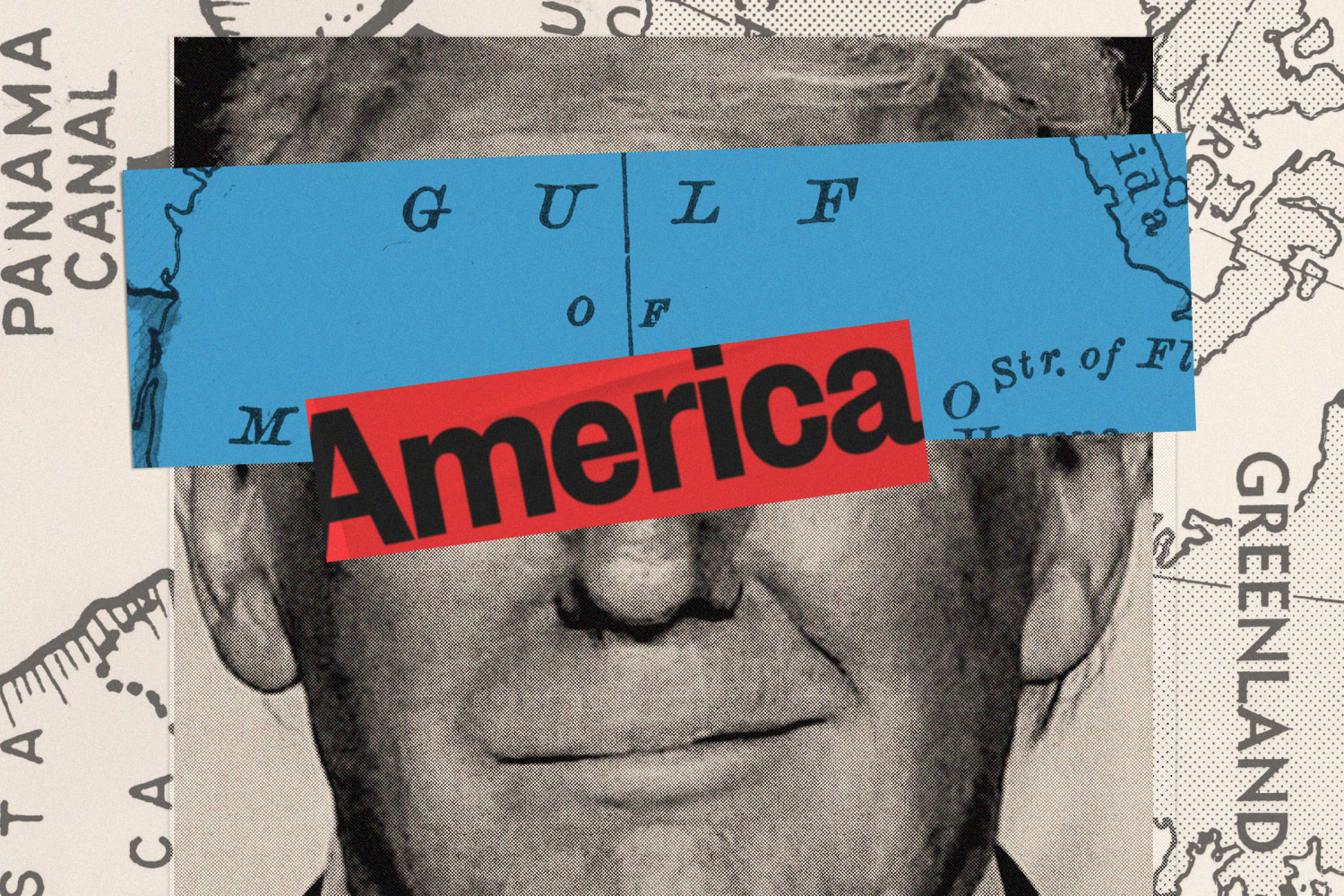
By Nantoo Banerjee There seems to exist a method in US President-elect Donald Trump’s madness when he talks about his desire to annex Canada and Greenland, and renaming the Gulf of Mexico among others. A US annexation of Canada is possible through a treaty between the two countries involving the British Monarch, or a referendum […]

Damac Properties, a major real estate development company based in the UAE, has announced a remarkable $20 billion investment deal that marks a significant milestone in the continued strengthening of ties between the Gulf region and former President Donald Trump. The deal comes on the heels of growing business activities between the Trump Organization and companies within the UAE, signaling a deepening relationship that blends politics and commerce.

The landmark investment will largely focus on large-scale development projects in the Middle East, particularly in the UAE and surrounding regions, areas that have seen a significant increase in foreign investment in recent years. This particular venture, supported by Damac, which is one of the region’s most influential real estate developers, not only marks a huge financial commitment but also highlights Trump’s ongoing influence in the Middle East, a region where he has cultivated robust business partnerships.

Damac’s decision to align with the Trump Organization further consolidates the firm’s position within the luxury real estate sector, particularly as demand for high-end properties in the Gulf grows. The projects set to be developed under this partnership will span various sectors, from residential to commercial spaces, further enhancing the region’s appeal as a hub for international business.

This growing collaboration between Trump and Gulf-based entities like Damac points to a shift in the way Gulf states are engaging with American businessmen. The partnership reflects a broader trend where the region’s wealthy investors see value in deepening their relationships with powerful political figures, especially those with a global influence, such as Trump.

While Trump’s presidency left a complicated legacy regarding his ties to foreign governments, the current investment underscores the longevity of his business connections, particularly in the UAE, which remains one of the most lucrative and influential partners for Trump outside the United States. Under the terms of the deal, Trump will lend his brand to high-profile projects, which will undoubtedly raise the profile of these developments globally.

The expansion of Trump’s real estate ventures in the region speaks volumes about his sustained business interests in the Middle East. Trump’s brand, which has long been associated with luxury and wealth, aligns seamlessly with the aspirations of Gulf investors looking to increase their visibility on the global stage. The collaboration has also highlighted the shifting dynamics in real estate development, where political figures increasingly play a key role in shaping the future of business deals across borders.

What is especially notable is the involvement of the UAE in these initiatives. As one of the most economically diversified countries in the Middle East, the UAE is positioning itself as a leader in not only finance and tourism but also in the luxury real estate market. The Trump Organization’s presence in the region further underscores the country’s influence and its ability to attract major international investors. Despite concerns over the potential conflicts of interest due to Trump’s dual role as a businessman and political figure, the Gulf region has continued to welcome his projects, leading some analysts to question the broader implications of such investments.

The agreement also raises questions about the future of Trump’s business operations, especially in the context of his ongoing political career. With his political influence diminishing following his presidency, the $20 billion investment deal could be seen as an attempt to stabilize his financial portfolio by aligning with powerful Middle Eastern entities. The Trump Organization’s expansion into luxury real estate markets in the UAE also fits into a broader pattern of American businesses exploring new opportunities in foreign markets that are seen as stable and profitable.

Gulf investors, including those behind Damac, have increasingly demonstrated their willingness to engage with the Trump Organization despite the political controversy that surrounds his name. For many investors in the region, the financial upside of such partnerships outweighs the potential diplomatic fallout, a sign of the region’s prioritization of economic interests over political considerations.

The deal has sparked a mixed reaction. On one hand, it is seen as a symbol of the enduring power of Trump’s brand and his ability to foster profitable business ventures, even after leaving the White House. On the other hand, critics point to the risks of such ties, with concerns over the potential influence that foreign investors could exert over American politics through business arrangements.

Emirati billionaire Hussain Sajwani has pledged to invest $20 billion in the U.S. data center industry, a move announced alongside President-elect Donald Trump at his Mar-a-Lago residence in Palm Beach, Florida.

Sajwani, chairman of Dubai-based DAMAC Properties, expressed his intention to potentially exceed the $20 billion investment, contingent upon favorable market conditions. This substantial commitment underscores the growing demand for data infrastructure to support advancements in artificial intelligence and cloud services.

DAMAC Properties, under Sajwani’s leadership, has a history of collaboration with the Trump Organization, notably developing the Trump International Golf Club in Dubai, which opened in 2017. Sajwani’s relationship with Trump has been well-documented, with the two families sharing both business and personal ties.

The announcement comes amid a surge in investments in AI technology and the necessary infrastructure to support it. Since the introduction of OpenAI’s ChatGPT in late 2022, there has been a significant increase in funding directed toward generative AI technology and the infrastructure required to support it. For instance, Microsoft announced plans to invest approximately $80 billion this fiscal year to expand its AI capacity.

President-elect Trump has emphasized his commitment to bolstering domestic industries and attracting foreign investment. During his campaign, he proposed higher tariffs on Chinese goods to limit China’s access to advanced data center technology. The announcement of Sajwani’s investment aligns with Trump’s economic agenda, aiming to stimulate job creation and technological advancement within the United States.

However, it’s worth noting that not all previously announced investments have come to fruition. Early in his first term, Trump announced a $10 billion investment by Foxconn in a Wisconsin factory, which promised thousands of jobs but was largely abandoned. Despite such precedents, the current investment climate, particularly in AI and data infrastructure, appears more robust, with multiple tech giants committing substantial funds to expand their capabilities.

Sajwani’s investment is expected to focus on the construction of data centers across various U.S. states, including Texas, Arizona, Oklahoma, Ohio, Illinois, Louisiana, Michigan, and Indiana. These facilities will play a crucial role in supporting the growing demands of AI applications and cloud computing services.

The U.S. data center industry has been experiencing significant growth, with estimates suggesting that the country could attract up to $1 trillion in data center investments over the next five years. Sajwani’s commitment represents a notable contribution to this expanding sector, highlighting the increasing importance of data infrastructure in the digital economy.

In addition to his ventures in real estate and data centers, Sajwani has diversified his business interests through his private investment firm, which acquired Italian fashion group Roberto Cavalli in 2019. He has also invested in luxury developments in London, including the Versace-branded DAMAC Tower in Nine Elms.

The collaboration between Sajwani and Trump has not been without scrutiny. Their business dealings have raised questions about potential conflicts of interest, given Trump’s political position and the international scope of their ventures. Nonetheless, both parties have maintained that their relationship is strictly professional, centered around mutually beneficial business opportunities.

As the U.S. continues to tighten restrictions on the export of AI chips to China, investments like Sajwani’s are seen as strategic moves to bolster domestic technological infrastructure. The Biden administration had previously implemented measures to limit China’s access to advanced AI technology, a stance that President-elect Trump appears poised to continue with key appointments in his administration.

Sajwani’s commitment to investing in U.S. data centers reflects a broader trend of international investors recognizing the potential of the American technology sector. With the increasing integration of AI and cloud services into various industries, the demand for robust data infrastructure is set to rise, making such investments both timely and strategically significant.

The announcement has been met with optimism from industry analysts, who view it as a positive indicator of continued growth and innovation in the U.S. technology sector. As these data centers become operational, they are expected to create numerous job opportunities and contribute to the advancement of AI and cloud computing technologies.

While the full impact of Sajwani’s investment will unfold over the coming years, its alignment with current technological trends and economic policies suggests a significant boost to the U.S. data center industry. As the digital economy expands, the importance of such infrastructure investments cannot be overstated, positioning the United States as a continued leader in technological innovation.


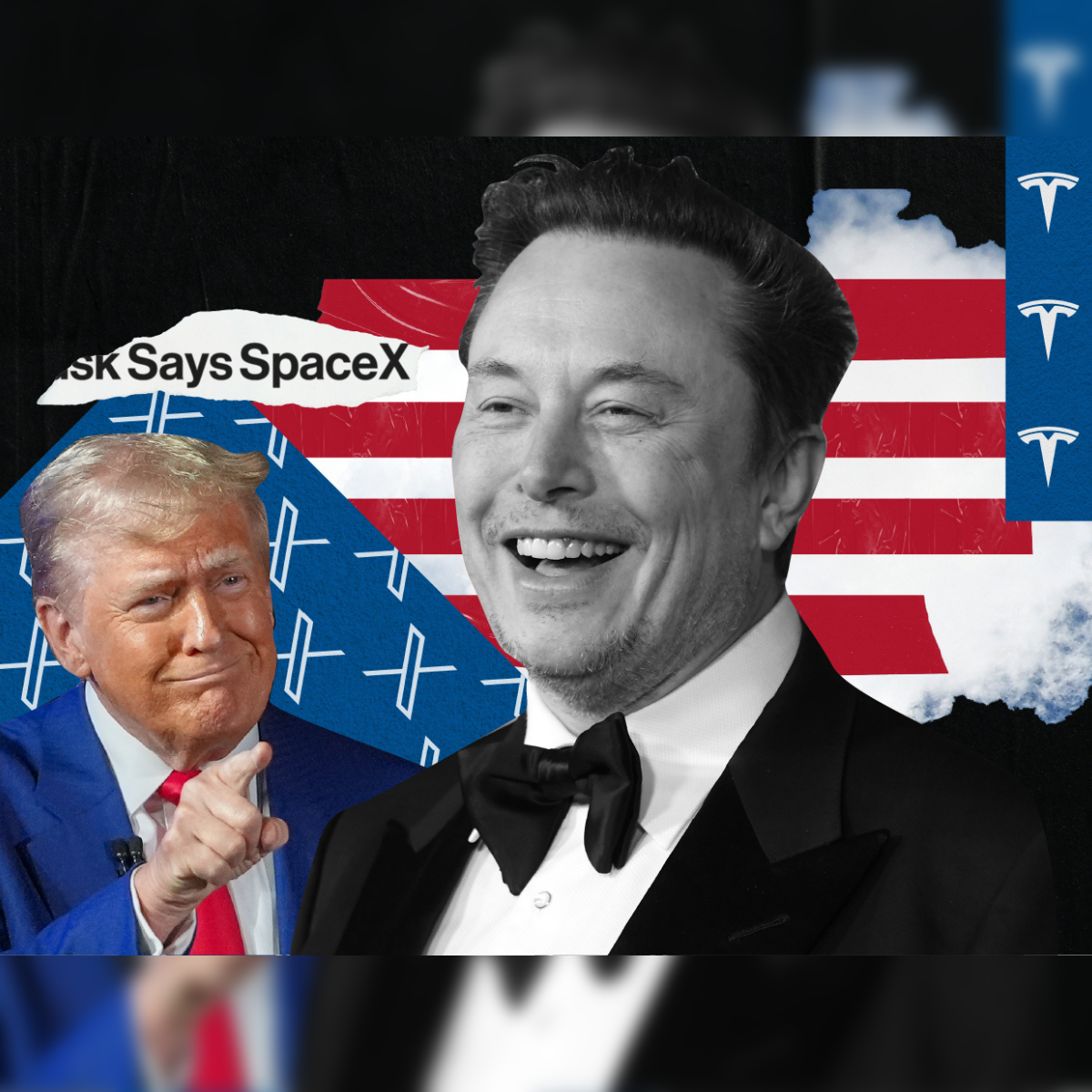
By Nitya Chakraborty Year 2025 is going to witness a new era of global advance of far right led by the incoming U.S. President Donald Trump and his acolyte, the richest man of the world Elon Musk. It will be a unique combination fusing the brand of Trump with the big money and tech skills […]
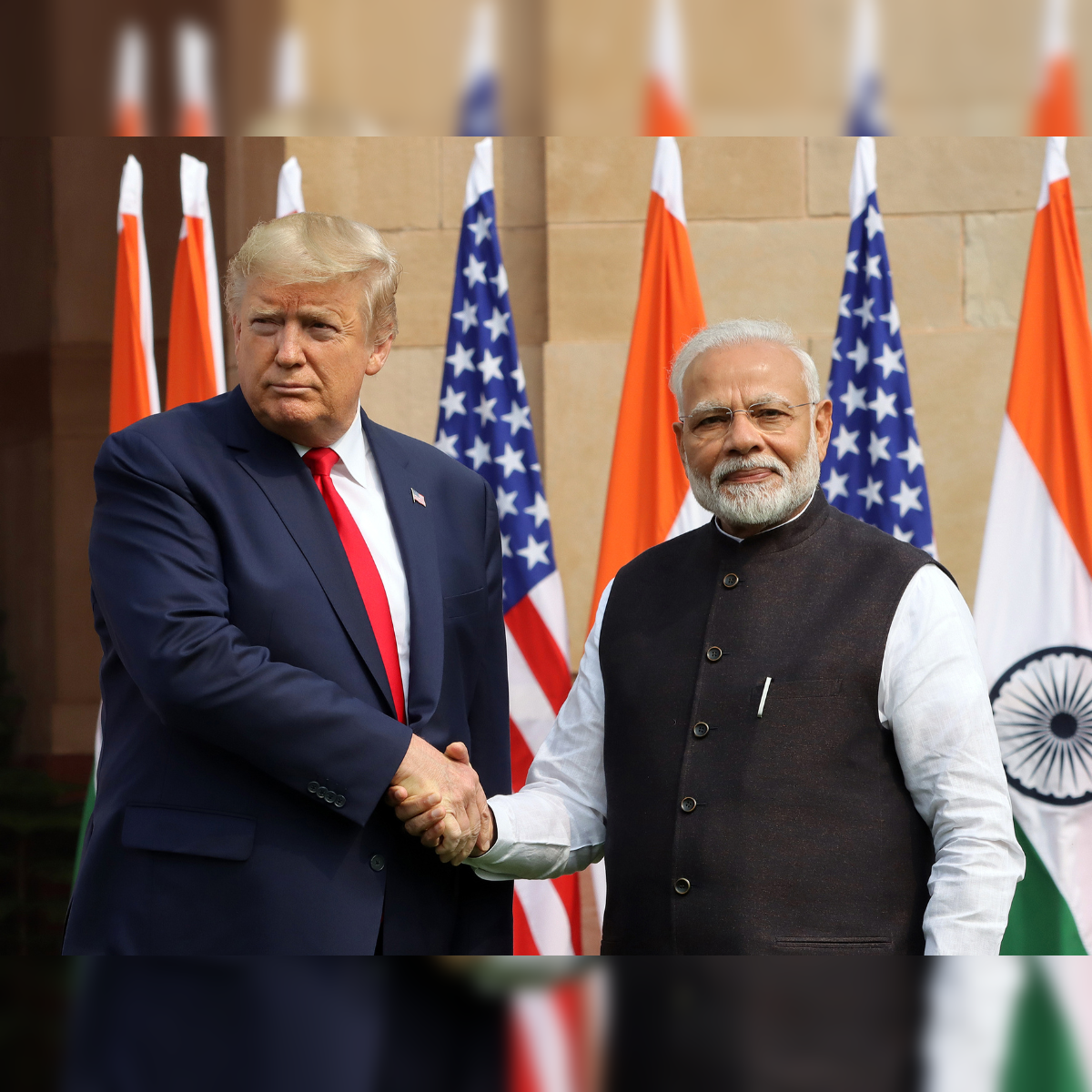
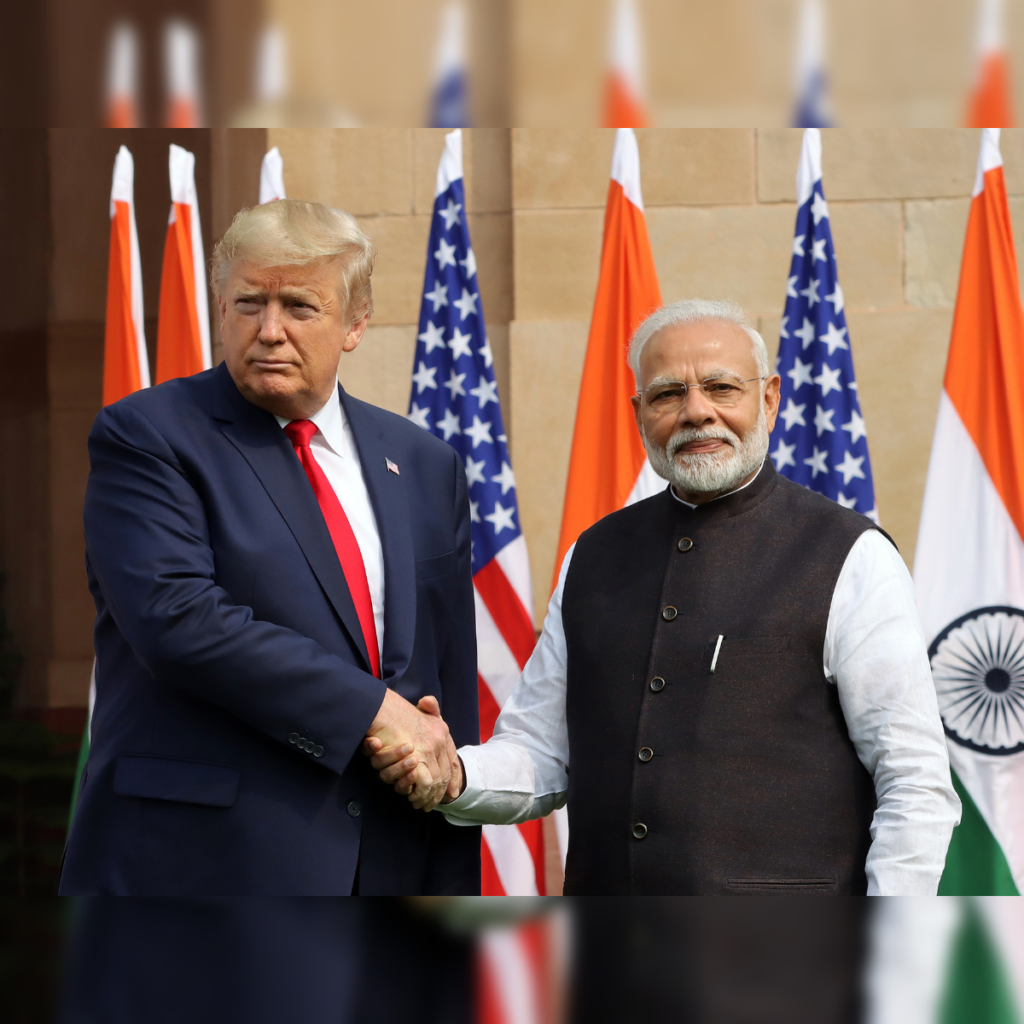
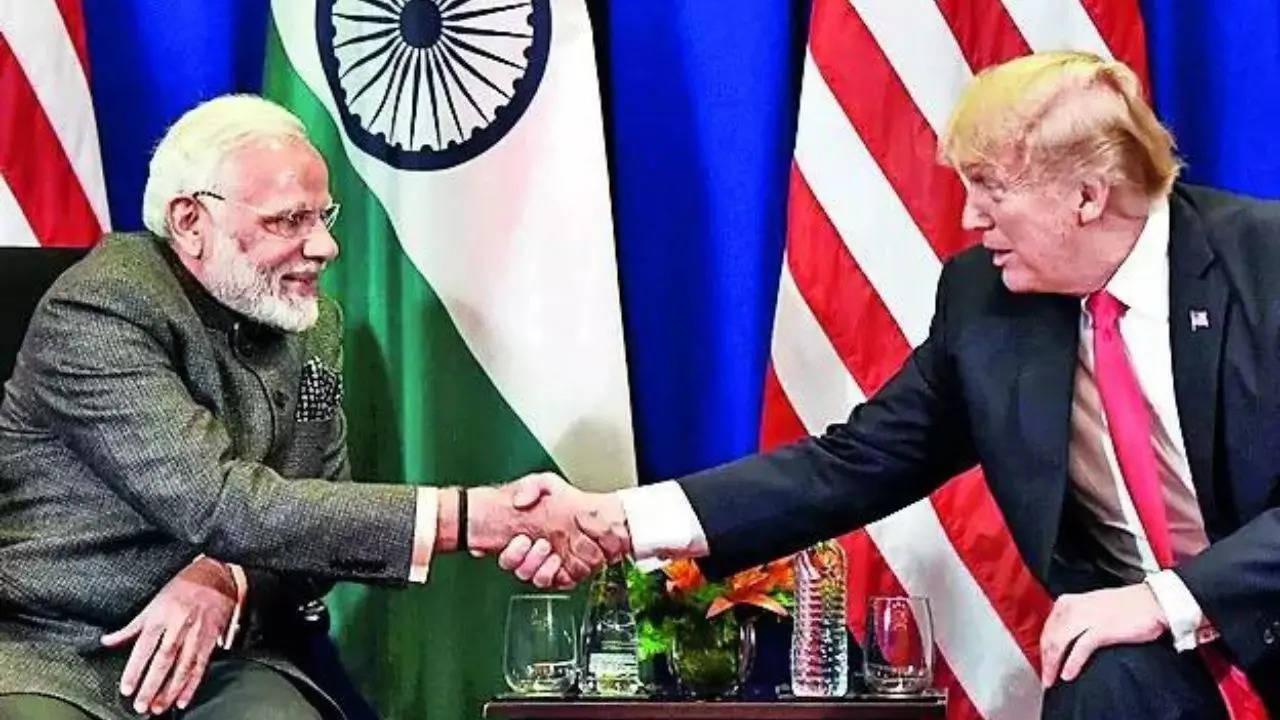
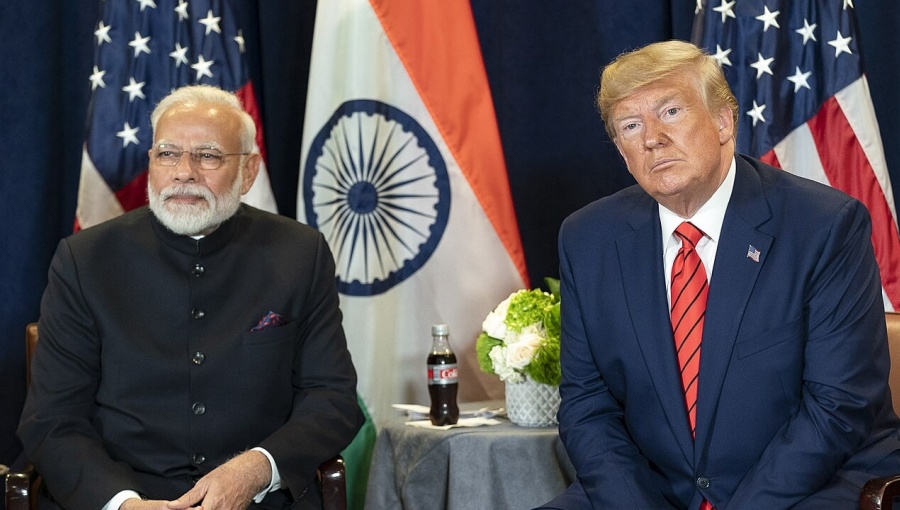
By K Raveendran While Prime Minister Narendra Modi’s ‘friend’, the US President-elect Donald J Trump, is set to move into White House, once again, it need not be particularly beneficial for India. If anything, Trump can be said to be “anti-India” even while remaining “pro-Modi”. The camaraderie contrasts starkly with the president-elect’s anti-India economic stance, […]

A new direction for digital asset regulation is taking shape as the Trump administration’s Digital Chamber’s Token Alliance discusses key priorities with pro-crypto SEC Commissioners Hester Peirce and Mark Uyeda. The priorities, set forth by the group, aim to dismantle or reconsider several regulations affecting the cryptocurrency and broader digital asset markets.

The alliance presented its day-one agenda, signaling an aggressive stance against existing regulatory frameworks that many in the crypto space consider overly broad or impractical. Central to their agenda is the overhaul of the 2019 framework for analyzing “investment contracts” in digital assets, which the alliance believes unnecessarily expanded the scope of what is considered an investment contract. Critics argue that this move left too much room for uncertainty, complicating the regulatory landscape for crypto assets.

One of the most significant shifts proposed is the reconsideration of amendments to Rule 3b-16, which had sought to expand the definition of “exchange” to include decentralized finance (DeFi) markets. The rule, if enforced, would have placed stricter regulatory requirements on decentralized exchanges, potentially curbing the growth of decentralized finance, a sector that has flourished despite regulatory challenges. The proposal to reconsider this rule reflects a growing consensus that current regulations might not adequately address the unique characteristics of decentralized platforms.

Further scrutiny will also be applied to ongoing legal actions and investigations concerning digital assets. The alliance has urged the SEC to immediately review all ongoing digital-asset-related investigations and Wells Notices. These notices, which are issued as part of enforcement actions, could lead to charges against companies or individuals violating securities laws. The call to halt and reassess these investigations is a direct challenge to the existing enforcement posture of the SEC, particularly under its previous leadership.

A critical aspect of the alliance’s agenda is the withdrawal of proposed Safeguarding Rules, which would have excluded state-chartered banks and trust companies from being considered qualified custodians for digital assets. These rules were seen by many in the industry as an unnecessary barrier, limiting the ability of traditional financial institutions to engage with digital assets. By advocating for the withdrawal of these rules, the alliance aims to ensure that more financial entities can participate in the digital asset ecosystem, helping to provide the infrastructure needed for growth.

The group seeks to rescind SAB 121, a standard that has caused significant friction within the digital asset community. The rule requires custodial entities to hold crypto assets on their balance sheets, creating potential accounting and financial reporting issues for companies holding client assets. The alliance argues that this requirement creates undue burdens on businesses, potentially discouraging them from offering custodial services for digital assets. The SEC’s rescinding of SAB 121 would be a major victory for crypto service providers, many of whom have cited it as a significant obstacle to growth.

The Trump administration’s proposed changes to these regulatory frameworks come at a time when digital assets are becoming an increasingly important part of the global financial landscape. As cryptocurrencies and blockchain technologies continue to gain mainstream acceptance, the need for clear and practical regulations has never been more pressing. However, the challenge remains for regulators to balance innovation with investor protection, ensuring that the digital asset market can thrive without opening the door to greater risks of fraud, manipulation, or financial instability.

Key figures in the industry are closely watching the evolving regulatory landscape. While the proposals to revisit the 2019 framework and rescind several key rules have been welcomed by many in the crypto space, the shift in regulatory policy is not without controversy. Some argue that loosening regulations too quickly could expose investors to greater risks. Others are concerned that too much regulation could stifle innovation and drive blockchain projects away from the U.S., especially as other countries such as the European Union are moving ahead with their own regulatory frameworks.

The debate surrounding the future of digital asset regulation highlights the growing importance of cryptocurrency in the global economy. Whether the Trump administration’s regulatory overhaul will have long-term positive effects on the industry remains to be seen, but it signals a willingness to reconsider outdated regulations that may not align with the evolving digital economy. What is clear is that the push for deregulation could reshape the way digital assets are viewed by both regulators and the broader public, offering new opportunities for growth and development in the sector.

As the regulatory environment continues to shift, stakeholders in the digital asset space are preparing for potential changes. Advocacy groups, blockchain companies, and financial institutions are aligning their strategies to take advantage of a regulatory landscape that may be more accommodating to innovation. However, this also brings a renewed focus on the need for clarity, as businesses seek to navigate the complex and often contradictory world of cryptocurrency regulation.

Crypto.com has withdrawn its lawsuit against the U.S. Securities and Exchange Commission (SEC) after CEO Kris Marszalek met with President-elect Donald Trump. The lawsuit, filed in October, challenged the SEC’s classification of certain digital assets as securities, alleging regulatory overreach. The voluntary dismissal, filed in the U.S. District Court for the Eastern District of Texas, coincided with Marszalek’s meeting with Trump at Mar-a-Lago on December 16.

During the meeting, Marszalek and Trump discussed the future of cryptocurrency regulation in the United States, including the President-elect’s proposal to establish a national Bitcoin reserve. This initiative aims to bolster the U.S. position in the global digital asset market. Marszalek shared a photo of the meeting on social media, expressing his honor at participating in the discussions.

The timing of the lawsuit’s withdrawal suggests a strategic alignment with the incoming administration’s pro-crypto stance. Trump’s campaign emphasized integrating cryptocurrencies into the financial system, and his victory has been met with optimism in the crypto community. Industry leaders anticipate a more favorable regulatory environment, potentially easing constraints imposed by the SEC under current leadership.

Trump’s proposal for a national Bitcoin reserve involves the U.S. government purchasing significant quantities of Bitcoin over several years, similar to strategic reserves of commodities like oil. This plan is intended to strengthen the U.S. dollar’s status as the world’s reserve currency and address national debt concerns. However, critics highlight the volatility of Bitcoin and potential risks to financial stability.

The President-elect’s engagement with crypto industry leaders, including Marszalek, signals a shift towards embracing digital assets at the federal level. Discussions have included potential appointments within the administration that could influence crypto policy, indicating a move towards regulatory clarity and support for the industry.

The Trump Organization is set to expand its presence in the Gulf with the development of Trump Towers in both Abu Dhabi and Dubai. These luxury projects, slated for construction in partnership with Dar Global, are expected to bring unparalleled opulence to the region, with one of the towers located in Downtown Dubai. According to Eric Trump, son of the US president-elect, the Abu Dhabi development is […]

Former President Donald Trump recently addressed the Blockchain Association’s Annual Policy Summit, where he expressed strong support for the growth of the blockchain industry in the United States. During the dinner event, Trump emphasized the importance of blockchain technology as a key driver for maintaining economic strength and preventing American businesses from moving overseas to countries like China. His remarks at the summit highlighted the need for clear regulatory frameworks that encourage innovation while safeguarding national interests.

Trump’s engagement with blockchain technology comes as part of a broader push to modernize the U.S. economy and ensure that cutting-edge technologies remain within the country’s borders. The former president has previously voiced concerns over the global shift of technology and business hubs toward nations with more favorable regulatory environments, particularly China, which has become a major player in sectors like cryptocurrency mining and blockchain-based services.

Speaking to the gathered policy experts, business leaders, and lawmakers, Trump urged for a balanced approach to regulation that allows for growth and innovation in the blockchain sector. “The U.S. must stay ahead in this field,” he said, warning that without action, American companies may seek more favorable environments abroad. His comments reflect his long-standing view on the need to maintain U.S. competitiveness, particularly in sectors that are expected to define the global economy in the coming decades.

The former president’s endorsement of blockchain technology is seen as an attempt to position the U.S. as a global leader in the emerging digital economy. Blockchain, which underpins cryptocurrencies like Bitcoin and Ethereum, has a broad range of applications, including in finance, supply chain management, and even healthcare. As industries around the world explore its potential, the U.S. government faces pressure to implement regulations that both foster innovation and protect investors and consumers.

Trump’s position on blockchain aligns with a growing consensus in Washington about the need to establish clearer guidelines for the technology. Several lawmakers have recently introduced bills aimed at improving the regulatory environment for blockchain and cryptocurrencies. These efforts aim to address the challenges of crypto-related fraud, money laundering, and tax evasion, while also encouraging the growth of legitimate businesses in the space.

The Blockchain Association, which represents a wide array of blockchain companies, has been at the forefront of advocating for such regulations. Their policy priorities include ensuring that the U.S. remains a favorable jurisdiction for blockchain entrepreneurs, particularly when compared to jurisdictions like China, where regulatory crackdowns have stifled domestic innovation. For Trump, promoting blockchain development is part of his broader economic vision that focuses on retaining technological leadership within U.S. borders.

Trump’s dinner remarks were met with mixed reactions. Supporters lauded his call for stronger blockchain policies, viewing it as a necessary step to ensure that the U.S. remains a technological powerhouse. However, critics cautioned that any regulatory push must balance innovation with security and consumer protection. They highlighted concerns that overly restrictive regulations could stifle growth in a sector that is still in its early stages.

The blockchain industry has been grappling with regulatory uncertainty for years. While blockchain technology itself is decentralized and largely unregulated, the use of cryptocurrencies and blockchain-based applications in finance has drawn significant attention from government agencies. The U.S. Securities and Exchange Commission (SEC) and other regulatory bodies have been working to develop frameworks that protect investors and ensure that the industry does not become a haven for illegal activities.

For the blockchain sector, Trump’s comments highlight the urgency of developing a regulatory structure that allows businesses to thrive while maintaining a clear legal framework. Blockchain companies have expressed concerns over the patchwork of regulations at the state and federal levels, which can create confusion and limit their ability to scale operations.

As global competition heats up, blockchain is increasingly seen as a critical area for investment. Countries around the world are making moves to attract blockchain startups and developers by offering tax incentives, regulatory clarity, and business-friendly environments. Trump’s statements signal that the U.S. government may need to do more to support the sector to remain competitive.

The future of blockchain technology in the U.S. may hinge on the development of a coherent regulatory strategy. Proponents argue that clear and consistent guidelines are essential for encouraging investment and innovation, while detractors warn that too much regulation could stifle the sector’s potential. Trump’s position reflects the growing recognition that the U.S. must act quickly to ensure it remains a global leader in blockchain, cryptocurrency, and other emerging technologies.

By Dr. Nilanjan Banik On November 30, Mr. Donald Trump posted a threat on his social media, warning that if BRICS countries abandon the US dollar, they would face a 100% tariff. This is not a new threat; similar warnings have also been directed at other regions, including nearshore friendly countries such as Mexico and […]
Matein Khalid sTrump 2.0 will be all the more potent in reshaping America’s economic destiny since the White House, the Senate and the House are all blood red. Tariffs/mass deportation can mean inflation shocks but deregulation, AI adoption and DOGE will have a disinflationary impact on the economy. Trump will apply punitive tariffs on a selective basis on specific countries (notably China) but his economic team is […]

Several key figures from the Trump family and its network gathered at a high-profile cryptocurrency event in the Gulf region, where the convergence of digital currencies and the ever-growing market for crypto investments was on full display. The event, widely attended by industry leaders, investors, and political figures, provided a platform to discuss the emerging landscape of cryptocurrency, with a particular focus on Bitcoin, blockchain technology, and their future within global markets.

As the world navigates the evolving world of cryptocurrencies, the Gulf has become a hotspot for discussions around Bitcoin’s potential and the rising interest among both investors and political figures in the region. The event served as a reflection of broader global trends, where prominent political and business figures are increasingly aligning themselves with the digital currency space. For the Trump family and its allies, this marks an intensified involvement in the ever-growing crypto economy, a sector that has captured the attention of major global investors.

Donald Trump’s family members and political allies, including former White House officials and business partners, were seen attending various sessions during the gathering. These figures have been closely linked with the cryptocurrency movement for years, and their participation at the Gulf event highlights the increasing intersection between the digital currency world and high-profile political figures. Their presence not only signals a growing interest in the sector but also indicates how crypto has evolved from a niche technology to a mainstream financial asset.

The Trump family’s involvement in crypto aligns with broader Republican Party figures, some of whom have advocated for fewer regulations and a more lenient approach to crypto markets. Trump himself, while not overtly endorsing cryptocurrency in public statements, has repeatedly shown an interest in economic policies that benefit digital assets, often commenting on the need for more favorable conditions for businesses in the U.S. crypto space.

This growing alignment between the Trump family and cryptocurrency advocates has led to discussions regarding how the family’s network could further influence digital asset regulations. It is an environment that is ripe for policy lobbying and potential investment opportunities, making it a key area of focus for those gathered at the Gulf conference.

The Gulf region, particularly countries like the UAE and Saudi Arabia, has increasingly emerged as a global center for cryptocurrency innovation and regulation. These nations have been proactive in cultivating a crypto-friendly environment, with numerous free zones and financial hubs aimed at attracting digital asset companies and investors. Their push to position themselves as leaders in the digital finance sector is evident through initiatives aimed at creating regulatory frameworks that are conducive to cryptocurrency ventures.

For the Trump family and its allies, the event in the Gulf represents not just an opportunity to network, but also a deeper engagement with the region’s cryptocurrency potential. A number of Gulf-based investors have been vocal about their interest in Bitcoin, often citing its promise as a store of value amidst global economic instability. This is a view that aligns closely with statements made by key Trump allies, who see Bitcoin as a hedge against inflation and a safeguard for the future of financial systems.

While the Trump family’s direct involvement in crypto investments remains largely speculative, many members of their political network are increasingly vocal in advocating for the integration of cryptocurrency into mainstream financial markets. At the Gulf gathering, several key figures in the Trump camp discussed the potential for digital currencies to be integrated into broader financial systems, from asset management to cross-border payments, and even within the governance structures of central banks.

The event also highlighted the expanding role of cryptocurrency in global political and economic spheres. From the Trump family’s interactions with regional investors to the broader geopolitical implications of a burgeoning crypto economy, it is clear that the Gulf is positioning itself as a critical player in the digital finance space. For countries seeking to diversify their economies and establish dominance in future technologies, cryptocurrencies present an undeniable opportunity.

This expansion of crypto’s influence has not gone unnoticed among policy-makers. With growing calls for clearer regulations to protect both investors and the integrity of the financial system, the Gulf event also shed light on the regulatory challenges that come with rapid crypto adoption. Many industry leaders, alongside political figures, are discussing the importance of establishing global standards that could guide the industry in its growth while ensuring that digital currencies do not pose systemic risks to the financial ecosystem.

The Gulf event also served as a backdrop to discussions about the broader economic implications of cryptocurrencies, especially Bitcoin. As more global corporations and governments consider how to integrate digital assets into their financial systems, the Trump family’s growing involvement signals a broader shift in how political figures engage with the crypto industry. This is not just about investment but also about shaping the future of digital finance through favorable policies and regulatory measures.

As the cryptocurrency market continues to mature, it is clear that the involvement of key political figures, such as those from the Trump family, will play a crucial role in influencing both the regulatory landscape and the direction of investment in digital assets. The event in the Gulf was a clear demonstration of the growing interconnections between political figures, investors, and the rapidly evolving world of cryptocurrencies.

Eric Trump, the son of former U.S. President Donald Trump, is set to deliver a keynote address at the Bitcoin MENA conference in Abu Dhabi, marking his debut at a major cryptocurrency event. The conference, one of the most anticipated gatherings of cryptocurrency enthusiasts and investors in the Middle East and North Africa (MENA) region, comes at a time when the global digital asset market is experiencing a surge in both interest and investment.

Bitcoin MENA, which is scheduled to take place in Abu Dhabi in the coming weeks, will bring together industry leaders, investors, regulators, and developers from around the world to discuss the future of digital currencies and blockchain technology. The event is expected to focus on the rapid developments in the cryptocurrency space, regulatory changes, and opportunities for growth, especially in emerging markets.

Eric Trump’s involvement is seen as significant given his family’s established prominence in the political and business arenas. As the executive vice president of the Trump Organization, Eric Trump has been involved in several business ventures, though this marks a rare public appearance in the cryptocurrency sector. His participation is seen as part of a broader trend where mainstream business figures are increasingly engaging with digital assets as part of their investment strategies.

The cryptocurrency market has seen explosive growth over the past few years, with Bitcoin and other digital currencies reaching all-time highs in value. The MENA region, in particular, has emerged as a key player in the global crypto space, with several countries, including the UAE, creating favorable environments for blockchain and cryptocurrency innovations. Abu Dhabi, with its burgeoning tech infrastructure and regulatory framework, has positioned itself as a hub for fintech and digital finance in the region.

The UAE, where Bitcoin MENA is taking place, has been proactive in adopting blockchain technology. The UAE government’s initiative to integrate blockchain into various sectors, including finance, real estate, and healthcare, has been a driving force in the rise of digital assets within the region. The UAE’s progressive stance on cryptocurrencies has attracted significant foreign investment and a growing number of startups focused on blockchain technology.

In particular, the Abu Dhabi Global Market (ADGM), a financial free zone, has been pivotal in shaping the regulatory landscape for cryptocurrencies in the region. ADGM has implemented clear regulations for cryptocurrency exchanges and trading, creating a safer and more attractive environment for investors and businesses. The UAE’s leadership has also signaled its intent to develop the nation into a leading global fintech center, with blockchain technology at the forefront of these ambitions.

The timing of the Bitcoin MENA conference is particularly notable given the broader context of the cryptocurrency market’s performance. Bitcoin, the largest cryptocurrency by market capitalization, recently surpassed $35,000, reaching new heights despite some ongoing concerns around regulatory scrutiny and market volatility. Analysts suggest that the market is entering a new phase, characterized by institutional adoption and growing acceptance of cryptocurrencies as a legitimate asset class.

Several factors have contributed to the rise of cryptocurrency, including the increasing institutional interest in digital assets, as well as the growing recognition of blockchain technology’s potential to revolutionize various industries. Investment firms, hedge funds, and even governments are increasingly looking at ways to incorporate digital currencies into their portfolios, with some countries exploring the creation of central bank digital currencies (CBDCs) as part of their financial strategies.

For Eric Trump, his appearance at the Bitcoin MENA conference aligns with his family’s broader interest in global business opportunities, including those in the tech and finance sectors. Though primarily known for his family’s real estate business, the Trump Organization has diversified its interests into various fields over the years. Eric Trump’s participation is also likely to draw attention from investors who are looking to connect the worlds of traditional business and cryptocurrency.

The UAE’s role as a key player in the digital economy is also attracting increasing interest from global investors, particularly those looking for opportunities in the cryptocurrency and blockchain sectors. The country’s focus on diversifying its economy away from oil dependence has led to a greater emphasis on tech-driven industries, including fintech, artificial intelligence, and digital assets. This approach aligns with the global trend toward digitization and offers promising prospects for growth in the cryptocurrency market.

As Bitcoin and other cryptocurrencies continue to gain traction across the globe, the role of events like Bitcoin MENA will be crucial in shaping the discourse around regulation, innovation, and market development. The conference will provide an opportunity for thought leaders and experts to engage in discussions on the future of digital currencies, including their impact on global financial systems and their potential to disrupt traditional industries.

By Girish Linganna Donald Trump’s re-election as U.S. President could have a big impact on India-US relations, especially in areas like technology, chips, and semiconductors. As he begins his second term on January 20 next year ,, both countries will face a mix of opportunities and challenges that could shape their tech and economic ties […]
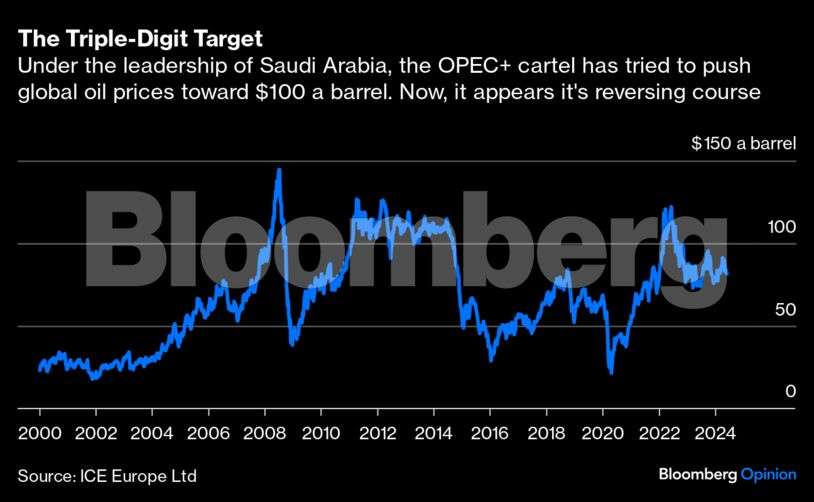
By K Raveendran OPEC+ has recalibrated its production strategy, extending voluntary output adjustments to stabilize oil markets in the face of uncertain global demand and geopolitical pressures. The alliance’s decision to prolong cuts until the first quarter of 2025 aims to counterbalance potential oversupply and demand fluctuations, particularly linked to Donald Trump’s policies and China’s […]

Donald Trump’s longtime business associate, Thomas Barrack, is capitalizing on deep connections with Gulf states as the family-run Trump Organization benefits from a thriving real estate market. Barrack, who has cultivated ties across the Middle East for decades, has played a pivotal role in linking Trump’s business interests with opportunities in the region, particularly in property development. Trump’s investments, including luxury properties in the United Arab Emirates […]

By Nitya Chakraborty Prime Minister Narendra Modi invited Russian President Vladimir Putin to visit India at the time of his visit to the BRICS summit at Kazan in Russia in October this year. This was immediately accepted by President Putin and in the last six weeks since the Kazan conclave on October 22-23 this year, […]

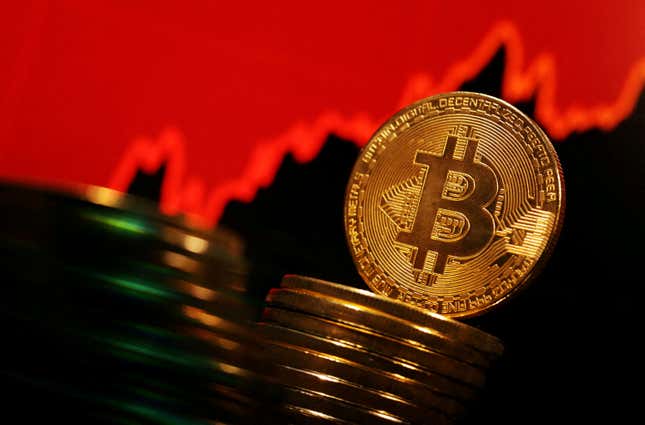
Bitcoin has surged past the $100,000 mark, a dramatic milestone that has spurred renewed optimism within the cryptocurrency market. Investors are turning to Bitcoin and other cryptocurrencies as hedge assets, fueled in part by increased political volatility and speculation surrounding Donald Trump’s potential return to the U.S. presidency. As global economic uncertainty continues, Bitcoin’s rise reflects a growing belief among some market participants that digital currencies can offer a secure alternative to traditional financial systems.

The latest rally in Bitcoin’s price comes after months of oscillating values and investor hesitation. Experts suggest that the rally is being driven by a confluence of factors, not least of which is the renewed interest in political events and their possible impact on global markets. As the 2024 U.S. presidential election looms, some analysts believe that the uncertainty surrounding Trump’s political comeback has heightened demand for decentralized assets like Bitcoin. Crypto enthusiasts view Bitcoin not only as a store of value but as a refuge from potential economic instability that could result from geopolitical shifts or policy changes under a Trump administration.

The speculative fever surrounding Bitcoin’s price surge is palpable, with many traders turning to the asset in anticipation of further gains. This surge is also reflective of broader trends in the cryptocurrency market, which has seen an influx of new investors. While the increase in Bitcoin’s price is drawing attention, the market remains highly volatile, with prices fluctuating rapidly in response to news events and investor sentiment.

Despite its rise, Bitcoin’s journey to $100,000 is far from straightforward. In recent months, Bitcoin has faced challenges ranging from regulatory scrutiny to competition from newer digital currencies. Governments around the world, particularly in the U.S., have been examining ways to regulate cryptocurrencies more effectively, a move that could dampen the enthusiasm surrounding digital currencies. In fact, some analysts argue that Bitcoin’s success is intrinsically tied to the regulatory environment, which remains a source of uncertainty for investors. Even so, many investors are betting that Bitcoin will continue to outperform other financial assets as the world faces growing uncertainty in traditional markets.

As the cryptocurrency market gains traction, investors are keenly aware of the potential for further volatility. While Bitcoin’s rise has caught the attention of traditional finance institutions, it remains a speculative asset that offers both high rewards and significant risks. Analysts suggest that Bitcoin’s price is subject to sudden swings, driven by factors ranging from changes in market sentiment to global economic developments. In the case of the current rally, some traders are capitalizing on the geopolitical risks associated with a possible Trump presidency, betting that such an event could lead to higher demand for Bitcoin and other cryptocurrencies.

The role of institutional investors has also become a point of interest as Bitcoin’s price climbs. Traditionally, cryptocurrencies like Bitcoin were seen as the domain of retail investors, but recent years have seen an increasing number of institutional players entering the market. Hedge funds, pension funds, and even central banks are exploring ways to incorporate Bitcoin and other cryptocurrencies into their portfolios. This shift in institutional behavior has provided further legitimacy to the digital currency market, with some analysts predicting that Bitcoin could become an integral part of the global financial system.

Alongside Bitcoin, other cryptocurrencies have also seen increased activity. Ethereum, for instance, has benefitted from technological advancements and growing use cases in decentralized finance and non-fungible tokens (NFTs). However, Bitcoin remains the dominant player in the cryptocurrency space, and its price movements continue to drive sentiment across the sector. The strong correlation between Bitcoin’s price and broader market trends suggests that the cryptocurrency market is closely tied to investor psychology, with Bitcoin often serving as a bellwether for the wider market.

Another factor contributing to Bitcoin’s price surge is the increasing acceptance of the cryptocurrency by businesses and consumers alike. Several high-profile companies have begun accepting Bitcoin as payment, while others are exploring ways to integrate cryptocurrency into their operations. This growing adoption has helped fuel optimism about Bitcoin’s long-term prospects, despite its volatility in the short term. At the same time, Bitcoin’s reputation as a hedge against inflation and economic instability has resonated with many investors, particularly as inflationary pressures persist in major economies worldwide.

However, Bitcoin’s future is far from certain. Its price is highly susceptible to shifts in market sentiment, and some analysts caution that the asset remains speculative at best. While the cryptocurrency market has expanded rapidly over the last few years, it is still in its early stages, and many of the regulatory and technological challenges facing the industry have yet to be fully addressed. Moreover, competition from central bank digital currencies (CBDCs) and other forms of state-backed money could pose a threat to Bitcoin’s dominance in the digital asset space.

Donald Trump’s history of appointing controversial figures to key government roles continues to draw scrutiny, as allegations of sexual misconduct and complicity against several of his picks have resurfaced. Critics argue that these choices reflect a disregard for ethical concerns, further polarizing the political landscape.

Elon Musk, CEO of SpaceX and Tesla, has been enlisted by Trump to contribute to a proposed Department of Government Efficiency. Musk faces a lawsuit filed by eight former SpaceX employees, accusing him of tolerating sexual harassment within the company. The lawsuit claims Musk fostered an environment rife with inappropriate conduct, including explicit imagery and degrading commentary about women and the LGBTQ+ community. Musk has denied these allegations, responding with characteristic deflection on his social media platform, X, which he owns.

Linda McMahon, another Trump appointee and the former head of the Small Business Administration, has been linked to allegations stemming from her tenure at World Wrestling Entertainment (WWE). A lawsuit alleges a culture of sexual abuse within the organization during her leadership. McMahon has avoided direct comment on the claims, which have drawn renewed attention through a recent documentary series.

The nomination of Matt Gaetz, a former Congressman, to serve as attorney general was short-lived, as he withdrew amid public backlash and allegations of sexual misconduct. Accusations include involvement with sex trafficking, with court documents indicating testimony from multiple witnesses about his alleged relationships with minors. Although Gaetz denies these claims, they have significantly tainted his political career and credibility.

These allegations add to the already divisive reputation of Trump’s leadership style, where loyalty and alignment with his agenda often appear to outweigh considerations of character or public accountability. Legal experts and watchdog groups have raised concerns about the broader implications of such appointments, arguing that they undermine public trust in governance.

Donald Trump is preparing to sign an executive order imposing a 25% tariff on all goods imported from Mexico and Canada. The order, which is set to take effect soon, also includes an additional 10% tariff on Chinese imports. The move, according to Trump administration officials, is aimed at addressing the flow of fentanyl and other illicit drugs entering the United States, primarily from these countries. This economic strategy is positioned as part of the broader efforts to curtail the opioid crisis that has ravaged communities across the nation.

The tariff proposal, which would be one of the most significant in recent history, is designed to put economic pressure on neighboring countries and China to stem the flow of synthetic opioids, particularly fentanyl, that have led to a sharp increase in overdose deaths. U.S. officials have expressed frustration that these drugs continue to enter the country, despite previous efforts and international cooperation to curb the trade. With this new economic leverage, Trump hopes to force both Mexico and Canada, along with China, to take more substantial action to prevent fentanyl and other dangerous substances from being trafficked into the U.S.

In addition to the 25% tariff on products from Mexico and Canada, the 10% levy on Chinese imports would signal a significant shift in the ongoing trade tensions between the two countries. While U.S. relations with China have been marked by disputes over technology, trade imbalances, and intellectual property, the fentanyl issue has emerged as a new front in the ongoing trade war. Chinese manufacturers of fentanyl precursor chemicals have been accused of enabling the drug’s production and shipment to the U.S. by circumventing existing international controls.

Trump’s administration has been under increasing pressure to demonstrate tangible results in the fight against the opioid crisis, which claimed the lives of over 100,000 Americans in 2022 alone. The crisis has been compounded by fentanyl, which is up to 100 times more potent than morphine and is responsible for a significant portion of the overdose deaths. Law enforcement agencies, including the U.S. Drug Enforcement Administration (DEA), have repeatedly emphasized the role of international trafficking networks in facilitating the distribution of this deadly drug.

The 25% tariff on Mexico and Canada, two of the U.S.’s largest trading partners, would have a profound economic impact, particularly on industries that rely on cross-border trade, such as automotive, agriculture, and manufacturing. Goods such as cars, machinery, electronics, and agricultural products are likely to be affected. Both Mexico and Canada have expressed concerns over the potential economic fallout, with Canadian officials warning that such measures could trigger retaliatory tariffs. Mexico, meanwhile, has stated that it is committed to addressing the issue of fentanyl trafficking but has argued that blanket tariffs would hurt both economies rather than foster cooperation.

China, which has long been a focal point in discussions on fentanyl and other illicit drug manufacturing, faces additional scrutiny under the proposed executive order. The U.S. has accused Chinese drug producers of operating with impunity in the international market, using the country’s vast manufacturing capabilities to produce fentanyl precursors. Despite China’s commitment to increasing its domestic regulations and limiting the export of such chemicals, U.S. officials contend that China’s efforts have been insufficient. The tariff would be aimed at ramping up pressure on Beijing to fully crack down on illegal drug production and trafficking.

Trump’s proposed tariffs are expected to face significant opposition within Congress, particularly among lawmakers who represent industries that depend heavily on trade with Mexico, Canada, and China. The proposed tariffs could escalate inflationary pressures, increase costs for U.S. consumers, and potentially disrupt supply chains. Some analysts have warned that the move could result in unintended economic consequences, including higher prices for goods and reduced economic growth.

The executive order, if signed, would mark a shift in U.S. foreign and trade policy, as the administration moves beyond traditional trade negotiations and directly ties tariffs to drug enforcement. It underscores the growing concerns over the opioid epidemic, with U.S. officials focusing on international collaboration as part of a broader strategy to combat the drug crisis. The order also signals an escalating approach to trade relations with Mexico, Canada, and China, signaling that economic diplomacy may become increasingly intertwined with the fight against illegal drug trade.

This development has sparked intense debate among experts, policymakers, and industry stakeholders about the potential risks and rewards of such a tariff strategy. Critics of the plan argue that using tariffs as a tool to address drug trafficking may not yield the desired results. They point to the complex nature of the drug trade, which involves numerous actors, including drug cartels, criminal networks, and even corrupt officials, making it difficult to target effectively through economic measures alone.

Brace yourselves—Donald Trump is back on the scene, and the markets are bracing for impact. If history is any guide, a second Trump presidency could ignite a perfect storm for bonds. Inflationary policies, debt-fuelled spending sprees, and geopolitical curveballs are all in the cards. If you’re clinging to a “safe” bond portfolio, it’s time to wake up and smell the burning yields. Trump doesn’t do things by […]

VISHNU RAJA
RYO YAMADA
HITORI GOTOH
IKUYO KITA