News related to
World

Macau has unveiled an integrated resort-hospital at Studio City, combining high-end medical services with entertainment in a move aimed at redefining medical tourism. The facility, operated by Hong Kong’s iRad in partnership with Melco Resorts, features on-site MRI and CT capabilities within a 15,000 sq ft footprint — a first of its kind globally.

This development marks a deliberate pivot in Macau’s strategy to reduce its dependence on gambling revenues by cultivating alternate growth sectors. The resort hospital offers health screening, diagnostic imaging, longevity treatments, aesthetic services and medical concierge offerings, positioning itself as a premium healthcare destination linked to leisure.

Melco’s chairman and CEO, Lawrence Ho, described the facility as both “the world’s first and Macau’s only hospital with MRI and CT facilities within an integrated resort,” emphasising its alignment with the local government’s “1+4” economic diversification framework. The facility is located inside Studio City, one of Melco’s flagship casino-resorts.

The Macau administration has endorsed the venture as part of a broader push to transform the city into “one centre” that integrates tourism, medical services and other growth industries. The hospital is expected to attract visitors who might extend their stays and spend more across the city’s hospitality and leisure ecosystem.

While the resort hospital is a novel concept, Macau already maintains a public health infrastructure comprising three hospitals: Conde S. Januário, Kiang Wu and Macau University of Science and Technology Hospital. The new facility, however, is unique in being embedded within a casino resort environment and dedicated primarily to elective, wellness and diagnostic services.

Industry observers note that iRad’s entry signals confidence in the region’s potential to capture high-value medical travellers — especially those seeking convenience, privacy and a fusion of health and leisure experiences. Hong Kong’s leading imaging diagnostics group, iRad, became part of Black Spade Capital’s portfolio in 2021, positioning it to spearhead this cross-border integration.

Some specialists caution that success will depend on regulatory approvals, insurance linkages, and quality accreditation. Converting high net-worth travellers into medical tourists requires trust in outcomes, cost transparency and continuity of care. Macau’s public hospitals already contend with capacity pressures; the resort hospital will need to clarify patient referral protocols and emergency support linkages.


Matein Khalid Gold is in its most spectacular bull run since 1976-1980, when prices rocketed from $91 to over $800 an ounce. The current cycle found its floor near $1,800 in late 2022, as the Powell Fed’s rate-hike campaign peaked and Washington froze $300 billion in Russian reserves in response to the invasion of Ukraine. “Dr Auric” now trades at just over $4,000 an ounce – a perfect vindication of […]

Greenlogue/AP First Abu Dhabi Bank has launched its second blue bond, raising USD 20 million through a three-year issuance, to support marine conservation, wastewater recycling and renewable-powered desalination in Abu Dhabi and Al Ain. With this issuance, FAB’s cumulative blue bond volume reaches USD 70 million, following the bank’s inaugural blue bond in August. The funds are aligned with FAB’s 2023 Sustainable Finance Framework and governed by […]

Abu Dhabi’s government will lead a major showcase at GITEX Global 2025, unveiling a new era of AI-native public services under its Digital Strategy 2025–2027. The Department of Government Enablement will coordinate over 30 government and academic institutions in a pavilion displaying 55 flagship initiatives.

The event, held from 13 to 17 October at the Dubai World Trade Centre, will feature the launch of TAMM 4.0, positioning it as a flagship AI-driven government platform. Other key displays include AI Supervisor and Smart Investigator by the Abu Dhabi Police, Smart Hotel Check-In by the Department of Culture and Tourism, QMobility’s barrier-free parking pilot, the Personal AI Recruitment Companion, and Rayah, a student-parent tracking app from the Department of Education and Knowledge. The DGE expects many projects to be shown publicly for the first time, alongside immersive VR experiences aimed at portraying the impact of AI on diverse stakeholders.

Chairman of the DGE, Ahmed Tamim Hisham Al Kuttab, emphasised that public services are being designed around human needs, saying the “AI-Native by Design, Community-Driven by Purpose” approach drives a reimagined, intuitive government. DGE Director General Wesam Lootah added that over 100 high-impact AI solutions have already been deployed across the emirate, following assessments of nearly 400 options, moving toward the vision of being the world’s first fully AI-native government by 2027.

Abu Dhabi’s announcement underscores more than a display of technological ambition—it highlights strategic public sector transformation at scale. The emirate claims to have rolled out AI across more than 40 government entities, automating predictive service delivery, compliance analysis, and multilingual assistance. The upcoming pavilion will also showcase Sahatna, a health services initiative, and AI Majlis forums intended to foster public dialogue on ethical and inclusive AI adoption. Workforce transformation forms a core pillar: over 95 percent of Abu Dhabi’s 30,000 government employees have reportedly undergone extensive AI awareness and skills training, with AI leadership roles now embedded in all Abu Dhabi entities.

The Digital Strategy 2025–2027 backs this push with an investment of AED 13 billion dedicated to creating an AI-first government. Key transformation axes include lifecycle orchestration of public services, predictive governance, intelligent infrastructure, and a talent ecosystem to support long-term innovation. Abu Dhabi’s approach draws attention not only for local modernization but for its ambition to set a benchmark in government digital transformation globally.

GITEX Global 2025 is positioned as a pivotal stage for these ambitions. Now in its 45th edition, the event spans multiple intersecting tech domains—including AI, blockchain, sustainability, and digital infrastructure—and serves as a convergence point for technology, policy and innovation. Abu Dhabi’s participation marks its 14th consecutive presence, reinforcing continuity in its evolving digital narrative.

MACAU SAR – Media OutReach Newswire – 8 October 2025 – Organised by the Macao Government Tourism Office (“MGTO”), the “Experience Macao Mega Sale” in Malaysia will be held in Kuala Lumpur, with SJM Resorts, S.A. (“SJM”) as a key participant. This four-day tourism and cultural showcase, from 9 to 12 October at IOI City Mall, underscores SJM’s strategic collaboration with the Macao SAR Government to further […]

BANGKOK, THAILAND – Media OutReach Newswire – 10 October 2025 – Amari Bangsaen, the newly launched hotel by ONYX Hospitality Group—a leading hospitality company in Southeast Asia managing hotels, resorts, serviced apartments, and luxury residences—has received a warm welcome since its opening in June. Rapidly emerging as a favoured destination for short breaks, the hotel appeals to travellers seeking a retreat within close distance of Bangkok, to […]

GITEX GLOBAL 2025 is primed to showcase groundbreaking developments in artificial intelligence, drawing attention from industry leaders and innovators worldwide. The event is expected to play a pivotal role in shaping the future of AI, as a growing number of companies and startups highlight AI’s transformative capabilities across multiple sectors.

The spotlight will be on the innovative use-cases that AI offers, from healthcare and finance to transportation and beyond. AI’s potential to revolutionise industries is set to dominate discussions, as the event will feature a plethora of demonstrations, seminars, and cutting-edge technologies aimed at propelling AI to new heights. The highly anticipated conference will also address the challenges AI faces, particularly concerning data privacy, security, and the ethical implications of rapidly evolving technologies.

Several leading AI-driven companies are expected to debut next-generation products and services that will redefine the way businesses and consumers interact with technology. The launch of AI tools designed to optimise workflows, enhance customer experiences, and boost operational efficiency will take centre stage, underscoring AI’s growing role in the business world. Key players such as tech giants and emerging startups are preparing to demonstrate solutions that leverage AI for better decision-making, automation, and personalised services.

One of the most anticipated announcements is the unveiling of AI-powered healthcare technologies. AI’s ability to accelerate diagnostics, enhance patient care, and streamline administrative tasks is generating immense interest in the medical field. Exhibitors at GITEX GLOBAL 2025 will present AI-powered tools that use machine learning algorithms to analyse medical images, predict health risks, and support doctors in making faster and more accurate decisions. Such advancements have the potential to revolutionise healthcare delivery globally, improving outcomes and reducing costs in the process.

The financial services industry is also embracing AI, with a growing number of companies leveraging AI to enhance fraud detection, improve risk management, and optimise investment strategies. AI’s capabilities in analysing vast amounts of financial data in real-time are being used to identify patterns and trends that would be difficult for human analysts to detect. During GITEX GLOBAL 2025, financial institutions and fintech startups are set to demonstrate how AI is reshaping the way investments are managed and how consumers interact with their financial institutions.

Another key area where AI is making waves is autonomous transportation. From self-driving cars to AI-assisted logistics, the transport sector is undergoing a dramatic shift. At GITEX GLOBAL 2025, industry leaders will reveal advancements in AI-driven transportation solutions that promise to improve safety, reduce traffic congestion, and make travel more efficient. AI’s ability to process vast amounts of real-time data and make split-second decisions is crucial to the development of autonomous vehicles and their integration into the wider transportation ecosystem.

AI’s role in cybersecurity is also a hot topic at GITEX GLOBAL 2025. As cyber threats become more sophisticated, AI is increasingly being used to detect, prevent, and respond to security breaches. By analysing patterns in network traffic and identifying anomalies, AI-powered cybersecurity systems can rapidly identify and mitigate threats, offering a new level of protection for organisations and consumers alike. The growing importance of AI in safeguarding sensitive information and ensuring secure digital environments will be a central theme during the event.

Sustainability is another area where AI is being leveraged to drive change. From optimising energy usage in smart cities to improving the efficiency of manufacturing processes, AI is helping industries become more sustainable. GITEX GLOBAL 2025 will showcase AI technologies that are not only transforming industries but also contributing to global sustainability goals. These solutions promise to reduce carbon footprints, lower energy consumption, and make industries more efficient and environmentally friendly.

Advertisements

By Nitya Chakraborty The Israel-Hamas peace deal announced by the US President Donald Trump on Wednesday night in Washington is a welcome development, however limited it be at the moment as the agreement between the two warring parties is only for the first phase of Trump sponsored deal involving the release of all hostages by […]

The article Israel-Hamas Ceasefire Deal Is Welcome But The Follow Up Is Crucial For Enduring Peace appeared first on Latest India news, analysis and reports on Newspack by India Press Agency).

VATICAN CITY, ROME – Newsaktuell – 9 October 2025 – Domino’s Pizza caused a sensation in Italy with its “Pardoned Pineapple Pizza” campaign: An employee carried a pineapple pizza through the Holy Door of St. Peter’s Basilica – a door that is only opened once every 25 years. Those who pass through it are freed from all sins. Pineapple Pizza in the Vatican Domino’s seized the opportunity […]

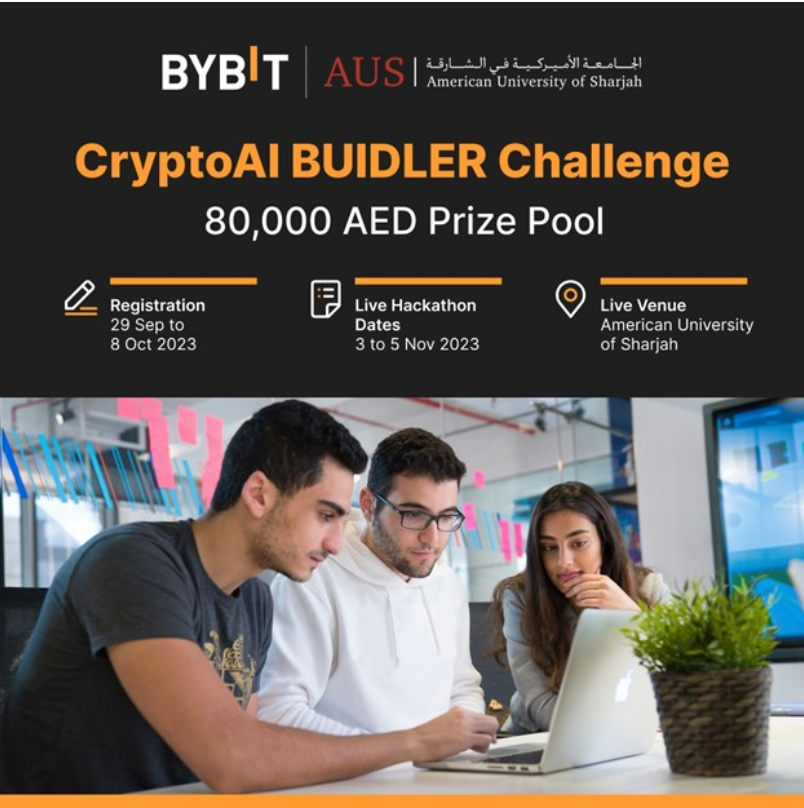
Bybit, a leading cryptocurrency exchange, has achieved a significant milestone by becoming the first fully licensed crypto exchange to operate in the UAE. This breakthrough comes amid the UAE’s ongoing efforts to establish itself as a global hub for digital assets and blockchain technology.

The UAE has long been a proponent of embracing emerging technologies, particularly in the fintech and blockchain sectors. The government’s progressive stance has attracted numerous cryptocurrency firms looking to establish a foothold in the region. Bybit’s licensing by the UAE’s Financial Services Regulatory Authority solidifies its position within this growing market.

The FSRA’s approval marks a crucial development, as it provides Bybit with a clear regulatory framework to offer crypto trading services to customers in the UAE. The exchange, which has previously operated under regulatory frameworks in other jurisdictions, will now operate in full compliance with local laws. This licensing allows Bybit to offer a wide range of digital asset services, including spot and derivatives trading, to both institutional and retail investors.

The approval is a testament to the UAE’s regulatory efforts to integrate the cryptocurrency sector into its broader financial ecosystem. The country has been proactive in ensuring that regulations keep pace with the rapid evolution of digital assets, making it an attractive destination for crypto companies seeking a compliant and stable environment.

Bybit’s decision to seek a licence in the UAE comes at a time when the global crypto market faces heightened scrutiny and regulatory challenges. In a climate where several countries have been introducing stringent regulatory measures, the UAE’s more flexible approach to crypto regulation has set it apart. This has resulted in an influx of international crypto firms looking to operate in the region, as they see the UAE as a secure base from which to expand their services.

The approval process for Bybit was rigorous and comprehensive, ensuring that the exchange adhered to strict security measures, anti-money laundering protocols, and customer protection standards. The FSRA has been meticulous in its review, demonstrating its commitment to fostering a secure and transparent environment for digital asset trading.

UAE officials have long spoken about their vision to turn the country into a leader in the global digital economy, with blockchain and cryptocurrency playing key roles in that vision. The emirate of Dubai, in particular, has been a front-runner in attracting cryptocurrency firms, with its Dubai International Financial Centre and the Dubai Financial Services Authority offering frameworks tailored to the needs of digital asset businesses.

The Bybit licensing follows a series of initiatives launched by the UAE government, including the establishment of the Dubai Virtual Asset Regulatory Authority. VARA’s creation was designed to regulate virtual assets, ensuring that companies operating within the region meet stringent compliance standards. This regulatory framework has been instrumental in bringing crypto companies into the fold, offering a more secure trading environment for users and businesses alike.

Bybit’s entry into the UAE market has also brought attention to the broader trends shaping the cryptocurrency industry in the Middle East. The UAE has become one of the leading markets for blockchain innovation, with numerous projects underway to integrate blockchain technology into sectors such as real estate, logistics, and finance. As the region’s appetite for digital innovation grows, companies like Bybit are poised to capitalise on this evolving landscape.

The licensing of Bybit is also expected to have a ripple effect on the wider cryptocurrency ecosystem. With the exchange now authorised to operate legally in the UAE, it may pave the way for other platforms to follow suit, thereby increasing the variety of options available to investors. This will likely enhance the overall appeal of the UAE as a destination for cryptocurrency trading and investment.

Despite the current global volatility in the crypto market, Bybit’s expansion into the UAE market reflects its long-term confidence in the future of digital assets. As the company continues to expand its services worldwide, the UAE’s stable regulatory environment offers a solid foundation for its growth in the Middle East.

FRANKFURT, GERMANY – Media OutReach Newswire – 9 October 2025 – allnex is taking a bold leap forward with the launch of its European Defense Materials Program. This initiative is designed to accelerate innovation and support Europe’s ambition for greater strategic autonomy in defense. Europe’s defense sector is facing urgent challenges. New solutions must be developed faster, built to last longer, and perform reliably in the harshest […]

LearningCrypto has emerged as a leading force in the intersection of cryptocurrency and artificial intelligence, capitalising on the growing interest in crypto education. As more individuals seek to understand the complexities of digital currencies, platforms like LearningCrypto are responding to an urgent demand for in-depth knowledge in the ever-evolving crypto space.

The expansion of AI-driven educational tools has significantly reshaped how cryptocurrency is taught. LearningCrypto, which has grown rapidly over the past year, leverages AI to personalise the learning experience for its users. The platform uses AI algorithms to track a learner’s progress, adapt content, and recommend courses based on individual learning preferences and gaps in knowledge. By tapping into AI, the platform aims to bridge the knowledge gap, enabling people of all levels—from beginners to seasoned investors—to enhance their understanding of crypto assets.

Market trends show an overwhelming shift toward digital learning, especially in niche fields like cryptocurrency. As blockchain technology continues to disrupt traditional industries, there is a growing need for professional development courses tailored to the crypto world. This demand is being fuelled by a surge in cryptocurrency adoption and institutional interest, coupled with an increase in regulatory scrutiny. Individuals and businesses alike are eager to stay ahead of the curve, making crypto education a crucial priority.

LearningCrypto’s rise highlights a broader trend in the education sector, where AI is being harnessed not only for customised learning experiences but also for its potential to simulate real-world trading scenarios. This feature appeals to both new investors looking to explore the market and seasoned professionals wanting to test their strategies without the risk of losing capital. The ability to create simulated trading environments has proven to be a game-changer, giving users a safe space to learn and practice their skills.

Several factors contribute to the rapid adoption of crypto education platforms, with accessibility being at the forefront. These platforms offer an array of resources, from video tutorials and webinars to live sessions with industry experts. The inclusion of AI-driven assistance allows users to receive real-time feedback, enhancing their ability to grasp intricate concepts at their own pace. With many courses offered online, learners have the flexibility to study on their terms, making education more accessible than ever before.

The integration of AI also addresses one of the key challenges in cryptocurrency education—keeping up with the pace of change in the crypto market. AI tools can quickly adapt content to reflect the latest developments, market trends, and regulatory updates. This ability to provide up-to-date information ensures that learners are not left behind as the landscape shifts. For example, new developments such as the rise of central bank digital currencies and the ongoing discussions around the regulation of stablecoins are integrated into course materials in real-time.

The success of LearningCrypto is also a testament to the broader trend of the digital transformation of education. As traditional educational models struggle to keep up with technological advancements, online learning platforms powered by AI are becoming the go-to option for learners. Cryptocurrency, once viewed as a niche market, has gone mainstream, and its educational demand reflects this shift. By leveraging AI, platforms like LearningCrypto are positioning themselves at the forefront of this digital revolution in finance education.

Key players in the crypto education space have also taken note of this trend, with many developing their own AI-powered features to enhance the learning experience. Some platforms offer AI chatbots that provide instant answers to users’ queries, while others employ predictive analytics to help learners anticipate and prepare for market trends. This evolving landscape has raised the bar for crypto education, pushing platforms to integrate cutting-edge technology to remain competitive.

In today’s fast-paced world, keeping your space impeccably clean takes time and effort. Bookaclean is an innovative cleaning platform that makes cleanliness simple, reliable, and effortless. More than just a cleaning company, Bookaclean represents a new philosophy of care — for your home, your time, and your peace of mind.  It combines advanced technologies, environmentally friendly products, and the work of experts to provide a new standard of […]

MACAU SAR – Media OutReach Newswire – 9 October 2025 – Galaxy Macau™ Integrated Resort is delighted to present an evening of operatic splendour with “Galaxy Macau™ Presents – Galaxy Music Gala: Sumi Jo – Mad for Love” as internationally acclaimed South Korean soprano Sumi Jo makes her long-awaited Macau debut at 17:00 on December 28 at Auditorium of the Galaxy International Convention Center (GICC). Tickets will […]

Google has broadened the accessibility of its AI-powered search feature, now available in 35 additional languages and 40 more countries. This global expansion brings cutting-edge search capabilities to millions more users, further solidifying the tech giant’s position in the evolving digital landscape.

The search engine’s AI mode, which has already been integrated into several regions, is designed to enhance user experience by delivering more nuanced, contextually aware responses. It leverages advanced machine learning algorithms to provide users with relevant, personalised information based on their search queries. As a result, users now receive more accurate results and immediate answers, whether they’re looking for detailed technical data, news, or casual information.

The expansion into 35 new languages, including Bengali, Malay, and Persian, marks a significant milestone in Google’s ambition to create a more universally accessible search engine. The company’s efforts to make its AI-powered features more inclusive have resonated with a global audience, particularly in regions with high numbers of native speakers who had previously been underrepresented in AI-driven services.

This development is part of Google’s broader strategy to strengthen its competitive edge in the search market. With AI now becoming a central element in search functionality, the company aims to differentiate itself from other players, such as Microsoft’s Bing, which has also integrated AI technology into its search engine.

Google’s move aligns with its ongoing efforts to prioritise artificial intelligence across its platforms. AI’s role in search has evolved beyond simple query-based responses to complex problem-solving and semantic understanding. By deploying AI in this expanded format, the company is setting a new benchmark for how search engines should interact with users. The introduction of more languages ensures that users worldwide benefit from a more intuitive and responsive search experience.

The roll-out is also designed to capture the attention of non-English-speaking markets, where Google has faced competition from regional players. For example, in countries where local languages dominate, such as parts of Southeast Asia and the Middle East, the ability to use AI-driven search in native languages is a crucial step towards maintaining user loyalty. Google’s strategy appears to be not only about providing relevant information but also tailoring responses in ways that reflect cultural and linguistic contexts.

Industry analysts note that the deployment of AI in search is becoming increasingly vital for tech companies looking to stay ahead in the digital space. By bringing AI to more languages, Google is ensuring its search platform remains at the forefront of technological innovation, offering greater value to users around the globe. Furthermore, the technology promises to assist businesses in connecting with customers more effectively by improving discoverability and delivering content more suited to regional and linguistic preferences.

This step towards universal AI integration is also a response to the growing demand for more accessible, user-centric services. As artificial intelligence continues to mature, users expect it to provide not only immediate answers but also solutions that are tailored to their individual needs and linguistic background.

However, the move is not without its challenges. Ensuring that AI algorithms perform optimally in diverse languages, including those with complex grammatical structures and dialects, remains a significant hurdle. For instance, languages like Bengali or Malay pose unique challenges due to their rich vocabulary and varied sentence structures. Google’s AI team is likely to continue refining its models to handle these nuances, improving accuracy and overall user satisfaction.

The growing global reach of AI-powered search further emphasises the broader trend of AI’s role in shaping future technology. With machine learning increasingly being embedded into everyday tasks, from search engines to digital assistants, the evolution of AI represents both an opportunity and a responsibility for companies like Google. The company must balance rapid innovation with ethical considerations, ensuring that its AI systems are transparent, equitable, and accountable.

A wave of AI-generated protest videos created using OpenAI’s Sora 2 technology has sent shockwaves through the online community, fuelling confusion and sparking debates about the integrity of digital media. The rise of these deepfake videos, often portraying political unrest and protests, has raised concerns about the blurring of the line between reality and manipulation in the digital age. The videos, designed to look incredibly realistic, feature […]

Arabian Post Staff -Dubai Nirvana Travel & Tourism has entered into a partnership with Liwa University in Abu Dhabi, marking a significant step in the expansion of educational opportunities. The Memorandum of Understanding, signed between the two entities, is aimed at fostering collaboration that will strengthen the local community’s access to high-quality education, bridging gaps in the tourism and educational sectors. The agreement outlines a shared commitment […]

GITEX, the iconic technology and innovation expo, is broadening its footprint by expanding into Vietnam, heralding a new chapter for the Southeast Asian nation’s burgeoning digital economy. With the event’s successful history in the Middle East and Asia, this expansion signals a strong shift towards positioning Vietnam as a central player in the global digital arena. The launch aligns with Vietnam’s ambitious vision to develop a digital economy worth over $200 billion by 2030, driven by the country’s evolving tech ecosystem, government-backed initiatives, and an increasingly connected population.

GITEX Vietnam, set to take place in Hanoi, is expected to be a major catalyst for the nation’s digital transformation. The expo, known for showcasing the latest advancements in AI, cloud computing, cybersecurity, and smart technologies, will provide a platform for global tech giants and local startups to foster collaboration. This shift not only promises to boost local innovation but also offers international companies the opportunity to tap into Vietnam’s rapidly growing market. The country’s young, tech-savvy population and expanding digital infrastructure make it an ideal destination for the event, underscoring the symbiotic relationship between GITEX’s global platform and Vietnam’s digital future.

The expansion into Vietnam is a testament to GITEX’s strategic move to capture the rising tide of digitalisation across Southeast Asia. According to industry analysts, Vietnam’s digital economy is one of the fastest-growing in the region. With the government’s commitment to building a robust digital infrastructure, the country aims to integrate digital solutions across key sectors, including healthcare, education, logistics, and manufacturing. This government push is expected to further accelerate innovation in AI and blockchain technologies, sectors where Vietnam has begun to make notable strides.

One of the main drivers behind Vietnam’s digital economy ambitions is the government’s Digital Transformation Program, which aims to equip businesses and individuals with the tools to thrive in the new digital world. As part of this initiative, the Vietnamese government has pledged to support local startups and foster an environment conducive to technological advancements. Public-private partnerships are expected to play a pivotal role in bridging the gap between government policy and the commercial sector, ensuring that both infrastructure and innovation go hand in hand.

GITEX’s involvement in this transformation is poised to elevate Vietnam’s digital capabilities on the global stage. By offering a comprehensive view of the latest trends, technologies, and business solutions, the event will expose Vietnamese enterprises to the tools and insights needed to enhance productivity, efficiency, and innovation. As part of the expansion, Vietnam’s homegrown tech companies will also be able to showcase their capabilities, fostering collaboration with global leaders in digital technologies.

The 2025 edition of GITEX Vietnam will feature a broad spectrum of sectors, including digital health, fintech, artificial intelligence, and cybersecurity. These areas align closely with the country’s vision to modernise key industries and improve overall living standards through technology. AI, for instance, is expected to play a crucial role in enhancing Vietnam’s manufacturing sector, enabling greater automation and precision in production. Additionally, fintech’s rise in Vietnam promises to boost financial inclusion by offering innovative solutions to underserved populations, with digital payments and mobile banking expanding rapidly in urban and rural areas alike.

The growing momentum of GITEX in Southeast Asia is evident through its ongoing success in regions like the UAE, India, and Saudi Arabia, where it has served as a crucial platform for digital transformation discussions. The move into Vietnam further strengthens its position as a global tech hub, providing valuable opportunities for cross-border collaboration. Vietnamese companies, eager to expand their reach, will benefit immensely from the international exposure GITEX provides, potentially paving the way for future partnerships, investments, and technological breakthroughs.

Sub-Saharan Africa’s gross domestic product is now projected to grow by about 3.8 percent in 2025, up from 3.5 percent in 2024, as inflation moderates and foreign exchange markets stabilise across many nations. The updated outlook emerges from the latest “Africa’s Pulse” report by the World Bank, which highlights a more favourable macroeconomic backdrop enabling central banks to ease policy constraints and stimulating consumption and investment. The […]

Phuket’s great weather, safe tropical environment and world-class infrastructure offers Europeans an unrivalled escape from cold winters and political tensions PHUKET, THAILAND – Media OutReach Newswire – 9 October 2025 – Phuket, Thailand’s largest island is now a top destination for European families, retirees and investors seeking property abroad. Known for its pristine beaches, vibrant culture, warm year-round climate and the equally warm Thai hospitality, Phuket is […]

Smartphone storage is on the cusp of its biggest leap in years as the Universal Flash Storage 5.0 specification arrives with headline sequential bandwidth touted at up to 10.8GB/s, nearly a twofold jump over today’s mainstream UFS 4. x. The stated aim is clear: keep pace with feature-rich camera pipelines and the growing wave of on-device AI so that apps open quickly, multitasking holds steady, and background […]

The RNTrust Group is set to roll out its digital-trust architecture under the banner “Infinite Trust” at GITEX Global 2025 in Dubai. The offering is built around three flagship technology pillars—BOAT orchestration, cyber-intelligence, and stratum-level time synchronisation—aimed at solving friction points faced by large enterprises operating across complex, digital ecosystems.

At the core of the strategy is Coopera BOAT, RNTrust’s enterprise orchestration and automation engine, which integrates bots, APIs, microservices, content, case-management, and AI agents under a unified platform. The company positions BOAT as a successor to legacy BPM and ECM systems, enabling long-running and cross-domain workflows across IT and business domains. Integrated AI and generative flows help with decision intelligence and unstructured data extraction. RNTrust claims the platform aligns with market forecasts that predict the orchestration market will expand markedly in the coming years.

Complementing BOAT is ThreatLeap, a cyber threat intelligence and compliance platform operating 24/7 to scan external attack surfaces, detect leaks, misconfigurations, phishing domains and advanced threats, and flag compliance gaps across regulations such as NIS2, DORA, GDPR and PCI-DSS. The system is portrayed as proactive, intended to reduce risk exposure rather than simply respond to incidents.

Lastly, the group is spotlighting StratumOne, a time-synchronisation solution leveraging GNSS signals, atomic clocks and precision engineering to deliver nanosecond-level accuracy. Target sectors include finance, telecoms, 5G networks and critical infrastructure where time precision is essential.

RNTrust leadership will host product demos and discussions at the Novotel World Trade Centre during the expo, targeting CIOs, CISOs, system integrators and partner firms. The platform claims deployments and partnerships across the GCC, Europe and the U. S., drawing on R&D centres in Southeast Europe, Italy and the UAE.

The company frames “Infinite Trust” as a unification strategy—bringing orchestration, security and timing coherence into a cohesive architecture that can scale across diverse enterprise landscapes. This positioning aims to appeal to large organisations wrestling with digital transformation, hybrid workloads, compliance burdens and the growing attack surface of distributed systems.

Market watchers note that digital trust is becoming a key battleground for software and cybersecurity vendors. The integration of orchestration and security is a direction echoed by peers embedding zero-trust and AI decision engines into automation platforms. The time-sync component adds a niche yet strategic dimension, tapping into sectors where precision timing is a regulatory and technical requirement.

Branded residential developments in the Middle East and North Africa are now capturing a larger share of global signings, with standalone projects set to make up 45 per cent of the regional portfolio—well above the global average of 36 per cent.

Data from Global Branded Residences shows that the MENA region now accounts for 36 per cent of new global branded residence signings, outstripping traditional hubs such as North America, Europe and Asia. The region currently has 99 completed branded residences and 241 under development, representing 13 per cent of existing global supply and 25 per cent of the pipeline. The UAE leads with 201 projects, followed by Saudi Arabia and Egypt.

Dubai remains the most active city globally, with nearly 160 branded developments either completed or in the pipeline—surpassing markets like Miami, London, and New York. The breakdown in MENA shows that 31 per cent of completed branded residences are standalone, while 51 per cent of the pipeline comprises standalone projects. This shift indicates broader confidence among developers in models unlinked to hotel operations.

Fashion and lifestyle brands are playing an increasingly prominent role in driving the shift away from purely hospitality-anchored residences. In MENA, fashion labels account for 51 per cent of non-hotel branded projects—nearly double the global average of 26 per cent. Non-hotel brands now represent 30 per cent of the regional pipeline, up from 24 per cent among completed schemes. In effect, branded residences in the region are diversifying beyond hotels into lifestyle, design and luxury branding.

Fairmont is poised to be the largest operator in the region, with 19 schemes across completed and pipeline stages. New entrants include jewellery brand De Grisogono and hospitality/lifestyle brand Nobu.

Globally, the branded residences sector has expanded rapidly over the past decade. The total number of schemes globally stands at 1,746—779 completed and 967 under development. Across this global portfolio, hotel brands still dominate, accounting for 79 per cent of projects. However, standalone branded residences—those without hotel attachments—are projected to rise from about 8 per cent of the world’s projects to 12 per cent over time.

Broadly, the market is seeing several converging trends. Buyers are increasingly willing to pay a premium—often 20 to 35 per cent or more—for branded units over comparable non-branded luxury real estate, citing consistency of design, service, and long-term resale value. Developers, in turn, see branding as a differentiator that supports stronger pricing, absorption rates and margins. In fast-growing wealth markets, branding provides credibility and global marketing reach.

Asia Pacific has also moved into the spotlight. GBR has formally launched operations in APAC, targeting markets such as Thailand, Vietnam, India, Malaysia and emerging resort destinations. The firm forecasts that branded development projects in APAC may more than double, with the region evolving into one of luxury real estate’s fastest growing markets.

Nevertheless, challenges remain. Aligning brand partnerships with regional regulatory, legal and operational frameworks is complex. Delivering consistent service quality over time, especially in newer locations with less mature hospitality infrastructure, is no small task. In denser branded markets, developers must differentiate amenities, design and buyer experience to avoid commoditisation.

Genians and RASInfotech are set to showcase a unified cybersecurity stack centred on Network Access Control, Endpoint Detection & Response and Universal Zero Trust Network Access at GITEX 2025, positioning their approach as a path to measurable security outcomes in the Middle East and Africa.

At the heart of their presentation is the proposition that NAC is not just an access control tool but a foundational anchor for Zero Trust adoption. With RASInfotech acting as their MEA distributor, Genians claims to deliver seamless transitions from on-premises NAC systems to cloud-managed deployment models with no operational downtime, while extending enforcement to both IT and OT environments.

Genians’ EDR offering, emphasised as on-premises to satisfy data sovereignty demands, is promoted as a complement to NAC—working together to fortify visibility, threat response, and enforcement. Executives point to deployments in sectors such as government, healthcare and retail across the MEA region to validate their approach.

Cybersecurity demand in the region is rising sharply. The Middle East cyber market is projected to expand significantly in coming years. Observers note that adversaries are increasingly adopting AI-driven techniques such as deepfake phishing, polymorphic malware and supply chain intrusions, making traditional perimeter defences inadequate. At GITEX, solutions built on identity, device context and continuous monitoring are gaining traction.

To that end, Genians intends to demonstrate how NAC and EDR modules integrate into a unified Zero Trust architecture—eschewing fragmented SASE modules in favour of a cohesive platform. Their roadmap emphasises enforcement from the network layer outwards, rather than additive overlays. The company also claims to have identified threat campaigns—such as a North Korean cyber espionage operation leveraging ChatGPT—that its platform is capable of detecting and analysing, reinforcing its real-world efficacy.

Regional support is central to Genians’ strategy. RASInfotech maintains a technical support centre in India to offer 24/7 engineering backup across time zones, while a regional Korean government–backed cybersecurity initiative taps Genians and partner vendors to strengthen regional infrastructure resilience. The collaboration is framed around “regional sovereignty” in data control and local compliance alignment.

Within the channel ecosystem, the role of integrators and resellers is evolving. Traditional resellers are being pushed to become resilience architects—advisors that guide enterprises from legacy infrastructure to Zero Trust, rather than merely deploying point products. Genians and RASInfotech are reportedly investing in partner training, labs, and enablement to support that shift.

VISHNU RAJA
RYO YAMADA
HITORI GOTOH
IKUYO KITA