

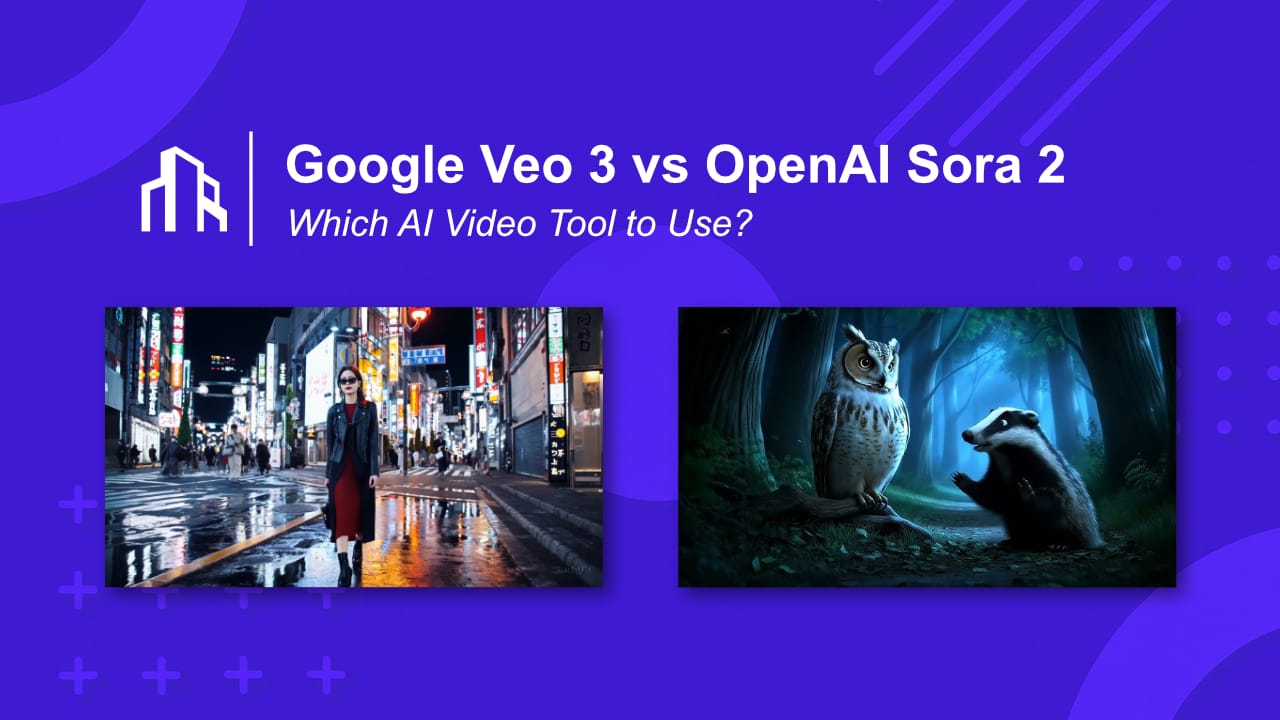
A wave of AI-generated protest videos created using OpenAI’s Sora 2 technology has sent shockwaves through the online community, fuelling confusion and sparking debates about the integrity of digital media. The rise of these deepfake videos, often portraying political unrest and protests, has raised concerns about the blurring of the line between reality and manipulation in the digital age.
The videos, designed to look incredibly realistic, feature prominent figures and ordinary citizens in politically charged scenarios. Many of the videos depict fake protests, clashes with law enforcement, and emotionally charged demonstrations on pressing social and political issues. While they have been viewed millions of times across social media platforms, experts warn that they can easily mislead viewers, creating a false sense of urgency and influencing public perception.
The Sora 2 model, which is developed by OpenAI, leverages advanced machine learning techniques to generate videos that are almost indistinguishable from real footage. The AI can synthesise speech, facial expressions, and movements that mimic real-world scenarios with unprecedented accuracy. The result is content that is difficult to differentiate from genuine news footage, making it a potent tool for those seeking to manipulate public opinion.
The rapid spread of these deepfakes has alarmed media experts, with some pointing to the risk of destabilising democratic processes. Misinformation campaigns powered by AI-generated videos have been used to inflame political tensions, rally extremist groups, and polarise public opinion. In particular, videos that portray peaceful protests turning violent have caused some viewers to believe that civil unrest is more widespread than it truly is.
One of the core concerns surrounding the use of AI-generated protest videos is their potential to undermine trust in the media. As digital content becomes more sophisticated, distinguishing between authentic news and artificial fabrications becomes increasingly difficult. Viewers who are unaware of AI’s capabilities may accept these fabricated videos as truth, which could have serious implications for political discourse and public trust in media outlets.
As the issue grows, governments and regulatory bodies have begun to take notice. Some have called for stricter regulations on AI-generated content, including mandatory digital watermarking and clear disclaimers to help viewers distinguish real content from AI-manipulated videos. However, experts argue that regulation alone may not be enough to combat the spread of deepfakes. Public education on how to critically evaluate digital content will also be crucial in protecting citizens from potential manipulation.
While OpenAI’s Sora 2 is being used for a range of applications beyond political media, including entertainment and education, its potential for misuse has become a focal point of discussions about AI ethics. The company has stated that it is committed to developing safeguards to prevent the technology from being used maliciously. However, the rapid evolution of deepfake technology has raised questions about how well companies can keep up with the pace of innovation and whether they can prevent their tools from being exploited for harmful purposes.
The debate over AI-generated protest videos has also spurred wider conversations about the role of AI in shaping public opinion. Some proponents of AI argue that it is a tool that can democratise media production, allowing anyone to create content that resonates with large audiences. However, critics warn that when misused, AI can be weaponised to amplify misinformation, heighten political divisions, and distort the truth in ways that were previously unimaginable.
Follow Arabian Post
Select Arabian Post as your preferred source on Google and MSN News for trusted business news and Arab politics and updates.



