Articles written by
arabian post staff

The U.S. Department of Government Efficiency is actively exploring the integration of blockchain technology into the federal election process, with the aim of introducing a blockchain-based “eVote” system for voting and identity verification. This initiative could reshape the integrity and accessibility of U.S. elections by harnessing the security and transparency benefits of blockchain.

Sources indicate that this initiative is under early-stage discussions, with the possibility of collaborations involving major blockchain platforms such as Cardano, Hyperledger, Hedera, and X. These partnerships could provide the technical expertise required to build a decentralized and secure system capable of ensuring the integrity of voter data and votes cast during elections.

The potential of blockchain in this context lies in its ability to create immutable records, which would make the voting process more transparent and less vulnerable to manipulation or fraud. This digital voting infrastructure could streamline the electoral process, providing a seamless and secure way for eligible voters to cast ballots remotely, particularly for those unable to attend polling stations due to geographic or physical constraints.

The system being explored would also introduce a blockchain-based identity verification process, designed to prevent voter impersonation and ensure that each eligible voter has a secure method to authenticate their identity. The integration of blockchain could address longstanding concerns over election security and access to voting, making it a key area of focus for federal authorities.

In addition to enhancing election security, proponents argue that such a system could lower operational costs by reducing reliance on traditional physical infrastructure. The deployment of digital voting could enable faster results, as votes would be counted automatically and immediately upon submission.

Mergers and acquisitions (M&A) activity in the Middle East and North Africa (MENA) region has been notably strong in 2024, with the UAE and Saudi Arabia emerging as the dominant players, driving a significant share of the regional deal flow. A combination of strategic investment initiatives, favorable business regulations, and robust economic frameworks has positioned these two countries as key contributors to the growing M&A landscape.

The first half of 2024 saw the total M&A activity in the MENA region reach $49.2 billion, with a 12% increase in deal value compared to the previous year. Both the UAE and Saudi Arabia accounted for a substantial portion of this growth, with the UAE in particular benefiting from its business-friendly environment. The UAE’s reputation as a hub for cross-border investments, particularly in sectors such as real estate, energy, and technology, has been key to its position as a leader in regional M&A activity. The country’s strong legislative framework, along with the ease of doing business, has attracted both regional and international investors.

In Saudi Arabia, M&A deals have largely been driven by the government’s Vision 2030 reform plan, which focuses on diversifying the economy and reducing dependency on oil. This vision has led to a surge in infrastructure and energy-related deals, as well as investments in sectors like tourism, healthcare, and entertainment. Major sovereign wealth funds like Saudi Arabia’s Public Investment Fund (PIF) have been instrumental in facilitating these high-value transactions.

An interesting trend in the region has been the growing dominance of sovereign wealth funds in driving M&A. These funds, which include the Abu Dhabi Investment Authority (ADIA), Mubadala, and PIF, have been actively acquiring stakes in both domestic and international markets. They are increasingly playing a pivotal role in shaping the region’s investment climate, particularly in high-growth sectors such as insurance, real estate, and energy.

Noteworthy transactions include the acquisition of a 60% stake in Zhuhai Wanda Commercial Management Group by a consortium including Mubadala and ADIA, valued at $8.3 billion. Another significant deal saw Abu Dhabi Future Energy Company (Masdar) acquire a 67% stake in Greek company Terna Energy for $2.9 billion. These transactions are part of a broader strategy of cross-border investments aimed at expanding the MENA region’s global influence.

Despite fluctuations in global oil prices, the MENA region’s M&A market has demonstrated resilience, supported by stable oil revenue streams and continued government infrastructure spending. Industry experts attribute the growth to the diversification efforts by governments and a strategic push to invest in sectors beyond oil and gas.

Insurance and real estate are among the sectors that have seen the most M&A activity, driven by factors such as the growth in tourism, major infrastructure projects, and the rising middle class. These sectors, which traditionally account for a significant portion of M&A transactions, have attracted investments that reflect both short-term returns and long-term strategic goals.

The shift towards cross-border M&A activity has also been a defining characteristic of the market in 2024. Cross-border deals accounted for 52% of the total deal volume, with outbound investments, particularly from the UAE and Saudi Arabia, directed largely towards the United States, which remains a preferred target market. The growing influence of MENA-based investors in international markets reflects a broader trend of increased economic diversification.

This surge in M&A activity aligns with broader economic trends within the MENA region, where countries like the UAE and Saudi Arabia continue to build economic power through diversification and international partnerships. Local economic policies are tailored to foster an attractive investment climate, which has been crucial in maintaining the momentum of M&A deals.

Understood. I’ll provide a 900-word news report on the cancellation of Ubisoft’s *Splinter Cell* movie adaptation. Let me gather up-to-date and credible information to craft the report. Please hold on.

Plans for a film adaptation of Ubisoft’s acclaimed *Splinter Cell* series have officially been abandoned. The project, initially announced over a decade ago, faced challenges in script development and budgeting, ultimately leading to its cancellation. Producer Basil Iwanyk confirmed the decision, expressing disappointment over not being able to finalize the vision despite numerous attempts.

The adaptation was originally set to feature Tom Hardy in the lead role as Sam Fisher, the iconic protagonist of the stealth-action franchise. Hardy, known for his versatile performances in films such as *Venom* and *Mad Max: Fury Road*, was first attached to the project in 2012. At the time, Ubisoft Motion Pictures, which spearheaded the initiative, described Hardy’s casting as a significant coup, praising his ability to portray complex characters.

Despite its strong potential, the film encountered recurring setbacks. Iwanyk stated that multiple versions of the script were developed but failed to meet creative expectations. “We just couldn’t get it right, script-wise or budget-wise,” he remarked, adding that the cancellation marked a regretful end to what could have been a groundbreaking project for fans of both the game and action cinema.

The cancellation underscores broader challenges in adapting video games for the big screen. While some franchises, such as *The Last of Us* and *Sonic the Hedgehog*, have seen recent successes in their cinematic or television interpretations, others like *Splinter Cell* highlight the difficulties of balancing creative authenticity with commercial feasibility. Ubisoft itself has struggled to bring several of its properties to theaters, with the only major adaptation being the lukewarmly received *Assassin’s Creed* film in 2016.

Understood. I’ll get started.

Nokia, in partnership with Islalink, has set a new benchmark in optical technology by achieving an 800Gbps data transmission rate on the IONIAN subsea cable system. Spanning 330 kilometers and connecting Crotone, Italy, to Preveza, Greece, the trial underscores the transformative capabilities of Nokia’s sixth-generation Photonic Service Engines (PSE-6s). This success marks a critical advancement in high-speed data transfer for Europe’s burgeoning digital economy.

The IONIAN cable system, developed to enhance connectivity between Western Europe and the Balkans, leverages the latest submarine optical fiber technology. The trial employed dual C-band and L-band wavelength systems, demonstrating the ability to maintain ultra-high-speed transmissions while significantly reducing power consumption per bit by 60%, a major leap toward sustainable digital infrastructure.

Beyond the subsea link, the trial also included terrestrial segments in Greece, with the PSE-6s delivering up to 1Tbps over the 452-kilometer route from Preveza to Athens and the extended 975-kilometer northern route to Thessaloniki. These achievements reflect the system’s adaptability to diverse network environments, ensuring robust performance across both submarine and terrestrial routes.

Islalink emphasized the importance of this milestone for regional connectivity, noting that the IONIAN system is now poised to support next-generation digital services in Italy, Greece, and beyond. This accomplishment also positions the IONIAN network as a critical player in meeting the growing demand for secure and high-speed data transmission by major tech firms and cloud providers.

Nokia’s PSE-6s technology has drawn industry attention for its ability to drive high-capacity networks while cutting operational costs and environmental impact. This innovation aligns with broader efforts to enhance data center interconnectivity and improve network efficiency for global service providers. By integrating advanced signal processing and spectral shaping techniques, the technology ensures that network operators can push the boundaries of existing infrastructure without compromising reliability or sustainability.

The successful deployment of 800Gbps channels on the IONIAN subsea cable demonstrates the readiness of European digital infrastructure to cater to future demands. As industries increasingly adopt cloud-based operations and data-heavy applications, the need for such high-capacity systems is more critical than ever. The collaboration between Nokia and Islalink highlights the role of private-public partnerships in driving technological advancements and building resilient connectivity ecosystems.

The Abu Dhabi Securities Exchange (ADX) has reached a historic milestone, nearing a valuation of $1 trillion, driven by strategic investments from key players like Sheikh Tahnoon bin Zayed Al Nahyan. As one of Abu Dhabi’s deputy rulers and the UAE’s national security adviser, Sheikh Tahnoon has been pivotal in shaping the economic trajectory of the region, leveraging assets across diverse industries to fuel growth.

Entities under Sheikh Tahnoon’s control, including the International Holding Company (IHC), contribute significantly to the benchmark FTSE ADX General Index. As of the first quarter of 2024, these firms accounted for approximately 65% of the index’s weight. IHC, a conglomerate with investments spanning global ventures like Elon Musk’s SpaceX and local enterprises, has seen an exponential rise in valuation—up over 400-fold since 2019. Currently, the company is worth around $240 billion, underscoring the magnitude of Abu Dhabi’s economic diversification efforts.

ADX has climbed the ranks among global stock exchanges, now positioned as the 17th largest, surpassing markets like Spain and Brazil. Its trajectory highlights the success of the UAE’s broader strategy to reduce reliance on oil revenue, emphasizing international investments and bolstering domestic financial infrastructure. Sheikh Tahnoon’s leadership and the robust performance of his firms have positioned Abu Dhabi as a critical financial hub, attracting global investors.

Hundreds of hotel workers at a casino near the Las Vegas Strip initiated a strike early Friday morning, marking a significant escalation in their ongoing battle for better working conditions and a new contract. The labor dispute, which has gained widespread attention in recent weeks, underscores a larger trend in the hospitality industry, as workers demand fair wages, improved benefits, and job security amid rising living costs.

The workers, including housekeepers, bellhops, and other hotel staff, voted overwhelmingly to strike after lengthy negotiations failed to produce an agreement with their employer. The casino, located just off the iconic Strip, is one of many in the area where unions have mobilized in recent months to address what they describe as an imbalance between the enormous profits of hotel operators and the conditions faced by their employees.

Negotiations had intensified over the last few months, with workers demanding increased wages to keep pace with the rising cost of living in the region. According to union representatives, many of the employees have not seen significant pay raises in years, despite the booming tourism industry and record profits for casinos. With inflation affecting prices across the board, particularly for housing and groceries, employees argue that their compensation no longer aligns with their work’s value.

The union representing the workers, the Culinary Workers Union Local 226, has been vocal about the need for a contract that reflects the economic realities faced by workers. The union’s president, Geoconda Argüello-Kline, emphasized that hotel and casino employees are critical to the industry’s success, yet they are often underpaid and overworked. She pointed to the financial disparities between the workers’ paychecks and the multi-billion-dollar profits generated by these establishments, noting that the workers’ wages have not kept up with the inflationary pressures affecting Las Vegas.

The strike is particularly significant as it takes place in one of the most profitable entertainment hubs in the world. Casinos and hotels along the Strip are a major draw for visitors, with the hospitality sector contributing billions to Nevada’s economy. Yet, workers argue that the benefits of this boom have not trickled down to those on the frontlines.

While the casino’s management has not yet made a public statement regarding the strike, sources close to the company say they were hopeful for a resolution before it reached this point. The strike, however, appears to be the result of growing frustration among workers who feel that their concerns have been ignored by management.

The labor movement in Las Vegas has long been a powerful force, with unions advocating for workers’ rights and striving to secure better wages and working conditions. Over the years, the city’s hospitality workers have won significant improvements, including better healthcare benefits, pension plans, and protections against workplace abuses. However, with many hotel workers still earning hourly wages that barely cover the cost of living, union leaders argue that more needs to be done.

This strike follows a broader wave of labor activism across the United States, where workers in several industries, from education to healthcare, have pushed for fairer compensation and improved working conditions. The Las Vegas hospitality sector, with its reliance on low-wage labor, is particularly vulnerable to such labor unrest, as workers in this sector continue to voice dissatisfaction with wages that fail to keep pace with rising costs.

The strike is also a reflection of larger societal trends, where economic inequality has become a central issue for many Americans. With the gap between the wealthy and the working class growing ever wider, calls for more equitable pay and conditions have become louder. The Las Vegas hospitality workers’ actions are part of this broader movement, aiming to address the disparities that many workers face in industries that thrive on consumer spending but offer few rewards to the people providing the services.

For many workers, the strike represents a crucial turning point. It is not just about wages, but about dignity and respect for their labor. Many hotel employees in Las Vegas feel that their work, which often involves long hours and physical labor, is undervalued, even as the industry continues to profit immensely from the tourism that their efforts help to drive.

The outcome of the strike will likely have broader implications for labor movements across the country. If the workers succeed in securing better terms, it could inspire similar actions in other cities where workers in hospitality and service industries face similar challenges. Conversely, if the strike fails to yield the desired results, it could dampen morale in labor movements and set back efforts to secure better conditions for workers.

Etihad Airways, the national carrier of the UAE, achieved a substantial post-tax profit of $368 million (approximately AED 1.35 billion) for the first nine months of 2024, marking a 66% increase compared to the same period last year. This achievement underscores the success of its comprehensive restructuring strategy initiated in 2017, coupled with robust passenger and cargo performance.

The airline reported a 24% surge in total revenue, amounting to AED 11.7 billion for the first half of 2024, fueled by a significant rise in passenger traffic and an expanded network. Passenger revenue alone increased by 24% year-on-year, attributed to higher demand and frequency of flights across key routes. A total of 8.7 million passengers were transported in the first half, reflecting a 38% growth compared to the previous year. These figures highlight the airline’s ability to outperform regional competitors, with its growth rate surpassing the 13% industry average for Middle Eastern carriers during the same period.

Cargo operations also contributed significantly, recording a 10% revenue increase in the first half of the year. This growth was driven by heightened demand and increased fleet capacity dedicated to freight operations. The strong performance in cargo reflects Etihad’s ability to capitalize on global trade recovery and logistics demands.

Etihad’s operational efficiency has been pivotal in achieving these results. By maintaining a passenger load factor of 85% in the first half of 2024, the airline demonstrated its effective utilization of resources. This measure of profitability and seat occupancy aligns with its broader strategic goals, ensuring a balance between growth and financial sustainability.

The company’s achievements are a testament to its restructuring efforts over the past seven years. The initiative aimed at streamlining operations, optimizing routes, and enhancing fleet efficiency has led to a leaner, more focused business model. The restructuring has enabled the airline to transition from years of financial challenges to consistent profitability, positioning it as a formidable player in the aviation sector.

Looking ahead, Etihad Airways continues to focus on sustainability and innovation. The airline is actively investing in fuel-efficient technologies and exploring partnerships to minimize environmental impact. It recently expanded its use of sustainable aviation fuel (SAF) and adopted advanced technologies to enhance operational efficiency and customer experience.

Advertisements

Apple is confronting a £3.8 billion legal claim in the United Kingdom over allegations that its iCloud services engaged in anti-competitive practices. The lawsuit, filed by the UK consumer group Which?, asserts that Apple effectively forced iPhone and iPad users into relying on iCloud for data storage due to the lack of practical alternatives within the iOS ecosystem. This claim suggests that Apple’s ecosystem design intentionally limits competition, disadvantaging consumers.

The case focuses on Apple’s dominance in the digital storage market, alleging that its proprietary iCloud service is not merely one of many options but an indispensable part of the Apple device experience. Critics argue that Apple’s policies steer users away from third-party solutions, locking them into a subscription model with iCloud for functions like photo backups and data synchronization.

Which? claims that Apple’s ecosystem restricts user choice and that the company exploits this dominance to generate revenue through subscription fees. The group has pointed out that customers often lack transparency about their options and are subject to high prices when subscribing to iCloud plans, despite the increasing availability of competitive services.

Apple’s response to these allegations has focused on defending its approach to ecosystem integration. The company insists that its ecosystem design prioritizes user security, seamless functionality, and data privacy, arguing that the iCloud service is an essential part of providing a secure and high-quality user experience. Apple has emphasized that iCloud aligns with industry standards and offers users options, including the ability to manage data storage independently.

Legal experts are watching this case closely, as it is not the first time Apple has faced scrutiny over its ecosystem practices. Similar antitrust accusations have been raised globally, with regulators in Europe and the United States examining Apple’s policies regarding its App Store and other proprietary services. These investigations often focus on whether Apple’s ecosystem operates in ways that unfairly limit competition or impose additional costs on consumers.

The claim comes amid an industry-wide debate on how large technology firms manage their ecosystems. Apple’s case is emblematic of a larger issue: the fine line between innovation in creating seamless, secure environments and the potential for anti-competitive practices that limit consumer choice. As technology companies continue to push for integrated ecosystems, regulators worldwide are grappling with how to balance innovation with market fairness.

An increasing number of British residents, particularly high-net-worth individuals (HNWIs), are seeking a move to the UAE, drawn by the nation’s tax-friendly environment and strategic economic opportunities. This trend is amplified by the UK’s proposed reforms targeting non-domiciled residents and heightened post-Brexit challenges.

The UK government is set to introduce significant changes to its tax structure for non-domiciled individuals starting April 2025. This will extend taxation to global income after a four-year grace period, a measure projected to generate £2.7 billion annually by 2028. Coupled with stricter immigration rules and economic uncertainty, these changes are driving more residents to explore overseas options.

The UAE, particularly Dubai, has emerged as a top destination for British expatriates. Offering zero income tax, world-class infrastructure, and diverse investment opportunities, the UAE provides a stark contrast to the rising tax burdens in the UK. According to reports, the UAE is poised to attract 6,700 millionaires in 2024 alone, solidifying its status as a global hub for affluent expatriates.

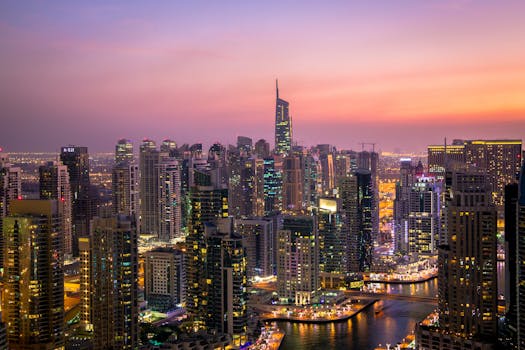
Dubai’s real estate market exemplifies the appeal for British investors. Property transactions involving UK nationals surged by 43% in the first quarter of 2024 compared to the same period last year. The city’s attractive rental yields, high-quality developments, and residency incentives such as the Golden Visa make it a compelling choice for long-term investment and relocation. British buyers now feature prominently in popular neighborhoods like Palm Jumeirah and Dubai Marina, underscoring the UAE’s pull amid shifting global economic landscapes.

The migration trend also reflects broader changes in the UK’s workforce dynamics. Brexit-related policies have curtailed the mobility of skilled professionals and tightened visa regulations, affecting sectors like healthcare and technology. Simultaneously, Dubai’s robust economy, driven by tourism, tech, and real estate, offers a stable environment for career growth and entrepreneurship.

Researchers at MIT’s Computer Science and Artificial Intelligence Laboratory (CSAIL) have unveiled a novel wearable robotic technology leveraging soft actuators with integrated sensing capabilities. These devices, designed for potential applications in rehabilitation and assistive technologies, feature a unique aesthetic and functional resemblance to banana-shaped appendages.

The development, achieved through an innovative system termed “PneuAct,” combines machine knitting techniques with pneumatic actuation. This process enables rapid, scalable production of soft robotic components, integrating conductive yarn for tactile feedback. These actuators, capable of perceiving pressure and touch, aim to enhance the responsiveness and versatility of wearable devices. The design method requires minimal manual intervention, as patterns and movements are pre-programmed and fabricated autonomously using a specialized knitting machine.

With their inherent flexibility and compliance, the actuators have been integrated into gloves and other wearable systems. These could significantly improve mobility for individuals with disabilities or aid in physical therapy. The yellow fabric used in the prototypes adds a whimsical yet functional touch, contributing to their banana-like appearance while maintaining high mechanical performance.

Global oil markets are headed toward a significant surplus in 2025, according to the International Energy Agency (IEA). The forecast, which emerged as part of the IEA’s latest oil market report, highlights the combination of weak demand growth and ample supply as key factors shaping the oil landscape in the coming year.

Oil demand growth is expected to slow considerably in 2025, with global consumption rising by only about 1 million barrels per day (mb/d), compared to nearly double that in 2023. This is mainly due to lackluster demand from major consumers like China, where oil consumption has been declining, adding pressure to an already softening market. The IEA’s predictions also reflect the subdued expectations for demand in the aviation sector, despite signs of recovery in some parts of the world.

Meanwhile, oil supply is on course to exceed demand growth, with non-OPEC countries, particularly in the Americas, poised to make substantial gains. The United States, Brazil, and Canada are expected to be key drivers of supply, contributing over 1 mb/d each in 2024 and 2025. This surge in output, coupled with spare capacity in OPEC+ countries, including major producers like Saudi Arabia and Russia, further amplifies the outlook for surplus production.

The IEA also flagged concerns over global refining margins, which have been under pressure due to weaker demand for refined products such as gasoline and diesel. This trend has led to a reduction in crude oil processing rates, adding to the surplus in the market. Refining activity could continue to struggle unless global demand rebounds, a scenario that seems unlikely under current economic conditions.

As the surplus looms, global oil inventories are being closely monitored. Although crude stock levels have dropped recently, they remain at relatively high levels compared to historical averages. Refined product stocks, on the other hand, have increased, further tightening margins for refineries globally. This situation points to an oversupplied market, especially if demand growth fails to meet expectations.

Despite these market dynamics, geopolitical tensions in oil-producing regions like the Middle East have continued to influence market volatility. However, unless significant disruptions occur, such as a major escalation of conflicts or natural disasters, the IEA anticipates that oil prices will remain under pressure in 2025. Although prices briefly spiked earlier in the year due to fears of supply disruptions, these fears have subsided, leaving the market in a precarious position.

Viu, the pan-regional OTT video streaming service operated by PCCW, has expanded its offerings in the UAE by introducing a new benefit for its Viu Premium subscribers. As part of this initiative, new subscribers to the Viu Premium service will receive a complimentary Careem Plus subscription, enhancing their streaming experience with added value.

The partnership between Viu and Careem, the popular ride-hailing and services platform, brings together two prominent players in the region’s digital landscape. Careem Plus offers a variety of perks, including discounts on rides, food delivery, and more. This collaboration aims to not only strengthen Viu’s position in the competitive streaming market but also provide a broader suite of benefits for consumers.

This move follows a series of efforts by Viu to maintain its relevance in the increasingly crowded OTT sector. Viu has been expanding its content library and services across the Middle East and North Africa (MENA) region, targeting a growing base of digital-first consumers who are looking for diverse entertainment options. By offering added value through the Careem Plus subscription, Viu seeks to differentiate itself from other streaming platforms operating in the UAE and the larger Gulf region.

The strategy also aligns with broader regional trends, where OTT platforms are increasingly bundling services to offer more comprehensive packages. The integration of third-party services, such as ride-hailing or food delivery, has become a key strategy for service providers to boost customer loyalty and enhance user experience. This type of cross-sector partnership is growing in popularity, as it creates a more holistic ecosystem for consumers, blending entertainment with convenience.

For Careem, the collaboration with Viu allows the company to tap into the expanding base of Viu subscribers, potentially increasing its reach in the UAE. Careem’s move to offer exclusive perks to Viu Premium subscribers further underscores the platform’s efforts to enhance its value proposition, especially as it continues to evolve beyond its original ride-hailing model. The company, which has expanded into services like food delivery and digital payment solutions, has long been striving to position itself as an all-in-one lifestyle app in the region.

Viu’s premium service offers a wide range of on-demand content, including popular Arabic, Asian, and international shows, as well as movies and exclusive originals. With the addition of the Careem Plus subscription, Viu is aiming to elevate its value offering and cater to a broader audience who may be interested in both entertainment and lifestyle services. The initiative also highlights a broader trend in the OTT space, where platforms are looking for innovative ways to keep their customers engaged and retain their subscriptions in an environment where consumer loyalty is hard to maintain.

The UAE market, known for its high smartphone penetration and advanced digital infrastructure, has seen a rapid increase in the adoption of OTT services over the past few years. The shift toward on-demand entertainment, accelerated by the global pandemic, has contributed to the growth of digital streaming platforms. However, the competition remains fierce, with global players like Netflix, Amazon Prime, and regional services such as OSN and Shahid vying for consumer attention.

Viu, which operates in 16 markets across the Asia-Pacific and MENA regions, faces increasing competition in the UAE and wider MENA market, where local and international content providers are aggressively pursuing market share. By introducing perks such as the Careem Plus subscription, Viu hopes to add a layer of convenience that appeals to the diverse and digitally savvy consumers of the UAE, who are accustomed to seamless, multifaceted services.

The Viu-Careem collaboration also highlights a shift in the region’s approach to digital services, with companies moving toward integrated digital ecosystems. By bundling various services under one umbrella, companies are encouraging consumer stickiness. For instance, Viu subscribers can now enjoy discounts on Careem rides or deliveries, while Careem users can benefit from entertainment options from Viu. This model may set a new precedent for future partnerships in the region, where the boundary between entertainment, travel, and lifestyle services continues to blur.

The promotion is available to new Viu Premium subscribers in the UAE, with terms and conditions applicable to the complimentary Careem Plus subscription. The launch comes at a time when many OTT platforms are re-evaluating their strategies to stay competitive. As subscription fatigue sets in among users who are overwhelmed by an abundance of platforms, value-added features like the Careem Plus subscription can help sway potential customers toward Viu’s premium offering.

Following the victory of Donald Trump in the 2024 U.S. presidential elections, the UAE has experienced a significant surge in remittance flows, with major beneficiaries being India and the Philippines. This spike is attributed to a combination of factors, including a shift in economic dynamics, increasing confidence in the stability of the global economy, and adjustments in the exchange rates. With these countries historically being some of the largest recipients of remittances from the UAE, the recent growth reflects deeper patterns in the region’s labor markets, trade relations, and the broader economic impact of political developments in the United States.

The rise in remittances highlights an enduring trend of expatriates from South Asia and Southeast Asia sending money home, especially in the face of shifting geopolitical and economic landscapes. While the UAE has long been a hub for foreign workers, the current influx of financial support underscores both the strength of these diasporas and their economic significance to the countries of origin. India and the Philippines, two of the top remittance-receiving nations globally, have seen increases that could have significant effects on their local economies, particularly in terms of poverty reduction, infrastructure development, and consumption spending.

For India, which is consistently one of the largest recipients of remittances globally, the increase reflects ongoing economic stability. Many Indian workers in the UAE are employed in sectors such as construction, hospitality, and services, industries that have been impacted by fluctuating global demand. However, with Trump’s victory, there has been a renewed optimism about the UAE’s economic outlook, boosting confidence among remitters. Additionally, the Indian Rupee’s performance against the UAE Dirham has also played a crucial role in making remittance transfers more lucrative for Indian workers, with an improved exchange rate encouraging them to send more money home.

Philippine remittance volumes have mirrored this surge, driven by the large number of Filipino workers across various sectors in the UAE. The increase in remittances to the Philippines is tied to both economic and political factors. With Trump’s win, many Filipino workers have reported feeling more confident in their job security within the UAE, leading to higher disposable incomes and an increased desire to support their families back home. The Duterte administration’s improved diplomatic relations with the UAE, as well as the UAE’s robust labor laws, have also contributed to a more secure working environment for Filipino expatriates. Furthermore, the Philippine government has actively encouraged remittances as a key element in sustaining the country’s economic growth, which is evident in the increased financial flows back home.

One of the key drivers behind the rising remittance numbers is the favorable exchange rate that has emerged following Trump’s victory. The UAE Dirham is pegged to the U.S. Dollar, and with Trump’s anticipated pro-business policies, many economists predict continued economic growth in the region, leading to stronger currencies like the Dirham. As a result, workers from India and the Philippines are able to send larger amounts of money home for each unit of foreign currency they earn.

This surge also aligns with broader trends in global migration patterns, where many labor-exporting countries have seen their nationals continue to seek employment in the UAE despite challenges posed by the global economy. With job opportunities available in sectors like construction, health care, and information technology, both India and the Philippines remain major exporters of labor to the UAE, a relationship that continues to be a vital component of both nations’ economic strategies.

Another factor influencing the rise in remittances is the UAE’s active role in international trade. Trump’s foreign policy outlook, which tends to favor global markets and open trade policies, has reinforced investor confidence in the UAE, positioning it as a leading financial center in the region. This has had a trickle-down effect on remittances, as expatriates feel more secure in sending money back home, knowing that the overall economic stability of the UAE is likely to hold steady.

For both India and the Philippines, remittances are a critical pillar of economic support. The funds sent by workers abroad contribute significantly to the countries’ GDP, provide direct financial assistance to households, and bolster government revenues. In India, remittances have been linked to the reduction of poverty, greater access to education and healthcare, and even the growth of small businesses. Similarly, in the Philippines, remittances support everything from consumer spending to investments in rural development and infrastructure projects.

Despite the positive impact of these remittance flows, challenges persist. The COVID-19 pandemic had a brief dampening effect on global remittances due to economic uncertainties and travel restrictions, but the post-pandemic recovery has led to a strong rebound in money transfers, especially from the UAE. Many of the expatriate workers in the UAE rely heavily on their income to support families in their home countries, making the rise in remittances particularly crucial for those living in more economically vulnerable regions.

Dubai is advancing its goal to become a global pioneer in urban air mobility, unveiling plans for its first vertiport station, strategically located adjacent to Dubai International Airport (DXB). The station, spanning 3,100 square meters, represents a key element in Dubai’s vision to implement a sustainable air taxi network, which is projected to serve as many as 170,000 passengers annually once operational in 2026.

In collaboration with Dubai’s Roads and Transport Authority (RTA), Skyports Infrastructure, and Joby Aviation, the vertiport will mark a significant milestone for Dubai’s aviation ambitions, aiming to connect seamlessly with Dubai Metro and other public transport systems. The facility will include an elevated deck to allow for the vertical take-off and landing of electric vertical take-off and landing (eVTOL) aircraft, essential for efficient air taxi operations in urban environments. Foster + Partners, an architectural firm known for its innovative designs, is leading the terminal’s design, integrating it with Dubai’s urban landscape to reflect both modernity and sustainability. The architectural design promises an open, elevated layout that prioritizes passenger comfort while offering panoramic views of both the city and aircraft activity.

Dubai’s air taxi service, a key aspect of the emirate’s urban mobility strategy, was initially announced by Sheikh Mohammed bin Rashid Al Maktoum earlier in 2024, with the aim of achieving operational readiness by 2026. With this vision, Dubai seeks to establish itself as the first city globally to operate a dedicated network of vertiports for air taxis, an achievement expected to bring a new wave of innovation to the city’s public transportation system. The initiative, which aligns with the UAE’s commitment to sustainable development, will enable eVTOL aircraft to traverse Dubai’s most prominent locations, including the Downtown area, Palm Jumeirah, and Dubai Marina.

The Dubai International Financial Centre (DIFC) has repaid a $700 million sukuk, a significant milestone in its ongoing development efforts. This bond, originally issued to finance the expansion of the DIFC, helped fund key infrastructure projects, including the growth of its real estate sector and the development of the Gate Avenue retail precinct, which has become a central feature of the financial hub.

The repayment of the sukuk demonstrates the DIFC’s strong financial position, underscoring its ability to service its debt while continuing its mission to evolve as a global financial hub. The sukuk was part of a broader strategy to enhance the DIFC’s infrastructure and attract further investment to the region, reinforcing its status as one of the world’s leading financial centers.

Launched in 2004, the DIFC has seen exponential growth over the past two decades, with its strategic location and favorable business environment making it an attractive destination for international and regional firms. The expansion of DIFC’s real estate and retail offerings, particularly the Gate Avenue precinct, aligns with broader efforts to diversify its revenue streams and cement its position as a global business and lifestyle destination.

The Gate Avenue project, which was central to the sukuk issuance, transformed the DIFC area into a vibrant, mixed-use space combining commercial, retail, and residential offerings. The development has played a critical role in supporting the growth of the financial district, not only as a hub for businesses but also as a dynamic space for leisure and commerce. Gate Avenue features high-end retail outlets, restaurants, art galleries, and a host of premium office spaces, positioning the DIFC as a global destination for business and tourism alike.

The financial success of the sukuk reflects the increasing confidence in the DIFC’s ability to attract investment, maintain a strong credit rating, and manage large-scale projects effectively. The successful completion of the sukuk repayment follows a broader trend of fiscal responsibility within the Dubai government and its key development areas, including the Dubai Economic Agenda and the vision for the city’s continued diversification into non-oil sectors.

Dubai has steadily strengthened its position as a financial center, not just regionally but globally, through strategic investments in infrastructure, fintech, and real estate development. By repaying the sukuk, DIFC reaffirms its reputation as a key pillar of Dubai’s ambitious economic agenda. This action signals to both international investors and local stakeholders that DIFC remains a secure and attractive investment destination.

The sukuk’s issuance and repayment were also a part of the larger trend of Islamic financing mechanisms that have been growing in popularity in the UAE and other parts of the Gulf region. Sukuk, a Sharia-compliant alternative to conventional bonds, are increasingly viewed as an effective tool for raising capital for large-scale infrastructure and development projects. With the growing interest in sustainable finance, sukuk structures are adapting to include green and socially responsible investment components, further broadening their appeal.

The DIFC’s continued investment in its infrastructure is also reflected in its increasing number of financial firms, including major international banks, wealth management firms, and insurance companies, which have made the center their regional base. This is a testament to DIFC’s ability to provide a competitive and secure environment for financial operations, from asset management to fintech innovation.

The development of Gate Avenue, which connects the DIFC’s two main buildings with a series of bridges and corridors, offers not only commercial and office spaces but also cultural experiences that draw visitors and residents alike. This expansion helps differentiate the DIFC from other global financial hubs by offering a comprehensive lifestyle experience beyond the traditional financial operations. Its blend of culture, art, and luxury retail spaces makes it a unique offering in the competitive global financial landscape.

The repayment of the sukuk comes at a time when Dubai is positioning itself as a major player in the global financial and fintech sectors. As part of the Dubai 2040 Urban Master Plan, the city is focused on further expanding its financial infrastructure, which aligns with the UAE’s broader goal of diversifying its economy and attracting foreign investment. Projects like the DIFC’s development and the Gate Avenue precinct are designed to support this long-term vision and are expected to continue to bolster the UAE’s competitive edge.

DIFC’s financial success, evidenced by its ability to meet debt obligations, is closely tied to the broader economic strategies set out by Dubai and the UAE. The city has made substantial investments in becoming a global leader in fintech, with regulatory frameworks designed to foster innovation, while also strengthening its existing financial infrastructure. These efforts are part of a greater strategy to ensure Dubai’s place at the center of international finance, even as global markets face uncertainty.

As the DIFC looks to the future, it will likely continue its focus on sustainable development, leveraging its strategic location to attract global financial institutions and investors. The success of the sukuk repayment highlights the district’s ongoing stability and growth, which in turn strengthens Dubai’s position as a critical financial and business hub in the Middle East and beyond.

Apollo Global Management and Mubadala Investment Company have agreed to extend their high-profile partnership, a move that aims to bolster Apollo’s Capital Solutions business. The extension will allow both entities to expand their reach and enhance their ability to originate investment opportunities across various asset classes, solidifying their long-term collaboration.

The extended partnership, which involves several billion dollars, is a significant development in the investment world. It builds upon the strategic relationship that began several years ago, positioning both Apollo and Mubadala for future growth in a rapidly evolving global market. By pooling their resources, the two firms plan to tap into new investment opportunities, with a focus on large-scale, complex transactions across sectors such as real estate, infrastructure, and private equity.

As part of the agreement, Apollo will leverage Mubadala’s global network and significant financial backing to drive its Capital Solutions platform forward. This platform, which specializes in providing flexible, innovative financing solutions, will be further strengthened through this partnership. Apollo has long been a leader in alternative investment strategies, and the continued support from Mubadala enhances its ability to execute its high-value transactions worldwide.

Mubadala, which is the sovereign wealth fund of Abu Dhabi, has long been a key player in the global investment arena. Its robust portfolio spans multiple industries, including energy, technology, and healthcare. By deepening its ties with Apollo, Mubadala gains access to Apollo’s wide-ranging expertise in alternative investments, which is particularly advantageous given the volatile global economic climate.

The extension of the partnership is also expected to accelerate the deployment of capital into high-impact investments. Apollo’s Capital Solutions business, known for structuring and managing bespoke financing arrangements, will benefit from Mubadala’s substantial capital reserves. The partnership’s focus will be on identifying attractive opportunities in both established markets and emerging sectors. This will allow the firms to be well-positioned to respond to market dynamics and provide value to investors.

In addition to the financial and strategic advantages, the expanded collaboration between Apollo and Mubadala is expected to bring greater innovation to the investment management space. The firms will work together to identify new methods for creating value, from investment structuring to risk management. By combining their expertise, the partners aim to develop differentiated solutions for investors, which could include specialized vehicles, bespoke financing options, and new asset classes.

This partnership extension is particularly significant in the context of growing competition in the global investment sector. With rising interest rates and market volatility, institutional investors are looking for partners with proven track records and the capacity to adapt to changing conditions. Apollo and Mubadala’s collaboration offers just that, with both firms having established reputations for managing complex investments and delivering strong returns for their stakeholders.

As part of the broader strategic goals, the extended partnership also aligns with Mubadala’s long-term investment vision. The sovereign wealth fund is keen to diversify its portfolio and deepen its engagement with global markets. By aligning with Apollo’s expertise, Mubadala strengthens its position in the alternative investments space, which has become an increasingly important segment for institutional investors looking for non-traditional assets that offer higher returns.

Apollo’s experience and track record in the global capital markets are another factor that makes this partnership particularly appealing. With a strong presence in private equity, real estate, and credit, Apollo has consistently demonstrated its ability to generate value for investors in both favorable and challenging market environments. Mubadala, by extending its relationship with such a prominent player, ensures it has access to top-tier investment opportunities across the spectrum of asset classes.

The partnership extension also underscores the growing importance of cross-border collaborations in today’s interconnected financial markets. As global investors seek to broaden their exposure to diverse markets and asset types, relationships like the one between Apollo and Mubadala play a crucial role in facilitating capital flows across regions. This is particularly relevant as both companies continue to pursue their respective strategies in global markets, positioning themselves for future success amid evolving macroeconomic conditions.

Looking forward, the partnership is expected to deepen in the coming years, with both Apollo and Mubadala exploring new opportunities for collaboration. This could include expanding their joint investments into new geographies, further diversifying their asset portfolios, or exploring emerging sectors like technology and clean energy. The firms have already shown an appetite for exploring innovative investment structures and new technologies, which could become key drivers of their future success.

A significant step forward in Azerbaijan’s energy infrastructure modernization came with the announcement of a joint venture deal valued at $480 million, aimed at overhauling the country’s gas distribution network. The deal, which combines the expertise of several industry leaders, is poised to significantly enhance the operational efficiency and safety of gas distribution systems across the country, aligning with Azerbaijan’s broader energy sector goals.

The partnership, formed by Presight, a key player in the energy sector, and local Azerbaijani firms, will target several areas in the gas distribution system, including upgrading pipelines, boosting the capacity of compressor stations, and improving metering systems. This overhaul is expected to deliver improved service reliability, reducing gas losses, and enhancing customer satisfaction.

With Azerbaijan increasingly focused on maintaining its energy security and integrating cleaner technologies, the deal will also help streamline the country’s natural gas operations, making them more sustainable and resilient to market fluctuations. The modernization is seen as a pivotal project in the country’s long-term energy strategy, which aims to position Azerbaijan as a regional leader in energy distribution.

The country has long depended on its oil and natural gas resources for economic stability, but with rising global energy demands and environmental concerns, there’s an urgent need to upgrade and diversify its energy infrastructure. This development reflects Azerbaijan’s commitment to maintaining robust, efficient energy systems while also responding to both domestic needs and international expectations for higher environmental standards.

The joint venture deal is the result of years of meticulous planning, as energy companies have been assessing and identifying weaknesses within Azerbaijan’s existing gas grid. The country’s government has also recognized the necessity of modernizing its energy infrastructure to meet both current demand and the growing aspirations for energy security in a rapidly changing global market. Additionally, the Azeri government has pledged to prioritize sustainable development practices in its energy sector, ensuring that economic growth does not come at the expense of environmental preservation.

For Presight, the deal marks a significant milestone in its global expansion strategy, as the company continues to build on its successes in the Middle East and North Africa. By partnering with local Azerbaijani firms, Presight will leverage local knowledge and expertise to navigate regulatory complexities and tailor its solutions to the specific needs of the region.

The collaboration highlights the growing trend of international energy companies partnering with local enterprises to implement large-scale infrastructure projects in emerging markets. By combining global expertise with a deep understanding of regional needs, these partnerships create opportunities for innovation and more efficient energy solutions.

Local businesses in Azerbaijan stand to benefit substantially from this partnership, as it will bring both capital investment and technical know-how to the region. The deal is expected to create new jobs, with skilled labor being required to implement the various components of the modernization effort. Additionally, local suppliers and contractors will have opportunities to support the project, further strengthening the Azerbaijani economy.

Energy experts view this deal as a critical piece of Azerbaijan’s broader strategy to enhance its energy security. The country’s position as a major transit hub for energy supplies between Europe and Asia underscores the importance of maintaining a reliable and safe energy infrastructure. With its expanding role as a regional energy supplier, the modernization of its gas distribution network will help ensure that the country remains a key player in the global energy market.

Beyond economic factors, environmental sustainability has also been a key consideration in the project’s design. Modernizing the gas network is expected to reduce methane emissions, one of the most potent greenhouse gases, by curbing gas leaks and improving system monitoring. This aligns with global climate commitments and enhances the country’s environmental credentials as it seeks to balance energy demands with climate goals.

Azerbaijan’s natural gas reserves are among the largest in the world, with the country playing a pivotal role in the diversification of Europe’s energy sources. This deal is an example of the strategic importance of Azerbaijan’s energy sector, particularly as global energy security becomes a priority amid geopolitical shifts and fluctuating energy prices. Azerbaijan is positioning itself not just as a supplier of energy, but as a leader in energy innovation and sustainability.

Azerbaijan has long been a central player in the geopolitics of energy, balancing its relationships with Europe, Russia, and neighboring countries. As energy markets evolve, the country’s ability to modernize its infrastructure is seen as an essential part of its efforts to navigate these shifting dynamics. The latest deal with Presight underscores Azerbaijan’s strategy to maintain its place as a reliable and efficient energy exporter.

Dubai’s morning peak traffic has seen a significant reduction, with travel times decreasing by as much as 30%. This shift comes in the wake of widespread adoption of flexible working hours and remote work policies that have reshaped daily commutes across the city. The transformation highlights the growing impact of workplace changes on urban mobility patterns and traffic congestion.

The move towards more adaptable work schedules, accelerated by the pandemic, has seen a marked decline in the number of commuters rushing to the office during traditional hours. As companies continue to embrace hybrid work models, employees have greater autonomy over when they begin their workday, thus spreading out peak travel times.

Dubai, one of the world’s most bustling cities, had long struggled with traffic congestion. The morning rush hour often brought gridlock to key roads, with long waits on highways and delays in public transportation. However, the integration of flexible hours has provided a unique solution. According to traffic management experts, the reduction in office-bound commuters during the congested morning period has relieved pressure on the city’s infrastructure.

The Dubai government’s push for digital transformation and work flexibility has been central to this change. Various private and public sector organizations implemented remote work and staggered hours as part of their long-term business strategies. These policies have allowed workers to avoid the intense traffic rush typical of the early morning commute, particularly along major roads like Sheikh Zayed Road and Emirates Road.

For commuters, the effects of these changes are tangible. Daily travel times have shortened, not only for those who work from home but also for individuals who now choose to drive or take public transportation during non-peak hours. Traffic reports indicate a steady decline in congestion around office-heavy districts such as Business Bay and Dubai International Financial Centre (DIFC).

Dubai’s government has also introduced new traffic management strategies, which include rerouting certain traffic flows and expanding the metro network. These measures, combined with flexible work policies, have created a more efficient and less stressful commuting experience. Authorities have noted that traffic data collected over the past few months shows improved traffic speeds during the early hours of the workday, corroborating the positive effects of these adjustments.

Experts argue that this shift could have long-term benefits for the city’s infrastructure. By spreading out commuting times and reducing the number of vehicles on the road at any given moment, Dubai may be able to delay or even avoid costly investments in road expansions or additional public transport services. Furthermore, the environmental impact is expected to be favorable, with fewer vehicles idling during peak hours, reducing emissions and contributing to the city’s sustainability goals.

Flexibility in the workplace is also expected to continue influencing the way people travel. While Dubai has long been known for its emphasis on innovation, the trend of remote and hybrid working is likely to become a permanent fixture in the city’s labor landscape. This shift also aligns with global trends, as more businesses worldwide adopt similar policies in response to employee demands for better work-life balance.

Local businesses have taken notice of these changes and adjusted their operations accordingly. Companies are increasingly offering employees the option to work from home or choose flexible hours as part of their standard benefits packages. As a result, more people are opting to work remotely for at least part of the week, which further contributes to the reduction in commuter traffic during the busiest hours.

Public transport systems have also seen a positive shift, with trains, buses, and taxis benefiting from a more balanced distribution of passengers throughout the day. The Dubai Metro, which serves as a key mode of transportation for many, has experienced less overcrowding in the morning, offering a more comfortable ride for those who continue to commute to work.

The shift to remote work and flexible hours has also led to noticeable changes in the behavior of businesses. Firms in sectors like technology, finance, and consulting have been quick to embrace hybrid work models, recognizing both the benefits to employee satisfaction and the reduction in operational costs. For employees, this new approach to work offers greater autonomy, allowing them to optimize their schedules for productivity and personal well-being.

Despite these successes, some challenges remain. Although traffic congestion has been alleviated, certain areas of Dubai, particularly near popular commercial hubs, continue to see significant numbers of commuters at specific times of the day. Some business owners worry that widespread adoption of remote work could have unintended consequences, such as a decline in in-person collaboration and innovation. However, many firms are mitigating these concerns by establishing clear guidelines for when employees should be in the office, ensuring that face-to-face meetings and team-building activities continue to play a vital role in business operations.

Cathay Pacific has expanded its international network with the launch of direct flights between Hong Kong and Riyadh, marking a significant milestone in the airline’s growth strategy. This new route provides both business and leisure travelers with a more efficient travel option, strengthening connectivity between two major economic hubs in Asia and the Middle East.

The inaugural flight, which took off in early November, was celebrated with a ceremony attended by key officials from both Hong Kong and Saudi Arabia. Among the notable attendees were Financial Secretary of the Hong Kong SAR Government Paul Chan Mo-po, Consul General of Saudi Arabia in Hong Kong Hamad Aljebreen, and Cathay Group Chair Patrick Healy. The event underscored the growing ties between Hong Kong and the Kingdom of Saudi Arabia, particularly in the context of expanding air connectivity.

The new flight will operate four times a week, offering travelers more flexibility when flying between the two cities. Riyadh, the capital of Saudi Arabia, is a growing business center with increasing demand for direct international flights, particularly from Asia. Hong Kong, as one of the world’s major financial and trading hubs, is a natural gateway for Saudi nationals seeking to conduct business in Asia, and for Hong Kong residents wishing to explore the expanding opportunities in the Kingdom.

The service will be operated using Cathay Pacific’s Airbus A350-900 aircraft, which provides a comfortable flying experience with both business and economy class options. This aircraft is known for its fuel efficiency and advanced technology, making it a fitting choice for long-haul flights.

Lavinia Lau, Cathay Pacific’s Chief Customer and Commercial Officer, highlighted the importance of this new service, noting that it will significantly enhance the airline’s connectivity within the Middle East and further strengthen its presence in Asia. She emphasized the airline’s commitment to offering quality service and expanding its network to meet the evolving demands of its passengers.

The launch of the Hong Kong-Riyadh route is part of Cathay Pacific’s broader strategy to increase its presence in the Middle East. The airline has long been focused on providing convenient connections to key destinations in Asia, Europe, and North America, and this new flight is seen as a key step in maintaining the airline’s competitive edge in the global aviation industry.

Riyadh, as the economic heart of Saudi Arabia, is undergoing rapid transformation under the country’s Vision 2030 initiative. This ambitious plan aims to diversify the economy and reduce the Kingdom’s dependency on oil. As part of this vision, there is a concerted effort to build up the tourism and business sectors, with the government seeking to attract more international investment. This has created a strong demand for enhanced air links between Riyadh and key international destinations.

The direct flight between Hong Kong and Riyadh will play an integral role in fostering economic and cultural ties between the two regions. The Kingdom of Saudi Arabia has long been a major trade partner for Hong Kong, with bilateral trade continuing to grow in recent years. The direct air link will further support trade, tourism, and business opportunities by reducing travel time and increasing convenience for travelers.

The launch comes at a time when airlines are cautiously recovering from the pandemic’s effects on global air travel. Cathay Pacific, like many other carriers, faced significant challenges during the pandemic but has been gradually rebuilding its network as travel demand returns. The Hong Kong-Riyadh route signals the airline’s confidence in the recovery of international travel and its commitment to expanding its network in key markets.

Hong Kong’s Airport Authority also played a crucial role in making the direct flight route a reality. Vivian Cheung, Acting Chief Executive Officer and Chief Operating Officer of the Airport Authority Hong Kong, expressed enthusiasm for the new service, emphasizing that the launch reflects the airport’s continued effort to strengthen its global connectivity and solidify Hong Kong’s status as an international aviation hub.

With the increased demand for air travel between Hong Kong and the Middle East, this new service is expected to benefit not just business travelers but also tourists. Saudi Arabia has been making strides in opening up to international tourism, particularly with the introduction of new visa options and its ongoing efforts to position itself as a major tourist destination in the region. Hong Kong, with its mix of cultural heritage and modern attractions, is well-positioned to attract tourists from Saudi Arabia who are keen to explore Asia’s vibrant cities.

Fly Jinnah, Pakistan’s burgeoning low-cost airline, is set to expand its international reach with the launch of a non-stop service connecting Lahore, Pakistan, to Dammam, Saudi Arabia. The new route will be operational from November 16, marking a significant move as the airline strengthens its foothold in the Saudi market.

This new service aims to enhance connectivity between Pakistan and the Kingdom of Saudi Arabia, offering passengers a convenient travel option for both business and leisure. The flights will initially operate twice a week, scheduled for Tuesdays and Saturdays. Starting December 7, the frequency will increase to three times a week with the addition of a Thursday flight, ensuring greater flexibility for travelers.

The addition of this route aligns with Fly Jinnah’s strategic growth plan, as the airline seeks to tap into the substantial demand for air travel between Pakistan and the Middle East. With a population of over 2.6 million Pakistani expatriates living in Saudi Arabia, Dammam represents a crucial hub for both the Pakistani diaspora and business travelers. Fly Jinnah’s entry into the market comes at a time when both nations are seeing increasing trade and tourism ties, making it a promising venture for the airline.

Fly Jinnah’s decision to introduce this route is also influenced by the growing number of religious and cultural exchanges between Pakistan and Saudi Arabia, especially during the Hajj and Umrah seasons. Saudi Arabia, being home to the holiest Islamic cities, has seen a consistent influx of pilgrims from Pakistan, further increasing the demand for air travel between the two countries.

The airline, which launched operations in 2021, has been gradually expanding its network across the region, capitalizing on its low-cost carrier model to offer competitive fares. Fly Jinnah is part of a consortium backed by investors from both Pakistan and the Middle East, and the airline has been steadily increasing its presence in various Middle Eastern markets, which has helped position it as a key player in the regional aviation landscape.

The new Lahore-Dammam route will be served by modern aircraft, which aligns with Fly Jinnah’s commitment to providing safe and efficient air travel. The airline’s management has highlighted that their fleet is being regularly updated to meet both safety standards and passenger comfort, which has helped attract a growing customer base.

For Dammam, the launch of this service provides a new direct air link to Lahore, making it easier for travelers to access the thriving cultural and economic center of Pakistan’s Punjab region. Lahore, known for its historical significance, vibrant culture, and educational institutions, is a key destination for Saudi nationals and business travelers, particularly in the trade and tourism sectors. The convenience of direct flights between the two cities is expected to appeal to a wide range of passengers, from individuals visiting family and friends to those conducting business or attending cultural events.

Fly Jinnah’s management has emphasized the importance of strengthening regional connectivity, stating that the airline is dedicated to offering accessible and affordable travel options. The addition of the Lahore-Dammam route represents a continued effort to meet the growing demand for low-cost flights while providing enhanced connectivity between Pakistan and the Gulf Cooperation Council (GCC) countries.

The airline’s expansion into the Saudi market is also expected to have positive economic implications for both Pakistan and Saudi Arabia. By offering affordable airfares, Fly Jinnah is likely to contribute to the growth of tourism and trade between the two nations. It is also poised to support Saudi Arabia’s Vision 2030, a strategic plan aimed at diversifying the Kingdom’s economy and promoting greater international connections. The increase in flight frequency also aligns with the Kingdom’s ongoing efforts to boost tourism, especially as it continues to position itself as a global destination for both business and leisure travel.

In addition to providing a reliable transportation option for Pakistani nationals residing in Saudi Arabia, the service is set to foster greater connectivity between key business hubs in both countries. The business communities in Lahore and Dammam are likely to benefit from more direct links, enhancing the flow of goods and services, and fostering stronger economic ties.

The Nasdaq 100 Index surged to a record high, bolstered by significant gains in megacap technology stocks following the US presidential election. This marks the index’s first new peak since July, as investor optimism around the political outcome combined with robust performances from major tech players helped fuel market momentum.

On the day following the election, the Nasdaq 100 surged by 2.7%, an impressive jump that extended its gains for the year. The rise comes on the back of a broader rally in tech stocks, a sector that has seen consistent growth in 2024. Among the leaders were companies like Apple, Microsoft, Amazon, and Alphabet, all of which have played a pivotal role in propelling the Nasdaq 100 to this milestone. The performance of these companies, coupled with a favorable market environment, suggests that the growth trend in big tech could continue into the near future.

The post-election optimism appears to have resonated across the broader tech sector, where investors are betting on the continued dominance of leading companies. With the political uncertainty following the election largely resolved, the focus has shifted back to the strong earnings reports and growth potential from these firms. These companies are not only capitalizing on existing trends like artificial intelligence and cloud computing but also making strategic investments in new technologies, which investors believe will continue to drive future growth.

While the Nasdaq 100 has experienced significant growth, its recent rally underscores the broader shift in market sentiment. The favorable political landscape, paired with a stable economic outlook, has resulted in a more risk-on environment, with tech stocks once again becoming the focal point for investors. The rally also highlights a growing divergence in the market, with big tech stocks significantly outperforming other sectors, such as energy and industrials.

As of now, the outlook for tech remains positive, with analysts noting that the fundamentals of many leading companies remain strong. The increasing adoption of AI technologies, for instance, has been a key driver of growth, with companies in the tech space expanding their product lines and services to meet the growing demand. This trend has been reflected in the strong earnings growth of companies like Nvidia, which has seen its stock price soar as a result of its leadership in AI chip development.

However, concerns about valuation levels persist. While the Nasdaq 100’s climb is impressive, some analysts caution that the continued rise of these tech stocks could signal overvaluation, particularly in a market where growth expectations are already high. Despite this, the current market conditions, including low interest rates and strong consumer demand, provide a favorable backdrop for tech stocks to continue their upward trajectory.

The performance of the Nasdaq 100 is also a reflection of broader investor sentiment toward the US economy. With consumer spending remaining resilient and inflation pressures easing, the outlook for the US economy seems more optimistic than it has been in previous years. This has provided investors with confidence that the strong performance in tech stocks will continue, despite any potential headwinds that may emerge in the broader market.

Global trends, such as the ongoing digital transformation in various industries, are also contributing to the bullish sentiment surrounding tech stocks. Companies that have successfully adapted to the evolving landscape, especially in areas like AI, 5G, and automation, are being rewarded by the market. The increasing reliance on technology in both consumer and enterprise sectors suggests that the demand for innovative solutions will remain robust, further supporting the growth trajectory of these companies.

Dubai’s economy saw a notable growth of 3.3% in the second quarter of 2024, reaching a value of Dh116 billion ($31.58 billion), fueled by strong performance in key non-oil sectors like tourism, technology, and trade. This growth reflects the emirate’s continued diversification efforts and its ability to capitalize on emerging global trends.

Tourism has played a significant role in this expansion, with the sector experiencing a remarkable uptick in activity. Dubai’s tourism sector has long been a major contributor to its GDP, and in 2024, it was buoyed by the city’s robust tourism campaigns and major international events. The city hosted several high-profile exhibitions, concerts, and sporting events, which, along with the easing of global travel restrictions, have increased visitor numbers. This has had a direct impact on hospitality, retail, and entertainment industries, driving substantial revenue growth in these areas.

The technology sector also made impressive strides, contributing heavily to Dubai’s overall economic performance. Investment in tech infrastructure and innovation continues to push the boundaries of the city’s capabilities, attracting both regional and global players. Dubai has positioned itself as a hub for digital innovation and a global destination for tech startups. With Dubai’s Smart City initiative and various tech-centric projects, the city is setting a benchmark in AI, fintech, and blockchain adoption. These technological advancements are expected to play an even larger role in sustaining growth as the global digital economy expands.

Real estate, a longstanding pillar of Dubai’s economy, continues to show resilience. Despite global uncertainties, the property market has shown consistent demand, especially in the luxury sector. The city’s ambitious developments, including the Expo City Dubai, have helped maintain investor confidence. In addition, increased construction and infrastructural developments have stimulated job creation and supported economic activity in related sectors.

Trade, another critical non-oil sector, also saw an uptick, benefiting from Dubai’s strategic position as a global trade hub. The emirate has expanded its trade relationships, particularly in Asia and Africa, further cementing its status as a gateway for goods flowing into the Middle East and beyond. Efforts to enhance logistics, including advanced port facilities and a strong air cargo network, have been pivotal in boosting the trade sector.

While non-oil sectors remain the driving force, the overall economy has benefited from Dubai’s proactive stance in securing long-term partnerships and fostering innovation. Dubai has capitalized on global shifts, such as the rise of e-commerce and increased demand for digital services, leveraging its infrastructure and regulatory environment to support these industries.

However, challenges remain, particularly in global economic uncertainties and geopolitical factors that could affect trade and investment. The city’s leadership is aware of the need for sustainable growth, and they continue to promote policies aimed at ensuring resilience in the face of global risks. A strong focus on sustainability and green technologies is expected to be a cornerstone of Dubai’s development in the coming years, as part of efforts to diversify and future-proof the economy.

The Dubai government has approved an ambitious succession planning framework, focusing on securing continuity and resilience in public sector leadership. The newly introduced system, announced by Dubai’s Executive Council, aims to cultivate a pool of capable Emirati leaders across various government departments, ensuring that vital functions within the emirate are sustained without disruption.

Developed as part of a broader strategy to enhance corporate risk management, this framework is designed to support smooth leadership transitions and maintain operational consistency. With an emphasis on leadership training and skill-building for younger Emirati professionals, the initiative aims to create a structured approach to identifying and preparing potential successors for senior roles. This structured model is a key step forward, addressing risks tied to unforeseen vacancies and fostering stability across critical sectors.

Dubai’s succession plan aligns with the emirate’s vision of building a competitive and sustainable government workforce. This move also dovetails with Dubai’s larger strategic goals under the Dubai Plan 2021, which seeks to foster an innovative and adaptive public sector while reducing reliance on expatriate expertise in high-stakes roles. By focusing on developing a robust pipeline of national leaders, the government aspires to elevate Emirati talent within its civil service, ensuring a stronger, locally-led workforce.

Several departments, including the Dubai Chamber of Commerce and the Department of Economic Development, have already set up pilot programs to assess the new model’s effectiveness. These early trials have showcased positive outcomes in fostering Emirati leadership across finance, trade, and economic regulation roles. The Dubai Chamber has also emphasized that by formalizing succession planning processes, it aims to enhance efficiency, bring fresh perspectives to strategic decision-making, and address long-term staffing needs.

The Federal Reserve’s stance on interest rates has been a focal point of market speculation, with recent indications suggesting that policymakers may maintain the current rates as long as inflation shows signs of control. In the Fed’s latest policy statements, officials have conveyed a cautious tone, emphasizing the importance of achieving a “soft landing” in the economy—a scenario where inflation falls without triggering a recession. Yet the uncertainty surrounding future rate adjustments has kept investors and economists divided on the potential impacts on markets, labor, and spending.

The most pressing issue for the Fed is whether inflationary pressures can continue easing without the need for additional rate hikes. Fed Chair Jerome Powell has highlighted that while inflation has moderated from its highs, it remains above the central bank’s 2% target. Current labor market conditions—characterized by strong employment and moderate wage growth—are essential to the Fed’s calculus, as they impact both consumer spending and pricing power. Any signs of a slowing job market or dip in economic growth could prompt a reevaluation of the Fed’s approach.

Complicating the Fed’s decision-making process is the delicate balance between keeping inflation in check and preventing economic growth from stalling. Some Fed officials have suggested that the current rate levels, which are at their highest in over two decades, may already be sufficient to steer inflation downward in the long run. However, the evolving economic indicators and mixed market reactions continue to fuel debate within the Fed and beyond.

Market analysts point to the possibility of extended high rates, with expectations that the Fed may not begin to cut rates until mid-2024, depending on inflation and economic data trends. This approach reflects the Fed’s strategy to avoid a premature reduction in rates that could risk reigniting inflationary pressures. Meanwhile, some critics argue that the Fed’s communication could be clearer to help market participants anticipate its moves. A recent analysis by the Brookings Institution highlights this communication challenge, suggesting that the Fed’s shifting language often adds to investor uncertainty, even when its actions are steady.

VISHNU RAJA
RYO YAMADA
HITORI GOTOH
IKUYO KITA