Articles written by
arabian post staff

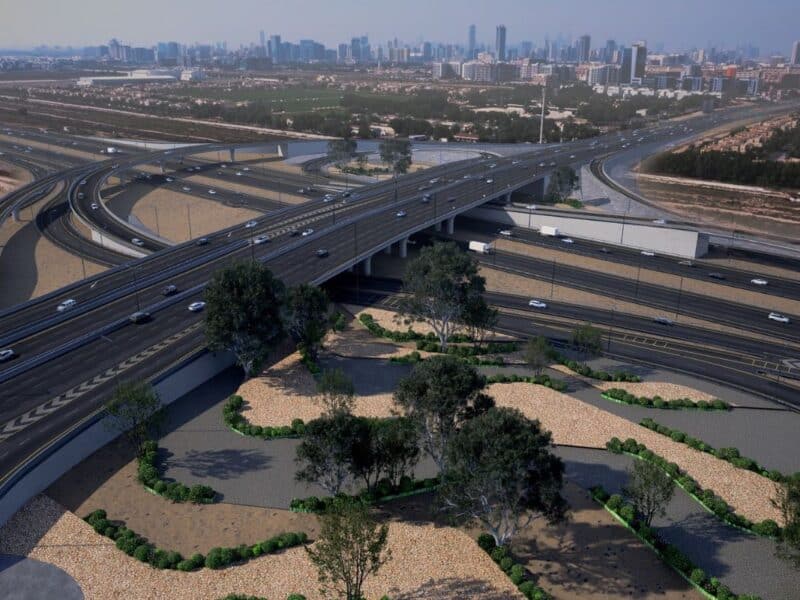
Dubai’s Roads and Transport Authority has awarded a contract valued at AED 798 million for the development of Al Qudra Street. This initiative aims to enhance traffic flow, improve mobility for both residents and visitors, and support the emirate’s ongoing urban expansion and population growth.

The project spans from the intersection of Al Qudra Street with Sheikh Mohammed bin Zayed Road, extending through Sheikh Zayed bin Hamdan Al Nahyan Street, and reaching Emirates Road. Key components include the development of multiple interchanges, construction of bridges totaling 2,700 meters, and the widening of the existing roadway by 11.6 kilometers.

One of the primary objectives is to increase the street’s capacity and reduce travel time from 9.4 minutes to 2.8 minutes. The upgraded infrastructure will serve several residential and development areas, benefiting an estimated population of 400,000.

His Excellency Mattar Al Tayer, Director General and Chairman of the Board of Executive Directors of the RTA, emphasized the project’s significance in enhancing the east-west road network. He noted that Al Qudra Street serves key development zones, including Arabian Ranches 1 and 2, Dubai Motor City, Dubai Studio City, Akoya, Mudon, DAMAC Hills, and The Sustainable City.

The project includes upgrading the intersection of Al Qudra Street with the connecting road between Arabian Ranches and Dubai Studio City. This will involve constructing a 600-meter bridge on Al Qudra Street, featuring four lanes in each direction. This enhancement aims to improve traffic flow on both Al Qudra Street and the connecting road, increasing the street’s capacity from 6,600 vehicles per hour to 19,200 vehicles per hour. Additionally, it will reduce waiting time at the intersection from 113 seconds to 52 seconds, significantly improving overall traffic efficiency.

Further developments involve upgrading the intersection of Al Qudra Street with Sheikh Zayed bin Hamdan Al Nahyan Street by constructing a 700-meter bridge with seven lanes in both directions. This upgrade includes auxiliary lanes for side ramps with two lanes each, ensuring smooth transitions in all directions without disrupting the main traffic flow.

The project also entails the construction of a 500-meter bridge to facilitate traffic flow from Al Qudra Street to Sheikh Zayed bin Hamdan Al Nahyan Street towards Jebel Ali. A 900-meter bridge will be built to serve traffic heading from Al Qudra Street to Sheikh Zayed bin Hamdan Al Nahyan Street in the direction of Downtown Dubai and Dubai International Airport.

Service roads spanning three kilometers will be constructed on both sides of Sheikh Zayed bin Hamdan Al Nahyan Street to enhance connectivity with surrounding development projects. Upgrading the intersection will increase the street’s capacity from 7,800 vehicles per hour to 19,400 vehicles per hour, reducing the waiting time at the second intersection from 393 seconds to 60 seconds.

The development extends Al Qudra Street from the intersection with Emirates Road to the roundabout, serving key areas such as Town Square, Mira, and DAMAC Hills 2. This includes expanding lanes in both directions along 3.4 kilometers of Al Qudra Street, enhancing connectivity and traffic flow in these growing communities.
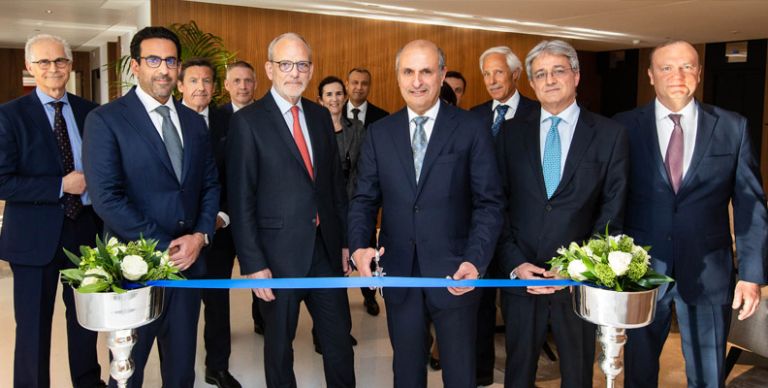
Watani Investment Company, a subsidiary of the National Bank of Kuwait Group, has introduced a comprehensive investment platform named NBK Invest and rebranded its brokerage services from Watani Brokerage to NBK Brokerage. This strategic move aims to unify the company’s investment products and services under the NBK brand, enhancing client accessibility and experience.

NBK Invest is designed to offer clients a seamless and integrated investment experience, providing a range of services tailored to meet diverse financial goals. The platform encompasses various investment solutions, including guided investments, money market funds, equity funds, and bond funds. By consolidating these services under the NBK brand, the company seeks to streamline its offerings and present a cohesive identity to its clientele.

Operating independently from NBK Invest, NBK Brokerage caters to clients seeking an active trading experience. The brokerage service provides access to multiple markets, including Boursa Kuwait, other Gulf Cooperation Council markets, and Egypt. Clients can engage in online trading, subscribe to capital increases, and efficiently manage dividend distributions. The rebranding to NBK Brokerage reflects the company’s commitment to delivering comprehensive brokerage services with expert trading support, all under the trusted NBK name.

The decision to unify investment services under the NBK brand aligns with the company’s broader strategy to enhance brand recognition and trust. By offering a cohesive suite of investment and brokerage services, NBK aims to provide clients with a more streamlined and user-friendly experience. This initiative is expected to bridge the gap between clients and the company’s diverse financial products, fostering a more integrated approach to wealth management.

In addition to the rebranding efforts, NBK has emphasized its commitment to technological innovation within its investment services. The NBK Invest platform incorporates advanced digital tools, enabling clients to monitor their portfolios, execute trades, and access market insights in real-time. This digital-first approach is designed to meet the evolving needs of modern investors, offering convenience and efficiency in managing their investments.

The rebranding of Watani Brokerage to NBK Brokerage also signifies a strategic effort to align the company’s services with the overarching NBK brand identity. This alignment is anticipated to enhance client trust and loyalty, as the NBK brand is synonymous with financial stability and excellence in the region. By integrating its brokerage services under this well-established brand, the company aims to attract a broader client base and reinforce its position in the competitive financial services market.

NBK Brokerage offers specialized services tailored to meet the unique needs of different client segments. For instance, the brokerage provides Sharia-compliant trading options, allowing clients to invest in accordance with Islamic principles. This inclusivity ensures that a diverse range of clients can find investment solutions that align with their financial objectives and ethical considerations.

The Dubai Maritime Authority , operating under the Ports, Customs, and Free Zone Corporation, has announced a significant initiative to enhance telecommunications coverage across Dubai’s coastal regions. This project, unveiled during the Dubai International Boat Show 2025 at Dubai Harbour, aims to bolster network infrastructure in collaboration with three strategic partners.

Central to this initiative is the installation of four advanced telecommunications towers. These structures are slated for deployment in key maritime locations, including Dubai Islands, The World Islands, Palm Jebel Ali, and Dubai Waterfront. The enhanced network is expected to provide robust and reliable communication services, thereby improving safety and operational efficiency for maritime activities in these areas.

Sheikh Dr. Saeed bin Ahmed bin Khalifa Al Maktoum, CEO of the Dubai Maritime Authority, emphasized the project’s alignment with Dubai’s vision to become a global leader in maritime innovation. He stated that the enhanced telecommunications infrastructure will not only support existing maritime operations but also attract international stakeholders, fostering economic growth within the sector.

The Dubai International Boat Show 2025 served as a strategic platform for this announcement. The event, held from February 19 to 23 at Dubai Harbour, attracted over 30,000 visitors and featured more than 1,000 brands from over 60 countries. Highlights included the display of over 200 yachts and watercraft, underscoring Dubai’s status as a premier maritime hub.

In addition to the telecommunications project, the DMA signed an agreement with Octanta Maritime Academy during the exhibition. This partnership aims to enhance training and development within the maritime sector, ensuring that industry professionals are equipped with the latest skills and knowledge to navigate the evolving landscape.

The Gulf Cooperation Council economies are poised to outpace global economic growth in 2025, driven by strategic diversification efforts and robust non-oil sector expansion. According to First Abu Dhabi Bank’s latest Global Investment Outlook report, the GCC’s gross domestic product is projected to nearly double, reaching 3.6% in 2025, surpassing the International Monetary Fund’s global growth forecast of 2.8%.

Saudi Arabia stands at the forefront of this regional surge, with its non-oil GDP anticipated to grow by 4.4% in 2025, up from 3.5% the previous year. This projection aligns with PwC’s analysis, which also foresees a 4.4% expansion in the kingdom’s non-oil economy for the same period. The IMF further estimates that Saudi Arabia’s overall economy will expand by 3.3% in 2025, with growth accelerating to 4.1% in 2026. This optimistic outlook is bolstered by Moody’s recent upgrade of Saudi Arabia’s sovereign credit rating to Aa3, reflecting the success of its economic diversification initiatives and reduced reliance on oil revenues.

The United Arab Emirates is also projected to experience significant economic growth. The IMF forecasts a 5.1% increase in the UAE’s GDP for 2025, while the World Bank anticipates growth rates of 4% in 2025 and 4.1% in 2026. These projections are underpinned by the UAE’s strategic investments in non-oil sectors, business-friendly regulations, and a low corporate tax regime. S&P Global Ratings highlights that the UAE’s GDP growth is expected to remain strong between 2025 and 2027, supported by buoyant non-hydrocarbon activities.

Oxford Economics echoes this positive sentiment, predicting that the GCC’s regional GDP growth will nearly double to 3.6% in 2025, outpacing the global forecast of 2.8%. This growth is attributed to gradual increases in oil production and sustained robust trajectories in non-energy sectors. The World Bank concurs, projecting that the GCC region will grow by 3.4% in 2025 and 4.1% in 2026, compared to an expected 3.3% growth rate for the broader Middle East and North Africa region.

FAB’s Group Head of Global Private Banking, Michel Longhini, emphasized the region’s resilience, stating, “The 2025 global economic environment presents unique challenges, but the GCC region continues to stand out as a beacon of resilience and opportunity.” This resilience is further demonstrated by the UAE’s non-oil GDP growth, which is expected to remain strong at 4.9% in 2024 and 5% in 2025, supported by government initiatives to attract foreign investments and promote economic diversification.

In Saudi Arabia, economic growth is expected to accelerate in 2025 due to an increase in oil production, following two years of modest performance. A Reuters poll of economists indicates that the kingdom’s economy is forecasted to grow by 4.4% in 2025, up from an anticipated 1.3% this year. This growth is driven by plans to reverse previous production cuts and bolster non-oil revenues.

Elon Musk, at the helm of the Department of Government Efficiency , has initiated a series of aggressive reforms targeting federal agencies, igniting debates over the balance between technological innovation and governmental oversight. Appointed by President Donald Trump, Musk’s mandate is to streamline government operations, a mission he has approached with characteristic boldness.

In a striking display at the Conservative Political Action Conference, Musk brandished a chainsaw, symbolizing his intent to cut through bureaucratic inefficiencies. This theatrical gesture underscores his commitment to employing advanced technologies, particularly artificial intelligence, to overhaul traditional governmental processes. However, critics argue that such methods may lead to indiscriminate reductions, potentially undermining essential public services.

Central to Musk’s strategy is a directive requiring federal employees to substantiate their weekly contributions. An email circulated mandates that staff enumerate five specific achievements each week, with non-compliance interpreted as voluntary resignation. This policy aligns with President Trump’s broader agenda to downsize the federal workforce, including proposed cuts to the Defense Department and incentives for remote employees to accept buyouts. Proponents assert that these measures will enhance accountability and fiscal responsibility, while detractors view them as draconian and demoralizing.

The composition of DOGE’s leadership has also drawn attention. Notably, Edward Coristine, a 19-year-old with a background in cybersecurity, has emerged as a key figure within the department. His rapid ascent and the unconventional approaches of the team have raised questions about the experience and methods driving these significant governmental changes.

Musk’s influence extends to regulatory frameworks affecting his business interests. Following substantial campaign contributions from the tech sector, including a $300 million donation from Musk, the administration has rolled back several regulations and dismissed major lawsuits against companies like SpaceX and Coinbase. This deregulatory trend has sparked discussions about potential conflicts of interest and the ethical implications of intertwining public policy with private enterprise.

Despite these advancements, DOGE has encountered legal challenges. A federal judge recently denied a motion to restrict DOGE’s access to sensitive Treasury data, a decision that has intensified debates over data privacy and the extent of DOGE’s authority. The Department of Justice has since agreed to limit DOGE’s access to personal taxpayer information, reflecting ongoing concerns about the scope and oversight of Musk’s initiatives.

Türkiye has launched its inaugural New-Type Landing Craft Tank at the Anadolu Shipyard in Istanbul, marking a significant advancement in the nation’s naval capabilities. The vessel, designated YLCT C-159, is the first of eight planned ships under a project initiated in early 2024 by the Presidency of Defense Industries.

The contract for these advanced amphibious vessels was signed in April 2024, and just ten months later, the first ship has been successfully launched. The remaining seven ships are slated for completion within the next 27 months, with the second YLCT expected to launch within a week. This accelerated timeline underscores Türkiye’s commitment to enhancing its naval fleet with domestically produced assets.

Haluk Gorgun, head of Turkish Defence Industries, expressed pride in this milestone, stating that it brings Türkiye closer to its goal of a stronger and more deterrent navy in the “Blue Homeland.” The YLCTs are designed to transport various vehicles and personnel, playing a crucial role in combat missions, disaster response, humanitarian aid, and evacuation operations.

Over the past 23 years, Türkiye has significantly increased the domestic production rate of its naval platforms from 20% to 80%. This achievement positions the country among a select group capable of designing, building, and maintaining a comprehensive range of military ships, including amphibious assault ships, support vessels, combat ships, and submarines.

The Anadolu Shipyard, located in Tuzla, Istanbul, has been instrumental in this progress. Founded in the early 1950s, the shipyard has evolved from building sailing yachts to advanced military vessels. It boasts facilities capable of constructing ships up to 17,000 DWT, with two shipways measuring 200 meters and 140 meters, respectively. The shipyard can simultaneously build up to six vessels, reflecting its substantial capacity and expertise.

In addition to bolstering its own naval forces, Türkiye has made strides in exporting domestically produced warships. The country has delivered vessels to nations such as Indonesia, Malaysia, Pakistan, Nigeria, and Qatar. Notably, in December 2024, Turkish defense company STM announced a contract to build two naval logistics ships for Portugal, marking Türkiye’s first military shipbuilding export to a NATO and EU member state.

The YLCT class ships are poised to enhance Türkiye’s operational capabilities significantly. These vessels are designed for high-speed operations, capable of transporting tanks, troops, and supplies during various missions. Their versatility makes them invaluable assets for both military logistics and humanitarian efforts, including natural disaster response and evacuation operations.

The launch of YLCT C-159 signifies a broader national effort to develop a self-sufficient defense industry. Türkiye’s focus on domestic production aims to reduce reliance on foreign suppliers and strengthen its strategic autonomy. This initiative aligns with the country’s long-term vision of becoming a formidable maritime power, capable of projecting influence and ensuring security within its regional waters and beyond.

As the remaining YLCT vessels are completed and integrated into the fleet, Türkiye’s naval forces will experience a substantial boost in their operational readiness and versatility. The successful execution of this project reflects the nation’s growing industrial capabilities and its determination to assert itself as a key player in the global defense sector.

The Anadolu Shipyard’s role in this endeavor cannot be overstated. With a history dating back to the 1950s, the shipyard has transformed into a hub of advanced naval construction. Its facilities, including two expansive shipways and multiple quays, enable the construction and maintenance of a wide array of vessels. The shipyard’s capacity to build up to six ships simultaneously highlights its strategic importance to Türkiye’s defense infrastructure.

Looking ahead, Türkiye’s investment in domestic naval production is expected to yield significant economic and strategic benefits. The development of indigenous shipbuilding capabilities not only enhances national security but also opens avenues for international collaboration and export opportunities. As Türkiye continues to modernize its fleet, it sets a precedent for self-reliance and innovation in defense manufacturing.

The launch of the first YLCT ship represents a pivotal moment in Türkiye’s maritime history. It exemplifies the nation’s commitment to strengthening its naval forces through domestic ingenuity and production. As subsequent vessels join the fleet, Türkiye is poised to enhance its maritime security and project power more effectively on the global stage.

The Xposure International Film Awards 2025, held during the 9th International Photography Festival in Sharjah, United Arab Emirates, have recognised outstanding achievements in global filmmaking. This year’s event saw a significant increase in participation, with 834 submissions from filmmakers worldwide, surpassing the previous year’s entries.

Organised by the Sharjah Government Media Bureau , the awards ceremony honoured winners across four categories: Short Film, Animation, Cinematic Arts, and Documentary Feature. The event underscored the festival’s commitment to celebrating diverse and innovative storytelling in the visual arts.

In the Short Film category, Iranian filmmaker Payam Mahmoudi Kurdistani received the top accolade for “Nietzschean Suicide,” a film that captivated audiences with its profound narrative. Italian director Andrea Devicenzi was recognised as the runner-up for “Crossing The North,” an impactful portrayal of personal journey and resilience.

The Animation category highlighted dynamic visual storytelling, awarding first place to Spain’s Andres Aguilar for “The Strange Case Of The Human Cannonball.” Turkish animator Mustafa Keskin secured the runner-up position with “Ari-6427,” showcasing creativity and technical prowess.

Iranian filmmaker Mehrshad Karkhani triumphed in the Cinematic Arts category with “Bruise-Lips Tulip,” a film noted for its artistic depth and compelling visuals. Finnish filmmakers Markku Hakala and Mari Kaki earned the runner-up spot for “Giants Kettle,” a work that impressed with its unique perspective and storytelling.

The Documentary Feature category honoured Belgian directors Jurgen Buedts and Sahim Omar Kalifa for “Iraq’s Invisible Beauty,” a documentary that offers a poignant exploration of unseen narratives. Portuguese filmmaker Diogo Andrade was named runner-up for “Sikat Subar – A Hidden Colourful Feather,” a documentary that sheds light on overlooked cultural stories.

Beyond the competitive categories, the festival paid tribute to ten luminaries whose contributions have significantly impacted the filmmaking industry. Honourees included Academy Award winners and changemakers such as Brent Homann, Franklin Leonard, Glenn Gainor, Jerome Pink, Maitha Alawadi, Martin Desmond Roe, Pippa Erlich, Roger Horrocks, Siraj Jhaveri, and Travon Free. Each was presented with tokens of appreciation for their invaluable efforts in advancing the art of cinema.

Advertisements

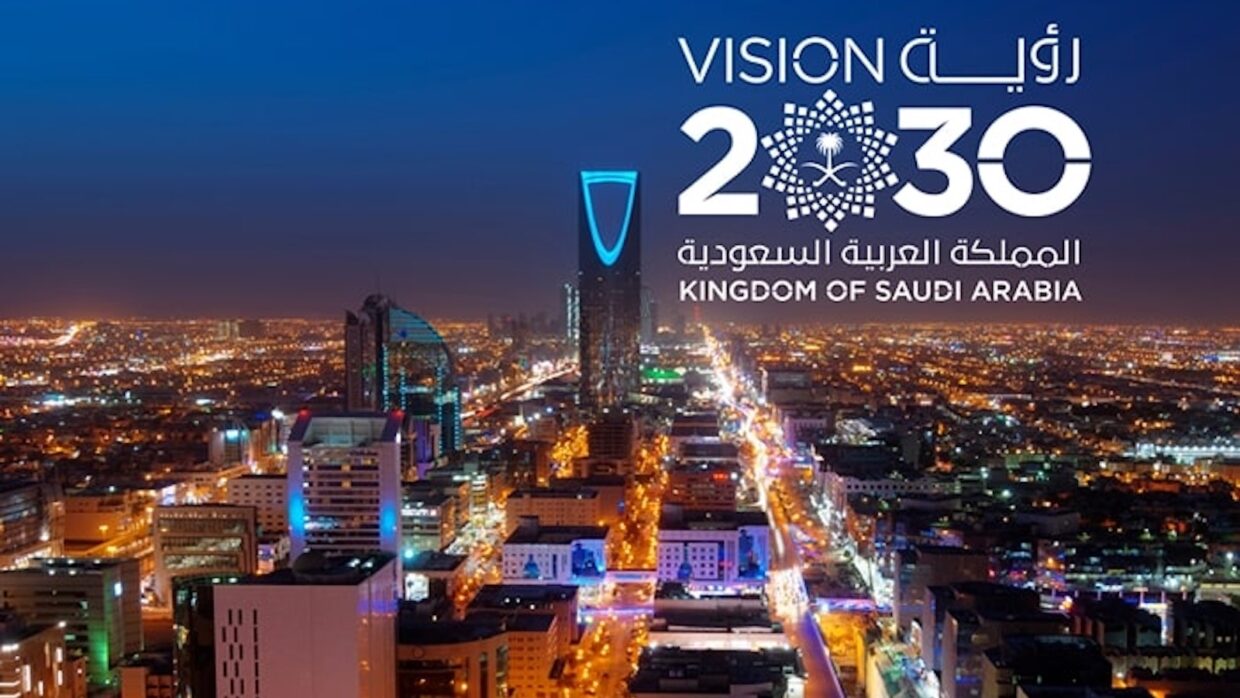
Saudi Arabia is rapidly transforming the Gulf Cooperation Council’s private equity landscape through strategic initiatives, regulatory reforms, and its unwavering commitment to Vision 2030. This ambitious blueprint is redefining the region’s investment environment, setting new standards for growth, diversification, and global collaboration.

Over the past five years, private equity investments in Saudi Arabia have experienced remarkable expansion. In 2023 alone, the Kingdom attracted nearly $4 billion in private equity, a significant increase from previous years. This surge is largely attributed to the nation’s stable economic climate, with inflation rates maintained at 2.1 percent in 2024 and a projected 2.3 percent in 2025, fostering a conducive environment for investors.

A pivotal element of this growth is Saudi Arabia’s strategic push to privatize key state-owned assets, including sectors such as airports, water, sports, and energy services. This move has unlocked investment opportunities exceeding $50 billion, actively inviting private sector participation across critical areas like infrastructure, healthcare, education, tourism, and entertainment. The Public Investment Fund , the Kingdom’s sovereign wealth fund, plays a central role in this transformation. Notably, PIF has entered into agreements with Japanese financial institutions, securing up to $51 billion to enhance capital flows through both debt and equity channels. Additionally, PIF plans to establish a $1 billion joint fund with the Hong Kong Monetary Authority, targeting investments in firms expanding into Saudi Arabia, particularly in manufacturing and renewable energy sectors.

The Kingdom’s dedication to Vision 2030 is further exemplified by the establishment of the Savvy Games Group in 2021. This initiative aims to position Saudi Arabia as a global gaming hub by 2030, with plans to invest $37.8 billion in the video game industry. The strategy includes acquiring leading game developers and publishers, fostering job creation, and contributing significantly to the national GDP. In line with this vision, Savvy Games Group acquired the American mobile game developer Scopely for $4.9 billion in 2023 and is reportedly in discussions to acquire the gaming division of Niantic for $3.5 billion.

Public-private partnerships are also instrumental in empowering Saudi businesses to expand globally. These collaborations offer domestic companies the opportunity to engage with international markets and learn from global best practices. Experts highlight that PPPs are pivotal in transforming Saudi Arabia’s economy, leading to increased foreign direct investment and sustainable economic growth. The government’s proactive approach in fostering these partnerships underscores its commitment to creating a vibrant environment for both local and international investors.

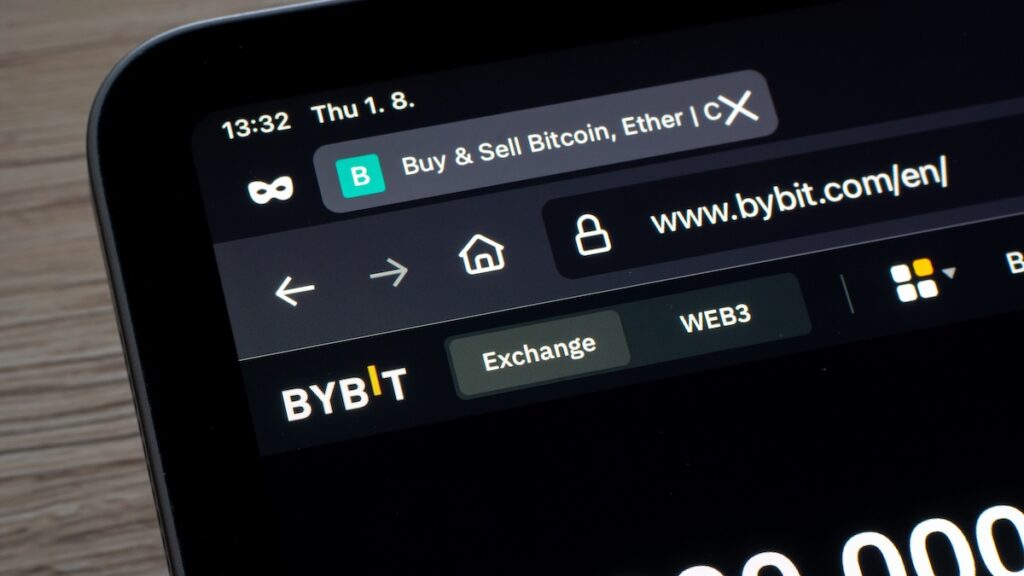
In a significant security breach, Dubai-based cryptocurrency exchange Bybit has reported the theft of approximately $1.5 billion worth of Ethereum. The incident, which stands as one of the largest in the history of digital currencies, has raised serious concerns about the security protocols of cryptocurrency platforms.

Bybit’s CEO, Ben Zhou, disclosed that during a routine transfer from the exchange’s cold wallet to a warm wallet, an attacker managed to manipulate the transaction interface. This manipulation granted the hacker control over the cold wallet, enabling the unauthorized transfer of around 401,000 Ethereum tokens to an unidentified address. Despite the magnitude of the theft, Zhou assured clients that all their assets remain fully backed and unaffected, emphasizing that the exchange’s operations continue without disruption.

The breach has prompted Bybit to collaborate with blockchain forensic experts to trace and recover the stolen funds. Initial investigations suggest that the pilfered assets are being moved across various new addresses, complicating the recovery efforts. Notably, TRM Labs, a blockchain intelligence firm, has linked the attack to North Korean hackers, citing substantial overlaps between the addresses used in this breach and those associated with previous North Korean cyber thefts. This connection underscores the escalating involvement of state-sponsored actors in large-scale cryptocurrency crimes.

In response to the incident, Bybit has processed over 350,000 withdrawal requests, aiming to maintain client trust and ensure liquidity. The exchange has also implemented bridge loans to compensate users for any unrecovered funds, highlighting its commitment to safeguarding customer interests. However, the hack has led to a noticeable decline in the value of Bybit’s native token, which experienced a drop of up to 6% following the news.

This event adds to a series of high-profile security breaches within the cryptocurrency sector. In 2024 alone, cybercriminals absconded with approximately $2.2 billion from various crypto platforms, reflecting the persistent vulnerabilities in the industry’s security infrastructure. The Bybit hack, surpassing previous incidents in scale, serves as a stark reminder of the challenges that digital asset exchanges face in protecting against increasingly sophisticated cyber threats.

The broader cryptocurrency market has also felt the impact of the Bybit breach. Both Bitcoin and Ethereum experienced slight declines in value as traders reacted to the unfolding situation. Analysts suggest that such incidents could hinder the path to mainstream adoption of cryptocurrencies, as security concerns remain a significant barrier for potential investors.

Saudi Arabia has rapidly become a pivotal player in the Gulf Cooperation Council’s private equity sector, driven by strategic reforms and its ambitious Vision 2030 agenda. Over the past five years, the Kingdom’s private equity investments have experienced remarkable growth, escalating from $523 million in 2019 to $4 billion in 2023, reflecting a compound annual growth rate of 66%. This surge underscores Saudi Arabia’s commitment to creating an investor-friendly environment that appeals to both domestic and international stakeholders.

A significant factor contributing to this expansion is the dominance of buyout transactions, which have consistently constituted approximately 80% of the total private equity capital deployed in the country. This trend indicates a robust market for mergers and acquisitions, aligning with the nation’s objectives to diversify its economy and reduce reliance on oil revenues. Additionally, growth equity investments are gaining momentum, supporting mid-sized companies poised for expansion and further stimulating economic diversification.

The Kingdom’s strategic initiatives, particularly the Shareek Program launched in 2021, play a crucial role in this transformation. Designed to bolster large Saudi enterprises, Shareek aims to accelerate private sector investments, fostering economic development and enhancing the global competitiveness of Saudi businesses. By facilitating partnerships between the public and private sectors, the program seeks to unlock new investment opportunities and drive sustainable growth.

Sector-wise, technology and infrastructure have emerged as focal points for private equity investments. The government’s emphasis on digital transformation and smart city projects has attracted substantial capital, leading to advancements in these areas. For instance, the development of NEOM, a futuristic city envisioned under Vision 2030, exemplifies the type of large-scale infrastructure projects drawing investor interest. Such initiatives not only modernize the nation’s landscape but also create a plethora of opportunities for private equity firms seeking to capitalize on the burgeoning demand for innovative solutions.

In tandem with these developments, Saudi Arabia’s Public Investment Fund has been instrumental in anchoring foreign investments within the Kingdom. By collaborating with international asset managers and financial institutions, PIF aims to attract $100 billion in annual foreign direct investments by 2030. Notable partnerships include a $2 billion Middle East infrastructure fund with Canadian asset manager Brookfield and agreements with Japanese financial entities, reflecting the Kingdom’s strategic approach to integrating global expertise and capital into its economic framework.

However, the rapid evolution of the private equity landscape is not without challenges. Proposed changes by the Accounting and Auditing Organization for Islamic Financial Institutions could introduce complexities in the Islamic debt market, potentially affecting transaction structures and investor appeal. The new rules mandate issuers of Islamic bonds to transfer legal ownership of underlying assets to investors, aiming for closer adherence to Islamic principles of risk-sharing. While intended to enhance compliance, these changes may increase transaction costs and deter investment if not managed adeptly.

Liquidity concerns persist, particularly in sectors with less mature market infrastructures. The developing nature of the private equity and venture capital ecosystems necessitates continuous efforts to deepen capital markets and enhance investor confidence. Initiatives to address these issues include the maturation of Saudi Arabia’s stock market, which is progressively offering more exit avenues for private equity investments, thereby improving liquidity and attracting further capital inflows.

The Kingdom’s proactive stance in privatizing state-owned assets across various sectors, such as energy, infrastructure, healthcare, education, tourism, and entertainment, has unlocked vast opportunities for both local and international investors. With investments now exceeding $50 billion, these privatization efforts signify a pivotal shift in Saudi Arabia’s economic landscape, promoting private sector involvement and fostering a more dynamic investment climate.

In the realm of sports and entertainment, Saudi Arabia has made significant strides, exemplified by its $1 billion investment in DAZN, a sports streaming service owned by billionaire Sir Leonard Blavatnik. This strategic move not only amplifies the Kingdom’s presence in the global sports industry but also aligns with its broader objectives to diversify the economy and enhance its international image. The collaboration aims to broadcast Saudi sports and events to over 200 markets, showcasing the nation’s commitment to expanding its cultural and entertainment footprint worldwide.

The Dubai Maritime Authority , under the Ports, Customs, and Free Zone Corporation, has unveiled a strategic initiative to bolster telecommunications coverage across the emirate’s waters. This project involves the installation of four advanced telecommunications towers, aiming to provide comprehensive network coverage in key maritime zones, including Dubai Islands, The World Islands, Palm Jebel Ali, and Dubai Waterfront.

Sheikh Dr. Saeed bin Ahmed bin Khalifa Al Maktoum, CEO of the DMA, emphasized that this initiative aligns with Dubai’s vision to establish itself as a premier global maritime hub. “Our participation in this project reflects our commitment to enhancing Dubai’s position as a leading center for maritime navigation, luxury yachts, and recreational marine activities,” he stated.

The announcement was made during the Dubai International Boat Show, where the DMA showcased the “Dubai Waterways Telecom Network Coverage” project. This initiative is set to enhance the telecommunications infrastructure, ensuring seamless connectivity for maritime operations and leisure activities.

In collaboration with key partners, the project aims to address existing connectivity gaps in Dubai’s maritime regions. The enhanced network is expected to support various maritime stakeholders, including commercial vessels, recreational boaters, and emergency services, by providing reliable communication channels essential for safety and operational efficiency.

This development is part of a broader strategy to integrate advanced technologies into Dubai’s maritime sector. By improving telecommunications infrastructure, the DMA seeks to attract regional and international maritime enterprises, fostering investment and reinforcing Dubai’s status as a competitive maritime capital.

The initiative also complements previous efforts to streamline maritime operations. For instance, the Telecommunications and Digital Government Regulatory Authority had previously signed a memorandum of understanding with the Ports, Customs, and Free Zone Corporation to simplify the authorization process for maritime vessels. This agreement aimed to establish a cohesive procedure for acquiring necessary authorizations through the DMA, thereby enhancing operational efficiency within Dubai’s territorial waters.

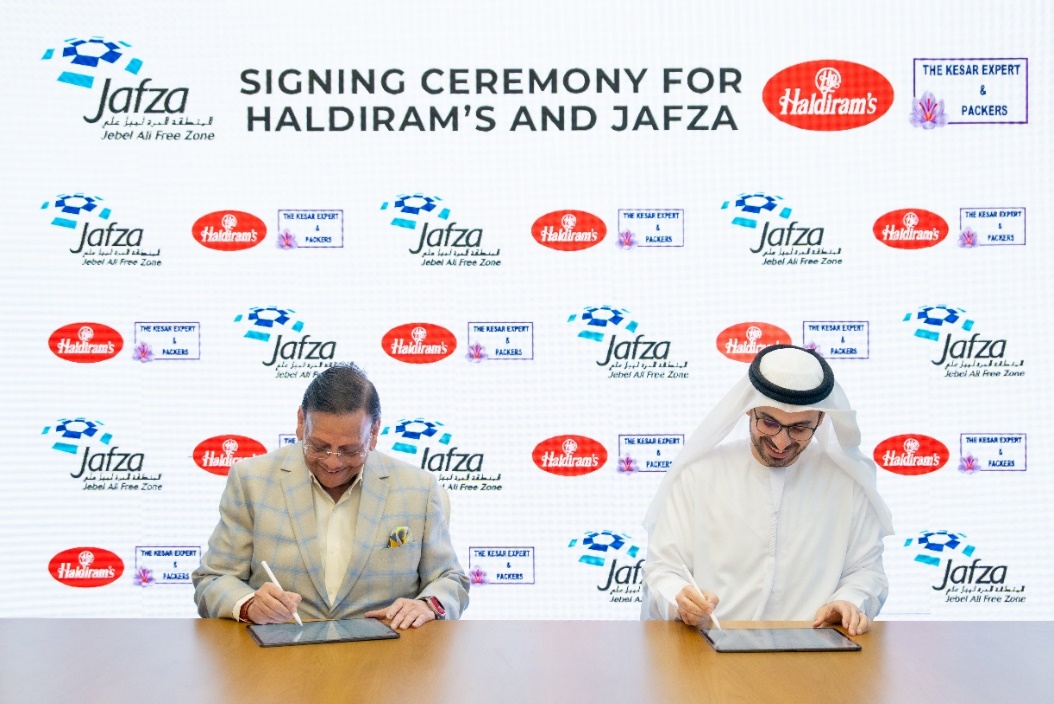
Jebel Ali Free Zone has entered into a partnership with Indian multinational food brand Haldiram’s to establish one of the largest saffron processing facilities in the Gulf Cooperation Council region. The agreement was formalised during the Gulfood event in Dubai.

Scheduled to commence operations in March 2025, the facility will be managed by Kesar Expert & Packers, a company with 22 years of experience in high-quality saffron processing in India. The plant aims to obtain the globally recognised European BRCGS certification, ensuring the quality and purity of its saffron products.

Initially, the hub will process 30 metric tonnes of saffron annually, with plans to expand capacity to 100 metric tonnes over the next five years. This growth strategy will leverage the Comprehensive Economic Partnership Agreement between the UAE and India, as well as the advanced connectivity and infrastructure provided by Jebel Ali Port and Jafza.

The collaboration also explores further avenues, including expanding Haldiram’s presence in Dubai and investing in additional food processing and distribution facilities. This initiative underscores Dubai’s position as a global trade hub, bolstered by Jafza’s thriving food and beverage sector, which currently hosts over 770 companies.

This development aligns with a series of significant engagements by Indian food and beverage companies at Gulfood. Reliance Consumer Products Limited introduced its renowned brand Campa to the UAE market, marking its inaugural entry, facilitated by Abu Dhabi’s Agthia Group. Additionally, Lulu Retail has signed nine strategic memorandums of understanding with global manufacturers to enhance product offerings across the GCC and beyond. Among these agreements is the introduction of Milaf Cola, a carbonated date beverage from Saudi Arabia, to LuLu stores throughout the GCC, with future plans to enter the Indian market.

Arabian Post Staff -Dubai The United Arab Emirates has rapidly transformed into a pivotal hub for international cricket, hosting major tournaments and nurturing a competitive national team. This evolution from informal matches to a central role in the cricketing world underscores the nation’s commitment to the sport. Cricket’s roots in the UAE trace back to 1892 when British military personnel introduced the game to the Trucial States. […]

Emirates SkyCargo has been awarded the ‘International Airline of the Year’ title at the STAT Times International Awards for Excellence in Air Cargo for the second consecutive year. This accolade, determined by votes from STAT Times’ global readership, underscores the airline’s significant influence in global logistics.

The award ceremony took place in Nairobi during the Air Cargo Africa 2025 event. Badr Abbas, Divisional Senior Vice President of Emirates SkyCargo, accepted the award on behalf of the company. In his remarks, Abbas highlighted the airline’s dedication to innovation and customer service, stating, “Emirates SkyCargo is the benchmark for excellence in the global logistics industry, serving as a trusted partner that seamlessly connects the world.”

Emirates SkyCargo, the freight division of Emirates, has been instrumental in connecting businesses across over 145 destinations on six continents for nearly four decades. Utilizing a combination of passenger aircraft and dedicated freighters, the airline offers a diverse range of specialized products supported by advanced infrastructure, ensuring efficient and reliable cargo movement.

Gulf Cooperation Council equity markets are projected to yield returns between 12% and 13% in 2025, according to First Abu Dhabi Bank’s latest Global Investment Outlook report. This optimistic forecast is underpinned by robust economic growth, strategic diversification efforts, and a stable geopolitical climate within the region.

The report highlights that the United Arab Emirates is expected to see its Gross Domestic Product growth accelerate from 4.5% to 5.6% in 2025, surpassing the International Monetary Fund’s global growth projection of 3.2%. This surge is attributed to significant investments in non-oil sectors, including technology, tourism, and renewable energy, as part of the nation’s broader economic diversification strategy.

Similarly, the broader GCC region is anticipated to double its growth rate from 2.1% to 4.2% in 2025. This expansion is driven by strategic initiatives aimed at reducing dependence on oil revenues and fostering sustainable economic development. The FAB report emphasizes that these efforts are positioning the GCC economies to outpace global growth in the coming year.

In the equity markets, an expected earnings growth of 11.1% and a price-to-earnings ratio of approximately 15.18x are projected to support the anticipated double-digit returns, inclusive of dividends. The petrochemical sector, in particular, is poised for a strong recovery, bolstered by increased global demand and favorable pricing dynamics. Additionally, the financial sector is set to benefit from rising interest rates and enhanced profitability metrics.

Fitch Ratings’ recent analysis aligns with this positive outlook, indicating a stable forecast for GCC corporates in 2025, underpinned by resilient fundamentals. The real estate sector is also expected to experience continued growth, with gross leverage projected to improve to an average of 2x in 2025, down from 2.5x in 2024.

The FAB report further underscores the role of artificial intelligence and technological innovation as pivotal drivers of economic transformation in the GCC. Governments across the region are investing heavily in AI and digital infrastructure, aiming to enhance productivity and create new avenues for economic growth. These technological advancements are expected to contribute significantly to the region’s GDP and attract foreign direct investment.

Abu Dhabi National Oil Company has successfully completed a $2.84 billion share offering in its subsidiary, ADNOC Gas. The sale involved approximately 3.1 billion shares, priced at 3.40 dirhams each, representing 4% of ADNOC Gas’s total share capital. This transaction stands as the largest share sale in the Middle East and North Africa region since Saudi Aramco’s $12.3 billion offering in June.

The offering witnessed exceptional demand from institutional investors across the Gulf Cooperation Council and international markets, with total oversubscription reaching 4.4 times. The pricing of 3.40 dirhams per share reflects a 43% premium over ADNOC Gas’s initial public offering price of 2.37 dirhams per share and a 5% discount to the company’s closing share price of 3.58 dirhams on February 20, 2025, the last trading day before the offering.

Settlement of the offering is expected to occur on or around February 26, 2025. Post-transaction, ADNOC will retain an 86% majority stake in ADNOC Gas, while the company’s free float will increase by 80%, bringing it to a headline figure of 9%. This enhanced liquidity is anticipated to pave the way for ADNOC Gas’s inclusion in major indices such as the Morgan Stanley Capital International Emerging Market Index and the Financial Times Stock Exchange Emerging Market Index, potentially during the next quarterly review, subject to meeting all relevant inclusion criteria.

Khaled Al Zaabi, Group Chief Financial Officer at ADNOC, expressed pride in completing the UAE’s first-ever marketed offering and the largest placement on the Abu Dhabi Securities Exchange to date. He highlighted that the exceptional demand and competitive pricing underscore strong investor confidence in ADNOC Gas’s performance and growth prospects. Al Zaabi reaffirmed ADNOC’s commitment as a long-term majority shareholder, emphasizing the subsidiary’s integral role in Abu Dhabi’s decarbonization and growth ambitions.

ADNOC Gas has demonstrated consistent growth and profitability. In its full-year 2024 financial results, the company reported an adjusted net income of $5 billion, the highest since its IPO, with $1.38 billion earned in the fourth quarter alone. These figures significantly surpass Bloomberg consensus estimates. The company’s robust performance aligns with its strategic update announced in November 2024, which outlined a refreshed growth pipeline. This includes the planned acquisition of Ruwais LNG and a target of over 40% adjusted EBITDA growth by 2029.

The successful offering is expected to diversify ADNOC Gas’s shareholder base and enhance liquidity. A higher free float is also projected to facilitate the company’s inclusion in prominent emerging market indices, broadening its investor base and increasing awareness of its value proposition.

BofA Securities, Citi, EFG-Hermes, First Abu Dhabi Bank, HSBC, and International Securities acted as joint global coordinators and bookrunners for the offering. ADNOC has agreed to a restriction on selling additional shares for a period of six months from the closing of the offering, subject to certain exceptions and unless waived by the joint global coordinators.

ADNOC Gas, operational since early 2023, was formed by consolidating ADNOC’s gas processing, liquefied natural gas , and industrial gas operations into a single entity. The company went public on the ADX, raising approximately $2.5 billion in one of the region’s largest IPOs in recent years. This latest share sale further underscores ADNOC’s strategy to unlock value from its assets and attract a diversified investor base.

Rabdan Academy, a prominent institution specializing in safety, security, defence, emergency preparedness, and crisis management, has formalized a training agreement with INTERPOL. This collaboration aims to bolster cooperation in research, training, and the exchange of expertise between the two entities.

With the signing of this agreement, Rabdan Academy officially joins the INTERPOL Global Academy Network, a consortium dedicated to elevating training standards for law enforcement agencies worldwide through collaborative efforts and knowledge sharing among leading institutions.

The partnership outlines a framework for both organizations to identify and develop joint training activities and projects. These initiatives will encompass courses, seminars, conferences, curricula development, study tours, and train-the-trainer programs, all designed to enhance the capabilities of law enforcement personnel globally.

His Excellency James Anthony Morse, President of Rabdan Academy, emphasized the strategic importance of this alliance, stating that it aligns with the Academy’s mission to develop specialized skills and capabilities in relevant fields. He highlighted that collaboration with key international and local partners is essential for achieving this goal.

INTERPOL’s Secretary General, His Excellency Valdecy Urquiza, underscored the value of partnering with esteemed academic institutions like Rabdan Academy. He noted that such collaborations are vital for developing comprehensive global training methodologies and standards for law enforcement, benefiting INTERPOL’s member countries and enhancing the effectiveness of the Global Academy Network.

The agreement includes commitments to jointly develop training materials and curricula, exchange academic and training resources, and share expertise and faculty members. This cooperative approach aims to create robust training opportunities and foster applied research on topics pertinent to law enforcement.

Students at Rabdan Academy will gain access to courses and training tools from the INTERPOL Virtual Academy, enriching their proficiency in international policing. Additionally, Rabdan Academy’s training programs will receive accreditation from INTERPOL, ensuring they meet global standards of excellence.

This partnership was formalized during the International Defence Exhibition 2025, where Rabdan Academy is actively participating as an exhibitor. IDEX 2025 serves as a platform for showcasing the latest advancements in defence technology and fostering collaborations among global security stakeholders.

Rabdan Academy’s involvement in IDEX 2025 underscores its commitment to shaping the future of defence and security. The Academy is showcasing its specialized programs in safety, security, and crisis management, highlighting its role as a hub of expertise that brings together policymakers, defence leaders, and global experts to address evolving security challenges.

In addition to its partnership with INTERPOL, Rabdan Academy is set to announce new global collaborations aimed at strengthening its leadership in security and defence education. These initiatives reflect the Academy’s dedication to fostering expertise and cooperation to enhance global security efforts.

The INTERPOL Global Academy Network, established in 2019, is a collective of trusted law enforcement education institutions committed to providing a unified approach to law enforcement training. Rabdan Academy’s inclusion in this network signifies a significant step toward enhancing the quality and reach of specialized training programs for law enforcement professionals worldwide.

Through this partnership, both Rabdan Academy and INTERPOL aim to address contemporary challenges in law enforcement by leveraging their combined expertise and resources. The collaborative efforts are expected to result in the development of innovative training solutions that are responsive to the dynamic nature of global security threats.

As part of the agreement, there will be a concerted focus on applied research, enabling both institutions to contribute to the body of knowledge in law enforcement practices. This research component is poised to inform policy decisions and operational strategies, thereby enhancing the effectiveness of law enforcement agencies across different jurisdictions.

President Donald Trump is actively promoting U.S. liquefied natural gas exports to Asian nations, aiming to strengthen economic ties and reduce their dependence on Middle Eastern and Russian energy sources. In a strategic move, Trump and Japanese Prime Minister Shigeru Ishiba have discussed Japan’s potential involvement in an Alaskan LNG project, highlighting the benefits of a direct energy route that bypasses traditional, and often volatile, sea lanes.

The administration’s focus is not solely on Japan. Other Asian countries, including South Korea and Taiwan, are also considering increased imports of U.S. LNG. This initiative is designed to enhance energy security across the region and diminish the influence of China and Russia. Trump’s energy advisor, Doug Burgum, emphasized the strategic advantages of these partnerships, noting that they offer a more stable and secure energy supply chain for U.S. allies in Asia.

In line with this strategy, Sentinel Midstream is advancing its deepwater oil export project, Texas GulfLink. Located approximately 30.5 miles off the coast of Freeport, Texas, the facility aims to fully load supertankers with up to 2 million barrels of oil per day. This capability is currently unique to the Louisiana Offshore Oil Port. Sentinel’s CEO, Jeff Ballard, expressed optimism about the project’s progress, citing the administration’s expedited approval processes as a significant factor in moving forward.

Despite initial market fluctuations following discussions between Trump and Russian President Vladimir Putin regarding the Ukraine conflict, energy markets remain cautious. The anticipated peace has not materialized, and experts suggest that if a resolution were imminent, a more substantial decline in oil and gas prices would be evident. This uncertainty underscores the importance of diversifying energy sources and reducing reliance on regions prone to geopolitical tensions.

Taiwan’s National Security Council head, Joseph Wu, highlighted the robust support from the U.S., noting that Taiwan is exploring increased purchases of American LNG. This move aims to balance trade and address criticisms from Trump regarding trade imbalances and the semiconductor industry’s dynamics. Wu emphasized Taiwan’s transparency in international business and expressed interest in future Alaskan LNG productions due to their quality and logistical advantages.

Denmark’s Prime Minister, Mette Frederiksen, shared insights into a recent intense conversation with President Trump concerning his renewed interest in acquiring Greenland. This discussion has added complexity to U.S.-Denmark relations, especially in the context of global security challenges posed by nations like Russia, Iran, and North Korea. Frederiksen underscored the necessity for Europe to bolster its defense investments and the importance of U.S.-Europe cooperation in addressing these global threats.

Cheniere Energy, a leading U.S. LNG exporter, plans to expand its capacity under the current administration. CEO Jack Fusco announced intentions to pursue new regulatory permits, aligning with Trump’s agenda to boost the U.S. energy sector. This expansion is poised to meet the growing demand from Asian markets seeking reliable and diversified energy sources.

The administration has also established a council dedicated to achieving “energy dominance,” focusing on increasing natural gas exports and offshore drilling. This initiative aims to capitalize on the U.S.’s abundant energy resources, providing allies with alternative energy options and reducing global dependence on adversarial nations.

The significance of U.S. LNG in global energy dynamics is multifaceted. It not only offers economic benefits but also plays a crucial role in the global energy transition. By providing a stable and cleaner energy source, U.S. LNG supports efforts to reduce carbon emissions and offers countries an opportunity to diversify their energy portfolios.

Standard Chartered has announced a $1.5 billion share buyback and raised its earnings target following an 18% increase in annual profit for 2024. The London-based bank reported a pre-tax profit of $6 billion, up from $5.1 billion the previous year, slightly below analysts’ forecasts of $6.2 billion. The bank also declared a final interim dividend of 28 cents per share and upgraded its 2026 return on tangible equity target to “approaching 13%” from the previously estimated 12%.

The significant profit growth was largely driven by record performance in Standard Chartered’s wealth management division and robust market activities. The wealth business experienced unprecedented growth, contributing substantially to the bank’s overall income. This surge reflects the bank’s strategic focus on affluent clients and larger international corporations, moving away from smaller domestic businesses and regular retail clients.

Despite the strong annual performance, the bank faced challenges in the fourth quarter. Pre-tax profits for this period fell by 30%, dropping to $800 million from $1.1 billion a year earlier, missing analysts’ expectations of $983 million. Earnings per share for the quarter also decreased by 41% to 20.2 cents from 34.0 cents in the previous year. This decline was attributed to specific credit impairments and a cautious approach to risk management in volatile markets.

In response to the evolving market landscape, Standard Chartered plans to double its investment in wealth management over the next five years. The bank aims to allocate approximately $1.5 billion to enhance its wealth business, focusing on hiring additional relationship managers and advisers, particularly in key financial hubs such as Hong Kong, Singapore, and Dubai. This strategic investment is intended to capitalize on the growing demand for diversified financial products among affluent clients in these regions.

The announcement of the $1.5 billion share buyback is set to commence imminently, with an expected reduction in the Common Equity Tier 1 ratio by approximately 61 basis points. This move underscores the bank’s commitment to returning value to shareholders while maintaining a strong capital position. The decision aligns with the bank’s broader strategy to optimize its capital structure and enhance shareholder returns.

Chief Executive Bill Winters expressed confidence in the bank’s overall strategy, emphasizing the importance of focusing on high-growth markets and client segments. He highlighted the bank’s efforts to streamline operations and reduce costs through the “Fit for Growth” plan, which aims to achieve significant cost savings and operational efficiencies. This initiative is part of the bank’s ongoing efforts to adapt to the dynamic financial environment and position itself for sustainable growth.

Standard Chartered’s strategic shift includes reducing exposure to China’s troubled real estate market, with a 46% decrease since late 2021. This move reflects the bank’s cautious stance amid concerns over the sector’s stability and potential impact on the broader economy. By reallocating resources to more stable and profitable areas, the bank aims to mitigate risks associated with market volatility and geopolitical tensions.

The bank’s shares have risen significantly since Winters’ appointment, reflecting investor confidence in the strategic direction and financial health of the institution. However, the shares still trade below the book value of the bank’s assets, indicating potential room for further appreciation as the bank continues to execute its growth strategy and enhance profitability.

While the annual results demonstrate resilience and strategic foresight, the decline in fourth-quarter profits highlights the challenges posed by the current economic climate. The bank remains vigilant in managing risks associated with the shifting global political landscape, potential misuse of artificial intelligence, the possibility of a new U.S.-China trade war, and political instability in regions like the Democratic Republic of Congo. These factors necessitate a balanced approach to growth and risk management to ensure long-term sustainability.

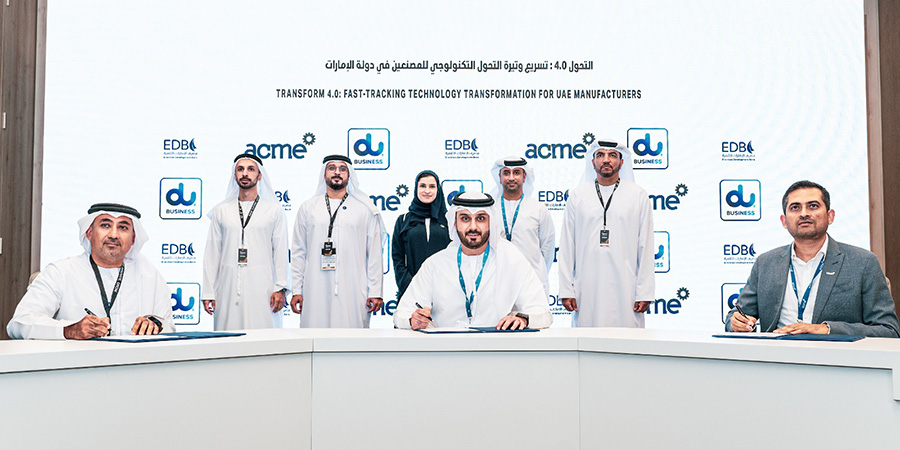
The EDGE Group’s Learning & Innovation Factory and the Ministry of Industry and Advanced Technology have formalised a partnership to accelerate the UAE’s industrial evolution. This collaboration, sealed during the International Defence Exhibition and Conference 2025 at the Abu Dhabi National Exhibition Centre, aims to advance the nation’s Industry 4.0 agenda under the Operation 300bn strategy.

The Memorandum of Understanding was signed by Fatma Essa Al Mheiri, Acting Director of the Technology Adoption and Development Department at MoIAT, and Ahmed Al Khoori, EDGE’s Senior Vice President of Strategy & Excellence. The ceremony was attended by Salama Alawadhi, Assistant Under-Secretary for the Industrial Development Sector at MoIAT, and Hamad Al Marar, EDGE’s Managing Director and Chief Executive Officer.

Under this agreement, LIF will serve as the strategic partner and executor of MoIAT’s Transform 4.0 programme. This initiative is designed to promote the adoption of advanced technologies and establish cutting-edge smart manufacturing facilities across the UAE. The programme’s objective is to support 100 high-potential manufacturers in their digitalisation efforts, fostering a network of Industry 4.0 lighthouses that exemplify excellence in smart manufacturing.

This partnership aligns with the UAE’s broader vision to enhance industrial competitiveness through technological innovation. Launched in 2021, Operation 300bn is a comprehensive 10-year strategy aiming to increase the industrial sector’s contribution to the nation’s GDP from AED 133 billion to AED 300 billion by 2031. The strategy focuses on creating an attractive business environment for investors, supporting the growth of national industries, and stimulating innovation through the adoption of advanced technologies.

The collaboration between EDGE and MoIAT is not their first joint endeavour. In August 2022, both entities signed an MoU to establish the UAE’s first Industry 4.0 Enablement Centre. This centre focuses on raising awareness about Industry 4.0 technologies, upskilling manufacturers through specialised training, and providing a testbed for piloting innovative solutions. The centre’s initiatives aim to enhance factory processes and operations, empowering industry leaders to leverage Fourth Industrial Revolution technologies for improved efficiency and competitiveness.

The UAE’s commitment to industrial advancement is further demonstrated by the Emirates Development Bank’s role in Operation 300bn. EDB has allocated AED 30 billion to support priority industrial sectors over five years, aiming to finance 13,500 small and medium-sized enterprises and create thousands of job opportunities. This financial support underscores the nation’s dedication to fostering a robust and sustainable industrial ecosystem.

The EDGE Group, a prominent technology conglomerate, continues to play a pivotal role in the UAE’s industrial transformation. By collaborating with MoIAT, EDGE leverages its expertise in advanced technology and innovation to drive the nation’s Industry 4.0 agenda forward. The Learning & Innovation Factory serves as a hub for advanced upskilling and technology-driven solutions, enhancing manufacturing excellence and fostering a culture of continuous improvement.

The International Defence Exhibition and Conference 2025 provided an ideal platform for this significant partnership. As one of the largest defence exhibitions globally, IDEX showcases the latest innovations and technologies, facilitating collaborations that drive industrial and technological advancements. The signing of the MoU at this event highlights the strategic importance of the defence sector in the UAE’s broader industrial strategy.

The UAE’s industrial strategy, Operation 300bn, is built upon six primary objectives: creating an attractive business environment for investors, supporting the growth of national industries, stimulating innovation through advanced technology adoption, enhancing the competitiveness of UAE products, ensuring sustainable economic growth, and promoting responsible consumption and production. The partnership between EDGE and MoIAT directly contributes to these objectives by facilitating the digital transformation of the manufacturing sector and promoting the adoption of Industry 4.0 technologies.

The Saudi Red Sea Authority has formalised a partnership with the Ministry of Municipalities and Housing through a memorandum of understanding aimed at advancing the development and management of marinas along the Red Sea coastline. This strategic alliance encompasses the creation of marine vessel maintenance centres, enhancement of beach facilities, and the promotion of coastal tourism destinations, all in alignment with the objectives of Saudi Vision 2030.

The MoU was signed by SRSA’s Chief Executive Officer, Mohammed Al-Nasser, and the Deputy Minister for Licensing and Project Coordination, Mohammed Al-Mulhim. This collaboration underscores SRSA’s commitment to establishing comprehensive regulations and operational standards for marinas, overseeing their development, and ensuring environmental safeguards in marine tourism zones. A key focus is to attract a diverse range of visitors and expand the coastal tourism sector.

Central to the agreement is the utilisation of the Balady platform for processing applications related to the establishment, development, and operation of both onshore and offshore marinas within the designated areas. These facilities will be constructed in accordance with the Saudi Building Code and the approved Marina Planning and Design Code. The partnership also addresses the licensing procedures for commercial operations and the specific requirements for constructing marine fuel stations.

Beyond marina development, the MoU outlines plans for the creation and licensing of marine vessel repair and maintenance centres, providing a regulatory framework for their operations. Additionally, there is a concerted effort to develop and manage beach areas within the specified regions, which includes issuing necessary construction and commercial permits.

The collaboration extends into technological integration, with both entities aiming to enhance coastal monitoring systems and promote coastal tourism destinations. This involves identifying investment opportunities and mapping both tangible and intangible assets along the Red Sea shoreline. A significant aspect of the partnership is the development of policies and initiatives designed to bolster the local workforce in the municipal, housing, and coastal tourism sectors. The agreement also emphasises the advancement of smart marina initiatives, contributing to the development of sustainable coastal cities and improving the overall quality of life.

This MoU is a testament to SRSA’s ongoing efforts to expand strategic partnerships, share expertise, and adopt best practices to fulfil its mission of enhancing coastal tourism. These initiatives are in direct support of the broader goals outlined in Saudi Vision 2030, aiming to create a dynamic and sustainable tourism industry.

Established in November 2021, the Saudi Red Sea Authority serves as the regulatory body for marine and navigational tourism activities within Saudi Arabia’s Red Sea domain. Its responsibilities include issuing necessary licences and permits, formulating policies, and identifying areas suitable for marine tourism, all while ensuring the protection of the marine environment. The authority plays a pivotal role in promoting investment opportunities and enhancing human capital through targeted training programmes.

Zain KSA and Dell Technologies have entered into a strategic partnership aimed at revolutionising Saudi Arabia’s cloud ecosystem. The collaboration seeks to position Zain KSA as the premier provider of seamless cloud solutions for businesses across the Kingdom.

The Memorandum of Understanding was formalised during the LEAP 2025 technology conference in Riyadh. The agreement was signed by Mohamed Talaat, Vice President for Saudi Arabia and Egypt at Dell Technologies, and Fahad Alsahmah, Chief Business Officer at Zain KSA. This partnership is set to leverage Dell’s extensive expertise in Infrastructure-as-a-Service , Software-as-a-Service , and Anything-as-a-Service models to enhance Zain KSA’s cloud offerings.

Under the terms of the MoU, Zain KSA will utilise Dell’s advanced cloud solutions to develop an open cloud architecture. This architecture is designed to provide businesses with unparalleled flexibility and choice in managing their cloud requirements. The automated platform will enable customers to seamlessly onboard, access services, and manage invoicing through a user-friendly interface. This initiative aims to simplify cloud adoption for enterprises of all sizes, thereby accelerating digital transformation efforts within the region.

Fahad Alsahmah expressed enthusiasm about the collaboration, stating, “By leveraging Dell’s technical expertise, we are poised to create a transformative platform that streamlines cloud adoption for businesses. This unified marketplace will grant access to premier cloud solutions from leading providers, empowering enterprises to manage their cloud services with ease and advance their digital transformation journeys.”

Mohamed Talaat highlighted Dell’s commitment to supporting innovation and digitalisation in Saudi Arabia. He remarked, “Our profound understanding of cloud technologies, coupled with our consultancy prowess, positions us to furnish Zain KSA with a cutting-edge cloud platform. We are eager to collaborate closely with Zain KSA to define and establish a comprehensive framework for these transformative technological solutions.”

This partnership aligns with Saudi Arabia’s Vision 2030 objectives, which emphasise the importance of digital transformation and technological innovation. By enhancing the cloud infrastructure, Zain KSA and Dell Technologies aim to provide businesses with the tools necessary to navigate multi-cloud environments effectively. This will enable organisations to bolster their digital strategies, optimise operational efficiency, and reduce costs through a flexible, pay-as-you-go model.

The introduction of Zain Multi Cloud, as part of this collaboration, signifies a significant advancement in Saudi Arabia’s cloud services landscape. This unified platform integrates public, private, and hybrid cloud environments, offering businesses a centralised system to manage their diverse cloud needs. Compatibility with leading cloud providers—including Alibaba Cloud, Google Cloud, Microsoft Azure, AWS, Oracle Cloud, Huawei Cloud, and Zain Cloud—ensures that enterprises can select services that best align with their specific requirements.

The user-centric design of the platform features an intuitive control panel, simplifying the management process and strengthening governance over cloud infrastructures. This approach not only enhances the user experience but also reinforces security and compliance measures, which are critical in today’s rapidly evolving digital landscape.

As cloud computing becomes increasingly integral to the strategic operations of both public and private sectors, this partnership is poised to play a pivotal role in driving the Kingdom’s digital economy forward. By providing robust, scalable, and efficient cloud solutions, Zain KSA and Dell Technologies are set to empower businesses to innovate and thrive in an increasingly competitive market.

Berjaya Food Bhd, the operator of Starbucks outlets in Malaysia, has reported a net loss of RM35.33 million for the second quarter ending December 31, 2024. This marks the company’s fifth consecutive quarter in the red, with revenue declining by one-third to RM123.1 million compared to RM182.55 million in the same period last year. The ongoing boycotts of U.S. fast-food brands, sparked by geopolitical tensions in the Middle East, have significantly impacted consumer sentiment and sales.

The boycotts, initiated in response to the conflict in Gaza, have targeted several American franchises, including Starbucks, McDonald’s, and KFC. In Malaysia, these campaigns have led to temporary closures of numerous outlets. KFC Malaysia, for instance, has shuttered over 100 restaurants, particularly in Muslim-majority regions such as Kelantan, Kedah, and Terengganu. Similarly, McDonald’s and Pizza Hut have experienced closures and a notable decline in patronage.

Berjaya Food’s financial struggles are further underscored by a 46.4% drop in revenue for the first half of FY2025, amounting to RM247.3 million, down from RM461.09 million in the previous year. The company attributes these losses primarily to the “current sentiment in relation to the conflict in the Middle East,” which has adversely affected consumer behavior and sales.

In an effort to mitigate the financial downturn, Berjaya Food has temporarily closed 50 Starbucks outlets during the three months ending September 30, 2024, representing 12% of its total network. Despite these measures, the company remains “cautiously optimistic” about a gradual improvement in financial performance in 2025, acknowledging the challenging macroeconomic environment.

The impact of the boycotts extends beyond Berjaya Food. Americana Restaurants, which operates KFC and Pizza Hut in the Middle East, reported a 40% drop in profits, despite expanding its number of outlets. This trend highlights the broader financial repercussions for Western brands operating in regions where consumer boycotts have gained momentum.

The boycotts have been largely driven by social media campaigns and movements such as the Boycott, Divestment, and Sanctions initiative, which seeks to apply economic pressure in response to geopolitical conflicts. These campaigns have rapidly mobilized consumers, leading to significant financial losses for multinational corporations perceived to be linked to contentious geopolitical actions.

In response to the sustained boycotts, Berjaya Food is exploring diversification strategies to reduce its reliance on the domestic market. In August 2024, the company secured franchising rights to operate the Starbucks brand in Nordic countries, aiming to offset losses incurred in Malaysia. Additionally, Berjaya Food has entered into agreements to expand its licensed Paris Baguette outlets in Southeast Asia, seeking to tap into new markets and revenue streams.

British asset management firm Abrdn is in advanced discussions with CITIC Bank to establish a joint venture in China, aiming to strengthen its presence in the world’s second-largest economy. This strategic move comes as relations between the United Kingdom and China show signs of improvement, contrasting with the trend of Western financial institutions scaling back operations in the region due to economic and geopolitical concerns.

According to individuals familiar with the matter, Abrdn intends to hold a majority stake in the proposed venture, with the remaining shares owned by CITIC Bank’s subsidiary, CITIC Wealth. CITIC Wealth, as of the end of last year, manages assets totaling 2 trillion yuan , positioning it as China’s third-largest bank-owned wealth management entity.

The collaboration between Abrdn and CITIC Bank has been under discussion for the past couple of years, focusing on either establishing a new venture within mainland China or Abrdn acquiring a stake in CITIC Wealth. These negotiations gained momentum following the recent resumption of high-level economic and financial dialogues between China and the UK, which had been on hold for nearly six years.

This development is particularly noteworthy given the backdrop of several Western financial institutions reevaluating their strategies in China. Concerns over the health of the Chinese economy and escalating tensions between Beijing and Washington have led some firms to reduce their workforce or halt expansion plans in the region. In contrast, Abrdn’s initiative reflects a strategic decision to deepen its engagement with the Chinese market, leveraging the extensive client base and local expertise of CITIC Wealth.

The timing of this potential partnership aligns with broader efforts to enhance financial cooperation between the UK and China. Both governments have recently committed to exploring the feasibility of establishing exchange-traded fund and wealth management connect schemes, aiming to link their capital markets more closely. These initiatives are part of a concerted effort to strengthen financial services relations and improve economic ties between the two nations.

While official comments from Abrdn and CITIC Bank are yet to be made, the proposed joint venture signifies a strategic alignment that could offer mutual benefits. For Abrdn, gaining a majority stake in a Chinese asset management entity provides a platform to tap into the growing wealth management market in China. For CITIC Bank, partnering with an established international asset manager like Abrdn could enhance its product offerings and global reach.

VISHNU RAJA
RYO YAMADA
HITORI GOTOH
IKUYO KITA