Articles written by
arabian post staff

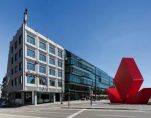
Modon has unveiled Nawayef Park Views, a new low-rise residential development located on Hudayriyat Island, marking a significant milestone in Abu Dhabi’s real estate market. This freehold apartment project is the first of its kind on the island, designed to offer a Mediterranean-inspired lifestyle with a mix of luxurious apartments and a variety of on-site amenities.

The development, comprising one- to four-bedroom units, offers expansive layouts with a modern design that caters to both residents and investors. Each apartment is built with high-quality finishes, and many feature panoramic views of the surrounding landscape, including the scenic views of the two manmade hills of Nawayef. This distinctive feature makes Nawayef Park Views an appealing option for those seeking a blend of comfort, style, and tranquility.

Nawayef Park Views is strategically located to provide convenient access to key areas of Abu Dhabi, combining the benefits of island living with proximity to urban centers. The development’s positioning between the two Nawayef hills contributes to its unique appeal, as it offers a serene environment while remaining within reach of major roads and city infrastructure.

In addition to residential spaces, Nawayef Park Views includes an array of leisure and lifestyle facilities, ensuring that it becomes a self-sustaining community. The project will feature retail outlets, high-end dining establishments, and ample green spaces, creating a vibrant neighborhood for residents and visitors alike. The combination of these elements is expected to make it one of the most sought-after living destinations in the capital.

With its Mediterranean-inspired architecture, Nawayef Park Views adds a touch of luxury to Abu Dhabi’s real estate market. The development is designed to cater to a wide range of prospective buyers, from young professionals to families, offering flexible apartment configurations and access to world-class amenities. The focus on leisure and community spaces reflects a growing demand for developments that prioritize quality of life alongside convenience and aesthetics.

Modon’s emphasis on the quality of design and its integration with nature highlights the project’s commitment to sustainability and environmental responsibility. With green spaces, pedestrian-friendly areas, and sustainable building practices, Nawayef Park Views aims to contribute positively to the ecological balance of Hudayriyat Island.

The development is also expected to attract significant investment, both locally and internationally, as demand for freehold properties in Abu Dhabi continues to grow. The launch of Nawayef Park Views comes as part of a broader trend in the UAE, where residential projects are increasingly catering to the growing demand for luxury, lifestyle-focused properties.

NEOM Media has teamed up with Hakawati Entertainment to propel Saudi Arabia’s film industry into the global spotlight, signaling a transformative step in the kingdom’s creative sector. The strategic collaboration aims to produce up to nine feature films and build a world-class production services division within the NEOM region.

This ambitious partnership is poised to enhance Saudi Arabia’s position as a key player in the global entertainment industry. By leveraging NEOM’s futuristic infrastructure and Hakawati’s extensive expertise in film, television, and literary management, the initiative promises to set a new standard for production in the region. The deal highlights the growing significance of Saudi Arabia’s Vision 2030, which prioritizes the diversification of the economy through sectors like media and entertainment.

The partnership focuses on creating high-quality cinematic productions that can appeal both regionally and globally. With access to NEOM’s state-of-the-art facilities, the collaboration aims to attract international talent and filmmakers. The new production division is expected to provide cutting-edge services, positioning Saudi Arabia as a top destination for film and television production in the Middle East.

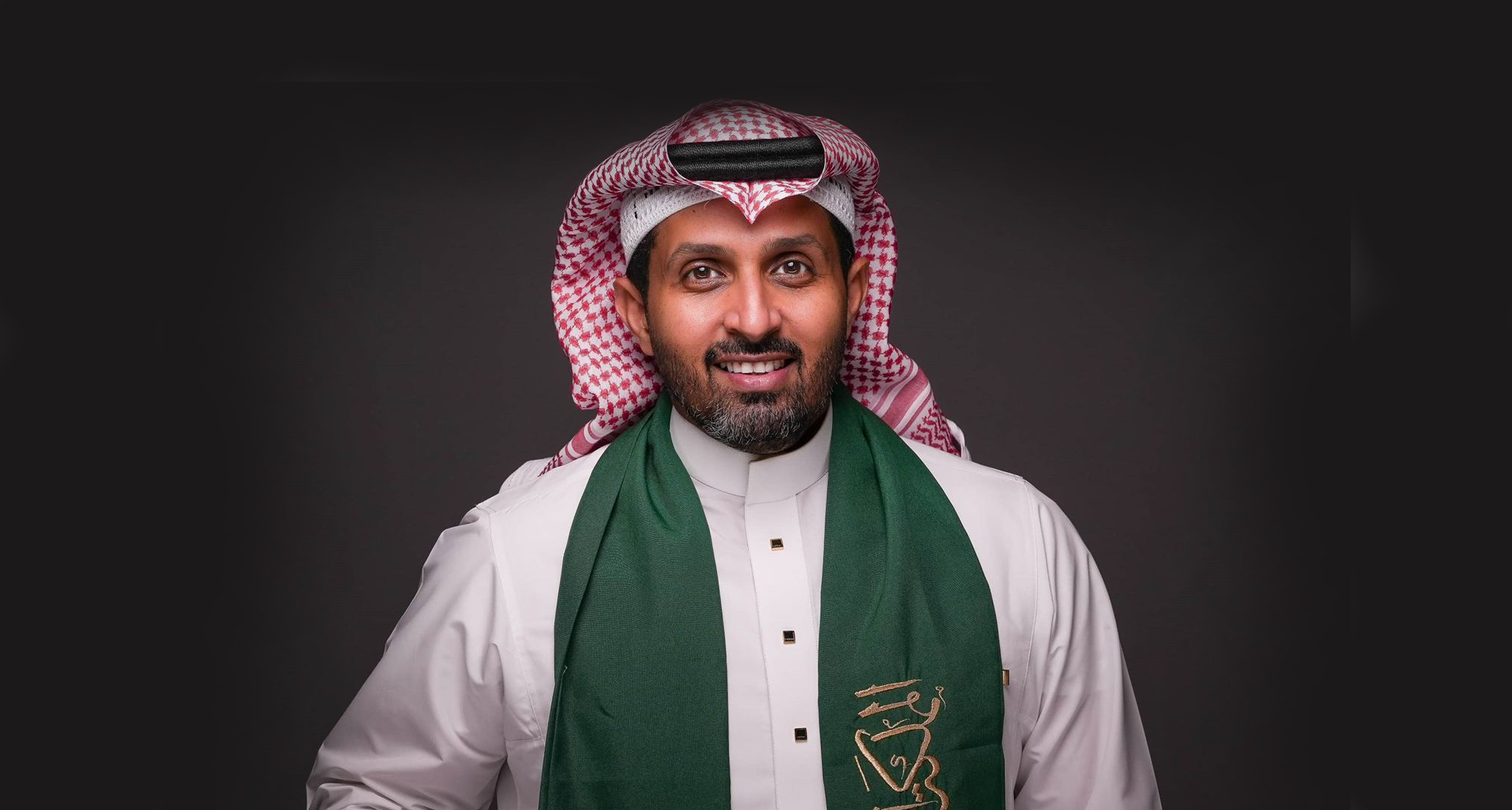
Hakawati Entertainment, known for its pivotal role in advancing the local media landscape, brings a wealth of experience to the table. The company’s founder and CEO, who has worked on a variety of major film projects, emphasized the significance of this alliance in shaping the future of entertainment in the Kingdom. “This partnership allows us to combine world-class infrastructure with the storytelling traditions of the region, creating films that resonate globally,” said the CEO.

A major goal of the venture is to not only produce films but also foster the development of local talent. The initiative is expected to create thousands of jobs across multiple sectors, including production, creative development, and technical services. Training and mentorship programs will be integral to the project, empowering young filmmakers and actors and helping to build a sustainable, self-sufficient entertainment ecosystem.

Saudi Arabia’s growing interest in the media sector is a direct result of Crown Prince Mohammed bin Salman’s Vision 2030, which aims to reduce the country’s dependency on oil and develop new industries. As part of this vision, Saudi Arabia has been investing heavily in entertainment, sports, and culture to position itself as a global hub for creativity and innovation.

This partnership comes at a time when Saudi Arabia is already making significant strides in the global film industry. Earlier initiatives, such as the opening of cinemas in the kingdom after a decades-long ban, have brought international attention to the country’s evolving entertainment sector. The establishment of the Saudi Film Commission, which supports local filmmakers and fosters a creative economy, further demonstrates the country’s commitment to becoming a powerhouse in the film industry.

The partnership with NEOM is another critical step in the country’s broader strategy to attract international film productions and create a thriving local media ecosystem. The NEOM region itself, which is part of a larger $500 billion megacity project, promises to be a hub for technological innovation and sustainability, making it an attractive location for global production companies looking for state-of-the-art facilities and infrastructure.

Industry experts believe that this collaboration has the potential to revolutionize the Middle Eastern film market. Saudi Arabia’s growing film industry is well-positioned to tap into a vast, untapped market in the region, which has long been dominated by international players. As the entertainment industry in the Middle East becomes increasingly diverse and competitive, the region is on the brink of producing more high-quality films that reflect its unique cultural heritage while appealing to international audiences.

The partnership with Hakawati Entertainment also plays a crucial role in fostering Saudi Arabia’s position as a cultural and economic force in the region. By focusing on both local production and international collaborations, the kingdom is establishing itself as a place where creative minds from around the world can come together to tell powerful stories. The partnership aligns with broader regional efforts to promote the film industry and strengthen cultural ties across the Arab world.

Understood! Let me gather the required information and draft the report accordingly. This may take a moment.

Cordish Gaming Group has named John J. Chaszar as the Executive Vice President and General Manager of its upcoming Live! Casino & Hotel Louisiana, a $270 million development set to reshape the gaming and entertainment landscape in Bossier City. Slated to open in early 2025, the project marks a significant milestone as the first land-based casino in the Shreveport-Bossier region.

Chaszar brings over 30 years of experience in gaming and hospitality operations, having previously led properties in Louisiana, Texas, Mississippi, and several other states. His notable achievements include managing the transition of Tropicana Casino in Indiana from a riverboat facility to a land-based venue, a background that aligns closely with the new venture’s objectives.

The UAE’s first regulated stablecoin has officially received the final green light from authorities, setting the stage for its anticipated launch across the country. This milestone marks a significant development in the UAE’s push to establish itself as a leading player in the global cryptocurrency market. With this approval, the stablecoin is poised to offer greater security and transparency in digital transactions, contributing to the growth of the digital economy in the region.

The UAE’s financial sector has undergone a significant transformation in recent years, driven by the government’s efforts to modernize its financial infrastructure. This stablecoin approval reflects the country’s ambition to integrate blockchain technology into its financial system and attract global investors looking for a secure digital asset to support transactions. The approval was granted by the UAE’s Financial Services Regulatory Authority (FSRA), which oversees all financial products and services in the Abu Dhabi Global Market (ADGM). This move is seen as part of a broader strategy to encourage the growth of fintech and blockchain-related ventures in the region.

The stablecoin, designed to be pegged to the value of the US dollar, will provide an alternative to more volatile cryptocurrencies such as Bitcoin and Ethereum. By pegging the value of the digital currency to a stable asset, the UAE’s stablecoin aims to mitigate the price fluctuations that often make other cryptocurrencies less attractive for everyday transactions. This stablecoin will be available to both businesses and consumers within the UAE, offering them a more secure, stable, and efficient way to carry out digital payments and trade.

The approval of the stablecoin also aligns with the UAE’s broader goals of expanding its digital economy. The UAE government has placed considerable emphasis on developing blockchain technologies, with the country’s leaders recognizing the potential for these innovations to revolutionize industries such as finance, real estate, and logistics. As part of the UAE’s “Vision 2021” initiative, there have been efforts to establish Dubai as a global hub for blockchain technology and cryptocurrency. These efforts have been amplified by the Dubai International Financial Centre (DIFC), which has introduced new regulations to govern the use of blockchain and cryptocurrency assets.

Industry experts view this approval as a major step forward for the UAE’s financial landscape. With the introduction of the stablecoin, businesses in the UAE will be able to make international transactions more efficiently, with fewer delays and reduced risks compared to traditional banking systems. Additionally, consumers will be able to use the stablecoin to pay for goods and services, facilitating everyday transactions in a secure and stable manner.

The issuance of a regulated stablecoin also brings the UAE in line with other countries that have moved forward with digital currencies. As countries around the world begin to recognize the need for secure, regulated digital currencies, the UAE’s stablecoin will likely gain traction as a reliable alternative for those seeking to move away from unstable fiat currencies. The stablecoin approval comes on the back of similar developments in countries such as China, where the People’s Bank of China has developed its own digital currency, and in Europe, where the European Central Bank has been exploring the creation of a digital euro.

UAE regulators have indicated that the stablecoin will undergo rigorous monitoring to ensure its stability and compliance with the country’s financial regulations. This will involve ongoing audits and checks to ensure that the stablecoin remains fully backed by the US dollar and that it adheres to anti-money laundering (AML) and know-your-customer (KYC) standards. The FSRA’s regulatory oversight is expected to instill greater confidence in users and investors, making the stablecoin a secure asset for transactions and investments.

With its stablecoin now officially approved, the UAE is positioning itself at the forefront of the cryptocurrency revolution. The development signals the country’s commitment to creating a forward-thinking financial system that embraces innovation while ensuring that new technologies are regulated in a way that protects consumers and businesses alike. The stablecoin is expected to become a key component of the UAE’s broader strategy to promote digital transformation, particularly in sectors such as finance, e-commerce, and international trade.

As the UAE becomes one of the first countries in the region to offer a regulated stablecoin, it sets a precedent for other countries in the Middle East and North Africa (MENA) to follow. The move could also position the UAE as a key player in the global cryptocurrency market, attracting international investors and businesses seeking a secure and regulated environment for their digital assets.

Abu Dhabi-based CYVN has finalized an agreement to acquire McLaren’s automotive division, marking a significant shift for the renowned British car manufacturer. The deal, valued at an estimated £1.2 billion, aims to secure McLaren’s future in the high-performance sports car sector, while ensuring its long-term growth and innovation. This agreement also signals the latest chapter in McLaren’s ongoing restructuring efforts, which have been crucial in navigating the challenges of global economic uncertainty and the shifting dynamics of the automotive market.

CYVN, a prominent investment group from the UAE with interests in luxury and high-tech industries, has been actively seeking strategic acquisitions to expand its portfolio in the automotive sector. The buyout of McLaren’s automotive business, which produces some of the world’s most coveted hypercars, aligns with CYVN’s goal to further solidify its presence in the global luxury market. McLaren’s automotive arm, known for its innovative designs and engineering prowess, will now be under the strategic guidance of CYVN’s management, which is expected to inject fresh capital and technological expertise.

The deal comes after a period of financial restructuring for McLaren, which has faced mounting debt and a need for investment to sustain its position in a competitive market. Over the past few years, McLaren has been exploring various avenues to maintain its financial health while continuing to produce high-performance cars that blend cutting-edge technology with luxury. The acquisition deal is expected to provide McLaren with the necessary funds to stabilize its operations and drive forward its plans for innovation, particularly in electric vehicle development and other eco-friendly technologies.

The automotive industry is undergoing a major transformation, with manufacturers pivoting towards sustainability, electrification, and advanced technologies. This shift has been a focal point for McLaren in recent years, with the brand aiming to integrate hybrid and electric powertrains into its lineup. The acquisition by CYVN is seen as an opportunity to accelerate these ambitions, as the investment group has already expressed interest in expanding McLaren’s electric vehicle capabilities.

For CYVN, the purchase represents a strategic move to gain a foothold in the ultra-luxury car market, which has shown resilience despite global economic fluctuations. The growing demand for high-end, bespoke vehicles, particularly among the wealthy elite in emerging markets, has created a favorable environment for investment in this sector. McLaren, with its strong brand heritage and established presence in key markets, presents an ideal acquisition target for CYVN to further enhance its standing in the global luxury goods and automotive industries.

This acquisition also positions McLaren to tap into new markets, particularly in Asia and the Middle East, where demand for luxury cars has been increasing. The UAE, a key hub for high-end automobiles, is expected to play a central role in McLaren’s continued expansion. The deal could potentially lead to new manufacturing facilities or partnerships within these regions, further strengthening McLaren’s market presence.

The automotive sector, particularly the luxury segment, has witnessed a surge in consolidation and strategic partnerships in recent years. Industry experts suggest that the combination of CYVN’s financial backing and McLaren’s engineering expertise could create a powerful synergy capable of rivaling the industry’s largest players. As competition intensifies, especially with the push towards sustainable technologies, automakers must remain agile, investing in innovation while maintaining profitability. McLaren, with its deep engineering heritage and now bolstered by CYVN’s resources, is positioned to play a significant role in the next generation of high-performance vehicles.

Although the deal was welcomed by many industry observers, it also raises questions about McLaren’s future identity. The brand, once fully independent, now faces the challenge of aligning its operations and vision with the broader strategic goals of its new owner. The transition may involve shifts in McLaren’s production processes, management structure, and product offerings. However, the emphasis on maintaining McLaren’s engineering excellence and brand prestige is expected to remain a top priority for CYVN.

McLaren’s existing leadership, including CEO Michael Fleischmann, is expected to retain their positions, although the influence of CYVN’s management will likely be felt across key areas of the business. The company has reiterated its commitment to preserving the iconic status of its automotive division, ensuring that future models will continue to offer the exceptional performance and design that McLaren fans have come to expect.

Saudi Arabia and Kuwait have concluded a significant agreement aimed at eliminating double taxation on income, marking a notable advancement in bilateral economic cooperation between the two Gulf nations. This treaty, announced after extensive negotiations, underscores a mutual commitment to fostering trade, investment, and economic collaboration in the region.

The agreement, officially signed in Riyadh, addresses taxation challenges for individuals and entities operating in both countries. It is structured to provide relief by preventing dual taxation and establishing clear tax allocation rules. Key provisions include reduced tax rates on cross-border dividends, interest, and royalties, and streamlined tax compliance mechanisms to encourage smoother business operations. The pact aligns with international standards, including guidelines from the Organisation for Economic Co-operation and Development (OECD), ensuring robust adherence to global tax practices.

This treaty also incorporates measures to prevent tax evasion, a critical concern for governments globally. Transparency and information exchange mechanisms are included to curb potential misuse, reflecting a shared dedication to fiscal accountability. The Saudi Ministry of Finance noted that the agreement would improve the ease of doing business while reinforcing investor confidence in the region.

Economic analysts view the deal as a strategic initiative to attract foreign investment. By mitigating the financial burdens of double taxation, it provides incentives for businesses to establish or expand operations in both Saudi Arabia and Kuwait. Observers also highlighted its potential to bolster intra-GCC (Gulf Cooperation Council) economic integration, a cornerstone of regional policy objectives.

The Kuwaiti government expressed optimism regarding the agreement, emphasizing its alignment with national economic reform goals. This move complements Kuwait’s strategy of diversifying its economy and strengthening its non-oil sectors. The agreement reflects a broader regional trend of adapting fiscal policies to enhance global competitiveness.

This taxation treaty comes amid a period of intensified economic diplomacy within the GCC. Saudi Arabia has been actively pursuing similar agreements with other nations as part of its Vision 2030 reforms. These efforts aim to position the kingdom as a leading hub for global business, promoting a diversified and resilient economy. Similarly, Kuwait has prioritized economic agreements to expand its international partnerships, reflecting a pragmatic approach to sustaining growth in the evolving global market.

The treaty’s implementation will involve detailed frameworks to ensure compliance and efficiency. Tax authorities in both countries are expected to establish bilateral mechanisms to facilitate smooth application, including dispute resolution protocols for any arising conflicts. Experts believe these operational guidelines will be crucial in realizing the full benefits of the agreement.

Economic ties between Saudi Arabia and Kuwait have been historically strong, driven by shared cultural and economic values. This latest agreement further solidifies their partnership, creating a model for regional cooperation that other GCC members may consider replicating. Analysts suggest it could pave the way for broader multilateral tax agreements within the GCC, fostering a more cohesive economic bloc.

As businesses and stakeholders prepare to navigate the new regulatory landscape, the focus remains on how effectively the agreement’s provisions are enacted. Both governments are expected to launch awareness campaigns to educate taxpayers on the treaty’s specifics, ensuring widespread understanding and compliance.

This treaty is set to take effect following ratification by both countries’ legislative bodies, a standard protocol for international agreements. Its ratification process is anticipated to progress swiftly, given the mutual benefits and strong political will driving the initiative.

The UAE has implemented a significant tax reform aligning with global standards by introducing a 15% top-up tax for multinational enterprises (MNEs) with annual revenues exceeding €750 million. This development, effective January 2024, is part of the UAE’s commitment to the OECD’s Inclusive Framework on Base Erosion and Profit Shifting (BEPS), specifically Pillar Two of the global minimum tax rules.

This measure targets large corporations operating in multiple jurisdictions to ensure they pay a fair share of taxes. The top-up tax seeks to bridge gaps where corporate tax obligations in the UAE fall below the global minimum. Without such a provision, profits earned in the UAE could face additional taxation in countries where the parent entities are based. The reform is a step toward aligning with international tax principles, reducing tax avoidance, and fostering equitable competition.

The framework of the top-up tax is embedded in the Federal Decree-Law No. (60) of 2023. This legislation amends earlier provisions in the UAE Corporate Tax Law, detailing the mechanism to calculate and apply the new tax rate. The law mandates that multinational corporations calculate their effective tax rate in the UAE and apply a top-up to meet the 15% threshold if needed. This move not only strengthens compliance with global tax norms but also positions the UAE as a cooperative jurisdiction for international businesses.

The impact on businesses is multifaceted. For affected corporations, compliance involves meticulous record-keeping and aligning reporting standards with the OECD’s guidelines. Tax professionals in the UAE have emphasized the importance of early preparation, as the top-up tax applies retroactively to fiscal years beginning after the law’s effective date. Companies are advised to review their structures and consult experts to navigate the complexities of these changes.

From an economic perspective, this reform underscores the UAE’s proactive approach in maintaining its appeal as a global business hub while adhering to international expectations. It is anticipated that this move will encourage transparency and accountability among multinational corporations, ensuring their contributions align with their global earnings.

While the 15% tax does not alter the UAE’s standard corporate tax rate of 9%, it exclusively targets the largest global players operating within the country. Small and medium-sized enterprises, as well as those earning less than the revenue threshold, remain unaffected. The delineation ensures that the UAE continues to foster a supportive environment for smaller businesses while holding large corporations accountable for their tax obligations.

The UAE’s participation in the OECD’s BEPS initiative reflects its commitment to global economic collaboration. By adopting Pillar Two, the UAE joins over 140 jurisdictions working to implement minimum tax standards. This alignment not only safeguards the country’s reputation but also contributes to broader efforts to address tax base erosion and profit shifting by multinational enterprises.

Advertisements

The Al Dhafra Book Festival, hosted in the scenic Madinat Zayed Public Park from December 9 to 15, has become a vibrant celebration of literature and culture. Organized by the Abu Dhabi Arabic Language Centre under the Department of Culture and Tourism – Abu Dhabi, this year’s event promises an enriching experience with over 50,000 books on display and a curated lineup of 200 diverse events catering to readers and cultural enthusiasts alike.

This edition, themed “Celebrating a Cultural Legacy,” underscores the region’s literary and artistic contributions. Attendees can engage in workshops, poetry nights, and interactive storytelling sessions, making the festival a platform for fostering community connections. Notable highlights include activities honoring the UAE’s literary figures, sessions promoting environmental awareness through art, and initiatives showcasing the talents of people of determination.

Three companies in the United Arab Emirates (UAE) have been granted official licenses to operate lotteries, a significant move as the country aims to regulate and expand its gaming sector. These operators are now the only entities legally permitted to offer lottery services, while other unauthorized operators face orders to cease their activities. This decision follows ongoing efforts by UAE authorities to ensure the integrity and transparency of gambling operations, which have long been tightly regulated.

The UAE’s legal framework for gambling and lottery activities has historically been restrictive, with laws primarily prohibiting most forms of gambling. However, the introduction of licensed lottery services marks a departure from previous norms, aligning with the government’s broader efforts to modernize and diversify its economy. The decision to issue licenses to these operators is expected to generate significant revenue, contributing to the UAE’s economic diversification goals, particularly as the country looks to reduce its dependency on oil exports.

The three licensed operators have been authorized to offer a range of lottery products, including traditional draw-based games and instant-win formats. These services are expected to be heavily regulated, with strict oversight by government agencies to ensure compliance with ethical standards and consumer protection laws. The UAE’s new approach emphasizes transparency in operations, with the aim of attracting both local and international consumers.

While the licensed companies move forward with their operations, the crackdown on unauthorized operators has been swift. Several businesses that were previously offering lottery-like services without official approval have been ordered to shut down. Authorities have stated that any company found in violation of the law will face stringent penalties, including heavy fines and potential legal action.

The decision to regulate the lottery market more extensively has been met with mixed reactions. Proponents argue that the move will help generate revenue for public services and infrastructure projects, benefiting the wider community. By legalizing lottery services, the UAE government hopes to prevent the growth of underground gambling operations that often operate without oversight or regulation, which can lead to illegal activities and financial instability.

On the other hand, critics of the new regulations express concerns about the potential for gambling addiction and other social consequences. They argue that while lotteries are often marketed as a form of entertainment, they can lead to harmful behavior, particularly among vulnerable populations. There are also concerns about the transparency and fairness of the lotteries, with calls for the government to ensure that the operators are fully accountable and that the processes are closely monitored.

The regulatory framework for gambling in the UAE has evolved over time, with the country gradually relaxing some of its earlier restrictions. However, this shift towards legalizing certain forms of gambling has been carefully controlled, with only a limited number of operators allowed to participate. The UAE’s regulatory authorities are reportedly working to ensure that the market remains fair and responsible, with clear rules and guidelines in place to protect consumers.

International operators are also showing interest in the newly regulated market, with several global gaming companies considering partnerships with the licensed UAE operators. The move could potentially open the door for foreign investment, further boosting the country’s gaming sector. While the focus remains on lotteries for now, experts suggest that the UAE could gradually expand its licensing framework to include other forms of regulated gambling, such as sports betting and online casino games.

As the lottery sector begins to take shape, the UAE government has also placed a strong emphasis on ensuring that proceeds from the games are used for the public good. A portion of the revenue generated by the lotteries is expected to be allocated to social programs, including education, healthcare, and infrastructure development. This approach aims to ensure that the financial benefits of the new gambling activities are directed toward improving the quality of life for UAE citizens.

The establishment of licensed operators also raises the possibility of collaboration with international regulatory bodies. The UAE is reportedly engaging with global gaming regulators to ensure that its framework meets international standards. This collaboration could help strengthen the credibility of the UAE’s lottery system, boosting confidence among consumers and investors alike.

In addition to the regulatory changes, the UAE is investing in technology to ensure the security and transparency of lottery operations. The government has emphasized the importance of using advanced technologies, such as blockchain, to track lottery transactions and prevent fraud. This technological investment is expected to play a critical role in building trust among consumers and ensuring that the lottery services are fair and secure.

Global oil prices have seen a sharp increase, driven in part by a growing crisis in Syria’s energy sector. The country, already plagued by years of conflict, is facing an acute shortage of oil due to ongoing economic turmoil and political instability. Reports indicate that Syria’s oil production has drastically dropped from 90,000 barrels per day to just 20,000, a situation exacerbated by Turkish military operations in the northeast, which have impacted key oil fields. Compounding this, fuel shipments from Iran—once a lifeline—have slowed down, further straining Syria’s fuel supply.

Syria’s dependence on Iranian oil has been critical, with Tehran supplying up to 16 million barrels in 2024 alone. However, this amount falls far short of the country’s daily requirements, leading to black market surges and skyrocketing prices. The government’s cutbacks on fuel subsidies, alongside failed efforts to stabilize its own oil fields, have intensified the energy crisis. Public protests, triggered by shortages, reflect the widespread discontent, and basic goods like food have become increasingly difficult to transport due to high fuel costs.

Oil prices have seen a notable uptick in recent weeks as escalating political tensions and shifting alliances in Syria continue to have a significant impact on the region’s oil production and global energy markets. As the influence of Bashar al-Assad’s regime wanes in the wake of Syria’s civil conflict, key players in the Middle East are positioning themselves to capitalize on the country’s vast energy resources, contributing to global price fluctuations.

Syria, once a minor oil producer in the Middle East, has become a focal point of geopolitical struggles. Despite being marred by years of civil war and under heavy international sanctions, the country still holds a considerable amount of oil, mostly concentrated in its northeastern region. For years, the Assad regime has relied on these oil fields for revenue, yet the ongoing conflict has severely hampered production and distribution capabilities.

One of the main factors contributing to the current rise in oil prices is the shifting control over Syria’s oil fields. While the Assad regime’s hold over these assets has weakened, both Kurdish forces and various regional actors have taken advantage of this power vacuum. The Kurdish-led Syrian Democratic Forces (SDF), with support from U.S. military forces, have been managing oil extraction in the northeast. However, their trade has been fraught with complications, as they have continued to sell crude to both Iraq’s Kurdistan Regional Government (KRG) and indirectly to the Assad regime, albeit under clandestine circumstances.

This complex trade network has drawn attention from global powers, with Washington’s policy fluctuating between trying to limit Assad’s access to these resources while also preventing the rise of other regional powers, including Russia, from exploiting the vacuum. U.S. efforts to maintain influence over the oil-rich regions have been complicated by the increasing involvement of Russian companies, such as Gulfsands Petroleum, which is now positioning itself to gain access to Syria’s energy assets. This has raised concerns that a shift toward Russian control could stabilize Assad’s regime financially and politically, but at the cost of U.S. objectives in the region.

As these power struggles unfold, oil prices have responded to market uncertainty. The Kurdish-controlled Syrian oil fields, despite being heavily damaged by the conflict, continue to produce, although at lower volumes compared to pre-war levels. However, the trade of oil at below-market prices has become more common, especially with the involvement of entities like Delta Crescent Energy. The U.S. company, which was initially granted a license to help the Kurdish-controlled Autonomous Administration of North and East Syria (AANES) boost its oil exports, faced significant challenges, including a lack of progress in securing long-term contracts. The Biden administration’s decision to revoke Delta Crescent’s license earlier this year has left the situation even more uncertain, and it remains to be seen whether the U.S. will allow new energy companies to enter the market.

Simultaneously, global oil prices have been influenced by shifts in Syria’s energy landscape. The ongoing conflict, the role of U.S. sanctions, and the intervention of Russia in the region’s oil trade have all contributed to price increases, as the Middle East remains a volatile hub for energy production. Additionally, international sanctions against Syrian oil exports have inadvertently created opportunities for black-market trading, often circumventing established sanctions regimes. As a result, global oil markets are left grappling with the complex realities of these geopolitical maneuvers.

Saudi Arabia’s Savola Group, one of the country’s largest diversified holding companies, has announced plans to repurchase sukuk worth $229 million. This move is part of the company’s ongoing efforts to manage its financing costs effectively while optimizing its capital structure.

The company stated that the buyback would provide substantial benefits by lowering its debt-related expenses. Sukuk, which are Sharia-compliant bonds, have gained significant popularity in the Middle East due to their adherence to Islamic financial principles. Savola’s decision to repurchase a significant portion of its sukuk is seen as a strategic move to reduce outstanding liabilities and enhance financial flexibility.

This development comes at a time when many companies in the Gulf region are focused on optimizing their balance sheets amid fluctuating global economic conditions. The sukuk buyback also signals a positive outlook for Savola’s financial health, reinforcing investor confidence. The company has been actively exploring ways to streamline its operations and improve profitability, with an emphasis on reducing costs and ensuring long-term stability.

The repurchase offer follows a series of initiatives by Savola to restructure its financing arrangements. By buying back sukuk, the company aims to manage its debt more efficiently and take advantage of favorable market conditions. Analysts have pointed out that this move could help Savola unlock value for shareholders while reducing its overall exposure to interest rate fluctuations.

Savola Group has been a key player in the Saudi Arabian and broader Gulf economies, with a presence in sectors ranging from food production to retail. The company has continuously adapted to changing market dynamics, making strategic decisions to sustain its growth trajectory. The buyback announcement is a reflection of Savola’s commitment to maintaining a strong financial position while also providing attractive returns to investors.

The company’s efforts to reduce financing costs have been welcomed by market observers, who view this move as a prudent financial strategy. By lowering the cost of capital, Savola will be better positioned to execute its growth plans and capitalize on emerging opportunities in the region. Moreover, the buyback reflects a broader trend among companies in the Middle East, particularly those with large sukuk issuances, to manage their debt more efficiently.

Sukuk markets in the Gulf have seen an uptick in activity in recent years, with companies looking to raise funds through these Islamic financial instruments. The buyback is likely to further solidify Savola’s reputation as a responsible corporate entity that values financial discipline and shareholder value. Investors in the sukuk market have been closely monitoring developments in the region, and this move could serve as a model for other companies seeking to optimize their debt structures.

Savola’s strategic initiatives go beyond financial maneuvers, as the company is also focused on expanding its business footprint. The group has been diversifying its portfolio, expanding into new markets and reinforcing its leadership in the food and beverage industry. Despite the challenges posed by economic uncertainties, Savola remains optimistic about its future prospects.

The success of Savola’s buyback initiative will depend on a number of factors, including market conditions and the company’s ability to execute its plans effectively. However, the early signals point to a well-calculated move aimed at positioning the company for long-term success. By repurchasing sukuk, Savola is not only lowering its financing costs but also signaling its commitment to enhancing shareholder value and ensuring a resilient financial future.

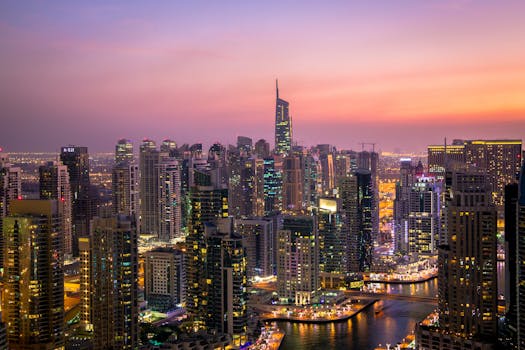
Abu Dhabi is steadily positioning itself as a global financial hub, attracting an increasing number of international bankers, investors, and financial institutions. The capital of the United Arab Emirates (UAE) has long been known for its oil wealth, but in recent years, its economic diversification strategies have begun to bear fruit, transforming it into a key player in the world’s financial markets. This shift is no longer just a future possibility; it is happening now, with rising interest from top-tier banking executives seeking to leverage the city’s infrastructure, favorable regulatory environment, and strategic position at the crossroads of Europe, Asia, and Africa.

As part of its ambition to become a leader in global finance, Abu Dhabi has made significant strides in enhancing its financial services ecosystem. Financial institutions, including major international banks, are increasingly opening branches and expanding operations in the city, attracted by its strategic location and investor-friendly policies. The UAE capital has also established itself as a center for private equity, wealth management, and Islamic finance, sectors where it continues to see consistent growth.

The financial sector in Abu Dhabi has grown rapidly, not just due to its historical advantages but because of deliberate policy decisions made by the government. For example, the Abu Dhabi Global Market (ADGM), a financial free zone established in 2015, has been pivotal in attracting foreign investment. ADGM offers a robust regulatory framework, tax exemptions, and a business-friendly environment that allows for greater ease of doing business compared to other regions in the Middle East.

Another factor drawing attention is Abu Dhabi’s growing role as a leading center for sustainable finance. The UAE has positioned itself as a key player in the global push towards greener investments, with Abu Dhabi at the forefront of green bonds and other sustainable financial products. In addition to the nation’s investment in renewable energy projects like the massive solar farm at Mohammed bin Rashid Al Maktoum Solar Park, the UAE has been a significant proponent of integrating environmental, social, and governance (ESG) criteria into investment strategies.

Abu Dhabi’s rise as a financial powerhouse is not only benefiting the city’s banks but also drawing the attention of global investment funds, particularly those looking to invest in markets with high growth potential. Financial giants from New York to London are setting up operations to tap into the rapidly growing wealth in the Gulf region, with Abu Dhabi being a prime location. The city’s appeal is also reinforced by its relatively low tax environment, particularly for foreign businesses, and the increased liberalization of the banking sector. This has helped make Abu Dhabi a go-to destination for global funds seeking to access emerging markets with fewer barriers.

The UAE government has long supported policies that encourage the diversification of the economy beyond oil, and banking and finance have become pivotal to this transformation. The establishment of the Financial Services Regulatory Authority (FSRA) has played an essential role in strengthening the regulatory framework, providing international businesses with confidence in operating within the emirate’s borders. This system offers a well-defined legal framework, based on international best practices, which ensures transparency and stability in the financial sector.

Abu Dhabi is seeking to capitalize on the global demand for fintech, especially with the increased adoption of digital financial services. Many leading global fintech companies have established a presence in the emirate, while government-backed initiatives continue to promote innovation in the sector. The growth of digital banking, blockchain technologies, and cryptocurrency is becoming more pronounced, positioning the city as an attractive destination for tech-driven financial services. The authorities in Abu Dhabi are keen to foster an ecosystem conducive to fintech startups, leveraging the city’s burgeoning tech infrastructure and access to venture capital funding.

In addition to financial services, Abu Dhabi’s ambitions are evident in its wealth management strategies. With a high concentration of wealthy individuals and families, Abu Dhabi has seen a surge in the demand for sophisticated wealth management services. The city’s wealth managers, private banks, and family offices are increasingly seeking to provide tailored services that cater to the unique needs of their clients. As such, Abu Dhabi is establishing itself as a key player in the high-net-worth individual (HNWI) market, attracting wealthy clients from the Gulf region and beyond.

International investors, particularly from Europe and Asia, are closely monitoring the developments in Abu Dhabi as they seek to capitalize on the economic growth that the emirate is experiencing. Many analysts view the city as one of the best places to invest in the Middle East, noting its ability to offer competitive returns and stability, especially in comparison to other regional markets that have seen geopolitical instability in recent years. Moreover, the city’s efforts to embrace innovation, sustainability, and diversification are making it an increasingly attractive destination for both traditional investors and those seeking to invest in cutting-edge sectors like green technologies and digital finance.

Dubai Police is offering an exciting and educational experience for teenagers this winter through its annual Winter Programme. Targeted at youth between the ages of 13 and 18, this initiative offers a diverse range of activities that aim to both entertain and educate the next generation of citizens. Starting December 11, 2023, the programme will continue until December 22, with 300 students enrolled from various emirates and nationalities.

Held in collaboration with the Emirates Schools Establishment (ESE) and the Knowledge and Human Development Authority (KHDA), the programme offers participants a chance to engage in physical and military training, as well as hands-on exposure to rescue operations. Training venues for this year’s edition include the Zayed Education Complex, Asmaa Bint Al Noaman Girls School, and several other locations around Dubai.

The primary aim of this initiative is to engage students in outdoor activities that promote teamwork, physical fitness, and social responsibility. Participants will learn valuable life skills through sports, military drills, and insightful lectures that highlight the importance of positive citizenship, security awareness, and the prevention of harmful behaviors such as smoking and bullying. Students will also receive training on basic rescue operations, making the programme both fun and practical.

In addition to the core activities, the Winter Programme places a strong emphasis on volunteerism and positive community engagement, encouraging youth to contribute meaningfully to society. The programme includes field visits to various Dubai Police departments, offering students an inside look at the important work carried out by the force. These visits not only enhance the educational experience but also give teens a broader understanding of the roles played by law enforcement in keeping the community safe.

Abu Dhabi’s Natural History Museum has unveiled an impressive collection of ancient treasures, including rare fossils that offer a glimpse into the planet’s distant past. The museum, which is fast becoming one of the UAE’s key cultural landmarks, showcases a wide range of specimens that span millions of years, including a fossil of a seven-million-year-old four-tusked Arabian elephant. This creature roamed the landscape of Abu Dhabi at a time when rivers, forests, and savannas were dominant across the region. The exhibit also includes a diverse range of dinosaurs, prehistoric mammals, and artifacts from space that offer insight into both Earth’s and the universe’s history.

The fossil of the four-tusked elephant is among the most significant of the museum’s collection. Its discovery is not just a testament to the ancient biodiversity of the region, but it also sheds light on the evolution of the elephant species, a topic that has fascinated paleontologists for years. The four-tusked elephant, now extinct, once walked the earth alongside other prehistoric creatures in what was then a verdant environment in the Arabian Peninsula. The specimen was uncovered in the Liwa desert, an area known for its rich fossil beds, which have yielded remarkable discoveries over the years.

Beyond the elephant, the museum’s display includes several dinosaur fossils that provide critical insights into the creatures that once inhabited this part of the world. The museum’s paleontology team has worked diligently to preserve these delicate specimens, each offering unique stories of ancient ecosystems. Notably, the fossils of a sauropod, an enormous herbivorous dinosaur, are on display. These massive creatures, which once thrived during the Mesozoic Era, now serve as a reminder of the sheer scale of life forms that existed millions of years ago.

In addition to the terrestrial fossils, the museum’s collection extends into the cosmos with its exhibition of meteorites and scale models of celestial bodies. Among the more captivating items on display is a sample of the famous meteorite that landed in the UAE desert. This rock, which dates back to the formation of the solar system, provides a tangible link to the earliest days of our universe. The museum’s collection of space-related artifacts not only highlights the UAE’s growing interest in space exploration but also emphasizes its role as a hub for scientific research in the region.

The design of the museum itself is as innovative as the exhibits it houses. Its architecture is a fusion of traditional Arabian elements with modern techniques, symbolizing the UAE’s commitment to blending heritage with progress. The structure is visually striking, with large, circular windows that mirror the moon’s phases, and spaces that open up to natural light, evoking a sense of discovery and exploration. As visitors move through the museum, they encounter carefully curated displays that guide them through Earth’s geological history, from its formation to the age of mammals and beyond.

The museum’s unveiling has been met with enthusiasm by the scientific community, as it marks a significant step in advancing the region’s status as a center for paleontological and archaeological research. Dr. Ahmed Al-Mansoori, a leading paleontologist involved with the project, remarked that the museum would be a valuable resource for researchers and students alike. “This museum will be a place where future generations can learn about the Earth’s history and its diverse forms of life,” he said. His sentiments reflect the broader educational mission of the museum, which is not only to display ancient treasures but also to educate the public about the processes that shaped the natural world.

The museum is also playing an essential role in fostering international collaboration. Experts from across the globe have contributed to its exhibits, and the museum is actively involved in numerous international paleontological digs. Through partnerships with other museums and universities, it seeks to expand its collection and provide a platform for global research initiatives. This exchange of knowledge will undoubtedly benefit both local and international scientific communities, as the museum continues to establish itself as a world-class institution.

One of the museum’s more interactive exhibits is its virtual reality (VR) section, which allows visitors to engage with the prehistoric world in an immersive way. Using advanced technology, guests can experience life in the age of dinosaurs, observing how these creatures lived, moved, and interacted with their environment. This cutting-edge technology, paired with the physical exhibits, creates a dynamic learning experience for visitors of all ages.

The Natural History Museum in Abu Dhabi is set to become an integral part of the city’s cultural landscape. Its mission to explore the natural world and its history is further enhanced by its strategic location in a city that has increasingly become a cultural crossroads for science, art, and heritage. Abu Dhabi’s drive to become a global center for innovation is reflected in its investment in such scientific endeavors, contributing not only to the UAE’s prestige but also to the wider global knowledge base.

Mubadala Investment Company’s assets have reached a staggering $330 billion, CEO Khaldoon Al Mubarak confirmed during the Milken Institute Middle East and Africa Summit. This significant figure underscores the firm’s growing influence in the global investment landscape, highlighting its strategic expansion into various sectors worldwide.

As one of the largest sovereign wealth funds globally, Mubadala’s diversified portfolio spans sectors such as technology, healthcare, energy, and infrastructure. Al Mubarak emphasized that the company’s investment approach remains focused on long-term growth, with an emphasis on innovation and sustainability. He also noted that Mubadala’s asset management strategy has evolved to meet the challenges and opportunities of an increasingly complex global economy.

Mubadala’s portfolio is a mix of direct investments, joint ventures, and partnerships, which are spread across different geographies. In recent years, it has made substantial investments in sectors poised for significant growth, particularly in technology and renewable energy. Its recent acquisitions include stakes in prominent companies such as Uber, Advanced Micro Devices (AMD), and the Abu Dhabi National Oil Company (ADNOC) group. These investments align with Mubadala’s broader strategy of backing high-potential firms that lead in their respective fields.

Al Mubarak also discussed the company’s commitment to sustainability, a key theme in many of its investment strategies. With increasing global awareness of climate change and the need for a sustainable future, Mubadala has increased its focus on clean energy projects, electric vehicles, and other environmentally friendly technologies. As part of its long-term strategy, the company aims to foster innovation in sectors that can drive the global transition toward a low-carbon economy.

The company’s involvement in renewable energy is also growing rapidly. Mubadala has made substantial investments in both renewable energy infrastructure and companies focused on decarbonization. One of its most significant ventures in this area is its involvement with Masdar, a global leader in renewable energy solutions, based in Abu Dhabi. This initiative is just one example of how Mubadala is aligning its portfolio with the global shift toward sustainability.

Mubadala’s $330 billion in assets also reflect its position as a key player in the global investment community. Over the past few years, it has increasingly positioned itself as a catalyst for innovation in the Middle East, while maintaining a strong international footprint. With its investments ranging from Silicon Valley startups to energy giants, Mubadala continues to assert its role as a crucial component in the diversification and modernization of the UAE’s economy.

Al Mubarak’s comments also highlighted the role that the company plays in supporting economic development in the UAE and beyond. Mubadala’s investments are not only aimed at generating returns but also at fostering innovation, creating jobs, and supporting the development of new industries. By supporting companies that can drive economic growth, Mubadala is helping to shape the future of the global economy in ways that benefit both the UAE and the wider international community.

In addition to its financial strategy, Al Mubarak also addressed the evolving challenges in global markets, particularly as geopolitical risks continue to rise and inflationary pressures remain a concern. He acknowledged the importance of adaptability, particularly as market conditions shift in unpredictable ways. According to Al Mubarak, Mubadala’s ability to swiftly adjust to changing market dynamics has been key to its success and resilience.

The CEO also touched upon the company’s deepening ties with other major global investors and sovereign wealth funds, particularly those in Europe and Asia. Mubadala’s focus on building strategic partnerships and alliances is a key part of its strategy to diversify its portfolio and tap into new growth areas. These collaborations allow Mubadala to access cutting-edge technologies and new markets that will be critical for long-term growth.

With over $330 billion in assets under management, Mubadala’s role in the global investment ecosystem continues to expand. Its focus on sustainable investments and innovative partnerships positions the firm as a leader in both the financial and technological sectors. As the company continues to grow and adapt to the evolving needs of the global market, its influence is likely to extend even further, providing both financial returns and long-term value to the UAE and its international partners.

Saudi Arabia’s startup ecosystem is experiencing a significant surge in investments, with major moves in private equity, sportstech, and digital platforms. As the country continues to diversify its economy, efforts to boost innovation and entrepreneurial ventures have shown tangible results, with prominent regional funds securing notable commitments from key players.

One of the latest developments comes from Jada Fund of Funds, a prominent investment vehicle in Saudi Arabia, which has committed to the Jadwa GCC Private Equity Fund I. Managed by Jadwa Investment, this fund is aiming for SR1.5 billion ($399.2 million) in commitments, with a hard cap of SR2 billion. This move is reflective of a broader trend of growing capital flows into the country’s private equity sector, particularly those supporting diversified businesses targeting the Gulf Cooperation Council (GCC) region.

The capital infusion into sportstech ventures is also noteworthy. Saudi Arabia is positioning itself as a leader in the Middle East’s rapidly growing sportstech industry, which is attracting attention from both regional and international investors. The government’s Vision 2030 initiative, aimed at reducing the country’s dependency on oil, is providing the foundation for an increasingly vibrant startup landscape. With an eye on the growing sports sector, Saudi firms are investing heavily in sports technologies, including wearable devices, data analytics, and performance-enhancing software that cater to athletes and sports organizations across the region.

Several Saudi-based investors, including venture capital firms and family offices, are increasingly putting their money into sportstech, reflecting the broader regional interest in this high-growth sector. The Saudi government has been actively supporting innovation in the sports industry, with ambitious projects like the establishment of mega-sports events and investment in sports infrastructure. This has, in turn, created significant opportunities for sportstech startups to grow and scale.

The trend is not limited to just private equity or sportstech. The digital platform sector, which includes e-commerce, fintech, and SaaS startups, has also seen an uptick in investment. The rise of e-commerce platforms and fintech innovations is being driven by growing internet penetration and mobile usage, particularly among Saudi Arabia’s tech-savvy youth. The government’s push to digitize various sectors of the economy has made the country a hotbed for digital platform startups looking to serve a rapidly evolving market.

These investments are not just a sign of a thriving startup ecosystem but are also a testament to the maturity of Saudi Arabia’s venture capital scene. With institutions like Jada Fund of Funds and Jadwa Investment playing key roles, the country is moving towards a more sophisticated investment environment. Jada Fund of Funds, a government-backed initiative, is helping to bridge the funding gap for early-stage companies, creating a more robust ecosystem for entrepreneurs.

Private equity firms are targeting sectors ranging from healthcare to renewable energy, demonstrating that the Saudi investment appetite is not confined to tech but extends across a range of industries vital for the kingdom’s long-term diversification strategy. This is part of a wider effort by the government to encourage private sector participation in building a non-oil economy, and the growth in startup investments reflects this strategy in action.

Beyond traditional venture capital, the sportstech space has seen a surge in the establishment of innovation hubs and incubators focused on sports technology. These hubs are providing much-needed resources and mentorship to emerging sportstech startups, enabling them to scale more rapidly. Companies in this space are developing innovative solutions that address the needs of professional athletes, fitness enthusiasts, and sports organizations alike.

International investors are also recognizing the potential of Saudi Arabia’s startup ecosystem, with increasing interest in the country from foreign venture capitalists and corporate investors. This influx of global capital is helping to accelerate the growth of homegrown startups, while also enhancing the visibility of Saudi Arabia as a regional innovation hub. By positioning itself as a key player in the tech and innovation space, Saudi Arabia is attracting startups and venture capital firms from around the world.

The government’s role in fostering innovation through policies and financial incentives cannot be overstated. Vision 2030 has made it clear that entrepreneurship and technological innovation are crucial components of Saudi Arabia’s future. With initiatives designed to support small and medium-sized enterprises (SMEs), including financial grants, tax breaks, and access to government contracts, the kingdom is ensuring that startups have the necessary tools to succeed.

These policies are beginning to bear fruit, with a number of high-profile exits in the startup space. Several homegrown startups have either been acquired by global firms or have secured substantial rounds of funding, further validating the strength of the Saudi startup ecosystem. This trend of successful exits will only continue to attract more venture capital to the country, further cementing Saudi Arabia’s position as a regional startup powerhouse.

The role of women in Saudi Arabia’s startup ecosystem has also seen notable expansion. With the government’s focus on gender equality as part of Vision 2030, female entrepreneurs are increasingly making their mark in the tech and business world. Initiatives such as the Women’s Empowerment Program are helping to provide a platform for female entrepreneurs to showcase their ideas, access funding, and network with key industry players.

Autonomous vehicles are making strides in Abu Dhabi as driverless taxis, also known as robotaxis, operate on specific routes in the capital. The initiative, a collaboration between WeRide, a pioneering autonomous vehicle company, and ride-hailing platform Uber, has been launched on routes connecting Yas Island, Saadiyat Island, and Sheikh Zayed International Airport. Currently available for select bookings under UberX or Uber Comfort, this service represents a significant step in the UAE’s smart mobility aspirations.

WeRide, which holds the UAE’s first national license for self-driving vehicles, is integrating its autonomous fleet with Uber to expand accessibility. These vehicles, initially bookable via the TXAI app, are expected to feature on the Uber platform by year-end. Although pricing details remain under wraps, Uber has confirmed that qualifying ride requests may prompt users with the option to select a WeRide vehicle.

A group of 15 individuals has been charged in the UAE with orchestrating a sophisticated operation involving tax evasion and money laundering, amounting to an estimated Dh107 million. Authorities have uncovered the elaborate scheme, which spanned several years, and involved the deliberate manipulation of financial systems across multiple sectors. The accused face serious charges that include falsifying financial documents, illegal financial transactions, and laundering proceeds from illicit activities.

The UAE’s economic crime investigators worked in coordination with international law enforcement to bring down this network. The operation primarily targeted various business entities that utilized complex mechanisms to evade taxes while diverting funds to illegal channels. The group allegedly funneled money through multiple shell companies, inflating expenses, underreporting revenues, and misclassifying transactions to disguise the flow of illicit funds.

UAE authorities have stressed the importance of holding individuals accountable for such financial crimes, particularly given the impact on the nation’s reputation as a global financial hub. The case has sparked significant concern within the business community, as it underscores the need for more stringent financial controls to prevent similar occurrences in the future. The accused individuals include both local and foreign nationals, some of whom held significant managerial positions within their companies.

While the investigation is still ongoing, authorities have already identified numerous accomplices who facilitated the fraudulent transactions. As part of the investigation, multiple properties and assets have been seized, including luxury real estate and high-value vehicles, which investigators claim were purchased with the proceeds of illicit activities. The scale of the financial misdeeds has drawn the attention of both national and international regulators, prompting calls for enhanced monitoring systems and tighter enforcement of anti-money laundering laws.

The UAE government has long been committed to strengthening its legal framework to combat money laundering, tax evasion, and other financial crimes. As part of its efforts, the government has been working closely with international organizations such as the Financial Action Task Force (FATF) to ensure that the country’s financial institutions adhere to the highest standards of transparency and accountability. This case serves as a stark reminder that the UAE remains vigilant in its fight against financial misconduct and will continue to take aggressive steps to uphold its global standing as a leading financial center.

In light of these developments, experts are warning businesses to ensure that their financial operations are fully compliant with the country’s regulations. Financial institutions in the UAE are now under increasing pressure to implement enhanced monitoring systems and report any suspicious activities promptly to the authorities. With the financial landscape rapidly evolving, there is a growing emphasis on the need for businesses to maintain rigorous internal controls and transparency in their operations to avoid falling victim to similar schemes.

The accused individuals are expected to face significant penalties if convicted, including heavy fines and lengthy prison sentences. UAE authorities are taking a firm stance on white-collar crime, with an increasing number of high-profile cases being brought to trial in recent years. As the legal proceedings continue, it is expected that further revelations may emerge about the scope of the operation and the individuals involved, shedding light on the complex networks that facilitate financial fraud and money laundering.

Fortress Investment Group, a global investment firm backed by Mubadala Investment Company, has expressed strong interest in expanding its footprint in the Middle East. The firm, known for its private equity, credit, and real estate investments, is exploring new opportunities across the region as it seeks to capitalize on the growing economic diversification efforts of Middle Eastern countries. These efforts, led by a focus on non-oil industries and infrastructural growth, present an ideal environment for Fortress to leverage its financial resources.

Fortress, which operates a range of alternative investment strategies, has built a significant presence in global markets. The firm’s interest in the Middle East comes at a time when several countries in the region are pushing for an increase in foreign investment, particularly in non-energy sectors. These efforts align with Mubadala’s strategy of diversifying its assets and enhancing its international partnerships. Mubadala’s backing provides Fortress with the resources and access to secure a competitive advantage as it pursues opportunities in the Middle East.

The firm’s regional strategy is already taking shape, with a focus on sectors that align with the region’s long-term goals, such as technology, infrastructure, and renewable energy. The Middle East, particularly the Gulf Cooperation Council (GCC) countries, has become a key area for private equity firms due to its increasing openness to foreign investment. Saudi Arabia, the UAE, and Qatar have implemented various economic reforms to improve their business environments, making them attractive destinations for global investors.

For Fortress, this interest is driven by the region’s growing demand for capital to fund large-scale development projects. The economic transformations underway in countries like Saudi Arabia, under its Vision 2030 plan, aim to reduce reliance on oil exports and diversify economies through infrastructure development, tourism, and technological innovation. Fortress, with its established expertise in financing major projects and navigating complex markets, is well-positioned to contribute to these ambitious goals.

The UAE and Saudi Arabia, in particular, have been making strides in attracting foreign investors with initiatives like the Dubai International Financial Centre and Saudi Arabia’s Public Investment Fund. Fortress has expressed interest in tapping into these new avenues, especially in sectors such as real estate development, which continues to see high demand across the region. The firm’s extensive experience in managing large portfolios and its global network of partners give it an edge in securing substantial investments in the region.

As Fortress moves forward with its Middle East strategy, it is also looking to expand its relationships with local partners. Mubadala, a key player in Fortress’s growth strategy, continues to be instrumental in helping Fortress secure new investments and navigate the regulatory landscape. The partnership with Mubadala ensures that Fortress has the local knowledge and strategic insight needed to make informed decisions in the fast-evolving Middle Eastern market.

With the global investment landscape becoming increasingly competitive, Fortress’s plans to expand in the Middle East highlight the region’s growing importance in the broader financial ecosystem. As Middle Eastern countries continue to invest in large-scale infrastructure projects and diversify their economies, private equity firms like Fortress will play a critical role in driving innovation and fueling economic growth.

The firm’s focus on technology and renewable energy aligns well with the region’s sustainable development goals. The UAE’s ongoing commitment to clean energy initiatives, exemplified by projects like Masdar City, presents a compelling opportunity for Fortress to leverage its expertise in green technologies. Similarly, Saudi Arabia’s efforts to foster technological innovation through its NEOM city and other initiatives offer a platform for Fortress to deploy capital in high-growth sectors.

Fortress’s involvement in the Middle East also reflects the broader trend of increased foreign interest in the region, particularly as it diversifies its economies. While oil remains a dominant economic driver, there is growing recognition of the need to build sustainable, diversified industries that can withstand global economic shifts. Fortress, with its established track record in navigating complex markets, is expected to be an important player in this transformation.

Morgan Stanley has adjusted its Brent crude price projection for the second half of 2025 to $70 per barrel, citing OPEC+ production decisions and broader supply-demand dynamics. This revision reflects cautious optimism about the market’s ability to stabilize amid shifts in global oil supply, rising alternative energy adoption, and the evolving geopolitical landscape.

The OPEC+ coalition has opted to gradually unwind its voluntary production cuts totaling 2.2 million barrels per day starting from December, aiming to maintain price stability while balancing market cohesion. Analysts suggest this calculated strategy seeks to mitigate downward pressure on oil prices caused by oversupply fears and demand uncertainties. The move follows deliberations among key producers, including Saudi Arabia and Russia, with a long-term focus on discipline among non-OPEC+ suppliers.

Despite these measures, bearish market conditions persist. Morgan Stanley’s forecast aligns with broader trends suggesting that crude oil prices may face headwinds from an anticipated supply surplus of approximately 700,000 barrels per day by 2025. This surplus, driven by production expansions in regions such as the Americas, has tempered earlier bullish outlooks. Brazil, Guyana, and the United States are expected to collectively contribute over one million barrels per day to global output growth in the coming years.

Demand-side challenges also weigh heavily on the outlook. A slower-than-expected recovery in China’s oil consumption, attributed to rapid electric vehicle adoption and the rise of LNG-powered trucking, has raised concerns about long-term demand stagnation. Bank of America analysts have echoed this sentiment, projecting subdued growth in China’s oil usage as one of the factors leading to a potential market oversupply.

Middle Eastern tensions and disruptions to Libyan crude exports have added complexity to the short-term landscape. However, analysts anticipate these issues to have a limited impact on long-term pricing due to ongoing diplomatic efforts and the likelihood of resumed production in Libya. As such, markets remain focused on structural shifts, including the increasing role of alternative energy sources and changes in transportation fuel demand.

Arabian Post Staff -Dubai The UAE has cemented itself as a hub for high-net-worth individuals (HNWIs), with an influx of the world’s ultra-wealthy seeking refuge in its stable economic and political climate. Analysts highlight a surge in wealthy expatriates relocating to the region, driven by factors such as geopolitical instability, tax incentives, and a thriving real estate market. A UBS executive predicts that investments in the Middle […]

The Louvre Museum, a cultural centerpiece in Paris, has announced that it will remain open every day until the end of December, including its usual closure day on Mondays. This adjustment is part of its celebration of the holiday season, accommodating the anticipated surge of visitors during this festive period.

Typically closed on Mondays and some public holidays, the Louvre has expanded its schedule to offer uninterrupted access. This temporary change aims to enhance the visitor experience by reducing overcrowding during peak holiday travel times. Extended hours on Fridays until 9:45 PM will remain, complementing regular opening times of 9 AM to 6 PM on other days.

As one of the most visited museums globally, the Louvre houses iconic pieces such as the *Mona Lisa* and the *Venus de Milo*. Its daily operations attract millions of art lovers annually, with the holiday season traditionally seeing a significant uptick in attendance. By eliminating Monday closures, the museum anticipates improved accessibility and shorter wait times for its diverse audience, ranging from casual tourists to dedicated art historians.

This initiative coincides with several winter exhibitions, including displays celebrating French artistic heritage and curated collections from international contributors. The Louvre’s management has emphasized its commitment to making art more accessible while supporting Paris’s appeal as a global cultural hub during the holidays.

Dubai has become a global hub for innovative fitness experiences, attracting individuals looking to improve their health and well-being. The city offers diverse options, but one trend continues to stand out— fitness boot camps. These programs have gained significant popularity due to their ability to combine intense training sessions with a supportive group environment. Participants often choose these camps to achieve better health, build teamwork skills, and […]

VISHNU RAJA
RYO YAMADA
HITORI GOTOH
IKUYO KITA