Articles written by
arabian post staff

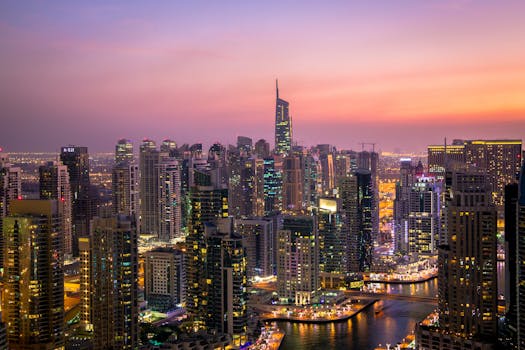
Off-plan property sales in Dubai surged 19.3% year-on-year in March 2025, underscoring sustained investor confidence in the emirate’s real estate sector, even as monthly figures registered a 7.4% decline compared to February. According to data from real estate consultancy ValuStrat, off-plan transactions accounted for nearly 70% of all residential deals during the month, reaffirming their dominant position in the market.

Jumeirah Village Circle led off-plan activity, followed by Business Bay, Damac Island City, Dubai Production City, and Dubai Maritime City. Notably, Dubai Production City and Uptown Motor City each recorded their highest-ever monthly volumes of off-plan sales, highlighting the growing appeal of emerging residential hubs.

While off-plan sales experienced a month-on-month dip, the broader market context remains robust. In February, off-plan registrations had increased by 22.2% compared to January, representing over 70% of total home sales. This upward trajectory aligns with the broader trend of rising demand for new developments, driven by attractive payment plans and anticipated capital appreciation.

The secondary market, meanwhile, showed mixed signals. Ready home transactions declined by 2.4% month-on-month in March but edged up 1.1% year-on-year. This suggests a stabilising trend in the resale segment, as buyers weigh options between immediate occupancy and investment in upcoming projects.

Dubai’s real estate market has been buoyed by a combination of factors, including population growth, limited new supply, and investor-friendly policies. In 2024, the city added over 170,000 new residents, the highest annual increase since 2018, while only 58% of the projected residential supply was delivered, equating to about 27,000 completed homes. This supply-demand imbalance has contributed to significant price increases across various property segments.

The ValuStrat Price Index reported a 27.5% annual rise in residential capital values by December 2024, with villas appreciating by 31.6% and apartments by 23.6%. Such growth has reinforced investor interest in off-plan properties, perceived as offering better value and higher potential returns.

Sharjah has achieved a groundbreaking milestone in agricultural science by developing a wheat variety with a protein content of 19.3%, the highest recorded globally. This advancement positions the emirate at the forefront of sustainable food production and security.

The wheat, branded as “Saba Sanabel,” is cultivated at the Mleiha farm under the supervision of the Sharjah Department of Agriculture and Livestock . The farm employs organic farming techniques, eschewing chemical fertilisers and pesticides, and utilises desalinated water for irrigation. This approach not only enhances soil fertility but also contributes to the superior quality of the wheat produced.

Dr. Engineer Khalifa Al Tunaiji, Chairman of SDAL, attributes the exceptional protein content to the organic farming system and the use of desalinated water, which accelerates the transfer of dry matter from stems and leaves to grains. The wheat’s cultivation process has earned five quality and safety accreditation certifications, reflecting its adherence to stringent health and safety standards.

The initiative is part of a broader strategy to achieve self-sufficiency in wheat production within Sharjah. The emirate has launched a biotechnology laboratory dedicated to wheat hybridisation, featuring 550 different strains of non-GMO soft wheat. Researchers are working to develop new hybrids, such as “Sharjah 1,” which also boasts a high protein content of 19%, aiming to adapt to the UAE’s climate and reduce water usage by 30% through advanced irrigation tools.

The “Saba Sanabel” project, named after the Arabic term for seven spikes, plans to expand the cultivated area to 1,900 hectares, planting 285 tons of wheat seeds, and aiming to produce 15,200 tons of high-quality organic wheat. This production volume is intended to fulfill 100% of the emirate’s retail needs, thereby reducing reliance on imported wheat and enhancing food security.

The success of Sharjah’s wheat cultivation has been recognised by His Highness Sheikh Dr. Sultan bin Mohammed Al Qasimi, Supreme Council Member and Ruler of Sharjah. He emphasised the project’s role in integrating nourishment projects into the emirate’s food security strategy, ensuring the availability of high-quality agricultural and animal husbandry products.

Abu Dhabi-based Mubadala Energy has announced a strategic partnership with Kimmeridge Energy Management to acquire a significant stake in the Commonwealth LNG project in Cameron, Louisiana. This move marks Mubadala Energy’s inaugural investment in the United States’ liquefied natural gas sector, aligning with its strategy to expand its gas portfolio amid the global energy transition.

Kimmeridge Energy Management, through its subsidiary Kimmeridge Texas Gas, acquired a 90% stake in Commonwealth LNG in June 2024. The project is developing a 9.5 million metric tons per annum LNG export facility on the west bank of the Calcasieu Ship Channel. The acquisition aimed to advance the project towards a final investment decision by the end of the second quarter of 2025.

In August 2023, Commonwealth LNG secured development capital from Kimmeridge, completing the funding required to reach FID. The two companies agreed in principle on a 20-year, 2 mtpa LNG offtake commitment from the facility, along with associated gas supply. This agreement also included terms for Kimmeridge’s participation in providing further equity to support the construction of the facility.

Mubadala Energy’s entry into the partnership brings additional financial strength and international expertise to the Commonwealth LNG project. While specific details of Mubadala’s investment have not been disclosed, the collaboration is expected to enhance the project’s prospects amid a competitive and evolving LNG market.

The Commonwealth LNG project has faced regulatory challenges, particularly concerning the U.S. Department of Energy’s approval process for LNG export licenses. The project has been awaiting an export permit for over a year, with delays attributed to the Biden administration’s pause on LNG export-permit reviews. Kimmeridge’s Managing Partner, Ben Dell, expressed optimism that the pause could be lifted early next year, potentially allowing the project to reach FID in the fourth quarter of 2025.

In anticipation of regulatory approvals, Commonwealth LNG has been proactive in securing partnerships and agreements to bolster the project’s development. In August 2023, the company entered into a collaboration with Baker Hughes for the supply of gas compression technology and equipment, aiming to commence production in early 2027. Additionally, Commonwealth LNG and Kimmeridge Texas Gas committed to natural gas certification under MiQ standards, reflecting a focus on environmental responsibility.

Dubai’s Roads and Transport Authority has incorporated Light Detection and Ranging technology into its road asset management system to improve maintenance efficiency and data accuracy. This initiative aligns with RTA’s commitment to adopting advanced technologies to enhance infrastructure quality and safety.

The LiDAR system employs laser scanning to capture detailed measurements of road surfaces, enabling precise detection of issues such as cracks, subsidence, and potholes. This approach has reduced field inspection time by up to 400% and increased data accuracy to 97% compared to traditional methods. Maitha bin Adai, CEO of RTA’s Traffic and Roads Agency, highlighted that this technology plays a significant role in enhancing operational efficiency and ensuring road safety.

In recognition of its innovative approach, RTA received the Brandon Hall Excellence Award 2022 for the Pavement Maintenance Management System , an automated system designed to assess road conditions and manage maintenance activities. The PMMS tracks and examines paving layers across various road types, recording current conditions and identifying damages throughout the pavement’s operational lifecycle. Bin Adai noted that Dubai’s Road Facilities Construction Condition Index achieved a 95% score in 2022, reflecting the effectiveness of these advanced assessment methods.

The United States stock market experienced a significant surge following President Donald Trump’s announcement of a 90-day suspension on most newly imposed tariffs. This unexpected policy shift led to a substantial influx of approximately $5.1 trillion into the market, marking one of the most notable rallies in recent history.

On April 9, 2025, President Trump declared a temporary halt to the implementation of new tariffs, with the notable exception of those targeting Chinese imports, which were increased to 125%. This decision came after appeals from over 75 countries seeking relief from escalating trade tensions. The President’s announcement was made via his social media platform, Truth Social, where he encouraged investors to capitalize on the market conditions.

The market responded promptly and positively to the President’s remarks. The S&P 500 index rose by 9.5%, its most significant gain since 2008, while the Dow Jones Industrial Average increased by 7.9%, adding 2,963 points—the largest point gain in its history. The Nasdaq Composite outperformed with a 12.2% surge, marking its most substantial one-day rise since the early 2000s.

Technology stocks, particularly those comprising the “Magnificent Seven,” experienced remarkable rebounds. Nvidia’s stock soared by 18.72%, reflecting strong investor confidence in the semiconductor sector. Tesla’s shares increased by 22.69%, indicating renewed optimism in the electric vehicle market. Apple and Meta Platforms also saw significant gains of 15.33% and 14.76%, respectively, suggesting a positive outlook for consumer electronics and social media industries. Microsoft, Amazon, and Alphabet recorded increases of 10.13%, 11.98%, and 9.88%, respectively, underscoring the broad-based recovery among leading technology firms.

Despite the market’s enthusiastic response, some analysts urge caution, emphasizing the temporary nature of the tariff suspension and the ongoing complexities in international trade relations. The increased tariffs on Chinese goods to 125% have prompted concerns about potential retaliatory measures from Beijing, which could introduce further volatility into the market. Additionally, the bond market exhibited signs of distress, with notable fluctuations in Treasury yields, reflecting underlying uncertainties about the long-term economic implications of the administration’s trade policies.

In Congress, reactions to the President’s tariff pause were mixed. While some Republican lawmakers welcomed the move as a strategic decision to stabilize the economy, others expressed skepticism about the consistency and predictability of the administration’s trade policy. Democratic leaders criticized the abrupt policy shift, labeling it as erratic and potentially destabilizing for both domestic and global markets.

Internationally, the response was varied. While many countries expressed relief at the temporary suspension, the heightened tariffs on Chinese imports escalated tensions with Beijing. China responded by increasing tariffs on U.S. imports to 84%, signaling a potential intensification of the trade conflict between the two economic giants.

President Trump’s decision to pause most new tariffs appears to be a strategic maneuver aimed at alleviating immediate market anxieties and opening avenues for further trade negotiations. However, the selective nature of the tariff adjustments, particularly the substantial increase on Chinese goods, suggests a continued commitment to addressing specific trade imbalances. The administration’s approach reflects an attempt to balance domestic economic interests with the complexities of international trade dynamics.

Off-plan property transactions in Dubai have exhibited a complex pattern of growth and decline, underscoring the dynamic nature of the emirate’s real estate market. In January 2025, off-plan sales accounted for 69.1% of total home sales, reflecting a 37.9% year-on-year increase, despite a 13.5% month-on-month decline . This trend continued into February 2025, with off-plan transactions comprising a significant portion of the market, even as the total number of sales reached approximately 16,099, marking a 35% increase compared to the same period in 2024 .

In March 2025, off-plan property sales rose 19.3% year-on-year but declined 7.4% compared to February, according to a report by real estate agency ValuStrat. Despite the monthly dip, off-plan sales continued to dominate market activity, accounting for a substantial portion of total transactions.

The sustained interest in off-plan properties can be attributed to several factors. Competitive pricing and flexible payment plans have made these properties particularly appealing to investors and end-users alike. Additionally, limited supply in the secondary market has driven buyers toward off-plan options .

Developers have responded to this demand by accelerating project launches. In 2024, approximately 145,000 new off-plan units were introduced to the market, averaging 400 units daily . This surge in supply aims to meet the growing appetite for off-plan properties, particularly in emerging developments such as Palm Jebel Ali and The Oasis, which are attracting high-net-worth individuals seeking exclusivity and long-term capital appreciation .

The preference for off-plan properties is also evident in the types of units being transacted. Apartments have remained the preferred choice among buyers, accounting for 61% of all sales by volume in early 2024. Notably, 90% of off-plan sales during this period were apartments, highlighting their affordability, strong rental yields, and appeal to both end-users and investors .

However, the market has also experienced fluctuations. In August 2024, off-plan property prices saw a slight decline of 4.2% compared to the previous year, indicating a recalibration towards price equilibrium. Analysts suggest that this dip does not signify a weakening market but rather a healthy adjustment, as investors show a growing preference for ready-to-move-in properties .

The overall health of Dubai’s real estate sector is further evidenced by significant capital gains. In January 2025, the ValuStrat Price Index recorded a 27% year-on-year surge, with villa values reaching 264.2 points and apartments at 165 points . This upward trajectory reflects the robust demand and investor confidence in the market.

Population growth has also played a role in shaping the real estate landscape. In 2024, Dubai’s population increased by over 170,000 residents, the highest surge since 2018. This influx has intensified demand for housing, contributing to the rise in property prices and rental rates .

Nakheel Properties has unveiled the third phase of its Bay Grove Residences development on Dubai Islands, introducing 241 residential units across three contemporary buildings. This expansion aims to meet the increasing demand for upscale waterfront living in Dubai.

The new phase offers a variety of living spaces, including one, two, and three-bedroom apartments, as well as four-bedroom duplexes. Unit sizes range from approximately 861 to 3,625 square feet, with prices starting at AED 2 million. Each residence is designed to provide expansive views of the sea and the Dubai skyline, featuring modern interiors and private terraces.

Residents will have access to a range of amenities, such as an infinity pool, fitness center, clubhouse, children’s play areas, and landscaped gardens. The development also offers direct access to a pristine beach, enhancing the coastal living experience.

Strategically located on Island B of Dubai Islands, Bay Grove Residences ensures seamless connectivity to key areas of the city. The development is approximately 14.6 kilometers from Dubai International Airport and 9 kilometers from Deira Island Beach. The newly constructed Infinity Bridge further facilitates convenient access to Dubai’s major attractions and business districts.

The project aligns with the Dubai 2040 Urban Master Plan, which emphasizes sustainable urban development and aims to position Dubai as a global hub for tourism and investment. Dubai Islands comprises five interconnected islands, offering over 20 kilometers of beaches and extensive waterfront living options.

Advertisements

The Central Bank of the United Arab Emirates has officially granted Tap Payments a Retail Payment Services license, marking a significant advancement for the fintech company in the Middle East and North Africa region. This authorization enables Tap Payments to offer comprehensive payment solutions, including merchant acquiring, payment aggregation services, and domestic fund transfers within the UAE.

Established in 2014, Tap Payments has rapidly expanded its footprint across the MENA region, serving over 100,000 businesses in countries such as Saudi Arabia, Kuwait, Bahrain, Qatar, Oman, Egypt, Jordan, Lebanon, and the UAE. The company’s mission centers on simplifying online payments and fostering financial inclusion through innovative technology.

The acquisition of the UAE license aligns with Tap Payments’ strategic vision to unify and streamline payment processes across the region. This development is particularly timely, as the UAE’s e-commerce market is projected to reach $17 billion by 2025, reflecting a compound annual growth rate of 11%. The surge in digital transactions underscores the growing demand for secure and efficient payment solutions.

In addition to the UAE, Tap Payments has secured regulatory approvals in several other Gulf Cooperation Council countries. In March 2024, the company obtained the Electronic Payment Service Provider License from the Central Bank of Kuwait, adhering to the latest business regulations issued in May 2023. This achievement underscores Tap Payments’ commitment to compliance and innovation in the financial technology sector.

In May 2024, Tap Payments received the Payment Service Provider license from the Qatar Central Bank. This milestone aligns with Qatar’s National Vision 2030, emphasizing the country’s dedication to fostering a robust digital economy. The license enables Tap Payments to offer its full suite of payment solutions to businesses and consumers in Qatar, further solidifying its presence in the region.

Smart Mobility International , a UAE-based distributor of New Energy Vehicles , has entered into a strategic partnership with IM Motors, a Chinese electric vehicle manufacturer co-founded by SAIC Motor, Alibaba Group, and Shanghai Zhangjiang Hi-Tech Park Development. This collaboration aims to introduce IM Motors’ premium electric vehicles to the United Arab Emirates , marking the brand’s inaugural entry into the Gulf Cooperation Council region.

IM Motors, established in 2020, has rapidly gained recognition for its innovative approach to electric mobility. The company’s vehicle lineup includes models such as the IM L7 sedan and the IM LS7 SUV, both of which have garnered attention for their advanced technology and design. In March 2024, IM Motors secured over 8 billion yuan in a Series B equity financing round. This funding, one of the largest investments in Chinese EV brands in recent years, was led by prominent state-backed investors, including Bank of China’s asset management unit, an investment arm of Agricultural Bank of China, and Shanghai government-backed Lingang Group. The capital infusion is earmarked for the development of new smart car models, technological advancements, and overseas expansion plans.

SMI has been proactive in aligning with the UAE’s vision for sustainable transportation. In January 2025, the company announced the opening of a specialized NEV service center in Dubai’s Al Quoz automotive district. This facility is designed to offer comprehensive maintenance services tailored to electric vehicles, including quick service areas, specialized battery care sections, and advanced diagnostic tools. The initiative reflects SMI’s commitment to supporting the UAE’s goal of increasing NEVs to 50% of the total vehicles on the nation’s roads by 2050.

The partnership between SMI and IM Motors is poised to introduce a range of premium electric vehicles to the UAE market. While specific models and timelines have yet to be announced, industry observers anticipate that IM Motors’ flagship vehicles, such as the IM L7 and IM LS7, will be among the first offerings. These models are known for their cutting-edge features, including autonomous driving capabilities, advanced infotainment systems, and impressive driving ranges.

The UAE’s automotive market has witnessed a surge in interest towards electric vehicles, driven by government initiatives promoting sustainable energy and reducing carbon emissions. The introduction of IM Motors’ vehicles is expected to cater to the growing demand for high-performance, environmentally friendly transportation options.

Global oil prices have fallen to their lowest levels in over four years, driven by escalating trade tensions and fears of a global economic slowdown. Brent crude dropped by 3.79% to $60.44 per barrel, while West Texas Intermediate declined by 4.13% to $57.12, marking their lowest points since February 2021. This decline follows the United States’ implementation of 104% tariffs on Chinese imports, after Beijing maintained its 34% retaliatory tariffs on U.S. goods. The escalating tit-for-tat measures have dampened hopes for a swift resolution, raising concerns about a deepening global recession and diminishing energy demand.

Compounding the situation, the Organization of the Petroleum Exporting Countries and its allies plan to increase output by 411,000 barrels per day in May, potentially leading to a supply surplus. Analysts warn that this move could further destabilize the market. Despite a slight easing from a 1.1 million-barrel decrease in U.S. crude inventories, overall sentiment remains bearish. Goldman Sachs forecasts further declines in oil prices through 2025 and 2026. Additionally, Russia’s ESPO Blend oil has, for the first time, dropped below the $60 Western price cap, underlining the global pressure on oil markets.

In Canada, oil and gas executives are adopting a cautious approach in response to the price slump. Doug Bartole, CEO of InPlay Oil, indicated that while immediate cutbacks in production or spending are not planned, sustained low prices, especially around $50 per barrel, could prompt strategic reassessments. InPlay recently completed a C$321 million acquisition of Alberta oil assets from Obsidian Energy, despite market uncertainties. Analysts from ATB Capital Markets have downgraded InPlay’s share target based on current low WTI price levels. Economist Peter Tertzakian noted that while major oil sands companies can sustain lower prices, smaller firms may need to adjust capital expenditures if the price slump continues. Meanwhile, Birchcliff Energy CEO Chris Carlsen highlighted a potential benefit for natural gas producers, as reduced oil drilling may decrease associated gas output, potentially tightening supply.

The sharp decline in oil prices poses significant challenges for Saudi Arabia’s ambitious Vision 2030 megaprojects, including the futuristic Neom city. Oil remains the backbone of the kingdom’s economy, despite efforts to diversify. With Brent crude recently falling to $62 a barrel and forecasts suggesting further declines due to global economic instability and increased OPEC+ output, the country faces a budget deficit and reduced oil-derived income. Saudi Aramco’s anticipated dividends have dropped significantly, compounding financial pressures. Analysts expect the government may scale back or delay lower-priority projects, focus on key investments like global events, or increase borrowing and taxation. Notably, plans for “The Line” have reportedly been reduced to a 1.5-mile stretch associated with the 2034 FIFA World Cup. Despite reassurances from Saudi officials, concerns persist that the ambitious Neom development, championed by Crown Prince Mohammed bin Salman, may need to be downsized unless oil revenues recover.

The U.S. administration’s tariff policies have been a significant factor in the market’s volatility. While some argue that the tariffs, impacting about 1% of the $28 trillion U.S. economy, are intended to shift global trade dynamics in favor of the United States and counter countries like China, others believe that the market’s reaction has been exaggerated. Despite the uproar, these tariffs would channel approximately $300 billion annually to the U.S. Treasury. Critics argue that the U.S., while the world’s largest importer, has a relatively low import-to-GDP ratio compared to other countries. They contend that China has more to lose in a trade war due to its export-reliant economy and employment structure. American public sentiment appears cautiously supportive of fair trade measures, especially against perceived Chinese industrial subsidies. Some suggest that markets should adopt a wait-and-see approach rather than panicking, likening the administration’s stance to the backlash faced by UK Prime Minister Liz Truss over her economic reform attempts, suggesting a resistance to market-driven pressure.

Falling oil prices, encouraged by policies aimed at reducing regulatory burdens, may bring lower gasoline costs but also discourage new oil production due to unprofitable pricing levels and economic uncertainty. Efforts to stimulate future energy production, such as expanding drilling access and reviving coal via executive order, are counterbalanced by cautious industry investment amidst global trade tensions. Additionally, March 2025 was the second-warmest on record globally, with Arctic sea ice hitting a near half-century low, continuing a concerning trend of climate anomalies. On the tech front, battery startup Bedrock Materials is shutting down due to competitiveness issues against cheaper lithium-ion technology from China. Meanwhile, Tesla alum Drew Baglino’s Heron Power is raising $50 million to develop advanced solid-state transformers, reflecting continued clean-tech investment. Furthermore, the Bezos Earth Fund and Global Methane Hub announced a $27.4 million initiative to identify and breed cattle and sheep that emit less methane, a step toward sustainable livestock farming. These developments reflect significant intersections between policy, environment, and innovation shaping global energy and climate landscapes.

The United Arab Emirates will enforce a 15% Domestic Minimum Top-up Tax on large multinational enterprises operating within its jurisdiction, effective for financial years commencing on or after January 1, 2025. This measure aligns with the Organisation for Economic Co-operation and Development’s Two-Pillar Solution, aiming to ensure that MNEs pay a minimum effective tax rate globally. The DMTT applies to MNEs with consolidated global revenues of €750 million or more in at least two of the four financial years preceding the tax period.

The UAE Ministry of Finance announced this initiative as part of its commitment to international tax standards and to bolster non-oil revenue streams. The DMTT is designed to prevent tax base erosion by ensuring that large MNEs contribute a fair share of taxes in the countries where they operate. This move follows the UAE’s introduction of a 9% corporate tax on business profits exceeding AED 375,000, implemented in June 2023. The new 15% tax specifically targets large MNEs, reflecting the UAE’s dedication to global tax transparency and fairness.

Goldman Sachs Group Inc. has cautioned that Brent crude oil prices could plummet below $40 per barrel under extreme scenarios, as escalating trade tensions between the United States and China exacerbate fears of a global economic downturn. This warning follows the bank’s recent downward revision of its 2025 Brent crude forecast to $77 per barrel, a $5 reduction from earlier estimates, citing unexpected increases in oil inventories and sluggish demand growth from China.

The ongoing trade dispute has led to significant market volatility, with President Donald Trump’s administration imposing tariffs of up to 60% on Chinese goods and 25% on steel imports. These aggressive measures have rattled global markets, leading to a bear market for the S&P 500 and substantial losses across major indices, including the FTSE 100 and DAX.

In response to these developments, OPEC+, the alliance of the Organization of the Petroleum Exporting Countries and its partners, announced an unexpected production increase of 411,000 barrels per day starting in May. This move aims to discipline non-OPEC supply but has contributed to a surplus, further depressing oil prices.

Analysts at Goldman Sachs have outlined several scenarios that could lead to a sharp decline in oil prices. For instance, if Chinese oil demand remains flat, Brent crude could drop to $60 per barrel. Additionally, the imposition of a comprehensive 10% tariff on imported goods by the U.S. could drive prices down to $63 per barrel. A full reversal of OPEC’s additional production cuts of 2.2 million barrels per day could further push prices to $61 per barrel.

The repercussions of these developments are multifaceted. While consumers may benefit from lower fuel prices, energy companies, particularly those involved in U.S. shale production, face significant financial strain. Major firms such as Chevron, Occidental Petroleum, and Diamondback Energy have already experienced notable stock declines.

The broader economic implications are equally concerning. The combination of escalating trade tariffs and increased oil production has heightened fears of a global recession. Financial institutions, including JPMorgan, have raised their recession forecasts, reflecting the growing economic uncertainties.

Stock markets across the United Arab Emirates have witnessed notable declines, influenced by escalating global trade tensions and fluctuating oil prices. The Dubai Financial Market and the Abu Dhabi Securities Exchange have both been affected, reflecting broader regional economic concerns.

The DFM’s main index recorded a 3.1% drop, with Dubai Islamic Bank experiencing a 5.7% decline. Similarly, the ADX index fell by 2.6%, influenced by a 5% decrease in ADNOC Gas shares. These downturns align with a broader trend observed across Gulf Cooperation Council markets, as investors react to the intensifying trade disputes between major global economies.

U.S. President Donald Trump’s recent implementation of comprehensive tariffs has heightened fears of a global recession. In retaliation, China announced a 34% tariff on American goods, effective April 10. President Trump stated he would not engage in negotiations with China until the U.S. trade deficit is addressed. These developments have contributed to increased volatility in global markets, with the S&P 500 companies in the U.S. losing $5 trillion in value over two days.

Oil prices, a critical component of Gulf economies, have also been affected. Brent crude prices declined nearly 15% over five days to just over $64 per barrel, marking a 30% decrease from the previous year. This decline is well below the break-even point for many Middle Eastern oil producers, adding to the economic strain in the region.

The Saudi stock market has not been immune to these pressures. The Saudi benchmark index experienced a 6.8% drop, its sharpest fall since May 2020. Major financial institutions like Al Rajhi Bank and Saudi National Bank lost nearly 6%, while oil giant Saudi Aramco fell 5.3%. These declines underscore the pervasive impact of global trade tensions on the region’s financial markets.

Analysts suggest that Gulf nations may need to consider austerity measures and fiscal cutbacks in response to these economic challenges. The increased tariffs and declining oil revenues could compel governments to reassess their spending and economic strategies to navigate the turbulent financial landscape.

The broader implications of these developments are significant. The escalating trade war between the U.S. and China has the potential to disrupt global supply chains, affecting economies worldwide. For the Gulf region, which is heavily reliant on oil exports and international trade, the ramifications could be particularly severe.

Beacon Red, a subsidiary of the EDGE Group specializing in national security solutions, has entered into a strategic Memorandum of Understanding with Presight AI, a leading provider of big data analytics powered by artificial intelligence. The agreement aims to explore synergies between Presight’s advanced AI and omni-analytics capabilities and Beacon Red’s mission-focused security solutions. The partnership was formalized during the LAAD Defence & Security 2025 exhibition at the Riocentro Exhibition and Convention Center in Rio de Janeiro, Brazil.

The collaboration between Beacon Red and Presight AI is set to leverage the strengths of both entities to develop innovative security solutions. Beacon Red has a track record of tackling complex national security challenges, offering advanced solutions in areas such as cyber defense and secure communications. Presight AI, on the other hand, has established itself as a key player in the AI and big data analytics sector, with partnerships aimed at revolutionizing crisis and disaster management through the integration of advanced data analytics and AI into emergency response systems.

This alliance is expected to focus on integrating Presight’s AI-driven analytics with Beacon Red’s security platforms to enhance situational awareness and decision-making processes in security operations. By combining Presight’s capabilities in processing and analyzing vast amounts of data with Beacon Red’s expertise in security solutions, the partnership aims to deliver comprehensive tools for threat detection and response.

The MoU signifies a commitment to joint research and development efforts, with the goal of creating solutions that address emerging security challenges. Both companies have previously demonstrated a commitment to innovation and collaboration in their respective fields. Presight AI has engaged in partnerships to enhance video analytics capabilities for smart city initiatives, while Beacon Red has been recognized for fostering a high-performance culture and developing cutting-edge security solutions.

The formalization of this partnership at LAAD Defence & Security 2025 underscores the importance of international collaboration in advancing security technologies. The exhibition serves as a platform for defense and security companies to showcase innovations and forge strategic alliances. The Beacon Red and Presight AI partnership exemplifies the trend of cross-sector collaborations aimed at leveraging technological advancements to address complex security issues globally.

As the security landscape continues to evolve with the advent of new technologies and emerging threats, collaborations such as this are poised to play a crucial role in developing solutions that are both effective and adaptable. The integration of AI and big data analytics into security operations offers the potential for more proactive and informed decision-making, ultimately contributing to enhanced security outcomes.

The partnership between Beacon Red and Presight AI reflects a strategic move to harness the power of artificial intelligence in the realm of national security. By combining their respective expertise, the two companies aim to develop solutions that not only address current security challenges but also anticipate and adapt to future threats. This collaboration is indicative of a broader industry trend where technology and security firms are joining forces to create integrated solutions that leverage the latest advancements in AI and data analytics.

While specific details of the joint initiatives have not been disclosed, the partnership is expected to focus on areas where AI can significantly enhance security operations, such as predictive analytics, real-time threat detection, and automated response mechanisms. By integrating AI into security platforms, the collaboration aims to provide security professionals with tools that offer deeper insights and more efficient processes, ultimately leading to more effective security measures.

The collaboration also aligns with broader efforts within the EDGE Group to expand its capabilities in electronic warfare and cyber technologies. The group’s focus on integrating advanced technologies into its portfolio reflects a commitment to staying at the forefront of the defense and security industry. By partnering with technology firms like Presight AI, EDGE entities such as Beacon Red are positioned to offer more sophisticated and comprehensive solutions to their clients.

In the context of global security, partnerships that bridge the gap between technology and defense are becoming increasingly important. The integration of AI into security operations offers the potential to transform how threats are detected and managed, enabling more proactive and adaptive responses. As such, collaborations like the one between Beacon Red and Presight AI are not only beneficial for the companies involved but also for the broader security landscape.

The formalization of this partnership at an international event like LAAD Defence & Security 2025 highlights the global nature of security challenges and the need for cross-border collaborations to address them effectively. By coming together, companies from different regions and sectors can combine their strengths to develop solutions that are more robust and versatile.

The United Arab Emirates Ministry of Finance has introduced Cabinet Decision No. 35 of 2025, outlining specific criteria under which non-resident juridical persons—entities not incorporated in the UAE—are considered to have a taxable presence, or ‘nexus’, in the country. This decision supersedes the earlier Cabinet Decision No. 56 of 2023 and provides clarity on the tax obligations of foreign investors, particularly those involved with Qualifying Investment Funds and Real Estate Investment Trusts .

Under the new guidelines, non-resident juridical persons are deemed to have a nexus in the UAE if they earn income from immovable property located within the country. Immovable property encompasses land, buildings, and fixtures permanently attached to the land or structures. This definition aligns with international tax norms, ensuring that income derived from such properties is taxable in the jurisdiction where the property is situated.

The decision specifies that foreign entities investing in UAE real estate, whether directly or through vehicles like QIFs or REITs, will be subject to corporate tax on income generated from these investments. This taxation applies regardless of whether the property is held for business operations or as an investment asset. The income will be taxed on a net basis, permitting the deduction of relevant expenditures that comply with the conditions set out in the Corporate Tax Law.

Younis Haji Al Khoori, Undersecretary of the Ministry of Finance, emphasized that this approach is consistent with international best practices, which stipulate that income derived from immovable property is taxable in the country where the property is located. He noted that the UAE’s Corporate Tax Law incorporates features that honor international taxation principles and ensures neutrality between domestic and foreign companies earning income from immovable property in the UAE.

The introduction of these guidelines is part of the UAE’s broader efforts to establish a fair and transparent tax system that aligns with global standards. In December 2024, the UAE announced plans to implement a 15% minimum top-up tax on large multinational companies starting January 2025, in accordance with the Organisation for Economic Co-operation and Development’s global minimum corporate tax agreement. This tax targets companies with consolidated global revenues of €750 million or more in at least two of the four financial years preceding its implementation.

The Ministry of Finance is considering the introduction of corporate tax incentives to promote research and development activities and high-value employment within the country. The proposed R&D tax incentive, expected to take effect for tax periods starting on or after January 1, 2026, would offer a refundable tax credit ranging from 30% to 50%, depending on the size of the company’s operations and revenue. Similarly, a refundable tax credit for high-value employment activities is under consideration, potentially applicable from January 1, 2025.

The UAE’s commitment to aligning its tax policies with international standards reflects its dedication to fostering a competitive and transparent business environment. By clarifying the tax obligations of non-resident investors and introducing measures to prevent tax avoidance, the UAE aims to enhance its economic competitiveness and attract sustainable investments.

Arabian Post Staff -Dubai The United States has imposed a series of tariffs on countries within the Middle East and North Africa region, aiming to address what the administration describes as long-standing unfair trade practices. While these measures are poised to affect various sectors, exemptions granted to oil exports are expected to mitigate the overall economic impact on the region’s leading exporters. Gulf Cooperation Council countries—including Saudi […]

Emirates Airline has intensified its sustainability initiatives by implementing a closed-loop recycling programme aimed at reducing plastic waste. This initiative involves recycling millions of onboard items, including plastic trays, bowls, snack dishes, and casserole dishes, at a local facility in Dubai. These items are remanufactured into new meal service products for use on flights, aligning with the principles of a circular economy where materials are reduced, reused, and recycled.

The recycling process entails collecting used and damaged meal service items from Economy and Premium Economy Class after flights. These items are then washed, inspected for damage, and transported to a Dubai facility where they are ground down, reprocessed, and remoulded into new dishes, bowls, and trays. The remanufactured products are subsequently returned to Emirates Flight Catering for use in future in-flight services.

Emirates has partnered with deSter FZE UAE, a leading provider of serviceware concepts to the aviation industry and an expert in closed-loop manufacturing, for this initiative. The new meal service items contain at least 25% reused material, with plans to increase this proportion over time. The deSter facility in UAE was chosen to minimize the carbon footprint associated with recycling processes, as it eliminates the need to send products to other countries for recycling. The factory also incorporates sustainable design principles, focusing on solar power, efficient water use, and waste minimization.

The United Arab Emirates has reaffirmed its position as the global leader in Fibre to the Home connectivity, achieving a penetration rate of 99.3%. This marks the eighth consecutive year the nation has topped international rankings, surpassing technological hubs such as Singapore, Hong Kong, China, and South Korea. The FTTH Council’s latest annual report highlights this milestone, underscoring the UAE’s commitment to advancing its digital infrastructure.

The FTTH Council’s analysis encompassed data from 20 countries with FTTH availability exceeding 50%. Singapore secured the second position with a penetration rate of 97.1%, followed by Hong Kong at 95.3%, China at 92.9%, and South Korea at 91.5%. The UAE’s leading status reflects the nation’s strategic emphasis on developing next-generation digital infrastructure to support its economic and technological ambitions.

Central to this achievement is e& UAE, formerly known as Etisalat, which has played a pivotal role in enhancing the country’s connectivity landscape. The company has consistently invested in and developed world-class infrastructure for both 5G and fibre networks. Masood M. Sharif Mahmood, CEO of e& UAE, stated that the UAE’s proactive strategies and investments in fibre connectivity are a testament to the nation’s visionary leadership and its confidence to empower people to thrive in the digital age.

The UAE’s focus on fibre connectivity is integral to its broader digital transformation agenda. The nation has continuously invested in innovation and next-generation technologies to expand and enhance its infrastructure. This robust network forms the backbone of a digital ecosystem that supports various advanced technologies, including augmented reality, robotics, and artificial intelligence.

The high FTTH penetration rate offers tangible benefits to both consumers and enterprises. For consumers, it translates to high-speed internet access, facilitating seamless experiences in gaming, streaming, and other bandwidth-intensive applications. Enterprises, on the other hand, can leverage this infrastructure to support advanced use cases, applications, and technologies, thereby driving digital transformation across various sectors.

Beyond performance enhancements, fibre connectivity contributes to energy efficiency and sustainability goals. It is also critical in advancing hyperscalers, 5G Advanced, data centre connectivity, smart cities, and AI-driven initiatives. The UAE’s commitment to fibre connectivity aligns with its vision to become a global hub for innovation and technology.

The global shipping industry is experiencing significant upheaval following the implementation of extensive tariffs by U.S. President Donald Trump. These measures, including a 25% tariff on imports from Canada and Mexico and a 10% levy on Chinese goods, have disrupted international trade flows and introduced widespread economic uncertainty.

In anticipation of these tariffs, container vessel traffic to American ports surged by 12% last month, reaching a record 281 port calls in the week ending March 13, as reported by Ami Daniel of AI data provider Windward. This rush to ship goods ahead of the tariffs has complicated annual freight contract negotiations, set to begin on May 1, according to Norwegian analytics firm Xeneta. Asian shipping companies have responded by raising prices for routes to the U.S. to offset the expected tariffs on Chinese-built ships, as noted by Singapore-based Linerlytica.

The automotive sector has been notably affected. Jaguar Land Rover announced a temporary halt to exports of its British-made vehicles to the U.S. in response to the 25% import tariff. The company, which exports nearly a quarter of its 400,000 annual vehicle sales to the U.S., is assessing the financial impact and exploring options such as price increases for American consumers and boosting sales in other markets. Other UK-based automakers, including BMW, Rolls-Royce, and Ineos Automotive, are also evaluating their responses, with Ineos already raising U.S. prices.

The financial markets have reacted sharply to the tariff announcements. The Dow Jones Industrial Average and S&P 500 experienced significant declines over the past week, falling 7.9% and 9.1%, respectively, with the Dow dropping over 2,200 points on Friday alone. China responded with retaliatory 34% tariffs, escalating fears of a deepening trade war. Experts, including Moody’s chief economist Mark Zandi, warned that the tariffs could hinder productivity, damage the U.S.’ investment image, and prompt global allies to distance themselves from U.S. trade.

In the United Kingdom, Prime Minister Keir Starmer is considering a significant reset of the country’s economic policies in response to the U.S. tariffs. The FTSE 100 has plummeted over 7% in its worst week since the COVID-19 panic in March 2020. Amid fears of a prolonged recession, Starmer and Chancellor Rachel Reeves are reportedly contemplating raising taxes or altering fiscal rules to increase borrowing and stimulate growth, despite previous pledges to the contrary. British businesses, such as JLR, are already feeling the pressure, with the automotive sector particularly vulnerable due to its reliance on exports to the U.S.

The tariffs have also intensified discussions around supply chain deglobalization. Companies are reassessing their sourcing strategies, with potential shifts toward domestic production and alternative countries like Vietnam and India. This trend is driven by the need to mitigate the impact of tariffs and reduce reliance on any single country for manufacturing. However, such shifts are complex and require significant investment and time to implement.

The shipping industry is facing additional challenges due to the removal of the de minimis exemption for shipments under $800 from Canada, Mexico, and China. This change means that goods arriving by air will be subject to the new and existing tariffs, incur significant filing requirements and costs, and take longer to clear customs. This development could sharply reduce air cargo volumes from China to the U.S., leading to downward pressure on transpacific air cargo rates and potentially affecting the broader air cargo market.

Industry leaders are expressing concern over the escalating trade tensions. Billionaire Elon Musk expressed hopes for a future zero-tariff trade zone between North America and Europe. Meanwhile, leaders from the UK and France emphasized the importance of global cooperation and warned against the detrimental effects of trade wars. Italy’s economy minister cautioned against retaliatory actions and urged a rational response to safeguard Europe’s economic interests.

Oil markets witnessed a significant downturn as Brent crude, the global benchmark, tumbled over 13% in two days, settling just above $66 per barrel. This sharp decline follows the dual impact of OPEC+ unexpectedly increasing production and the imposition of new tariffs by President Donald Trump.

On April 4, 2025, Saudi Arabia led an initiative within OPEC+ to substantially boost oil output by 411,000 barrels per day starting in May. This move aims to penalize member countries like Kazakhstan and Iraq for consistently exceeding production quotas. The decision contributed to an 8% drop in oil prices, with Brent crude falling below $65 per barrel for the first time since 2021.

Concurrently, President Trump intensified trade tensions by imposing tariffs on imports from Canada, China, and Mexico. China responded with a retaliatory 34% tariff on U.S. imports, escalating fears of a global economic slowdown and further pressuring oil prices.

Goldman Sachs revised its 2025 oil price forecasts downward, cutting Brent crude to $69 and West Texas Intermediate to $66 per barrel. JPMorgan raised its global recession probability to 60%, up from 40%, reflecting growing concerns over economic stability.

The surge in supply and escalating trade disputes have led to significant losses in energy stocks. Major oil companies, including Chevron, APA, Occidental Petroleum, and Diamondback Energy, experienced notable declines. The Energy Select Sector SPDR ETF fell nearly 7% on the day and almost 13% for the week.

Analysts suggest that until production is significantly reduced, oil prices may continue to fall. The geopolitical backdrop includes U.S. relations with Saudi Arabia, key to both energy policy and diplomatic efforts related to Russia, Iran, and broader Middle East tensions.

In contrast, natural gas stocks have shown resilience, supported by rising LNG exports and less exposure to OPEC’s dynamics. Companies like EQT, Expand Energy , and Coterra Energy are highlighted as attractive investments due to geographic advantages and favorable valuations.

The current downward trend in oil prices is primarily driven by OPEC+’s decision to increase output and the introduction of U.S. tariffs. Analysts expect the tariffs to curb economic activity and demand for energy, weighing on oil prices. The bank also said higher-than-expected crude supply and a demand squeeze from softer U.S. economic activity and tariff escalation posed downside risks to oil price forecasts.

The Organization of the Petroleum Exporting Countries and its allies, known as OPEC+, decided on Monday to increase output for the first time since 2022, further pressuring crude prices. The group will make a small increase of 138,000 barrels per day from April, the first step in planned monthly increases to unwind its nearly 6 million bpd of cuts, equal to almost 6% of global demand.

The larger-than-expected decline in crude stocks supported the downward trend in oil prices, pointing to weakening demand in the U.S. The U.S. Energy Information Administration is expected to announce the official inventory data during the day.

The risks to oil prices remain tilted to the downside with new supply from OPEC+ and non-OPEC producers expected to push the market well into an oversupply. Brent prices on Wednesday fell to their lowest since December 2021 after U.S. crude inventories rose and in the wake of the decision by OPEC+ to increase their output quotas.

Oil prices had already been trading lower in the last few weeks, partly because of expectations that U.S. president Donald Trump could swiftly end Russia’s war in Ukraine. This, in turn, is likely to increase Russian oil output thanks to sanctions relief.

The benchmark previously dropped to $66.77 a barrel, the lowest since November. “The current downward trend in oil prices is primarily driven by OPEC+’s decision to increase output and the introduction of U.S. tariffs,” said Darren Lim, commodities strategist at Phillip Nova. He said another factor was President Donald Trump’s decision to pause all U.S. military aid to Ukraine after his Oval Office clash with President Volodymyr Zelenskiy last week.

Those politics are likely connected with the wheeling and dealing of Donald Trump, referring to the U.S. president’s calls for lower oil prices. U.S. tariffs of 25% on imports from Canada and Mexico took effect at 12:01 a.m. EST on Tuesday, with 10% tariffs on Canadian energy, while tariffs on imports of Chinese goods were increased to 20% from 10%. Analysts expect the tariffs to curb economic activity and demand for energy, weighing on oil prices.

The bank also said higher-than-expected crude supply and a demand squeeze from softer U.S. economic activity and tariff escalation posed downside risks to oil price forecasts. Chinese demand is also down, with a period of refinery maintenance looming, said Josh Callaghan, head of crude derivatives at Arrow Energy Markets.

Oil prices declined for a third day on Wednesday, as investors worried about OPEC+ plans to proceed with output increases in April, and U.S. President Donald Trump’s tariffs on Canada, China, and Mexico escalated trade tensions. Brent futures fell $1.02, or 1.44%, to $70.02 a barrel by 1149 GMT. U.S. West Texas Intermediate crude declined $1.33, or 1.95%, to $66.93 a barrel.

Emirati trainer Saeed bin Suroor is set to field Godolphin’s seasoned contenders, Dubai Future and Passion and Glory, in the Group 2 Dubai Gold Cup at Meydan Racecourse on Saturday, 5 April 2025. The Dubai Gold Cup, a 3,200-meter turf race, boasts a purse of $1 million and is a highlight of the Dubai World Cup meeting, which offers a total prize pool of $30.5 million.

Dubai Future, a nine-year-old gelding, returns to the track after a 14-month hiatus. Bin Suroor has expressed confidence in Dubai Future’s readiness, noting, “Dubai Future is having his first start for a while, although I have been really pleased with his work. He has gone well at Meydan before and I’m hoping for another good run.” The gelding has previously demonstrated his capabilities with three wins at Meydan and a notable victory in the Group 3 Nad Al Sheba Trophy on 21 February 2025.

Passion and Glory, another of Bin Suroor’s trainees, has also shown promise on the international stage. Reflecting on their performances, Bin Suroor remarked, “It was amazing to finally win the Bahrain Trophy after trying for a few years and to have the runner-up as well as a fantastic bonus. Dubai Future and Passion and Glory obviously both put in exceptional performances.”

The Dubai World Cup meeting is renowned for attracting top-tier talent from around the globe. Sheikh Rashed bin Dalmook Al Maktoum, Chairman of the Dubai Racing Club, highlighted the event’s prestige, stating, “We have received some outstanding nominations for the 29th Dubai World Cup meeting from all corners of the globe. This is a testament both to the outstanding facilities for horses at Meydan Racecourse and the strength of the Dubai World Cup meeting, one of the best days of racing on the global calendar.”

Bin Suroor’s impressive record includes nine victories in the $12 million Dubai World Cup race. He has emphasized the significance of the event, saying, “The race meeting was created to become the best in the world and it has exceeded all expectations.” His notable wins feature the legendary Dubai Millennium in 2000 and Thunder Snow, who made history as the first horse to win the race twice.

The Nasdaq Composite Index entered bear market territory on Friday, April 4, 2025, closing over 20% below its December peak. This significant downturn was precipitated by President Donald Trump’s imposition of a 10% tariff on all imports to the United States, with additional substantial levies targeting technology-centric nations such as China, Taiwan, and Vietnam. China’s swift retaliation, announcing a 34% tariff on all U.S. imports, intensified fears of a global recession and inflationary pressures.

Major U.S. stock indices experienced sharp declines. The S&P 500 fell approximately 2.5%, while the Dow Jones Industrial Average dropped nearly 2.45%, shedding 994.46 points to close at 39,551.47. Technology stocks bore the brunt of the sell-off, with Apple Inc. shares declining over 4%, following a nearly 10% drop the previous day. Nvidia and Broadcom each lost more than 7%, and Tesla shares plummeted almost 10%.

The newly announced tariffs, dubbed “Liberation Day” tariffs by the administration, include a universal 10% tariff on all imports and higher targeted tariffs for numerous countries. Economists warn that these measures could disrupt global supply chains, particularly impacting the technology sector, which relies heavily on components from China and Taiwan. The Semiconductor Industry Association expressed concern that the tariffs could stymie growth and innovation within the industry.

International responses were swift. The European Union signaled readiness to implement countermeasures, while the International Monetary Fund cautioned that escalating trade tensions pose significant risks to global economic stability. In the U.S., political figures across the spectrum voiced apprehension. Senate Majority Leader Mitch McConnell and Senator Ted Cruz criticized the tariffs, warning of potential harm to American workers and farmers.

Despite a robust March jobs report indicating the addition of 228,000 new jobs and a slight uptick in unemployment to 4.2%, market sentiment remained negative. Investors are now looking to Federal Reserve Chair Jerome Powell’s upcoming speech for insights into potential monetary policy adjustments in response to the escalating trade conflict.

The CBOE Volatility Index, a measure of market anxiety, surged to levels not seen since August 2024, reflecting heightened investor concern. Oil prices also declined significantly due to fears of reduced global demand amid the escalating trade tensions.

President Trump defended the tariff strategy, asserting that the measures are necessary to address longstanding trade imbalances and would ultimately benefit the U.S. economy. He urged investors to view the market downturn as a wealth opportunity.

Beijing has announced the imposition of a 34% tariff on all imports from the United States, effective April 10, 2025, in direct response to the sweeping tariffs introduced by U.S. President Donald Trump. The Chinese Ministry of Finance stated that this measure aims to counteract what it perceives as unjust and protectionist policies from Washington.

This development follows President Trump’s declaration of “Liberation Day” on April 2, during which he unveiled a universal 10% tariff on all foreign imports, with higher rates for specific countries. China was notably targeted with an additional 34% tariff, bringing the total levy on Chinese goods to 54%. The U.S. administration justified these tariffs as necessary to rectify longstanding trade imbalances and to protect domestic industries.

In a statement, China’s Ministry of Finance condemned the U.S. actions, urging Washington to immediately withdraw the imposed tariffs to prevent further escalation. The ministry emphasized that China’s countermeasures are a legitimate response to safeguard its national interests and the multilateral trading system.

The U.S. tariffs have been met with criticism from various quarters. Economists have expressed concerns over the methodology used to calculate these tariffs, arguing that the approach is overly simplistic and could lead to unintended economic consequences. They warn that such measures might not effectively address trade deficits and could harm consumers through increased prices.

The business community is also bracing for the impact of these tariffs. In New York City, retailers are encouraging consumers to make purchases before the new tariffs lead to price increases. Products such as electronics, appliances, and automobiles are expected to see significant price hikes, prompting a surge in sales ahead of the tariff implementation.

China’s retaliatory tariffs are anticipated to affect a wide range of U.S. exports, including agricultural products, automobiles, and technology goods. This move is expected to have significant implications for American farmers and manufacturers who rely heavily on the Chinese market. Analysts predict that the escalating trade war could disrupt global supply chains and dampen economic growth in both countries.

The Organization of the Petroleum Exporting Countries and its allies, collectively known as OPEC+, have announced a significant policy shift by accelerating oil production increases. This decision, made during a virtual meeting on Thursday, involves eight member countries—Saudi Arabia, Russia, Iraq, the United Arab Emirates, Kuwait, Kazakhstan, Algeria, and Oman—agreeing to boost output by 411,000 barrels per day starting in May. This adjustment consolidates three months’ worth of planned increases into a single month, surpassing the initially scheduled 135,000 bpd increment.

This move aims to discipline member nations that have been exceeding their production quotas and to address concerns over market stability. The coalition emphasized that these adjustments could be paused or reversed depending on evolving market conditions, underscoring their commitment to maintaining equilibrium in the global oil market.

The announcement had an immediate impact on oil prices. Brent crude futures dropped by 7.1%, settling at $69.63 per barrel, while West Texas Intermediate declined by 7.8% to $66.15 per barrel. These declines represent the steepest single-day percentage drops since mid-2022, reflecting market apprehension about potential oversupply amid existing economic uncertainties.

Compounding these market jitters are newly announced tariffs by U.S. President Donald Trump. The administration has imposed a baseline tariff of 10% on imports from several global economies, raising fears of an escalating trade war that could dampen global economic growth and, consequently, reduce energy demand. Analysts have noted that these tariffs could lead to increased inflation and slower economic expansion, particularly affecting emerging markets in Asia, which are pivotal centers for oil demand growth.

The timing of OPEC+’s decision aligns with these geopolitical developments. By increasing supply, the alliance appears to be responding to external pressures, including calls from major consumers for more affordable energy prices. However, this strategy carries risks, as it may exacerbate price volatility and strain relations within the group, especially with members that have been advocating for more conservative production increases.

Market analysts are closely monitoring the situation, noting that the combination of heightened supply and potential demand contraction due to trade tensions could lead to a surplus in the oil market. This scenario may prompt OPEC+ to reassess its strategy in the coming months to prevent a prolonged downturn in prices.

VISHNU RAJA
RYO YAMADA
HITORI GOTOH
IKUYO KITA