Articles written by
arabian post staff

Arabian Post Staff -Dubai The UAE Cabinet, led by Sheikh Mohammed bin Rashid Al Maktoum, convened at Qasr Al Watan in Abu Dhabi to approve a series of initiatives aimed at enhancing the nation’s development across various sectors. The meeting was attended by key government officials, including Sheikh Mansour bin Zayed Al Nahyan, Sheikh Maktoum bin Mohammed bin Rashid Al Maktoum, and Lt. General Sheikh Saif bin […]

Dubai’s real estate sector has commenced 2025 with a significant upswing, recording AED44.4 billion in sales for January. This robust performance underscores the city’s enduring appeal as a premier destination for property investment.

Land sales have notably led this surge, reflecting heightened investor interest in Dubai’s expansive development opportunities. The overall transaction count reached 14,236, further cementing the city’s status as a global property hotspot.

In 2024, Dubai’s real estate market achieved unprecedented heights, with 180,900 transactions totaling AED522.1 billion. This marked a 36% increase in transaction volume and a 27% rise in sales value compared to 2023, which saw 133,100 transactions worth AED411.1 billion.

The primary market experienced a 30% year-on-year growth, reaching AED334.1 billion. This was driven by strong demand for new developments and off-plan properties, with transaction volumes in this segment rising by 51% to 119,800. The average price per square foot increased by 10% to AED1,600.

Several factors contributed to this growth, including new project launches, attractive payment plans, visa reforms, and residency incentives, all of which fueled foreign investor interest.

The secondary market also demonstrated healthy demand, with a 21% increase in re-sales, totaling AED188.1 billion in 2024. Transaction volumes grew by 14% to 61,100, and the average price per square foot rose by 12% to AED1,300. This reflects buyers’ preference for ready properties offering immediate occupancy and high rental yields. Infrastructure developments further bolstered property appeal in this segment.

Apartment sales saw a 42% year-on-year rise, with 141,168 transactions valued at AED260.6 billion. Villa sales increased by 21.1% to 30,938 units worth AED164.1 billion. Commercial property transactions rose by 10.1% to 4,304 units, amounting to AED9.7 billion. Land plot sales reached 4,352 units worth AED86.5 billion, a 2.6% increase from the previous year.

In the primary market, Al Barsha South 4 recorded the highest sales volume, with 12,878 first sales from developers, reflecting its popularity among both investors and end-users. Business Bay led in overall sales value, with 6,888 transactions worth AED21.1 billion. Emerging communities like Madinat Al Mataar and Wadi Al Safa 5 also gained traction, driven by increasing demand for suburban living and integrated developments.

Firas Al Msaddi, CEO of fäm Properties, noted, “This was a remarkable year for Dubai real estate, with transaction volumes growing despite global economic uncertainties, indicating resilient demand and an expanding buyer base. Sales values broke historical records, and with strong rental demand and luxury resilience, the market continues to attract global investors, reinforcing its status as a top real estate destination.”

Zimbabwe’s economic landscape is undergoing a significant transformation, with the United Arab Emirates emerging as a pivotal partner. Bilateral trade between the two nations has surged, reaching approximately US$2 billion in 2022, positioning the UAE as Zimbabwe’s second-largest trading partner.

This burgeoning relationship is underscored by a remarkable 300% increase in trade over a three-year period. In 2019, trade volumes stood at around US$400 million, escalating to US$1.6 billion by 2021. Precious metals, particularly gold and diamonds, constitute a substantial portion of this trade, accounting for about 80% of the total exchange. Agricultural and food products also play a significant role in the bilateral trade dynamics.

The UAE’s investment footprint in Africa has expanded notably, with commitments totaling $110 billion between 2019 and 2023. Of this, $72 billion has been allocated to renewable energy projects, underscoring the UAE’s role in Africa’s green energy transition. However, concerns have been raised regarding labor rights, environmental standards, and the UAE’s support for hydrocarbon projects.

In Zimbabwe, the UAE’s investments span various sectors, including agriculture, mining, and energy. Zimbabwean businesses are actively exploring opportunities in the UAE’s food and agriculture sectors, while Emirati investors have shown keen interest in Zimbabwe’s gold and precious metals industries. This mutual interest is fostering deeper economic collaboration between the two nations.

The establishment of the Zimbabwean Business Council in Dubai aims to further bolster these ties. The council’s primary objective is to promote the commercial interests of Zimbabwe and Zimbabwean businesses in Dubai, facilitating increased trade and investment flows between the two countries.

Despite these positive developments, Zimbabwe faces internal challenges that could impede its economic progress. Policies such as the requirement for exporters to convert 25% of their foreign currency earnings into local currency have been criticized for hindering the recovery of sectors like horticulture. Additionally, farmers encounter difficulties in securing funding due to uncertain land tenure and past arbitrary state land acquisitions. The lack of government support further exacerbates these challenges, highlighting the need for policy reforms to create a more conducive environment for business growth.

Infrastructure development is another critical area requiring attention. The National Railways of Zimbabwe has opened its network to private firms to boost freight volumes, which had declined due to decades of underinvestment. Collaborations with companies like South Africa’s Grindrod have been initiated to revitalize the railway system, essential for supporting the country’s mining and agricultural sectors.

IMAX Corporation has reported a record-breaking box office performance during the Chinese New Year period, amassing $61.3 million in ticket sales. This figure represents a 72% increase compared to the same period in the previous year, underscoring a significant resurgence in the Chinese cinema market.

Leading this impressive performance was “The Wandering Earth 2,” which has become IMAX’s highest-grossing local language film to date. The film generated $50.4 million on IMAX screens across China, accounting for 9% of its total box office revenue, despite IMAX screens comprising less than 1% of the total available. This achievement also places “The Wandering Earth 2” as IMAX’s third highest-grossing release ever in the Chinese market.

IMAX CEO Rich Gelfond highlighted the importance of these results, stating that the Chinese box office is experiencing a robust recovery. He emphasized that, just two months into 2023, IMAX has delivered record-breaking results with its Chinese New Year slate and has seen a strong performance in China for “Avatar: The Way of Water,” with a promising lineup of Hollywood films yet to come. Gelfond noted that with China reemerging as a leading moviegoing market, IMAX is making significant strides toward returning to pre-pandemic levels of global box office performance.

Since fully reopening in December, China’s box office has demonstrated a remarkable comeback, more than doubling North American box office figures for January. Up to February 16, IMAX has generated $82 million in the Chinese market for 2023, already surpassing half of the $152.5 million earned throughout 2022. A significant contributor to this success is James Cameron’s “Avatar: The Way of Water,” which has earned over $52 million in China since its December 16 release, making it only the third film to surpass the $50 million mark in the country.

The diverse Chinese New Year slate also included Zhang Yimou’s period drama “Full River Red,” animated film “Deep Sea” produced by Enlight Film, and espionage thriller “Hidden Blade” produced by Bona Film and Xiyue Film. Daniel Manwaring, CEO of IMAX China, expressed optimism for the future, stating that the excellent slate of Chinese New Year films provides a great springboard for the year ahead. He congratulated Chinese studio and filmmaking partners for reigniting the country’s passion for moviegoing and looked forward to more successes in 2023.

In the coming weeks, several high-profile Hollywood releases are set to debut across the IMAX China network, including Disney/Marvel’s “Ant-Man and the Wasp: Quantumania,” Warner Bros./DC’s “Shazam! Fury of the Gods,” and Paramount’s “Dungeons and Dragons: Honor Among Thieves.” These releases are anticipated to further bolster IMAX’s performance in the Chinese market.

Analyst firm Benchmark has also noted IMAX’s strong position, suggesting that the company is poised to benefit from a robust 2025 box office, despite some underperforming major releases in late 2024. Benchmark analyst Mike Hickey acknowledged a softer-than-expected box office but viewed the resulting share-price weakness as a buying opportunity. He emphasized confidence in the company’s growth prospects, highlighting the importance of a rebounding IMAX China box office. Hickey expressed optimism that the Chinese New Year, beginning January 29, would kickstart the recovery, though he noted that the durability and magnitude of the rebound beyond the holiday remain uncertain.

China is positioned for significant growth in 2025, with the Chinese New Year slate featuring promising titles like “Creation of the Gods II,” “Ne Zha 2,” “Detective Chinatown,” and “Legend of the Condor Heroes,” expected to drive strong box-office performance. Upcoming Hollywood blockbusters such as “Mission: Impossible – Dead Reckoning Part Two,” “Avatar 3,” “Formula 1,” and “Zootopia 2” are also anticipated to bolster 2025 prospects. IMAX China’s strong ties to the film bureau are expected to enable Hollywood releases with minimal cuts, further enhancing the company’s outlook.

Foodics, a renowned leader in restaurant and payment technology, has teamed up with MoneyHash, a prominent payment orchestration and revenue operations platform in the Middle East and Africa region, aiming to revolutionize payment solutions for the restaurant and foodservice sectors. The partnership is poised to streamline payment processes, improve operational efficiency, and boost growth for businesses in an industry that is undergoing rapid transformation.

This strategic collaboration is designed to empower food and beverage businesses by addressing some of the most pressing challenges they face in payment management. With the market for online and digital payment services growing rapidly in the region, Foodics, known for its cutting-edge technology, is leveraging MoneyHash’s innovative capabilities to offer businesses a more seamless, flexible, and efficient way to manage their payment systems.

By integrating MoneyHash’s versatile platform, Foodics will enable restaurants to connect to multiple payment providers and optimize their revenue streams through advanced reporting and analytics. This will help businesses minimize friction, reduce operational overhead, and enhance the customer experience by offering more payment options. The system also supports different payment methods, including credit and debit cards, mobile payments, and wallets, ensuring that customers enjoy a smooth transaction experience.

The MEA region has seen significant growth in the adoption of digital payment methods. According to recent reports, the adoption of digital payments in the region has been outpacing global trends, driven by rising smartphone penetration, changing consumer behaviors, and the expansion of e-commerce. However, despite this growth, many food service businesses have struggled to integrate diverse payment systems into a unified platform, leading to inefficiencies and increased costs.

By joining forces, Foodics and MoneyHash aim to address these gaps by providing a single platform that consolidates payment services, making it easier for restaurant owners and operators to manage their transactions, understand their financial data, and make informed decisions to grow their businesses. The partnership combines Foodics’ deep expertise in restaurant technology with MoneyHash’s strong reputation for managing payment flows, offering a comprehensive solution for an industry in need of modernized systems.

The shift to integrated payment solutions is particularly critical in the context of the ongoing digital transformation of the foodservice industry. As more consumers turn to online platforms and delivery services, the demand for fast, reliable, and secure payment processing has never been higher. Operators are increasingly looking for ways to reduce payment friction, enhance customer loyalty, and improve financial transparency. The collaboration between Foodics and MoneyHash represents a significant step toward achieving these goals, providing F&B businesses with the tools they need to thrive in an increasingly competitive environment.

Foodics, with its vast portfolio of technology solutions, has long been focused on helping F&B businesses streamline their operations, from point-of-sale systems to inventory management. The company’s mission to empower entrepreneurs and restaurant owners aligns with MoneyHash’s goal of improving financial management through cutting-edge technology. MoneyHash’s platform enables businesses to connect to a range of payment providers and systems, automating the processing of payments and generating real-time data analytics that give operators better visibility into their financial operations.

The collaboration also promises to have far-reaching effects on payment security and fraud prevention. By integrating a robust payment orchestration system, businesses can ensure that payment processing is both secure and compliant with regional regulations. MoneyHash’s platform employs advanced security protocols and tools to mitigate fraud risks, offering businesses and their customers greater peace of mind when making transactions.

As part of their commitment to transforming the F&B industry, both companies are working toward expanding their presence across the MEA region. The partnership will provide local restaurants with access to innovative technology that can scale as their businesses grow. Both Foodics and MoneyHash recognize the importance of adapting to the unique challenges and opportunities presented by different markets within the region, ensuring that their solutions remain flexible and accessible to businesses of all sizes.

Industry analysts have noted that this collaboration is a crucial step toward addressing the fragmented nature of the payment ecosystem in the MEA region. With so many different payment providers operating across the area, F&B businesses often face challenges in integrating multiple systems and maintaining visibility into their payment operations. The alliance between Foodics and MoneyHash aims to reduce this fragmentation by offering an all-in-one solution that simplifies payment orchestration and revenue management.

This partnership also positions both companies at the forefront of an emerging trend in the global payments landscape: the growing importance of payment orchestration platforms. These platforms are becoming essential tools for businesses across various sectors, enabling them to manage multiple payment service providers through a unified interface. As businesses in the F&B sector increasingly adopt digital solutions, the need for such platforms is expected to continue growing, and the collaboration between Foodics and MoneyHash places them in an excellent position to meet this demand.

Ooredoo and DE-CIX have officially launched Doha IX, a state-of-the-art internet exchange platform aimed at boosting Qatar’s digital infrastructure. The partnership seeks to provide a secure and carrier-neutral solution to enhance network performance, offering businesses in Qatar and across the region improved connectivity.

Doha IX is designed to facilitate the exchange of low-latency internet traffic between operators, service providers, and content providers. The platform will also support remote peering services, allowing organizations to connect more effectively with global and regional networks. By providing a carrier-neutral environment, it offers flexibility to businesses and internet service providers, enabling them to select their preferred partners for traffic exchange without relying on a single carrier. This flexibility could be a significant advantage for companies looking to optimize their networks in a highly competitive market.

The new exchange will help alleviate some of the challenges faced by businesses in Qatar, particularly in terms of maintaining fast, efficient, and secure connections. As Qatar continues to grow as a technology and business hub in the Middle East, reliable and efficient connectivity infrastructure becomes a critical element of its economic development. Doha IX is poised to play a key role in this by providing businesses with the tools necessary to improve their network performance and stay ahead of emerging trends in the digital economy.

The establishment of the exchange comes at a time when the demand for high-quality connectivity is surging across the region. With more businesses moving toward cloud-based services and data-centric models, the need for reliable, low-latency connections is crucial. Doha IX is expected to meet this demand by offering the infrastructure needed to support a wide variety of digital applications, from e-commerce and financial services to entertainment and content delivery.

This development is also in line with Qatar’s broader goal of becoming a leading digital economy in the region. The country’s Vision 2030 plan emphasizes the importance of digital infrastructure as part of its national strategy for economic diversification. The launch of Doha IX aligns with this vision by enhancing the country’s ability to serve both local and international businesses. It also strengthens Qatar’s position as a regional hub for the internet exchange ecosystem.

DE-CIX, a leading global operator of internet exchange platforms, brings a wealth of expertise and experience to this partnership. With over 25 years of experience in running internet exchanges around the world, DE-CIX operates some of the largest and most secure peering platforms globally. Its involvement in Doha IX provides a significant boost to the exchange’s credibility and operational reliability.

The launch of Doha IX is expected to attract international players to the Qatari market, further driving competition and innovation. The platform offers a unique advantage for global content providers and internet service providers who are looking for a reliable and low-latency traffic exchange in the region. It also provides a platform for local businesses to connect with global partners, creating new opportunities for collaboration and growth.

As part of the launch, Ooredoo will provide infrastructure and connectivity support for the exchange, leveraging its extensive network to ensure smooth operations and minimal downtime. Ooredoo’s involvement further enhances the credibility of Doha IX and underscores its commitment to supporting the growing demand for high-quality internet services in Qatar.

For DE-CIX, the establishment of Doha IX marks a strategic expansion into the Middle East, a region that has seen rapid growth in digital and internet services over the past decade. The company’s presence in Qatar further strengthens its position as a global leader in the internet exchange market and offers it a chance to tap into one of the fastest-growing economies in the region.

Looking ahead, Doha IX is poised to become a key player in the digital infrastructure landscape in Qatar. As the country’s business environment becomes increasingly digital, the demand for reliable and efficient connectivity will continue to rise. The platform will provide businesses with the necessary infrastructure to stay connected and competitive in an ever-evolving global market.

Discussions between Russian and US officials have surfaced regarding a potential summit between President Donald Trump and President Vladimir Putin, with Saudi Arabia and the United Arab Emirates being considered as the possible locations for the high-stakes meeting. According to two Russian sources familiar with the matter, both Middle Eastern nations have emerged as viable venues for the summit, a move that reflects the growing geopolitical engagement of these countries in the Russia-US relations.

Trump, who has long positioned himself as a proponent of international diplomacy, stated his intentions to end the war in Ukraine as swiftly as possible. He reiterated his readiness to engage with Putin, emphasizing the desire to address the ongoing conflict and other shared concerns. In return, President Putin congratulated Trump following his re-election and voiced his own readiness to meet and discuss critical issues, including the war in Ukraine and energy policies, which remain central to the broader global conversation on security and economic stability.

Despite these declarations, Russian officials have firmly denied any direct communications with the United States regarding plans for a phone call or a potential in-person meeting between the two leaders. These officials insist that any forthcoming discussions, if they occur, would be arranged at a later stage, with careful consideration of timing and venue.

The prospect of such a summit, especially in the context of Russia’s recent military actions in Ukraine, has sparked interest on the international stage. The geopolitical ramifications of such a meeting would likely be far-reaching, impacting global energy markets, NATO relations, and the future of the conflict in Eastern Europe. Although some observers view this as an opportunity for peacebuilding, others remain skeptical, given the contentious history of US-Russia relations.

Saudi Arabia and the UAE, with their growing influence on the global diplomatic stage, are being considered due to their neutral stance in the Ukraine conflict and their established relationships with both Russia and the United States. These nations have long been involved in energy markets, which would make them attractive hosts for a meeting focused on energy policies and economic security. Russia’s energy exports, including oil and natural gas, remain a critical factor in shaping international relations, particularly in light of sanctions imposed by the West in response to Russia’s actions in Ukraine.

Trump’s position on Ukraine has been a point of divergence from that of his political opponents, with some criticizing his favorable rhetoric toward Russia. However, his approach has consistently focused on resolving the conflict through direct negotiations, an approach he has applied to other global tensions during his presidency. The idea of a Trump-Putin summit reflects his broader foreign policy philosophy, which emphasizes personal diplomacy over multilateral frameworks.

Despite public statements from both leaders expressing interest in talks, the reality of organizing a summit remains complex. The diplomatic groundwork necessary to bring the two leaders to the same table would require careful coordination, especially with ongoing tensions over Ukraine. Moreover, the absence of direct communication between the US and Russia regarding the summit preparations has raised questions about the seriousness of the plans and the potential obstacles that may arise in the months ahead.

The role of intermediaries, such as Saudi Arabia and the UAE, in facilitating this meeting underscores the shifting dynamics of international diplomacy. Both nations have increasingly positioned themselves as key players in mediating between conflicting global powers. Saudi Arabia’s leadership within OPEC, combined with its strategic partnerships with both Russia and the United States, places it in a unique position to influence global discussions, particularly in the energy sector. Similarly, the UAE, with its expansive diplomatic network and strong ties to both Moscow and Washington, has become a focal point for international peace efforts and negotiations.

The consideration of Saudi Arabia and the UAE as potential hosts for the Trump-Putin summit aligns with their broader strategy of asserting themselves as mediators in global political disputes. The Middle East, long a region of contention, is now emerging as a diplomatic hub where major powers can engage in dialogue, far from the direct theater of conflict. This shift in geopolitical dynamics highlights the region’s growing importance as a neutral ground for major power negotiations, particularly in an era marked by heightened tensions and polarized global politics.

While a Trump-Putin summit would be a significant event on the world stage, it would also require both leaders to overcome a range of diplomatic and political challenges. The ongoing war in Ukraine remains a central issue, and any discussions between Trump and Putin would likely revolve around finding a peaceful resolution to the conflict, while balancing the interests of their respective countries. However, any breakthroughs or agreements arising from such a summit would be closely scrutinized by the international community, particularly given the historical tensions that have defined US-Russia relations.

Advertisements

Etihad Credit Insurance , a prominent UAE Federal export credit company, has joined the Know Your Customer Blockchain Platform, marking a milestone for the country’s insurance sector. The partnership, aimed at enhancing the efficiency of customer identity verification, places ECI at the forefront of adopting blockchain technology within the financial industry.

This move reflects a broader trend in the UAE’s ongoing efforts to modernize its financial and insurance sectors. By integrating blockchain-based solutions, ECI joins several other entities striving to increase transparency, reduce fraud, and improve operational efficiency. The KYC Blockchain Platform itself, led by the Dubai Department of Economy and Tourism , represents a key innovation within the region’s fintech ecosystem.

Blockchain’s decentralized nature offers significant advantages for KYC processes. Traditionally, verifying customer identities involves complex, time-consuming procedures that are susceptible to human error and fraud. The adoption of blockchain ensures secure, immutable records, allowing for smoother and faster transactions. By participating in this platform, ECI aims to streamline its own compliance procedures, reducing the need for manual checks and minimizing risks associated with identity theft.

The KYC Blockchain Platform has already gained traction with a growing number of financial institutions and government entities looking to optimize their services. For ECI, the decision to integrate blockchain into its operations comes at a time when trust in digital solutions is paramount. In particular, the move is expected to strengthen the company’s ability to offer enhanced trade credit services, which are crucial for UAE-based businesses involved in international trade.

ECI’s commitment to embracing blockchain technology aligns with the UAE government’s broader push to position the nation as a leader in digital innovation. The country’s strategic focus on blockchain as a key enabler of economic growth is evident in its continued investment in the technology. By incorporating blockchain solutions into its operations, ECI not only aims to simplify its compliance processes but also to contribute to the larger goal of building a more secure and transparent digital economy in the UAE.

Blockchain’s integration into the KYC platform also paves the way for greater collaboration between public and private sectors. Government institutions have been proactive in creating the necessary infrastructure to support blockchain adoption. The Dubai Department of Economy and Tourism’s leadership in this initiative highlights the UAE’s determination to become a global blockchain hub, with numerous projects already underway to explore its applications in diverse sectors such as finance, healthcare, and logistics.

As the UAE continues to embrace new technologies, the success of the KYC Blockchain Platform could serve as a model for other nations aiming to digitize their financial and regulatory systems. The platform’s design, which facilitates secure and real-time sharing of customer information between institutions, addresses one of the most pressing challenges in the global financial sector: the need for robust and efficient identity verification.

The integration of blockchain into KYC processes also aligns with the UAE’s commitment to compliance with global anti-money laundering standards. As the international financial landscape becomes more interconnected, regulatory bodies around the world are increasingly requiring organizations to meet stringent customer verification and monitoring obligations. Blockchain technology’s ability to ensure data accuracy, security, and accessibility provides institutions with the tools they need to comply with these regulations more effectively.

For ECI, this integration represents more than just a technological upgrade. It is part of a larger strategy to remain competitive in an evolving financial environment. The company’s ability to leverage blockchain for more efficient KYC processes enhances its appeal to both local and international businesses. As the UAE’s trade and export sectors grow, having a streamlined and secure system for verifying customers’ identities will be a critical differentiator for businesses operating within the region.

The ECI’s blockchain initiative also promises to have broader implications for the insurance industry in the UAE and beyond. Insurance companies have long faced challenges related to fraud and regulatory compliance. With blockchain’s potential to offer transparent and tamper-proof records, the platform could drive significant changes in how insurers conduct their operations. Moreover, it could encourage more insurers to explore blockchain solutions, further accelerating the sector’s digital transformation.

This development positions ECI as a trailblazer within the UAE’s rapidly expanding blockchain ecosystem. As more companies begin to realize the benefits of blockchain for KYC and other operations, the region could see even greater adoption of this technology. By taking this bold step, ECI not only enhances its own operational capabilities but also contributes to shaping the future of blockchain in the global financial services landscape.

Dubai International Chamber has successfully attracted 207 new companies in 2024, marking a significant 56% rise compared to the previous year. This surge reflects the chamber’s strategic initiatives to strengthen Dubai’s position as a global business hub and enhance its appeal to international enterprises. The chamber’s efforts have also led to an influx of 182 delegations, comprising over 500 international participants, aimed at fostering new partnerships and exploring investment opportunities.

The Dubai International Chamber has long been a key player in the emirate’s ambitious economic strategy, which is focused on diversifying the economy and establishing Dubai as a center of trade, innovation, and global commerce. Through various initiatives, including business matchmaking events, networking platforms, and bilateral talks, the chamber has facilitated connections between Dubai-based businesses and international counterparts.

One of the driving factors behind the chamber’s success is Dubai’s robust economic framework, which includes pro-business policies, tax incentives, and state-of-the-art infrastructure. These factors continue to attract both new businesses and foreign investors, making the city an ideal location for expansion and growth in diverse sectors, including technology, finance, trade, and manufacturing.

The influx of companies is a reflection of Dubai’s global stature and economic resilience, which were put to the test during the global challenges of the past few years. In particular, sectors like fintech, renewable energy, and tourism have seen significant growth, aligning with Dubai’s broader economic objectives. By attracting a diverse range of companies, Dubai International Chamber is helping to strengthen not only the local economy but also regional and global trade networks.

The 56% increase in new businesses in 2024 comes as part of Dubai’s ongoing efforts to create a business-friendly environment. The Dubai International Chamber, under the direction of Dubai Chamber of Commerce, has consistently worked to provide valuable support for companies looking to establish a presence in the emirate. Services offered by the chamber include assistance with legal, regulatory, and logistical challenges, as well as facilitating access to Dubai’s world-class infrastructure and market opportunities.

The chamber’s strong push to engage international delegations has also proven successful. By hosting 182 delegations, the chamber has facilitated critical discussions that focus on international cooperation, investment, and trade partnerships. With over 500 participants in these delegations, Dubai has further cemented its role as a major gateway for global commerce.

The year 2024 also marked an expansion in Dubai’s global network, with significant engagement in the Middle East, Asia, Europe, and Africa. International companies are increasingly looking to Dubai as a springboard for their regional expansion, thanks to its strategic location, modern infrastructure, and well-established business ecosystem.

Dubai’s approach to international partnerships has resonated with companies seeking to tap into the growing markets of the Gulf Cooperation Council region and beyond. Dubai’s free zones, which offer tax exemptions, 100% foreign ownership, and simplified regulatory procedures, continue to be a major draw for foreign businesses.

According to experts, Dubai’s integration into global trade networks has been instrumental in boosting investor confidence. The city has long been recognized for its stability, high quality of life, and ease of doing business, factors that are particularly appealing to multinational companies.

As businesses from a variety of sectors choose Dubai as their base for expansion, the city has positioned itself as a leader in key industries such as technology, fintech, logistics, and sustainability. This is further evidenced by the growing number of tech startups, venture capital investments, and global corporations establishing operations in Dubai.

The Dubai International Chamber’s growing prominence highlights the city’s pivotal role in driving economic growth and fostering international collaboration. As part of its mission, the chamber is committed to ensuring that Dubai remains a global business hub that attracts investment, supports entrepreneurship, and provides companies with the resources needed to thrive in the global market.

Japan has taken a major step toward bolstering its space capabilities with the successful launch of a navigation satellite aboard its new H3 rocket on February 3, 2025. The launch marks a significant milestone in Japan’s pursuit of an independent, more precise satellite-based positioning system, designed to reduce reliance on foreign alternatives such as the United States’ GPS system.

The satellite, launched from the Tanegashima Space Center, is part of the country’s efforts to enhance its infrastructure and technological prowess. Japan’s space agency, JAXA, led the mission, which aims to place the country on a trajectory to develop a more autonomous and reliable global navigation system. This ambitious project, known as the Quasi-Zenith Satellite System , has been under development for several years and is seen as vital for both national security and economic growth.

The QZSS is expected to complement, and eventually replace, some aspects of global positioning systems , providing more reliable and accurate data in urban areas, mountainous regions, and other places where satellite signals from foreign systems can be weak or blocked. This development is seen as part of Japan’s broader efforts to ensure its technological sovereignty in the face of global geopolitical shifts, as well as a response to growing concerns about cybersecurity and the risks of dependency on external sources for critical navigation information.

One of the key features of the QZSS is its ability to offer highly precise positioning in regions where the GPS system struggles. Unlike GPS, which relies on a constellation of satellites orbiting the Earth, the QZSS will use a combination of geostationary and inclined geosynchronous satellites. This arrangement allows for better coverage over Japan and surrounding areas, ensuring more consistent and accurate positioning, even in dense urban areas or mountainous terrain.

The launch of this satellite represents the latest development in Japan’s space exploration efforts, which have accelerated in recent years. The country has made significant investments in space technologies, with a focus on both civilian and military applications. This new positioning system will not only improve navigation for the general public but also support the country’s burgeoning space industries, autonomous vehicle technologies, and the Internet of Things .

Japan’s focus on self-reliance in space technology is also a reflection of the evolving global space race. With countries like China and the United States making rapid advancements in space exploration and satellite systems, Japan aims to position itself as a leader in space technology. The success of the H3 rocket launch further strengthens Japan’s ambitions, as the H3 is designed to be a more cost-effective and reliable means of deploying satellites into orbit.

The H3 rocket, which carried the new navigation satellite, is an upgraded version of Japan’s H-IIA rocket, which has been used for a variety of missions over the past two decades. The new design is intended to lower the cost of launching satellites while maintaining the high reliability that Japan’s space programs are known for. This successful mission signals that Japan’s space agency has overcome some of the technical challenges associated with the H3’s development, and it sets the stage for future satellite launches.

The H3 rocket’s successful deployment of the QZSS satellite is expected to open new opportunities for Japanese companies involved in satellite manufacturing and launch services. It also positions Japan as a potential player in the global satellite services market, where demand for accurate and secure positioning data is growing rapidly. As global navigation and communication systems become more integral to economies and military operations, the ability to control and operate one’s own satellite network is viewed as an increasingly important asset.

In addition to its economic and security benefits, Japan’s new navigation satellite system will also have applications in disaster management. Japan, which is prone to earthquakes, tsunamis, and typhoons, could benefit greatly from having a more reliable navigation system in place during natural disasters. The QZSS can provide real-time data that can help coordinate rescue operations, monitor disaster zones, and even support evacuation efforts, ensuring that critical services can be delivered in times of crisis.

The QZSS satellite is the first in a series of planned launches as Japan builds out its own navigation system. The country aims to have a full constellation of satellites in orbit by the early 2030s, providing global coverage and ensuring that it has a fully operational navigation system that can compete with international systems. As Japan moves forward with this initiative, it is also exploring potential collaborations with other nations and private companies to enhance its capabilities and expand its reach in the global space community.

The South Korean won has plunged to its lowest value against the U.S. dollar in 2025, reflecting growing concerns about global economic challenges and domestic market dynamics. As of Monday morning, the won was trading at 1,471.35 per dollar, a drop of 13.3 won from the previous session. This marks the weakest performance for the currency this year, signaling a potential shift in the financial landscape of the region.

Several factors are contributing to the depreciation of the Korean won, primarily the U.S. Federal Reserve’s tightening of monetary policy. With interest rates in the United States remaining high, capital flows are increasingly favoring the dollar, leaving emerging market currencies like the won under pressure. As the U.S. economy maintains its growth trajectory, the dollar’s strength has increased, putting further downward pressure on the won. Analysts predict this trend could continue if the Fed’s policies remain unchanged in the near term.

The fluctuation of the won is closely tied to South Korea’s economic performance, particularly its trade balance. Exports, a critical component of South Korea’s economy, have been struggling due to reduced global demand, particularly from China, one of the country’s largest trading partners. South Korea’s semiconductor exports, once a pillar of its economy, have experienced a significant slowdown, a trend exacerbated by a global semiconductor oversupply and tightening chip export controls from neighboring countries.

While South Korea’s central bank, the Bank of Korea , has attempted to stabilize the won through currency interventions, these efforts have not been enough to reverse the trend. The BOK’s decision to keep interest rates steady for most of last year, alongside its cautious approach to monetary easing, has raised concerns about its ability to support the won in the face of external pressures. This has led to increased speculation about future rate cuts, which could further weaken the won.

Domestic economic concerns also contribute to the currency’s poor performance. Consumer confidence has taken a hit amid rising living costs and a struggling job market. Youth unemployment, in particular, remains a challenge, and inflation, though moderate, has been persistent. These factors have kept domestic demand subdued, affecting the broader economic outlook and fueling fears of stagnation.

The won’s dip also reflects wider regional trends. Many other Asian currencies, including the Japanese yen and the Chinese yuan, have also faced downward pressure as the global economic environment remains volatile. However, the won’s sharp decline is drawing more attention, particularly given the importance of South Korea’s exports to the global technology supply chain. As a major exporter of semiconductors, displays, and other electronic components, the health of the South Korean economy is critical to the global tech sector.

The Korean government is under increasing pressure to address the weakening won. President Yoon Suk-yeol’s administration has faced criticism for not taking decisive action to support the currency. Financial experts have called for more robust measures, including potential interventions in the currency market or revising fiscal policies to stimulate economic growth. However, any intervention risks further destabilizing the economy, particularly in the face of persistent global inflation and supply chain disruptions.

For investors and businesses in South Korea, the weakening of the won presents both risks and opportunities. Importers, particularly those reliant on raw materials priced in U.S. dollars, are likely to see increased costs, further squeezing their margins. On the other hand, exporters may benefit from the weaker won as their products become more competitive in global markets. However, this potential upside for exporters is tempered by the ongoing global economic slowdown and the uncertainty surrounding future demand for South Korean goods.

The decline in the won also raises questions about South Korea’s broader economic strategy. Some experts argue that the government needs to adopt a more flexible monetary policy, potentially focusing on greater fiscal stimulus to support domestic demand and alleviate the burden on businesses. The government could also look at diversifying its trade partners and finding new markets for its exports, particularly in regions less affected by global economic fluctuations.

On the international stage, the won’s depreciation could complicate South Korea’s relationships with key partners, particularly the U.S. and China. A weak currency can make trade more challenging, potentially raising the cost of South Korean exports and creating diplomatic tensions. South Korea’s geopolitical position, as a key player in both the U.S.-led security alliance and its economic relationship with China, makes currency fluctuations a sensitive issue in global diplomacy.

Dubai’s residential real estate market is experiencing significant growth, driven by a substantial influx of new residents. In the first half of 2024, over 220,000 individuals relocated to the city, reinforcing the escalating demand for housing. This trend has been further emphasized by Amira Sajwani, Managing Director of DAMAC Properties, who noted the ongoing increase in the need for residential units.

The surge in population is attributed to Dubai’s status as a global business hub, offering numerous employment opportunities and a high standard of living. The city’s strategic location, favorable tax policies, and dynamic economic environment continue to attract expatriates and investors worldwide. As a result, the real estate sector is experiencing heightened activity, with both sales and rental markets witnessing upward trends.

In response to the growing demand, developers are accelerating the construction of residential projects. DAMAC Properties, under the leadership of Amira Sajwani, is actively expanding its portfolio to cater to the diverse needs of the new residents. The company’s commitment to delivering quality housing solutions aligns with Dubai’s vision of becoming a leading global city.

Dubai is continuing to strengthen its position as a global luxury real estate hub with the introduction of new $100 million mansions aimed at attracting the world’s ultra-wealthy buyers. These high-end properties, designed with a blend of opulence and cutting-edge technology, offer unparalleled luxury and exclusivity, reinforcing the city’s appeal among high-net-worth individuals seeking a lavish lifestyle in one of the most cosmopolitan cities in the world.

The move comes amid Dubai’s ongoing efforts to diversify its economy and reduce dependence on oil. By creating an environment conducive to wealth generation, the city aims to secure its place as a key player in the global luxury real estate market, appealing to billionaires and other affluent individuals from various industries such as finance, technology, and entertainment. The launch of these multimillion-dollar homes aligns with Dubai’s broader strategy to foster growth in its property sector while attracting international investors.

The new mansions are situated in some of the city’s most prestigious neighborhoods, including Palm Jumeirah and Emirates Hills, both of which are synonymous with opulence and sophistication. These locations are well-established as the prime residential areas for Dubai’s elite, boasting spectacular views, private beach access, and proximity to world-class facilities such as five-star hotels, shopping malls, and golf courses. The homes, which range in size from 20,000 to 30,000 square feet, offer unmatched privacy and security, with residents benefiting from state-of-the-art surveillance systems and 24-hour concierge services.

Architecturally, the mansions represent a fusion of traditional Arabian design with modern, minimalist aesthetics. The developers have incorporated advanced technologies such as home automation systems, environmental sustainability features, and even artificial intelligence-driven energy efficiency, ensuring that the properties meet the highest standards of luxury and functionality. Many of these homes also come with private pools, spas, cinemas, and expansive outdoor spaces designed for both relaxation and entertainment.

Another attractive feature is the availability of bespoke services tailored to the needs of each buyer. Personalized interior design, exclusive art collections, and even custom-built furniture are part of the package, allowing wealthy residents to create a space that reflects their individual tastes and lifestyles. The presence of renowned luxury brands like Rolls-Royce and Lamborghini further enhances the appeal, with private showrooms and exclusive car services available to residents.

Dubai’s real estate market has been resilient even in the face of global economic challenges. The city’s stable political environment, tax-free policies, and world-class infrastructure make it an attractive destination for the ultra-wealthy, particularly in light of geopolitical uncertainties elsewhere. The luxury sector has seen steady growth, fueled by a consistent influx of foreign investors seeking safe havens for their wealth. The introduction of these new mansions is expected to build on that momentum, catering to the growing demand for extraordinary homes that offer both lavish living and a secure, high-profile address.

While the $100 million price tag may seem astronomical to many, the value proposition is clear for those looking to buy into Dubai’s elite real estate market. The growing trend of “safe haven” investments, where the ultra-wealthy look to protect their assets in politically stable environments, makes Dubai’s prime properties even more appealing. As the city continues to position itself as a beacon for global wealth, the demand for luxury residences remains high, with Dubai consistently ranking among the world’s most sought-after destinations for property investment.

In addition to the allure of luxury living, these new mansions offer buyers a unique opportunity to be part of Dubai’s thriving cultural and social scene. The city’s reputation as a global business hub, its numerous luxury shopping destinations, and its burgeoning arts and entertainment industries provide an attractive backdrop for those seeking not just a home, but an elevated lifestyle.

Despite the substantial cost, the market for Dubai’s high-end properties is seeing increasing interest from international buyers, especially from regions such as Europe, Russia, and China. These global buyers are attracted not only by the mansions themselves but by the broader appeal of Dubai as a tax-free haven, providing access to a safe, stable environment for both living and investing. The city’s legal framework, which is favorable to foreign investors, also ensures that the luxury real estate market remains competitive and attractive.

Dubai’s government has been proactive in making it easier for foreign buyers to invest in property. Recent reforms, such as offering long-term residency visas to investors and property owners, have further contributed to the growth of the luxury real estate market. The ease of doing business in the city, combined with its strategic location at the crossroads of Europe, Asia, and Africa, ensures that Dubai remains an ideal base for wealthy individuals looking to expand their global portfolios.

Abu Dhabi’s real estate market experienced a significant surge in activity during January, reaching a total value of $2.88 billion in transactions. This marks a considerable increase in both sales and investments, reflecting growing investor confidence in the emirate’s property sector.

The uptick in transactions follows a series of market dynamics that have been shaping the real estate landscape in the UAE capital. According to the latest figures from the Abu Dhabi Department of Municipalities and Transport , the volume of deals spans various segments, including residential, commercial, and industrial properties. Notably, the residential sector continues to dominate, with a large portion of transactions involving high-value villas and apartments in sought-after areas.

The government’s commitment to fostering economic growth, especially through initiatives targeting real estate, has played a key role in stimulating demand. These policies have aimed at attracting foreign investments, bolstering infrastructure, and improving overall market conditions. New regulatory measures, such as those aimed at simplifying property ownership laws for non-residents and expanding property options, have also helped to enhance market stability.

Throughout January, luxury real estate in prime locations, particularly on Yas Island and Saadiyat Island, saw a noticeable uptick in demand. These areas, known for their high-end residential developments and world-class amenities, have become magnets for international buyers. Properties in these locations have attracted investors looking for both secure capital growth and high rental returns.

The office space market has also shown resilience, as businesses continue to expand operations in Abu Dhabi, despite global challenges. Leasing activity for commercial properties remains strong, especially for Grade-A office spaces, as companies seek modern and flexible work environments. The UAE capital’s status as a regional business hub has contributed to this demand, alongside its increasing appeal as a destination for multinational corporations.

The data further highlights the rise of off-plan sales, with developers offering new projects across multiple residential communities. These off-plan sales, which accounted for a significant portion of the month’s total value, demonstrate the ongoing confidence in Abu Dhabi’s long-term real estate prospects. The availability of flexible financing options and competitive prices in comparison to global property markets have positioned Abu Dhabi as a desirable market for investors seeking stable returns.

The UAE’s Vision 2021 agenda, which aims to diversify the economy and reduce reliance on oil, has undoubtedly influenced the real estate sector’s strong performance. A considerable focus has been placed on infrastructure development and sustainability, including green building initiatives and smart city projects, which align with global trends. These initiatives are expected to sustain the growth of Abu Dhabi’s property market in the long term, as both local and international investors turn their attention to properties with sustainable features and advanced technologies.

The value of transactions in the commercial sector, including retail and hospitality properties, has shown positive movement. As the UAE recovers from the global disruptions caused by the COVID-19 pandemic, tourism and hospitality sectors are also seeing a boost, with a surge in demand for short-term rental spaces. Investors are capitalizing on this, focusing on both residential and commercial assets that cater to the increasing influx of tourists and business travelers.

Analysts suggest that the robust performance of the real estate market is also tied to global economic conditions. As many countries continue to grapple with inflationary pressures and market volatility, Abu Dhabi’s relatively stable economic environment is increasingly seen as a safe haven for investors. This trend is expected to continue, with forecasts pointing to sustained growth in the property market throughout 2025.

As Abu Dhabi continues to make strides toward becoming a global financial and cultural hub, its real estate market is likely to remain a key contributor to the emirate’s economic growth. The government’s focus on developing a diverse and attractive real estate sector, along with ongoing investments in infrastructure, is expected to support the market’s expansion.

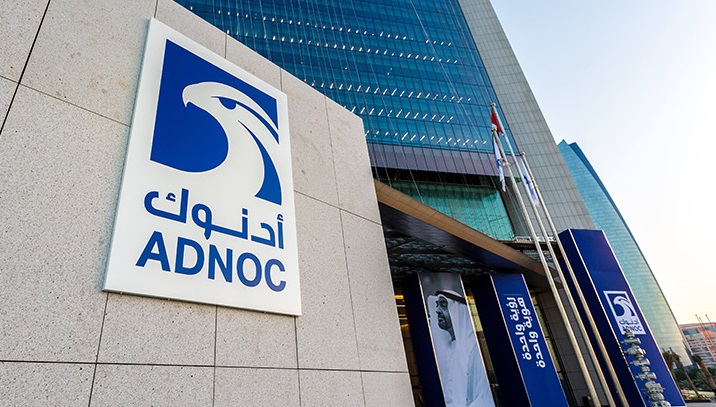
Abu Dhabi National Oil Company and Austria’s OMV have confirmed ongoing negotiations to establish a new global leader in the polyolefins sector. The merger, which would combine ADNOC’s Borouge, OMV’s Borealis, and Canada’s Nova Chemicals, is poised to create one of the world’s largest polyolefin groups. The two companies described the discussions as progressing in a “constructive and positive manner.”

Both ADNOC and OMV have been increasing their focus on expanding their footprint in the chemicals and petrochemicals sectors, particularly in polyolefins, which are critical for manufacturing a wide range of products, from packaging materials to automotive components. The merger would not only boost the companies’ market positions but also position the new entity as a major player in the global chemicals market.

The polyolefins industry has seen steady growth in recent years, driven by demand for packaging, consumer goods, and industrial applications. The merger, if completed, would give the combined entity a significant advantage in this competitive market, leveraging the resources and technological expertise of each participant. Experts suggest that the combined scale and enhanced capabilities could make the group a leader in producing polyethylene and polypropylene, two of the most widely used plastics globally.

ADNOC’s Borouge, based in the UAE, has been a key player in the polyolefins market for years, with a focus on high-quality, innovative products. Meanwhile, Borealis, controlled by OMV, is a leading European chemicals company with an established presence in polyolefins and advanced chemicals. Nova Chemicals, a wholly owned subsidiary of Canada’s Mubadala Investment Company, brings further expertise and production capacity to the table.

The merger would allow the three companies to capitalize on each other’s strengths. Borouge, for instance, has extensive experience in the Middle East and Asia, while Borealis has a strong European and North American footprint. Nova Chemicals’ established position in North America would be complemented by the global reach of the other two. Together, the companies would form a formidable force in both developed and emerging markets, ensuring a diversified supply chain and the ability to serve a broader range of industries.

This deal comes at a time when the polyolefins market is facing new challenges and opportunities. As the global demand for sustainable materials rises, the new entity may also benefit from growing interest in recyclable and eco-friendly plastic alternatives. Industry analysts speculate that the merger could help the group meet these demands by accelerating research into more sustainable production methods and product offerings.

The proposed combination would also be a notable shift in ADNOC’s strategy. Historically, the company has been heavily involved in the exploration and production of oil and gas. However, the increasing focus on petrochemical expansion aligns with broader regional goals to diversify the economy and reduce dependence on crude oil exports. By increasing its stake in high-value industries like polyolefins, ADNOC could secure more stable revenue streams in the coming years, particularly as global demand for petrochemicals continues to rise.

For OMV, the deal represents a significant opportunity to consolidate its position in the chemicals sector, aligning with its long-term strategy of enhancing its refining and petrochemical operations. The company has been expanding its portfolio in this space and aims to increase the contribution of chemicals to its overall business, helping to buffer against the volatility of oil and gas prices.

The announcement of the merger talks has raised questions about the potential regulatory hurdles the companies may face, particularly in Europe, where anti-trust laws are stringent. The deal would need to be assessed by competition regulators to ensure that the merger does not significantly reduce competition in the polyolefins market. Both ADNOC and OMV have stated that they are committed to ensuring compliance with all regulatory requirements.

Despite these challenges, analysts remain optimistic about the potential benefits of the deal. A merger of this scale would enable the combined company to drive innovation, improve efficiency, and leverage economies of scale. The global polyolefins market, valued at tens of billions of dollars, could see a new dominant player emerge, with the capacity to set trends and dictate pricing across key regions.

In addition to the market implications, the merger could reshape the supply chain dynamics for polyolefins. By merging production capacities and expanding global reach, the new group would be better positioned to serve large multinational customers who rely on polyolefins for various applications. This could include sectors like automotive, packaging, and construction, all of which are seeing shifts toward higher performance and more sustainable materials.

Arabian Post Staff -Dubai Dubai International Airport achieved a remarkable milestone in 2024, handling 92.3 million passengers, marking a nearly 6 percent annual increase. This achievement further cements Dubai’s status as one of the world’s leading global tourist hubs and the busiest airport by international traffic. The figure surpasses the airport’s November forecast of 91.9 million passengers, underscoring the sustained growth of Dubai’s aviation sector. This year’s […]

Abu Dhabi sovereign wealth fund ADQ has entered into a strategic joint venture with global investment firm Orion Resource Partners to focus on investments in metals and mining. The announcement was made on Thursday, marking a significant expansion of ADQ’s portfolio in critical minerals. This partnership is expected to inject $1.2 billion over the next four years, targeting mining operations in emerging markets across Africa, Asia, and Latin America.

The 50-50 joint venture will be headquartered in Abu Dhabi, reinforcing the UAE’s growing influence in global resource investment. The capital infusion will be deployed across a wide range of asset classes, including equity, senior debt, and production-linked instruments such as royalties, enabling the partners to diversify their approach while providing flexible financial support to mining companies.

This collaboration comes as demand for critical minerals, particularly those essential for green energy and technology, continues to surge worldwide. By strategically positioning itself in emerging markets, ADQ aims to tap into the growing potential of these sectors, while also ensuring a steady supply of materials for industries such as electric vehicles, renewable energy, and technology manufacturing.

The UAE has increasingly sought to diversify its investments, with sovereign wealth funds like ADQ playing a central role in expanding the nation’s economic footprint beyond oil. This partnership with Orion represents a key step in the UAE’s strategy to enhance its global financial influence, especially in sectors aligned with future growth, such as critical minerals.

The joint venture is expected to leverage Orion’s expertise in the mining sector, with the firm’s global experience providing a competitive edge in identifying and managing investments. Orion Resource Partners, known for its investments in natural resources and energy, will bring its deep market insights and operational capabilities to ensure the success of the venture.

The partners have already identified several opportunities in the target regions, which have abundant mineral reserves but often face challenges such as political instability, infrastructure limitations, and regulatory hurdles. By focusing on emerging markets, ADQ and Orion hope to unlock value in these regions, driving economic development while securing access to essential resources.

The decision to focus on mining companies in Africa, Asia, and Latin America aligns with global trends indicating a growing shift toward these regions, which have vast untapped mineral potential. These markets are becoming increasingly attractive to investors looking to capitalize on the expanding demand for metals critical to clean energy transitions. As nations commit to reducing their carbon footprints, the need for raw materials like lithium, cobalt, and nickel is escalating, placing these regions in the spotlight.

For ADQ, the partnership with Orion reflects its broader strategy to develop a well-rounded investment portfolio that includes not only traditional assets but also strategic holdings in critical industries. This move also signals ADQ’s commitment to responsible and sustainable investments, with the fund placing a strong emphasis on environmental, social, and governance factors in its investment decisions.

The joint venture’s investments will not be limited to equity stakes but will also include senior debt and other instruments such as royalties, allowing the partners to support mining companies with the flexibility to meet their funding needs across different stages of their development. This varied approach provides opportunities for both high-growth and stable, income-generating assets.

The UAE’s growing focus on the mining sector is also linked to its efforts to enhance energy security and ensure the long-term availability of essential raw materials. By forming such partnerships and investing in mining, the UAE can build stronger links with emerging markets while ensuring that its own economic and industrial sectors are less dependent on external sources of critical minerals.

ADQ’s decision to form this venture with Orion comes at a time when other global investors are also increasing their exposure to the mining sector. With the rise of sustainable investment practices and the need to secure critical minerals for the global green energy revolution, mining is set to remain an important area for international capital flows.

Through this partnership, ADQ and Orion aim to establish themselves as key players in the global mining sector, specifically targeting regions that are expected to become increasingly central to the global supply chain for critical minerals. As the world transitions to cleaner energy and technology, the demand for these minerals is only expected to increase, making such investments highly strategic for the long-term success of the partners involved.

The venture also highlights the UAE’s growing role in shaping the future of global industries. As one of the world’s leading financial hubs, Abu Dhabi is positioning itself to attract international capital and play a key role in industries that will drive future economic growth, from sustainable energy to advanced technology.

Hamas has released three Israeli hostages, including 19-year-old soldier Agam Berger, as part of ongoing ceasefire negotiations. Berger, who was captured during the October 2023 attack, was handed over to the Red Cross in Gaza and is now undergoing medical assessment before reuniting with her family. The other released hostages are Arbel Yehud, 29, and 80-year-old Gadi Moses. Additionally, five Thai nationals were freed in this latest exchange.

The ceasefire agreement, brokered by U.S.-led mediators, aims to facilitate the release of hostages in exchange for Palestinian prisoners. Under the terms, Hamas is expected to release a total of 33 hostages, while Israel will free approximately 1,900 Palestinian prisoners. This truce seeks to halt the intense conflict that has resulted in significant casualties on both sides.

The release of Berger, the last female soldier held in Gaza, was met with celebrations in Tel Aviv. Footage showed her waving to the crowd upon her release, indicating she is alive and well. The emotional return has been a source of relief for her family and supporters.

The ceasefire has also allowed hundreds of thousands of Palestinians to return to northern Gaza, though they face significant devastation upon their return. Negotiations for further exchanges and a permanent end to the war are ongoing, with the next phase focusing on releasing remaining hostages and withdrawing Israeli troops from Gaza. The final phase will involve returning the bodies of deceased hostages and reconstructing Gaza.

The October 7, 2023, attack by Hamas resulted in over 1,200 deaths and 250 kidnappings, sparking the subsequent conflict. The recent releases are part of efforts to de-escalate tensions and work towards a more lasting peace in the region.

As part of the ceasefire deal, Israel has agreed to release 110 Palestinian prisoners. The truce, which paused the conflict earlier this month, is part of a larger deal aiming for a more extended halt in hostilities and the release of more captives. However, negotiations for a deeper, lasting peace remain complex and uncertain.

The release of hostages and prisoners is seen as a significant step towards de-escalation, but the path to a lasting peace remains fraught with challenges. Both sides have expressed a commitment to continuing negotiations, with the hope of achieving a more comprehensive resolution to the conflict.

The international community continues to monitor the situation closely, with many nations expressing support for the ceasefire and the ongoing negotiations. The hope is that these developments will lead to a sustainable peace and stability in the region.

As the situation evolves, the focus remains on the safe return of all hostages and the implementation of measures to prevent further escalation. The coming days and weeks will be critical in determining the future trajectory of the Israeli-Palestinian conflict.

The recent releases have provided a glimmer of hope in an otherwise tumultuous period, highlighting the potential for diplomacy and negotiation to yield positive outcomes even in the most challenging circumstances.

While significant hurdles remain, the progress made thus far underscores the importance of continued dialogue and the pursuit of peaceful solutions to longstanding conflicts.

The international community remains cautiously optimistic, recognizing that while the road ahead is uncertain, the recent developments represent a meaningful step towards a more peaceful and stable future for both Israelis and Palestinians.

The situation remains fluid, and stakeholders on all sides are urged to exercise restraint and continue working towards a comprehensive and lasting resolution to the conflict.

The hope is that through sustained efforts and mutual compromise, a durable peace can be achieved, bringing an end to the cycle of violence and suffering that has plagued the region for decades.

The recent hostage releases serve as a reminder of the human cost of the conflict and the urgent need for a resolution that ensures the safety and well-being of all individuals affected by the ongoing strife.

As negotiations continue, the focus remains on achieving tangible outcomes that pave the way for a peaceful coexistence between Israelis and Palestinians, fostering a future where both communities can thrive in harmony.

The international community stands ready to support these efforts, recognizing that a lasting peace in the Middle East is not only a regional imperative but also a global one, with far-reaching implications for international stability and security.

The path to peace is seldom straightforward, but the recent developments offer a beacon of hope, illustrating that even in the face of deep-seated animosities, progress is possible through dialogue, negotiation, and a shared commitment to a better future.

As the world watches, the actions taken in the coming days will be pivotal in shaping the course of the Israeli-Palestinian conflict and determining whether this moment of hope can be transformed into a lasting reality.

The release of hostages and the ongoing ceasefire negotiations represent a critical juncture, offering an opportunity to break the cycle of violence and lay the groundwork for a sustainable peace that benefits all parties involved.

The international community remains engaged, ready to assist in facilitating dialogue and providing support to ensure that the progress made is not only preserved but also built upon in the pursuit of a just and enduring resolution to the conflict.

The inaugural Sharjah Festival of African Literature concluded on 28th January 2025, having attracted over 10,000 visitors. The event, which was launched as part of Sharjah’s cultural calendar, aimed to spotlight African literature, with a focus on celebrating diverse narratives and fostering intercultural dialogue.

Held at various venues across the Emirate, the festival hosted a series of panel discussions, book signings, author readings, and workshops, engaging literature enthusiasts, scholars, and professionals. With its emphasis on African voices, SFAL served as a platform to explore the rich literary traditions of the continent, providing a stage for both established and emerging authors.

African literature has seen a significant rise in global visibility in recent years, with writers from the continent earning international acclaim. The festival capitalized on this trend by featuring some of the most prominent literary figures in Africa today. The lineup included Nobel laureates, award-winning novelists, poets, and scholars from across the African diaspora, contributing to a diverse and dynamic program.

The festival’s programming was designed to engage audiences of all ages and backgrounds, with sessions tailored to both adults and younger readers. Discussions ranged from contemporary African literature to the role of storytelling in preserving cultural identity. The event also delved into the complexities of post-colonial narratives and the evolving role of African literature in shaping global perspectives on social issues, identity, and history.

Many of the panels focused on the intersection of African literature with global themes, reflecting the current challenges and triumphs within the continent. These discussions addressed subjects such as climate change, gender equality, and the impact of digital media on traditional storytelling. The festival’s creators aimed to create a space where attendees could engage critically with these topics and gain a deeper understanding of how African authors are reshaping the global literary landscape.

In addition to the literary discussions, the festival featured a vibrant marketplace showcasing a range of African literature, from classic works to contemporary titles, offering attendees the opportunity to purchase books and interact directly with the authors. This helped foster a deeper connection between writers and readers, creating an interactive and immersive literary experience.

Notable guests included Ngũgĩ wa Thiong’o, one of Africa’s most celebrated authors, whose work often examines the role of language and culture in shaping national identities. His keynote address captivated audiences with its reflection on the power of African literature to bring about social change. Other highlighted figures included Chimamanda Ngozi Adichie, whose writing addresses themes of feminism and Nigerian identity, and Tsitsi Dangarembga, whose work reflects Zimbabwe’s socio-political landscape.

The Sharjah Festival of African Literature also served as a reminder of the significant role that cultural festivals play in building bridges between different regions of the world. The event facilitated the exchange of ideas and fostered a greater appreciation for African literary traditions, offering attendees an opportunity to engage with writers and thinkers whose works often challenge the status quo.

The festival also highlighted the role of Sharjah as a cultural hub, reflecting the emirate’s growing influence in the global literary community. Sharjah has long been dedicated to promoting literacy and cultural exchange, and events like SFAL contribute to this broader goal of fostering an environment where creativity and knowledge can flourish. The success of SFAL reinforced Sharjah’s position as a key player in the cultural dialogue between the Arab world and Africa.

Abu Dhabi’s real estate sector has experienced a significant surge in foreign direct investment (FDI), with a 225% increase in the first half of 2024 compared to the same period in 2023. The emirate attracted AED 3.28 billion ($893 million) from 971 individual investors spanning 75 countries, including the United States, the United Kingdom, China, Kazakhstan, and Russia. ([adrec.gov.ae](https://adrec.gov.ae/en/News/Foreign-Direct-investments?utm_source=chatgpt.com))

This influx of foreign capital underscores the growing confidence in Abu Dhabi’s property market. The Abu Dhabi Real Estate Centre (ADREC), the regulatory body overseeing the sector, attributes this growth to strategic initiatives aimed at positioning the emirate as a premier global investment destination. Rashed Al Omaira, Acting Director General of ADREC, emphasized the emirate’s commitment to creating a business-friendly environment characterized by innovation, transparency, and efficiency. ([adrec.gov.ae](https://adrec.gov.ae/en/News/Foreign-Direct-investments?utm_source=chatgpt.com))

In the first half of 2024, the real estate market recorded 12,439 transaction activities valued at AED 36.2 billion ($9.85 billion). This includes AED 23.7 billion from 7,088 sales and purchase transactions and AED 12.5 billion from 5,351 mortgage transactions. ([adrec.gov.ae](https://adrec.gov.ae/en/News/Foreign-Direct-investments?utm_source=chatgpt.com))

The surge in FDI is part of a broader trend of international interest in Abu Dhabi’s real estate. In February 2024, Fiera Capital, a Toronto-listed fund managing $166 billion in assets, announced the opening of its first Middle East office in Abu Dhabi. The firm plans to establish an office in Saudi Arabia within the next 18 to 24 months, aiming to engage more closely with sovereign wealth funds, family offices, pension funds, and listed corporations in the region. ([Financial News London](https://www.fnlondon.com/articles/fiera-capital-plans-saudi-arabia-office-following-middle-east-foray-in-2024-ac7cc384?utm_source=chatgpt.com))

Additionally, Abu Dhabi’s Modon Holding has been active in international real estate investments. The company acquired half of Citadel’s new office tower at Broadgate in the City of London, marking a strategic entry into the London real estate market. The tower at 2 Finsbury Avenue is set to complete in 2027 and is one-third pre-let to Citadel. ([ft.com](https://www.ft.com/content/ed5b219c-e18a-4b8b-bfe8-88430f7dbd76?utm_source=chatgpt.com))

Modon Holding also expanded its portfolio by acquiring the luxury development La Zagaleta in Marbella, Spain. This acquisition includes the Majarambuz project, a 2.2 million square meter development in Sotogrande. The group plans to develop these areas while maintaining the exclusivity and legacy of the original developments. ([Cinco Días](https://cincodias.elpais.com/companias/2024-12-19/modon-holding-con-sede-en-abu-dabi-adquiere-en-marbella-la-urbanizacion-de-lujo-la-zagaleta.html?utm_source=chatgpt.com))

In Egypt, a partnership between Egypt’s Safwat Kaliouby Group (SKG) and the Emirati KSH Investment Company resulted in a 24 billion Egyptian pound ($500 million) agreement to develop a real estate project along the Nile in Cairo. The project will span 20,000 square meters and include residential and commercial towers, as well as a five-star hotel. ([reuters.com](https://www.reuters.com/markets/deals/egyptian-emirati-companies-sign-500-mln-real-estate-deal-egypt-2024-07-09/?utm_source=chatgpt.com))

These developments highlight Abu Dhabi’s growing influence in the global real estate market and its strategic efforts to attract and deploy foreign direct investment. The emirate’s focus on creating a transparent and efficient investment environment continues to position it as a preferred destination for investors worldwide.

Arabian Post Staff -Dubai The United Arab Emirates (UAE) is implementing a series of strategic initiatives to enhance its property sector and attract increased investment. These measures come on the heels of significant growth in the real estate market, which has experienced substantial expansion in recent years. In 2023, the UAE’s property market demonstrated remarkable resilience and growth. The International Monetary Fund (IMF) reported that property prices […]

The Ras Al Khaimah Economic Zone (RAKEZ) has achieved an extraordinary milestone in 2024, welcoming over 13,000 new companies into its business ecosystem. This record growth marks a significant expansion for the free zone, reflecting its growing appeal to both regional and international businesses looking to capitalize on the strategic advantages offered by the UAE’s business-friendly environment.

This surge in company registrations can be attributed to a combination of factors, including the free zone’s comprehensive range of services, its cost-effective infrastructure, and the robust business climate in Ras Al Khaimah. As one of the fastest-growing economic zones in the region, RAKEZ has established itself as a vital hub for diverse industries, including manufacturing, logistics, technology, and services.

The 13,000 new companies span various sectors, underlining the broad interest in the region’s diverse economic opportunities. This growth not only strengthens RAKEZ’s position as a key player in the UAE’s economic landscape but also contributes significantly to the emirate’s overall economic development.

The free zone’s flexibility in offering tailor-made business solutions has become increasingly attractive to entrepreneurs, particularly in sectors like technology, e-commerce, and logistics, which have seen significant demand for their services. RAKEZ’s efforts to continuously enhance its infrastructure, improve customer services, and adapt to market trends have played a central role in its success.

Key to RAKEZ’s growth has been its ability to provide businesses with efficient, cost-effective solutions for setting up operations in the UAE. The zone offers a range of services, including 100% foreign ownership, zero taxation, and a simple licensing process that is especially appealing to start-ups and international companies entering the Middle East market.

Another factor contributing to the zone’s growth is the ongoing global demand for logistics and manufacturing services. As the UAE continues to develop as a global trade hub, companies in these sectors are finding Ras Al Khaimah’s strategic location and modern infrastructure increasingly appealing for establishing a foothold in the region.

For many entrepreneurs and international companies, RAKEZ’s proximity to key markets in Europe, Asia, and Africa is a major draw. The economic zone’s proximity to ports, airports, and trade routes makes it an ideal location for global logistics companies looking to expand their footprint in the Middle East and North Africa (MENA) region. With modern infrastructure that includes state-of-the-art warehouses and business parks, RAKEZ has become a preferred choice for firms seeking to establish a presence in this region.

RAKEZ’s efforts to promote innovation and technology-based industries have been a cornerstone of its success. The free zone has attracted a growing number of technology-driven companies, with particular focus on areas such as artificial intelligence, data analytics, and software development. With initiatives aimed at fostering innovation, RAKEZ continues to position itself as a leading destination for tech start-ups and established firms alike.

The zone has also focused on sustainability, which has increasingly become a significant factor for companies when choosing their business location. The UAE’s commitment to green initiatives, combined with RAKEZ’s sustainable infrastructure and green energy solutions, has contributed to its reputation as a responsible and forward-thinking business environment.

RAKEZ’s strategic focus on customer satisfaction and ease of doing business has been another key factor behind its success. The free zone provides a wide array of services that streamline the process for businesses, including fast-track licensing, streamlined visa processing, and operational support. The customer-centric approach has made it easier for companies to set up and grow, which in turn has contributed to RAKEZ’s ongoing expansion.

The steady rise in the number of new business registrations can also be seen as a testament to the overall economic resilience of Ras Al Khaimah. The emirate has shown impressive growth in various sectors, with increased foreign direct investment (FDI) and a stable business environment that continues to attract international players.

Another key driver for RAKEZ’s success has been the government’s commitment to fostering economic diversification. The UAE’s focus on creating a conducive environment for businesses to thrive has played a crucial role in ensuring that RAKEZ remains an attractive option for entrepreneurs and multinational corporations. By encouraging investment in non-oil sectors, the government has made significant strides in positioning the country as a diversified, future-ready economy.

As the global business landscape continues to evolve, RAKEZ is well-positioned to remain a major player in the UAE’s free zone ecosystem. The region’s continued growth will be shaped by its ability to attract new companies, encourage innovation, and adapt to the changing needs of a globalized economy. With its increasing prominence in key sectors like logistics, manufacturing, and technology, RAKEZ is set to remain a crucial component of Ras Al Khaimah’s economic development strategy.

Arabian Post Staff -Dubai Dubai’s real estate sector has reached unprecedented heights in 2024, recording 180,900 transactions valued at approximately $142.4 billion. This marks a significant increase from 2023, which saw 133,100 sales worth $112.2 billion. The primary market experienced substantial growth, with first-time sales from developers rising by 30% to $91.1 billion. Transaction volumes in this segment surged by 51%, totaling 119,800 units. The average price […]

Abu Dhabi-based private equity firm MGX has made a substantial contribution to former President Donald Trump’s ambitious $100 billion artificial intelligence (AI) initiative. This investment, reportedly one of the largest in the tech space, is set to fuel groundbreaking developments in AI technology, specifically in areas like data processing and autonomous systems. The strategic partnership between MGX and Trump’s venture signals the UAE’s growing interest in the AI sector and positions both entities as key players in the global AI race.

The AI project, which aims to revolutionize industries such as healthcare, finance, and manufacturing, is part of Trump’s broader strategy to solidify his legacy in technological innovation. The initiative, described as the largest private-sector investment in AI, is intended to foster a new era of automation and machine learning. Experts in the field believe the collaboration with MGX could accelerate the timeline for implementing AI technologies at scale.

MGX, which has a history of backing high-profile ventures, is known for its investments in technology startups and its involvement in cutting-edge sectors. The firm’s decision to back Trump’s AI initiative underscores the growing convergence between Middle Eastern capital and American tech ventures. This partnership comes at a time when both the UAE and the United States are competing to lead in the rapidly evolving AI landscape.

The move also aligns with the UAE’s vision to diversify its economy and establish itself as a global leader in emerging technologies. Through strategic investments, the country has sought to expand its footprint in the global tech market, which is rapidly becoming dominated by AI-driven advancements. In recent years, the UAE has invested heavily in tech startups and AI research, positioning itself as a hub for innovation in the Middle East.

MGX’s contribution to the AI initiative marks a significant step in its expansion plans, particularly in terms of its growing influence in the global tech industry. The firm’s investment in AI technologies follows its track record of supporting businesses that aim to revolutionize established sectors. By entering the AI space, MGX not only bolsters its portfolio but also positions itself at the forefront of a rapidly evolving field.

Trump’s AI venture is expected to have far-reaching implications, particularly in sectors such as autonomous vehicles, smart cities, and healthcare. The potential of AI to automate complex tasks and process massive datasets holds the promise of transforming industries and improving efficiency across multiple sectors. However, experts warn that the ethical and societal impacts of widespread AI adoption will need to be carefully managed, with attention to issues such as job displacement and data privacy.

While the details of the deal between MGX and Trump’s venture remain closely guarded, insiders suggest that the collaboration will focus on the development of AI systems capable of transforming traditional industries. This includes advancements in predictive analytics, machine learning algorithms, and natural language processing, all of which have the potential to revolutionize how businesses operate.

The partnership is also expected to draw attention from policymakers and regulators, especially as the global debate over the regulation of AI intensifies. As AI becomes an increasingly powerful tool, questions about its ethical use, data security, and impact on employment will likely become central to the political discourse. Trump’s backing of AI is likely to spur more interest from global governments seeking to navigate the complex issues surrounding AI deployment.

At the heart of this initiative is the drive to position AI as a catalyst for economic growth and technological advancement. By aligning himself with MGX, Trump is positioning his venture at the intersection of innovation and capital, securing the funding necessary to scale his AI vision. The partnership serves as a demonstration of how private sector investments can shape the future of technological development, particularly in a field as dynamic and impactful as artificial intelligence.

For MGX, this deal represents a further expansion into the global tech sector, adding to its diverse portfolio of high-value investments. The firm’s deep pockets and commitment to backing groundbreaking technologies make it an influential player in the AI field. As the demand for AI solutions grows, particularly in sectors like healthcare and finance, MGX’s stake in the AI space is poised to yield substantial returns in the coming years.

As AI technology continues to evolve, both MGX and Trump’s venture are betting on its transformative power. The partnership serves as a reminder of the growing influence of private equity in shaping the future of technological development. With the combined resources of MGX and Trump’s ambition, the AI venture is set to become a cornerstone in the next wave of technological innovation.

VISHNU RAJA
RYO YAMADA
HITORI GOTOH
IKUYO KITA