Articles written by
arabian post staff

Global logistics investor GLP will receive up to $1.5 billion from a wholly owned subsidiary of the Abu Dhabi Investment Authority, signalling the sovereign wealth fund’s first move from limited partner to direct stakeholder in the firm. The initial capital deployment of $500 million is earmarked for expanding GLP’s operations in logistics, digital infrastructure, and renewable energy, with further investment to follow in coming months.

The capital infusion aligns with growing global demand across sectors driven by e‑commerce growth, artificial intelligence and cloud adoption, and the green energy transition. GLP’s data‑centre division is notably thriving: its annual revenue surged 43 percent year‑on‑year to US $193 million.

GLP oversees approximately US $80 billion in assets through its management arm, GLP Capital Partners. This move marks a strategic shift for ADIA—long an investor in GLP’s funds—into becoming a direct shareholder in the global investment group.

In a statement, GLP co‑founder and chief executive Ming Z Mei emphasised that the enhanced capital base and strategic partnership will enable the company to “accelerate growth” and capitalise on the “secular expansion of new economy sectors in which we operate.” Mohamed Al Qubaisi, executive director of ADIA’s real estate department, noted that the transaction deepens their longstanding relationship with GLP and supports its next growth phase while scaling exposure to new economy segments.

The investment supports GLP’s diversified global platform. The firm has operations across Brazil, China, Europe, India, Japan, the US, and Vietnam, spanning logistics real estate, data centres and renewables. Moreover, the investments come amid escalating interest in digital infrastructure, particularly data centres, which are seen as pivotal to AI and cloud services growth.

GLP’s momentum is further underlined by recent capital inflows from regional partners. In China, the company secured 2.5 billion yuan from Zhejiang government‑backed investors to boost its data‑centre operations. Earlier in the year, GLP completed the sale of its ex‑China funds management business to Ares Management for US $3.7 billion, in a deal partly financed with cash and equity. The company also retains stakes in those funds and has backed Ares’s first Japanese data‑centre fund, which completed a US $2.4 billion final closing in June.

GLP’s evolution over the past decade provides further context for this development. Founded in 2009 by Ming Z Mei and Jeffrey H Schwartz, the firm originated as Global Logistic Properties. It went public in 2010 in what was at the time Singapore’s largest IPO. It was taken private in 2018, following a leveraged buyout led by a private‑equity consortium. The company has since transformed into a multi‑sector platform across logistics, digital infrastructure and renewable energy.

On the other side, ADIA stands as one of the world’s largest sovereign wealth funds, managing a diversified global portfolio across asset classes including real estate, private equity and data‑centre platforms. This leap into a direct stake in GLP underscores the fund’s strategy of pursuing active positions in entities driving structural sectoral growth.

Ajman NuVentures Centre Free Zone has launched a representative office in Dubai, strategically expanding its investment reach. The facility, situated on the ninth floor of Aspin Tower on Sheikh Zayed Road, will serve as a local hub for entrepreneurs seeking seamless company registration in Ajman through a fully digital platform.

H. E. Sheikh Dr. Mohamed bin Abdullah Al Nuaimi, Chairman of ANCFZ, inaugurated the office and highlighted its role in enhancing Ajman’s position as a rising business hub. He described the move as a model of public–private collaboration and a strategic step in responding to global economic shifts.

Mr. Rishi Somaiya, CEO of ANCFZ, explained that the new office will not operate as a service outlet but as a platform for promoting ANCFZ services and supporting a growing base of investors. He noted that within just one year of its launch, ANCFZ has attracted investment interest from over 150 countries and secured more than AED 250 million in total investments.

A partnership agreement was signed alongside the office launch, marking a commitment to long-term institutional synergy between ANCFZ and its partner, FDI Zone. This agreement is intended to streamline investment processes, offer technical and legal support, and foster economic integration between public and private sectors.

ANCFZ offers several investor-friendly advantages, including two‑hour business licence issuance, 24‑hour visa processing, and a completely digital setup experience. These features have distinguished it from many other free zones in the UAE.

In July, ANCFZ introduced a flexible “Pay as You Go” package, enabling businesses to launch with minimal upfront costs and pay only for services as needed—covering visa processing, legal documentation, and office services. Somaiya described the offering as empowering entrepreneurs to scale at their own pace.

This Dubai expansion aligns with ANCFZ’s broader strategy to enhance accessibility and affordability while supporting Ajman Vision 2030. By establishing a physical presence in Dubai, the zone aims to attract a broader investor base and lower entry barriers.

Placing the office in Dubai, a global business nexus, grants investors direct access to face-to-face support and eases navigation of the digital registration platform. Investors can now initiate company setup in Ajman from within Dubai’s business ecosystem, benefiting from efficient processing, simplified legal support, and transparent digital systems.

Over its initial year, ANCFZ booked notable growth—attracting entrepreneurs from more than 150 countries and accumulating investments exceeding AED 250 million.

The Dubai office is poised to accelerate that trajectory by enhancing investor outreach and reinforcing ANCFZ’s reputation for efficiency, transparency, and innovation. Its aim is to support founders through every stage of setup, with streamlined licence procurement, visa facilitation, and administrative assistance—all delivered through a user-focused digital infrastructure.

UAE companies are recalibrating their compensation strategies amid evolving market pressures, rising costs, and intensifying competition for skilled professionals.

Salary growth across the board is projected at a modest 4 per cent in 2025, reflecting economic moderation rather than exuberance. Mercer’s Total Remuneration Survey indicates that more than 28 per cent of firms plan to increase headcount, signalling a continuing demand for talent despite budgetary constraints. In-demand sectors such as technology, life sciences, and consumer goods are expected to see slightly higher increases—around 4.2 to 4.5 per cent—while energy and financial services align with the broader average.

MaxHR’s projections paint a slightly more optimistic picture for key verticals: salary hikes for technology roles could reach 8–12 per cent, while finance and banking roles may grow by 5–7 per cent, significantly outpacing other industries.

Employers are embracing variable compensation as cash-strapped budgets and workforce expectations diverge. There is a growing preference for pay-for-performance models, personalised benefits, and flexibility—designed to engage younger professionals who prioritise purpose and work-life integration alongside financial reward.

These shifts align with broader market signals. Tuscan Consulting notes that after post‑pandemic salary surges, firms are now reassessing compensation strategies, balancing retention needs with cost control. Executive packages increasingly include sign‑on or retention bonuses, deferred incentives, and more nuanced benchmarking—often comparing pay between UAE and KSA to remain competitive.

Yet not all data points suggest growth. Business Insider reports that salaries across the UAE may remain flat in 2025, attributed to a swelling expat population that expands the available talent pool and reduces pressure on employers to offer premium pay. Meanwhile, exponential increases in living costs—rent rose 16 per cent in the prior year—have squeezed middle-income professionals, eroding disposable income despite tax‑free earnings.

At the same time, the Dubai government is extending a labour-market lifeline to targeted expatriates, offering roles with monthly salaries up to Dh 50,000. This contrasts with the broader cautious recruitment trends in the private sector, where AI, automation, and tax uncertainties are prompting a more measured approach to hiring.

Dubai’s finance sector is expanding—hiring regulators, investment bankers, and compliance professionals to match its rapid growth. Compensation packages often exceed those in London by up to four times once tax advantages and relocation benefits are included, although professionals note that reward expectations and infrastructure pressures are testing the city’s appeal.

A cohesive picture emerges: employers are shifting from purely salary-driven offerings to total-reward packages that integrate flexibility, performance incentives, and career development. While headline salaries may be easing off, especially for mid-tier roles, specialized sectors and public entities continue to push compensation envelopes to secure talent and drive strategic priorities.

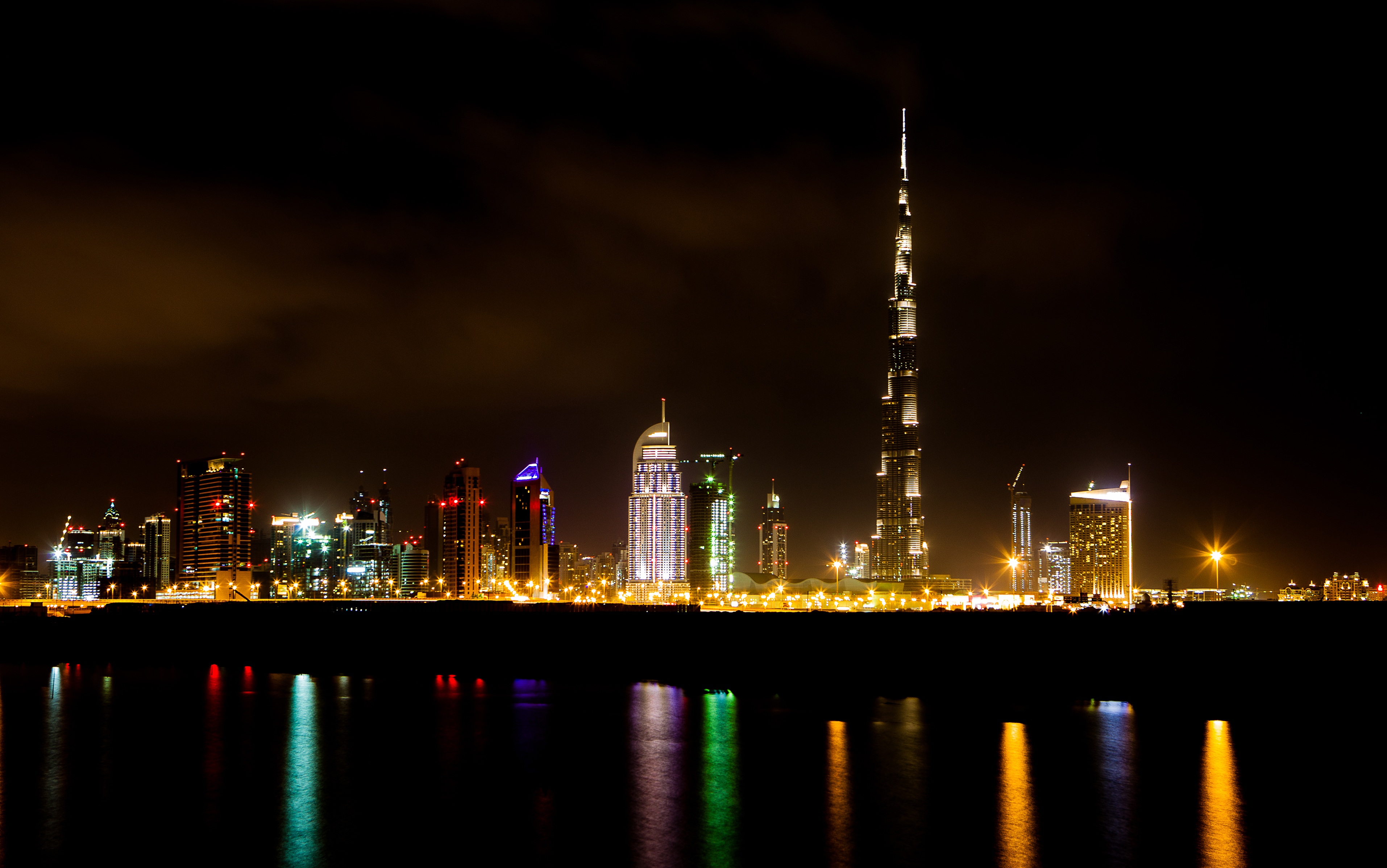
Dubai’s population has exceeded four million residents in 2025, marking one of its most rapid growth phases. Analysts from DXBinteract report that over the past year, the city welcomed more than 231,000 new residents—achieving a 6.13 per cent increase—underscoring the emirate’s position among the globe’s fastest-expanding urban centres.

The city’s demographic growth trajectory reflects a profound transformation. In 2008 Dubai was home to some 1.6 million people; today that figure has surged to over four million. This expansion has occurred alongside a widening appeal as a global hub for commerce, real estate investment and multicultural living.

The implications for infrastructure and property markets are immediate. DXBinteract data indicates that Dubai now hosts more than 2,000 developers, nearly 29,400 real estate agents and close to 8,800 brokerages—highlighting a highly competitive market environment. AI-backed forecasts anticipate the emirate’s population reaching five million by 2029–2030, a scenario that would require construction of at least 300,000 additional housing units.

Key factors behind the demographic surge include robust economic diversification, progressive residency policies and enhanced global connectivity. Visa reforms such as the Golden Visa, the allowance of 100 per cent foreign ownership in designated zones, and development of specialized free zones are drawing entrepreneurs, professionals, and high-net-worth individuals to the city.

Natural population growth also plays a role, coupled with sustained net migration. DXBinteract notes that over the span of 14 years—from 2011 to today—Dubai’s population has effectively doubled, moving from around 1.93 million to more than four million inhabitants.

Parallel figures from Gulf News further underpin this narrative: by 25 August, the population stood at an estimated 3,999,247, reflecting an increase of 3.5 per cent—or over 134,000 people—since the beginning of the year. Local citizens’ numbers also rose, reaching nearly 300,000 Emiratis, the highest local population recorded to date.

These demographic patterns are stretching the city’s infrastructure. Housing markets are responding with rapid development across residential zones—both to meet rental demand and home-purchase interest. Expanded transport networks, public services and retail facilities are also under strain.

Looking ahead, AI-driven projections suggest a growth-to-consolidation shift rather than unchecked expansion. Larger real estate firms and tech-oriented platforms are expected to gain greater market share in response to evolving supply dynamics.

Dubai’s expanding population deepens its role on the global stage as a crossover centre for trade, tourism and investment. But with accelerated urban growth comes a renewed emphasis on sustainability, quality of life and long-term planning to ensure that infrastructure and housing keep pace with demographic ambitions.

A surge of enthusiasm from the United Arab Emirates’ retail investors is bolstering domestic stock markets, signalling growing public confidence in the country’s economic trajectory. Data from the latest edition of the UAE Retail Investor Beat, conducted between 10 and 21 July 2025, shows that 85 per cent of people taking investment decisions are now allocated to UAE-listed equities, with 39 per cent invested in Abu Dhabi shares, 28 per cent in Dubai, and 18 per cent holding positions in both platforms.

Investor confidence appears grounded. Currently, 63 per cent report being “very confident” in the UAE’s economic performance, while a further 29 per cent describe themselves as “somewhat confident.” When looking ahead, 59 per cent express strong confidence in the long-term performance of locally listed stocks, with an additional 32 per cent somewhat confident. Investors remain optimistic about the near future: 48 per cent anticipate substantial gains over the next 12 months, while 34 per cent expect steady growth. On a regional scale, 58 per cent believe the Middle East will generate the highest returns over the next five years, ahead of the United States at 50 per cent.

Sectoral preferences reveal clear priorities. Real estate leads with 55 per cent of investors expressing confidence, followed by technology at 48 per cent, and both financial services and energy at 37 per cent each.

George Naddaf, managing director of eToro MENA, framed these findings in the context of market performance: the Dubai Financial Market and Abu Dhabi Securities Exchange are among the top-performing exchanges globally, outperforming the S&P 500 by a wide margin. He credits sustained earnings, robust macroeconomic conditions, and supportive government measures for underpinning investor sentiment and reinforcing preference for local opportunities.

Despite this supportive sentiment, geopolitical risks remain front of mind. Nine‑tenths of respondents expect tariffs and trade disputes to exert meaningful pressure on their portfolios over the next six months, and 89 per cent have either adjusted or intend to adjust investment strategies in response. More than half—53 per cent—are tilting further towards UAE equities, while 51 per cent are increasing exposure to commodities. Gold and precious metals are viewed as the most resilient asset class by 49 per cent of investors; cryptocurrency ranks second at 45 per cent and is already the most held class, with 54 per cent ownership.

Naddaf described this as a “disciplined, dual-track approach,” combining reinforcement in domestic equities with defensive hedges in commodities.

Capital commitment remains strong. Sixty‑five per cent of UAE retail investors have already stepped up contributions in past months, while 76 per cent anticipate further increases in the coming three months.

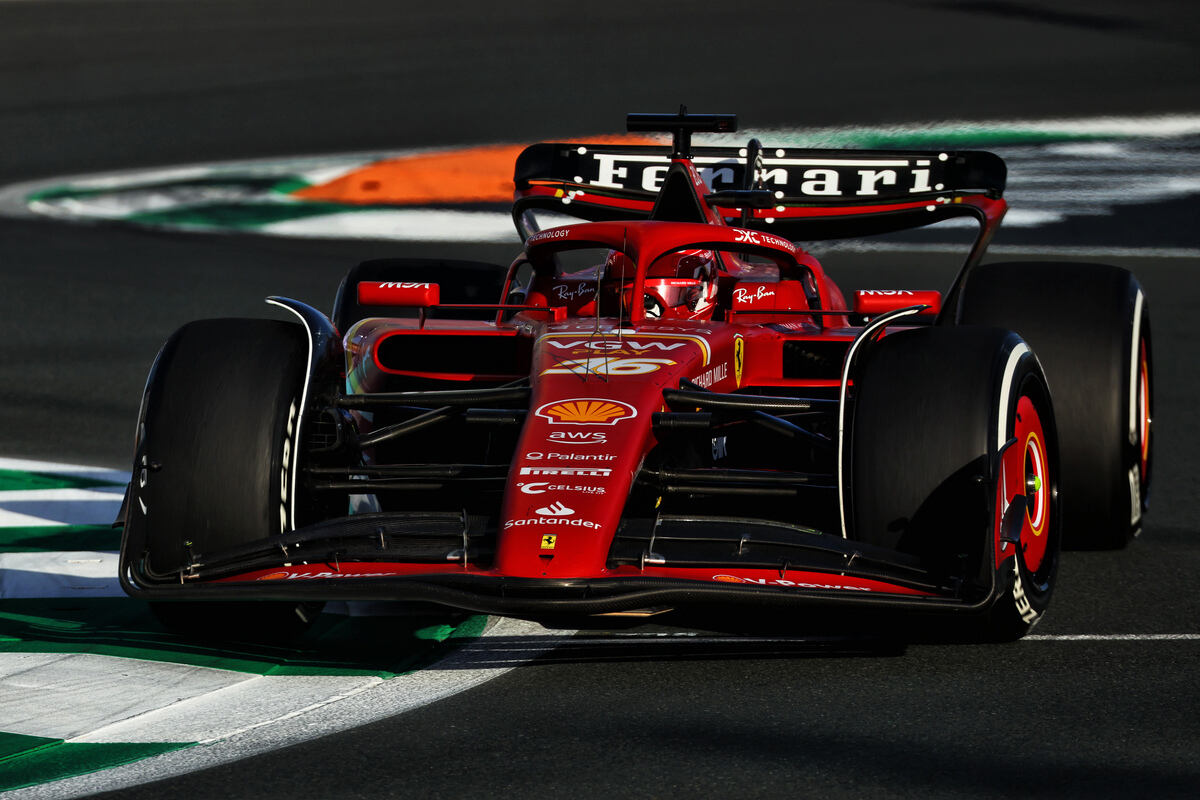
McLaren Racing has confirmed that Mastercard will assume the role of Official Naming Partner of its Formula 1 team from the 2026 season, transforming the outfit’s identity to the McLaren Mastercard Formula 1 Team.

The agreement introduces Team Priceless, a global initiative designed to place fans at the heart of the action. Selected supporters will have exclusive access to distinctive behind-the-scenes experiences—from hot laps to meet‑and‑greets with drivers, alongside immersive cultural highlights during race weekends.

McLaren CEO Zak Brown expressed enthusiasm for the elevated partnership, reaffirming the commitment to prioritise the fan community—referred to affectionately as the “Papaya Family”—and deliver memorable shared experiences. Raja Rajamannar, Mastercard’s Chief Marketing and Communications Officer, echoed this alignment, noting that the collaboration reflects shared values of innovation, precision and performance.

This naming deal, reportedly valued at USD 100 million per season, represents the most lucrative in McLaren’s history and marks the team’s first title sponsorship since the Vodafone era ended in 2013.

For launch activities, Mastercard hosted a live fan event in Amsterdam on 27 August, ahead of the Dutch Grand Prix. The gathering featured appearances from drivers Lando Norris and Oscar Piastri, along with live music and interactive activations.

The deal positions McLaren at the centre of Formula 1’s expanding commercial landscape where finance and technology brands increasingly seek title sponsorships to amplify global brand visibility. Comparable moves include Oracle’s agreement with Red Bull and Haas’s partnership with MoneyGram—spotlighting the intensifying competition for branding prominence on the Grid.

Mastercard’s heightened involvement underlines an experiential marketing push that uses Team Priceless not just as an ambassadorial gesture, but as an integrated platform for fan engagement. It mirrors broader trends in sport where such partnerships emphasize interactive outreach to build loyalty and market share.

The timing dovetails with the introduction of sweeping technical rule changes in 2026, a pivotal shift anticipated to reshuffle the competitive rankings. McLaren will enter that season with a refreshed brand presence and a fortified commercial foundation.

With Mercedes power units already secured through 2030, the team now bolsters its off‑track stability via strategic sponsorships. Alongside longstanding partners—such as Google and Gulf Oil—this naming partnership with Mastercard elevates McLaren’s alignment at the intersection of technology, performance and global outreach.

As Formula 1 gears up for its next era, McLaren and Mastercard’s collaboration signals a convergence of high-performance sport and immersive brand storytelling, aiming to redefine how fans engage with the team throughout the season.

Saudi Arabia’s non‑oil private sector sustained strong expansion in July, although growth eased compared with June. The Purchasing Managers’ Index, compiled by S&P Global for Riyad Bank, slipped to 56.3 from June’s 57.2, yet remained well above the 50‑point mark that separates expansion from contraction.

Domestic demand continued to underpin business activity, prompting firms to recruit aggressively. Employment surged again in July, marking another historic increase following June’s 14‑year high. Chief Economist Naif Al‑Ghaith commented that “the non‑oil economy remained on a solid growth track in July, supported by higher output, new business, and continued job creation”.

Despite this resilience, output growth moderated, registering its slowest pace since January 2022. Firms pointed to rising competition and reduced customer visits as key factors behind the slowdown. One of the more notable concerns was the first decline in new export orders in nine months, highlighting challenges in attracting foreign clients.

Cost pressures, while still elevated, showed a slight easing. Input price inflation decelerated marginally, though labour expenses remained steep amid efforts to retain staff through bonuses. Nevertheless, firms passed on some of this pressure to consumers, with output prices rising for a second consecutive month.

Looking back to June, the sector had posted particularly robust growth. The PMI rose to 57.2, driven by strong domestic demand, new project starts, and intensified marketing efforts. New orders reached a four‑month high, while hiring surged at its fastest pace since May 2011. Input costs rose sharply and were reflected in higher output prices, even as confidence among firms reached a two‑year high.

This strong performance aligns with broader economic diversification goals by boosting sectors beyond oil. In March, S&P upgraded Saudi Arabia’s sovereign credit rating to ‘A+’ from ‘A’, citing sustained progress under Vision 2030 and confidence in rising activity in construction, manufacturing, logistics, and mining. While the International Monetary Fund earlier revised down the country’s GDP forecast for 2025 to 3 percent, it acknowledged continued resilience in the non‑oil sector.

Regionally, the trends contributed to relative stability in the stock market. While shares in Saudi Arabia ended largely flat amid sectoral shifts, healthcare and energy gained traction, even as real estate, finance, and materials lagged behind. Firms operating across the region reported softer non‑oil demand signals, reinforcing cautious optimism among investors.

As Saudi Arabia navigates through post‑oil economic structures, the non‑oil sector stands out for its adaptability. Businesses continue to expand teams and absorb input challenges, yet face mounting pressure from market competition and weakened foreign demand. While optimism about future activity remains, it has notably softened to the lowest level since July 2024.

Advertisements

Major players and startups are racing to establish dominance in India’s quick‑commerce landscape, where urban consumers now expect deliveries within minutes. Blinkit, Zepto, Instamart, Amazon Now, BigBasket Now and others are expanding rapidly, focusing both on speed and diversification beyond groceries, even as questions mount over sustainability.

Blinkit, the q‑commerce arm of Eternal, delivered a sharp uplift in adjusted revenue for the first quarter of 2025, reaching ₹71.67 billion—a year‑on‑year increase of more than 70 per cent. However, soaring expenses, largely driven by aggressive discounting and the rapid build‑out of “dark stores,” pulled net profit down by nearly 90 per cent to ₹250 million. Blinkit continues to lead in the segment, delivering groceries and essentials within 10 minutes across more than 30 cities.

Zepto, founded in 2021 by Aadit Palicha and Kaivalya Vohra, has built a dense network of dark stores across ten metropolitan areas and operates over 250 stores as of 2024. Its valuation has surged past $5 billion, underpinned by a leap in FY24 revenue to ₹4,454 crore.

Swiggy’s Instamart continues recalibrating its business, shifting from its origins in restaurant delivery to prioritising ultra-fast delivery of grocery and everyday items in a broader consumer market.

Global giants are also aggressively entering the fray. Amazon’s “Now” 10‑minute delivery service, first piloted in Bengaluru, has now rolled out across select New Delhi pin codes. Flipkart, backed by Walmart, has likewise deployed its rapid‑delivery offering in the country. Competition has intensified, with both global and domestic players vying to own consumer mindshare.

Market projections suggest explosive growth: quick‑commerce has scaled from about $300 million in 2022 to $7.1 billion in 2025, with forecasts projecting a staggering $40 billion by 2030. Growth is being fuelled not only by metro usage, but also by demand in tier‑2 and tier‑3 cities, which have accounted for 60 per cent of new e‑retail customers since 2020.

To support this infrastructure leap, commercial property heights are shifting downwards—hyperlocal warehousing is surging in both major metros and smaller cities. Platforms are converting underused urban spaces—like basements and small plots—into rapid fulfilment hubs to meet expectations of 10‑ to 15‑minute deliveries.

Still, financial caution flags are being raised. Gopal Srinivasan, chairman of TVS Capital Funds, has warned that India’s quick‑commerce boom may be a “passing fad,” sustained mainly by private equity and venture capital rather than sustainable economics. Industry observers point to sharp increases in customer acquisition costs, shrinking margins, and low consumer loyalty if discounts and free delivery models are scaled back.

The origins of the model lie in a consumer demand for ultra‑fast replenishment, transforming smartphones into virtual marketplaces not just for staples, but festive goods, personal care items, apparel and electronics—especially during cultural festivals like Raksha Bandhan.

A financial corridor is emerging beneath the digital storefronts: hyperlocal logistics operators such as Xpressbees, already present in over 4,500 service centres and 250 hubs by March 2025, are becoming critical partners to power the last‑mile challenge.

Traditional players are also adapting. BigBasket, owned by Tata Digital, has introduced a 10‑minute food delivery service in Bengaluru, including offerings from Tata Starbucks and IHCL’s Qmin platform.

NMC Healthcare, one of the United Arab Emirates’ foremost private healthcare providers, has turned to Snowflake’s AI Data Cloud platform to elevate its patient-care capabilities. The agreement empowers NMC to consolidate operational and clinical data from across its network of 70 facilities, enabling real-time, AI-powered analytics to enhance point‑of‑care decision‑making and patient experience.

Christopher Habib, Chief Strategy Officer at NMC Healthcare, has emphasised that Snowflake’s infrastructure equips teams to “act on insights in real time — whether that’s enhancing patient care and experience or optimising operations.” This development represents a significant stride in the organisation’s digital transformation and innovation trajectory.

Centralising data across numerous outlets lays the groundwork for scalable systems tailored to evolving regulatory, operational, and patient‑care demands. By deploying an AI‑ready platform, NMC intends to boost speed‑to‑insight and enrich its analytics capacity across the board.

Analysts note that real‑time analytics are increasingly pivotal in healthcare—particularly amid growing volumes of patient data and demand for timely interventions. Platforms like Snowflake support seamless integration of disparate data sources, enabling care teams to deliver personalised responses and predictive insights.

Beyond regional impact, Snowflake has cultivated a growing presence in Middle Eastern healthcare initiatives, positioning AI‑powered data platforms as strategic enablers of digital health advancement.

NMC’s embrace of Snowflake underscores a wider pivot among UAE healthcare providers towards data‑driven operations. Consolidated data empowers administrators to monitor performance across locations, refine resource allocation, and respond swiftly to patient needs.

Industry voices suggest that accessible 360‑degree patient profiles—enabled by secure, unified data platforms—enhance clinicians’ ability to anticipate complications, tailor treatments, and improve outcomes.

Operationally, the shift supports more efficient workflows. With instantaneous analytics, NMC can optimise scheduling, predict demand surges, and better manage inventory across its hospital network. This aligns with corporate growth strategy and innovation goals.

Centralising analytics also simplifies compliance. A unified platform helps ensure consistent data governance, audit capabilities, and adherence to evolving healthcare regulations focused on patient privacy and data security.

Although immediate rollout details remain undisclosed, the scale of NMC’s network suggests that implementation could significantly elevate operational agility. Snowflake’s cloud‑native design also offers flexibility—allowing future expansion and integration with emerging health‑tech tools.

NMC Healthcare’s strategic turn signals that Middle Eastern private health systems are entering a new era—where advanced data infrastructure not only supports clinical decisions, but also underpins broader organisational resilience.

Emerging trends suggest that demand for AI‑enabled, centralised data ecosystems will rise further, particularly as providers seek to standardise care quality and scalability across regions. NMC’s move may well serve as a model for other networks aiming to harmonise operations and elevate patient care through data intelligence.

Finance watchers may note that Snowflake, listed on NYSE under the ticker SNOW, continues to grow its market presence, backed in part by strategic partnerships like this one. The company’s capabilities align neatly with healthcare sector demands for secure, interoperable data solutions.

Dubai’s top-tier residential sector continues to outperform the global market, with capital values climbing over 5 per cent in the first half of 2025 and rental returns holding firm.

Dubai’s prime residential property market emerged as one of the strongest worldwide, ranking third behind Tokyo and Berlin in capital value growth during the first six months of 2025. Prime capital values rose by over 5 per cent, substantially ahead of the 0.7 per cent average recorded across 30 global cities. This momentum reflects robust investor confidence, sustained immigration and constrained luxury supply. Savills projects further gains of between 4 and 5.9 per cent in the second half of the year, underscoring the city’s enduring appeal for global investors.

Rental markets in the emirate also remain buoyant. Prime rental rates rose by 2.9 per cent over the past six months and have surged by 13.3 per cent year-on-year to June 2025. High renewal rates and continued demand from high-net-worth individuals and long-term residents have contributed to sustained rental resilience.

Across Savills’ global index of prime markets, Tokyo led with an 8.8 per cent increase in capital values, driven by acute scarcity of stock and strong demand from both domestic and international buyers. Dubai, Berlin and Seoul each recorded gains exceeding 5 per cent, with supply constraints emerging as a key driver across these markets.

Savills’ analysis highlights a shift in global dynamics: prime rental growth across these cities reached 2 per cent on average, outpacing capital appreciation. Just over half of the markets monitored logged positive capital growth in the period, and declines in others were largely modest.

In Dubai, the combination of sustained immigration flows, investor-friendly policies and limited high-end housing supply continues to buttress market strength. A mature mortgage environment—with 15–30-year loan options and competitive deposit requirements, including 15 per cent for citizens and 20 per cent for expatriates—offers further support to both local and foreign investors, with financing often used strategically to manage capital and liquidity.

The emirate’s global connectivity, ever-expanding infrastructure developments and relatively low transaction costs further reinforce its position as a global real estate powerhouse.

Although the pace of rental inflation across general residential segments has slowed—with broader market indices showing deceleration from 14.3 per cent in January to 8.5 per cent in May—prime residential rentals remain robust and significantly outpace broader averages.

While anecdotal evidence and other data point to a record-breaking bull run in Dubai’s real estate sector—with average property prices rising by some 75 per cent since early 2021 and transactions approaching pre-2008 levels—these trends can come with cautionary signals regarding sustainability over the medium term.

A surge in U. S. import duties has swiftly altered the economic landscape, with substantive implications for oil markets, trade dynamics and strategic alliances. U. S. President Donald Trump has enacted additional tariffs of up to 50 percent on imports from India in response to New Delhi’s continued purchases of discounted Russian crude. The escalation, applied in two stages and bringing tariffs from 25 percent to 50 percent, took effect on Wednesday, disrupting both markets and diplomatic ties.

Oil prices slipped as traders absorbed the news, with crude extending its decline as markets weighed the ripple effects of the heightened tariffs. The move is expected to erode India’s export earnings while simultaneously undermining the financial benefit of cheaper Russian oil.

Analysts calculate that India has saved around $17 billion by ramping up imports of Russian crude since early 2022. Now, with the tariffs in place, export revenues could shrink by more than $37 billion this fiscal year—nearly halving the gains previously made in energy procurement. The most vulnerable sectors include labour-intensive industries such as textiles, gems, jewellery, seafood and organic chemicals, where job losses may be significant.

New Delhi has resisted external pressure to cease its oil trade with Russia, citing national interest and energy security. Refiners and government officials have indicated that the message from the centre is clear: strategic autonomy takes precedence over commercial coercion. At the same time, discussions are in progress through virtual channels, encompassing trade, energy and critical mineral collaboration.

The tariffs are not only triggering economic recalibration but also intensify diplomatic friction. Experts warn this could become the most serious crisis in U. S.–India relations in decades. The uneven application—targeting India while China remains largely exempt—has heightened perceptions of hypocrisy and could push India closer to alternative partners such as Russia or China.

Domestic responses are underway. Authorities are exploring measures to cushion the blow, such as reducing tax burdens, providing credit support to exporters, and diversifying trade destinations towards Latin America, Africa, Southeast Asia and the EU. On the U. S. side, certain sectors—including pharmaceuticals and electronics—remain exempt from the higher tariffs, partly shielding U. S. companies such as Apple which have investments in Indian manufacturing.

Currency markets and investor sentiment reacted sharply, with Indian stock indices tumbling as concerns mounted over export disruption and broader economic repercussions.

Menzies Aviation, the wholly owned subsidiary of logistics firm Agility, has completed its acquisition of G2 Secure Staff for a total enterprise value of $305 million, with an additional $10 million payable in 2026 upon meeting performance targets. The transaction immediately doubles Menzies’ U. S. footprint, adding more than 110 locations across key hubs such as Atlanta, Los Angeles and Denver. Menzies will consolidate G2’s operations under its own brand and begin integration at once to ensure continuity for staff, clients and partners.

The acquisition is projected to result in a 20 per cent uplift to group revenue, taking it beyond $3.1 billion based on fiscal 2024 figures. This marks a pivotal expansion within the United States—arguably the world’s most dynamic aviation market—and fortifies Menzies’ standing as the largest independent aviation services provider in the U. S.

Menzies now operates across 350 airports in 65 countries, supported by a workforce numbering tens of thousands. The addition of G2’s expertise in passenger assistance, cabin cleaning, ground and air cargo handling significantly enhances its service portfolio.

Menzies’ Executive Vice-President for the Americas, John Redmond—who has led the region for nearly two decades—will continue to steer U. S. operations with support from G2’s senior leadership. Both companies emphasise that the culture and values of each will be integrated to benefit employees and clients.

Hassan El-Houry, Executive Chairman of Menzies Aviation, frames the acquisition as a strategic bet on enduring demand in the U. S. aviation sector. He notes that U. S. passenger traffic is expected to exceed one billion by 2040, amid rising airport infrastructure investments, and says the deal builds structural capacity for growth, digital transformation, and labour demand.

Group CEO Philipp Joeinig describes the deal as more than simple expansion. He highlights that the added infrastructure is “high-readiness,” tailored to meet growing airline demand for seamless service across multiple airports. Menzies plans to roll out its leading standards in training, safety, sustainability, and technology to the newly acquired operations.

Menzies and G2 are now aligned to elevate operational excellence, with the rebranded operations aimed at reinforcing both efficiency and service standards. The integration promises job creation and upskilling for the combined U. S. workforce, which will operate under unified management and best-in-class protocols.

Emirates NBD has joined the Sustainable Markets Initiative’s Financial Services Task Force, becoming the first bank from the GCC to participate in the group of global banking CEOs aiming to mobilise large-scale capital for climate- and nature-positive investment.

The move positions the Dubai-based lender at the forefront of sustainable finance in the MENAT region, enabling it to collaborate in setting industry-wide standards for environmentally conscious banking.

Shayne Nelson, Group Chief Executive, described sustainability as central to the institution’s culture and strategy, emphasising that its established ESG achievements underpin its inclusion. He noted that this engagement will boost collective efforts to tackle climate and biodiversity challenges.

Jennifer Jordan-Saifi, Chief Executive of the Sustainable Markets Initiative, welcomed Emirates NBD’s integration, reaffirming the importance of unified private-sector action to drive transition at the scale and pace needed globally.

Vijay Bains, Chief Sustainability Officer and Group Head of ESG at Emirates NBD, stated that the bank is adopting both national and international standards and engaging all stakeholders—from employees and customers to investors and communities—in delivering meaningful impact. He underlined that the ESG strategy extends beyond climate risk to include inclusive, low-carbon products and governance.

Since its launch in 2020 by His Majesty King Charles III, then the Prince of Wales, the Sustainable Markets Initiative has formed alliances across private sectors and governments to devise and scale solutions for sustainable transition. The Financial Services Task Force has already developed standardised methodologies for banking transitions and expertise in nature-based financial instruments.

Emirates NBD’s inclusion marks a significant milestone for the GCC’s role in global sustainable finance. The partnership enables the bank to influence practices beyond the region, particularly in infrastructure investment and climate-aligned financial innovation.

This move arrives against growing investor demand for eco-conscious operations and the UAE’s increasing focus on embedding sustainability across its economic policy and corporate governance.

DMCC and Vermiculus have formalised a strategic partnership through a Memorandum of Understanding, aimed at advancing financial market infrastructure with cutting-edge technological capabilities. The agreement positions DMCC to enhance its support for nearly 26,000 member companies across its business ecosystems through AI-powered, cloud-native fintech solutions.

The MoU will explore collaborative development of technology solutions tailored to exchanges, clearing houses and central securities depositories—including joint projects and knowledge-transfer initiatives. This aligns with DMCC’s broader objective to incorporate AI across its infrastructure and strengthen Dubai’s standing as a global trade and technology centre.

Ahmed Bin Sulayem, Executive Chairman and Chief Executive Officer of DMCC, emphasised the vital role of technology and knowledge exchange in shaping the future of trade and finance. He noted that the partnership lays the groundwork for innovation and business growth, reaffirming DMCC’s commitment to deliver global businesses the environment to thrive from Dubai.

Vermiculus, founded in 2019 in Stockholm, brings expertise in developing state-of-the-art, cloud-native systems with AI integration for mission-critical financial market infrastructure. With experience spanning over 25 years and more than 75 projects for global exchanges, clearing houses and central securities depositories, the firm is well-placed to support DMCC’s ambitious technology strategy.

Taraneh Derayati, CEO of Vermiculus, highlighted the alignment between both organisations’ pursuit of high-quality AI-focused fintech solutions. She cited their successful history of collaboration with DGCX as a natural foundation for this broader partnership.

Nils-Robert Persson, Founder and Chairman of Vermiculus, underlined that working with a dynamic business district such as DMCC presents valuable avenues for mutual growth. He reiterated Vermiculus’s commitment to delivering reliable, innovative solutions to exchanges and financial institutions globally.

The timing of the agreement coincides with deepening economic and technological ties between the UAE and Sweden, reflecting a shared drive toward innovation-led growth. The venture reinforces Dubai’s commitment to attracting impactful partnerships and bolstering its position as an international nexus for commerce and technological advancement.

By facilitating the deployment of AI-driven infrastructure solutions, the collaboration aims to increase resilience, scalability and efficiency in DMCC’s financial market operations. The initiative also signals an increasing convergence between trade hubs and fintech innovators—underscoring Dubai’s strategic pivot toward technology-powered trade ecosystems.

The nature and timeline of specific projects under the MoU have not been detailed publicly, but both parties appear intent on leveraging their capabilities swiftly to deliver tangible benefits across DMCC’s diverse business ecosystem.

Arabian Post Staff -Dubai CASIO has unveiled a new initiative that brings together the world of high design and innovation in the watch industry, marking a collaboration with renowned designer NIGO®. This project celebrates the timeless resilience of the G-SHOCK brand, renowned for its shock-resistant technology and bold aesthetic. NIGO® has designed original characters that reflect the heritage of G-SHOCK, using four iconic models as the basis […]

UAE-based Space42 has entered into a five-year memorandum of understanding with Microsoft and Esri to create the most comprehensive digital base map across Africa, aiming to serve more than 1.4 billion people and catalyse economic and infrastructural development. The “Map Africa Initiative” seeks to transform fragmented and outdated geospatial data into timely, accurate intelligence for governments, businesses and communities.

Under the agreement, Space42 will coordinate fundraising and project management, supply satellite data via its sovereign and commercial networks, devise AI-driven digital-twin models, and lead research and automation of map-production processes. Esri will handle the creation of the base maps using GeoAI and remote-sensing technologies while training regional teams to ensure long-term sustainability. Microsoft will provide Azure cloud infrastructure and AI capabilities to enable large-scale processing and secure data sharing.

Africa faces persistent challenges of unreliable and inaccessible mapping information, constraining infrastructure planning, investment decisions and service delivery. The Map Africa Initiative aims to address these by offering a uniform, high-resolution mapping platform, licensed to governments and updated locally by national mapping agencies. This platform is expected to foster a new commercial ecosystem, with African startups benefiting from access to essential geospatial intelligence. Data will be hosted in data centres managed by G42 and Microsoft across the continent.

The mapped data promises significant impact across multiple sectors. In logistics and ports, enhanced terrain mapping can facilitate route optimisation and reduce bottlenecks. Energy developers will gain more precise site-selection tools for solar and wind infrastructure. Governments will benefit from improved border monitoring, disaster preparedness and resource management. Urban planners and smart-city developers will gain foundational geospatial data critical for designing efficient public services and digital economies.

For Space42, the agreement deepens strategic partnerships with Microsoft and Esri, enlarges its African footprint, and opens pathways in analytics, licensing, and infrastructure. It positions Space42 as a trusted partner to governments in delivering scalable geospatial solutions. Peng Xiao, Chief Executive Officer of G42, stressed the broader goal: to close the “intelligence gap” by delivering AI-powered insights that enable smarter planning, sustainable development and inclusive innovation across the Global South.

Hasan Al Hosani, CEO of Smart Solutions at Space42, stated that partnership is integral to the UAE’s approach; this collaboration signals a strategic, not merely technical, advance. Jack Dangermond, President of Esri, emphasised the technical rigour required to convert satellite imagery into detailed, accurate base maps—a capability Esri brings to the initiative.

The initiative aligns closely with the broader UAE strategy. In 2024, the UAE was Africa’s largest investor, deploying around US $44 billion, nearly matching investment levels from the UK and China combined. Space42, as the UAE’s national space entity, serves as both a conduit for exporting data-driven development solutions and a facilitator of knowledge transfer between the UAE and Africa.

A group of social media users in the UAE have been referred to the Federal Public Prosecution for breaching the country’s media content standards. The National Media Office confirmed the development on Tuesday, highlighting the authority’s ongoing commitment to monitoring and enforcing the nation’s strict media regulations.

The NMO issued a statement via the official WAM news agency, stating that its team is dedicated to identifying violations in real-time and notifying users about their non-compliance. It further reiterated that such breaches, particularly those that fail to uphold the country’s foundational principles of respect, tolerance, and coexistence, will result in legal consequences for the offenders.

While the NMO did not disclose the identities or details of the specific violations, the action follows a prior reminder issued in March, warning social media users that any content deemed harmful or in violation of the country’s core values would be subject to prosecution. The reminder aimed to reinforce the country’s stance on maintaining a responsible media environment where positive and constructive dialogue is encouraged.

In line with the UAE’s broader vision for media, the NMO emphasized that these measures are in place to preserve the integrity of social media platforms and protect communities from harmful or non-constructive content. It is part of the government’s ongoing efforts to ensure that media activities, both traditional and digital, contribute positively to the nation’s social fabric.

The UAE has long maintained a strict regulatory framework for both traditional media and online content. The government regularly reminds both local and international users of the country’s media laws, which govern everything from speech to social media posts. These laws are designed to uphold public order and ensure that content aligns with the country’s moral and cultural values.

Although specific details of the recent violations were not disclosed, the NMO’s statement reflects the growing importance of regulating online platforms in the UAE. The country has increasingly tightened its oversight of social media activity, particularly as digital platforms play a larger role in daily life. As a result, many individuals and organisations are now more cautious about the content they post or share online.

The authorities continue to remind users that they are responsible for adhering to the UAE’s media standards. Social media users who engage in behaviour that contravenes these guidelines may find themselves subject to investigations, fines, or even criminal charges. This strict enforcement serves as a reminder to users that online behaviour is not without consequence in the UAE.

The UAE’s media laws focus heavily on maintaining public order and promoting social cohesion. The National Media Office stresses that social media must be a space where respectful, constructive discussions can occur, and where users contribute positively to the nation’s values. As such, users are encouraged to be mindful of the impact of their content, whether it be in the form of posts, comments, or shared material.

With these regulations in place, the NMO is poised to take swift action against those who undermine the principles of respect and tolerance, which are central to the country’s social contract. The agency has also emphasised its readiness to continue monitoring social media activity and enforcing compliance with the law.

Dubai has witnessed the debut of COLABB, a groundbreaking real estate platform that combines investment, interior design, and digital strategy. The integrated platform, launched with the aim to reshape the regional real estate sector, seeks to streamline processes for developers, investors, and consumers alike.

COLABB promises to offer a comprehensive, multi-disciplinary approach to property development, management, and design. By bridging traditionally separate fields, it hopes to create a unified platform that delivers a seamless, end-to-end real estate experience. The project’s focus on integrating digital tools into real estate development is a key element in positioning COLABB as a forward-thinking force within Dubai’s competitive property market.

The platform’s three-pronged approach combines investment management, design services, and cutting-edge digital strategies. Investors will have access to a range of property development opportunities, including high-end residential and commercial projects, while interior designers will benefit from an intuitive design tool that aligns with industry trends and client preferences. Additionally, COLABB’s digital strategy will include data-driven insights, virtual tours, and market predictions, making it easier for all stakeholders to make informed decisions.

With the UAE’s rapidly growing real estate market, COLABB aims to capitalize on the increasing demand for smarter, more efficient ways to manage, invest, and design properties. Dubai, being a regional real estate hub, provides a perfect testing ground for this integrated platform. The city’s thriving construction and property development sectors are increasingly focused on embracing technological advancements, which COLABB is well-positioned to address.

The real estate landscape in Dubai has undergone significant transformation in the past few years. COLABB enters at a time when the city is seeing rising interest from international investors and homebuyers, with many new developments aimed at addressing the needs of the global market. The platform’s innovative approach to property development and management could offer a competitive edge in this dynamic environment.

For developers, COLABB promises a seamless experience that incorporates smart design with financial planning. By offering tools that allow for the early-stage integration of interior design concepts and investment strategies, COLABB hopes to simplify the development lifecycle. This integrated approach aims to enhance the quality of buildings and offer more lucrative investment returns.

The platform’s commitment to digitalization could also provide a crucial edge, as it leverages data analytics and artificial intelligence to offer predictive insights into market trends, property valuations, and customer behaviour. By understanding these trends, COLABB can offer tailor-made solutions that address specific market needs, making it easier for investors and developers to navigate an increasingly complex industry.

Further boosting its appeal is COLABB’s strong emphasis on collaboration between stakeholders in the real estate sector. The platform fosters a community-like environment where architects, designers, contractors, and property owners can collaborate freely. The aim is to streamline communication, reduce overheads, and increase the overall efficiency of the development process.

As the Dubai property market continues to attract global attention, COLABB’s entry is expected to draw interest from major international real estate players. Its combination of investment management, design services, and digital solutions sets it apart from more traditional platforms, potentially ushering in a new era of property development in the region.

Santos Ltd. has extended the exclusivity period for its proposed $18.7 billion acquisition by an Abu Dhabi-led consortium until September 19. The move marks the second extension for the deal, which is being led by the Abu Dhabi National Oil Company subsidiary, XRG, along with the Abu Dhabi Development Holding Company.

The extension, announced in a regulatory filing on Monday, follows a series of negotiations between the Australian oil and gas giant and the Abu Dhabi-based investors. Santos, Australia’s second-largest oil and gas producer, initially entered into exclusive talks with the consortium earlier this year. The deal is seen as one of the most significant energy sector transactions in the region, reflecting growing interest in Australia’s energy assets.

The consortium, led by ADNOC, has been vying to secure a controlling stake in Santos as part of its broader strategy to expand its oil and gas footprint internationally. While the negotiations have faced delays, the extended exclusivity period is intended to allow both sides to finalise terms and address regulatory requirements.

The decision to extend the exclusivity period underscores the complexity of the deal, which involves multiple stakeholders with differing interests. Industry experts have noted that the timeframe is critical for both ADNOC and Santos to iron out key details related to financing, regulatory approvals, and future operational integration.

Santos, for its part, has stated that the extension will allow for continued discussions regarding the offer’s terms. The company has also reiterated that the proposed acquisition remains subject to the successful completion of due diligence and other customary closing conditions.

While the deal’s original timeline was set to expire in mid-August, the extension provides additional time to navigate hurdles such as securing clearance from Australian competition authorities and finalising financing arrangements. The Australian government’s scrutiny of foreign acquisitions in the country’s critical infrastructure sector has been a key point of discussion.

The potential takeover has already attracted attention from various industry analysts, with many viewing it as part of a wider trend of increased mergers and acquisitions within the energy sector. Experts argue that the deal could reshape the Australian energy landscape by consolidating assets under a state-backed entity like ADNOC, which has a track record of making strategic investments in key oil and gas markets.

Santos’ strategic positioning in the market and its substantial reserves of gas have made it an attractive target for investors seeking to capitalise on the rising demand for energy. The company has significant operations in Queensland, Western Australia, and Papua New Guinea, all of which have been integral to ADNOC’s interests in securing a foothold in the Pacific region.

The proposal is expected to significantly impact the Australian energy sector, not only in terms of market share but also in the broader geopolitical context. As part of ADNOC’s strategy to diversify its global energy portfolio, the acquisition could also have implications for Australia’s relationship with key energy partners, particularly in the Asia-Pacific region.

The consortium’s interest in Santos is also aligned with ADNOC’s broader goals of expanding its footprint in the global natural gas market. With natural gas demand projected to grow in the coming decades, ADNOC sees the acquisition as a means to secure long-term assets that can ensure the UAE’s energy dominance on the global stage.

The deal’s implications, however, are still unfolding, as both parties continue to navigate regulatory processes and market conditions. The extension of the exclusivity period provides both sides the necessary time to address any outstanding issues before a final agreement is reached.

The GCC debt capital market is gearing up for a surge of new issuances following an active start to the year, despite a quiet period during the early days of August. With the market showing strong resilience, experts predict that the second half of the year could bring new opportunities for issuers, albeit under certain market conditions.

The first half of 2025 witnessed robust activity in the debt market, with significant bond and sukuk issuances across the Gulf Cooperation Council region. Several large corporations, sovereigns, and financial institutions took advantage of favourable conditions, including low interest rates, to raise funds and meet liquidity needs. This rush of issuances demonstrates the ongoing demand for GCC debt despite global economic uncertainties.

Victor Mourad, Co-Head of CEEMEA Debt Financing at Citi, highlighted the market’s performance, noting that the first half was particularly strong. “We had a phenomenal first half,” Mourad said. “The pipeline in the second half could be smaller, unless a drop in rates sparks a pre-funding strategy toward year-end, pulling transactions planned for early 2026 into November.” He pointed out that the timing of issuances would depend on a combination of factors, particularly the interest rate environment.

The market cooled off in the first three weeks of August, a period traditionally marked by lower activity, as many market players take a break before gearing up for the final months of the year. However, Mourad remains optimistic, suggesting that a rate reduction in the coming months could lead to a wave of issuances in the final quarter, as companies and governments look to lock in favourable terms before rates climb again.

Issuers are likely to adopt a strategic approach in the second half, with many considering early funding to avoid higher borrowing costs in 2026. A drop in rates could accelerate this strategy, as issuers push forward deals planned for the following year. It remains to be seen whether this shift in strategy will materialise, but the potential for an uptick in transactions towards the year-end remains high.

Investors will also play a key role in shaping the market dynamics. With yields on GCC bonds still appealing compared to those in other regions, demand for debt from the Gulf is expected to remain strong. The relatively stable economic backdrop, coupled with favourable oil prices, offers an attractive investment proposition for global investors looking for higher returns in a low-interest-rate environment.

Another crucial factor influencing the market will be the sovereign debt landscape across the GCC countries. Governments have continued to implement fiscal reforms and drive diversification efforts, which have bolstered the creditworthiness of the region’s sovereign issuers. As a result, GCC sovereign bonds have become a key asset class for international investors, offering a blend of safety and yield in uncertain times.

Corporate issuers in the region have also adapted to the shifting dynamics. Many have been tapping into the capital markets to fund expansion plans and refinance maturing debt, while also benefitting from government-backed stimulus packages. These initiatives have helped to stabilise the regional economy and offer liquidity to businesses during challenging periods.

However, challenges remain for certain sectors, particularly those heavily reliant on global supply chains or exposed to geopolitical risks. Tensions in the wider Middle East region could create volatility, which might impact investor sentiment. As the global economy continues to grapple with inflationary pressures and tightening monetary policies, GCC issuers will need to balance their strategies carefully to ensure they remain attractive to both local and international investors.

TAQA, the Abu Dhabi National Energy Company, has announced a significant acquisition aimed at expanding its global water platform. The company is set to acquire a 100% stake in GS Inima, a Spanish water infrastructure firm, for $1.2 billion. This strategic move will bolster TAQA’s existing water operations and position it as a leading player in the global water sector, reflecting the company’s ambition to diversify its portfolio and contribute to addressing the world’s growing water demands.

The acquisition will also align with TAQA’s sustainability goals, reinforcing its commitment to providing essential services in the water and energy sectors. With water scarcity becoming an increasingly urgent global issue, TAQA’s foray into water management is expected to play a pivotal role in meeting the needs of populations in water-stressed regions.

TAQA’s investment is seen as a response to the growing demand for sustainable water solutions, especially in the Middle East and North Africa, where the water scarcity issue is particularly pressing. The acquisition of GS Inima gives TAQA access to a portfolio of water treatment facilities, including desalination plants, water treatment plants, and wastewater management projects. These assets will allow TAQA to extend its reach in providing integrated solutions for water supply and wastewater treatment, addressing both operational and environmental challenges.

GS Inima, which has a proven track record in the management and operation of water infrastructure projects, will bring valuable expertise to TAQA. The Spanish company operates in various international markets, including Latin America, the Middle East, and Europe. Its portfolio includes some of the largest and most advanced desalination plants globally, complementing TAQA’s existing energy and water projects in the UAE and other regions.

For TAQA, the acquisition represents a strategic diversification into a critical infrastructure segment. The company has been shifting focus toward renewable energy and sustainable projects, reflecting broader trends in the energy sector. In line with the UAE’s commitment to sustainability, TAQA aims to contribute to global water security while also expanding its renewable energy footprint.

TAQA’s expansion into the water sector also serves as a response to market trends that indicate increasing investments in water infrastructure. According to industry experts, water scarcity is becoming a more pronounced challenge, particularly in urbanising and industrialising regions. The integration of water assets into TAQA’s broader portfolio enhances its ability to deliver sustainable solutions across both the energy and water sectors, offering customers integrated service offerings.

This acquisition also signals a shift in the regional market dynamics, where energy companies are increasingly seeking to tap into water management solutions. With over 50% of the world’s population living in water-scarce regions, the water market is expected to see continued growth. The UAE, known for its ambitious water desalination projects, stands to benefit from TAQA’s increased investment in water infrastructure, ensuring a more sustainable future for its rapidly growing population.

The integration of GS Inima into TAQA’s operations will also provide the company with a solid platform for further expansion. TAQA has been involved in several large-scale water and energy projects in the UAE, such as the development of renewable energy initiatives and large desalination plants. By merging with GS Inima, TAQA can leverage its experience to improve water management solutions worldwide and position itself as a leader in sustainable water resource management.

Dubai’s educational landscape is set for a major expansion, with 25 new institutions due to open for the 2025-26 academic year. This development will significantly enhance the city’s educational offerings, with a focus on early childhood education, primary and secondary schools, as well as higher education. The initiative underscores the city’s commitment to improving its education system while catering to its growing population and diverse expat community.

The plan includes 16 early childhood centres, six new schools, and three international universities. With these additions, the Emirate is strengthening its position as a global education hub. The new schools will offer a variety of curricula, catering to different international standards, while the universities are expected to provide high-quality degree programmes in multiple disciplines. The expansion aligns with Dubai’s strategic vision to position itself as a regional leader in education, attracting international students and families.

The increasing demand for high-quality education in Dubai is driven by a combination of factors. The city’s burgeoning population, especially among expatriates, has created a need for more educational institutions. According to the Knowledge and Human Development Authority, Dubai’s private schools have seen consistent growth over the past decade, with enrolment numbers steadily rising year after year. This demand for diverse and accessible education options has made the expansion of private institutions a top priority for the local government.

Dubai’s early childhood education market has been one of the fastest-growing sectors. The planned 16 new early childhood centres aim to address the gap in early education services, particularly in areas with high residential developments. These centres will cater to children from infancy to six years old, offering quality educational programmes designed to nurture cognitive, emotional, and social development. As more families choose Dubai as their home, there is an increasing need for flexible, high-standard childcare options.

The introduction of new international universities is part of Dubai’s broader strategy to attract higher education institutions from around the world. The city’s academic infrastructure has been steadily growing over the last two decades, with several global universities establishing campuses in Dubai Knowledge Park and Dubai Silicon Oasis. This expansion will further cement Dubai’s status as a destination for world-class higher education, offering a wide range of undergraduate and postgraduate programmes in fields such as technology, business, engineering, and healthcare.

The opening of these institutions also presents significant opportunities for local and international educators. With a large number of expat families residing in the city, the demand for skilled teachers across all levels of education remains high. This expansion will create numerous job opportunities for both local and international educators, particularly in the fields of STEM, which are seeing rising demand.

The 25 new institutions are expected to support Dubai’s broader economic development by equipping the workforce with critical skills needed for the city’s knowledge-driven economy. As Dubai continues to diversify its economy, education plays a crucial role in ensuring that its population is equipped with the expertise required for future industries, such as artificial intelligence, renewable energy, and fintech.

The city’s growth in education is not limited to the expansion of physical infrastructure. The KHDA is also investing in digital learning platforms, enhancing access to education through technology. The shift towards online learning, accelerated by the global pandemic, has influenced Dubai’s educational sector, with many institutions adopting hybrid models of teaching that combine traditional classroom learning with digital tools. These changes aim to make education more accessible and flexible for students of all ages.

Dubai’s vision for 2030 includes further investment in education, ensuring that it continues to attract families and professionals from around the world. As the city’s private education sector evolves, it is set to become an even more attractive option for expatriates seeking world-class education for their children, while also providing opportunities for students to pursue higher education without leaving the region.

HSBC Holdings Plc’s Swiss private banking division is severing ties with numerous high-net-worth individuals from the Middle East, a move aimed at reducing exposure to high-risk clients. This decision, which impacts more than 1,000 clients from countries including Saudi Arabia, Lebanon, Qatar, and Egypt, comes as part of the bank’s strategy to streamline its wealth management business and comply with evolving global financial regulations.

The clients affected are those with substantial assets, some exceeding $100 million, who will no longer be able to maintain accounts with HSBC’s Swiss arm. The bank’s decision reflects growing scrutiny over financial institutions’ relationships with clients deemed risky due to their geopolitical associations, business dealings, or regulatory concerns.

HSBC’s Swiss private banking unit, once a lucrative segment for the bank, has been subject to increasing pressure, particularly after several international regulatory challenges over the years. The Swiss division had long been a hub for wealth management services, catering to high-net-worth individuals seeking to safeguard and grow their assets. However, with stricter global regulations targeting the private banking sector, particularly surrounding anti-money laundering practices and financial transparency, HSBC has been forced to reassess its client base.

The bank’s decision to end these relationships comes as part of a broader push by financial institutions to reduce their exposure to high-risk clients. Over the past several years, there has been an uptick in global regulatory pressure aimed at preventing money laundering and promoting transparency, especially for private banks handling large sums of money. This has led some banks to adopt more stringent vetting procedures for clients, scrutinising not only their financial standing but also their backgrounds and business affiliations.

HSBC’s move aligns with the ongoing trend within the banking sector to de-risk their portfolios and distance themselves from controversial clients. Wealthy individuals from certain regions, particularly those in the Middle East, have increasingly come under the microscope due to political and legal concerns. For instance, clients who are heavily tied to governments or businesses with unclear or controversial financial practices have raised alarms for regulatory bodies.

In the case of HSBC, the bank is reportedly working to ensure that the wealth management division in Switzerland only maintains relationships with clients who meet its revised risk criteria. The bank’s decision, while part of an ongoing strategy to refine its client list, has caused concern among those impacted, who now face limited options for managing their wealth within Switzerland’s historically secure banking environment.

For many of the clients affected, the closure of their accounts represents a significant shift, as Swiss private banking has long been considered a safe haven for those seeking discretion, financial stability, and robust wealth management services. Some clients have expressed frustration over the decision, noting that their wealth and business activities have been fully transparent and compliant with international laws.

The Swiss banking landscape, however, is changing. With growing demands for increased transparency and a crackdown on illegal financial activities, institutions such as HSBC are recalibrating their approach to international wealth management. As financial regulations continue to tighten globally, private banks are expected to adopt more stringent policies regarding the kinds of clients they choose to serve.

HSBC’s move could set a precedent for other global financial institutions to follow. The bank’s focus on reducing its exposure to high-risk individuals in the Middle East highlights the changing nature of international banking. Other banks with significant wealth management operations, particularly in regions with unstable political environments or controversial business practices, may follow suit in an effort to mitigate risks and align with global financial regulations.

Amanat Holdings has finalised the sale of the real-estate assets linked to North London Collegiate School in Mohammed bin Rashid Al Maktoum City, achieving Dhs453 million in proceeds. The deal produced an unlevered cash-on-cash multiple of 1.7× and an internal rate of return of 10 per cent, generating a net cash return of approximately Dhs294 million. The move reflects the company’s disciplined and value-focused investment approach.

This sale fits squarely within Amanat’s “identify, grow, monetise” strategy, which it has employed across its education and healthcare platforms. The firm originally acquired the school’s real estate asset in June 2018 for Dhs360 million and pumped in another Dhs33 million for capital expansion, bringing total spend to about Dhs393 million.

In a statement, Amanat’s chairman, Dr Shamsheer Vayalil, described the sale as a validation of the company’s ability to spot high-quality investments and exit them strategically to unlock value and enhance shareholder returns. He emphasised that proceeds will broaden the company’s strategic options and support continued focus on its core businesses. Chief executive officer John Ireland observed that completing the sale above the initial investment highlights the strength of the firm’s investment model, from disciplined acquisition through development and timely exit, enhancing balance-sheet strength and enabling reinvestment into priority areas.

The transaction is expected to close in the third quarter of 2025, and the buyer remains undisclosed. Amanat has confirmed that the unnamed purchaser will assume applicable VAT and Dubai Land Department fees.

A launch date for an initial public offering of Amanat’s education arm has been on the horizon, with plans underway since May 2024 to pursue a listing. The sale’s cash realisation may help to underpin such strategic ambitions.

The broader context sees growing appetite for education-related assets across the UAE property market, despite fluctuations elsewhere. Amanat’s sale follows a wave of substantial land deals, including a headline-grabbing Dhs2.9 billion transaction by Emaar in Ras Al-Khor.

VISHNU RAJA
RYO YAMADA
HITORI GOTOH
IKUYO KITA