Articles written by
arabian post staff

Discussions between Washington and New Delhi are said to have reached a critical stage, with US officials making India’s cessation of buying Russian oil a central condition for sealing a bilateral trade agreement. Ambassador-nominee Sergio Gor, during his Senate Foreign Relations Committee hearing, stated that the two sides are “not that far apart” and are now negotiating “the nitty-gritty” of deal terms. He added that ending oil purchases from Russia is one of the Trump administration’s highest priorities. Those talks are expected to involve India’s trade and commerce ministers in Washington next week.

Commerce Secretary Howard Lutnick echoed Gor’s position in an interview, saying the US will resolve trade barriers with India once India stops purchasing Russian oil. The US has imposed a 50% tariff on certain Indian goods, partly as a penalty tied to India’s energy imports from Russia, while insisting that market openness and reciprocal concessions are essential.

India’s leadership has defended its energy procurement strategy as aligned with national interests, citing economic factors and global market conditions. Finance Minister Nirmala Sitharaman reaffirmed that New Delhi intends to continue buying Russian crude, describing it as a practical choice given price and supply stability. She referenced the high import dependency for energy and refined fuels and argued that decisions about suppliers are driven by utility and cost.

Diplomatic signals suggest that the trade impasse stems from more than tariffs and oil. Gor characterised previous delays as “hiccups” and praised the personal rapport between President Donald Trump and Prime Minister Narendra Modi as playing a pivotal role in reopening the dialogue. He noted shared strategic goals, including countering Chinese influence, enhancing regional stability, and expanding cooperation in defence and infrastructure.

Analysts warn that making the Russian oil condition a non-negotiable requirement may limit India’s flexibility. New Delhi has maintained that certain sectors — agriculture, dairy, small producers — cannot absorb full opening of its markets without harming domestic stakeholders. As US pressure mounts through tariffs and public statements, India seeks assurances about trade access, particularly for its exports, while preserving sovereign control over energy policy.

A surge in cyberattacks targeting U. S. schools and colleges is being met with increasing resistance, but experts warn that serious vulnerabilities remain. Data from multiple cybersecurity firms and institutions show that ransomware incidents rose by 23% year-on-year for the first half of 2025 among educational organisations—around 130 confirmed or probable attacks—at an average ransom demand of approximately US$556,000. Check Point Research finds that from January to […]

European regulators are finalising a set of remedies with Abu Dhabi-based oil major ADNOC for its €14.7 billion bid to acquire chemical manufacturer Covestro, adjustments that aim to satisfy concerns under the EU’s Foreign Subsidies Regulation.

ADNOC is expected to convert a planned €1.2 billion capital increase into a shareholder loan bearing market terms. The move seeks to counter claims by the European Commission that the proposed capital equity injection could constitute unfair foreign aid under EU rules. In addition, ADNOC will likely address issues around an alleged unlimited state guarantee and commit to keeping Covestro’s intellectual property and technology within Europe.

The EU launched its formal investigation in July to assess whether UAE-based government support might distort competition in the internal market. Scrutiny has focused on whether ADNOC’s offer price, bolstered by state subsidies such as guarantees and capital injections, created an unlevel playing field. A regulatory deadline of 2 December looms for the European Commission’s final decision.

ADNOC has expressed frustration with the breadth of information requests from the Commission, describing them as “disproportionate and invasive.” The company warned that such demands could threaten the viability of its acquisition bid if not managed carefully.

Negotiations involve high level officials: ADNOC CEO Sultan Ahmed Al Jaber spoke with EU antitrust chief Teresa Ribera about the remedy proposals. ADNOC will likely mirror similar steps taken by UAE telecoms group e&, which recently prevailed in an EU review by eliminating an unrestricted state guarantee and following domestic bankruptcy statutes more closely.

Covestro, which produces materials used in insulation, automotive parts and consumer goods, would be one of the biggest acquisitions of an EU firm by a Gulf state if the deal proceeds. The transaction, announced in October, has drawn close attention for being ADNOC’s largest ever and for raising questions about foreign capital’s role in European markets.

Dubai Business Events secured the Association Development Award at the ICCA Middle East Summit, recognising its leadership in fortifying association capacity and fostering knowledge exchange across the region. The accolade was conferred by Fatima Bint Jaafar Al Sairafi, Bahrain’s Minister of Tourism, at Exhibition World Bahrain in partnership with the Bahrain Tourism and Exhibitions Authority.

At the summit, attended by more than 100 destination leaders and industry stakeholders from the region, the bureau’s commitment to advancing collaboration and sustainable development in the meetings industry was spotlighted. This recognition reflects its alignment with the Dubai Economic Agenda D33 and its mission to enhance the region’s global competitiveness in business events.

Dubai Business Events—part of the Dubai Department of Economy and Tourism—participated in a high-level panel discussion titled “The Future of Destination Leadership: Unlocking Regional Potential through Innovation, Inclusivity, and Sustainability,” alongside counterparts from Abu Dhabi, Bahrain, Oman and Jordan. The session highlighted how destinations across the Gulf are leveraging innovation, inclusivity and sustainable practices to shape the future of association meetings.

Ahmed Al Khaja, CEO of Dubai Festivals and Retail Establishment, hailed the accolade as evidence of their strategic foresight. He emphasised that associations—regardless of scale or sector—play a pivotal role in Dubai’s growth by facilitating knowledge exchange, industry development and economic impact.

Abu Dhabi Global Market recorded more than 11,000 active licences and a striking 42 per cent rise in assets under management in the first half of 2025, underpinning its emergence as the Middle East and North Africa region’s leading international financial centre. ADGM Exceeds 11,000 Licences, AUM Surges 42 %.

The expansion sees ADGM surpass AED 500 billion in market capitalisation of its listed entities on the Abu Dhabi Securities Exchange, reflecting its pivotal role in strengthening the emirate’s non-oil economy, which grew to 9.1 per cent in the first quarter of 2025.

More than 2,970 firms—comprising 308 financial and 2,664 non-financial entities—are now operating from ADGM, marking a 42 per cent year-on-year increase. The centre issued 1,869 new licences during the period, the highest ever in a half-year span, up by 47 per cent from the previous year.

Asset management continued to thrive: ADGM is now home to 154 fund and asset managers overseeing 209 funds, driving AUM up by 42 per cent over the year to June 2025.

Powerful global partnerships fuelled the centre’s momentum. Fortress Investment Group set up an office in ADGM and joined a US$1 billion co-investment venture with Mubadala. Kimmeridge opened its ADGM branch and inked an MoU with Mubadala Energy to develop natural gas and LNG projects. Meanwhile, IHC, BlackRock and ADGM-based Lunate launched an AI-native reinsurance platform worth over US$1 billion. A private credit joint venture between Mubadala and Alpha Dhabi scaled to US$2.5 billion—all anchored at ADGM.

ADGM’s increasing workforce reflects its expanding influence: by end-June 2025, nearly 36,000 professionals were working across Al Maryah and Al Reem Islands.

ADGM’s achievements are underpinned by enhanced regulatory frameworks. The Financial Services Regulatory Authority issued 52 In-Principle Approvals and 45 new Financial Services Permissions. The Registration Authority implemented improvements such as the AccessRP digital platform for property interest verification, Commercial Permit Regulations to support non-financial businesses, and revised fees to simplify market entry. Mutual recognition of digital platforms with Astana International Financial Centre and a 223 per cent increase in supervision assessments further underscore ADGM’s commitment to governance and global alignment.

International engagement has also grown: ADGM participated in CityWeek 2025 in London, held roadshows in China and Japan, and concluded MoUs with regulators in Azerbaijan, Bhutan, Hong Kong and Sweden. These moves have promoted cross-border regulatory collaboration, innovation in capital markets, and sustainable finance initiatives.

NMDC Group PJSC and ADNOC Logistics and Services Plc forged a three-year agreement today to assess joint delivery of maritime services for offshore projects, reinforcing their partnership in Abu Dhabi’s energy infrastructure.

The agreement, signed by Engineer Yasser Zaghloul, Group Chief Executive of NMDC Group, and Captain Abdulkareem Al Masabi, Chief Executive of ADNOC L&S, at NMDC’s headquarters, lays the groundwork for a stronger framework for offshore EPC collaboration. It covers marine services and integrated logistics, signalling both organisations’ dedication to supporting the emirate’s offshore energy operations. This expanded collaboration reaffirms the offshore maritime services pact strengthening cooperation between the two groups.

Zaghloul highlighted NMDC Group’s five decades of expertise in multi-sector marine engineering, procurement, construction delivery and complex project logistics. He underscored that the launch of NMDC LTS, the group’s latest business unit, allows the market to leverage these capabilities. He praised ADNOC L&S for its leadership in offshore energy support and hydrocarbon logistics, pointing out that both entities operate some of the region’s largest marine fleets. He said the pact would “ensure a robust framework between our two powerhouse organisations” to drive synergies, market differentiation and value growth, ultimately fortifying the industrial marine sector in Abu Dhabi and beyond.

Captain Al Masabi said the collaboration aligns with ADNOC L&S’s long-term ambition to deliver top-tier, integrated logistics that underpin the UAE’s offshore energy expansion. He commented that combining strengths with NMDC would unlock new opportunities, deliver value to ADNOC, its shareholders and clients, and support the UAE’s broader economic development.

Splash247 noted that the pact establishes an “expanded framework for continued collaboration on offshore EPC projects in Abu Dhabi,” emphasising its role in promoting synergies and value growth. It also highlighted ADNOC L&S’s aim to enhance performance through such partnerships.

This development follows earlier significant milestones and investments by NMDC that demonstrate its pivotal role in regional marine and energy infrastructure. In 2024, NMDC secured a contract worth more than US$200 million from ADNOC for marine dredging works in the Ruwais LNG Project, involving removal of approximately 15 million cubic-metres across a five-kilometre channel and installation of navigational aids. NMDC also launched the NMDC LTS unit as part of efforts to diversify into logistics and technical services, reinforcing its leadership in the UAE’s marine EPC, dredging, and logistics sectors.

PubMatic has taken legal action against Google, not merely to secure compensation but to affirm that bold vision for digital advertising’s open, idea-driven future depends on innovation and trust, not coercion. The company’s co-founder and chief executive, Rajeev Goel, emphasised that the industry’s direction should be determined by the strength of ideas and the trust earned—not by dominance or pressure, as articulated in its lawsuit filed on 8 September. This step comes in response to a US District Court decision earlier this year that found Google guilty of maintaining monopolistic control over ad exchanges and ad servers. PubMatic claims that Google’s “First Look” and “Last Look” mechanisms, along with unified pricing rules, have systematically disadvantaged competitors and undermined fair competition in the digital ad space.

The lawsuit seeks substantial damages—potentially amounting to billions of dollars—and aims to restore fairness and transparency across the advertising ecosystem. PubMatic assures that this legal pursuit will not disrupt its daily operations or affect its clients’ experience; instead, it is designed to establish a more equitable long-term operating environment. This strategic move aligns with PubMatic’s broader mission to champion an open internet, where publishers and advertisers can thrive on merit and innovation rather than power imbalances.

PubMatic’s broader response builds on its narrative that competition—not coercion—should shape industry evolution. Goel’s message is deliberate: bold vision for digital advertising’s open, idea-driven future must be realised through trust and ingenuity. The company underscores its investment in private cloud infrastructure across 12 data centres, processing billions of ad impressions daily, as a foundation for transparent, high-performance systems. It also highlights its growing suite of solutions—including OpenWrap, Identity Hub, and header-bidding technologies—aimed at supporting omnichannel monetisation across mobile, OTT, and connected TV environments, and enabling publishers to manage identity and addressability in a privacy-safe manner.

Goel contextualised the firm’s challenge and growth: despite doubling its market share—from 2 per cent to 4 per cent over five years—PubMatic has achieved this only in a market tilted by Google’s dominance. This underscores the urgency behind its legal strategy and its long-term vision: an ad tech ecosystem driven by ideas and innovation.

This development echoes broader industry shifts. The Department of Justice’s antitrust ruling earlier in 2025 laid legal groundwork, but did not provide avenues for redress to harmed parties. PubMatic’s lawsuit now fills this gap, seeking tangible accountability and a fairer competitive landscape. As digital advertising increasingly depends on AI-powered tools, independent supply-side platforms like PubMatic are positioning themselves to lead innovation—provided they can operate on a level playing field.

Advertisements

Gold in Dubai opened trading on Tuesday with the 22K grade touching Dh408 per gram, setting a fresh all-time high and elevating investor and shopper concerns alike. The 24K variety climbed to Dh440.5, while 21K inched ever closer to the key Dh400 level, trading at Dh391.0 per gram.

Global and regional market dynamics are fueling this surge. The international spot price of gold has consistently pushed new heights, recently nearing $3,600 per ounce, with August seeing an approximate 31 per cent year-to-date gain. In part, this reflects growing expectations of US Federal Reserve rate cuts, which traditionally support gold’s safe-haven appeal.

Experts caution that the Dh408 per gram summit for 22K gold may not mark a plateau. Elevated global demand, festival-season jewellery purchases, and sustained investor appetite are converging. Yet there is also speculation about a pullback. Some analysts interpret current levels as ripe for partial profit-taking, while others expect continued momentum if support holds.

The 상승 in gold prices is reshaping shopper sentiment. With Dubai gold surges; 22K at Dh408 now firmly established, affordability becomes a pressing issue for consumers, particularly those buying for weddings, gifts, or as long-term stores of value. Jewellery retailers, in turn, are adapting by promoting lighter ornament designs and gold savings schemes to manage demand amid elevated prices.

Buyers may face a strategic dilemma: delay purchases in hopes of a correction, or lock in gold at historically high prices before potential further rises. The combination of geopolitical tensions, inflationary pressures, and currency fluctuations continues to bolster gold’s attractiveness.

As the UAE moves deeper into its peak gold-buying season, Dubai gold surges; 22K at Dh408 encapsulates the shifting dynamics at play: strong upward trajectory, global economic tension, and consumer caution all intersecting in a market where every dirham counts.

Passenger traffic at airports across the UAE surpassed one billion between 2015 and 2024, with aircraft movements exceeding 6.4 million during the same interval, driven by strategic planning and expansion across the aviation sector, the Federal Competitiveness and Statistics Centre reported. The country also emerged as the global leader in air transport quality and ranked among the top ten worldwide across five additional air performance indicators, underlining its position as a premier aviation hub.

Data from the Centre reveal that annual passenger numbers climbed from 114.8 million in 2015 to 147.8 million in 2024, marking the underlying foundation for cumulative traffic exceeding one billion passengers. Meanwhile, aircraft movements rose sharply, culminating in more than 800,000 operations in 2024 and taking the ten-year total past 6.4 million flights.

These gains coincide with the UAE’s top global ranking in air transport quality and inclusion among the top ten in five further air-related indicators, as noted in the Centre’s analysis.

The escalation of aviation activity reflects the UAE’s broader aviation transformation. The General Civil Aviation Authority emphasises that the UAE now operates a dense, globally connected network, with twelve certified airports, 100 heliports, and a web of bilateral air agreements linking to over 300 destinations worldwide. In 2024 alone, the UAE recorded over one million air traffic movements and continued to lead globally in international passenger traffic and seat capacity.

Dubai International Airport remained the busiest airport globally for international passengers in 2024, registering more than 92 million passengers and 440,000 aircraft movements, and handling 2.2 million tonnes of cargo.

Abu Dhabi’s Zayed International Airport, renamed in February 2024, handled nearly 29.5 million passengers and recorded 249,747 aircraft movements, reinforcing the dominance of UAE airports in the regional aviation landscape.

These milestones underscore how UAE aviation achieves unprecedented growth, advancing capacity, connectivity and performance standards to global leadership.

The Federal Competitiveness and Statistics Centre attributes these successes to forward-looking directives and investment, positioning the aviation sector as a cornerstone of economic sustainability. The enhancements bolster not only passenger and cargo mobility but also broader economic diversification goals, tourism development, and the UAE’s growing prominence as a global transport hub.

Schneider Electric has declared its newly inaugurated Dubai office, The NEST, carbon neutral just three months after opening, marking a bold leap in sustainable workplace design and operational innovation.

The NEST, spanning over 10,000 sqm and accommodating more than 1,000 staff, forms the vanguard of the company’s global Impact Buildings Program. Within this smart facility—now carbon-neutral in three months—EcoStruxure™ technologies interlock digital energy management, automation, and operational analytics to deliver exceptional environmental and user performance.

The building reduces energy consumption by 37 percent relative to Schneider Electric’s previous Dubai location, yielding annual cuts of approximately 572 metric tons of CO₂—equivalent to the yearly electricity usage of some 77 homes.

In recognition of its digital and sustainable credentials, The NEST earned a perfect WiredScore SmartScore Platinum rating, with top marks in user functionality, technological foundation, and innovation. It stands poised to achieve LEED ID+C Platinum and WELL Equity certifications.

Designed around four guiding principles—sustainability, resilience, efficiency, and a people-centric ethos—the facility integrates a micro-grid, digital twin systems, AI-driven HVAC and occupancy analytics, a cybersecure edge data centre, and abundant daylighting and indoor air-quality features.

The NEST also houses Dubai’s first Schneider Electric Global Innovation Hub and a dedicated Training Centre to upskill regional professionals and youth in clean energy and smart building solutions.

“This building exemplifies how digitisation and electrification can uplift sustainability in the built environment,” said the company’s Zone President for the Middle East and Africa, underscoring how The NEST is more than a building… it is a living example of smart infrastructure in action.

The achievement reflects alignment with broader national ambitions such as the UAE Net Zero by 2050 strategic initiative and Dubai’s Economic Agenda D33, reinforcing The NEST’s status as a blueprint for high-performance, low-carbon commercial environments.

Plans are in motion to expand the Impact Buildings Program globally—encompassing new constructions and retrofitting existing facilities over the next 18 months—to replicate the model of adaptive, people-centred, low-carbon buildings across Schneider Electric’s commercial real estate portfolio.

eToro Group Ltd is poised to pursue bolder acquisitions after securing a substantial liquidity base, according to one of its co-founders. At the Ambrosetti Forum in Cernobbio, Italy, Ronen Assia, executive director and co-founder, confirmed that the firm “has cash and cash equivalents of around $1.2 billion at the end of the first half of the year, with a cash position of $988 million, with no debt.” He added: “We’re looking to do more ambitious stuff involving acquisitions,” emphasising that eToro aims to broaden both asset classes and its geographic footprint.

eToro’s deliberate pivot into more aggressive mergers and acquisitions comes on the heels of its listing on Nasdaq in May 2025, where it raised $620 million in its initial public offering. The company’s robust cash war-chest endows it with flexibility to explore new verticals and markets in a dynamic fintech landscape.

Beyond financial strength, eToro is deepening its product offering. The platform recently rolled out tokenisation and artificial intelligence tools targeted at retail investors, along with expanding its global reach. Meanwhile, preliminary selected business metrics for July and August reveal continued operational momentum: assets under administration rose to $19.7 billion, funded accounts approached 3.69 million—both reflecting high year-on-year growth—while crypto trading volumes surged by nearly 50 percent.

The company’s healthy balance sheet is grounded in a successful IPO and product innovation. In Q1 2025, eToro reported $736 million in cash, cash equivalents, and short-term investments, alongside growth in user accounts and assets under administration. The firm also expanded its trading products, launching options in the UK and futures in Europe, while diversifying geographic access to include exchanges in Abu Dhabi and Hong Kong.

This marks a clear signal that bold acquisitions are on eToro’s horizon—a phrase that captures the firm’s evolving strategic ambition and its capacity to act decisively in a competitive market.

The timing of this announcement is significant. Mergers and acquisitions within fintech and crypto sectors have become tools for scale, innovation, and regulatory navigation. With its substantial liquidity and no leverage, eToro may look to acquire firms offering complementary capabilities—whether in tokenisation, AI-driven trading, wealth management, or regional expansion.

Ronen Assia’s stance highlights both intent and preparedness. The expressed goal to take on “more ambitious” deals indicates a readiness to move beyond smaller bolt-ins, aiming instead for transformative moves that could reshape the firm’s product and regional scope. The emphasis on adding asset classes and locales suggests potential targets might include firms with niche offerings or solid footprints in under-penetrated markets.

At a time when many fintech companies are consolidating or recalibrating amid macroeconomic shifts and evolving regulation, eToro’s proactive posture sets it apart. With backing of a strong balance sheet and public market credibility, the platform is well placed to capitalise on strategic M&A opportunities as they arise.

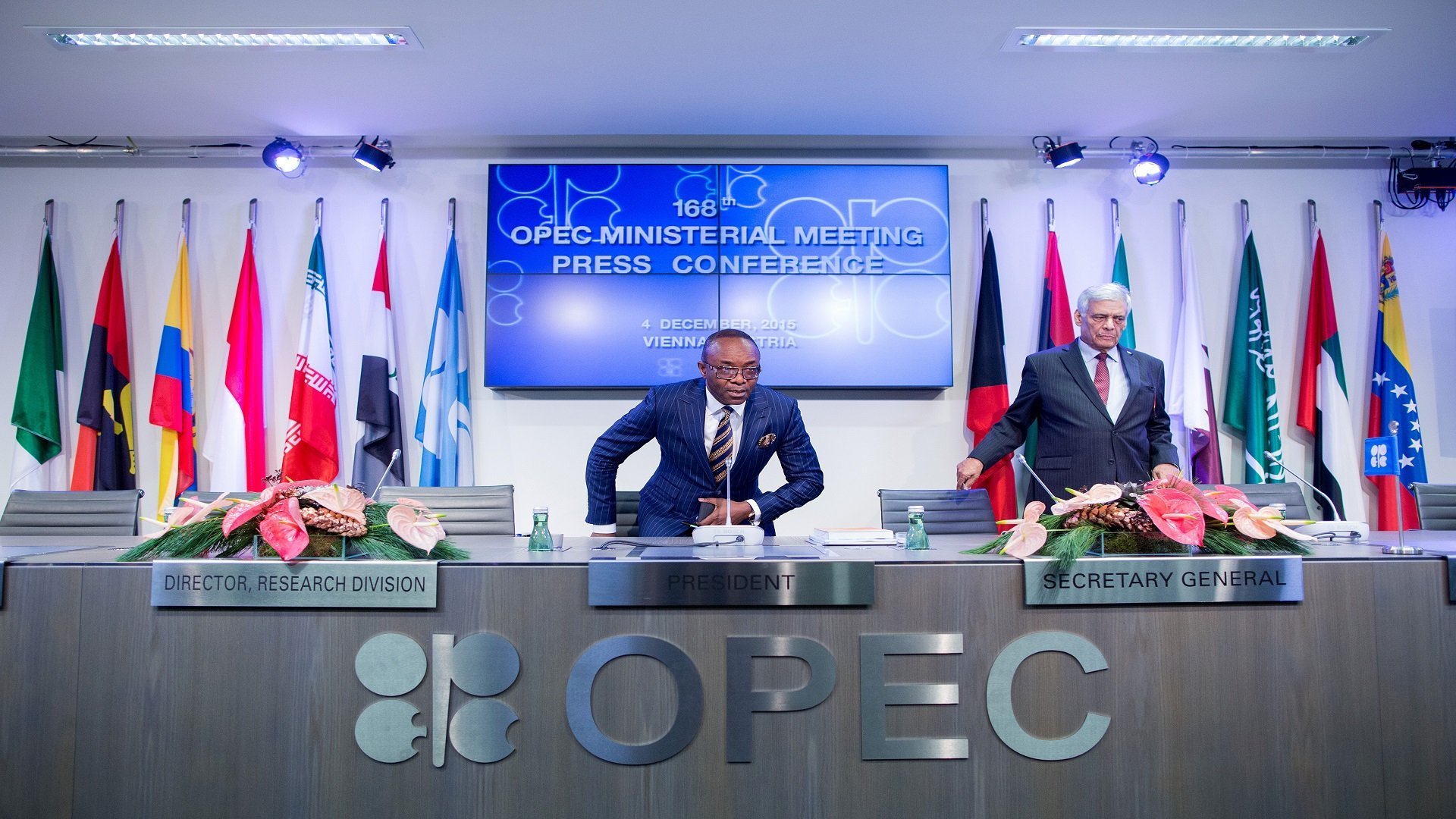
Oil prices edged higher after OPEC+ approved a modest production increase of 137,000 barrels per day from October, signalling a deliberate shift from propping up prices to recapturing market share even as the possibility of oversupply looms.

A rapid, 11-minute virtual meeting resulted in the decision by eight key alliance members to introduce a restrained output lift, clearly OPEC+ inches production upward amid surplus risk. That modest hike marks the start of unwinding an additional tranche of voluntary cuts—around 1.65 million barrels per day—that were originally scheduled to remain in place until the end of 2026.

Brent crude gained approximately 34 cents to trade at $65.84 per barrel, while U. S. West Texas Intermediate rose about 30 cents to $62.17 a barrel, trimming losses incurred last week following a soft U. S. jobs report. Analysts see the price rebound as partly driven by relief over the modest hike and technical factors, alongside concerns that looming U. S. sanctions on Russian oil may curb supply.

OPEC+ members—including Saudi Arabia, Russia and several Gulf producers—have been gradually rolling back earlier cuts since April, with previous monthly increases topping 550,000 barrels. This latest move, while smaller in volume, is seen as a strategic signal that the group is prioritising global market positioning over immediate price support. Jorge Leon of Rystad Energy commented, “The barrels may be small, but the message is big,” underscoring the symbolic weight of the alliance’s decision.

Not all members can raise output equally—only Saudi Arabia and the United Arab Emirates have sufficient spare capacity to make notable additions. Others face physical and contractual limitations to boost deliveries.

Despite the gradual rollback of cuts, analysts warn that the ramp-up, combined with rising non-OPEC+ output, could push the oil market into surplus territory by early 2026. Goldman Sachs, while holding its 2025 price forecast steady, flagged muted price risks for 2026, with expected average Brent and WTI prices in the mid-$50s.

The alliance has reaffirmed its flexibility to adjust future output, including the ability to accelerate, pause or even reverse course as market conditions evolve. Members will meet again on 5 October to review developments and determine whether to extend or amend the output ramp.

Net profits for banks listed across the Gulf Cooperation Council surged to an unprecedented $16.6 billion in the second quarter, marking the second straight quarter of gains and a sequential increase of roughly 3.7 %, with year-on-year growth at a robust 9.2 %, according to Kamco Invest. This performance was driven by broadly higher revenues and a lower cost-to-income ratio that more than compensated for a rise in impairments. Lending activity remained resilient, underpinned by strong economic fundamentals and a pipeline of projects in the region.

Banks across the GCC achieved strong growth, with net profits rising 10.3 % year-on-year to $16.6 billion in Q2 2025, according to the latest Kamco Invest analysis. The sequential increase of about 3.7 % was fuelled by a broad-based rise in revenues, while a leaner cost-to-income ratio offset the impact of elevated impairments. Lending growth persisted, reflecting healthy demand and continued economic momentum.

Abu Dhabi led regional outperformers as its banks posted aggregate Q2 earnings of $3.2 billion—a 23.1 % rise compared to the year before. First Abu Dhabi Bank stood out with a 29.4 % surge in quarterly net profits to $1.5 billion, supported by stronger non-interest income and lower impairment charges. Abu Dhabi Commercial Bank and Abu Dhabi Islamic Bank also delivered solid gains, buoyed by elevated interest and fee income.

Dubai’s banks, by contrast, experienced a contraction: aggregate city-listed earnings fell by 6.4 % to $3.2 billion, weighed down by increased impairments at major lenders such as Emirates NBD. Some resilience came from Commercial Bank of Dubai, which posted a 15.4 % rise, alongside a surge in real-estate and utilities profits—Emaar Properties and DEWA among the top performers.

Among other GCC markets, Q2 net profits for Oman-listed banks were around $1 billion, while those in Qatar also posted gains, contributing to the overall strength in the banking sector.

The headline figure—$16.6 billion in quarterly profit for GCC banks—captures the scale of the region’s banking sector resilience. This strong performance highlights how GCC banks post record-high quarterly profits, powered by sustained credit growth and operational efficiencies even amid higher impairments.

Arabian Post Staff -Dubai Deal volumes across the Middle East hit 271 in the first half of 2025, up from 228 a year earlier, defying a 9 per cent contraction in global M&A activity. The region owes this strong performance to sovereign capital, regulatory reforms, and strategic investments in high-growth sectors. Middle East M&A Volume Climbs Amid Global Decline now captures the robust upswing. Driving this growth […]

The Environment Agency – Abu Dhabi unveiled the EAD Avatar at the Abu Dhabi International Hunting and Equestrian Exhibition 2025, held at the Abu Dhabi National Exhibition Centre from 30 August to 7 September. This AI-powered initiative aims to revolutionise public interaction with environmental information, offering a lifelike digital interface that bridges cultural authenticity with technological innovation.

Developed in collaboration with Accord Business Group, the EAD Avatar introduces two digital personas, Souheil and Dana, designed to reflect Emirati heritage. Fluent in both Arabic and English, these avatars provide real-time, interactive communication, delivering accurate, AI-generated responses drawn from verified data sources. This approach ensures that users receive reliable information on environmental topics, enhancing public understanding and engagement.

Ahmed Baharoon, Executive Director of Environment Information, Science and Outreach Management at EAD, highlighted the significance of the launch, stating, “By merging cultural authenticity with cutting-edge AI, we are enhancing how the community interacts with EAD and transforming how they understand and connect with the environment.” The avatars’ natural voice modulation, facial expressions, and body language contribute to a more human-like interaction, fostering trust and encouraging deeper engagement.

Undersea cables in the Red Sea were severed on September 6, 2025, causing significant internet disruptions across parts of Asia and the Middle East. The affected cables include the South East Asia–Middle East–Western Europe 4 and the India–Middle East–Western Europe, both vital for regional connectivity.

Microsoft reported increased latency for users in the Middle East, while NetBlocks, a digital rights group, confirmed that the outages impacted countries such as India and Pakistan. The disruptions have also affected cloud services, with Microsoft Azure experiencing service degradation due to rerouted traffic.

The cause of the cable cuts remains unclear. While there is concern that the Houthi rebels in Yemen may have targeted the cables as part of their campaign related to the Israel-Hamas conflict, the group has denied responsibility for such attacks. In early 2024, the Houthis had threatened to target undersea cables, but no direct evidence has been presented linking them to the current incident.

DP World will begin offering the “Atlas” service from Morocco to UK and North Europe, cutting export times for fruit and vegetable shipments by up to two days when operations commence in November 2025. The maritime corridor will link the Moroccan ports of Agadir and Casablanca with DP World’s London Gateway and Antwerp Gateway terminals via two dedicated vessels, offering a faster, more cost-effective, and lower-carbon alternative to over-the-road transport.

This new route is expected to transfer up to 150,000 tonnes of fresh produce annually from trucks to ships, reducing carbon emissions by approximately 250 kg CO₂ per tonne-kilometre—a decrease of around 70% compared with traditional road haulage.

By offering faster and smoother delivery, the “Atlas” service from Morocco to UK and North Europe provides a more reliable logistics option. It circumvents issues such as traffic congestion, border delays and instances of vandalism, which frequently compromise delicate produce like tomatoes and blueberries.

To support the service, DP World has rolled out a substantial investment in refrigerated and general-cargo containers: 1,250 new reefer units plus 1,000 40-foot high-cube and 750 20-foot dry containers. Customers will benefit from full end-to-end supply-chain visibility via the CARGOES digital platform.

According to DP World, Morocco currently exports more than 6.5 million metric tonnes of fruit and vegetables to Western Europe annually, with volumes rising at over 20% year-on-year—making improved logistics more urgent than ever.

DP World Europe’s managing director and chief executive, Rashid Abdulla, emphasised that the service’s pillars of reliability, fast transit and modern IT platform make it a viable alternative to trucking, delivering better-quality produce at lower cost and with markedly reduced emissions. Markus Rodatz, chief operating officer for Freight Europe at DP World, highlighted the company’s commitment to developing smarter, more sustainable and more resilient supply chains, noting the new route helps growers and retailers meet environmental targets.

Abu Dhabi’s G42 is offering 2 % of its shareholding in its subsidiary, Presight AI, to institutional investors through an accelerated book-build, aiming to raise slightly more than $100 million. The transaction will reduce G42’s holding in the analytics group from 70.5 % to 68.5 %, while retaining majority control. First Abu Dhabi Bank and Jefferies are acting as joint global coordinators and joint bookrunners, with International Securities serving as joint bookrunner.

Demand for the placement has been strong, with books reportedly fully covered ahead of finalisation. Settlement is expected around 10 September 2025, following final terms being set by 4 September. G42 has also committed to a 180-day lock-up period before any further sale of its Presight shares.

The strategic purpose behind G42 lowers Presight AI stake via ABB is to broaden and institutionalise Presight’s investor base, enhance liquidity, and strengthen its case for inclusion in the FTSE Emerging Market Index. Greater free float and international institutional ownership would increase trading activity and appeal to passive investment funds.

Presight AI, which listed on the Abu Dhabi Securities Exchange in 2023, has posted strong financials through 2025. Its share price has risen by approximately 67 % year-to-date, closing recently at AED 3.47. In the first half of 2025, organic revenue grew by 33.5 %, supported by new domestic contracts. In the second quarter, group net profit rose by nearly 8 % to Dh77 million, with revenue up by over 53 % to Dh523.9 million. International markets now contribute 26.8 % of revenue, up from just 4.9 % a year earlier.

G42 group CFO Ricky Thirion described Presight as “a critical pillar of the G42 ecosystem and a cornerstone of our Intelligence Grid offering,” noting that its performance reflects consistent growth and strong leadership.

Regionally, secondary offerings like this one are gaining traction. In 2025, follow-on sales across the Middle East have raised roughly $3.7 billion, surpassing IPO proceeds—a sign of deepening market maturity.

The placement’s proceeds will go entirely to G42, with no dilution or impact on other shareholders or Presight’s operations.

Abu Dhabi’s G42 has therefore engineered a measured recalibration of its ownership in Presight AI—G42 lowers Presight AI stake via ABB—while securing capital, expanding its shareholder base, and positioning the company for broader market inclusion and visibility.

du has unveiled its Envision 2025 agenda, signalling a decisive push towards an AI-first future. The event is scheduled for 9 September 2025 at Atlantis, The Royal, and is designed to mobilise public and private sector leaders around AI-enabled smart communities and sovereign digital innovation.

The Envision 2025 blueprint brings together a distinguished roster of sponsors and partners. Oracle is confirmed as Host Sponsor, contributing expertise in cloud and sovereign AI capabilities. Cisco, as Platinum Partner, reinforces commitments to digital advancement. Gold Partners include HPE, Huawei, Akamai Technologies and CyberKnight, while Silver Partners—Dell Technologies, Fortinet, Accenture, Hexaware and Palo Alto Networks—support AI and cybersecurity resilience. Equinix and Joy Smart Technologies join as Bronze Partners, emphasising a collaborative approach to transformation. du charts AI-first future with Envision 2025 echoes this collaborative vision, emphasising alignment between leadership and technological innovation.

The threefold Envision platform will host both an exhibition and a conference, spotlighting cutting-edge domains: AI Data Centres, Sovereign Cloud, Generative and Agentic AI, GPU-as-a-Service, Industry 4.0, Advanced Robotics, and Cloud Computing. It seeks to provoke strategic alliances and stimulate discourse aligned with the UAE’s National AI Strategy and National Digital Government Strategy 2025.

Fahad Al Hassawi, Chief Executive Officer of du, underscored the alignment with national vision, referencing the leadership of H. H. Sheikh Mohammed bin Rashid Al Maktoum, who asserted that “future is not something we wait for, but something we make.” Al Hassawi emphasised that converging leadership with advanced technology will underpin the creation of a scalable, secure, and AI-first UAE.

Jasim Al Awadi, Chief ICT Officer at du, described Envision 2025 as more than a technology event—but as a national platform uniting future shapers to align vision, innovation and execution. He stressed that the collaborators are vital to delivering secure, scalable, sovereign digital solutions that enhance smart communities, economic growth and quality of life.

Miguel Vega, Senior Vice President for Database Platform & Cloud Infrastructure at Oracle for the Middle East, Turkey and Africa, said Oracle’s participation will centre on advancing sovereign AI and cloud functions, aiming to help public and private sectors unlock greater levels of innovation, security and efficiency.

Saudi authorities have tested drone delivery of postal parcels in Jeddah, a pivotal move in modernising logistics and postal services. The General Authority of Civil Aviation and the Transport General Authority, backed by Dr Rumaih Al-Rumaih, Vice Minister of Transport and Logistic Services and Acting President of TGA, led the operation on Thursday, 4 September 2025. Saudi Drone Parcel Trial Signals Smarter Logistics encapsulates this milestone in eight purposeful words.

The trial, overseen by GACA and TGA, was executed under updated aviation safety regulations aligning with international standards such as those of ICAO and EASA, ensuring rigorous oversight of drone operations. GACA managed aviation-related protocols while TGA handled regulatory and legislative support for the postal sector.

Dr Al-Rumaih described the drone operation as a breakthrough that will “open new horizons” for expanding delivery services and fostering innovative logistics solutions in line with national digital transformation goals. Meanwhile, GACA’s Executive Vice President for Aviation Safety and Environmental Sustainability, Captain Suleiman Al-Muheimidi, said the trial heralds faster, greener, and more advanced delivery methods.

This initiative forms part of the Kingdom’s Vision 2030 strategy to boost transport efficiency, shorten delivery times, and integrate technology into everyday life. Authorities emphasised that advanced drone deployment promises safer, quicker, and more sustainable parcel delivery across the country.

Arabian Post Staff Dubai has again claimed first place in the Savills Executive Nomad Index 2025 as the most sought-after destination for executive nomads worldwide, while Abu Dhabi holds second place for the second year running. Dubai’s dominance stems from its unmatched airline connectivity and comprehensive amenities, with Dubai Maintains No-1 Spot as Executive Nomads’ Top Choice capturing the essence of its appeal. The index, evaluating 30 […]

Astana International Exchange and Abu Dhabi Securities Exchange have activated a direct connection between their central securities depositories, enhancing post-trade infrastructure and extending investor access across markets. The move, under the October 2021 memorandum of understanding that brought AIX into the Tabadul digital hub, expands on the existing Tabadul network and enables fully operational CSD-to-CSD communication.

The newly established arrangement builds on Tabadul’s digital trading network, which launched in mid-2023 when AIX formally joined and began enabling bilateral trading with ADX. Tabadul, introduced in 2022, operates on a mutual market access model, facilitating cross-exchange trading across member markets.

Under the framework established in October 2021, AIX had integrated into Tabadul, paving the way for today’s deeper integration via its direct CSD link with ADX.

Assel Mukhanova, chief executive of AIX, welcomed the formalisation, noting that this will bring tangible benefits to participants through more efficient trading corridors and deeper cross-border investment flows. Abdulla Salem Alnuaimi, group chief executive of ADX, emphasised that the direct CSD connection supports capital markets accessibility, post-trade connectivity, and opens new avenues for both global and regional investors.

This development underscores a strategic commitment from both exchanges to deepen connectivity, bolster liquidity, and accelerate regional capital market integration. By complementing the stronger ties forged through Tabadul, the new ADX–AIX direct CSD link strengthens market access for issuers and investors alike.

OPEC’s oil output rose further in August, hitting 27.84 million barrels per day—a gain of 360,000 bpd over July’s revised total. The rise was driven chiefly by expanded production from Saudi Arabia and the United Arab Emirates under an OPEC+ agreement to gradually reverse output curbs.

The production boost stemmed from an agreement by eight OPEC+ countries for August output, under which five OPEC members—Algeria, Iraq, Kuwait, Saudi Arabia and the UAE—were to raise output by 416,000 bpd, before accounting for compensation cuts totalling 178,000 bpd imposed due to earlier overproduction. In practice, those five delivered a net increase of 310,000 bpd.

This escalation forms part of OPEC+’s accelerated effort to dismantle its most recent output cuts. Simultaneously, some members continue to implement additional cuts to offset previous excesses, theoretically capping the effect of these increases.

This latest surge underlines OPEC+’s strategy of reclaiming market share through coordinated rollback of production restraints, even as the group attempts to preserve price stability by enforcing compliance and offset mechanisms.

Abu Dhabi will host the BRIDGE Summit from 8 to 10 December 2025 at the ADNEC Centre, uniting heads of state, media executives, policymakers, technologists and content creators in an ambitious bid to redefine the global media landscape. Announced in Washington by Abdulla bin Mohammed bin Butti Al Hamed, chairman of the National Media Office, alongside Dr Jamal Mohammed Obaid Al Kaabi, director-general of the NMO, the summit pledges to foster dialogue, innovation and sustainable growth across the sector. Attendance is expected to exceed 5,000 participants, underpinning its status as a global media landmark.

Preparatory efforts have extended worldwide. In June, a roundtable in London convened Al Hamed and Al Kaabi with media experts during London Tech Week to reinforce the summit’s commitment to transparency, accountability and cross-sector collaboration in an increasingly digital era. In Asia, the BRIDGE roadshow landed in Shanghai, following stops in New York, London and Osaka, each event contributing insights to shape the summit’s agenda. A mission to Seoul in August further advanced partnerships with technology and media firms, including I-ON Communications on AI and data storytelling; Dentons on regulatory frameworks; Lotte Caliverse on immersive media; and SM Entertainment on cultural collaboration. These discussions cemented shared goals around content credibility, technology ethics and investment in creative startups.

The BRIDGE Summit is embedded within a broader ecosystem spearheaded by the National Media Office. Alongside the summit lies the BRIDGE Foundation, a non-profit body dedicated to empowering media professionals, funding research and supporting startups. This aligns with the UAE’s pursuit of media as a force for societal development and economic progress. A recently published fact sheet outlines the summit’s six thematic zones—Academy, Diplomacy, Forum, Marketplace, Impact and Spotlight—designed to foster skills, policy engagement, tech innovation, social impact and cultural exchange across a three-day programme.

AI and ethics feature prominently among the summit’s themes. Organisers emphasise human values in storytelling amid accelerating digital disruption and algorithmic influence. Al Hamed has characterised media as a humanitarian force that must uphold integrity and cohesion, not merely chase clicks. The summit will address responsible AI’s potential and pitfalls, ethical journalism, and media business models fit for the digital age.

Beyond content and tech, BRIDGE seeks to bridge policy and practice. With roundtables and forums designed to foster international dialogue, policymakers, creators and academics will collaborate on frameworks that safeguard credibility while embracing innovation.

The summit’s global scope is reflected in its steady itinerary of international engagements. From Washington to London, Shanghai to Seoul, each stop has contributed regional perspectives and partnerships that will inform the summit’s structure, themes and participant networks.

VISHNU RAJA
RYO YAMADA
HITORI GOTOH
IKUYO KITA