News related to
breach

South Korea’s largest cryptocurrency exchange saw roughly $36 million drained from its hot wallet linked to the Solana network in what officials describe as an “abnormal withdrawal”. The breach triggered an immediate freeze on deposits and withdrawals. The operator, Dunamu, moved remaining assets into cold storage and pledged to fully reimburse all affected users.

Authorities in Seoul identified the hacking group Lazarus Group — long associated with previous crypto thefts — as the prime suspect behind the intrusion. Investigators plan an on-site inspection of Upbit’s systems to determine how attackers bypassed security protocols.

The tokens siphoned off included SOL alongside several Solana-ecosystem assets. Observers noted that the attack bears striking resemblance to a prior Upbit breach in 2019 — when 342,000 ETH disappeared under circumstances later attributed to Lazarus and associated groups.

Security firms monitoring on-chain flows report that the speed and pattern of withdrawals mirror those from Lazarus-linked incidents. Analysts warn that the hack underscores persistent vulnerabilities when hot wallets — the always-online accounts exchanges use for frequent transactions — remain exposed to governance failures or credential compromises.

The timing of the incident coincided with a corporate milestone for Dunamu: the day saw the public announcement of a planned merger with technology firm Naver. Some security experts speculate that the attackers might have deliberately chosen the moment to maximise impact on market confidence and regulatory attention.

Upbit’s management emphasised that user assets held in cold storage remained untouched. The company began working immediately with token issuers and blockchain-analytics firms to freeze traceable stolen funds. Officials involved in the probe noted the laundering techniques — rapid mixing of tokens across multiple wallets and networks — reflect a refined modus operandi honed over several high-profile attacks.

Cyber-security firms Kaspersky and VDC Research have estimated that global manufacturing organisations could incur losses exceeding US$18 billion in the first three quarters of 2025 due to ransomware attacks disabling production-line operations. According to their joint analysis, based on data from the Kaspersky Security Network, the average incident leads to around 13 days of operational disruption, with labour costs alone accounting for billions of dollars. The losses […]

Organizations are deploying artificial-intelligence-driven defences to counter increasingly sophisticated cyber threats as attackers harness the same technology to mount agile attacks. Leaders at major cybersecurity firms say the conflict between defenders and adversaries has entered a new phase, where speed, adaptability and automation are critical. The security firm Palo Alto Networks announced upgraded platforms designed to protect cloud assets and AI-based applications, citing the need to monitor […]

Cloud-software giant Salesforce has announced that it is investigating unauthorised activity involving applications published by vendor Gainsight, which may have enabled access to customer data through the Salesforce platform. The firm said it revoked all active access and refresh tokens related to the Gainsight apps and temporarily removed those applications from its marketplace. It emphasised this incident does not stem from a vulnerability in the Salesforce core […]

Malaysia’s national utility firm Tenaga Nasional Berhad recorded losses of about RM 4.57 billion stemming from illegal electricity usage linked to cryptocurrency-mining operations between 2020 and August 2025. The Ministry of Energy Transition and Water Transformation disclosed that 13,827 premises were identified for unauthorised power use in bitcoin-mining setups.

The scale of the issue has triggered coordinated action by TNB alongside law-enforcement agencies, the communications regulator and the anti-corruption commission to shut down illegal crypto-mining hubs and recover mining equipment. Monitoring and detection systems have been upgraded, including the deployment of smart meters and a database of suspect premises created to track owner-tenant information.

The ministry emphasised that tampering with electricity meters or bypassing supply connections remains a breach of the Electricity Supply Act, even though crypto-mining per se is not illegal in Malaysia provided it meets regulatory registration, environmental assessment and energy-efficiency requirements.

Experts note that large-scale crypto-mining demands heavy and continuous power consumption, making utilities vulnerable to theft and grid stress. Analysts warn that if unaddressed, rampant unauthorised mining can undermine revenue streams, force higher tariffs for compliant users and increase risk of transformer or grid overload. TNB has reported that illicit mining not only deprives the utility of revenue, but often leaves behind damaged equipment, fire hazards and voltage instability.

TNB’s response includes launching a pilot “Distribution Transformer Meter” project that monitors usage at the transformer level to detect anomalies, and rolling out smart-metering at substations for real-time tracking of energy flows. These technical steps complement legal and enforcement action, with the utility and authorities conducting raids, seizing mining machines, and pursuing criminal charges under offences related to meter interference.

Regulators say the problem is acute because of Malaysia’s relatively affordable electricity and benign regulatory regime for data-centres, making it an attractive venue for crypto-miners operating on razor-thin margins for global digital-asset mining operations. Observers say tighter regulation globally of crypto-mining, along with rising power costs, have driven more miners to jurisdictions with weaker enforcement or cheaper energy. This trend adds urgency for utilities worldwide to bolster monitoring and enforcement frameworks.

Smart cities have emerged as a transformative vision for the future of urban life, integrating cutting-edge technologies to enhance living standards, boost sustainability, and improve service efficiency. However, as these cities evolve, they face growing concerns regarding cybersecurity. With vast amounts of sensitive data being collected, processed, and transmitted across networks, securing these data exchanges is paramount. The role of modern cryptographic solutions in safeguarding these environments […]

AccuKnox, a prominent player in Zero Trust Cloud-Native Application Protection Platforms, has entered into a strategic partnership with Frentree, a cybersecurity solutions provider based in South Korea. This collaboration seeks to enhance the security of cloud, container, and AI workloads for businesses across the region.

The integration of AccuKnox’s innovative security technologies with Frentree’s established presence in the South Korean market will enable enterprises to better defend against emerging cyber threats, particularly those targeting cloud-native environments. As businesses increasingly rely on cloud infrastructures and AI-driven workloads, the need for robust security frameworks that can scale and adapt to new vulnerabilities has never been more critical.

AccuKnox’s Zero Trust model, which operates on the principle of verifying every request within a network, regardless of origin, is designed to provide continuous protection against both internal and external threats. By requiring strict authentication and authorisation for all access requests, this security approach eliminates traditional trust models that have proven vulnerable in today’s dynamic digital landscape. This model is particularly effective in safeguarding complex cloud-native environments, where assets may be spread across multiple platforms and locations.

Frentree, with its local expertise and established relationships in South Korea, is poised to play a pivotal role in implementing these advanced security measures within the region. Their deep understanding of local enterprise needs, regulatory frameworks, and operational challenges positions them as an ideal partner for AccuKnox. By leveraging Frentree’s on-the-ground presence, AccuKnox aims to accelerate the adoption of Zero Trust security models, providing South Korean businesses with the tools necessary to meet their cybersecurity requirements in the face of increasing cloud adoption.

The collaboration between the two companies also highlights a broader trend in the cybersecurity industry, where regional partnerships are becoming more prevalent. With cyber threats becoming more sophisticated, businesses are increasingly looking for tailored solutions that not only address global challenges but also account for specific local risks and regulations. By working with a trusted regional partner like Frentree, AccuKnox can ensure that its Zero Trust CNAPP solutions are delivered in a way that meets the unique needs of the South Korean market.

South Korea, which has seen rapid digital transformation in recent years, is a particularly fertile ground for this kind of security innovation. As industries such as finance, telecommunications, and manufacturing embrace cloud computing and AI technologies, the country has become a prime target for cyberattacks. With high-profile breaches making headlines, there is growing pressure on organisations to improve their security postures. The Frentree-AccuKnox partnership is thus timely, as it provides local enterprises with a comprehensive security solution to mitigate these risks.

The partnership is also a response to the rising complexity of cyber threats. The increasing use of cloud-native applications and AI workloads introduces new vulnerabilities, which traditional security models struggle to address. Zero Trust security frameworks, with their focus on micro-segmentation and continuous monitoring, offer a promising solution to these challenges. By focusing on verifying every access attempt rather than trusting devices or users, these systems offer a much higher level of assurance against cyber threats.

Looking ahead, both AccuKnox and Frentree are committed to expanding their reach and impact in the region. This partnership is just the beginning, as the two companies plan to work closely to refine and enhance their offerings based on the specific needs of South Korean enterprises. With the cybersecurity landscape continuing to evolve rapidly, they aim to stay ahead of emerging threats by continuously innovating their security models.


Advertisements

DoorDash, the popular food delivery service, has confirmed that a cyber attack has compromised the personal data of millions of users. The breach, which has sparked significant concern, was the result of a sophisticated social engineering attack targeting the company’s systems. This incident has exposed sensitive user information, including names, email addresses, phone numbers, and in some cases, delivery addresses. The breach reportedly affected users across four […]

Cybersecurity breaches are becoming an increasingly costly issue for Indian enterprises, with nearly a quarter of organisations reporting losses exceeding $1 million over the past three years. This has prompted a sharp uptick in cybersecurity spending, especially in artificial intelligence and cloud security solutions, as businesses aim to protect themselves from sophisticated cyber threats. However, the sector still faces significant challenges, particularly in securing skilled talent to manage the growing complexity of cyber risks.

A recent report by PricewaterhouseCoopers highlights that 23% of Indian businesses have incurred losses of over $1 million due to cyber incidents, underscoring the severity of the issue. These breaches range from data theft and ransomware attacks to more advanced persistent threats targeting critical infrastructure. PwC’s findings suggest that the financial impact on Indian firms is only likely to rise as cybercriminals become more organised and capable, exploiting vulnerabilities in emerging technologies and systems.

The shift towards digital transformation and cloud adoption has undoubtedly exposed businesses to greater risk, with sensitive data being increasingly stored and accessed online. According to PwC, the cloud is now seen as both a critical business enabler and a potential vulnerability. As cloud infrastructures evolve, they are often targeted by cybercriminals seeking to exploit misconfigurations and inadequate security protocols.

In response, Indian businesses are ramping up their cybersecurity investments. Spending on AI-driven security solutions is one of the key focus areas. These technologies allow businesses to proactively identify and neutralise threats in real-time, enabling a faster response to evolving attack patterns. AI is particularly useful for detecting abnormal behaviour and potential risks that traditional security systems might miss. It is also being leveraged for predictive analytics to foresee potential vulnerabilities before they can be exploited by malicious actors.

However, despite the increased allocation of funds towards cybersecurity, the shortage of skilled professionals remains a significant roadblock. The demand for cybersecurity experts far outweighs the supply, with firms struggling to recruit individuals with the necessary expertise in areas such as AI, cloud security, and threat intelligence. The PwC report indicates that many organisations are forced to rely on third-party vendors to manage their cybersecurity needs, further driving up costs.

Experts suggest that to address the talent gap, Indian firms must invest in long-term solutions, such as upskilling existing employees and forging partnerships with educational institutions to nurture the next generation of cybersecurity professionals. The government has also been urged to play a more proactive role by fostering public-private collaborations to enhance the country’s overall cybersecurity ecosystem.

The rise of AI and cloud technologies has, however, brought additional complexities. While these tools can greatly improve security, they also introduce new attack vectors. Cloud environments, if not managed properly, can expose businesses to significant risks, including data breaches and unauthorised access. Moreover, the increased use of AI-driven solutions can create new challenges, such as ensuring the ethical deployment of AI and protecting against adversarial AI attacks.

Despite these hurdles, the Indian cybersecurity landscape is expected to see significant improvements over the coming years. As businesses continue to embrace AI and cloud technologies, security budgets are likely to increase, with a stronger emphasis on automated security measures and real-time threat detection. Additionally, as the global cyber threat landscape evolves, businesses are expected to collaborate more closely with government agencies and international organisations to stay ahead of cybercriminals.

India has officially enacted the Digital Personal Data Protection Rules 2025, marking a significant milestone in the country’s data privacy landscape. These rules come into full effect after years of discussions and revisions, shaping the way businesses and organizations across India manage and process personal data. The new framework introduces comprehensive rights for citizens, increased accountability for data processors, and a structured approach to compliance, with phased implementation designed to help organizations gradually adapt to the new standards.

Under the DPDP Rules 2025, organizations handling digital personal data must ensure that they meet stringent requirements regarding the collection, storage, and processing of such data. One of the primary objectives of the regulations is to give individuals more control over their personal information. Citizens are now entitled to exercise rights such as data access, correction, and deletion, enabling them to manage their digital footprints more effectively. The rules empower individuals to demand transparency from organizations about how their data is being used, stored, and shared, thereby creating a more secure and user-centric data ecosystem.

The DPDP framework also mandates that businesses establish clear and accountable procedures for data processing, including obtaining explicit consent from individuals before collecting their data. This requirement has led to the creation of a robust consent management system, where individuals can easily opt in or out of data collection practices. Moreover, companies must implement technical measures to safeguard data from breaches, ensuring that personal information is kept secure against cyber threats.

A noteworthy feature of the DPDP Rules 2025 is the introduction of a phased compliance timeline, giving businesses time to align their operations with the new regulations. The phased approach allows smaller organizations to gradually adapt their processes without facing immediate heavy penalties. It also helps avoid overwhelming businesses with abrupt changes, ensuring a smoother transition into the new privacy regime. Larger enterprises, particularly those with significant data processing activities, are required to comply more swiftly, underscoring the government’s commitment to addressing privacy concerns in the digital age.

In terms of enforcement, the rules establish a regulatory body responsible for overseeing compliance with data protection laws. This body will have the authority to issue penalties for violations, ranging from non-compliance to mishandling of personal data. The government has also proposed creating a data protection fund to support enforcement activities and facilitate the implementation of data protection measures across sectors. These efforts aim to strengthen India’s privacy protection infrastructure and ensure that businesses take their responsibilities seriously.

One of the most pivotal aspects of the DPDP Rules is the focus on cross-border data transfers. Companies that wish to transfer personal data outside of India must demonstrate that the destination country has an adequate level of data protection laws in place. This provision aims to safeguard Indian citizens’ data while promoting responsible data sharing and collaboration on the global stage. By introducing strict measures for international data exchanges, the DPDP framework places a premium on protecting the privacy of individuals both within India and abroad.

The DPDP Rules 2025 also place a strong emphasis on corporate accountability. Organizations must conduct regular audits to assess their data handling practices and identify potential vulnerabilities. Additionally, they are required to appoint Data Protection Officers responsible for overseeing data protection measures within their organizations. The accountability aspect extends to third-party vendors, as businesses must ensure that their partners and service providers adhere to the same high standards of data protection.

For the general public, the DPDP Rules provide greater visibility into how their data is being used. The introduction of a personal data breach notification system ensures that individuals are alerted if their data has been compromised. This provision is crucial in fostering trust between businesses and consumers, as it encourages transparency and swift action in case of data incidents. Companies are also required to report breaches to the regulatory body within a specified time frame, contributing to a more proactive approach to data security.

Netskope has partnered with NEVERHACK to introduce an innovative, fully managed Security Service Edge solution aimed at enhancing zero-trust cloud security. This new offering is designed to address the growing need for comprehensive protection in a rapidly evolving digital landscape, where organisations are increasingly reliant on cloud-based infrastructure. The collaboration combines Netskope’s advanced network and cloud security technology with NEVERHACK’s expertise in managed security services. The integrated […]

A vast data trove compiled by threat-intelligence firm Synthient has brought to light that 1.95 billion unique email addresses and approximately 1.3 billion passwords were exposed in credential-stuffing lists drawn from multiple underground sources. The corpus, now indexed by Have I Been Pwned, signals an escalation in the reuse-of-credentials risk by cyber-attackers targeting cross-platform logins. The aggregation effort by Synthient captured data embedded in previously breached credential […]

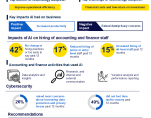
HONG KONG SAR – Media OutReach Newswire – 10 November 2025 – CPA Australia’s regional survey about business technology adoption shows that most companies in Hong Kong have used artificial intelligence (AI) tools at different levels. Though the increasing AI application helps to improve productivity, it also transforms the hiring trends in the accounting and finance industry, and increases concerns on data protection and governance, according to […]

Ente, a popular cybersecurity tool, has successfully completed a rigorous audit sponsored by CERN, the European Organization for Nuclear Research. The audit, carried out by five experts from the German cybersecurity firm Cure53, took place over the span of two weeks and focused on evaluating the platform’s security framework and vulnerability to cyber threats. CERN, one of the largest and most advanced scientific research organisations in the […]

A video-sharing platform has removed multiple tutorials showing how to install Windows 11 without using a Microsoft account or meeting certain hardware requirements, citing community-guideline violations that warn the content “encourages dangerous or illegal activities that risk serious physical harm or death.” The channel affected, known for detailed technical walkthroughs, reported that both takedown decisions were upheld despite appeals. The creator, behind the channel CyberCPU Tech, disclosed […]

Crypto markets experienced a sharp upheaval as the price of Bitcoin slid below the US $100,000 mark for the first time in approximately six months, while Ethereum plunged to levels near US $3,000. As a result, leveraged positions totalling around US $2 billion were liquidated within a 24-hour period.

The downturn began when Bitcoin fell to about US $99,000, triggering a cascade of forced unwinds in futures and perpetual contracts. According to data providers, more than 80 per cent of these losses stemmed from long bets, amounting to approximately US $1.6 billion. Ethereum’s drop—exceeding 20 per cent over two days—added nearly US $1 billion in liquidations in the same timeframe. The broader crypto market capitalisation slipped to roughly US $3.4 trillion, marking its lowest level in four months.

Analysts point to a confluence of factors driving the sell-off. The Federal Reserve’s cautious comments about future policy signalled the end of easy money for risk assets and prompted a rise in the US dollar index and treasury yields—both typically adverse for cryptocurrencies. Weakening institutional demand compounded the problem, as cumulative outflows from spot Bitcoin exchange-traded funds and related vehicles exceeded US $1.3 billion in the days leading to the crash. Algorithm-driven trades amplified the move: Bitcoin breached its 200-day exponential moving average near US $109,800 and touched technical support around US $100,000, triggering automated sell orders.

The liquidation event has wider implications for investor sentiment and the structure of the crypto market. The so-called Fear & Greed index plunged into the “extreme fear” zone, while open interest in perpetual futures contracts dropped as many leveraged players exited. On-chain metrics show historic wallets transferring tens of thousands of Bitcoin to exchanges, signalling profit taking by long-term holders. Yet some argue the correction could serve as a cleansing phase for the market: by flushing out excessive leverage, the environment may become healthier for the next leg of the cycle.

Despite the turbulence, there are signs that structural demand remains intact. Large-scale buyers such as MicroStrategy continue to accumulate Bitcoin—its holdings now exceed 641,000 BTC. Meanwhile, infrastructure-oriented developments in decentralised physical infrastructure networks and the convergence of blockchain with artificial intelligence are still attracting investor interest. Nevertheless, the immediate path forward is fraught. Analysts now identify a failure to hold US $100,000 for Bitcoin as potentially opening a decline toward the US $92,000–US $94,000 range. For Ethereum, a slide toward US $2,700–US $2,800 is on the radar if momentum fails to stabilise around current levels.

A significant security breach involving the open-source extension registry Open VSX Registry and maintained by Eclipse Foundation has exposed a vulnerability in the software-supply-chain ecosystem. Developer tokens that grant publish permissions were unintentionally made public, enabling threat actors to upload malicious extensions and target developers using the platform. Security researchers from Wiz flagged more than 550 exposed secrets within public repositories, among which tokens belonging to Open […]

Nasdaq has issued a formal letter of reprimand to TON Strategy, citing a breach of listing rules after the company raised equity and used nearly half its privately raised funds to acquire a large holding in Toncoin without obtaining required shareholder approval. According to the regulatory filing, the company’s issuance of new common stock and warrants during a private investment in public equity transaction in August exceeded the 20 per cent threshold of outstanding shares that triggers an approval requirement.

The issuer, formerly known as Verb Technology and re-branded earlier this year to become a listed vehicle focused on digital asset treasury strategy, announced a $558 million PIPE closed on 7 August. The company disclosed that approximately 48.78 per cent of those proceeds were used to purchase Toncoin.

Nasdaq’s notice pointed out the omission of shareholder approval, which is required when share issuances exceed thresholds designed to protect existing investors and maintain transparency. The exchange concluded that while the misstep was a violation, it did not appear to reflect intentional avoidance of rules and therefore did not recommend delisting the company’s securities.

Toncoin’s market price reacted sharply, declining more than 5 per cent to around $2.165 following the notice, and trading volumes surged, which analysts interpreted as heightened investor concern about governance risks in crypto-linked public-company structures.

In a briefing, TON Strategy CEO Veronika Kapustina had warned that the nascent model of publicly traded cryptocurrency treasury firms could be showing “early indications of a bubble”, pointing to rising valuation and risk of complacency in transparency.

The leadership change within TON Strategy also drew attention: on the closing date of the PIPE, the firm appointed Manuel Stotz, former president of the TON Foundation, as Executive Chairman. The combination of leadership transition, major token purchase, and share issuance without vote has raised questions around alignment of interests and governance framework.

Market observers say the incident underscores a broader trend where public companies are adapting treasury models that hold large cryptocurrency positions, creating novel intersections of asset-class risk, corporate finance and regulatory oversight. Each of these linkages raises fresh scrutiny as traditional exchanges apply inspection regimes developed for conventional equity markets. One analyst commented that “crypto treasury firms now face the same listing rigour as any industrial company, but with far less precedent to guide them”.

For TON Strategy and its shareholders, immediate focus will be on how the company responds within the 45-day window typically afforded by Nasdaq to submit a corrective plan. The notice does not affect the company’s listing status so long as it meets other requirements, but revisions may include retroactive shareholder approval or altered future financing protocols.

The rupee edged towards a sharp low as the central bank escalated its defence of the currency amid growing external headwinds. The domestic currency traded around 88.80 to the U. S. dollar, nearing its record low despite official efforts to stem the slide.

The Reserve Bank of India expanded its short-dollar forward positions by about US$6 billion in September, bringing the total to roughly US$59.4 billion, signalling increased dollar sales to defend the rupee.
The rupee had already recorded five straight months of decline before stabilising briefly in October, only to come under renewed pressure. Analysts point to surging gold imports, foreign-portfolio investor withdrawals and uncertainty around U. S. tariffs as key drivers of dollar outflows.

Market participants note that the rupee’s ability to hold above the 88.80 mark depends heavily on the central bank’s resolve. One currency strategist at the Australia and New Zealand Banking Group remarked that the central bank may not allow a significant breach of the 89-per-dollar level unless India’s economic fundamentals deteriorate further.

The rupee’s slide contrasts with other emerging-Asian peers, most of which posted gains of over 3 per cent this year while India’s currency was down about 3.6 per cent. Importer demand for dollars and robust non-deliverable-forward flows remain persistent drags. The central bank made small daily interventions via state-run banks, but these were smaller in scale than the large dollar sales seen in the prior month.

In one high-impact intervention, the Reserve Bank of India sold between US$3 billion to US$5 billion across spot and offshore markets, according to trade-desk estimates. That move pushed the rupee up by nearly 1 per cent on the day, its largest single-day gain in four months. The central bank has declined to comment publicly on the precise quantum of intervention.

The central bank is also placing a premium on managing volatility. Despite the dollar’s global strength and broader weakness in Asian currencies, the rupee has been constrained to a narrow trading band around the 88.80 level. Its ten-day realised volatility has fallen beneath 2 per cent and implied volatilities through one month are near their yearly lows. Some market participants caution that this subdued volatility could undermine hedging activity and leave firms vulnerable if a shock hits.

The rupee’s vulnerability arises in part because the U. S. dollar remains elevated, and the Federal Reserve has signalled that it does not expect to cut interest rates as soon as markets hoped, strengthening the greenback and reducing relief for the rupee. At the same time, India’s trade position remains under pressure as high gold-import volumes and elevated oil prices increase dollar demand.

Against this backdrop, India’s sovereign-bond market is showing signs of life. Foreign investors have ramped up purchases of long-dated government debt following the central bank’s display of defensive resolve. Some analysts suggest that migration back into Indian bonds reflects renewed confidence in rupee-denominated assets. Yet this hope is tempered by the possibility that tighter liquidity—stemming in part from currency-market interventions—could weigh on bond markets and corporate funding costs.

A sophisticated phishing campaign has enabled attackers to compromise a maintainer account within the npm ecosystem, triggering one of the largest software-supply-chain breaches recorded. On 8 September 2025 the attacker gained access to the account of developer Josh Junon, and proceeded to publish malicious updates to widely used packages including “chalk” and “debug”. The versions laced with crypto-theft malware reached libraries that collectively recorded over 2 billion […]

Seventeen years after the publication of the nine-page document titled “Bitcoin: A Peer-to-Peer Electronic Cash System,” authored under the pseudonym Satoshi Nakamoto on 31 October 2008, the digital asset known as Bitcoin has evolved from an experimental peer-to-peer payment proposal into a multi-trillion-dollar fixture of global finance.

At its launch, the paper proposed a decentralised network free of financial-institution intermediaries, aiming to avoid double-spending through a proof-of-work mechanism. Over the years the network has grown into a dominant cryptocurrency, and observers say that Bitcoin’s role in financial markets has shifted markedly. A study examining institutional adoption found that Bitcoin’s correlation with major equity indices — once low — rose to as high as 0.87 in 2024, signalling growing integration with mainstream markets.

Institutional interest forms a central pillar of this transformation. Following the approval of spot Bitcoin exchange-traded funds in the United States in January 2024, which drew in more than $50 billion in inflows, traditional asset managers such as BlackRock and Fidelity Investments gained routes for mainstream investors to access Bitcoin. Some corporations have adopted Bitcoin as part of corporate treasury strategy: around 80 companies now hold approximately 3.4 per cent of total Bitcoin supply.

Despite this ascent, some early proponents of Bitcoin’s original vision — that of a decentralised digital cash usable for everyday transactions — argue that the current model leans more toward its status as “digital gold” than as peer-to-peer money. Payment-system advances like the Lightning Network seek to restore that vision, enabling faster and cheaper transactions on-chain. Meanwhile, critics highlight that energy consumption and regulatory uncertainty continue to pose risks to Bitcoin’s wider adoption.

Regulatory momentum also remains uneven. While the United States moves closer to clearer rules through legislation such as the proposed Clarity Act — which analysts estimate has an 80 per cent chance of passing by early 2026 — global approaches vary significantly. Some jurisdictions have embraced crypto frameworks, while others maintain prohibitive stances. The potential for banks and custodial institutions to operate more directly with digital assets is gaining attention.

Technologically, Bitcoin remains foundational. The original protocol, unchanged at its core since its launch, still underpins a thriving ecosystem of wallets, exchanges and blockchain analytics. That continuity has contributed to its brand as the ‘first mover’ in the cryptocurrency space. At the same time, ecosystem participants are attending to scalability challenges, security risks tied to quantum computing and ecosystem fragmentation through forks.

On the macro-economic front, Bitcoin is increasingly viewed as a hedge or alternative asset, though its extreme price volatility continues to limit its suitability for everyday payments for most users. A survey found 63 per cent of Americans did not feel confident investing in or using cryptoassets, and among adults aged 50 or over that figure rose to 71 per cent. At the same time, the asset’s market cap has situationally breached the $2 trillion mark, reflecting its material scale within finance.

The evolution of Bitcoin also reflects a broader shift in financial architecture: decentralised networks and tokenised assets are increasingly challenging traditional models of money, payment and settlement. Analysts argue that the next phase of Bitcoin’s maturation will hinge on regulatory clarity, technological scalability and an enhanced role in everyday commerce, rather than only institutional accumulation.

Swiss privacy firm Proton AG has unveiled its new “Data Breach Observatory”, a live-monitoring platform designed to track organisations’ data leaks by scanning hacker-forums and underground marketplaces on the dark web. According to the company, the tool has already identified 794 unique breach incidents in 2025 alone, exposing over 300 million records linked to identifiable companies. If broader data-compilations are included, the number of incidents rises to […]

The latest breakthrough in smart home automation promises to revolutionise the way we interact with our living spaces. Carpet sensing technology, which adapts to individual routines and enhances automation, is becoming a significant focus for tech companies looking to improve home interactivity. This innovation is set to transform residential spaces into responsive environments that learn user behaviours, creating a level of convenience previously unseen. At its core, […]

Mumbai-based crypto exchange WazirX has enabled both Indian-rupee and cryptocurrency deposits as it moves toward resuming full trading and withdrawal services, signalling a critical recovery phase after its high-profile $230-million hack. The platform will initiate trading on 24 October 2025, launching with zero trading fees across all pairs for at least 30 days, and is rolling out withdrawals gradually.

WazirX’s comeback is anchored on a restructuring plan approved by the Singapore High Court for its parent company Zanmai Labs Private Limited, which had been navigating creditor claims and asset recovery since the breach. The company has partnered with US-based custodian BitGo to manage digital-asset wallets and bolster security with insured, institutional-grade custody solutions.

Operating under a phased restart, WazirX will first enable crypto-to-crypto markets and the USDT/INR pair from 24 October, with other INR pairs added later. Deposits are active now; withdrawals will follow in stages. Users who opted in to the restructuring will receive so-called “Recovery Tokens” within ten business days, representing claims on illiquid or frozen assets.

This relaunch occurs after the July 2024 hack — attributed to the Lazarus Group by multiple governments — in which WazirX exposed vulnerabilities that resulted in loss of approximately $234 million in digital assets and triggered a suspension of trading, withdrawals and deposits. The setback had eroded trust among India’s crypto retail community and drawn regulatory scrutiny.

WazirX co-founder and CEO Nischal Shetty acknowledged the challenge of restoring confidence, stating on social media: “Our focus is only YOU — we are committed to a secure and transparent restart.” Still, some users have raised concerns over discrepancies in post-rebalancing balances, alleging that their credited holdings were lower than earlier display values. WazirX has pledged to release a detailed audit and reconcile any shortfalls.

Industry analysts view WazirX’s relaunch as a litmus test for Indian crypto exchanges, which have faced security, regulatory and trust-deficit issues. While the zero-fee offer may stimulate trading volume and liquidity, questions remain over how effectively WazirX can demonstrate enhanced operational resilience and compliance oversight. Further complicating matters is India’s evolving regulatory landscape: a proposed crypto-assets bill is under discussion, and exchange-licensing frameworks remain undefined.

For traders, the phased rollout presents both opportunity and risk. Market-makers caution that liquidity may be thin in the initial days, potentially creating wider spreads or slippage. WazirX’s blog announcement advises users to monitor token availability, confirm order execution conditions and treat first-day price action with caution. With a delisting of some tokens and swaps or mergers during the downtime, certainty over token status is also being tested.

VISHNU RAJA
RYO YAMADA
HITORI GOTOH
IKUYO KITA