News related to
breach

A new app called Easy Watermark has emerged as a practical solution for Android users looking to safeguard their images. This application allows users to effortlessly add custom watermarks to their photographs, providing an additional layer of protection against unauthorized use and copyright infringement. The rise in digital photography and content creation has intensified concerns regarding image theft. Photographers, artists, and social media users often find their […]

Online casino platform MetaWin experienced a significant security breach on November 3, resulting in the loss of approximately $4 million in user funds. According to reports from cybersecurity experts and industry insiders, the exploit appears to have been orchestrated by a sophisticated hacking group, leading to widespread concerns about the safety of online gambling sites. Following the attack, the CEO of MetaWin reassured users that the funds […]

A disturbing new phishing scam is targeting individuals by leveraging personal information, including home addresses and images of their residences, to instill fear and demand money. The email typically comes from an unknown sender and features a menacing message claiming the recipient is under surveillance and that the sender possesses compromising footage. This alarming tactic aims to pressure victims into paying sums of money, often requested in […]

Establishing itself as a premier destination for cybersecurity innovation, the UAE has become a thriving hub for startups focused on securing digital assets. This surge in activity is fueled by the government’s commitment to enhancing national cybersecurity and supporting entrepreneurial ventures within this critical sector. The UAE Cybersecurity Council is pivotal in fostering this ecosystem, launching programs such as CyberE71, aimed at incubating promising cybersecurity startups. This […]

Bitcoin surged to $73,600 during U.S. trading hours, inching close to its previous record of $73,798 established on March 14. This remarkable upward movement has generated renewed optimism among traders, as Bitcoin currently holds steady around $72,200, representing a robust 3% increase in just one day. This trend aligns with a broader positive sentiment across the cryptocurrency market, which has been characterized by rising trading volumes and heightened investor interest.

Market analysts attribute this surge to a confluence of factors. Institutional interest remains a significant driver, with several large-scale investments recently reported. Notably, Fidelity Investments announced its plan to launch a Bitcoin exchange-traded fund (ETF), a move seen as a substantial endorsement of the cryptocurrency. This development has fueled speculation that other major financial institutions might follow suit, further legitimizing Bitcoin as an asset class.

Macroeconomic conditions are contributing to the bullish momentum. With inflation concerns lingering and central banks hinting at prolonged low interest rates, many investors are turning to Bitcoin as a hedge against inflation. This shift in sentiment is underscored by a marked increase in the number of wallets holding Bitcoin, which reflects growing adoption among retail and institutional investors alike.

In addition to institutional interest, the trading behavior of retail investors is also evolving. Following Bitcoin’s rise earlier this month, many retail traders have re-entered the market, leveraging platforms that facilitate easy access to cryptocurrency trading. This influx of retail participation has intensified market dynamics, creating a feedback loop that propels prices higher as more buyers enter the fray.

Emerging trends in blockchain technology further bolster the optimism surrounding Bitcoin. Innovations such as the Lightning Network, which enables faster and cheaper transactions, are enhancing the overall utility of Bitcoin. This technological advancement is likely to attract even more users to the ecosystem, potentially driving up demand and price.

Key players in the cryptocurrency space are also responding to these trends. Exchanges like Binance and Coinbase have reported significant increases in trading volumes, signaling heightened activity among investors. This increased liquidity makes it easier for larger trades to occur without causing substantial price fluctuations, further supporting the bullish case for Bitcoin.

However, challenges remain. Regulatory scrutiny is intensifying in various jurisdictions, as governments seek to establish frameworks for cryptocurrency operations. Notably, discussions around taxation and compliance are ongoing, and any unfavorable regulatory changes could dampen market enthusiasm. Investors are closely monitoring these developments, as regulations could either facilitate further growth or impose constraints on the market.

The sentiment in cryptocurrency circles is largely optimistic, with many analysts projecting that Bitcoin could surpass its all-time high in the near future. Some are targeting even higher price points, with estimates ranging between $74,000 to $80,000 as the next psychological barriers. This speculation is supported by technical analysis indicating that if Bitcoin breaches the $74,000 mark, it could trigger a wave of buying pressure as traders seek to capitalize on momentum.

Investor sentiment, driven by social media platforms and online forums, plays a crucial role in shaping market expectations. Influencers and analysts on platforms like Twitter and Reddit are actively discussing potential price trajectories, contributing to a more dynamic trading environment. This collective discourse influences not only retail investor behavior but also how institutional players position themselves in the market.

The global cryptocurrency market is witnessing a renaissance, characterized by an influx of new entrants and a growing acceptance of digital assets as legitimate investment vehicles. Major financial institutions, hedge funds, and even traditional asset managers are reevaluating their portfolios to include cryptocurrencies. This broadening acceptance of Bitcoin and other cryptocurrencies is gradually reshaping the landscape of global finance.

As Bitcoin navigates this transformative phase, the importance of market education cannot be overstated. Initiatives aimed at educating potential investors about the fundamentals of blockchain technology and the intricacies of trading can significantly enhance participation in the market. A more informed investor base is likely to make more prudent decisions, contributing to the overall stability and maturity of the cryptocurrency market.

The interplay between supply and demand dynamics is also pivotal. With Bitcoin’s supply capped at 21 million coins, any increase in demand has a direct impact on price. Market participants are keenly aware of the halving events that occur roughly every four years, which reduce the rate at which new Bitcoin is generated. This mechanism, along with increasing institutional participation, is expected to create a supply-demand imbalance that could drive prices higher in the long term.

Group also maintains top 5 global employer status in 2024 ranking BASEL, SWITZERLAND – EQS Newswire – 25 October 2024 – Syngenta Group has once again secured its position as one of the world’s top five employers, and the #1 agricultural employer, in the 2024 Science Careers Top Employers Survey. This marks the eighth consecutive year the company has achieved this prestigious recognition, underscoring its unwavering dedication […]

Pioneering AI-Driven Smart Manufacturing, Vision-Based Security, Multi-Modal AI Autonomous Virtual Patrol and City-Scale Digital Twins SINGAPORE – Media OutReach Newswire – 25 October 2024 – VIZZIO Technologies, POLYTRON.AI, and Foxconn Industrial Internet (Fii), have once again joined forces to launch Vietnam’s first World Economic Forum (WEF) Lighthouse Factory. This new facility, located at Fii’s Bắc Giang plant in Vietnam, is a beacon of smart manufacturing, incorporating cutting-edge […]

Advertisements

Ledger, a leading cryptocurrency security company, is setting its sights on expanding into the Middle East and India, identifying both regions as ripe for growth in the digital asset sector. During a recent industry conference, Ledger’s CEO, Pascal Gauthier, articulated the company’s strategy to capitalize on the increasing interest in cryptocurrencies and the demand for secure storage solutions. He emphasized that the company’s commitment to enhancing security measures aligns with the burgeoning crypto market in these regions.

Gauthier noted that the Middle East, with its rapidly evolving financial landscape and the region’s growing acceptance of digital currencies, presents a significant opportunity for Ledger. Countries like the United Arab Emirates and Saudi Arabia are making strides in blockchain technology and regulatory frameworks that support cryptocurrency activities. This shift is encouraging local businesses and consumers to explore digital assets, prompting the need for reliable security solutions to protect their investments.

India, on the other hand, has seen a marked increase in cryptocurrency adoption despite regulatory uncertainties. The country’s young, tech-savvy population is driving a surge in digital asset investments, with several startups focusing on providing crypto-related services. Gauthier indicated that Ledger’s expansion into India would cater to this increasing demand for secure crypto storage, especially among individuals seeking to invest in digital currencies amidst a landscape that has faced both regulatory challenges and opportunities.

Gauthier’s remarks come at a time when major players in the tech and finance sectors are recognizing the potential of the crypto market in these regions. The UAE has launched initiatives like the Dubai Multi Commodities Centre, which aims to foster a conducive environment for crypto businesses. Additionally, the recent formation of regulatory bodies in the Gulf states is paving the way for more structured engagement with cryptocurrencies.

Industry experts believe that Ledger’s expansion plans will not only enhance the company’s market presence but also contribute to the broader acceptance of cryptocurrencies in the region. The availability of secure hardware wallets is crucial for building consumer confidence in digital assets, especially in markets where scams and security breaches have raised concerns.

As Ledger ramps up its efforts, it is also likely to face competition from other firms looking to establish themselves in these emerging markets. The rise of local competitors offering similar security solutions could challenge Ledger’s market share. However, the company’s established reputation and commitment to innovation may position it favorably against such challenges.

To further bolster its market strategy, Ledger is expected to engage in partnerships with local financial institutions and technology firms. Collaborating with existing players in the market will enhance its distribution channels and brand recognition, facilitating smoother entry into the Middle East and Indian markets. This approach will allow Ledger to tailor its offerings to meet local consumer preferences and regulatory requirements.

The growing trend of integrating blockchain technology in various sectors, including finance, supply chain, and healthcare, is also playing a pivotal role in shaping Ledger’s expansion strategy. As businesses in these regions seek to harness the benefits of blockchain, there will be an increasing demand for secure crypto management solutions, which Ledger is well-positioned to provide.

Education and awareness surrounding cryptocurrency and blockchain technology are essential for fostering a supportive environment for digital assets. Ledger plans to invest in initiatives aimed at educating potential customers about the importance of security in the crypto space. By conducting workshops and seminars, the company aims to demystify cryptocurrencies and promote responsible investing practices.

Consumer sentiment in both the Middle East and India towards digital currencies is changing. The potential for high returns has drawn many investors, despite the associated risks. As governments in these regions begin to provide clearer regulatory guidelines, the influx of institutional investors is also anticipated, further legitimizing the crypto market. Ledger’s expansion aligns with this trend, as the demand for secure storage solutions will grow alongside institutional interest.

The company’s product line, which includes hardware wallets and other security solutions, is continually evolving to meet the diverse needs of consumers. This adaptability will be key in navigating the unique challenges and opportunities presented by the Middle East and Indian markets.

The Netherlands has introduced a draft bill requiring cryptocurrency service providers to report detailed client information to tax authorities, marking a significant alignment with the EU’s tax and transparency goals for digital assets. The proposal aims to close existing tax loopholes in cryptocurrency transactions, ensuring that individuals and companies report taxable income generated through digital assets, with authorities seeking to curb tax evasion effectively across Europe.

Central to this legislation is the adherence to DAC8, the EU’s eighth Directive on Administrative Cooperation, which mandates crypto-asset providers to share user transaction data with local tax bodies. DAC8, recently ratified by the European Council, is set to be implemented across the European Union by January 2026. The new rules are part of the EU’s extensive drive to regulate the crypto space, with a focus on enhancing tax compliance and preventing digital assets from serving as havens for illicit transactions.

In alignment with the DAC8 standards, the Dutch bill specifies that service providers, including exchanges, brokers, and wallet providers, must report all transactions involving Dutch residents to national tax agencies. This includes recording details of transaction amounts, dates, market values, and fees, ensuring that the Dutch authorities have a comprehensive view of all crypto-related activities. Additionally, the Netherlands intends to comply with the Organisation for Economic Co-operation and Development’s (OECD) Crypto-Asset Reporting Framework (CARF), which expands the scope of data sharing to include non-EU jurisdictions, such as the United States and the United Kingdom. CARF seeks to standardize crypto-asset reporting, aiming to make it more challenging for users to transfer assets across borders to evade tax responsibilities.

The Dutch Ministry of Finance anticipates that these measures will substantially increase transparency within the crypto sector, which has previously posed challenges for tax authorities due to the ease of transferring assets across platforms and borders. The Ministry asserts that these steps are essential to creating a fair tax landscape, ensuring that all income, including that derived from cryptocurrencies, is accurately declared and taxed. Proponents of the bill also believe it will aid in reducing financial crimes linked to crypto, aligning with similar EU initiatives like the Markets in Crypto-Assets Regulation (MiCA), which further addresses regulatory oversight in the sector.

As the Netherlands opens this proposal to public feedback, debate around user privacy concerns and the potential regulatory burden on crypto providers is already emerging. Critics argue that requiring such comprehensive data collection risks overreach and could dissuade crypto firms from operating in the Netherlands or the EU altogether. Concerns also extend to data protection issues, as the expansive data-sharing requirements could expose users to breaches and misuse if adequate safeguards are not put in place. Additionally, some crypto advocates argue that stricter regulations may push users towards decentralized platforms that operate outside the purview of centralized tax authorities, which could undermine the very goal of transparency.

Despite these reservations, the Netherlands and other EU states are prioritizing tax compliance to counter potential losses in tax revenue associated with the expanding crypto market. Studies by EU agencies suggest that by reducing tax evasion in crypto transactions, member states could collectively enhance tax revenues by over €1 billion annually. For countries with rapidly growing crypto sectors, this potential revenue increase is particularly enticing as they contend with budgetary pressures and demands for greater public services.

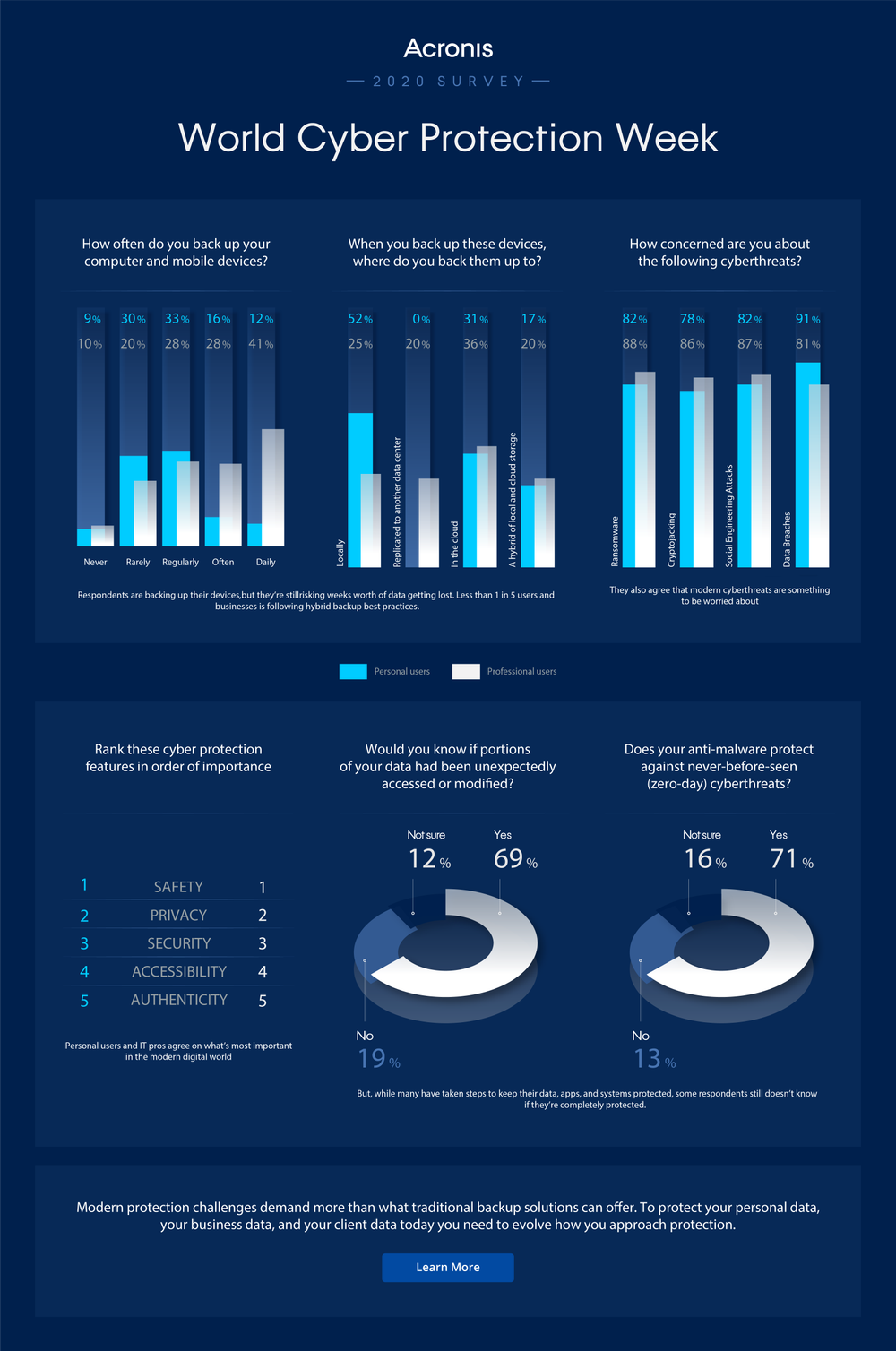
The cybersecurity sector in the UAE is experiencing unprecedented pressure, as highlighted by Acronis’ recent report indicating a staggering 68% revenue increase. This growth is attributed to the rising prevalence of cyber threats, which have intensified in 2024. Malware detections have surged by 65.3%, while URL-based threats have escalated by 36.9%, creating a pressing need for robust cybersecurity solutions across various industries.

Acronis’ findings come amid a backdrop of increased global cybercrime, with businesses in the UAE becoming prime targets. The growing digital transformation across sectors such as finance, healthcare, and government has expanded the attack surface for malicious actors. As organizations adopt cloud services and remote work policies, they inadvertently expose themselves to a myriad of vulnerabilities. The result is a burgeoning market for cybersecurity services, compelling companies like Acronis to adapt quickly to meet the evolving demands of clients.

This surge in revenue reflects not only Acronis’ successful strategic initiatives but also a broader trend within the cybersecurity industry. Organizations are increasingly prioritizing their cybersecurity frameworks, investing in comprehensive solutions to protect sensitive data and ensure business continuity. Acronis has positioned itself effectively within this landscape by offering integrated protection solutions, including data backup, disaster recovery, and cybersecurity services tailored to combat emerging threats.

Key players in the cybersecurity market are rapidly innovating to keep pace with the evolving threat landscape. The rise of sophisticated cyberattacks has prompted a shift toward proactive cybersecurity measures. Companies are now prioritizing advanced threat detection and response capabilities, leveraging artificial intelligence and machine learning to enhance their defenses. These technologies enable organizations to identify and neutralize threats before they cause significant damage, underscoring the importance of adopting a proactive rather than reactive approach to cybersecurity.

The implications of these developments are profound for businesses in the UAE. With cyber threats on the rise, organizations must reassess their cybersecurity strategies to ensure they are not only compliant with regulations but also adequately protected against potential breaches. Cybersecurity frameworks are evolving to encompass not just IT security but also physical security and personnel training, creating a comprehensive approach to risk management.

The UAE government has been proactive in addressing these challenges. Initiatives aimed at enhancing the nation’s cybersecurity posture include the establishment of the UAE Cybersecurity Council, which seeks to unify efforts across public and private sectors. This collaborative approach aims to create a resilient digital ecosystem, reinforcing the importance of cybersecurity awareness and education among employees and the wider community.

As Acronis continues to grow in this dynamic environment, its emphasis on innovation will be critical. The company has committed to enhancing its cybersecurity offerings by integrating cutting-edge technologies and expanding its global footprint. Such strategies are vital for maintaining a competitive edge and meeting the diverse needs of clients navigating this complex landscape.

The increase in cyber threats is also prompting a reevaluation of regulatory frameworks in the UAE. Businesses are now under greater scrutiny to comply with stringent cybersecurity regulations, emphasizing the need for transparency and accountability in their operations. Companies that fail to meet these requirements face not only financial penalties but also reputational damage, making cybersecurity a board-level concern.

Emerging trends indicate that small and medium-sized enterprises (SMEs) are becoming more aware of their cybersecurity needs. Historically, SMEs have been less equipped to handle cyber threats due to limited resources. However, with increased awareness and the availability of scalable cybersecurity solutions, these businesses are now taking proactive steps to safeguard their operations.

The challenge of recruiting and retaining cybersecurity talent continues to plague the industry, further complicating efforts to bolster defenses. As the demand for skilled cybersecurity professionals grows, companies face intense competition in attracting top talent. Educational institutions and training programs are responding by developing specialized curricula aimed at preparing the next generation of cybersecurity experts, a move crucial for addressing the skills gap in the sector.

Another critical aspect of the evolving cybersecurity landscape is the role of cyber insurance. As organizations recognize the potential financial impact of cyber incidents, interest in cyber insurance policies is increasing. These policies can help mitigate losses resulting from data breaches, ransomware attacks, and other cyber threats. However, the complexities involved in underwriting such policies highlight the need for comprehensive risk assessments, ensuring that organizations understand their vulnerabilities and the appropriate measures to address them.

Moro Hub, a subsidiary of Digital DEWA, has formalized a partnership with Dubai Islamic Bank (DIB) aimed at enhancing the bank’s cybersecurity capabilities. The collaboration focuses on the provision of advanced colocation services and a comprehensive cybersecurity suite, ensuring the security and resilience of DIB’s IT infrastructure. This development is expected to boost Dubai Islamic Bank’s efforts to safeguard its operations and data against an evolving threat landscape while expanding its digital footprint.

The Memorandum of Understanding (MoU) signed between Moro Hub and Dubai Islamic Bank underscores the growing need for robust digital infrastructure in the financial sector. As part of the agreement, Moro Hub will provide DIB with secure colocation services in a state-of-the-art data center, alongside a suite of cybersecurity solutions tailored to meet the specific needs of the financial institution. These services aim to mitigate the risk of cyberattacks and ensure the bank’s compliance with regulatory standards, reflecting the increasing pressures on banks globally to adopt enhanced security measures.

Colocation, a service allowing businesses to rent space for their servers and other computing hardware within a third-party data center, offers banks like DIB the advantage of enhanced physical security, disaster recovery, and operational efficiency. Moro Hub’s colocation services will enable Dubai Islamic Bank to host its critical systems in a secure environment, benefiting from the company’s advanced infrastructure, which is designed to meet the stringent security requirements of financial institutions.

This partnership comes at a time when financial institutions in the UAE and around the world are grappling with a surge in sophisticated cyber threats. With the rise of digital banking services and the increased reliance on online platforms, banks have become prime targets for cybercriminals. By leveraging Moro Hub’s expertise in cybersecurity, Dubai Islamic Bank aims to strengthen its defenses against these threats, ensuring the protection of its clients’ sensitive information.

The global banking sector has witnessed a dramatic rise in cybersecurity incidents over the past few years, prompting financial institutions to invest heavily in protective measures. From phishing attacks to sophisticated ransomware campaigns, banks are constantly under siege by attackers seeking to exploit vulnerabilities in their systems. Dubai Islamic Bank’s decision to partner with Moro Hub reflects a proactive approach to dealing with these challenges, as the bank seeks to stay ahead of the curve in an increasingly digitalized world.

Moro Hub, established as part of Dubai’s broader Smart City initiative, has positioned itself as a key player in the region’s digital transformation efforts. The company’s data centers and cybersecurity services are aligned with international standards, making it a trusted partner for businesses seeking to secure their digital operations. For Dubai Islamic Bank, this partnership offers a significant opportunity to enhance the security and efficiency of its IT operations while also reducing the operational costs associated with maintaining in-house data centers.

Cybersecurity is no longer just a technological challenge; it has become a critical component of business strategy for banks and other financial institutions. Regulatory bodies in the UAE and across the globe have tightened their requirements for data protection, mandating that banks adopt stricter security protocols to safeguard customer data and prevent breaches. Failure to comply with these regulations can result in hefty fines and damage to the institution’s reputation. By partnering with Moro Hub, Dubai Islamic Bank aims to ensure full compliance with these regulatory standards while also minimizing the risk of operational disruptions caused by cyberattacks.

Beyond the immediate security benefits, this partnership is also expected to have broader implications for Dubai Islamic Bank’s digital transformation journey. The bank has been steadily expanding its digital services, offering customers a range of online banking options, including mobile banking apps and digital payment platforms. As customer expectations continue to evolve, DIB’s ability to provide seamless and secure digital services will be crucial to maintaining its competitive edge in the market.

The digital banking landscape is undergoing rapid transformation, with customers increasingly favoring online and mobile services over traditional banking methods. This shift has forced banks to rethink their operational strategies, with a focus on enhancing the digital experience for customers while ensuring robust security measures are in place. For Dubai Islamic Bank, the partnership with Moro Hub is a strategic move to ensure that its digital infrastructure is capable of meeting these demands while also safeguarding against the growing threat of cyberattacks.

Financial institutions across the UAE have been accelerating their investments in digital infrastructure in response to changing market conditions and regulatory pressures. With initiatives such as the UAE’s National Cybersecurity Strategy and Dubai’s push towards becoming a global fintech hub, banks are under increasing pressure to enhance their cybersecurity frameworks. Dubai Islamic Bank’s collaboration with Moro Hub is in line with these national priorities, positioning the bank as a leader in digital security within the financial sector.

While the specific financial terms of the MoU were not disclosed, the partnership between Moro Hub and Dubai Islamic Bank represents a significant step forward in the bank’s efforts to strengthen its IT infrastructure. The bank’s leadership has emphasized the importance of cybersecurity as a core component of its business strategy, and this collaboration with Moro Hub is expected to play a key role in achieving those objectives.

Power outages persist across North Carolina in the wake of Hurricane Helene, which left a trail of devastation that has upended communities. In Buncombe County, more than 25,000 households have been left without electricity for three weeks, as severe flooding damaged critical infrastructure, slowing efforts to restore power. The statewide impact has been significant, with nearly 100,000 households still struggling with outages, as local utilities and government agencies work to rebuild in the aftermath of one of the worst hurricanes the state has experienced in recent history.

The storm made landfall with Category 4 intensity, bringing winds exceeding 130 mph and unleashing torrential rains that led to flash flooding in several regions. Rural and urban areas alike suffered widespread damage, with roads washed away, bridges collapsing, and homes submerged under several feet of water. Emergency services have been stretched thin, with thousands of rescue operations underway, especially in hard-hit areas like Asheville, where rivers swelled to dangerous levels, overwhelming the city’s flood defenses.

In Buncombe County, the power grid took a particularly hard hit due to the storm’s ferocity. Many of the county’s substations were submerged under floodwaters, making it difficult for utility crews to assess the extent of the damage. Roads leading to key infrastructure have been washed away or remain inaccessible due to debris, further delaying repair efforts. The combination of flood damage and fallen trees from the hurricane’s high winds has left electrical lines in disarray, forcing residents to endure an extended blackout.

Local officials have been working round-the-clock to mitigate the impact of the prolonged outages. However, challenges remain as access to remote areas continues to be obstructed. Governor Roy Cooper emphasized that while progress is being made, the scale of destruction is unprecedented, and recovery will take time. He urged residents to remain patient and assured that federal disaster relief funds would be allocated to expedite repairs. Meanwhile, the National Guard has been deployed to assist with clearing roadways and delivering essential supplies to isolated communities.

As temperatures dropped, concerns about the well-being of those without power have increased. Residents in Buncombe County, in particular, have voiced frustration as they continue to grapple with the lack of electricity, while others are facing challenges related to food preservation and heating. The disruption of public services has compounded the difficulties, with schools in the area remaining closed and businesses struggling to reopen without reliable access to power. Many families have been forced to relocate temporarily, seeking refuge in shelters set up by the Red Cross and local churches.

The hurricane also triggered a cascading effect on other vital services. Hospitals, nursing homes, and other critical care facilities have faced mounting pressure to maintain operations using backup generators, while others have been forced to transfer patients to unaffected regions. Water treatment plants were similarly overwhelmed, leading to boil-water advisories in several towns, as the risk of contamination rose due to floodwaters breaching sanitation systems.

The agricultural sector in North Carolina has also borne the brunt of the hurricane’s devastation. Farmers in the eastern part of the state reported catastrophic losses as fields were submerged and livestock perished in the floods. Early estimates suggest that the damage to crops, particularly soybeans, tobacco, and corn, could reach into the hundreds of millions of dollars. Livestock farmers have also struggled, with large numbers of cattle and poultry succumbing to the rising waters. Agricultural experts warn that the full scope of the damage may not be realized for several weeks, as fields remain waterlogged and the logistical challenges of restoring farming operations persist.

Environmental experts have raised concerns about the long-term impact of Hurricane Helene on North Carolina’s ecosystems. Flooding has resulted in large-scale soil erosion, while contaminants from industrial sites and agricultural runoffs have mixed with floodwaters, potentially causing lasting harm to water sources and habitats. The state’s fisheries, a key economic driver, could see prolonged disruptions as rivers and estuaries remain clouded with debris and pollutants, threatening aquatic life and commercial fishing operations.

Insurance companies are bracing for what is expected to be an unprecedented number of claims. Early projections indicate that Hurricane Helene may be one of the costliest storms in the state’s history, with damages potentially exceeding $10 billion. Insurers have been mobilizing teams of adjusters to assess the damage, but the sheer scale of destruction, combined with ongoing access issues, has slowed the process. Many homeowners, however, are discovering that their policies do not fully cover the extent of the damage caused by flooding, leaving them facing substantial out-of-pocket expenses for repairs.

Rebuilding efforts are now the primary focus for state and local authorities, as they work to restore power and infrastructure in the affected areas. Federal assistance has been crucial in these efforts, with the Federal Emergency Management Agency (FEMA) coordinating aid and providing financial support to expedite recovery. President Joe Biden, during a briefing, promised continued federal assistance to North Carolina, acknowledging the hurricane’s devastation and the long road to recovery.


Nintendo and Game Freak have confirmed a significant data breach affecting the Pokémon franchise. The breach, which reportedly occurred earlier this year, compromised the personal information of both current and former employees, leading to widespread concern within the gaming industry. In a formal apology published on Game Freak’s official website, the developer studio acknowledged unauthorized access to its server, stating that sensitive data had been exposed. The […]

The UAE Cabinet, led by His Highness Sheikh Mohammed bin Rashid Al Maktoum, has approved a forward-looking stance on artificial intelligence (AI) policy, positioning the nation as a central player in shaping global AI governance. This decision is part of the country’s broader strategy to navigate the challenges and opportunities presented by AI on the international stage. The AI policy, developed collaboratively by the Ministry of State […]

Dubai’s regulatory authority overseeing virtual assets has escalated its enforcement actions against several cryptocurrency firms operating in violation of local regulations. The Virtual Assets Regulatory Authority (VARA), which governs virtual asset activities in the emirate, imposed fines on seven entities, citing breaches of licensing requirements and improper marketing practices. This move is part of an ongoing effort to bolster oversight of the burgeoning crypto industry, reinforcing Dubai’s […]

Fortinet has launched its Security Awareness and Training Service to over 30,000 primary and secondary schools throughout Saudi Arabia, marking a significant advancement in the country’s cybersecurity education landscape. This initiative aligns with the Saudi government’s commitment to enhancing cybersecurity awareness among the youth and bridging the existing skills gap in the nation. The service, which is being provided at no cost, aims to equip students and […]

The U.S. Department of Justice (DOJ) recently recognized Bitfinex as the primary victim eligible for restitution after the monumental 2016 Bitcoin hack that resulted in the theft of 119,755 BTC. The hack, considered one of the most significant thefts in cryptocurrency history, shook the industry when hackers exploited security vulnerabilities in Bitfinex’s wallet infrastructure. At the time, the stolen BTC amounted to $72 million, but its current value stands at a staggering $5.8 billion, reflecting the cryptocurrency’s meteoric rise.

Efforts to track down and recover the stolen funds have been ongoing for years, with law enforcement agencies collaborating with private-sector partners and global intelligence networks. These efforts culminated in a breakthrough when the DOJ announced in February 2022 that a substantial portion of the stolen Bitcoin was recovered from two individuals in the U.S., Ilya Lichtenstein and Heather Morgan. The couple was arrested in connection with laundering the stolen cryptocurrency, bringing a significant milestone in the recovery process.

While Bitfinex had already taken measures to compensate its users after the breach by issuing BFX tokens, the restitution process from the recovered assets now brings the company another step closer to full recovery. Following the hack, Bitfinex had credited BFX tokens to affected users at a one-to-one ratio with the U.S. dollar. These tokens were redeemable either for USD or shares in iFinex, the parent company of Bitfinex, and all tokens were fully redeemed or exchanged by April 2017.

With the DOJ officially designating Bitfinex as the rightful recipient of the recovered Bitcoin, the exchange is now legally positioned to claim these assets. However, the legal process is ongoing, and Bitfinex will need to navigate a series of procedures before securing the full restitution.

The company has already laid out plans for the recovered BTC. Bitfinex’s leadership announced that a portion of the funds, once returned, will be used to repurchase and burn the exchange’s proprietary UNUS SED LEO tokens. According to Bitfinex, up to 80% of the recovered assets will be directed toward these repurchases, in line with commitments made to the holders of UNUS SED LEO, a token issued by the exchange to raise funds following the breach.

The recovery efforts began shortly after the 2016 incident, with Bitfinex collaborating closely with law enforcement and providing critical intelligence to aid in the investigation. Since 2019, several smaller portions of the stolen Bitcoin have been recovered, including approximately 27.66 BTC in February 2019 and 6.51 BTC in December 2021. These were positive developments, but the major recovery of over 94,000 BTC in 2022 marked a turning point in the case.

Bitfinex’s handling of the hack and its aftermath has been viewed as a key test for the exchange’s resilience and transparency. By rapidly compensating users through the issuance of BFX tokens and redeeming them within eight months, the exchange sought to rebuild trust among its user base. The launch of the Recovery Right Token (RRT), a tradable asset issued to certain users in exchange for BFX tokens, also formed part of this recovery strategy. If any further BTC is recovered, Bitfinex intends to use it to cover remaining amounts owed to RRT holders, up to $1 per RRT.

Despite the progress, there are still questions about how the restitution process will unfold, particularly regarding the timeline for Bitfinex to receive the recovered Bitcoin. Legal proceedings surrounding the hack continue to unfold, and further updates from both the DOJ and Bitfinex are expected as the situation develops.

The Securities and Exchange Board of India (Sebi) has introduced a groundbreaking policy aimed at enhancing data sharing among stock exchanges to facilitate research and promote transparency in financial markets. This initiative seeks to democratize access to data while ensuring that privacy and accountability remain at the forefront. As part of its commitment to fostering an informed investor community, Sebi’s proposal is poised to significantly impact how financial research is conducted and utilized.

The proposed data sharing framework emphasizes the importance of making financial data more accessible to researchers, academics, and analysts. By allowing stock exchanges to share data, Sebi aims to create a more level playing field where insights derived from comprehensive analysis can benefit a wider audience. This move is seen as a step toward empowering stakeholders, enabling them to conduct more thorough investigations into market trends, investor behavior, and overall market health.

Data democratization is a central theme of Sebi’s initiative, as it recognizes that valuable insights can emerge from the collective intelligence of various stakeholders. By enhancing access to historical and real-time trading data, Sebi envisions a scenario where innovative research can lead to better regulatory practices, improved investment strategies, and enhanced market resilience. This policy aligns with global trends where regulators are increasingly recognizing the value of data-driven research in shaping effective market oversight.

Privacy considerations are paramount in Sebi’s policy, as the board emphasizes the need for responsible data handling. The proposed framework includes stringent measures to ensure that sensitive information remains protected, addressing concerns related to data misuse and potential breaches of confidentiality. Researchers will be required to adhere to specific guidelines that prioritize the ethical use of data, thereby fostering a culture of accountability in financial research.

The new policy also reflects Sebi’s commitment to enhancing its regulatory framework. By providing researchers with access to more comprehensive data sets, the regulator aims to encourage the development of robust analytical tools and methodologies. This, in turn, could lead to more accurate risk assessments and predictive modeling, benefiting not only regulatory bodies but also market participants seeking to make informed decisions.

As part of the proposal, Sebi has outlined a clear governance structure that will oversee the data sharing process. This structure is designed to facilitate collaboration between stock exchanges, researchers, and regulatory authorities, ensuring that all parties are aligned in their objectives. By fostering a collaborative environment, Sebi hopes to streamline data sharing while maintaining high standards of integrity and ethical conduct.

Industry experts have welcomed Sebi’s initiative, viewing it as a significant advancement in promoting research-driven insights within the financial sector. The move is expected to attract a wider range of participants to the market, including academic institutions and independent researchers, who can contribute diverse perspectives and innovative ideas. With increased collaboration, the financial ecosystem may see a surge in innovative solutions addressing market challenges.

However, challenges remain in the practical implementation of the policy. Some stakeholders have expressed concerns about the potential administrative burden associated with compliance and the need for robust technical infrastructure to support data sharing. To mitigate these challenges, Sebi has indicated that it will provide guidance and resources to assist stock exchanges in establishing the necessary frameworks for effective data management.

The proposal is expected to undergo a public consultation process, allowing stakeholders to voice their opinions and provide feedback. This participatory approach is indicative of Sebi’s commitment to transparency and inclusivity, ensuring that the final policy is well-informed and reflective of the diverse needs of the financial community.

Duos Edge AI has formed a strategic partnership with Accu-Tech to enhance the deployment of edge computing infrastructure across the United States. This collaboration aims to streamline the integration of edge solutions into various sectors, significantly improving data processing capabilities and latency for businesses relying on real-time data analytics. Edge computing has emerged as a crucial component in the digital transformation of organizations, enabling them to process […]

A significant surge in data breaches attributed to artificial intelligence has emerged as a pressing concern for cybersecurity leaders across the Asia-Pacific region, according to a comprehensive survey by Cloudflare. The study highlights that a staggering 87% of cybersecurity professionals view AI as a factor contributing to the increasing sophistication of cyberattacks, raising alarms about the evolving landscape of digital threats. The survey results underscore a growing […]

The growing demand for online privacy has fueled the popularity of privacy tools such as Orbot, a Tor-powered app designed to protect user data on Android devices. As governments and corporations continue to monitor digital communications, users increasingly turn to technologies like Orbot to safeguard their online activity. The app, maintained by the Guardian Project, leverages the Tor network to enable anonymous internet browsing and allows apps […]

By Sushil Kutty Uttar Pradesh Chief Minister Yogi Adityanath will be in Prayagraj on October 6 with the stage set for the next explosive episode of ‘Hindu-Muslim’. Prayagraj is anticipating a monstrous ‘Maha Kumbh’ in 2025 and preparations are in swing. Chief Minister Yogi Adityanath will announce the dates for the major “baths”, which is […]


Brave Software has made a significant leap by integrating local artificial intelligence into its browser, a development aimed at enhancing user privacy while improving online browsing experiences. This move positions Brave at the forefront of a growing trend that prioritizes user data protection amidst escalating privacy concerns in the digital landscape. The incorporation of local AI means that users can enjoy personalized web experiences without the need […]

Federal prosecutors have brought serious allegations against New York City Mayor Eric Adams, unsealing a five-count indictment that includes conspiracy, wire fraud, and bribery charges. The indictment outlines a decade-long pattern of corruption, linking Adams to influential Turkish officials and businesspeople who allegedly funneled illegal campaign contributions to him in exchange for preferential treatment. Despite these allegations, Adams remains defiant, asserting his intention to stay in office. […]

VISHNU RAJA
RYO YAMADA
HITORI GOTOH
IKUYO KITA