Just in:
European Commission takes systems offline after AI cyberattack // Coinbase targets 2027 launch amid state gambling lawsuits // LittleLives, Little Lab and SEGi College Sign MOU to Explore Early Childhood Education Collaboration Across ASEAN // Saudi Arabia schedules multinational top-up tax for 2027 // Oil futures rebound after Riyadh strikes and tanker alerts // Russia permits retail cryptocurrency purchases under regulated framework // Saudi defences destroy three Houthi missiles targeting Riyadh // Sabarimala booking discrepancies prompt sabotage angle probe // Sharjah clears Kalba free zone plan for 400MW complex // Phancy Announces Business Performance for the Nine Months Ended September 30, 2026 // Dalilk Academy reaches 27 million, targets 100 million by 2030 // Sui activates Hashi Bitcoin lending across partner network // Travel Insurance Was Built for the Few Who Claim. Ancileo’s Felt Coverage™ is for Everyone Else // Anthropic shares finish above offer price after Nasdaq debut // ED searches five districts in probe against hawala // 2026 Tropical Rainforest Ecosystem Partners Conference Kicks off in Hainan // Thailand’s Most Iconic New Year’s Celebration Returns: ICONSIAM Unveils “Amazing Thailand Countdown 2027” // Jaiedco and Golden Bridge Announce Strategic Collaboration for a New Dubai Islands Development // Technology at Work, Heritage for All: The “Chinese Approach” to Safeguarding the Leshan Giant Buddha // Dubai Introduces SHARH, an AI-Powered Platform Helping Entrepreneurs Buy, Sell and Manage Businesses in the UAE //

News related to
cyber

The U.S. Department of the Treasury has lifted sanctions against Tornado Cash, a cryptocurrency mixer previously accused of facilitating extensive money laundering activities, including transactions linked to North Korean cybercriminals. This decision follows a series of legal challenges questioning the Treasury’s authority to impose such sanctions on decentralized software protocols.

In August 2022, the Treasury’s Office of Foreign Assets Control sanctioned Tornado Cash, alleging its involvement in laundering over $7 billion since its inception in 2019. Notably, OFAC claimed that the North Korean hacking group Lazarus utilized the platform to launder more than $455 million. The sanctions marked a significant move by the U.S. government to regulate the use of cryptocurrency mixers, which are designed to obfuscate transaction trails on blockchain networks.

The sanctions faced immediate opposition from various quarters of the cryptocurrency community. Six users of Tornado Cash, with financial backing from the cryptocurrency exchange Coinbase, filed a lawsuit challenging OFAC’s action. They argued that sanctioning open-source, self-executing software exceeded the agency’s statutory authority under the International Emergency Economic Powers Act . The plaintiffs contended that the immutable smart contracts constituting Tornado Cash could not be considered property subject to sanctions.

In November 2024, the U.S. Court of Appeals for the Fifth Circuit ruled in favor of the plaintiffs, stating that OFAC had overstepped its authority. The court held that the smart contracts underlying Tornado Cash were not property and, therefore, not subject to sanctions under IEEPA. This ruling underscored the challenges regulators face when applying traditional legal frameworks to decentralized technologies.

Following the court’s decision, the Treasury conducted a review of the legal and policy issues surrounding the use of sanctions in the context of evolving technologies. On March 21, 2025, the Treasury announced the removal of Tornado Cash and associated Ethereum wallet addresses from the Specially Designated Nationals list. In a statement, Treasury Secretary Scott Bessent emphasized the department’s commitment to combating illicit activities in the digital asset space while acknowledging the need to adapt regulatory approaches to technological advancements.

Despite the delisting, the Treasury reiterated its concerns about North Korea’s state-sponsored hacking and money laundering campaigns. The department stressed the importance of securing the digital asset industry from abuse by illicit actors to maintain U.S. leadership in financial innovation and inclusion. The Treasury also indicated that it would continue to monitor transactions that could benefit malicious cyber actors or the North Korean regime.

The legal proceedings against individuals associated with Tornado Cash have also been noteworthy. In 2023, two co-founders of Tornado Cash were charged with facilitating over $1 billion in money laundering, including transactions linked to the Lazarus Group. One of the co-founders, Roman Storm, is awaiting trial and has denied any criminal activity. Additionally, in May 2024, developer Alexey Pertsev was sentenced to five years and four months in prison in the Netherlands for money laundering related to his involvement with Tornado Cash.

The removal of sanctions against Tornado Cash has elicited varied reactions from the cryptocurrency community and regulatory observers. Proponents of decentralized technologies view the court’s decision and subsequent delisting as a victory for open-source software development and financial privacy. They argue that sanctioning code rather than individuals or entities sets a concerning precedent for technological innovation.

Conversely, critics express apprehension that the delisting could embolden malicious actors to exploit similar platforms for illicit purposes. They emphasize the necessity for regulatory frameworks that effectively address the misuse of privacy-enhancing technologies without stifling innovation. The case of Tornado Cash highlights the complexities regulators face in balancing the promotion of technological advancement with the imperative to prevent criminal exploitation of emerging technologies.

The Treasury’s decision to lift sanctions against Tornado Cash underscores the dynamic nature of regulatory approaches to decentralized technologies. As the digital asset landscape continues to evolve, regulatory bodies worldwide are grappling with the challenge of applying existing legal frameworks to novel technological constructs. The outcome of the Tornado Cash case may serve as a reference point for future policy discussions on regulating decentralized platforms and the broader implications for financial privacy and security.

In the wake of the delisting, stakeholders in the cryptocurrency industry are closely monitoring potential regulatory responses and the development of new guidelines tailored to address the unique attributes of decentralized technologies. The balance between fostering innovation and ensuring robust safeguards against illicit activities remains a central theme in the ongoing discourse on cryptocurrency regulation.


Many factors come into play when choosing a reliable broker to start your trading journey. For someone with limited experience in the markets, this choice can be very confusing, and the priorities are hard to define. However, traders have their own trove of practical knowledge, and tapping into it can shed light on brokers’ red flags. As part of its global research, global broker Octa surveyed hundreds […]

HONG KONG SAR – Media OutReach Neswire – 20 March 2025 – Hong Kong has maintained its World No.3 ranking in the latest Global Financial Centres Index (GFCI) after New York (No.1) and London (No.2). Hong Kong’s overall rating increased by 11 points to 760, remaining top in the Asia-Pacific region. The biannual GFCI, published today (March 20) by the Z/Yen from the United Kingdom and the […]

Siemens, Europe’s largest industrial technology company, has partnered with Minima, a pioneer in decentralized blockchain technology, to integrate blockchain capabilities into its devices across the automotive, robotics, energy, and healthcare sectors. This collaboration aims to bolster data integrity and security in the rapidly evolving landscape of connected industrial systems. The partnership is facilitated through Siemens Cre8Ventures, an initiative dedicated to accelerating industrial transformation by collaborating with startups […]

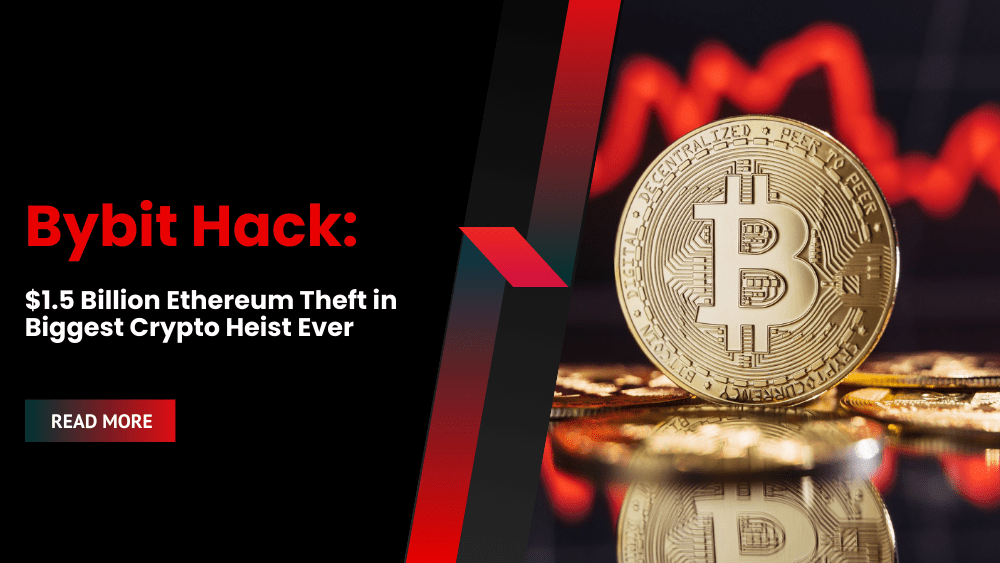
On 21 February 2025, Bybit, one of the world’s leading cryptocurrency exchanges, suffered a monumental security breach resulting in the theft of approximately 400,000 Ether tokens, valued at $1.5 billion. This incident has been identified as the largest cryptocurrency heist to date, surpassing previous records and sending shockwaves throughout the digital asset community.

The breach occurred during a routine transfer from Bybit’s cold wallet to a warm wallet—a standard procedure intended to ensure liquidity for daily operations. Attackers exploited this process by intercepting the transfer, redirecting the substantial sum to unknown addresses. Initial investigations have traced the hack to the Lazarus Group, a cybercrime organization associated with North Korea, notorious for orchestrating similar high-profile cyberattacks in the past.

In the immediate aftermath, Bybit’s market share plummeted from nearly 20% to a mere 5% by 2 March 2025, as users and traders sought more secure platforms. Binance emerged as a primary beneficiary during this period, with its market dominance soaring to 62% as traders migrated their assets. Other major exchanges, such as OKX and Coinbase, also experienced minor increases in market share, reflecting a broader redistribution of trading activity.

Bybit’s swift crisis response played a crucial role in stabilizing the situation. Unlike many exchanges that suspend withdrawals during security breaches, Bybit maintained operational status, allowing users to access their funds. This decision, coupled with consistent updates, helped maintain confidence and prevent mass withdrawals. The exchange also secured emergency funding from firms including Galaxy Digital, FalconX, and Wintermute, replenishing its reserves within 72 hours. By 9 March 2025, Bybit’s market share had rebounded to 9.04%. However, the exchange still faces significant reputational damage and lingering trust issues, raising doubts about its ability to fully regain its pre-hack position.

The incident has sparked discussions about the inherent vulnerabilities within the cryptocurrency ecosystem. While technological defenses continue to advance, this breach underscores that human error remains a critical weak point. INSEAD’s Ben Charoenwong emphasized that human failings, rather than technical glitches, are often the most significant factors in such incidents. He highlighted that a barrier to effective security is the reluctance to acknowledge ownership and responsibility for vulnerable systems.

The Bybit hack serves as a stark reminder of the importance of robust security protocols and the need for continuous vigilance in the rapidly evolving digital asset landscape. As the industry grapples with the implications of this unprecedented breach, stakeholders are urged to reassess their security measures, prioritize transparency, and foster a culture of accountability to safeguard against future threats.

The Federal Bureau of Investigation and the Cybersecurity and Infrastructure Security Agency have issued an urgent advisory concerning the Medusa ransomware, which has compromised over 300 organizations across critical infrastructure sectors. This cyber threat employs sophisticated tactics, including double and triple extortion schemes, posing significant risks to various industries. Medusa ransomware operates as a ransomware-as-a-service model, allowing cybercriminals to lease its infrastructure for malicious activities. Initially identified […]

OKX, a prominent cryptocurrency exchange, has temporarily suspended its decentralized exchange aggregator service following the detection of a coordinated attempt by the North Korean hacking collective, Lazarus Group, to exploit its decentralized finance offerings. This proactive measure aims to bolster security and prevent further misuse of the platform.

The exchange announced that, after consulting with regulators, it decided to pause its DEX aggregator services to implement additional security upgrades. This suspension allows OKX to address incomplete tagging on blockchain explorers and enhance its systems to prevent malicious activities. The company emphasized its commitment to transparency and is collaborating with blockchain explorers to ensure accurate labeling of transactions, thereby preventing the misidentification of its aggregator as the point of trade.

In response to the detected threats, OKX has already rolled out several security enhancements. These include a hacker address detection system for its Web3 DEX aggregator and a real-time tracking mechanism to monitor and block malicious addresses within its centralized exchange. These measures are part of OKX’s ongoing efforts to stay ahead of cyber threats and protect its users.

Despite the suspension of the DEX aggregator, OKX’s wallet services remain operational. However, the creation of new wallets has been temporarily paused in select markets during this period of heightened security measures. The exchange has not provided a specific timeline for the resumption of its DEX aggregator services, indicating that the suspension will remain in effect until the necessary security upgrades are fully implemented.

The decision to suspend the DEX aggregator comes amid reports of European Union financial watchdogs investigating OKX’s Web3 services and wallet offerings for their alleged role in laundering funds from a significant hack targeting another cryptocurrency exchange, Bybit. According to Bybit CEO Ben Zhou, approximately $100 million from the $1.5 billion hack had been laundered through OKX’s Web3 platform, with a portion of the funds now untraceable.

OKX has refuted these allegations, stating that such reports are misleading. The exchange asserts that upon learning of the Bybit hack, it took immediate action by freezing associated funds from moving into its centralized exchange and developing new hack detection features. OKX maintains that its Web3 DEX aggregator is not a custodian of customer assets but rather serves to provide access to liquidity across multiple protocols, offering users an efficient peer-to-peer trading experience.

The Lazarus Group, believed to be linked to the North Korean government, has been implicated in several high-profile cyberattacks targeting financial institutions and cryptocurrency platforms. Their involvement in the attempted exploitation of OKX’s DeFi services underscores the persistent threats facing the cryptocurrency industry.

In light of these events, OKX has reiterated its commitment to combating financial crime and enhancing the security of its platforms. The exchange has implemented measures such as prohibited markets’ IP blocking and a real-time black address detection and blocking system. OKX CEO Star Xu emphasized the company’s dedication to building industry control standards in collaboration with global partners to ensure a secure and transparent trading environment.

Advertisements

North Korea has emerged as the third-largest government holder of Bitcoin, amassing approximately 13,562 BTC, currently valued at around $1.12 billion. This significant accumulation is primarily attributed to the state-sponsored hacking collective known as the Lazarus Group, which orchestrated a series of high-profile cryptocurrency thefts, including the unprecedented $1.5 billion hack of the Dubai-based exchange, Bybit, in February 2025.

The Federal Bureau of Investigation has officially attributed the Bybit hack to North Korean cyber actors associated with the Lazarus Group, also referred to as “TraderTraitor.” The breach involved the theft of approximately 400,000 Ethereum tokens, marking it as the largest cryptocurrency exchange hack to date. The stolen assets were subsequently laundered through various blockchain networks and converted into Bitcoin, significantly bolstering North Korea’s cryptocurrency reserves.

The Lazarus Group, active since at least 2007, has been implicated in numerous cyberattacks targeting financial institutions and cryptocurrency platforms worldwide. Their operations have evolved in sophistication, employing advanced techniques such as phishing, malware deployment, and exploiting vulnerabilities in decentralized finance platforms. Notably, in March 2022, the group was responsible for stealing $620 million from the Ronin Network, a blockchain platform associated with the online game Axie Infinity.

In the Bybit incident, the hackers exploited a vulnerability in the exchange’s system, enabling them to transfer the substantial sum to addresses under their control. Despite efforts by international authorities and cybersecurity experts to trace and recover the stolen funds, the hackers have successfully laundered a significant portion, complicating recovery efforts. Bybit has acknowledged the breach and is cooperating with global law enforcement agencies to mitigate the impact and enhance security measures.

North Korea’s strategic focus on cryptocurrency theft serves multiple purposes. The regime utilizes these illicit gains to circumvent international sanctions, fund its nuclear and ballistic missile programs, and bolster its struggling economy. The decentralized and pseudonymous nature of cryptocurrencies presents challenges for traditional financial oversight, providing the regime with a means to acquire substantial resources without direct detection.

The international community has expressed growing concern over North Korea’s cyber capabilities and their implications for global financial security. The United Nations has reported that these cyber activities have become a crucial revenue stream for the regime, with estimates suggesting that North Korea has stolen over $2 billion through cyberattacks targeting financial institutions and cryptocurrency exchanges. In response, several countries have imposed sanctions aimed at curbing these illicit activities and are collaborating to enhance cybersecurity measures across critical financial infrastructures.

Du, a leading telecom and digital services provider in the United Arab Emirates, has entered into a strategic collaboration with Microsoft to enhance cybersecurity services across the nation. Announced during the Mobile World Congress in Barcelona from March 3 to 6, 2025, this partnership aims to integrate Microsoft Azure’s advanced security technologies and artificial intelligence capabilities with du Tech’s managed services, offering a comprehensive security solution tailored […]

Goldman Sachs, the world’s second-largest investment bank, has, for the first time, acknowledged the significance of cryptocurrencies in its annual shareholder letter. This marks a notable shift in the bank’s stance towards digital assets, highlighting their increasing influence in the financial industry.

The letter emphasizes that the rise of electronic trading, coupled with advancements in technologies such as distributed ledger technology , cryptocurrencies, and artificial intelligence , has intensified competition within the financial sector. Goldman Sachs notes that some competitors are offering financial products, including cryptocurrencies and other digital assets, which the bank currently does not provide. This disparity suggests a potential gap in the bank’s offerings that clients might find elsewhere.

While acknowledging the growing prevalence of blockchain and digital assets, Goldman Sachs also cautions about the associated risks. The bank points out that these technologies are still in their early stages and may be susceptible to cyberattacks and other inherent vulnerabilities. This perspective underscores the need for a balanced approach, recognizing both the opportunities and challenges presented by emerging technologies.

Goldman Sachs has been gradually exploring the cryptocurrency space. In 2021, the bank launched a cryptocurrency trading desk, marking its initial foray into digital assets. The following year, it introduced the Goldman Sachs Digital Asset Platform , aimed at facilitating the issuance and custody of digital assets such as digital bonds. These initiatives reflect the bank’s efforts to adapt to the evolving financial landscape.

Despite these developments, Goldman Sachs has maintained a cautious stance towards cryptocurrencies. The bank’s leadership has previously described Bitcoin as a speculative asset, acknowledging its potential as a store of value while highlighting its volatility. This cautious approach aligns with the bank’s emphasis on understanding and mitigating the risks associated with digital assets.

Saudi Arabia, historically a lucrative market for international consulting firms, is undergoing a notable transformation in its approach to external advisory services. The kingdom’s government is reassessing its reliance on foreign consultants, leading to a slowdown in contract awards and prompting firms to relocate staff to other regions, including Doha. This shift reflects a broader trend within the consulting industry, which is grappling with various challenges worldwide. […]

The U.S. Treasury Department has initiated discussions with leading cryptocurrency custody firms to determine the most secure methods for managing the nation’s Strategic Bitcoin Reserve. These talks underscore the government’s commitment to integrating digital assets into its financial infrastructure while ensuring their security.

Earlier this month, President Donald Trump signed an executive order establishing a government-held Bitcoin reserve, marking a significant shift in the administration’s approach to digital currencies. The reserve is primarily composed of approximately 200,000 bitcoins seized through criminal and civil proceedings, with the intent to retain these assets as a store of value. This move aims to create a “digital Fort Knox,” reflecting the growing importance of cryptocurrencies in the global financial landscape.

In light of this development, the Treasury Department engaged with executives from three prominent crypto custody firms to discuss best practices for safeguarding the reserve. Anchorage Digital, a leading crypto custodian, confirmed its participation in these meetings. Nathan McCauley, CEO of Anchorage, noted that Treasury officials were keen to understand the intricacies of securely storing a national Bitcoin reserve and the implications for stablecoins and market structure. He remarked, “The Treasury Department is asking all the right questions. It’s clear that Treasury officials are treating this move into the digital asset space with care, recognizing that the United States is quite literally writing history.”

These consultations are part of the Treasury’s broader effort to develop a comprehensive strategy for managing and securing digital assets. A source familiar with the discussions indicated that the department is in the early stages of formulating its approach and is actively seeking insights from industry experts. The current consensus among industry leaders suggests that involving third-party custodians may be a prudent interim solution. This approach would allow the government to leverage existing expertise in crypto asset management while it builds internal capabilities for potential self-custody in the future. Self-custody refers to the practice of independently holding cryptocurrencies in cold wallets, secured by private keys, without relying on external custodians.

The establishment of the Bitcoin reserve has sparked discussions about the potential benefits and challenges of integrating digital assets into national reserves. Proponents argue that holding Bitcoin could serve as a hedge against inflation and enhance the country’s financial resilience. However, critics caution about the volatility of cryptocurrencies and the complexities involved in their secure storage and management.

The Treasury’s proactive engagement with industry experts reflects a cautious and informed approach to these challenges. By consulting with established crypto custody firms, the government aims to implement robust security measures and operational protocols to protect its digital assets. This strategy is crucial to mitigate risks associated with cyber threats and to ensure the integrity of the nation’s financial holdings.

The move to establish a Bitcoin reserve also aligns with broader global trends of governments and institutions exploring the adoption of digital assets. As cryptocurrencies become increasingly mainstream, the need for secure and regulated custody solutions has become more pronounced. The U.S. government’s initiative may set a precedent for other nations considering similar measures, potentially influencing global standards for digital asset management.

While the Treasury Department has not publicly disclosed specific details of its custody strategy, the ongoing consultations indicate a deliberate and methodical approach. The involvement of reputable firms like Anchorage Digital suggests that the government is prioritizing security and leveraging industry best practices. This collaboration between public institutions and private crypto custodians could pave the way for more integrated and secure financial systems in the digital age.

Recognized for “go-to-market innovation and consistent partner engagement” HONG KONG SAR – Media OutReach Newswire – 14 March 2025 – Cybersecurity giant Trend Micro Incorporated (TYO: 4704; TSE: 4704) has been named a Champion in the Canalys Global Cybersecurity Leadership Matrix 2025. This marks Trend’s third consecutive placement as #1 among the 32 cybersecurity vendors appraised by Canalys. Trend and its partners serve the industry’s most geographically […]

A significant cyberattack has struck Tata Technologies, a subsidiary of Tata Motors, resulting in the exposure of 1.4 terabytes of sensitive data on the dark web. The breach, orchestrated by the ransomware group Hunters International, has compromised a vast array of confidential information, including employee records, corporate documents, and client contracts. This incident underscores the escalating threat posed by sophisticated cybercriminal organizations targeting multinational corporations. The leaked […]

Riyadh is set to become the epicenter of artificial intelligence innovation as it prepares to host the Global AI Show on June 23-24, 2025. Organized by VAP Group, the event is expected to attract over 5,000 AI futurists, industry leaders, and innovators from around the world. This gathering underscores Saudi Arabia’s commitment to establishing itself as a global hub for artificial intelligence, in line with its Vision […]

Cybersecurity researchers have identified a novel malware strain, dubbed ‘nullifAI’, embedded within machine learning models hosted on Hugging Face, a leading platform for sharing AI models and datasets. This discovery underscores a growing threat vector in the AI community, highlighting vulnerabilities in platforms that facilitate the sharing and deployment of ML models. The ‘nullifAI’ malware employs a sophisticated technique involving corrupted Pickle files—a Python-specific method for serializing […]

North Korea’s state-sponsored hacking collective, the Lazarus Group, has launched a sophisticated campaign targeting software developers through the npm ecosystem. By introducing six malicious packages, the group aims to infiltrate development environments, steal sensitive credentials, exfiltrate cryptocurrency data, and establish persistent backdoors on compromised systems.

The identified packages—’is-buffer-validator’, ‘yoojae-validator’, ‘event-handle-package’, ‘array-empty-validator’, ‘react-event-dependency’, and ‘auth-validator’—employ typosquatting techniques, mimicking legitimate and widely-used libraries to deceive developers into installing them. Collectively, these packages have been downloaded over 330 times, underscoring the potential reach of this malicious operation.

Upon installation, these packages execute obfuscated JavaScript code designed to collect system environment details, including hostnames, operating systems, and directory structures. They specifically target browser profiles from Chrome, Brave, and Firefox to extract stored login credentials. Additionally, the malware seeks out cryptocurrency wallet files associated with Solana and Exodus, aiming to pilfer digital assets. The extracted data is then transmitted to a hardcoded command-and-control server, facilitating unauthorized access and potential financial theft.

This campaign is part of a broader strategy by the Lazarus Group to exploit software supply chains. By compromising open-source repositories like npm, the group can infiltrate developer environments, leading to widespread distribution of their malware. Similar tactics have been observed in previous campaigns involving GitHub and the Python Package Index , highlighting the group’s evolving methodologies in targeting the software development community.

The Lazarus Group’s focus on cryptocurrency assets is well-documented. Notably, the group was implicated in the $1.46 billion Ethereum theft from the Bybit exchange, marking one of the largest known financial thefts in history. The rapid laundering of the stolen funds post-attack demonstrates the group’s advanced capabilities and poses significant challenges for cybersecurity defenders.

The $1.5 billion theft from Dubai-based cryptocurrency exchange Bybit has prompted the European Union to initiate an investigation into OKX, another prominent crypto platform, to assess compliance with the Markets in Crypto-Assets regulation. The probe seeks to determine whether OKX’s operations fall under MiCA’s jurisdiction and, if so, what enforcement actions may be warranted.

On February 21, 2025, Bybit suffered a cyberattack resulting in the loss of approximately 400,000 Ethereum tokens, valued at $1.5 billion, marking the largest cryptocurrency exchange hack to date. The Federal Bureau of Investigation attributed the heist to North Korea’s Lazarus Group, known for previous high-profile cybercrimes.

In response to the Bybit incident, European regulators have intensified their scrutiny of cryptocurrency exchanges operating within the EU. The focus has turned to OKX to evaluate its adherence to MiCA, a regulatory framework established to oversee crypto-assets and ensure consumer protection within the European Union.

MiCA, enacted to create a unified regulatory environment for crypto-assets across EU member states, requires platforms like OKX to comply with specific standards to operate legally within the region. The current investigation aims to ascertain whether OKX’s activities align with these standards and to identify any potential regulatory breaches.

The outcome of this investigation could have significant implications for OKX and other cryptocurrency exchanges operating in the EU. Potential sanctions may include fines, operational restrictions, or even prohibition from offering services within the European market. This development underscores the EU’s commitment to enforcing regulatory compliance to protect consumers and maintain financial stability in the rapidly evolving crypto industry.

The Bybit hack has also reignited discussions about the security vulnerabilities inherent in cryptocurrency exchanges. Despite Bybit’s swift action to replenish its reserves within 72 hours by securing emergency funding from firms such as Galaxy Digital, FalconX, and Wintermute, the incident has raised concerns about the adequacy of existing security measures. The Lazarus Group exploited vulnerabilities in Bybit’s security infrastructure, transferring the stolen funds to multiple unidentified addresses, thereby complicating recovery efforts.

A massive cyberattack disrupted X, formerly known as Twitter, on March 10, 2025, affecting tens of thousands of users worldwide. The hacking group “Dark Storm” claimed responsibility for the distributed denial-of-service attack, while Elon Musk, owner of X, suggested the assault originated from IP addresses traced to Ukraine. The outage began early Monday morning, with users reporting difficulties accessing the platform, posting content, and sending messages. According […]

The Cayman Islands is set to implement stringent licensing regulations for cryptocurrency custody and trading firms, effective from April 1, 2025. This move signifies a pivotal shift in the territory’s approach to digital asset oversight, aiming to bolster investor protection and align with international financial standards.

Under the updated Virtual Asset Regulations 2025, all entities offering virtual asset custody and trading platform services within or from the Cayman Islands must secure a formal license from the Cayman Islands Monetary Authority . This mandate extends to both new entrants and the 17 virtual asset service providers currently registered in the jurisdiction. Existing firms are granted a 90-day window, concluding on June 29, 2025, to comply with the new licensing requirements.

The licensing process necessitates comprehensive disclosures from applicants. Custody service providers are required to detail the types and quantities of digital assets they intend to hold on behalf of clients, accompanied by justifications for their custodial strategies. This measure aims to ensure adherence to anti-money laundering and counter-terrorism financing protocols. Trading platforms, meanwhile, must furnish information regarding projected revenues and specify the physical locations of their operational hardware, enhancing regulatory transparency and jurisdictional oversight.

All applicants are obligated to submit robust cybersecurity plans, risk management strategies, and procedures designed to prevent asset loss or theft. These requirements underscore the territory’s commitment to addressing vulnerabilities within the digital asset sector and safeguarding investor interests.

This regulatory enhancement builds upon the foundational Virtual Asset Act of 2020, which was initially designed to attract new entities while ensuring compliance with global financial standards. The current amendments reflect a concerted effort to align the Cayman Islands’ regulatory framework with the recommendations of the Financial Action Task Force , thereby strengthening its position as a reputable financial hub.

The Cayman Islands has historically been a magnet for cryptocurrency firms, owing to its favorable regulatory environment. Major industry players such as Coinbase, Binance, and Bitwise have obtained licenses to operate within the territory. Furthermore, organizations like the Sui Foundation have established their headquarters there, drawn by the jurisdiction’s supportive stance on digital assets.

The introduction of these stringent licensing requirements is anticipated to reshape the Cayman Islands’ crypto sector by elevating operational compliance standards. While the enhanced regulatory framework is likely to attract established firms seeking a stable and well-regulated environment, it may also challenge smaller operators that struggle to meet the rigorous requirements. This development underscores the territory’s dedication to maintaining its status as a leading financial center while adapting to the evolving landscape of digital assets.

Elon Musk, owner of the social media platform X, formerly known as Twitter, claimed on Monday that the platform was under a “massive cyberattack” after widespread outages affected tens of thousands of users globally. The disruptions began early in the day, with reports of service issues peaking at over 40,000 by mid-morning, according to data from Downdetector, a website that tracks online service interruptions. Users in major […]

Dubai continues to dominate the global greenfield foreign direct investment rankings, further solidifying its position as a key investment hub. According to the latest data from the Financial Times’ fDi Markets, the emirate secured its spot as the leading destination for greenfield FDI projects in 2024. This achievement highlights the city’s resilience and attractiveness as an investment destination, despite global economic challenges. Greenfield FDI refers to investments […]

HANOI, VIETNAM – Media OutReach Newswire – 28 February 2025 – The rise of powerful artificial intelligence (AI) like DeepSeek is transforming the world at an unprecedented pace, sparking enthusiasm and deep concerns about its potential risks. On that subject, “AI godfather” Yoshua Bengio – Laureate of the 2024 VinFuture Grand Prize – highlighted the urgent need for national and global efforts to regulate AI and ensure […]

Elon Musk’s Department of Government Efficiency , established to streamline federal operations and reduce expenditures, has come under scrutiny as several of its staff members receive substantial taxpayer-funded salaries. This revelation contrasts with Musk’s earlier assertions that DOGE positions were unpaid and voluntary. Notably, Kyle Schutt, a software engineer assigned to the Cybersecurity and Infrastructure Security Agency, earns $195,200 annually—the maximum salary permitted for a federal employee. […]

VISHNU RAJA
RYO YAMADA
HITORI GOTOH
IKUYO KITA
Just in:
Saudi defences destroy three Houthi missiles targeting Riyadh // Dalilk Academy reaches 27 million, targets 100 million by 2030 // Anthropic shares finish above offer price after Nasdaq debut // Sharjah clears Kalba free zone plan for 400MW complex // Saudi Arabia schedules multinational top-up tax for 2027 // Oil futures rebound after Riyadh strikes and tanker alerts // ED searches five districts in probe against hawala // Coinbase targets 2027 launch amid state gambling lawsuits // Jaiedco and Golden Bridge Announce Strategic Collaboration for a New Dubai Islands Development // Toward a Shared Future for Humanity: Rethinking Civilizational Exchange // Phancy Announces Business Performance for the Nine Months Ended September 30, 2026 // Diabetes Malaysia And Alpro Pharmacy Set National Record With 11,007 Most Blood Glucose Screenings Conducted Across Malaysia In Just 48 Hours // Russia permits retail cryptocurrency purchases under regulated framework // Padmini follows Padmaja for ‘ghar vapsi’ // Yeebo Announces Interim Results for FY26/27 Revenue Increases by 45.5% to HK$806.7 Million Profit Attributable to Owners Surges 87.6% to HK$2,284.7 Million // PayerMax and ShopeePay Strengthen Strategic Partnership to Advance Digital Payment Collaboration in Southeast Asia // Dubai Introduces SHARH, an AI-Powered Platform Helping Entrepreneurs Buy, Sell and Manage Businesses in the UAE // Travel Insurance Was Built for the Few Who Claim. Ancileo’s Felt Coverage™ is for Everyone Else // Sui activates Hashi Bitcoin lending across partner network // Dar Global unveils $700m Trump development in Qatar //