News related to
cyber

SHANGHAI, CHINA – Media OutReach Newswire – 15 November 2024 – Frost & Sullivan released the Emerging Asia-Pacific Big Data Market Research Report, 2024, in October 2024. The report provides an in-depth analysis of the big data market across key emerging markets in the emerging Asia-Pacific region, including Hong Kong SAR, the Philippines, Indonesia, Malaysia, Singapore, Thailand, Bangladesh and Sri Lanka. The report highlights the critical role […]

The Saudi Public Investment Fund (PIF), a major sovereign wealth fund under the Saudi government, has executed a notable transaction by divesting over $1 billion worth of shares in the Saudi Telecom Company (STC). This decision aligns with the PIF’s strategy to rebalance its investment portfolio, shedding portions of domestic holdings to fund international acquisitions and domestic development initiatives, particularly in high-growth sectors outside of oil.

This strategic move involved the sale of a 4% stake in STC through a secondary share placement. A major player in the Saudi economy, STC is considered a blue-chip stock on the Saudi exchange, Tadawul, where it holds a considerable influence on market performance. The transaction came after months of market speculation about potential PIF divestitures, spurred by the Fund’s stated ambition to optimize capital flows toward diverse global and domestic investments, potentially in technology and renewables, where PIF sees long-term growth opportunities.

The secondary share placement, conducted through a structured auction, attracted significant interest from both institutional and retail investors in Saudi Arabia and abroad. Market analysts report that this interest underlines the strong international appetite for shares in Saudi Arabia’s robust telecom sector, a pivotal component of the Vision 2030 economic reform plan. Under this framework, which aims to reduce Saudi Arabia’s dependency on oil revenue, sectors like technology and telecommunications are prioritized for growth.

Prior to the sale, PIF held a 64% stake in STC, which translates to substantial influence over the company’s strategic direction. By reducing its stake by 4%, PIF remains the controlling shareholder while monetizing a portion of its holdings, a strategy that reflects the Fund’s ongoing recalibration toward agile capital allocation. PIF’s latest divestiture follows a similar move in 2021 when it sold a 6% stake in STC, raising approximately $3.2 billion, a transaction that bolstered its financial flexibility for reinvestment.

Market observers suggest that this sale is likely to bolster investor confidence in Saudi corporate equities, given PIF’s role in maintaining liquidity and investor interest in Tadawul-listed firms. As PIF diversifies its holdings, the Fund has attracted global interest for its capacity to influence capital flow into emerging market sectors and sustainable development projects, often supported by Saudi state-owned enterprises and investments from foreign sovereign funds.

The timing of this transaction aligns with PIF’s mandate to sustain a diversified portfolio that supports domestic projects like the Red Sea tourism initiative, NEOM, and Qiddiya, in addition to investments in international tech and innovation enterprises. Analysts point out that the sale proceeds may be allocated toward similar domestic mega-projects or invested abroad to capture strategic returns from fast-growing sectors such as artificial intelligence, energy storage, and automation. A notable aspect of PIF’s recent portfolio strategy includes collaborations with international technology firms, signaling an interest in assets that foster cross-border digital infrastructure.

The shift also reflects STC’s own strategic trajectory, as the company continues to expand its service offerings, venturing into digital services and content creation. As part of the broader telecom transformation in Saudi Arabia, STC aims to tap into areas like cloud services, cybersecurity, and data management, all seen as integral to supporting Saudi Arabia’s growing digital economy. PIF’s partial divestment does not signify a reduction in STC’s importance but rather indicates the Fund’s confidence in STC’s operational independence and market resilience.

For international investors, this transaction highlights STC’s status as a critical component of Saudi Arabia’s evolving economic structure. The company remains positioned as a cornerstone of Saudi Arabia’s Vision 2030, which emphasizes developing sectors like entertainment, tourism, and technology. Analysts suggest that, by divesting a stake in STC, PIF frees up capital that can be redirected to reinforce these high-growth industries, underpinning Saudi Arabia’s long-term economic diversification efforts.

Following the transaction, STC’s stock initially witnessed moderate fluctuations, reflecting standard market responses to significant share movements. Market analysts anticipate that, in the near term, STC’s stock price may stabilize, buoyed by investor confidence in its fundamentals. Observers also emphasize that the transaction reflects positively on the Saudi stock exchange, underscoring Tadawul’s growing role as a hub for institutional and foreign investors seeking exposure to Middle Eastern equities.

STC, on its part, remains committed to its expansion strategy, which involves fortifying its digital platforms and expanding telecommunications infrastructure. These initiatives align with the demands of a more digitally interconnected society and the anticipated increase in data consumption across Saudi Arabia, partly driven by high smartphone penetration and rising demand for e-government services. Industry insiders point out that STC’s ongoing investment in 5G infrastructure and data centers positions it well to capture market share in the expanding Gulf tech landscape.


Singapore Science Park is set to become a hive of activity for live-action role-playing, interactive games, workshops and pop culture. SINGAPORE – Media OutReach Newswire – 7 November 2024 – Singapore Science Park, renowned for its vibrant ecosystem of deep tech, life sciences and sustainability companies, will play host to a series of immersive, exploratory experiences for gamers, collectors, families and young adults seeking a more rewarding […]

SINGAPORE – Media OutReach Newswire – 5 November 2024 – ViewQwest has partnered with Lightspeed Technologies, an enterprise solution provider and leading email security expert, to unveil the ViewQwest SecurEmail Gateway at GovWare 2024, held from 15 to 17 October. This new solution offers businesses a quick and seamless way to secure their email systems, bolstering protection against email-based threats and vulnerabilities. The cloud-based SecurEmail Gateway aligns […]

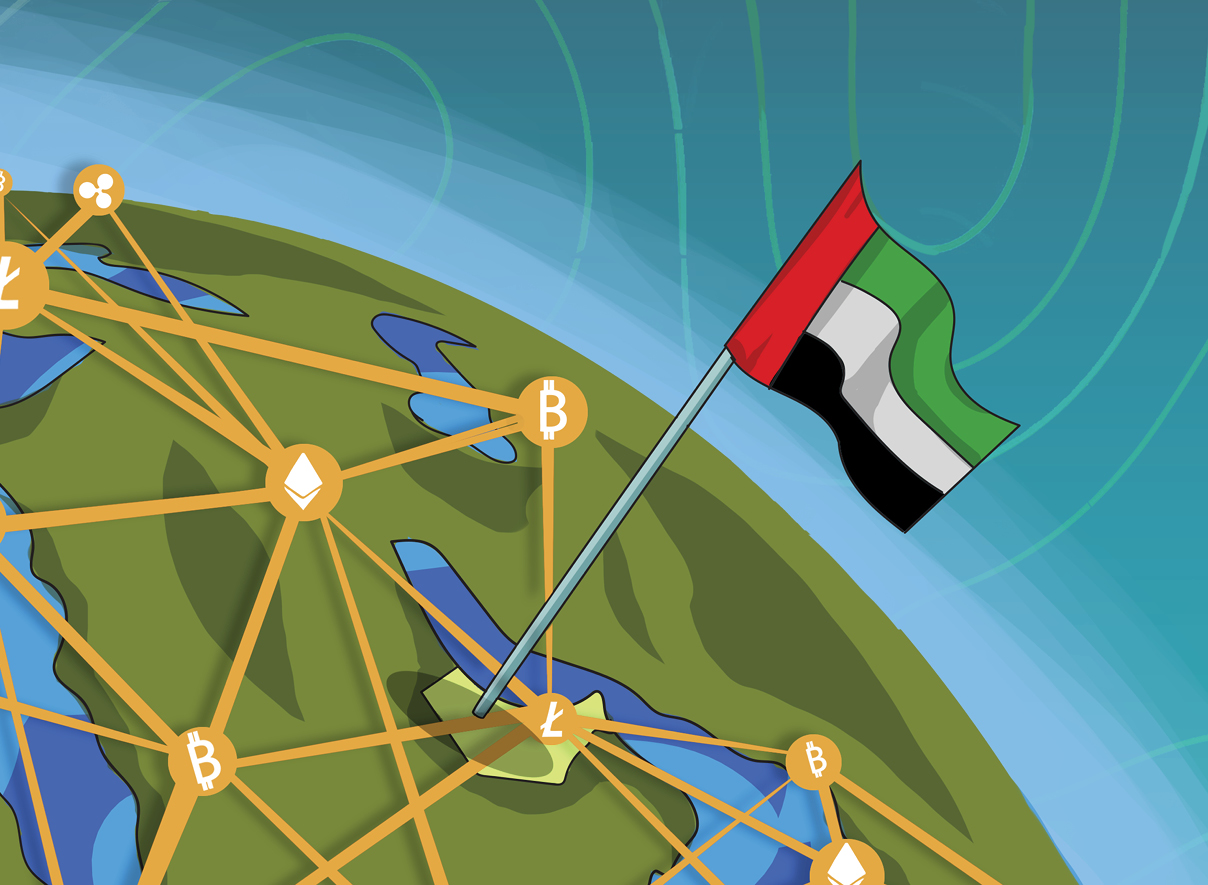
The adoption of Central Bank Digital Currencies (CBDCs) in the UAE is fostering closer collaboration between financial institutions and FinTech companies, marking a transformative shift in the country’s financial landscape. In response to the rapid advancement of digital currencies, the UAE government and its financial regulators have emphasized the importance of integrating CBDCs into the nation’s economy. This development is shaping the future of financial transactions and reshaping the relationship between traditional banks and emerging FinTech players.

The UAE’s Central Bank has been at the forefront of digital currency discussions, focusing on exploring a digital dirham, which could enhance the country’s financial infrastructure. The initiative, as part of a broader effort to modernize the financial system, is seen as a strategic move to diversify the nation’s economy, reduce its reliance on oil, and boost its global competitiveness. Banks are now working closely with FinTech firms to understand and integrate CBDCs, aligning with the government’s vision of becoming a hub for digital finance innovation.

One of the driving forces behind this collaboration is the need to create a more efficient and secure payment system. CBDCs, unlike cryptocurrencies, are state-backed and carry the guarantee of the central bank. This makes them an attractive proposition for banks, which are seeking to improve their payment systems while staying ahead of the competition in a rapidly digitizing market. For FinTech companies, the introduction of CBDCs offers a unique opportunity to expand their services, leveraging blockchain technology and other digital tools to enhance financial inclusion and streamline transactions.

Among the key players in this space are traditional banks such as Emirates NBD, First Abu Dhabi Bank (FAB), and Mashreq Bank, which are increasingly working with technology providers and startups to develop CBDC solutions. These banks are testing various use cases for digital currencies, including faster cross-border payments, improved customer experiences, and more secure digital wallets. By collaborating with FinTech firms, these banks aim to bridge the gap between traditional banking services and the fast-evolving digital economy.

FinTech companies, on the other hand, are seizing this moment to expand their footprint in the UAE’s financial sector. Many have already established partnerships with banks to develop CBDC platforms that are more agile and adaptable to user needs. These firms are leveraging their expertise in areas like digital payments, cybersecurity, and blockchain to build innovative solutions that can seamlessly integrate with the UAE’s financial ecosystem. As digital currencies become more mainstream, these partnerships between banks and FinTech firms are expected to accelerate, leading to the rapid development of CBDC infrastructures.

One notable collaboration between traditional banks and FinTech firms is the establishment of new payment systems, which will enable faster, more secure transactions. For instance, several financial institutions are exploring the use of blockchain technology to create a more efficient digital payment infrastructure. Blockchain’s decentralized nature offers enhanced security, transparency, and reduced transaction fees—features that are appealing to both banks and consumers.

The UAE’s regulatory environment plays a crucial role in facilitating these partnerships. The Central Bank has been proactive in introducing regulations that support the development of digital currencies while ensuring financial stability. In 2024, the Central Bank announced that it would begin testing a digital dirham, focusing on its integration with existing financial systems. The success of these trials could lead to the widespread adoption of CBDCs, which could further enhance the UAE’s position as a regional leader in digital finance.

The UAE’s ongoing push towards financial innovation is supported by the Dubai International Financial Centre (DIFC), which serves as a hub for global FinTech companies. The DIFC has established itself as a key player in attracting investment in digital finance and supporting the development of blockchain-based solutions. The centre’s efforts are complemented by the UAE’s broader ambition to integrate artificial intelligence (AI) and blockchain into financial services, further driving the collaboration between banks and FinTech firms.

Despite the promise that CBDCs hold, there are still challenges to overcome. Security concerns, the risk of cyber-attacks, and regulatory uncertainties remain top of mind for both banks and FinTech companies. To address these issues, collaboration between financial institutions, technology providers, and regulators will be critical. As these stakeholders continue to work together, they will need to develop robust cybersecurity frameworks and ensure that the legal and regulatory frameworks are agile enough to accommodate the rapid pace of digital innovation.

Another challenge is the need for public awareness and education. While the benefits of CBDCs are widely recognized within the financial industry, consumer adoption remains a key hurdle. Banks and FinTech companies are tasked with educating their customers about the advantages of digital currencies, including faster transaction times, lower fees, and greater financial inclusion. The success of CBDC integration depends not only on the technological and regulatory landscape but also on how well these digital currencies are received by the public.

KUALA LUMPUR, MALAYSIA – Media OutReach Newswire – 5 November 2024 – In Japan, known for its world-leading water technology, there is a rapidly growing service. This is the cloud-based mapping service, Tenchijin COMPASS KnoWaterleak provided by Tenchijin, Inc., a space venture certified by the Japanese national air and space agency JAXA, supporting efficient leak detection. Since its launch in 2023, the service has been adopted by […]

AC Milan has embarked on a transformative partnership with Pure Storage to significantly upgrade its digital and data management capabilities, impacting both fan engagement and player performance. This collaboration is enhancing the club’s digital outreach and enabling data-driven insights, particularly through the integration of artificial intelligence (AI) for sports analytics and improved fan content delivery. Through Pure Storage’s platform, AC Milan has managed to increase the speed […]

Advertisements

A new open-source code editor named Zed is gaining traction in the developer community, touted for its performance and features rooted in modern programming practices. Developed by the same team that created the now-defunct Atom editor, Zed aims to provide a seamless coding experience that integrates artificial intelligence with a Rust-based architecture. This innovative approach positions Zed as a next-generation tool, appealing to developers looking for enhanced […]

Online casino platform MetaWin experienced a significant security breach on November 3, resulting in the loss of approximately $4 million in user funds. According to reports from cybersecurity experts and industry insiders, the exploit appears to have been orchestrated by a sophisticated hacking group, leading to widespread concerns about the safety of online gambling sites. Following the attack, the CEO of MetaWin reassured users that the funds […]

A disturbing new phishing scam is targeting individuals by leveraging personal information, including home addresses and images of their residences, to instill fear and demand money. The email typically comes from an unknown sender and features a menacing message claiming the recipient is under surveillance and that the sender possesses compromising footage. This alarming tactic aims to pressure victims into paying sums of money, often requested in […]

Rackspace Technology has formalized a multi-year Strategic Collaboration Agreement (SCA) with Amazon Web Services (AWS), marking a significant expansion of their partnership. This agreement aims to enhance Rackspace’s ability to deliver a comprehensive suite of cloud services, including hybrid and multicloud solutions, as well as artificial intelligence capabilities to its clients. As enterprises increasingly pivot toward cloud-based infrastructures, this collaboration positions Rackspace to play a pivotal role […]

Establishing itself as a premier destination for cybersecurity innovation, the UAE has become a thriving hub for startups focused on securing digital assets. This surge in activity is fueled by the government’s commitment to enhancing national cybersecurity and supporting entrepreneurial ventures within this critical sector. The UAE Cybersecurity Council is pivotal in fostering this ecosystem, launching programs such as CyberE71, aimed at incubating promising cybersecurity startups. This […]

Venture capital funding in the Americas took a significant lead in Q3 2024, according to KPMG’s Q3 Venture Pulse Report, reflecting both the strength of U.S. technology sectors and ongoing international interest in AI, defense technology, and clean energy. Despite an overall decline in global funding volume, the Americas have continued to dominate, with North American firms capturing the lion’s share of investments, led by growth in generative AI, defense tech, and other high-stakes innovations, even as other regions recorded slower capital inflows.

The third quarter saw roughly $38 billion raised by VC-backed companies globally, with over half of this funding directed to American companies. AI alone accounted for an impressive 33% of all U.S. venture capital funding, showing the sector’s resilience even as some high-profile names, such as Anthropic and OpenAI, completed multimillion-dollar funding rounds this year. Notably, VC funding in Europe, the Middle East, and Asia has contracted compared to previous quarters. In Europe, market watchers note that funding has slowed down, especially in fintech and climate tech, previously fast-growing sectors. In Asia, investments have shown mixed results; China’s subdued economic environment impacted overall venture capital inflows, although China saw continued investment in artificial intelligence, robotics, and advanced manufacturing.

A shift in defense technology investments has emerged in 2024, with the U.S. and allied nations emphasizing strategic technologies that support national security. This has resulted in significant funding growth for American defense-tech firms, which benefited from increased federal spending and private sector collaboration. Noteworthy deals included significant rounds raised by emerging defense-tech firms that are leveraging AI to enhance surveillance, reconnaissance, and cybersecurity operations. The U.S. government’s increased focus on countering security risks from AI-related technologies has spurred both private and public investment in dual-use tech—civilian technologies with potential military applications, which are becoming increasingly prioritized.

Generative AI has maintained its role as a primary driver of VC funding. According to data from Accel, AI-related startups received nearly two-thirds of all generative AI funding across the U.S., Europe, and Israel. This trend was most visible in large-scale investments in foundational AI infrastructure, including cloud services, model training, and neural network development. Market research indicates that U.S. firms like OpenAI continue to set records, raising approximately $18.9 billion since early 2023, with Anthropic following closely with $7.8 billion. Notably, new players such as Elon Musk’s xAI have also seen significant investments, reflecting the strategic importance and market enthusiasm for AI innovation.

In Europe, artificial intelligence continues to attract capital, albeit at a slower pace. Notable AI recipients included Wayve, a UK-based autonomous driving startup, and Mistral, a French AI firm focusing on natural language processing. While European investment levels have softened overall, AI and defense-related sectors show continued resilience, aligning with national priorities and security considerations.

Globally, clean energy investments also attracted substantial VC interest, especially in areas related to hydrogen and battery technologies. Despite the sector’s promise, climate tech funding was one of the hardest-hit areas globally, affected by economic uncertainties and fluctuating energy prices. This has led to a more conservative approach from investors, although breakthroughs in energy storage, carbon capture, and hydrogen fuel cells remain attractive for long-term investors looking at green energy’s potential within sustainability mandates and decarbonization policies.

Delta Air Lines has initiated legal proceedings against cybersecurity firm CrowdStrike, attributing a widespread system outage this summer to the company’s alleged oversight. The malfunction, reportedly triggered by an improperly tested software update, disrupted Delta’s operations during peak travel season, resulting in approximately 7,000 flight cancellations and extensive delays. Delta claims the incident led to over $500 million in revenue losses and additional operational costs, according to […]

Global IT spending is projected to reach an impressive $5.74 trillion by 2025, reflecting a robust growth rate of 9.3% compared to 2024. This remarkable surge is primarily fueled by escalating investments in generative artificial intelligence (GenAI) technologies and the expanding data center infrastructure required to support these advancements. According to industry analysis, the demand for GenAI applications is reshaping the IT landscape, prompting organizations across various […]

Record breaking forum with over 2,600 participants and 150,000 online visits, facilitated over 350 fundraising matches HONG KONG SAR – Media OutReach Newswire – 26 October 2024 – The annual Cyberport Venture Capital Forum 2024 concluded yesterday. The two-day forum, themed Innovation Challenger: Building New Venture Visions, brought together international venture capital experts, investors, and representatives from the Cyberport start-up community. Alongside the main event were the […]

Abu Dhabi’s e& Group has successfully concluded its acquisition of PPF Telecom Group for $2.3 billion, marking a significant expansion of its telecommunications footprint in Europe. This strategic move, which has drawn considerable attention in the industry, enhances e&’s capabilities and market share as it seeks to diversify its operations beyond the Middle East. The acquisition of PPF Telecom, which operates in the Czech Republic and Slovakia, […]

SINGAPORE – Media OutReach Newswire – 25 October 2024 – AIMX Singapore (AIMX SG) will return for its second edition at the Singapore Week of Innovation & Technology (SWITCH) 2024. The 3-day conference and exhibition will take place from 28-30 October at the Sands Expo and Convention Centre, and convene a global audience of AI practitioners, business leaders, Chief Technology Officers (CTOs), and the broader tech community […]

Celebration of Cyberport Investors Network’s 7th Anniversary with Total Investments Surpassing HK$2.5B and Membership Exceeding 200 HONG KONG SAR – Media OutReach Newswire – 24 October 2024 – The Cyberport Venture Capital Forum 2024, a premier annual event in the global venture capital scene organised by Cyberport, was inaugurated today. The two-day event, themed “Innovation Challenger: Building New Venture Visions”, brings together over 90 globally influential venture […]

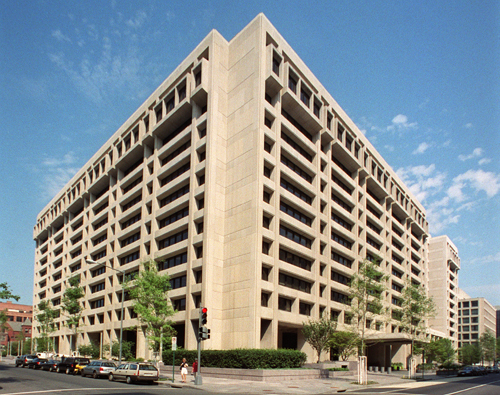
The International Monetary Fund has raised concerns that global markets are underestimating the potential economic impact of geopolitical tensions. Amid signs of improving economic stability, especially as global disinflation enters its final stages, the IMF has identified several medium-term risks that could significantly disrupt financial markets. According to its latest Global Financial Stability Report, while short-term global financial stability risks have receded, major vulnerabilities persist.

The IMF’s warning comes at a time when many market participants are hopeful about the prospects of a “soft landing” for the global economy, aided by disinflation and easing monetary policies. Emerging markets have shown resilience, and international debt issuance has picked up in some frontier economies. Despite these optimistic signs, there are concerns that the financial system remains fragile, especially in light of potential external shocks.

One of the key areas flagged by the IMF is the growing strain in the commercial real estate sector. Rising interest rates over the past year have exposed vulnerabilities within the sector, and further shocks could worsen these conditions. The IMF also points to signs of credit deterioration among corporations, which could intensify if adverse economic conditions continue.

The report highlights that geopolitical tensions remain a significant factor that global markets may be neglecting. Escalating geopolitical conflicts, such as the war in Ukraine and ongoing trade disputes between major economies, present long-term threats that could disrupt financial systems worldwide. These risks are further compounded by cyber threats, which the IMF notes have been on the rise. Although no major systemic disruptions have been caused by cyber incidents so far, the increasing probability of severe cyberattacks poses a looming threat to global macroeconomic stability.

In addition to geopolitical and cyber risks, the IMF underscores the vulnerability of the corporate credit market, which has expanded rapidly in recent years. This market, particularly in private credit, now rivals more traditional forms of lending, including commercial banking. While private credit markets have served as an important source of capital for mid-sized firms, they are also exposed to higher risks. A sudden downturn in economic conditions or a sharp increase in interest rates could leave many of these firms struggling to meet their debt obligations, creating ripple effects throughout the global financial system.

While the IMF acknowledges the progress made in global disinflation and the efforts of central banks to maintain stability, it is urging policymakers and financial institutions to remain vigilant. The report recommends that governments and central banks continue to assess and address medium-term risks while maintaining a focus on geopolitical and cyber threats that could lead to severe disruptions.

Cisco signed a Memorandum of Collaboration with the Cyber Security Agency (CSA) of Singapore to enhance the nation’s cyber and digital resilience. Key areas of the collaboration include threat intelligence sharing, capacity building, and talent development to meet Singapore’s security and economic needs. Both parties will collaborate to enhance the nation’s cyber defense capabilities under Cisco’s Country Digital Acceleration (CDA) program in Singapore. SINGAPORE – Media OutReach […]

Taking Place on 24 – 25 October the Forum Brings Together Leading Venture Capitalists and Entrepreneurs to Discuss Global Venture Capital Trends and Challenges, and Explore the Future Path of Hong Kong as the International Innovation and Technology Hub with Fresh Perspectives HONG KONG SAR – Media OutReach Newswire – 19 October 2024 – In the face of the lingering global economic and geopolitical uncertainties, the annual […]

Expanded collaboration to accelerate market growth and unleash new opportunities HONG KONG SAR – Media OutReach Newswire – 18 October 2024 – Trend Micro Incorporated (TYO: 4704; TSE: 4704), a global cybersecurity leader, today announced that Trend Vision One™ – Sovereign and Private Cloud (SPC) has achieved Google Cloud Ready – Regulated & Sovereignty Solutions status, further strengthening its vision for driving innovation and delivering enhanced solutions […]

At GITEX Global 2024, Huawei showcased an extensive array of industrial digital and intelligent transformation solutions, emphasizing its commitment to driving technological advancements across multiple sectors. The company hosted the Industrial Digital and Intelligent Transformation Summit, bringing together industry leaders and partners to discuss the future of digital solutions in various fields. Huawei’s strategy focuses on empowering industries through cutting-edge technology, with an emphasis on collaboration and […]

VISHNU RAJA
RYO YAMADA
HITORI GOTOH
IKUYO KITA