News related to
cyber

A pivotal moment for the UAE government emerged with its participation in the official inauguration of the Global Government Technology Centre (GGTC) in Berlin. This collaboration, a strategic alliance between the World Economic Forum and GovTech Campus Deutschland, aims to leverage digital technology’s transformative capabilities to revolutionize public services worldwide. The event showcased the UAE’s commitment to integrating technology into governance, aligning with its broader strategy to create a forward-thinking, tech-savvy administration.

The GGTC serves as a platform for governments, private sectors, and technology experts to collaborate, exchange ideas, and implement innovative solutions for effective governance. The launch event drew attention to the necessity of adapting government operations to the rapidly changing technological landscape. Experts at the event emphasized the critical role that digital tools can play in enhancing transparency, efficiency, and citizen engagement in governance.

During the launch, the UAE’s Minister of State for Artificial Intelligence, Omar Sultan Al Olama, highlighted the country’s ongoing initiatives in artificial intelligence and digital transformation. He emphasized that the UAE aims to position itself as a global leader in leveraging technology for public sector enhancement. Al Olama noted that the country’s focus on innovation is designed to ensure that governmental processes are agile, responsive, and tailored to meet the evolving needs of citizens.

The GGTC is expected to facilitate various initiatives aimed at streamlining public services through technology. This includes the adoption of data-driven decision-making processes and the implementation of smart city technologies that aim to improve the quality of life for residents. The center will serve as a resource hub for government officials worldwide to access the latest research, best practices, and case studies on successful technology implementation in governance.

The UAE’s participation in the GGTC underscores its aspiration to share its experiences and learn from other nations on their digital governance journeys. The UAE has been recognized for its proactive approach to digital transformation, characterized by initiatives such as the Dubai Smart City project and the establishment of the Ministry of Artificial Intelligence. These projects reflect the UAE’s commitment to creating a tech-enabled government that prioritizes efficiency and citizen satisfaction.

Key global players in technology and governance attended the launch, reflecting a diverse representation of countries and industries. Discussions at the event included how to utilize emerging technologies like blockchain, artificial intelligence, and machine learning in public administration. The importance of addressing cybersecurity challenges in digital governance was also highlighted, acknowledging that the integration of technology must be accompanied by robust security measures to protect sensitive data and maintain public trust.

In alignment with the UAE’s long-term vision, the government aims to position itself as a hub for technology and innovation in the Middle East and beyond. The establishment of the GGTC is seen as a significant step towards fostering a global dialogue on the future of government technology. The UAE’s emphasis on building collaborative networks among various stakeholders is expected to facilitate the exchange of ideas and strategies that can drive meaningful change in public governance.

The GGTC launch aligns with the UAE’s commitment to fostering a culture of innovation, which is a cornerstone of its strategic initiatives. The government is continually seeking to enhance its capabilities in areas such as data analytics and artificial intelligence, aiming to create a data-driven public service framework that prioritizes citizen needs. This strategic approach has garnered international attention, positioning the UAE as a leader in embracing technology for governance.

The UAE’s investment in tech-driven governance is part of a broader trend observed globally, where governments are increasingly seeking to digitize their operations. This trend reflects a growing recognition of the potential of technology to enhance public sector efficiency and improve citizen engagement. As more countries embark on their digital transformation journeys, the GGTC stands as a valuable resource for learning and collaboration among governments.


The 44th edition of GITEX Global 2024, taking place in Dubai, is set to become a significant milestone for RNTrust as it unveils groundbreaking solutions in generative AI and hyperautomation. With the rapidly evolving landscape of digital transformation, RNTrust’s roadmap promises to redefine how enterprises approach digital innovation. Showcased at Novotel DWTC, Dubai, their latest release of the SPITrust Coopera platform is designed to facilitate end-to-end digital content management and hyperautomated workflows, enabling businesses to streamline operations with AI-driven scalability.

The event marks a critical moment for companies worldwide looking to adopt next-generation technologies. RNTrust, a leading player in business orchestration, has positioned itself at the forefront of automation and AI-powered solutions, aiming to meet the growing demand for seamless digital integration in business processes. The Coopera platform combines Business Orchestration and Automation Technology (BOAT) with Enterprise Content Management (ECM) to handle content capture, hyperautomation, and long-term data preservation efficiently.

Coopera’s enhanced capabilities will assist organizations in scaling their operations, integrating AI tools to improve workflows and making it easier for businesses to manage their digital assets. The platform’s AI-powered automation features not only reduce manual processes but also enhance security and compliance, ensuring data integrity throughout its lifecycle. This is expected to resonate strongly with businesses seeking to remain competitive in a digital-first world.

RNTrust’s vision aligns with the broader goals of GITEX Global 2024, which is positioned as a hub for showcasing the latest innovations in AI, cybersecurity, and digital transformation. This year’s edition of the event features an impressive roster of speakers and exhibitors, including pioneers in AI, cybersecurity, and biotech. One of the major highlights is the introduction of GITEX Editions, an initiative aimed at fostering growth among global startups with the goal of creating 30 unicorns in Dubai by 2030.

The focus on artificial intelligence at GITEX is more pronounced than ever, with major industry players such as Axelera AI, InSilico Medicine, and Horizon Quantum Computing leading the discussions on how AI can shape industries ranging from life sciences to edge computing. Speakers like Fabrizio del Maffeo of Axelera AI and Dr. Alexander Zhavoronkov of InSilico Medicine are set to explore the future of AI infrastructure, drug discovery, and synthetic biology, adding to the excitement of the event.

Cybersecurity also takes center stage at GITEX 2024. With increasing threats in the digital realm, companies are keen to learn about the latest strategies and solutions in this critical area. Experts like Chenxi Wang of Rain Capital and Ekaterina Serban of Bosch will lead sessions focusing on the integration of AI into security frameworks. The cybersecurity conference is expected to shed light on the most pressing issues facing businesses today, including AI-powered live hacks and corporate board strategies for cybersecurity.

Adding to the event’s global flair, the Pakistan Software Export Board has been named GITEX’s Tech Destination of the Year. This partnership reflects Pakistan’s growing influence in the global tech ecosystem, driven by innovation and international collaboration. Shaza Fatima Khawaja, Pakistan’s Minister of State for IT & Telecommunication, emphasized the significance of the country’s tech talent and its potential for global leadership.

GITEX 2024 has also attracted a wide range of global tech leaders, from Sony AI to Adobe, with their experts discussing the future of generative AI in creative fields. These first-time participants highlight the event’s status as a premier destination for digital innovation. Michael Spranger from Sony AI and Chris Duffey from Adobe are among the prominent figures set to deliver insights into the transformative impact of AI on industries ranging from content creation to aerospace.

The introduction of Gen AI and hyperautomation solutions by RNTrust at GITEX is poised to make a substantial impact on how organizations address their digital challenges. The SPITrust Coopera platform’s AI-driven approach to content and workflow management is designed to not only increase efficiency but also to future-proof businesses in an increasingly complex digital landscape.

The expansion of smart cars is introducing a range of privacy and cybersecurity challenges that demand immediate attention. With vehicles evolving into data-collecting machines, privacy experts and regulators are sounding alarms about the vast amount of personal data being harvested. As modern cars are now equipped with sensors, cameras, and GPS systems, they gather data about drivers’ locations, driving habits, and even contacts stored in smartphones. This trend is raising significant concerns about who controls this data and how it is being used.

Automakers, eager to enhance the driving experience, have equipped their latest models with state-of-the-art connectivity features, from Wi-Fi to cloud services, making these vehicles resemble smartphones on wheels. However, the rise of connected cars has simultaneously led to an increase in the collection and monetization of personal information. Companies are gathering sensitive data through multiple channels, including onboard systems that monitor everything from driving behavior to entertainment preferences. What happens to this data, where it is stored, and how it is shared are questions that car owners are increasingly asking.

Privacy advocates have raised alarms about the potential risks posed by these vehicles. Smart cars can track driver behavior, record routes, and even monitor interactions with third-party services, creating a detailed profile of individual users. The data being collected is staggering, with some estimates suggesting that the average car could generate over a terabyte of data annually. Automakers have started to capitalize on this data, using it to optimize services, and in some cases, sharing it with third parties for targeted marketing and other purposes. However, transparency about what data is collected and how it is used remains limited, creating a troubling scenario for users who are often unaware of the extent of the data being harvested.

Regulatory frameworks are lagging behind technological advancements, leaving a regulatory vacuum in many parts of the world. China has made strides in addressing these concerns by tightening rules around data collection from connected vehicles. Meanwhile, other major markets, including the United States and Europe, have yet to introduce comprehensive regulations governing how carmakers handle user data. In the absence of robust laws, automakers have relied on vague privacy policies, which often lack clarity on what data is being shared and with whom.

The push for regulatory oversight is intensifying, with cybersecurity experts warning of the growing vulnerability of smart cars to hacking and cyberattacks. Hackers could potentially exploit weak points in a car’s digital systems to access personal data or even take control of the vehicle. As smart cars become more autonomous and connected, the risk of malicious attacks increases, prompting calls for automakers to bolster their cybersecurity measures and increase transparency around data usage.

At the heart of this debate is the question of consumer consent. Many car owners are unaware of the extent to which their vehicles collect data, and even when privacy policies are available, they are often filled with legal jargon that makes it difficult for users to understand what they are agreeing to. Automakers have generally not been proactive in educating consumers about their data rights, and the onus often falls on users to navigate complex policies and settings to protect their information.

Despite these concerns, some automakers have started to take steps toward greater transparency. For example, certain manufacturers have implemented clearer policies regarding the sharing of personal data, pledging not to sell data to third-party advertisers or resellers without explicit consent. These moves, however, are the exception rather than the rule, and much more needs to be done to ensure that consumers are fully informed and protected in the age of smart cars.

‘Run with ViewQwest’ Challenge Offers Over SGD 20,000 in Cash Prizes Across All Race Categories Challenge invites all non-competitive SCSM runners to join for FREE SINGAPORE – Media OutReach Newswire – 4 October 2024 – ViewQwest is sponsoring the Standard Chartered Singapore Marathon (SCSM) for the third consecutive year, aligning with its commitment to support world-class endeavours in Singapore. The SCSM is recognised as one of the […]

Focusing on OTC Trading, Security Token Offerings, and Real-World Asset Tokenization HONG KONG SAR – Media OutReach Newswire – 4 October 2024 – Hong Kong Virtual Asset Exchange (HKVAX) has obtained Type 1 (dealing in securities) and Type 7 (providing automated trading services) licences from the Securities and Futures Commission (SFC), along with the Anti-Money Laundering and Counter-Terrorist Financing Ordinance (AMLO) licence to operate a virtual asset […]

A significant investment is on the horizon as an Omani consortium prepares to establish a data center in Egypt’s Suez Canal Economic Zone, with an allocation of $450 million earmarked for the project. This initiative is part of Egypt’s broader strategy to transform the Suez Canal region into a technological and logistical hub, enhancing its role in global trade and digital services.

The investment is spearheaded by the Oman Information Technology Company (OITC) and several local partners. This collaboration marks a critical step in fostering economic ties between Oman and Egypt, with both nations recognizing the potential of digital infrastructure in driving economic growth. The data center is expected to support the burgeoning demand for cloud services and digital storage, driven by an increasingly digitized global economy.

The announcement of the data center project aligns with Egypt’s strategic plan to attract foreign direct investment and bolster its technological capabilities. The Suez Canal Economic Zone has been pivotal in this vision, with the Egyptian government actively promoting investment opportunities in sectors such as logistics, manufacturing, and technology. The zone’s geographical advantage, situated at the crossroads of major trade routes, offers unparalleled access to international markets.

By establishing a state-of-the-art data center in this zone, the Omani consortium aims to enhance digital connectivity not only within Egypt but also across the broader Middle East and North Africa (MENA) region. The center will provide essential services such as cloud computing, data storage, and disaster recovery solutions, catering to both local and international clients.

The data center project is expected to generate significant employment opportunities for the local workforce. With the ongoing investment in education and training programs in Egypt, there is a concerted effort to equip young professionals with the necessary skills to thrive in the digital economy. The collaboration between OITC and local partners is likely to enhance knowledge transfer and foster innovation within the Egyptian tech landscape.

This investment comes at a time when global data center demand is surging, driven by trends such as the rise of e-commerce, the proliferation of the Internet of Things (IoT), and the increasing reliance on digital solutions across various sectors. As businesses and governments prioritize digital transformation, the need for robust and secure data infrastructure has become paramount.

The Suez Canal Economic Zone’s strategic position allows for efficient connectivity to Europe, Asia, and Africa, making it an attractive location for data center operations. This development not only supports Egypt’s ambitions to become a regional technology hub but also enhances its competitiveness in the global market.

The partnership is set to leverage advancements in renewable energy, aligning with global sustainability trends. As data centers are known for their high energy consumption, the integration of renewable energy sources will be pivotal in minimizing the environmental impact of this project. The Omani consortium is expected to explore partnerships with renewable energy providers in Egypt to power the data center sustainably.

Egypt’s government has been proactive in creating a favorable environment for foreign investments, implementing reforms aimed at improving the business climate. The country’s economic stability, coupled with its young and tech-savvy population, positions it as a viable destination for tech investments. The collaboration between OITC and Egyptian partners reflects a growing trend among Gulf countries to diversify their investments beyond traditional sectors, focusing instead on technology and digital services.

This project is also anticipated to strengthen Egypt’s position in the regional tech ecosystem, attracting additional investments and partnerships from global tech giants. With the establishment of the data center, Egypt aims to position itself as a competitive player in the MENA tech landscape, potentially drawing in international businesses looking for reliable digital infrastructure.

As the project progresses, it will be essential for stakeholders to ensure that the data center adheres to international standards for security and data privacy. The rise in cyber threats has made data protection a critical concern for businesses and consumers alike. Establishing robust cybersecurity measures will be crucial to gain the trust of clients and stakeholders.

Engage with global policymakers, thought leaders, and innovators at Asia’s premier cybersecurity event SINGAPORE – Media OutReach Newswire – 3 October 2024 – The GovWare Conference and Exhibition 2024 will take place from 15 to 17 October 2024 at the Sands Expo and Convention Centre Singapore, gathering over 12,000 policy makers, cyber and corporate leaders, practitioners, and academia worldwide to address modern security issues, rebuild trust, and […]

Advertisements

Cyber Risk Report highlights critical vulnerability, offers new ways to prioritize risk management HONG KONG SAR – Media OutReach Newswire – 2 October 2024 – Trend Micro Incorporated (TYO: 4704; TSE: 4704), a global cybersecurity leader, today urged network defenders to gain greater visibility into risk across their attack surface, after unveiling a new study* which provides granular metrics by region, company size, industry, asset type and […]

A prominent quantum computing firm has secured a $54.5 million contract with the U.S. Air Force Research Laboratory (AFRL), marking a significant step in the evolution of defense and quantum technologies. The partnership highlights the growing interest from defense sectors in quantum computing capabilities, signaling a broader commitment to integrating cutting-edge technologies into military applications. The deal involves advanced research and development aimed at harnessing quantum computing’s […]

The United States government has enacted a new regulatory framework aimed at enhancing the export of artificial intelligence (AI) chips, particularly to nations in the Middle East. This development arrives amid increasing global demand for AI technologies and reflects a broader strategic intent to foster technological cooperation with regional allies. The updated policies are expected to significantly impact the semiconductor industry, as key players adapt to the […]

ColoBarn, a key player in the colocation service industry, is upgrading its data center security across several US regions by integrating Iveda’s advanced artificial intelligence (AI) solutions. This partnership marks a pivotal step in enhancing surveillance, real-time analytics, and incident detection at ColoBarn’s facilities in Arizona and Florida. Iveda, known for its AI-driven video monitoring and cloud-based security systems, brings facial recognition, anomaly detection, and rapid response […]

A significant $13 billion investment is set to transform the UK’s tech infrastructure with Blackstone, one of the world’s largest alternative investment firms, committing to develop a state-of-the-art artificial intelligence (AI) data center in Blyth, Northumberland. The development, announced by Blackstone’s president Jon Gray, will be situated at Northumberland Energy Park Phase 3, repurposing a site that was once slated for Britishvolt’s electric vehicle battery plant. This […]

Tenth anniversary of the KPMG CEO Outlook shows that despite CEO confidence in the growth prospects of the economy declining since 2015, 72 percent of CEOs remain confident. Ninety-two percent of CEOs are looking to increase the overall headcount of their workforce – the highest since 2020. AI remains the top investment priority for most CEOs (64 percent), with a significant majority (76 percent) believing that it […]

A significant collaboration between the Institute of Chartered Accountants in England and Wales (ICAEW) and Abu Dhabi Global Market (ADGM) is set to reshape the auditing landscape in the UAE, marking a critical step in strengthening corporate governance and elevating professional standards across financial institutions. This partnership, aimed at promoting transparency and ensuring the highest levels of accountability, comes as part of a broader effort to align with international auditing frameworks.

The partnership underscores the UAE’s commitment to reinforcing its financial ecosystem in the face of an increasingly complex global economy. With the financial markets growing rapidly and companies expanding their operations, the need for stronger audit practices has become more pressing. ADGM, as a financial free zone, plays a pivotal role in this mission by driving regulatory advancements in the sector. Together with ICAEW, the global leader in accounting and finance, the initiative is expected to bring transformative changes.

This alliance will focus on enhancing the skills of audit professionals in the region while introducing advanced methodologies for conducting audits. The ICAEW is known for its global expertise in auditing and accounting standards, while ADGM’s influence as a regulatory body in the UAE provides a solid platform for implementing these enhanced practices. Professionals will now have access to specialized training programs designed to ensure they meet global standards in financial reporting and auditing.

ICAEW’s involvement is particularly important given its longstanding reputation for establishing auditing benchmarks that are recognized worldwide. The integration of their guidelines within ADGM’s regulatory framework signifies a major development in how audits will be conducted within the UAE. This collaboration also aims to strengthen the integrity of financial reporting, making the region more attractive for foreign investors.

The audit sector in the UAE has seen a series of reforms over the past decade, but this partnership promises to accelerate improvements by introducing best practices from well-established markets. Through a series of initiatives and workshops, audit professionals will be trained to better identify risks and mitigate issues before they escalate, contributing to more robust financial oversight across sectors.

Abu Dhabi Global Market has been positioning itself as a key player in the global financial hub since its inception. Its regulatory environment, which is aligned with international best practices, has made it a preferred jurisdiction for financial firms and multinational corporations looking to establish a presence in the Middle East. This partnership with ICAEW is a strategic move to further enhance ADGM’s role by integrating top-tier audit and financial standards.

The growing complexity of global financial systems requires auditors to adapt to new challenges, and the partnership addresses these by offering continuous professional development for auditors working in the UAE. Through this, auditors will be better equipped to navigate the changing regulatory landscape, including emerging concerns around cybersecurity, digital finance, and environmental, social, and governance (ESG) factors. These areas are increasingly relevant as companies worldwide face stricter scrutiny regarding their financial disclosures and sustainability practices.

The focus of this partnership also extends to improving corporate governance standards in the UAE. Strengthening audit processes ensures that companies adhere to ethical business practices, which is key to maintaining investor confidence. This initiative coincides with global efforts to tighten financial reporting rules following high-profile corporate scandals that have underscored the critical role of auditors in ensuring corporate accountability.

Audit reforms in the UAE have historically been a mix of local regulatory requirements and international standards. However, this collaboration represents a deeper alignment with global audit protocols, particularly those observed in advanced markets like the UK. It signals a commitment to maintaining the UAE’s position as a trusted hub for financial services while safeguarding the interests of businesses and investors alike.

This move also dovetails with broader efforts by the UAE government to align its financial infrastructure with international standards. Over the past few years, various financial regulatory bodies within the country have sought to harmonize their operations with global norms. The inclusion of ICAEW’s expertise reflects the nation’s proactive stance in ensuring its financial and auditing frameworks remain competitive on the world stage.

There is a growing recognition among industry leaders that strong audit practices are indispensable for the healthy functioning of financial markets. This initiative is expected to foster a culture of continuous improvement in auditing standards, enabling the UAE to remain resilient in the face of evolving economic challenges. Both ICAEW and ADGM have emphasized the importance of knowledge sharing in this partnership, particularly as the financial sector becomes more digitized and interconnected.

As companies increasingly shift towards digital operations, audit processes must evolve to address new risks. The partnership’s focus on cybersecurity and digital auditing reflects the changing nature of finance, where traditional audit practices alone may no longer be sufficient. ADGM’s push for modernization in this sector is timely, as global businesses seek more transparent, tech-driven solutions for managing their financial records.

SINGAPORE – Media OutReach Newswire – 26 September 2024 – CDNetworks, an APAC-leading network to deliver edge as a service, released its annual State of Web Application and API Protection (WAAP) Report for 2023, highlighting the rise of generative AI threats and their role in amplifying the surge of WAAP attacks. The report reveals that global WAAP attacks are experiencing an alarming shift, rendering traditional signature-based defense […]

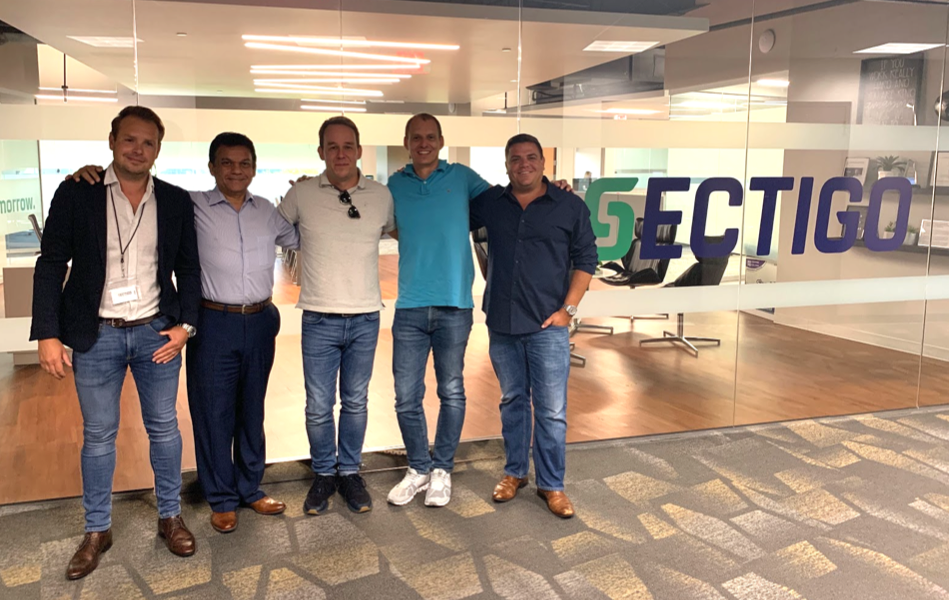
Sectigo, a global leader in digital certificates and Certificate Lifecycle Management (CLM), has officially opened its new office in Chennai, aiming to enhance its customer service delivery across the region. This strategic move not only strengthens Sectigo’s foothold in the rapidly growing technology sector in Chennai but also positions the company to better serve its increasing clientele in India and beyond.

The Chennai office will serve as a critical hub for Sectigo, enabling the company to offer improved technical support, sales, and customer service to its extensive portfolio of clients, which includes businesses of all sizes across various industries. The city is recognized for its robust tech ecosystem, featuring numerous IT parks and a skilled workforce, making it an ideal location for Sectigo’s expansion.

Chennai is among India’s most important technology centers, with a vibrant landscape of IT services and software development firms. The establishment of the new office aligns with the growing demand for digital security solutions as businesses increasingly rely on online transactions and digital platforms. With cyber threats becoming more sophisticated, organizations are prioritizing security measures, thereby driving the need for reliable certificate management.

In a statement during the opening ceremony, Sectigo’s executives emphasized the importance of this expansion in addressing the rising concerns over cybersecurity in the digital age. The Chennai office is expected to facilitate quicker response times and personalized service to clients, ultimately enhancing customer satisfaction.

The Indian market has become a focal point for many global tech companies, and Sectigo’s investment in Chennai signifies its commitment to harnessing the region’s potential. The decision to establish a local presence is driven by the growing adoption of cloud technologies and the shift towards digital-first strategies by businesses. As more companies migrate to cloud-based solutions, the need for secure digital identities becomes paramount, positioning Sectigo as a vital player in this landscape.

Sectigo’s expansion comes at a time when the demand for digital certificates is surging, fueled by the increasing reliance on secure online communications. The company’s comprehensive portfolio includes SSL/TLS certificates, code signing certificates, and IoT device certificates, all of which are critical in establishing trust and securing digital transactions.

The Chennai office is part of Sectigo’s broader strategy to expand its global reach while ensuring localized service. The establishment of regional offices allows Sectigo to better understand and cater to the specific needs of local markets. By leveraging Chennai’s skilled workforce, the company aims to enhance its operational efficiency and technical expertise.

Industry analysts note that the competitive landscape for digital security solutions is evolving rapidly. With the rise of cyber threats, organizations are seeking more robust and scalable solutions. Sectigo’s proactive approach to expanding its operations in key markets like India reflects an understanding of the regional dynamics and the growing demand for advanced security measures.

The Chennai office is expected to play a pivotal role in driving innovation within Sectigo, enabling the company to develop and deploy new security solutions tailored to local market needs. By collaborating with local technology firms and startups, Sectigo aims to foster a culture of innovation and leverage emerging technologies to enhance its service offerings.

This expansion not only supports Sectigo’s growth objectives but also contributes to the local economy by creating job opportunities and fostering talent development. The company plans to recruit skilled professionals from various disciplines, including cybersecurity, technical support, and sales, further bolstering Chennai’s reputation as a technology hub.

As organizations navigate the complexities of digital transformation, the demand for expert guidance in implementing effective security strategies is more critical than ever. Sectigo’s presence in Chennai positions it as a key partner for businesses looking to enhance their cybersecurity posture and protect their digital assets.

The establishment of the Chennai office is also a testament to Sectigo’s long-term vision for growth in the Asia-Pacific region. By investing in local infrastructure and resources, the company aims to create a sustainable model that not only addresses immediate customer needs but also anticipates future trends in the digital security landscape.

A U.S. judge has ruled that the criminal case against Roman Storm, one of the key developers behind Tornado Cash, will proceed to trial on December 2. Storm, a notable figure in the cryptocurrency space, faces up to 45 years in prison if convicted on charges of conspiracy to commit money laundering and violating U.S. sanctions. His trial, which has drawn significant attention from the blockchain community, will be a crucial moment for the broader discussion surrounding decentralized finance (DeFi) and privacy tools within the cryptocurrency ecosystem.

The decision to move forward with the trial comes as part of a larger crackdown on Tornado Cash, a popular cryptocurrency mixing service that the U.S. government alleges was used to facilitate the laundering of illicit funds, including proceeds from hacking and other cybercriminal activities. Tornado Cash enables users to obscure the origin and destination of cryptocurrency transactions, making it difficult for regulators to track the flow of funds.

Storm, alongside other developers involved with Tornado Cash, was arrested in August 2023 after being accused of aiding cybercriminals, including the North Korean hacking group Lazarus. The group has been responsible for several high-profile cyberattacks and is believed to have laundered millions of dollars in stolen cryptocurrencies through Tornado Cash. The U.S. Treasury Department has sanctioned Tornado Cash, citing its role in enabling criminal activities and undermining national security.

The charges against Storm include conspiring to commit money laundering and violating the International Emergency Economic Powers Act (IEEPA), a law that grants the U.S. government broad powers to impose sanctions in response to national security threats. Prosecutors argue that Storm knowingly aided in the development and promotion of Tornado Cash, fully aware of its potential use by malicious actors.

Storm’s legal team, however, is contesting these allegations, claiming that Tornado Cash is a decentralized platform that cannot be held accountable for how individuals use the service. They argue that Storm had no direct involvement in criminal activities and that the platform was designed to enhance privacy, a fundamental principle of blockchain technology. Privacy advocates in the crypto industry have also rallied behind Storm, warning that the case could set a precedent for how developers of open-source software are treated by law enforcement.

The case has sparked a heated debate within the cryptocurrency community over the balance between privacy and compliance with government regulations. While blockchain technology was initially praised for its transparency, tools like Tornado Cash complicate regulatory oversight. Cryptocurrency mixers, which combine multiple transactions to obscure the trail of funds, have long been a controversial issue in the crypto space. Proponents argue that they are essential for protecting user privacy, particularly in a financial system where transaction data can be easily traced. However, regulators have increasingly focused on their potential misuse by criminals, terrorists, and sanctioned entities.

Tornado Cash, in particular, has been a focal point for regulators as they step up enforcement actions against entities operating in the DeFi space. According to the U.S. government, Tornado Cash has been linked to billions of dollars in illicit transactions, a claim that has intensified scrutiny on the platform and its developers.

In Storm’s defense, many in the industry highlight the decentralized nature of the platform, which operates without a central authority controlling its operations. Supporters argue that this makes it difficult, if not impossible, to hold individual developers accountable for how users interact with the platform. However, critics of this defense point to the fact that Tornado Cash’s smart contracts were developed and maintained by a team of engineers, implying that they had a responsibility to ensure compliance with legal frameworks.

The outcome of Storm’s trial is likely to have broader implications for the crypto industry, particularly in the development of privacy tools and the role of developers in ensuring regulatory compliance. Industry experts warn that if Storm is found guilty, it could deter innovation in the DeFi space and lead to increased pressure on developers to incorporate anti-money laundering (AML) and know-your-customer (KYC) protocols into their platforms.

Storm’s co-developer, Alexey Pertsev, also faces similar charges in the Netherlands. The case against Pertsev, who was arrested in August 2023, has attracted widespread criticism from the global crypto community, with many arguing that the arrest of developers for creating open-source software sets a dangerous precedent. Pertsev’s trial is scheduled to begin early next year, adding to the growing tension between privacy advocates and regulators.

As the trial date approaches, the case against Storm continues to draw attention from legal experts, industry insiders, and privacy advocates alike. The case highlights the delicate balancing act between technological innovation and the need for regulatory oversight in a rapidly evolving financial landscape. The legal battle over Tornado Cash is seen as part of a broader struggle over how to regulate the decentralized world of cryptocurrency without stifling innovation.

Report notes “Trend Micro brings Zero Trust to proactive security” HONG KONG SAR – Media OutReach Newswire – 27 September 2024 – Cybersecurity innovator Trend Micro Incorporated (TYO: 4704; TSE: 4704) has been named a Leader in Attack Surface Management (ASM) in The Forrester Wave™: Attack Surface Management Solutions, Q3 2024. Trend believes this report demonstrates the exceptional value that its ASM offering delivers to customers through […]

LinkedIn has rolled out an Aadhaar-based identity verification feature for users in India, a move it claims will enhance trust on the platform by increasing profile credibility. The new feature, available through its partnership with HyperVerge, aims to reduce the number of fake or misleading accounts by verifying the authenticity of user profiles. The decision has drawn mixed reactions from netizens, with some welcoming the initiative as a step towards more secure networking, while others have expressed skepticism about its impact on privacy.

The verification process is optional and allows users to authenticate their identity by linking their Aadhaar number to their LinkedIn profile. According to LinkedIn, the feature is expected to increase profile visibility and improve networking opportunities, as verified profiles will be seen as more trustworthy by recruiters and other professionals. The company emphasized that it will not store or share the Aadhaar numbers provided during the verification process, seeking to alleviate concerns about data privacy.

This new identity verification measure comes at a time when online platforms are under increasing pressure to tackle misinformation and fraud. Fake profiles have long been an issue on professional networking sites, with users often being misled by fictitious identities. LinkedIn’s move aligns with a broader push towards greater transparency and accountability in online spaces, a trend that has gained momentum amid growing concerns over data security and the spread of misinformation.

LinkedIn’s official statement claims that verified profiles are more likely to gain visibility, with studies indicating a higher level of engagement for accounts that display some form of identity validation. According to the company, professionals who complete the verification process can expect an increase in connection requests, message replies, and overall profile views. However, the platform has also clarified that non-verified profiles will not be penalized or see any reduction in their visibility.

While some users have embraced the new feature, seeing it as a means to ensure greater professionalism on the platform, others have voiced concerns. Several netizens have questioned the necessity of Aadhaar integration, expressing unease about sharing sensitive identification details with a global platform. Privacy advocates, too, have raised alarms about potential misuse of personal data, despite LinkedIn’s assurances that the Aadhaar information will not be stored or shared.

Experts in cybersecurity have weighed in on the development, noting that while the initiative could bolster security, it also raises important questions about data protection and user consent. One leading cybersecurity analyst remarked that the decision to introduce Aadhaar-based verification should be closely scrutinized, given India’s evolving data privacy laws. The analyst added that while the feature could potentially reduce fraudulent activity, there must be stringent measures in place to ensure that users’ personal information is not exploited.

India has been a key market for LinkedIn, which counts millions of users in the country, from young professionals to seasoned executives. This large user base is also one of the reasons the company has introduced localized features in the past, including Hindi-language support and job tools specifically designed for the Indian market. The Aadhaar-linked verification is seen as the latest in this series of India-specific initiatives.

Despite LinkedIn’s efforts to position the verification feature as a tool for enhancing professional credibility, public opinion remains divided. A large segment of users, particularly those in the tech industry, has voiced support, with some commenting on social media that this step could help filter out fake profiles and create a safer networking environment. Others, however, have expressed their amusement at the notion of Aadhaar verification for a professional platform, with some questioning its relevance in boosting profile views or securing jobs.

Among the critics, concerns about the centralization of sensitive data have taken center stage. Aadhaar, India’s national biometric identification system, has been subject to controversy and legal challenges in the past, with privacy experts warning against its use in private sector applications. LinkedIn’s initiative to use Aadhaar for verification may, therefore, reignite debates over data protection and the role of private companies in handling personal information linked to government-issued identification.

Beyond the privacy concerns, the feature also raises questions about inclusivity. Not all LinkedIn users in India possess an Aadhaar card, and some critics have argued that the feature could inadvertently marginalize those who cannot or choose not to link their Aadhaar details to their professional profiles. LinkedIn has assured users that verification is entirely optional, but the perception that verified profiles may have an advantage could create pressure for professionals to participate, even if they have reservations about sharing their Aadhaar information.

Legal experts have also noted that the introduction of Aadhaar-based verification may lead to new regulatory scrutiny. While the Indian government has actively promoted Aadhaar as a secure and reliable identification system, its use by private companies has raised concerns about potential overreach. LinkedIn’s move could prompt discussions about the extent to which companies should be allowed to use government-backed ID systems for verification, and whether additional safeguards should be implemented to protect users’ privacy.

The Twitter account associated with OpenAI’s news team was compromised and utilized to promote a fraudulent website claiming to distribute a fictitious cryptocurrency called $OPENAI. Messages from the hacked account falsely assured users that they could claim part of the token’s initial supply and gain access to future beta programs. Clicking on the provided link directed individuals to a malicious site that requested users to connect their […]

WordPress.org has taken the significant step of denying service to WP Engine, a major managed WordPress hosting provider. This decision raises alarms regarding the security and operational stability of websites reliant on WP Engine’s services, as they could face challenges in maintaining performance and security without direct support from the WordPress.org team. The conflict stems from unresolved issues regarding the way WP Engine handles updates and plugins […]

Evaluated for completeness of vision and ability to execute HONG KONG SAR – Media OutReach Newswire – 26 September 2024 – Trend Micro Incorporated (TYO: 4704; TSE: 4704) a global cybersecurity leader, today announced it has been positioned by Gartner® in the Leaders’ Quadrant of the 2024 Gartner® Magic Quadrant™: Endpoint Protection Platforms (EPP) 1. Trend Micro has been named a Leader 19 times in a row […]

SINGAPORE – Media OutReach Newswire – 25 September 2024 – Singapore-based lifestyle brand SKINARMA has unveiled its newest iPhone case collection following the iPhone 16 release. Reintroducing old favorites and debuting fresh designs, the latest lineup explores themes inspired by mecha, cyberpunk, industrial and minimalist aesthetics, capturing the world’s growing fascination with futuristic design. Each case is fashioned to complement and highlight the updated iPhone 16 features. […]

Microsoft has officially announced the establishment of its first engineering development center in the Arab world, located in Abu Dhabi. This initiative is a significant step forward in the company’s ongoing investment strategy aimed at enhancing its technological footprint in the region. The center is expected to focus on developing innovations in artificial intelligence, cloud technologies, and advanced cybersecurity solutions, contributing to a global ecosystem of technological advancement.

The new center will align with Microsoft’s broader goals to harness cutting-edge technologies and drive economic growth while fostering job creation. Satya Nadella, Microsoft’s Chairman and CEO, emphasized the company’s commitment to ensuring that transformative technologies benefit local communities and contribute to global innovation. The center will not only create technological solutions for Microsoft’s global operations but also attract top talent to the UAE, positioning the country as a leader in tech innovation.

Sheikh Khaled bin Mohamed bin Zayed Al Nahyan, Crown Prince of Abu Dhabi, highlighted the strategic advantages of the UAE as a hub for innovation. He noted the country’s advanced infrastructure and geographical position, which facilitate impactful developments across various industries. This sentiment was echoed by Peng Xiao, CEO of G42, who described the establishment of the center as a testament to the growing importance of the UAE in the global tech landscape.

VISHNU RAJA
RYO YAMADA
HITORI GOTOH
IKUYO KITA