News related to
cyber

Startups in India’s deep-tech and semiconductor sectors are increasingly positioning themselves as key players in the global technological race. With innovations spanning automotive semiconductors, AI-driven edge computing, and secure connectivity solutions, these startups are poised to lead the next wave of technological advancement.

The role of India’s emerging deep-tech ecosystem is gaining global recognition, especially in fields where cutting-edge technology is required to meet the rapidly evolving demands of industries. Notably, companies in the semiconductor sector are contributing significantly to the development of next-generation automotive systems. These systems rely heavily on semiconductor components to enable functions like autonomous driving, safety features, and advanced in-car connectivity, all of which are in high demand globally.

NXP Semiconductors, a global leader in semiconductor solutions, has highlighted the critical role India’s deep-tech startups are playing in this technological transformation. According to NXP executives, Indian startups are at the forefront of developing innovative solutions that can cater to the evolving needs of the automotive industry. “India’s deep-tech ecosystem is thriving, particularly in the semiconductor space, which is foundational for automotive technologies,” stated an NXP spokesperson. These startups are not only serving the domestic market but are also well-positioned to tap into the vast global market for automotive semiconductors.

India’s progress in automotive technology is attributed to a blend of innovation, government support, and a rapidly growing pool of highly skilled engineers and entrepreneurs. The country’s focus on fostering startups through initiatives like the ‘Startup India’ programme has provided a conducive environment for these companies to flourish. Additionally, the Indian government’s emphasis on expanding its semiconductor manufacturing capabilities has laid the foundation for more home-grown innovations in this sector.

While the automotive sector is receiving significant attention, Indian startups are also making strides in other high-growth sectors like AI-driven edge computing. These technologies are revolutionizing industries by enabling faster data processing at the source of data generation, as opposed to relying solely on cloud infrastructure. The ability to process data at the edge, especially in real-time applications such as smart cities and industrial IoT , is proving to be a game-changer. Indian startups are developing solutions that make edge computing more scalable, efficient, and secure, which is crucial for industries that demand low-latency operations and enhanced security.

India’s deep-tech startups are playing a vital role in advancing secure connectivity solutions, an area that has seen increasing demand with the rise of the Internet of Things and the digitalisation of services. In an era where data security is paramount, these companies are creating cutting-edge technologies to secure communications and data transmissions across various platforms. The emphasis on cybersecurity and secure communication protocols is vital in safeguarding critical infrastructure, especially with industries such as healthcare, finance, and defence becoming more interconnected.

Industry leaders believe that the synergy between India’s deep-tech startups and the government’s efforts to boost innovation will create a strong foundation for India’s dominance in these high-tech sectors. A key component of this success lies in the startups’ ability to develop customised solutions for both domestic and international markets. This is where their deep understanding of local challenges combined with global aspirations gives them a competitive edge.

With significant investments flowing into the country’s startup ecosystem, especially in semiconductors, AI, and edge computing, the outlook for India’s deep-tech sector is promising. The advent of 5G technology, in particular, is expected to further accelerate demand for these innovative solutions, particularly in automotive, smart cities, and industrial sectors. The country’s deep-tech startups are expected to play an instrumental role in the development and deployment of 5G-enabled technologies, which will provide them with more opportunities to scale globally.

India’s push towards developing indigenous semiconductor manufacturing capabilities has also opened doors for local companies to cater to the international semiconductor market. The government has actively sought to reduce India’s reliance on imported semiconductors, which has led to a surge in the development of local semiconductor fabs and research and development facilities. With global supply chains under pressure due to geopolitical factors, the demand for domestic semiconductor solutions has risen sharply. Indian startups are emerging as key players in this sector, meeting both the needs of the domestic market and providing competitive alternatives to global suppliers.

Experts predict that Indian deep-tech startups are not only set to lead in traditional areas like automotive and semiconductor technologies but are also likely to make breakthroughs in emerging fields such as quantum computing, robotics, and biotechnology. With the convergence of AI, machine learning, and quantum technologies, Indian startups are uniquely positioned to innovate at the intersection of these fields, driving future technological revolutions.

One of the challenges Indian startups face, however, is the scaling-up process. While the innovation coming out of India is impressive, the ability to scale these technologies globally remains a complex task. To overcome these challenges, Indian startups are increasingly collaborating with global players and securing strategic partnerships that help them expand their reach and capabilities. These partnerships also provide them with access to crucial markets and resources, enabling them to scale their solutions faster and more efficiently.


A hacker has successfully laundered 499,395 Ethereum , valued at approximately $1.04 billion, stolen from the cryptocurrency exchange Bybit on February 21, 2025. This incident marks one of the most significant security breaches in the cryptocurrency industry to date.

The Federal Bureau of Investigation has attributed the theft to North Korean-affiliated hacking groups, notably the Lazarus Group and TraderTraitor. These groups have been implicated in previous cyberattacks aimed at generating revenue for North Korea’s sanctioned economy.

The hacker employed sophisticated techniques to infiltrate Bybit’s security systems, executing a phishing scam that led to the unauthorized transfer of funds. The stolen assets included liquid-staked Ether , Mantle Staked ETH , and other ERC-20 tokens.

Following the theft, the hacker utilized decentralized platforms, primarily THORChain, to launder the stolen ETH. This method involved converting the assets into various cryptocurrencies, complicating efforts to trace and recover the funds.

Bybit’s CEO, Ben Zhou, reported that approximately 3% of the stolen funds have been intercepted and frozen, while 20% have become untraceable. The remaining 77% are still under investigation, with efforts ongoing to recover the assets.

The incident has raised concerns about the security measures employed by cryptocurrency exchanges. Experts highlight the need for enhanced security protocols to protect against increasingly sophisticated cyber threats.

European nations are accelerating defense initiatives in response to concerns over the United States’ commitment to NATO under President Donald Trump. French President Emmanuel Macron has urged European Union members to increase defense spending to between 3% and 3.5% of GDP, citing the necessity for Europe to assume greater responsibility for its security. The European Commission, led by Ursula von der Leyen, has proposed an €800 billion […]

By Nitya Chakraborty The U.S. President Donald Trump has fired his missile on Europe, especially, France, UK and Germany by suspending arms aid to Ukraine after categorically making it clear that President Zelensky has to agree to the peace and security deal proposed by Trump on Friday in the White House meeting. The deal is […]
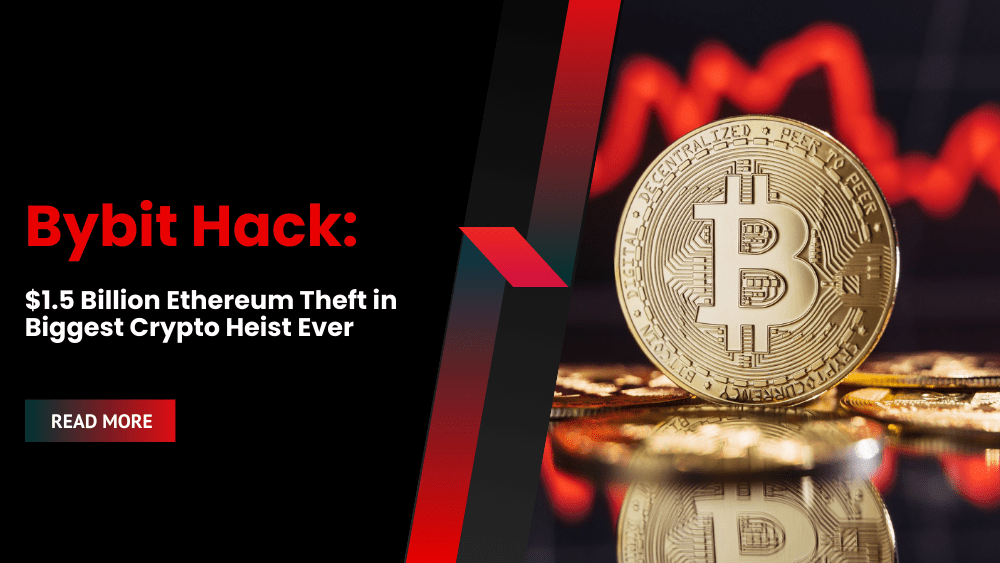
A massive security breach at Dubai-based cryptocurrency exchange Bybit has resulted in the theft of approximately $1.5 billion in Ethereum , marking one of the largest heists in the digital currency sector. The attack, attributed to North Korean hacking groups Lazarus and TraderTraitor, has raised significant concerns about cybersecurity within the cryptocurrency industry.

The Federal Bureau of Investigation has linked the theft to these North Korean-affiliated hackers, who reportedly utilized malware-infected cryptocurrency trading applications to infiltrate Bybit’s systems. This method allowed them to drain substantial amounts of Ethereum from the exchange’s reserves. The stolen funds are believed to be funneled into North Korea’s nuclear and missile programs, highlighting the geopolitical implications of such cybercrimes.

In response to the breach, Bybit’s CEO, Ben Zhou, announced that the exchange has fully restored its Ethereum reserves. The company secured approximately 446,870 ETH through strategic acquisitions and loans, ensuring that all client assets remain backed on a one-to-one basis. This swift action aims to maintain customer trust and stabilize the platform following the unprecedented hack.

The impact of the theft extended beyond Bybit, affecting the broader cryptocurrency market. Funding rates across various platforms experienced a decline, reflecting heightened uncertainty among investors. Ethereum’s price volatility increased as traders reacted to the news, with some large holders, or “whales,” expressing caution amid the fluctuating market conditions.

Despite the initial shock, there are signs of recovery within the market. Bybit’s replenishment of its Ethereum reserves has contributed to a gradual restoration of confidence among users and investors. Additionally, the exchange has launched a $140 million bounty program to incentivize information leading to the recovery of the stolen assets and the identification of the perpetrators.

The hackers have reportedly laundered approximately $335 million of the stolen funds, leaving around $900 million unaccounted for. This ongoing movement of assets poses challenges for authorities attempting to trace and recover the stolen cryptocurrency. The laundering process involves complex techniques, including transferring funds across multiple blockchains and utilizing mixing services to obscure the transaction trail.

Bybit has pledged to enhance its security protocols to prevent future breaches. The exchange is collaborating with international law enforcement agencies and cybersecurity firms to investigate the hack and mitigate potential risks. This incident underscores the critical need for robust security measures within the cryptocurrency industry, as exchanges remain prime targets for sophisticated cyberattacks.

The broader implications of the Bybit hack have prompted discussions about regulatory oversight and the responsibility of exchanges to protect user assets. As the digital currency market continues to evolve, ensuring the security of platforms and the integrity of transactions remains a paramount concern for both industry participants and regulators.

In the aftermath of the hack, Bybit conducted a comprehensive audit to verify the restoration of its reserves. The exchange plans to release an updated proof-of-reserves report, utilizing a Merkle tree structure to provide transparency and reassure clients of the platform’s solvency. This move aims to rebuild trust and demonstrate Bybit’s commitment to safeguarding user assets.

The cryptocurrency community has rallied in support of Bybit, with industry leaders emphasizing the importance of collective efforts to combat cyber threats. Collaborative initiatives are being explored to share threat intelligence and develop standardized security practices across exchanges. These efforts aim to fortify the industry’s defenses against increasingly sophisticated hacking groups.

While the Bybit hack serves as a stark reminder of the vulnerabilities within the cryptocurrency ecosystem, it also highlights the resilience of platforms and their ability to respond to crises. By swiftly restoring its reserves and implementing enhanced security measures, Bybit aims to turn this challenging episode into an opportunity to strengthen its operations and contribute to the overall security of the digital asset landscape.

Internxt, a Valencia-based tech company, has become the first cloud storage provider to implement post-quantum encryption, marking a significant advancement in data security. This move addresses growing concerns about the potential threats posed by quantum computing to traditional encryption methods. Quantum computers, leveraging the principles of quantum mechanics, have the potential to perform computations at speeds unattainable by classical computers. This capability threatens current encryption protocols, as […]

Apple has ceased offering its Advanced Data Protection feature to UK users, following demands from the British government for access to encrypted iCloud data. This decision means that iCloud backups in the UK will no longer be end-to-end encrypted, allowing Apple to access and, if required, share user data with law enforcement agencies possessing a valid warrant. The UK’s request was made under the Investigatory Powers Act […]

Advertisements

Merger and acquisition activity in the Middle East and North Africa region experienced a significant uptick in 2024, with total deal value reaching $92.3 billion, a 7% increase from the previous year. The number of deals also rose by 3%, totaling 701 transactions compared to 679 in 2023. This growth has been largely attributed to substantial reforms in capital markets, strategic policy changes, and enhanced efforts to attract foreign investments.

The Gulf Cooperation Council countries were at the forefront of this surge, accounting for 580 deals worth $90 billion. Cross-border transactions played a pivotal role, representing 52% of the total deal volume and 74% of the overall value. Sovereign wealth funds such as the Abu Dhabi Investment Authority , Mubadala Investment Company from the United Arab Emirates , and the Public Investment Fund from Saudi Arabia were instrumental in driving this activity.

The UAE emerged as a key player, recording the region’s largest M&A deal of the year. Clayton Dubilier & Rice, Stone Point Capital, and Mubadala Investment announced the acquisition of Truist Insurance for $12.4 billion. Following closely, Saudi Aramco acquired a 22.5% stake in Rabigh Refining and Petrochemical Company from Japan’s Sumitomo Chemical for $8.9 billion. Additionally, a consortium comprising PAG, Mubadala, and ADIA acquired a 60% stake in China’s Zhuhai Wanda Commercial Management Group for $8.3 billion.

Outbound deals dominated the M&A landscape, contributing 61% of the total deal value with 199 transactions amounting to $56.6 billion. The MENA region continued to attract foreign direct investment, with 163 inbound deals valued at $11.4 billion, marking an 18% increase in volume and a 42% surge in value compared to 2023.

Sector-wise, technology and consumer products led in deal volume, each experiencing a 10% year-on-year increase. The United States stood out as the largest acquiring country outside the region, with 48 transactions totaling $4.6 billion.

The UAE maintained its position as a preferred investment destination, achieving the highest volume and value for inbound transactions. The country recorded 96 deals valued at $7.6 billion, representing 67% of the total deal value. The technology sector was particularly vibrant, with 35 deals driven by the nation’s focus on artificial intelligence, cybersecurity, and digital transformation. Notably, Microsoft’s $1.5 billion acquisition of Abu Dhabi’s Group 42 underscored the strengthening ties between the UAE and the United States.

Saudi Arabia also attracted significant investment, with the UAE and Saudi Arabia collectively reporting 318 deals valued at $29.6 billion. Both countries were among the top bidders in the MENA region, highlighting their active participation in the M&A landscape. In 2024, the United States was the favored target destination for MENA investors, with 41 deals amounting to $19.9 billion.

Domestic M&A activity saw an uptick, contributing 48% of the total deal volume with 339 deals, up from 333 in 2023. The combined disclosed value of domestic transactions stood at $24.4 billion. The technology and consumer products sectors attracted increased investor interest, fueled by digital transformation and evolving consumer behaviors, together accounting for 35% of the total domestic deal volume.

The oil and gas sector continued its upward trajectory, leading in disclosed deal value with $9 billion, representing 37% of the total domestic deal value. This was largely due to Saudi Aramco’s $8.9 billion acquisition of Rabigh Refining and Petrochemical Company.

SINGAPORE – Media OutReach Newswire – 28 February 2025 – GAC AION, the electric vehicle division of VINCAR Group, is pleased to announce the launch of the Aion V electric SUV. This new model introduces advanced features and a sustainable design, setting new benchmarks in the electric vehicle market. Exterior View of Aion V Product Highlights The AION V offers a WLTP range of 485km per charge, […]

WDTA APAC Institute Inaugurated to Lead AI Governance and Standards Development HONG KONG SAR – Media OutReach Newswire – 27 February 2025 – Cyberport, the World Digital Technology Academy (WDTA) and the International Academicians Science & Technology Innovation Centre (IASTIC) co-organised the “AI Safety, Trust, and Responsibility (AI STR)” Forum. This event served as the Hong Kong session of the recently concluded AI Action Summit 2025 in […]

Singapore’s fintech investment recalibrated to US$1.3 billion in 2024, in line with global shifts toward sustainable growth. Crypto and blockchain investment increased 22 percent in H2’24 to US$267 million, driven by AI-integrated solutions. AI-powered fintech surged, with investment jumping from US$24 million in H1’24 to US$160 million in H2’24, reflecting demand for regtech and automation. H2’24 fintech deal value grew 41 percent, reflecting a shift toward high-value, […]

Cybercriminals are leveraging counterfeit GitHub repositories to distribute malware, resulting in the theft of approximately $485,000 in Bitcoin, according to cybersecurity firm Kaspersky. The malicious campaign, dubbed “GitVenom,” has been active for at least two years and primarily targets developers and cryptocurrency enthusiasts. Kaspersky’s Global Research and Analysis Team identified over 200 deceptive repositories on GitHub. These repositories masquerade as legitimate projects, such as automation tools for […]

Google has announced a significant overhaul to its Gmail authentication process, transitioning from SMS-based two-factor authentication to QR code verification. This change aims to enhance user security and address vulnerabilities associated with SMS authentication methods. Ross Richendrfer, Google’s head of security and privacy public relations, confirmed the company’s plan to move away from SMS authentication. He emphasized that, similar to their initiative to eliminate traditional passwords through […]

In an unprecedented cyberattack, cryptocurrency exchange Bybit has suffered a $1.5 billion theft, marking the largest crypto heist to date. The U.S. Federal Bureau of Investigation has intensified its search for Park Jin Hyok, a North Korean hacker linked to the Lazarus Group, suspected of orchestrating this massive breach.

Bybit reported that during a routine transfer between digital wallets, an attacker manipulated the process, diverting approximately $1.5 billion worth of Ethereum to an unidentified address. CEO Ben Zhou assured customers that their remaining assets are secure, though withdrawal requests may experience delays. Zhou emphasized the company’s financial resilience, stating that Bybit can absorb the loss and remain solvent even if the stolen funds are not recovered.

The FBI has identified the Lazarus Group, also known as APT38, as the entity responsible for this theft. This group, comprising North Korean state-sponsored cyber actors, has a notorious history of high-profile cybercrimes. Park Jin Hyok, a key member, is allegedly involved in several significant cyber intrusions, including the 2014 Sony Pictures hack and the 2017 WannaCry ransomware attack. The FBI’s wanted list describes Park as a state-sponsored programmer involved in some of the costliest computer intrusions in history.

In response to the breach, Bybit has taken swift measures to mitigate the impact. The company conducted a fresh audit and restored its reserves to a 1:1 ratio within 72 hours of the incident. Blockchain analytics firm Lookonchain reported that Bybit purchased approximately 266,700 ETH, equivalent to $742 million, over two days to replenish its reserves. Zhou confirmed this development, stating that Bybit has fully closed the Ethereum gap caused by the hack.

The cryptocurrency community has been closely monitoring the movement of the stolen funds. Analysts have noted that the hackers face challenges in liquidating the stolen Ethereum due to potential blacklisting by major stablecoin issuers like Circle and Tether. This situation has led to discussions about the possible bullish impact on Ethereum’s price, as the removal of a significant amount of ETH from circulation could affect market dynamics.

This incident has raised concerns about the security of cryptocurrency exchanges and the broader implications for the market. Following the hack, major cryptocurrencies experienced declines. Bitcoin’s price dropped by 0.4% to $95,822, while Ethereum’s price decreased by 4% to $2,698. These downturns are attributed to a combination of the Bybit hack and broader macroeconomic and geopolitical events.

The Bybit heist surpasses previous major cryptocurrency thefts, including the $610 million Poly Network hack in 2021 and the $540 million Ronin Network breach in 2022. These recurring incidents underscore the persistent security challenges within the cryptocurrency industry. In 2024 alone, over $2 billion was lost to hacking, marking the fourth consecutive year of billion-dollar thefts in the sector.

The FBI’s pursuit of Park Jin Hyok and the Lazarus Group highlights the ongoing efforts to combat state-sponsored cybercrimes. The agency has previously linked the group to various cyberattacks, including the $41 million theft from Stake.com in 2023. These actions are part of a broader strategy to hold malicious cyber actors accountable and prevent future incidents.

In an unprecedented security breach, cryptocurrency exchange Bybit has fallen victim to a sophisticated cyberattack, resulting in the theft of approximately $1.5 billion worth of Ethereum . The notorious North Korean hacking collective, Lazarus Group, has been identified as the primary suspect behind this monumental heist. In the wake of the attack, industry leaders, including billionaire investor Mike Novogratz, have voiced strong opposition to proposals for an Ethereum hard fork as a remedial measure, instead calling for coordinated international efforts to combat such cyber threats.

The breach occurred during a routine transfer of funds from Bybit’s cold wallet to its hot wallet, a process intended to enhance security by keeping the majority of assets offline. However, attackers managed to intercept this transfer, redirecting 401,000 ETH—valued at approximately $1.5 billion—to an unknown address. This incident now stands as the largest cryptocurrency theft on record, surpassing previous high-profile hacks in the digital asset sector.

Bybit’s CEO, Ben Zhou, promptly addressed the situation, assuring clients that their assets remain secure despite the breach. Zhou emphasized that the company possesses sufficient reserves to cover the losses, stating that even if the stolen funds are not recovered, Bybit’s solvency remains intact. The exchange has initiated measures to restore its Ethereum reserves, securing 446,870 ETH through strategic acquisitions and loans, thereby ensuring all assets are backed on a one-to-one basis. Additionally, Bybit is collaborating with law enforcement agencies and cybersecurity experts to track and recover the stolen assets, while also offering a 10% bounty for information leading to the successful retrieval of the funds.

In response to the theft, some members of the cryptocurrency community have suggested implementing a hard fork in the Ethereum blockchain to invalidate the stolen funds. A hard fork involves creating a divergent path in the blockchain, effectively reversing specific transactions. This approach was previously employed in 2016 following the DAO hack, leading to the creation of Ethereum Classic. However, such a measure is contentious, as it challenges the principle of blockchain immutability and could undermine trust in the network’s integrity.

Mike Novogratz, CEO of Galaxy Digital and a prominent figure in the crypto industry, has publicly rejected the notion of an Ethereum hard fork as a solution to the Bybit hack. Novogratz argues that altering the blockchain’s history sets a dangerous precedent and could erode confidence in decentralized systems. Instead, he advocates for a unified global response to address the root cause of such attacks. Novogratz emphasizes the necessity for world leaders to take decisive action against state-sponsored hacking groups like Lazarus, which have been implicated in numerous cybercrimes aimed at destabilizing financial systems and funding illicit activities.

The Lazarus Group, linked to the North Korean government, has a notorious history of executing elaborate cyberattacks, particularly targeting financial institutions and cryptocurrency platforms. Their operations are believed to generate significant revenue used to support North Korea’s nuclear weapons program. The group’s involvement in the Bybit hack underscores the escalating threat posed by state-sponsored cybercriminals to the global financial ecosystem.

The Bybit incident has reignited discussions about the security vulnerabilities inherent in centralized cryptocurrency exchanges. While cold wallets are designed to offer enhanced protection by keeping assets offline, the process of transferring funds to hot wallets introduces potential attack vectors. This event highlights the critical need for exchanges to implement robust security protocols and for the industry to develop more resilient infrastructure to safeguard digital assets.

In the aftermath of the hack, Bybit has pledged to bolster its security measures to prevent future breaches. The exchange is conducting a comprehensive review of its internal processes and has engaged third-party cybersecurity firms to audit its systems. Bybit’s swift response aims to restore user confidence and set a precedent for how cryptocurrency platforms should address and manage security incidents.

The broader cryptocurrency market has also felt the impact of the Bybit hack. Following the news, Ethereum’s price experienced a temporary decline, reflecting investor concerns over the security of digital assets. Market analysts suggest that while such incidents can cause short-term volatility, the long-term implications depend on the industry’s ability to enhance security measures and prevent similar occurrences in the future.

The Dubai International Financial Centre has officially recognised USDC and EURC as approved stablecoins, marking a significant advancement in the integration of digital currencies within the region’s financial ecosystem. This move aligns with DIFC’s commitment to fostering innovation while ensuring robust regulatory oversight in the rapidly evolving digital asset landscape.

USDC and EURC, issued by Circle, are stablecoins pegged to the US dollar and the euro, respectively. They are designed to maintain a stable value by being fully backed by their respective fiat currencies, providing a reliable medium of exchange in the digital economy. Circle has ensured that both USDC and EURC comply with the European Union’s Markets in Crypto-Assets regulations, obtaining an Electronic Money Institution licence from France’s Autorité de Contrôle Prudentiel et de Résolution . This compliance underscores Circle’s commitment to adhering to stringent regulatory standards, enhancing the credibility and acceptance of its stablecoins in global markets.

The recognition of these stablecoins by DIFC is a strategic move to position Dubai as a leading hub for digital finance. By incorporating USDC and EURC into its financial framework, DIFC aims to attract a broader spectrum of fintech companies and investors seeking a regulated environment for digital asset transactions. This initiative is expected to facilitate seamless cross-border transactions, reduce reliance on traditional banking systems, and promote financial inclusion by providing accessible digital payment solutions.

Dubai’s proactive approach to digital asset regulation is evident in its comprehensive framework governing crypto tokens. The Dubai Financial Services Authority has established clear guidelines for the issuance and use of crypto tokens within DIFC, ensuring that only recognised tokens meeting specific criteria are permitted. This regulatory clarity is designed to mitigate risks associated with digital assets, such as fraud and market volatility, thereby fostering a secure environment for investors and users.

The inclusion of USDC and EURC in DIFC’s recognised list of stablecoins is anticipated to have a profound impact on the financial landscape of the United Arab Emirates . It offers businesses and consumers a stable and efficient medium for transactions, potentially reducing transaction costs and enhancing the speed of financial operations. Moreover, it aligns with the UAE’s broader vision of embracing digital transformation and becoming a global leader in fintech innovation.

Industry experts view this development as a positive step towards the mainstream adoption of digital currencies in the region. The regulatory endorsement by a reputable financial centre like DIFC not only boosts confidence among existing crypto enthusiasts but also encourages traditional financial institutions to explore and integrate digital assets into their services. This convergence of traditional and digital finance is poised to unlock new opportunities for economic growth and diversification in the UAE.

However, the integration of stablecoins into the financial system is not without challenges. Regulatory bodies must continuously monitor and adapt to the dynamic nature of digital assets to address potential risks such as money laundering, cybersecurity threats, and market manipulation. Collaborative efforts between regulators, financial institutions, and technology providers are essential to establish robust safeguards and ensure the integrity of the financial system.

In the global context, the recognition of USDC and EURC by DIFC reflects a growing trend of regulatory acceptance of stablecoins. Jurisdictions worldwide are acknowledging the potential benefits of stablecoins in enhancing payment systems and promoting financial inclusion. The European Union’s MiCA regulations, for instance, provide a harmonised regulatory framework for crypto assets, aiming to protect consumers and ensure financial stability. Circle’s compliance with these regulations and its subsequent recognition by DIFC exemplify how adherence to regulatory standards can facilitate the integration of digital assets into mainstream finance.

Japan’s digital trade deficit reached an unprecedented ¥6.65 trillion in 2024, highlighting the increasing reliance on foreign digital services, particularly from dominant U.S. technology firms. This figure has more than tripled since 2014, when comparable data first became available, according to a recent government report.

The surge in the digital trade deficit is primarily attributed to Japanese companies’ growing dependence on services provided by American tech giants such as Amazon, Microsoft, and Google. These services encompass cloud computing, online advertising, and licensing fees, which have become integral to enhancing operational efficiency across various sectors in Japan. The lack of competitive domestic alternatives has further entrenched the position of these foreign providers in the Japanese market.

In 2024, Japan’s imports of digital-related services outpaced exports, leading to the record deficit. This trend reflects the broader global dominance of U.S. information technology companies, whose advanced services have become indispensable to businesses worldwide. The Finance Ministry’s preliminary balance of payments report indicates that while Japan enjoyed a record current account surplus of ¥29.26 trillion in 2024, bolstered by higher dividend and interest receipts from abroad, the goods and services trade deficit stood at ¥6.51 trillion, heavily influenced by the digital trade imbalance.

Experts suggest that bridging this digital divide requires significant investment in domestic technological development. Kengo Wataya, a researcher at the Mitsubishi Research Institute, points out that despite efforts to develop homegrown cloud services, there remains a substantial gap in capabilities between Japanese and American companies. Wataya emphasizes the necessity for Japan to leverage digital technologies to generate revenue in other sectors, thereby mitigating the burgeoning deficit.

The government’s data also reveals that Japan’s digital trade deficit has been on a consistent upward trajectory over the past decade. In 2014, the deficit was recorded at ¥2.02 trillion, underscoring a more than threefold increase by 2024. This escalation is indicative of the rapid digital transformation globally and Japan’s escalating consumption of foreign digital services.

The digital trade balance encompasses various services, including payments for cloud infrastructure, online advertising, and licensing fees for digital content such as music and video. As both individuals and enterprises in Japan continue to digitize their operations and lifestyles, the demand for sophisticated digital services has surged. However, the domestic market’s inability to supply comparable services has resulted in increased reliance on imports, thereby widening the trade deficit.

While the overall current account surplus suggests a positive economic outlook, the underlying figures present a complex narrative. The substantial income from overseas investments has been a significant contributor to the surplus. However, the persistent and growing trade deficit, particularly in the digital sector, raises concerns about the sustainability of this economic model. Analysts warn that an overreliance on foreign digital services could expose Japan to external economic fluctuations and undermine the competitiveness of its domestic tech industry.

In response to these challenges, there have been calls for strategic policy interventions aimed at fostering innovation within Japan’s tech sector. Proposals include increased funding for research and development, incentives for startups, and collaborations between academia and industry to cultivate a robust digital ecosystem. By enhancing domestic capabilities, Japan could reduce its dependence on foreign services and improve its trade balance in the digital domain.

Addressing the digital trade deficit is not solely an economic imperative but also a matter of national security. Reliance on foreign digital infrastructure and services may pose risks related to data sovereignty and cybersecurity. Therefore, developing indigenous technologies and services is crucial for safeguarding sensitive information and maintaining technological autonomy.

In a staggering blow to the cryptocurrency industry, Dubai-based exchange Bybit has fallen victim to a cyberattack resulting in the theft of approximately $1.5 billion in Ethereum tokens. This incident, occurring during a routine transfer between digital wallets, is now considered the largest digital heist in history.

The breach transpired as Bybit conducted a standard operation, moving assets from a cold wallet—offline storage designed to safeguard funds—to a warm wallet used for daily transactions. During this process, malicious actors manipulated the transfer, seizing control of the cold wallet and diverting 401,000 Ethereum tokens to an unidentified address. Blockchain analytics firms, including Arkham Intelligence, have traced the stolen funds, revealing that $1.36 billion in Ethereum was swiftly liquidated from associated accounts.

Bybit’s CEO, Ben Zhou, addressed the crisis, assuring clients that the exchange remains solvent and that all customer assets are backed on a one-to-one basis. He emphasized that unaffected wallets and withdrawal processes continue to operate normally. To mitigate the impact on users, Bybit has implemented bridge loans to cover any unrecovered funds and has launched a recovery bounty program, offering up to 10% of the reclaimed amount to ethical hackers assisting in the retrieval efforts.

The magnitude of this theft has prompted a surge in withdrawal requests, with over 350,000 submissions flooding the platform. While this influx has the potential to cause processing delays, Zhou noted that the rate of withdrawals has begun to decelerate. In response to the breach, Bybit is collaborating with law enforcement agencies and cybersecurity experts to trace the perpetrators and enhance its security infrastructure to prevent future incidents.

Speculation regarding the identity of the attackers has intensified, with some experts pointing towards North Korea’s notorious Lazarus Group. This collective has been implicated in previous high-profile cryptocurrency thefts, including the pilfering of $1.7 billion in 2022 and $800 million in 2024. While these allegations remain unconfirmed, the pattern of large-scale crypto heists attributed to state-sponsored actors raises significant concerns about the security of digital assets on global trading platforms.

In a related development, cybersecurity firm CertiK has identified another suspicious transfer involving approximately $49.5 million from an unverified Ethereum contract. The recipient address has been observed converting these funds into the stablecoin DAI. The community speculates that this incident may be connected to the Infini platform, a stablecoin digital bank, though official confirmation is pending.

These consecutive breaches underscore the vulnerabilities inherent in the rapidly evolving cryptocurrency landscape. As digital assets become increasingly mainstream, the imperative for robust security measures and regulatory oversight grows more pressing. The Bybit hack serves as a stark reminder of the potential risks investors face and the necessity for exchanges to implement stringent protective protocols to safeguard user funds.

In the wake of these events, the cryptocurrency market has experienced notable fluctuations. Ethereum’s value witnessed a temporary decline of approximately 4%, reflecting investor apprehension following the breach. Market analysts advise stakeholders to exercise caution and remain informed about security practices employed by exchanges to mitigate exposure to such risks.

Bybit’s commitment to reimbursing affected users and bolstering its security framework aims to restore confidence among its clientele. However, the broader implications of this unprecedented theft continue to reverberate throughout the digital currency ecosystem, prompting a reevaluation of security standards and the adoption of more resilient measures to combat the escalating threat of cyberattacks targeting cryptocurrency platforms.

As investigations proceed, the collaboration between cryptocurrency exchanges, cybersecurity firms, and regulatory bodies will be crucial in addressing the challenges posed by increasingly sophisticated cyber threats. The lessons gleaned from the Bybit incident are poised to inform future strategies aimed at fortifying the security of digital assets and ensuring the integrity of the burgeoning cryptocurrency market.

Dubai-based cryptocurrency exchange Bybit has successfully replenished its Ethereum reserves following a massive security breach that resulted in the theft of approximately $1.5 billion worth of Ether . CEO Ben Zhou announced that the exchange has “fully closed the ETH gap,” ensuring all client assets are backed 1:1.

The unprecedented hack occurred during a routine transfer from Bybit’s cold wallet to a warm wallet. Hackers exploited vulnerabilities in the process, gaining control of the cold wallet and siphoning 401,000 ETH to an unknown address. This incident is considered the largest cryptocurrency theft to date, surpassing previous records.

In response to the breach, Bybit took immediate action to secure its platform and reassure its users. The company collaborated with blockchain forensic experts to trace the stolen funds and launched a recovery bounty program, offering up to 10% of the recovered amount to ethical hackers assisting in the retrieval efforts. Despite the scale of the theft, Zhou emphasized that Bybit remains solvent, with unaffected wallets and withdrawals operating normally.

To address the shortfall caused by the hack, Bybit obtained approximately 446,870 ETH through a combination of loans, large investor deposits, and direct purchases. Notably, the exchange acquired 157,660 ETH from crypto investment firms Galaxy Digital, FalconX, and Wintermute via over-the-counter transactions. An additional $304 million in ETH was purchased through centralized and decentralized exchanges.

Bybit plans to publish a new audited proof-of-reserves report to verify that client assets are fully backed on a 1:1 basis. This move aims to restore user confidence and demonstrate the exchange’s commitment to transparency and security.

The hack has raised concerns within the cryptocurrency community, particularly regarding the potential involvement of North Korea’s Lazarus Group, a state-backed hacking organization known for previous cyberattacks on financial institutions. While blockchain analytics firms Arkham Intelligence and Elliptic have traced the hack to the Lazarus Group, official confirmation is still pending.

Following the incident, Bybit experienced a surge in withdrawal requests, processing over 350,000 transactions as users reacted to the news. The exchange assured customers that all assets are safe and that it has the necessary reserves to cover the losses.

This event highlights the ongoing security challenges faced by cryptocurrency exchanges. In 2024 alone, over $2.2 billion was stolen from crypto platforms, underscoring the need for robust security measures and industry-wide cooperation to combat cyber threats.

Bybit’s swift response and proactive measures to address the breach demonstrate its resilience and commitment to user security. As the exchange continues to enhance its security infrastructure, it remains focused on maintaining trust within the cryptocurrency community.

The broader market impact of the hack has been relatively contained. Ethereum’s price experienced a temporary decline of approximately 4% following the news but has since shown signs of recovery. Analysts attribute this resilience to the prompt actions taken by Bybit and the overall maturity of the cryptocurrency market.

As investigations continue, the incident serves as a stark reminder of the importance of security in the rapidly evolving digital asset landscape. Exchanges and users alike are urged to remain vigilant and adopt best practices to safeguard against potential threats.

Bybit’s efforts to restore its reserves and enhance security protocols are steps toward reinforcing trust and stability in the cryptocurrency ecosystem. The exchange’s commitment to transparency and user protection will be closely monitored by industry stakeholders in the coming months.

In the aftermath of the hack, Bybit has also engaged with international law enforcement agencies to aid in the investigation and potential recovery of the stolen funds. The collaboration aims to bring the perpetrators to justice and deter future attacks on cryptocurrency platforms.

While the incident has undoubtedly posed significant challenges, Bybit’s decisive actions reflect a broader industry trend toward strengthening security measures and fostering a culture of accountability. As the cryptocurrency sector continues to grow, such incidents underscore the critical need for continuous improvement in safeguarding digital assets.

Bybit’s experience serves as a case study for other exchanges, highlighting both the vulnerabilities inherent in digital asset management and the effective strategies that can be employed to mitigate risks and protect user interests.

Elon Musk, at the helm of the Department of Government Efficiency , has initiated a series of aggressive reforms targeting federal agencies, igniting debates over the balance between technological innovation and governmental oversight. Appointed by President Donald Trump, Musk’s mandate is to streamline government operations, a mission he has approached with characteristic boldness.

In a striking display at the Conservative Political Action Conference, Musk brandished a chainsaw, symbolizing his intent to cut through bureaucratic inefficiencies. This theatrical gesture underscores his commitment to employing advanced technologies, particularly artificial intelligence, to overhaul traditional governmental processes. However, critics argue that such methods may lead to indiscriminate reductions, potentially undermining essential public services.

Central to Musk’s strategy is a directive requiring federal employees to substantiate their weekly contributions. An email circulated mandates that staff enumerate five specific achievements each week, with non-compliance interpreted as voluntary resignation. This policy aligns with President Trump’s broader agenda to downsize the federal workforce, including proposed cuts to the Defense Department and incentives for remote employees to accept buyouts. Proponents assert that these measures will enhance accountability and fiscal responsibility, while detractors view them as draconian and demoralizing.

The composition of DOGE’s leadership has also drawn attention. Notably, Edward Coristine, a 19-year-old with a background in cybersecurity, has emerged as a key figure within the department. His rapid ascent and the unconventional approaches of the team have raised questions about the experience and methods driving these significant governmental changes.

Musk’s influence extends to regulatory frameworks affecting his business interests. Following substantial campaign contributions from the tech sector, including a $300 million donation from Musk, the administration has rolled back several regulations and dismissed major lawsuits against companies like SpaceX and Coinbase. This deregulatory trend has sparked discussions about potential conflicts of interest and the ethical implications of intertwining public policy with private enterprise.

Despite these advancements, DOGE has encountered legal challenges. A federal judge recently denied a motion to restrict DOGE’s access to sensitive Treasury data, a decision that has intensified debates over data privacy and the extent of DOGE’s authority. The Department of Justice has since agreed to limit DOGE’s access to personal taxpayer information, reflecting ongoing concerns about the scope and oversight of Musk’s initiatives.

Cryptocurrency exchange Bybit has made a significant move in the digital asset market by acquiring approximately 36,893 Ether in an over-the-counter transaction valued at $100 million USDT. This strategic purchase, conducted at a rate of $2,711 per ETH, was facilitated through prominent financial services firms Galaxy Digital and FalconX.

This acquisition comes on the heels of a substantial security breach that Bybit experienced on February 21, 2025, where approximately 401,347 ETH, equivalent to $1.12 billion, were illicitly transferred from the exchange’s cold wallet. The hack, attributed to the North Korean Lazarus Group, significantly impacted market confidence and led to a notable decline in Ethereum’s price, which dropped from $2,850 to $2,750 within an hour of the incident.

In response to the breach, Bybit’s CEO, Ben Zhou, addressed the situation in a public forum, assuring users of the exchange’s financial resilience. He stated that the company’s assets exceed the stolen amount, with a cold wallet reserve of nearly $3 billion in USDT. This reassurance aimed to bolster user confidence amidst the turmoil.

The decision to purchase a substantial amount of ETH is part of Bybit’s strategy to replenish its reserves and stabilize its operations following the hack. The transaction was executed through OTC channels to minimize market disruption and secure a fixed purchase price. This approach reflects a growing trend among cryptocurrency exchanges to manage large transactions discreetly, thereby reducing potential volatility in the open market.

Market analysts have observed that such significant acquisitions can influence investor sentiment positively. Following Bybit’s announcement, Ethereum’s price experienced a modest uptick, rising by over 2.3% in the past 24 hours, while the broader CoinDesk 20 Index saw a 0.76% increase during the same period. This price movement suggests a restoration of confidence among investors, despite the recent security concerns.

The broader implications of Bybit’s actions highlight the challenges cryptocurrency exchanges face in ensuring security and maintaining user trust. The swift response to the breach, coupled with transparent communication and decisive financial maneuvers, underscores the importance of robust security protocols and contingency planning in the rapidly evolving digital asset landscape.

As the situation develops, stakeholders within the cryptocurrency ecosystem will be monitoring Bybit’s continued efforts to enhance security measures and restore full operational integrity. The incident serves as a critical reminder of the vulnerabilities inherent in digital asset management and the necessity for continuous advancements in cybersecurity practices.

In the wake of these events, Ethereum’s market performance remains a focal point for investors. The recent price fluctuations underscore the asset’s sensitivity to exchange-related incidents and broader market dynamics. As of now, Ethereum is trading at $2,769.35, reflecting a change of $89.60 from the previous close. The intraday high reached $2,792.69, with a low of $2,679.35, indicating ongoing volatility in the market.

In a significant security breach, Dubai-based cryptocurrency exchange Bybit has reported the theft of approximately $1.5 billion worth of Ethereum. The incident, which stands as one of the largest in the history of digital currencies, has raised serious concerns about the security protocols of cryptocurrency platforms.

Bybit’s CEO, Ben Zhou, disclosed that during a routine transfer from the exchange’s cold wallet to a warm wallet, an attacker managed to manipulate the transaction interface. This manipulation granted the hacker control over the cold wallet, enabling the unauthorized transfer of around 401,000 Ethereum tokens to an unidentified address. Despite the magnitude of the theft, Zhou assured clients that all their assets remain fully backed and unaffected, emphasizing that the exchange’s operations continue without disruption.

The breach has prompted Bybit to collaborate with blockchain forensic experts to trace and recover the stolen funds. Initial investigations suggest that the pilfered assets are being moved across various new addresses, complicating the recovery efforts. Notably, TRM Labs, a blockchain intelligence firm, has linked the attack to North Korean hackers, citing substantial overlaps between the addresses used in this breach and those associated with previous North Korean cyber thefts. This connection underscores the escalating involvement of state-sponsored actors in large-scale cryptocurrency crimes.

In response to the incident, Bybit has processed over 350,000 withdrawal requests, aiming to maintain client trust and ensure liquidity. The exchange has also implemented bridge loans to compensate users for any unrecovered funds, highlighting its commitment to safeguarding customer interests. However, the hack has led to a noticeable decline in the value of Bybit’s native token, which experienced a drop of up to 6% following the news.

This event adds to a series of high-profile security breaches within the cryptocurrency sector. In 2024 alone, cybercriminals absconded with approximately $2.2 billion from various crypto platforms, reflecting the persistent vulnerabilities in the industry’s security infrastructure. The Bybit hack, surpassing previous incidents in scale, serves as a stark reminder of the challenges that digital asset exchanges face in protecting against increasingly sophisticated cyber threats.

The broader cryptocurrency market has also felt the impact of the Bybit breach. Both Bitcoin and Ethereum experienced slight declines in value as traders reacted to the unfolding situation. Analysts suggest that such incidents could hinder the path to mainstream adoption of cryptocurrencies, as security concerns remain a significant barrier for potential investors.

Protective measures against email fraud remain widely insufficient among leading Asia Pacific companies. Australia’s high adoption rate of proper email authentication (71%) among its top companies sets the standard for the Asia Pacific region Around 50% of leading Singapore and India’s businesses have implemented the recommended level of email authentication Concerningly, less than 20% of the largest organisations in Japan, South Korea, China and Thailand are actively […]

Linux has made significant strides in the gaming industry, challenging the long-standing dominance of Windows. Recent data indicates that Linux’s market share on Valve’s Steam platform reached 2.29% in December 2024, up from 2.03% in November. Although there was a slight decline to 2.06% in January 2025, the overall trend showcases a growing acceptance of Linux among gamers. This upward trajectory can be attributed to several factors, […]

VISHNU RAJA
RYO YAMADA
HITORI GOTOH
IKUYO KITA