News related to
developers

The deployment of Microsoft 365’s Copilot tool within BlackRock marked a pivotal step in transforming digital workflows in one of the world’s largest asset management firms. As technology plays an increasingly crucial role in streamlining operations, BlackRock’s collaboration with Microsoft exemplifies how large enterprises are leveraging artificial intelligence to drive productivity and simplify complex tasks. Anthony Diaz-Matos, managing director of BlackRock’s global digital workplace, was at the […]

A fascinating experiment conducted at the Massachusetts Institute of Technology (MIT) has sparked an important discussion in educational and technical circles about the role of artificial intelligence (AI) in coding. In this study, three student teams were tasked with writing software code in Fortran, a language none of them had any prior experience with. The experiment, set up to examine how different tools impact learning and problem-solving, […]

The gaming industry is undergoing a seismic shift as Web3 technology propels a new era of decentralized gaming. In a bold move that promises to redefine the future of the gaming world, two of the largest tech giants, traditionally fierce competitors, have now entered the Web3 gaming ecosystem, signaling a convergence of blockchain, cryptos, and gaming. This collaboration, which would have been unthinkable a few years ago, highlights the growing influence of Web3 in mainstream gaming.

Web3 gaming has captured the attention of major players across the tech and gaming industries. Leading the charge are three significant companies—two well-known gaming behemoths and a surprise third contender that has taken the gaming and tech community by surprise. While the first two companies have long been associated with the gaming industry, the third entity is a global tech powerhouse, known for selling hundreds of millions of gaming devices and software, but until now, had not made its stance on Web3 clear.

This transformation comes at a time when companies from various sectors are exploring partnerships with blockchain platforms and Web3 startups. The momentum toward decentralization and the integration of blockchain into everyday applications is reshaping business strategies, especially in industries like gaming where decentralized ownership, play-to-earn models, and enhanced user control are gaining traction.

The partnership between these two tech giants, with a combined annual revenue exceeding $400 billion, marks a historic moment in the gaming industry. This alliance was made possible through blockchain technology, which provides a neutral and decentralized platform for collaboration. The decision to integrate Web3 gaming solutions into their business models has opened new avenues for revenue generation, as well as new experiences for users, creating a dynamic ecosystem where players can own, trade, and monetize in-game assets in unprecedented ways.

Web3’s foundational principles of decentralization, transparency, and ownership align with the demands of today’s gaming community, where players are increasingly seeking greater control over their digital assets and in-game economies. As traditional gaming platforms faced challenges with centralized systems and rigid control over content, Web3 offers a flexible, user-driven alternative that empowers gamers and developers alike.

The gaming industry is no stranger to disruption. From the rise of mobile gaming to the explosion of cloud gaming, each innovation has brought with it new opportunities and challenges. But Web3 gaming represents something far more transformative. By leveraging blockchain technology, developers can create games with integrated token economies, allowing players to earn, trade, and sell digital assets in ways that were previously impossible. This has given rise to the “play-to-earn” model, where players are not just participants in the game but also stakeholders in its economy.

The two tech giants making headlines with their foray into Web3 gaming have long been at the forefront of technological innovation. One is renowned for its gaming consoles, which have sold hundreds of millions of units worldwide, while the other has established itself as a leader in cloud computing, software, and entertainment. Both companies have recognized the potential of Web3 gaming, not just as a technological novelty but as a fundamental shift in how games are developed, distributed, and played.

This partnership also underscores the growing significance of blockchain-based platforms in the gaming industry. As more traditional companies explore the possibilities of Web3, they are increasingly turning to blockchain protocols to facilitate secure, decentralized transactions and to ensure transparency in gaming ecosystems. By embracing blockchain, these companies can provide their users with a level of ownership and control that is unparalleled in traditional gaming environments.

The third player in this Web3 revolution is a tech company that has been quietly but steadily increasing its presence in the gaming sector. Known primarily for its dominance in the tech industry, this company’s decision to dive into Web3 gaming has been a surprise to many, given its previous reluctance to publicly endorse blockchain technology. However, its vast resources and extensive user base make it a formidable force in the space, and its entry into the Web3 gaming market has the potential to accelerate the adoption of blockchain-powered gaming on a global scale.

Web3 gaming is rapidly gaining popularity due to its emphasis on decentralization and player empowerment. Traditional gaming platforms, which often limit players’ ability to control and monetize their in-game assets, are being challenged by Web3 games that enable users to own, trade, and sell their digital items. This paradigm shift is leading to a new wave of innovation in game design and development, as developers create games that offer players a direct stake in the virtual worlds they inhabit.

As Web3 gaming continues to evolve, more and more traditional companies are seeking partnerships with blockchain-based platforms and Web3 startups. These partnerships are critical to the growth of the ecosystem, as they provide the necessary infrastructure and expertise to support large-scale gaming operations on the blockchain. Moreover, they help bridge the gap between traditional gaming companies and the Web3 community, fostering collaboration and innovation across both sectors.

The implications of Web3 gaming extend beyond the gaming industry. As blockchain technology becomes more integrated into gaming platforms, it has the potential to influence other industries as well. For example, the tokenization of digital assets, which is a core feature of Web3 games, could revolutionize industries such as finance, real estate, and entertainment by enabling the secure and transparent transfer of ownership.


Users of the Nix 2.24 package manager have been alerted to a security vulnerability affecting those who installed the software using the Nix installers after August 1st. The flaw, identified as a critical issue in Nix 2.24, has drawn attention, particularly among developers who are reliant on the tool for handling reproducible builds and package management across various Linux distributions. While users operating with the Nix version […]

Emirates REIT has announced the appointment of a new Chief Financial Officer, Ali Kazim, a former banker with Abu Dhabi Islamic Bank (ADIB), as the company prepares for a critical sukuk maturity. This move comes amid heightened scrutiny over the real estate investment trust’s financial health as it faces a significant payment deadline.

Kazim’s selection is seen as part of the REIT’s strategy to strengthen its financial leadership and navigate a complex financial landscape. With the sukuk set to mature in December, Emirates REIT is under pressure to outline a clear plan for repayment or refinancing. Investors and analysts are closely watching how the Dubai-based company will handle the $400 million Islamic bond, which has been a central focus in its financial operations.

Emirates REIT, a sharia-compliant investment trust that manages a diverse portfolio of commercial and residential properties, has been in a challenging position over the past few years. Declining property values in the region, exacerbated by the global economic downturn and shifting investor sentiment, have contributed to its difficulties. The appointment of Kazim is seen as a key step in bolstering investor confidence as the sukuk repayment date approaches.

The company’s debt, which includes this substantial sukuk, has been a focal point for market watchers. Emirates REIT has attempted to alleviate concerns through various strategic decisions, including asset sales and cost-cutting measures. However, questions about its ability to meet the upcoming obligations remain. Kazim’s role will be pivotal in addressing these concerns, as he brings extensive experience in Islamic finance from his time at ADIB, a leading player in the Gulf’s financial sector.

Ali Kazim’s background includes over two decades of experience in banking and finance, particularly in Islamic finance. During his tenure at ADIB, he played a critical role in managing sukuk issuances, capital raising, and restructuring debt for major corporates. His appointment signals Emirates REIT’s commitment to leveraging expertise in Islamic banking to navigate the complexities of sukuk finance and ensure compliance with sharia principles while securing favorable terms for investors.

Market analysts view this appointment as a positive move but remain cautious about the broader financial outlook for Emirates REIT. The Dubai property market has seen volatility over the past decade, and while there has been some stabilization, risks remain. Property values, rental yields, and occupancy rates have all fluctuated, influencing the REIT’s performance. The upcoming sukuk repayment adds to the uncertainty, and how the new CFO manages this situation will be critical.

Kazim’s immediate focus will likely be on negotiating with bondholders and exploring refinancing options. With the sukuk’s maturity date drawing near, Emirates REIT must either arrange for the repayment of the bond or renegotiate terms with investors. There has been speculation in financial circles about the possibility of extending the maturity or restructuring the debt, although no official announcement has been made on this front.

The broader economic environment, particularly in the Gulf, will also play a significant role in shaping Emirates REIT’s strategy. The UAE’s real estate sector has been undergoing a period of transformation, with developers and investment trusts alike adjusting to shifting demand patterns, especially in the commercial property segment. Increased interest in flexible workspaces, changes in retail real estate, and new government regulations have all impacted market dynamics. Emirates REIT’s property portfolio spans both commercial and residential assets, and the performance of these sectors will directly influence its ability to meet financial commitments.

The sukuk, which was originally issued in 2017, has been a defining financial instrument for Emirates REIT. Sukuk, as an Islamic financial certificate, differs from conventional bonds by adhering to sharia principles, including the prohibition of interest. This makes managing and refinancing such instruments more complex, as sharia compliance must be maintained throughout the process. Kazim’s deep understanding of these intricacies will be essential as he steps into his new role.

Despite the challenges, Emirates REIT’s management has expressed optimism about the future. The company has undertaken several measures to strengthen its balance sheet, including divesting non-core assets and reducing operational costs. These efforts have been aimed at improving liquidity and preparing for the sukuk’s maturity. However, the market remains skeptical, and all eyes are on Kazim and the steps he will take in the coming months.

This leadership change also comes at a time when corporate governance and transparency are under increased scrutiny across the Gulf’s financial sector. The region has seen several high-profile corporate restructurings and defaults, and investors are paying closer attention to how companies manage debt obligations. Emirates REIT, which is one of the few real estate investment trusts in the region, must now demonstrate that it can navigate these challenges effectively while adhering to Islamic financial principles.

Kazim’s appointment is expected to bring a more disciplined approach to financial management at Emirates REIT. His track record at ADIB includes successful debt restructurings and managing complex financial transactions, which will be invaluable as the company works through the sukuk repayment process. Market participants are hopeful that his leadership will provide the clarity and direction needed to steer the company through this critical period.

Activity on the Cardano and Quant networks has significantly increased despite ongoing price declines for these cryptocurrencies. This uptick in network activity, coupled with a broader altcoin market at low levels, points to a potentially favorable shift in the crypto landscape.

Cardano (ADA) and Quant (QNT) have seen heightened network activity, suggesting robust engagement and development within their ecosystems. Cardano, known for its focus on scalability and sustainability, has been ramping up its smart contract functionalities and decentralized applications. Recent data reveals a surge in transaction volumes and an increase in smart contract interactions. This uptick in activity often correlates with future price adjustments, as heightened use can lead to increased value perception.

Quant, a blockchain interoperability platform, is also witnessing a rise in network engagement. The Quant network’s focus on bridging various blockchain systems is attracting significant attention, with a notable increase in transactions and interactions within its ecosystem. This growth in activity underscores the platform’s expanding role in facilitating cross-chain compatibility, which is becoming increasingly crucial in the decentralized finance (DeFi) space.

Amid this landscape, Cardano and Quant are navigating through a period of price reduction. ADA and QNT have both experienced declines in market value over recent months. However, the growing network activity might signal an underlying potential for future price recovery. Historically, periods of increased network engagement have often preceded upward price movements as projects transition from development phases to broader adoption.

The broader cryptocurrency market remains in a state of low volatility, with many altcoins trading at reduced levels. This calm period, characterized by subdued price action, is often a precursor to significant market shifts. Traders and investors are closely watching for signs of an impending altcoin season, which could be triggered by any sudden or substantial market movements.

Cardano’s recent developments are particularly noteworthy. The network has been focusing on enhancing its smart contract capabilities and expanding its DeFi ecosystem. These advancements are likely contributing to the increased network activity, as developers and users alike engage with the platform’s evolving features. The introduction of new functionalities and partnerships could further drive engagement and potentially impact ADA’s market performance in the long term.

Quant’s growing network activity aligns with its mission to address blockchain interoperability challenges. The platform’s ability to connect disparate blockchain systems positions it as a critical player in the evolving DeFi sector. As more projects and enterprises seek to leverage cross-chain solutions, Quant’s role is expected to become increasingly pivotal, driving further network interaction and engagement.

Roblox is set to significantly alter its revenue structure by introducing premium games on its platform, which will allow developers to earn up to 70% of the revenue. This major update was revealed by Roblox CEO and co-founder David Baszucki at the 10th annual Roblox Developers Conference held in San Francisco. The new model aims to offer developers a more lucrative opportunity compared to the current system […]

Advertisements

Red Hat has unveiled its new platform designed to integrate generative AI capabilities, marking a significant expansion into the burgeoning field of artificial intelligence. The move reflects a growing trend among tech companies to harness AI technologies for various applications, from enhancing software development to optimizing business processes. The newly launched platform positions Red Hat as a key player in the generative AI sector, which is rapidly […]

FairEmail, an open-source email client for Android, is gaining traction as a robust alternative to mainstream services like Gmail and Outlook. Emphasizing privacy and customization, FairEmail offers a distinctive experience for users seeking enhanced control over their email communication. Developed with a focus on user privacy, FairEmail operates without tracking or data collection, unlike many proprietary email clients that often monetize user data. Its open-source nature ensures […]

Web application performance has long been a focal point for technology researchers and developers, with QUIC emerging as a promising protocol aimed at enhancing efficiency. However, new research highlights substantial performance concerns when QUIC is deployed over high-speed networks. The study reveals that QUIC’s UDP-based stack, when combined with HTTP/3, demonstrates a noticeable reduction in data rate compared to the traditional TCP-based stack with HTTP/2. The research, […]

Emaar the Economic City (Emaar EC), the developer behind the ambitious King Abdullah Economic City (KAEC) project, has announced a comprehensive capital optimisation strategy valued at 8.7 billion Saudi riyals ($2.32 billion). The plan, which includes restructuring existing debt and reducing the company’s capital, aims to improve the company’s financial standing as it navigates the complexities of developing one of the region’s largest economic hubs. Emaar EC’s […]

TAIPEI, TAIWAN – Media OutReach Newswire – 9 September 2024 – Innovenx is pleased to announce that Chylyng Co., Ltd. has deployed its MQloud platform as an integrated multi-cloud management solution for its Internet of Things (IoT) systems. This collaboration helps Chylyng integrate resources across different cloud environments, effectively manage increasingly complex IoT multi- cloud architectures, and vastly improve operational efficiency and information security. The proliferation of […]

Random Labs has introduced a groundbreaking open-source software agent designed to integrate seamlessly into existing codebases, transforming the way developers interact with and enhance their code. This new tool aims to bridge the gap between the current software development practices and the vast potential of future innovations by bringing sophisticated AI capabilities directly into developers’ integrated development environments (IDEs). The software agent, which represents a significant leap […]

The UAE’s financial sector has achieved a notable milestone as the market capitalization of its top 20 companies surged to AED 2.8 trillion ($762 billion). This achievement underscores the country’s expanding economic footprint and growing investor confidence.

The remarkable growth in market capitalization reflects a robust performance in the UAE’s equity markets, driven by diverse sectors including banking, real estate, and telecommunications. Dubai’s stock exchange, in particular, has seen significant activity, bolstered by increased foreign investment and strong corporate earnings.

Among the leading companies contributing to this milestone are major players such as Emirates NBD, Etisalat, and Dubai Investments. These firms have shown impressive financial results and strategic growth initiatives, solidifying their positions in both regional and global markets. Emirates NBD, for instance, has been pivotal in enhancing the financial infrastructure of the UAE, while Etisalat’s technological advancements have played a crucial role in expanding the digital economy.

The UAE’s continued focus on economic diversification and infrastructure development has further fueled this growth. Government initiatives, including the Dubai Economic Agenda and Abu Dhabi Vision 2030, aim to transform the UAE into a global hub for trade, finance, and innovation. These strategic plans are designed to attract more foreign direct investment and boost the country’s economic resilience.

Furthermore, the UAE’s financial markets have benefited from favorable regulatory changes and improved market liquidity. The introduction of more transparent and investor-friendly policies has enhanced the attractiveness of the UAE’s stock exchanges to international investors. The Financial Services Regulatory Authority (FSRA) and the Securities and Commodities Authority (SCA) have played pivotal roles in ensuring market stability and promoting investor confidence.

The surge in market capitalization also highlights the growing prominence of UAE-based companies on the global stage. The country’s financial markets are increasingly seen as a viable investment destination, with many international firms looking to enter or expand their presence in the UAE. This influx of global capital not only supports local businesses but also contributes to the overall economic growth of the region.

In addition to financial performance, the UAE’s real estate sector has been a significant contributor to the increased market capitalization. Major real estate developers such as Emaar Properties and Aldar Properties have seen substantial growth, driven by strong demand for residential and commercial properties. Their successful project launches and strategic developments have played a key role in enhancing the market value of the UAE’s leading companies.

The UAE’s ambitious growth plans are expected to continue driving market expansion in the coming years. The country’s leadership remains committed to fostering an environment conducive to business growth and innovation. Initiatives such as the Dubai Expo 2020 and Abu Dhabi’s ongoing infrastructure projects are anticipated to further boost investor sentiment and economic activity.

Saudi Arabia’s push towards sustainability and a clean energy future will take center stage at the EV Auto Show 2024, one of the most significant gatherings for the electric vehicle (EV) industry in the Middle East. From September 17th to 19th, the Riyadh International Convention and Exhibition Centre will host automakers, industry experts, and technology innovators from around the world. As the nation seeks to reduce its dependence on fossil fuels, this event marks a key moment in advancing electric mobility in the region.

The EV Auto Show 2024 is expected to attract some of the biggest names in electric vehicle manufacturing, as well as developers of charging infrastructure and related technologies. These participants will be instrumental in Saudi Arabia’s ambitious goals to become a global leader in sustainable energy. The event is more than a showcase of cutting-edge EV models; it represents a broader initiative aligned with the Kingdom’s Vision 2030 plan to diversify its economy and promote environmental responsibility.

Among the most anticipated exhibits are electric cars, commercial trucks, buses, and motorcycles that promise to reshape Saudi Arabia’s automotive landscape. Automakers from across Europe, the US, and Asia will be presenting their latest EV models, reflecting the global momentum in the shift towards electric transportation. Some companies are expected to unveil new vehicles tailored specifically to the needs of the Gulf region, focusing on extreme climate durability, high-performance batteries, and long-range capabilities that meet the challenges posed by the vast Saudi landscape.

Saudi Arabia’s commitment to electric vehicles has been clear over the past few years, as the Kingdom invests heavily in building EV infrastructure. Recent partnerships between the Saudi government and international EV manufacturers have already set the stage for increased local production and assembly of electric vehicles. The show is poised to bring these efforts into sharper focus, with an emphasis on collaborative innovation.

Several regional and international brands will showcase their EV charging solutions at the event. Saudi-based energy firms and multinational companies will demonstrate cutting-edge charging technologies and battery solutions, focusing on both residential and commercial applications. These technologies are pivotal for the growth of the EV market, as reliable and widespread charging infrastructure remains a key challenge in Saudi Arabia’s transition to electric vehicles. The event will feature panels on overcoming these hurdles, with industry leaders and government officials expected to discuss strategies for expanding the country’s EV charging network.

Energy and technology companies are increasingly looking at ways to integrate EVs with renewable energy sources such as solar power. Saudi Arabia’s abundant sunlight presents a significant opportunity to harness clean energy for EVs, reducing both emissions and energy costs in the long term. At the show, experts will discuss how solar-powered EV charging stations can support the country’s sustainability goals, especially as the Kingdom ramps up investment in its burgeoning solar industry.

Key figures in Saudi Arabia’s automotive and energy sectors have noted that the transition to electric vehicles is no longer a distant goal but an immediate priority. The EV Auto Show is expected to catalyze both consumer interest and industry momentum, with stakeholders eager to capitalize on the growing demand for sustainable transportation options. With gasoline prices fluctuating and global environmental policies tightening, EV adoption is not just a matter of preference but a strategic imperative for the Kingdom.

Public interest in electric vehicles has surged across Saudi Arabia, particularly among younger consumers who are increasingly aware of the environmental impacts of traditional gasoline-powered cars. To meet this rising demand, several local companies are making strides in EV development and marketing. In particular, Saudi Arabia’s own Public Investment Fund (PIF) has invested billions in Lucid Motors, a leading American EV manufacturer. Lucid has already established a production facility in King Abdullah Economic City (KAEC), marking a major milestone in local EV manufacturing. The partnership is seen as a crucial step in positioning the Kingdom as a future hub for electric vehicle production in the region.

Beyond private investment, government support for EVs in Saudi Arabia has been robust. In line with Vision 2030, the Saudi government has implemented policies designed to encourage both manufacturers and consumers to embrace electric mobility. Incentives such as tax breaks for EV buyers, subsidies for local manufacturers, and government contracts for EV fleets are just some of the measures aimed at fostering a supportive environment for the industry’s growth. These policies, coupled with investments in renewable energy, are part of a broader strategy to position the Kingdom as a leader in the clean energy transition.

The environmental impact of EV adoption is also a significant consideration for Saudi Arabia. While the country is one of the largest producers of oil globally, its leaders are keen to diversify its energy sources to ensure long-term sustainability. Reducing emissions from transportation is a key component of this strategy, as the sector accounts for a considerable portion of the country’s carbon footprint. With electric vehicles seen as a crucial solution to lowering emissions, the EV Auto Show serves as a platform to demonstrate the feasibility and necessity of electric mobility in achieving Saudi Arabia’s environmental goals.

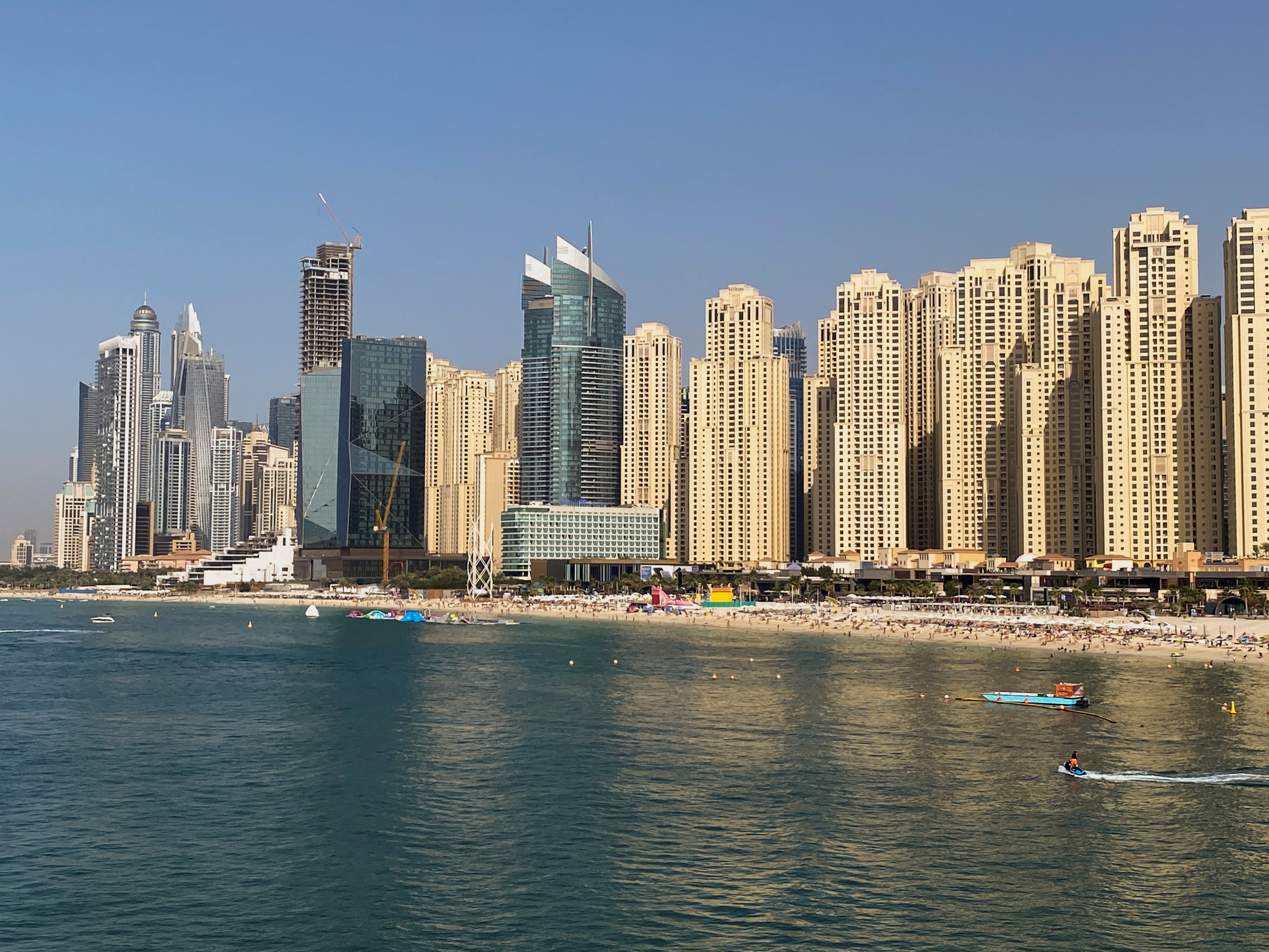
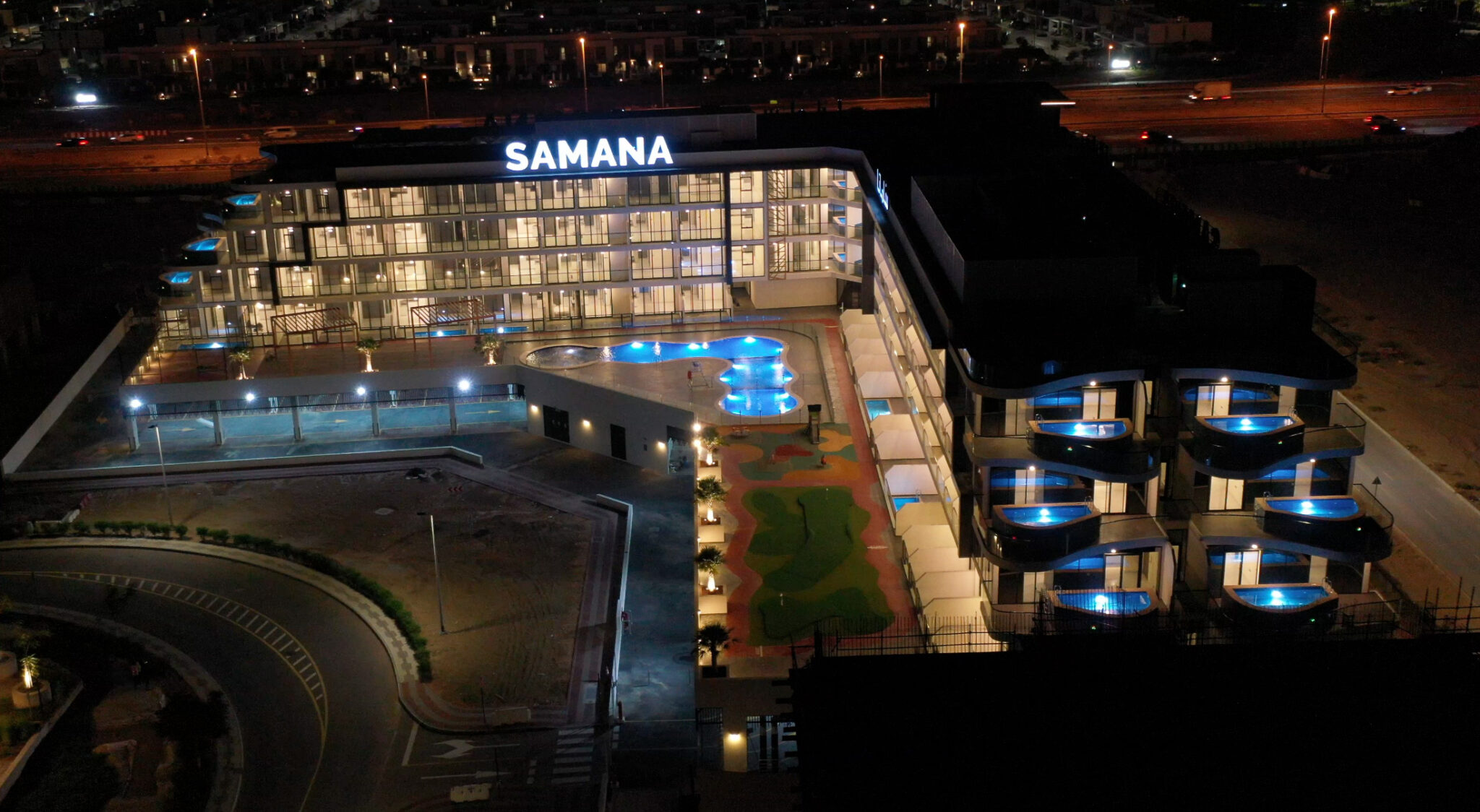
Samana Properties has achieved a significant milestone with its latest waterfront project in Dubai, which sold out within two hours of its launch. The project, named Samana Hills, has attracted substantial interest from both local and international investors, reflecting a strong appetite for premium real estate in Dubai’s competitive market.

Located in the heart of Dubai, Samana Hills promises an upscale living experience with modern amenities and stunning waterfront views. The development comprises luxury apartments designed to cater to high-net-worth individuals seeking exclusive properties in one of the world’s most sought-after real estate markets. The rapid sales pace highlights a trend of increasing demand for high-end residential properties in Dubai, driven by the city’s status as a global business hub and tourism hotspot.

The success of Samana Hills comes amidst a broader trend in Dubai’s real estate market, where luxury and waterfront properties have seen a surge in popularity. Analysts attribute this rise to Dubai’s robust economic recovery and the ongoing influx of expatriates and international investors. The city’s strategic location, coupled with its tax-free status and favorable business environment, continues to make it an attractive destination for property buyers.

Samana Properties, a notable player in the Dubai real estate sector, has capitalized on these trends by offering a project that aligns with current market demands. Their ability to sell out a development so quickly underscores the strong demand for well-located, high-quality properties. This also suggests a growing confidence among investors in the stability and profitability of Dubai’s real estate market.

The launch of Samana Hills is part of a broader strategy by Samana Properties to expand its portfolio in the luxury segment. The company’s focus on waterfront properties taps into a niche market where exclusivity and high value are key selling points. By offering a limited number of units with premium features, Samana Properties has successfully created a sense of urgency and exclusivity that resonates with high-end buyers.

Dubai’s real estate market has seen various phases of boom and adjustment over the past decades. However, the current phase appears to be characterized by sustained growth, particularly in the luxury segment. The demand for waterfront and high-end properties is driven by factors such as Dubai’s appealing lifestyle, the high standard of living, and the city’s continuing role as a global financial and tourism center.

The rapid sell-out of Samana Hills is also indicative of a broader trend where developers are increasingly targeting affluent buyers with exclusive offers. This approach not only meets the demand for luxury living but also positions developers to capitalize on the premium pricing of such properties. The high-speed sales performance is likely to encourage other developers to adopt similar strategies to tap into the lucrative luxury real estate market.

Ubuntu is set to unveil a significant enhancement in its security management with a new graphical user interface (GUI) tool designed to streamline and strengthen system protection. This upcoming tool aims to simplify access to security features, making it easier for users to monitor and manage their system’s security settings effectively. The proposed security center GUI tool will be integrated into the latest Ubuntu distributions, providing a […]

ERC-20 tokens are a vital component of the Ethereum blockchain, enabling the creation and management of digital assets within its ecosystem. These tokens adhere to a standardized set of rules that ensure their compatibility and functionality across various platforms and applications on Ethereum. At their core, ERC-20 tokens represent a standard interface for creating digital assets on the Ethereum blockchain. This standardized approach means that different tokens, […]

The surge of generative AI tools has dramatically transformed the landscape of scientific publishing, raising concerns about the integrity of research papers. As AI systems become increasingly sophisticated, the ability to produce convincing yet fabricated scientific content has grown, threatening the reliability of academic work. While AI technology promises to streamline research, the emerging risks of falsified papers are becoming a growing problem for the global scientific […]

Anthropic has introduced Claude Enterprise, a new subscription plan designed for businesses seeking enhanced administrative control and security in AI interactions. This offering aims to directly compete with OpenAI’s ChatGPT Enterprise, which has been in the market for approximately a year. The launch of Claude Enterprise marks a significant move by Anthropic to expand its presence in the enterprise AI sector, reflecting a strategic effort to match […]

Banks in the United Arab Emirates are increasingly poised to expand their lending activities, driven by a robust economic outlook and improving asset quality, according to the Central Bank of the UAE (CBUAE). This shift reflects growing confidence in the stability and potential of the financial sector, fostering a more dynamic lending environment. The CBUAE’s latest report highlights that the UAE’s economic stability has strengthened significantly, supporting […]

BingX, a prominent global cryptocurrency exchange, has unveiled its latest addition to the BingX Launchpool, featuring the Counter Fire (CEC) token. This initiative marks a significant step forward for blockchain-based gaming, as the token promises to introduce a new level of interaction within the gaming ecosystem. From September 3 to September 9, BingX users can stake their USDT or BTC to earn CEC tokens, providing them with […]

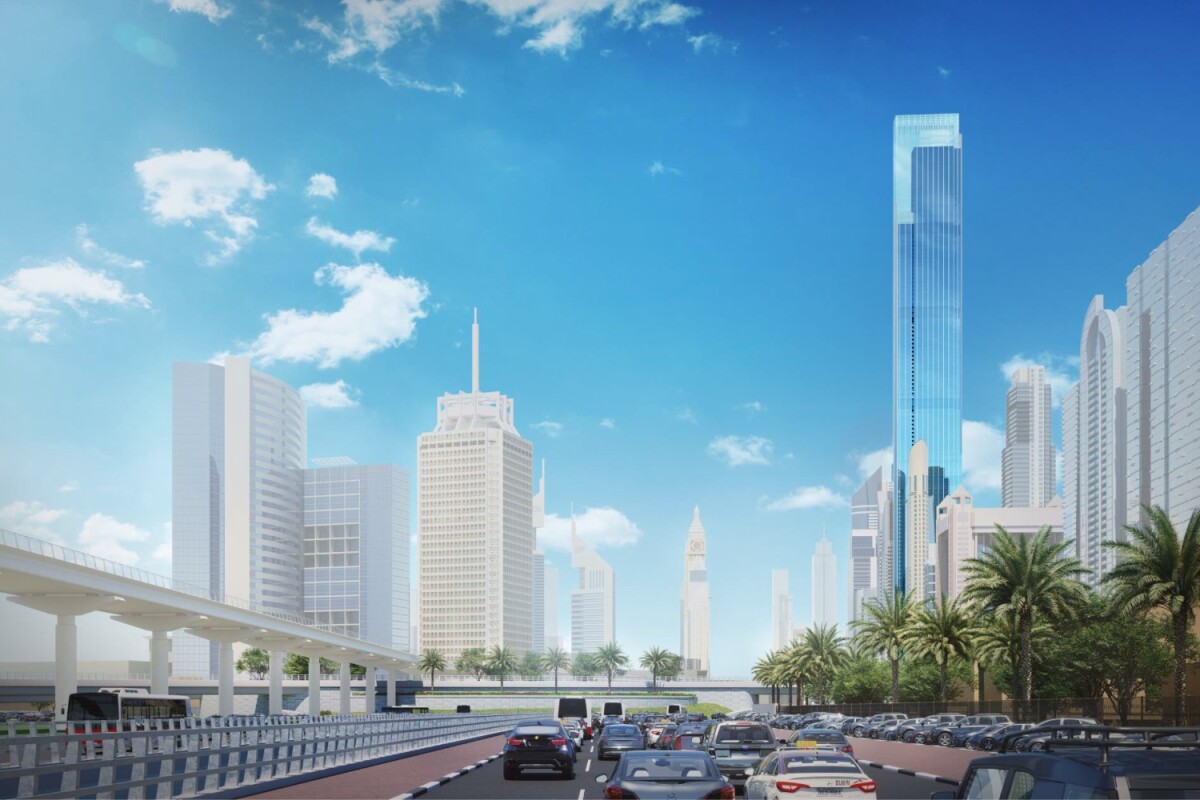
Dubai’s skyline is set to be transformed with the unveiling of Burj Azizi, a striking new landmark poised to become the world’s second-tallest tower. Azizi Developments, one of the UAE’s leading private developers, has announced that the tower will soar to an impressive height of 725 meters. This ambitious project underscores Dubai’s enduring commitment to architectural innovation and its role as a global hub for luxury real estate.

Located on Sheikh Zayed Road, Burj Azizi will not only be an architectural marvel but also the only freehold property on this prestigious thoroughfare. This unique aspect of the development is expected to attract significant interest from international investors and residents alike, offering a rare opportunity to own property in one of Dubai’s most sought-after locations.

The tower is designed to be much more than just a residential or commercial space. Azizi Developments has revealed plans for a vertical retail center that will span seven floors, providing a diverse range of shopping and dining experiences. In addition to this, the tower will feature a luxury ballroom and a beach club, catering to the city’s affluent residents and visitors. These amenities are intended to enhance the lifestyle offering of Burj Azizi, making it a destination in its own right.

Burj Azizi’s design is inspired by the rich cultural heritage of the UAE, incorporating elements that reflect the region’s history while also embracing contemporary architectural trends. The tower will be a symbol of Dubai’s forward-thinking vision, blending tradition with modernity to create a structure that is both iconic and functional.

The development is set to have a significant impact on the local real estate market. Analysts predict that the launch of Burj Azizi will drive up property values in the surrounding area, particularly given its status as the only freehold property on Sheikh Zayed Road. The project is also expected to boost Dubai’s tourism sector, attracting visitors from around the world who are eager to experience the city’s latest architectural wonder.

Azizi Developments has a strong track record of delivering high-quality projects, and Burj Azizi is no exception. The company is known for its attention to detail and commitment to excellence, qualities that are reflected in the design and execution of this project. The tower is set to become a benchmark for luxury living in Dubai, offering residents unparalleled views, world-class amenities, and a prime location in the heart of the city.

Construction of Burj Azizi is already underway, with completion expected within the next few years. The project is being developed in collaboration with some of the world’s leading architects and engineers, ensuring that it meets the highest standards of design and construction. Once completed, Burj Azizi will be a testament to Dubai’s ambition and its ability to realize even the most ambitious architectural visions.

The announcement of Burj Azizi has been met with enthusiasm from both the local and international real estate communities. Investors are particularly keen to secure a stake in the project, recognizing its potential to generate significant returns. The tower’s unique location, combined with its status as the world’s second-tallest building, makes it an attractive proposition for those looking to invest in Dubai’s burgeoning real estate market.

Azizi Developments has also emphasized the sustainability aspects of the project. The tower is being designed with energy efficiency in mind, incorporating the latest green technologies to minimize its environmental impact. This focus on sustainability is in line with Dubai’s broader efforts to promote environmentally responsible development and reduce the city’s carbon footprint.

An artificial intelligence model is transforming diabetic macular edema (DME) screening, offering significant potential for enhancing care in low-resource environments. Researchers have developed a technique focusing on privacy preservation, generalizability, and the ability to account for uncertainty, which are crucial in improving the accuracy and accessibility of DME screening.

Diabetic macular edema, a leading cause of vision impairment among diabetic patients, has been a significant challenge in many parts of the world, particularly in regions with limited healthcare resources. The AI-based screening model addresses these challenges by providing a scalable and cost-effective solution that can be deployed in areas where specialized medical professionals and advanced diagnostic tools are scarce.

This AI model is designed to detect diabetic macular edema through retinal images, analyzing them with high precision. By ensuring the model’s generalizability, the developers have made it adaptable to various populations, regardless of differences in demographics or healthcare infrastructure. This adaptability is critical for its application in diverse settings, from rural clinics to urban hospitals.

One of the key features of the model is its ability to preserve patient privacy. In the age of big data and increasing concerns about personal data security, the model employs techniques that minimize the risk of sensitive information being exposed. This approach not only aligns with ethical standards but also encourages the adoption of AI technologies in healthcare by addressing one of the major concerns of patients and providers alike.

Moreover, the model incorporates a provision for uncertainty, a crucial aspect that enhances the reliability of the screening process. By quantifying the level of confidence in its predictions, the AI system allows healthcare providers to make more informed decisions, potentially reducing the risk of false positives and negatives. This feature is particularly beneficial in low-resource settings, where the consequences of diagnostic errors can be more severe due to the lack of immediate access to secondary or confirmatory testing.

The innovative model has already shown promising results in clinical trials, where it has been able to match or even surpass the performance of human specialists in detecting DME. Its deployment could lead to earlier and more accurate diagnoses, enabling timely interventions that could prevent vision loss in many patients.

As the technology continues to evolve, experts suggest that future developments should focus on incorporating multimodal imaging inputs. This could include combining data from various imaging techniques, such as optical coherence tomography (OCT) and fundus photography, to provide a more comprehensive analysis of the retinal condition. Additionally, further enhancements could aim at detecting center-involved diabetic macular edema, a specific type of DME that is directly associated with severe vision loss.

The application of AI in diabetic macular edema screening marks a significant step forward in the fight against diabetes-related blindness, particularly in underserved regions. By leveraging advanced algorithms and ensuring the ethical use of patient data, this model could pave the way for more accessible and effective eye care globally.

VISHNU RAJA
RYO YAMADA
HITORI GOTOH
IKUYO KITA