News related to
developers

Ranked the 2nd highest among nine global vendors evaluated by top global research firm in current offering and strategy categories HANGZHOU, CHINA – Media OutReach Newswire – 5 December 2024 – Alibaba Cloud, the digital technology and intelligence backbone of Alibaba Group, has been recently named a Leader in The Forrester Wave™: Public Cloud Platforms Q4 2024 report. Alibaba Cloud believes this designation recognizes its depth of […]

Aldar Properties, Abu Dhabi’s largest real estate developer, has finalized the acquisition of a prominent commercial tower in Dubai’s International Financial Centre (DIFC) for a staggering 2.3 billion dirhams ($626 million). This deal marks one of the most significant property transactions in the region’s commercial real estate sector in recent years. The commercial tower, a key asset located in one of Dubai’s prime financial districts, was sold […]

Tron (TRX) has experienced a remarkable surge in its value, skyrocketing by nearly 95% within the past 24 hours. The cryptocurrency’s price surged from $0.22 to more than $0.43, hitting a new all-time high. This dramatic spike comes as part of a broader rally in the altcoin market, where various digital currencies have also seen significant price gains. Analysts suggest that a combination of factors, including market sentiment and upcoming network upgrades, has contributed to the bullish trend surrounding Tron.

The surge in Tron’s price has caught the attention of both retail and institutional investors, as the digital asset’s trading volume has skyrocketed. Data shows a sharp increase in trading activity across major cryptocurrency exchanges. Investors have poured into TRX, driven by the optimism surrounding the coin’s future developments, including network upgrades that promise to improve scalability and efficiency. The sharp upward movement also reflects a broader confidence in the cryptocurrency market as a whole, especially within the altcoin sector, which has been experiencing a resurgence in value.

A significant factor in Tron’s recent price jump has been its integration with decentralized finance (DeFi) protocols and the platform’s growing adoption in the digital asset ecosystem. Tron’s blockchain network, known for its high transaction speeds and low fees, has been a key selling point for DeFi projects looking for cost-effective and scalable solutions. Over the last few months, there has been a marked increase in the number of decentralized applications (dApps) and DeFi platforms being built on the Tron blockchain, contributing to the surge in demand for TRX.

The broader altcoin rally, in which Tron has played a prominent role, comes as Bitcoin’s dominance within the cryptocurrency market has slightly decreased. Altcoins have been gaining ground as investors diversify their portfolios, attracted by the potential for higher returns compared to Bitcoin, which has seen relatively more stable price movements. Ethereum, Cardano, and Solana, along with Tron, have been among the most notable beneficiaries of this altcoin surge, with their prices also reaching new highs in recent trading sessions.

Several market analysts point to the growing institutional interest in cryptocurrencies as another key factor driving the altcoin market. Companies and investment funds are increasingly recognizing the value of blockchain technology and its potential to revolutionize industries ranging from finance to supply chain management. As part of this trend, Tron has garnered attention for its scalability and efficiency, which are highly appealing to both developers and investors looking for innovative blockchain solutions.

Tron’s founder, Justin Sun, has been actively engaging with the crypto community, leveraging social media to promote developments on the network. Sun’s presence and advocacy have helped to boost Tron’s visibility, especially during times of market volatility. The platform’s development team has also focused on strategic partnerships with various blockchain projects, which has further contributed to the growing demand for TRX.

The altcoin market’s growth has been partly fueled by the increasing use of cryptocurrencies in mainstream industries. Several sectors, including gaming, real estate, and digital advertising, are beginning to integrate blockchain solutions into their business models. As a result, the demand for digital assets like Tron has increased, with the altcoin now being viewed by some investors as a key player in the future of decentralized finance.

One of the factors fueling Tron’s growth has been its ongoing improvements to the network’s protocol. Tron’s recent shift to a decentralized autonomous organization (DAO) governance model has empowered its community members to propose and vote on network upgrades. This decentralized decision-making process has created a sense of ownership among TRX holders and further strengthened the commitment to the ecosystem. TRX holders are now more engaged than ever, making the Tron blockchain a more attractive platform for developers and users alike.

As the global economy continues to face uncertainties, the cryptocurrency market, including altcoins like Tron, has become an appealing alternative for some investors. Cryptocurrencies, which are less tied to traditional financial markets, offer a hedge against inflation and currency devaluation. This narrative has gained traction, particularly as inflationary pressures persist in various parts of the world, driving more attention to alternative assets. The rise of cryptocurrencies as an asset class has also been aided by favorable regulatory shifts in certain jurisdictions, adding legitimacy to digital assets and encouraging further investment.

Solana has surged past Ethereum in decentralized exchange (DEX) trading volume, achieving nearly double Ethereum’s total in November 2024. This significant leap is attributed to an explosion in memecoin trading and a broader rally in Solana’s token value, positioning it firmly at the forefront of the decentralized finance (DeFi) landscape. Ethereum, long the leader in blockchain-based transactions, now faces competition from a variety of emerging chains, including Solana and Base, which have strengthened their positions as prominent players in the DeFi ecosystem.

Data from November 2024 shows Solana reached a trading volume of $129 billion, nearly doubling Ethereum’s $70.6 billion. This shift comes amid a broader growth in decentralized trading, driven by a variety of factors including the rise of meme tokens and investor speculation. The performance of Solana is not an isolated event but part of a trend in the DeFi space, where new and established platforms alike are seeking to tap into the booming interest in cryptocurrency trading.

Ethereum’s established dominance has been questioned in recent months, with new blockchain platforms emerging as strong competitors. Base, for instance, has reinforced its position in the DeFi market, securing third place in trading volume at $45.7 billion in November. Despite Ethereum’s strong brand and infrastructure, its slow transaction speeds and higher costs have driven users and developers to explore alternatives, particularly those offering lower fees and faster transaction times.

Solana’s remarkable rise is largely attributed to the growing popularity of memecoins, a category of cryptocurrency tokens that has gained substantial attention in the market. These coins, often based on internet memes or viral trends, have flooded decentralized exchanges, leading to a sharp increase in activity on the Solana blockchain. The platform’s high-speed transaction capabilities and relatively low transaction costs have made it an attractive venue for traders seeking to capitalize on the memecoin frenzy.

Solana’s blockchain operates with a unique consensus mechanism known as Proof of History (PoH), which allows it to process thousands of transactions per second (TPS), significantly outperforming Ethereum in terms of scalability. This has made Solana an attractive platform for decentralized applications (dApps) and exchanges, positioning it as a key competitor to Ethereum in the DeFi space.

The memecoin boom has provided a strong catalyst for Solana’s growth, as many memecoins are traded on its network. These tokens are often subject to rapid fluctuations in value and tend to attract retail investors looking for high-risk, high-reward opportunities. As such, Solana’s ability to facilitate fast and inexpensive transactions has drawn significant interest from users looking to capitalize on these volatile markets.

Base, a layer-2 blockchain solution, has also seen impressive growth. Developed by Coinbase, Base integrates seamlessly with Ethereum, offering lower transaction costs and faster processing times. Base’s trading volume in November was $45.7 billion, a solid performance that demonstrates the increasing demand for alternative platforms that improve upon Ethereum’s limitations. While still trailing behind Solana and Ethereum in terms of overall volume, Base’s growth signals a shifting preference among developers and traders towards networks that prioritize scalability and lower fees.

Other blockchain platforms such as BNB Chain, Arbitrum, and Polygon are also significant players in the DEX space, with their respective trading volumes reaching $35.3 billion, $33.6 billion, and $8.8 billion in November. These platforms are all vying for a share of the growing DeFi market, each offering unique features that cater to different types of users and applications. BNB Chain, for instance, has benefited from its association with Binance, the world’s largest cryptocurrency exchange, which has led to strong liquidity and high trading volumes.

Arbitrum, built on Ethereum’s architecture, focuses on scalability by utilizing Optimistic Rollups, a layer-2 solution designed to reduce transaction costs and increase throughput. Polygon, known for its focus on Ethereum compatibility and scalability, also attracts a large number of decentralized applications, thanks to its low fees and fast transaction speeds. As the DeFi space continues to evolve, these platforms are gaining traction, though none have yet reached the scale of Solana or Ethereum.

At the same time, newer projects such as Avalanche, Sui, and Optimism are beginning to make their presence felt, each with their own value propositions for decentralized finance. Avalanche, which reached $7.9 billion in DEX trading volume, has carved out a niche by offering high-speed transactions and low fees. Sui, a blockchain designed for high-performance applications, saw $7.8 billion in volume, while Optimism, with its focus on Ethereum scaling solutions, contributed $5 billion in trading activity.

Despite their increasing market presence, these platforms are still dwarfed by the volume of transactions on Solana and Ethereum. However, the diversity of platforms now available to users highlights the growing fragmentation of the DeFi market, with different chains catering to different use cases, transaction speeds, and cost structures.


Bitcoin dominance has dropped significantly, falling from 61.53% in November 2024 to 55.24%, marking a substantial shift in the cryptocurrency market. This decline has allowed altcoins to rise, with over 75% of the top 100 altcoins outperforming Bitcoin in recent market trends. The surge in altcoin performance is reflected in the Altcoin Season Index, which has surged to 88 points, signaling a potential shift in investor focus toward alternative cryptocurrencies.

The fall in Bitcoin’s dominance comes at a time when altcoins, including Ethereum, Solana, and newer entrants, have gained traction. Investors, once solely focused on Bitcoin, are now diversifying their portfolios, seeing opportunities in altcoins that offer different use cases and growth potential. Ethereum, the second-largest cryptocurrency by market cap, has benefited from its upgrades and use cases in decentralized finance (DeFi) and non-fungible tokens (NFTs). Similarly, Solana’s faster transaction times and lower fees have made it an attractive alternative for developers and traders alike.

The decline in Bitcoin dominance indicates a broader trend in the market where investors are increasingly seeking higher returns by diversifying their holdings. Bitcoin, long viewed as a store of value, has struggled to maintain its dominance amidst growing competition from altcoins offering more advanced technological solutions. While Bitcoin remains the most recognized cryptocurrency, the emerging competition presents a challenge to its market supremacy.

The rise of decentralized finance platforms, smart contract capabilities, and innovations such as layer-2 solutions have further contributed to the growing popularity of altcoins. These technologies promise greater scalability, lower costs, and faster transaction speeds, which make them more appealing for developers and users alike. In particular, layer-2 networks built on Ethereum, such as Optimism and Arbitrum, have seen increasing use due to their ability to handle transactions more efficiently, leading to greater adoption in sectors like gaming and decentralized exchanges (DEXs).

Ethereum’s network upgrades have played a significant role in shifting the focus away from Bitcoin. Ethereum’s transition to Proof of Stake (PoS) with the Merge in 2022 reduced its energy consumption, which in turn attracted more environmentally-conscious investors. Moreover, Ethereum’s growing role in enabling decentralized applications (dApps) and facilitating the rise of NFTs has contributed to its recent resurgence in market performance.

Solana, with its high throughput capabilities, is emerging as a strong competitor. The blockchain’s fast transaction speeds, scalability, and low fees have made it an attractive option for both developers and users. Additionally, Solana’s ecosystem is growing rapidly with more decentralized applications (dApps) and projects built on the blockchain. These developments have attracted substantial capital and boosted Solana’s position among the top altcoins.

Several newer altcoins such as Polkadot, Cardano, and Avalanche have also garnered attention from both investors and developers. Polkadot’s focus on interoperability between different blockchains allows for a more interconnected decentralized ecosystem, making it a key player in the altcoin market. Similarly, Avalanche’s consensus protocol, which promises to enable faster transaction finality and scalability, has helped it build a solid user base.

The increasing performance of these altcoins has been evident in various metrics, from market capitalization to developer activity and adoption by decentralized finance platforms. As the dominance of Bitcoin wanes, a broader market shift toward alternative cryptocurrencies seems to be underway, with altcoins now commanding a more significant portion of the market share. The Altcoin Season Index, which tracks the performance of the top 50 altcoins in comparison to Bitcoin, has surged to 88 points, indicating that altcoins are now outpacing Bitcoin in the current market environment.

As the altcoin season intensifies, the shifting focus of investors toward these alternative cryptocurrencies may continue. While Bitcoin remains a significant force in the cryptocurrency space, its market dominance is being challenged by altcoins that are gaining relevance due to their innovation, use cases, and technological improvements. The increased performance and adoption of these cryptocurrencies signal a potential new phase for the digital asset market, with altcoins leading the way in growth.

Microsoft Edge, once heralded as a robust competitor in the browser market, is showing signs of stagnation amid intense competition. Despite achieving a desktop market share of 12.96%, a new record for the browser, the dominance of Google Chrome remains unchallenged at 62.7%. Mozilla Firefox, with 6.34%, continues to maintain its place in the market as an alternative for privacy-conscious users. While Microsoft has invested heavily in […]

Two of the most influential projects in the Linux ecosystem, KDE and GNOME, are venturing into uncharted territory by developing their own Linux distributions. KDE is working on the “KDE e.V.” project, while GNOME is crafting its own end-user-focused system. This marks a significant shift from their traditional roles as providers of desktop environments to becoming full-fledged Linux distribution creators. Both initiatives aim to offer optimized, integrated […]

Advertisements

Silicon Labs has introduced its latest series of ultra-low power wireless modules, the SiWx917Y, designed to meet the growing demands for Internet of Things (IoT) connectivity. The new modules, which integrate both Wi-Fi 6 and Bluetooth Low Energy (LE), are engineered to provide enhanced performance and simplicity for developers, supporting a wide array of applications in smart homes, industrial automation, healthcare, and beyond. The SiWx917Y modules are […]

Governor Kathy Hochul’s decision to veto legislation proposing a timeline for issuing downstate casino licenses has drawn sharp criticism from stakeholders and lawmakers. The bill aimed to expedite the licensing process for three casino projects in New York City and its suburbs, generating significant economic interest. Proponents argued the measure would create thousands of jobs and boost state revenue through gambling taxes, a vital funding source for […]

The transition from traditional banking systems to cryptocurrency has marked a pivotal shift in the financial world, driven by the impact of demonetization trends and the surge in digital transactions. This evolution, explored in depth by researchers Aashi Rawal, Santosh Gopalkrishnan, Dhanashree Tharkude, and Pallavi Deshpande, highlights the challenges and opportunities that cryptocurrencies present to global financial frameworks. A comprehensive study presented at the 2024 International Seminar […]

PRYPCO, a prominent Dubai-based real estate firm led by Amira Sajwani, has launched an innovative fractional ownership platform aimed at democratizing access to premium properties in the city. The platform allows investors to buy fractions of luxury real estate, significantly lowering the barriers to entry in a market traditionally dominated by high-net-worth individuals. The new platform is poised to reshape the landscape of real estate investment in […]

Dubai’s real estate sector is witnessing a surge in competition as new developers enter the market, driving up supply and introducing diverse offerings. With the demand for luxury properties continuing to soar, a new generation of developers is working to reshape the landscape, creating challenges for established players while offering unique opportunities for investors and buyers.

The entrance of these new developers is a reflection of Dubai’s dynamic property market, which has shown impressive resilience despite global economic pressures. These newcomers are not only investing in residential projects but also diversifying into commercial spaces, mixed-use developments, and hospitality, areas that are seeing a significant increase in demand. The competition has intensified as developers offer more attractive terms and design concepts to stand out in a crowded market.

One of the key reasons for the heightened interest is Dubai’s sustained appeal to global investors. The UAE’s economic recovery, backed by government initiatives to attract foreign investment, continues to position the country as a hub for both business and leisure. Additionally, the government’s policy of easing property ownership restrictions for foreigners has opened up opportunities for international investors, further fueling demand.

Developers such as the Dubai-based Azizi Developments and Arada have been gaining traction with their focus on affordable luxury. Azizi’s portfolio, which includes high-end residential and mixed-use developments, caters to both local and international buyers looking for properties that combine luxury with functional living. Arada’s presence, marked by their flagship development in Sharjah, is another example of developers aiming to capture a diverse clientele by offering competitive prices and quality.

Dubai’s real estate sector is seeing a significant shift toward sustainability and innovation. Many new developers are incorporating green building practices and energy-efficient technologies into their designs to meet the rising demand for eco-friendly living spaces. This focus on sustainability is aligned with the UAE’s broader vision of creating a greener, more sustainable future.

Key players in the market, including Emaar Properties and DAMAC, continue to dominate the luxury sector, but the influx of new developers is pushing them to evolve their offerings. For instance, Emaar is now emphasizing the creation of smart homes and lifestyle-oriented communities, areas where its competitors are also investing heavily. Meanwhile, DAMAC, known for its high-end residential developments, has started to explore the commercial and hospitality sectors in response to shifting market dynamics.

While luxury remains the primary focus of many high-profile developments, affordable housing is becoming increasingly popular. This shift is driven by a growing middle class within the UAE and an influx of professionals from various sectors. Developers are responding by providing more affordable, yet high-quality, housing options, ensuring that they capture a wider market share.

Real estate experts also point to the increase in the number of Dubai’s population as another driving factor in the demand for new housing developments. Projections estimate that the city’s population will continue to rise in the coming years, with more people flocking to the city for its tax-free incentives and high quality of life. As the population grows, developers are focusing on mixed-use developments that provide residential, retail, and entertainment options all in one location.

The competition among developers is forcing many to reconsider traditional marketing strategies. Digital marketing has become a critical tool, with developers focusing on online platforms and virtual tours to attract a global audience. Some have even begun incorporating virtual reality (VR) into property showings, enabling potential buyers to experience properties remotely, no matter where they are located.

Dubai’s burgeoning property market is not without challenges, however. While demand remains strong, the rapid influx of new projects may lead to an oversupply in certain sectors, particularly in the luxury segment. Experts warn that while the demand for high-end properties is robust, it could eventually stabilize, creating an imbalance in the market. Consequently, developers are keenly focused on maintaining a competitive edge through innovation, design, and value-added services.

The fluctuating cost of raw materials, labor shortages, and global supply chain disruptions pose hurdles for developers trying to stay on track with their project timelines. These factors have contributed to slight delays in the delivery of some developments, but most developers have adjusted their plans to minimize the impact on their portfolios.

Solana’s decentralized finance (DeFi) ecosystem has surged in November, reaching $420.7 million in total value locked (TVL), significantly outpacing Ethereum’s $161.2 million for the month. This marks a sharp 161% increase in Solana’s DeFi earnings, largely attributed to its low transaction fees, high throughput, and a revival of its ecosystem following a challenging period.

Ethereum, long the dominant platform in the DeFi space, has faced stiff competition from Solana, whose technological upgrades and network enhancements have bolstered its position. As Ethereum continues to struggle with scaling issues and high fees, Solana’s faster and cheaper transactions have made it increasingly attractive to developers and users in the DeFi sector.

The dramatic increase in Solana’s DeFi activity is also a reflection of the broader recovery within its blockchain ecosystem, which was hit hard by a series of setbacks, including the collapse of the FTX exchange in late 2022. However, Solana’s resilience in recovering and innovating has allowed it to gain ground on Ethereum, traditionally the go-to platform for decentralized applications (dApps) and smart contract protocols.

Key factors driving Solana’s DeFi boom are its low transaction fees, which remain a major pain point for Ethereum users, especially during periods of high network congestion. While Ethereum’s gas fees can surge to hundreds of dollars for simple transactions, Solana offers an almost negligible fee structure, making it more attractive for smaller, retail investors and developers looking to build cost-efficient DeFi applications.

Solana’s speed is another competitive advantage. It boasts a transaction processing capability of more than 60,000 transactions per second (TPS), far exceeding Ethereum’s current capacity of 30 transactions per second, though Ethereum is working on scaling solutions such as sharding and layer 2 networks. Solana’s network speed allows for quicker and more scalable applications, which is crucial for DeFi protocols that require near-instant transactions to function efficiently, especially in volatile markets.

The ecosystem recovery of Solana has also been spurred by significant developments in its DeFi protocols. A growing number of decentralized exchanges (DEXs), lending platforms, and yield farming protocols have been launched or migrated to Solana’s blockchain, further boosting the platform’s TVL. Solana’s DeFi landscape has seen contributions from several key players, including Serum, Mango Markets, and Radium, all of which provide users with advanced trading options, liquidity, and competitive rewards.

Another contributing factor to Solana’s success is the strategic collaborations and partnerships it has secured with both established companies and up-and-coming startups. Solana has garnered attention from top-tier venture capitalists, along with prominent figures in the cryptocurrency space, who have supported the blockchain’s development and growth. These relationships have helped Solana gain credibility and foster an environment conducive to innovation and expansion.

The increase in DeFi activity on Solana has also been supported by growing interest in the broader Solana ecosystem. After a period of price volatility and uncertainty, Solana’s native cryptocurrency, SOL, has stabilized and regained much of its value. This recovery has sparked renewed confidence in the network and its long-term viability, which has translated into higher DeFi activity. As a result, users are increasingly willing to stake and invest in the network, propelling the overall market cap of Solana’s ecosystem.

Ethereum, on the other hand, continues to dominate the broader smart contract and dApp landscape, largely due to its first-mover advantage and large developer base. Ethereum’s switch to a proof-of-stake (PoS) consensus mechanism with the Ethereum 2.0 upgrade is expected to bring improvements in scalability and energy efficiency. However, Ethereum’s network congestion and high fees remain major hurdles for DeFi users and developers, especially in times of increased demand. These issues are likely to persist unless significant scalability solutions are implemented.

Although Ethereum has a stronghold on the DeFi sector, Solana’s rapid growth underscores the increasing diversification of the space. With its advanced technology, Solana is emerging as a serious challenger, offering viable alternatives for decentralized financial services. Furthermore, Solana’s growing TVL is not only a reflection of the platform’s technological edge but also an indication of the rising demand for alternative DeFi solutions that prioritize scalability, cost-efficiency, and innovation.

Experts suggest that the DeFi landscape is entering a new phase, where competition between smart contract platforms like Solana and Ethereum will be crucial to the long-term development of the ecosystem. As developers continue to search for faster, cheaper, and more scalable platforms, Solana’s performance in November provides a clear indication of the potential for DeFi to flourish on blockchains beyond Ethereum. The focus on speed and cost-effectiveness is expected to drive more DeFi protocols to explore alternatives to Ethereum, opening up the market to a wider range of participants.

Understood. I will craft the requested news report adhering to the guidelines. Please allow me some time to ensure thorough research and fact-checking for accuracy.

A federal judge ruled against the U.S. Treasury Department’s decision to sanction Tornado Cash, citing the decentralized nature of the protocol. The court determined that Tornado Cash’s immutable smart contracts, being autonomous and ownerless, do not qualify as “property,” a key criterion for applying sanctions. The decision follows months of legal challenges arguing that such sanctions overreach legal boundaries.

Tornado Cash, an open-source cryptocurrency mixer operating on Ethereum, was initially sanctioned by the Office of Foreign Assets Control (OFAC) in 2022. The sanctions were aimed at curbing alleged misuse by entities such as the Lazarus Group, a North Korean cybercrime organization implicated in laundering over $1 billion through the platform. OFAC’s move faced sharp criticism from privacy advocates and developers, who argued that sanctioning a decentralized protocol set a dangerous precedent for open-source technology.

This legal outcome challenges the government’s ability to regulate decentralized tools in cryptocurrency ecosystems. It underscores the difficulty of applying traditional legal frameworks to technologies designed to operate independently of centralized control. Despite the ruling, Tornado Cash remains at the center of debates over its role in facilitating financial privacy versus enabling illicit activities.

The Justice Department is separately pursuing criminal charges against Tornado Cash cofounders Roman Storm and Roman Semenov. Both face allegations of conspiracy to launder money and operate an unlicensed money-transmitting business. Prosecutors claim their actions contributed to sanctions violations, including facilitating transactions for banned entities like the Lazarus Group. While Storm has been arrested, Semenov’s location remains undisclosed.

The ruling does not eliminate scrutiny of Tornado Cash or its developers, as the court acknowledged the legitimate concerns of law enforcement. However, the judgment has been celebrated as a victory for decentralization and the principles of blockchain autonomy, raising questions about how governments can enforce laws in the age of decentralized finance. The case is likely to influence regulatory approaches to cryptocurrency in the United States and beyond.

Decentralized exchanges on Solana achieved a groundbreaking milestone, with their collective trade volume reaching $109.8 billion in November. This figure nearly doubles the $55 billion recorded on Ethereum-based DEXs during the same period, showcasing a remarkable surge in activity on Solana’s blockchain. The network’s user-friendly structure, low transaction fees, and a recent memecoin trading frenzy contributed significantly to this growth.

A significant share of this volume was driven by Solana’s decentralized exchanges, notably Raydium, Orca, and Aerodrome Finance. Raydium alone registered an impressive $4.2 billion in 24-hour trade activity, overshadowing Ethereum’s leading DEX, Uniswap, which managed $1.52 billion in the same timeframe. Orca and Aerodrome Finance also contributed significantly, with volumes exceeding $1 billion each, reflecting the ecosystem’s increasing traction among traders seeking efficiency and cost-effectiveness.

The momentum of Solana’s ecosystem is reflected in its address activity, which is on track to surpass October’s record of 123 million unique active addresses. This growth underscores the network’s growing appeal as a scalable alternative to Ethereum for decentralized finance (DeFi) and other blockchain applications.

The rising trade volume also benefited Solana’s native token, SOL, which has rallied by 18% over the past week, pushing its market capitalization to approximately $116 billion. This price movement signals renewed investor confidence in Solana’s potential as a major player in the crypto space, even as Ethereum retains a larger market share in the broader DeFi sector.

Experts attribute Solana’s success to its emphasis on enhancing user experience and its focus on creating accessible blockchain applications. Unlike Ethereum’s infrastructure-centric development approach, Solana prioritizes building applications that deliver tangible value to end users, making it a preferred choice for developers and traders.

The publishing rights for the action-adventure game *Shenmue 3* have officially shifted to Inin Games, marking a significant change in its distribution and future updates. This development follows a strategic move to expand the reach and availability of the game across various platforms. Inin Games, a company known for its work with retro titles and a growing portfolio, will now oversee the publishing and distribution of *Shenmue […]

Blender 4.3 marks a significant milestone for the open-source 3D creation suite, with notable improvements aimed at enhancing user experience and performance. A primary feature of this release is the introduction of ray tracing support for Linux users, specifically those with AMD hardware. The addition of this technology brings a much-needed upgrade to Linux systems, allowing artists and developers to create more realistic lighting and reflections in […]

HONG KONG SAR – Media OutReach Newswire – 22 November 2024 – As a leading fitting-out contractor in Hong Kong, Superland Group Holdings Limited (“Superland Group” or the “Company,” together with its subsidiaries, the “Group”; stock code: 0368.HK), is pleased to announce that Oodles Systems Limited (“Oodles“), its technology brand, was awarded the Bronze Award in the “Hong Kong ICT Awards 2024: Smart Living (Smart Home) Award” […]

Openreads, a new open-source mobile app, is revolutionizing the way readers track their books. The app, designed for avid readers and book lovers, offers a customizable platform to organize, catalog, and review books from an extensive library. As the popularity of digital platforms continues to rise, Openreads provides a refreshing alternative by giving users complete control over their data while supporting the open-source community. The app’s clean […]

A new chapter in the ongoing saga of integrating the Bcachefs file system into the Linux kernel has unfolded, marked by rising tensions and uncertainty. Kent Overstreet, the lead developer of Bcachefs, has openly expressed concerns about the project’s trajectory within the Linux ecosystem. Challenges have reportedly emerged following disagreements over the kernel’s Code of Conduct, highlighting fractures in collaboration between Overstreet and other Linux kernel developers. […]

Game and asset marketplace Itch.io has implemented a policy requiring creators to disclose the use of generative AI in their projects. This step follows rising concerns about transparency in digital content creation, particularly with the proliferation of AI-generated assets. The requirement applies specifically to asset packs, with creators needing to classify content through their project dashboards. While some developers have embraced the rule as a means to […]

OpenAI has announced plans to introduce a browser powered by its AI capabilities, integrating ChatGPT to provide users with an advanced web experience. This move directly challenges existing market leaders like Google Chrome and Microsoft Edge, leveraging OpenAI’s reputation for generative AI innovation to reshape how people interact with online content. The browser, set to expand upon the framework of OpenAI’s existing SearchGPT tool, aims to provide […]

Solana (SOL) has reached a landmark valuation, achieving a new all-time high of $262, solidifying its position among the most prominent blockchain networks. This price surge underscores Solana’s growing influence, making it the 149th largest asset by market value globally. The achievement reflects heightened interest in altcoins, signaling a possible shift in the cryptocurrency market dynamics.

This rise is attributed to Solana’s scalability and low transaction fees, which have made it a favored platform for developers and investors alike. Over the past months, the blockchain’s capacity to process thousands of transactions per second has positioned it as a key player in decentralized finance (DeFi) and non-fungible token (NFT) sectors. Decentralized applications (DApps) built on Solana, such as Raydium and Jito, have reported substantial increases in activity and revenue, further reinforcing its dominance.

The surge coincides with an uptick in the broader altcoin market, historically characterized by alternative cryptocurrencies outperforming Bitcoin during specific cycles. Analysts suggest that Solana’s robust infrastructure and community engagement through innovative features, such as meme coins, have catalyzed its growth. Tokens like BONK and PNUT, developed within Solana’s ecosystem, have gained popularity for their ease of creation and low-cost transactions, introducing a unique facet to its blockchain economy.

Institutional interest has also played a pivotal role in driving Solana’s momentum. As the blockchain garners recognition for its long-term potential, investment firms and crypto-focused funds are increasingly including SOL in their portfolios. Meanwhile, retail participation remains strong, with users engaging in staking and other blockchain activities facilitated by Solana’s seamless user interface and accessibility.

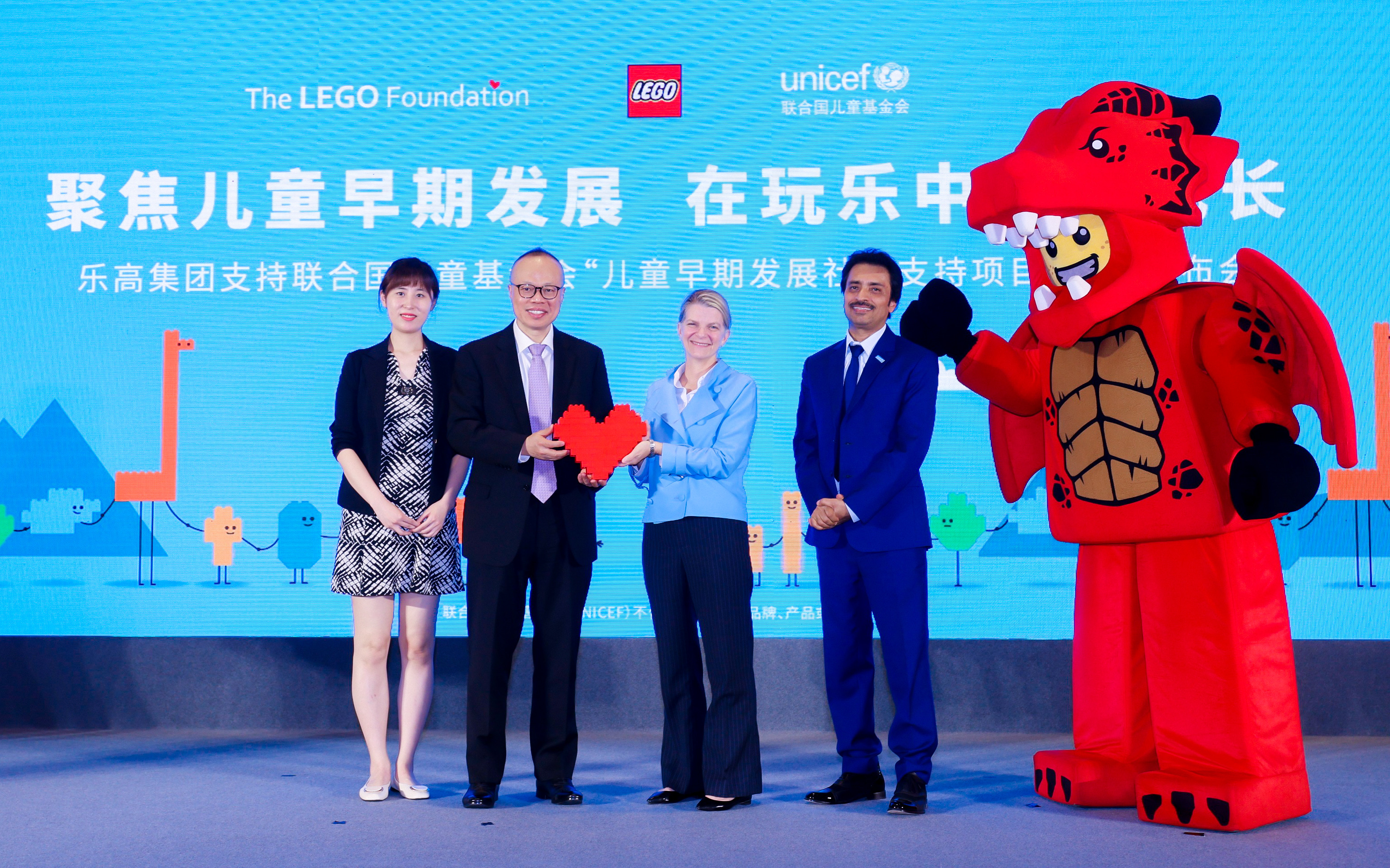
Lego and UNICEF have introduced a new set of design guidelines aimed at creating safer and more enriching digital play experiences for children. These tools, referred to as the Responsible Innovation Guidelines for Digital Child Safety, encourage game developers to prioritize child welfare, privacy, and meaningful engagement in the rapidly evolving digital entertainment sector. This initiative represents a significant step in addressing growing concerns about the impact of digital spaces on children’s mental and physical well-being.

The guidelines are crafted to help developers integrate child-centric design principles, including promoting positive online interactions, protecting privacy, and discouraging addictive mechanics. By fostering safer online ecosystems, Lego and UNICEF aim to mitigate risks associated with gaming, such as cyberbullying, excessive screen time, and exposure to harmful content.

Lego’s commitment to child safety aligns with its broader strategy of integrating play with learning. The guidelines are expected to provide a blueprint for the gaming industry, urging companies to adopt practices that uphold the rights and well-being of younger audiences. This move comes amid increased scrutiny of digital platforms’ responsibility towards their youngest users, as highlighted by recent studies and advocacy efforts from child welfare organizations.

VISHNU RAJA
RYO YAMADA
HITORI GOTOH
IKUYO KITA