News related to
developers

Render, a fast-emerging cloud application platform serving over two million developers, has secured $80 million in Series C funding. This capital injection is expected to fuel the company’s ambitions to expand its global footprint and redefine the rapidly evolving cloud computing landscape. The investment was led by Geodesic Capital, with participation from existing investors including Coatue and SignalFire. Cloud computing continues to play a critical role in […]

Managing personal finances effectively is crucial in today’s dynamic economic environment. For Android users seeking a reliable and privacy-focused solution, “My Expenses” emerges as a commendable open-source application designed to streamline financial tracking and management. Overview of My Expenses Developed using Kotlin and Java, “My Expenses” offers a straightforward interface that enables users to monitor their income, expenses, savings, and investments. The app emphasizes user privacy and […]

A new open-source application, Text Pieces, has emerged as a game-changer for developers seeking efficient text transformation tools. Built with Rust, this application offers a robust and high-performance solution tailored to the needs of developers. Text Pieces provides a comprehensive suite of features designed to streamline text manipulation tasks. Its intuitive interface allows developers to perform complex text transformations with ease, enhancing productivity and reducing the time […]

Microsoft has introduced a new open-source database solution, DocumentDB, designed to challenge Amazon Web Services’ widely used database offerings. This new release aims to offer developers greater flexibility and enhanced features, all while embracing the open-source community’s commitment to transparency and collaboration. DocumentDB stands as a strategic response to AWS’s dominance in cloud-based database services, positioning Microsoft to carve out a significant share of the growing market […]

The Electronic Frontier Foundation has called for the dismissal of charges against Roman Storm, a key figure involved in the creation of the Tornado Cash cryptocurrency mixer. The EFF, a prominent digital rights advocacy group, argues that the prosecution of Storm and the broader case surrounding Tornado Cash represents a dangerous overreach of U.S. criminal law, extending far beyond its intended scope.

Tornado Cash, a decentralized, privacy-enhancing tool built on the Ethereum blockchain, has been a controversial figure in the growing debate over privacy and regulation in the cryptocurrency world. The platform allowed users to obscure the origin and destination of transactions, which made it popular for those seeking anonymity in their financial dealings. However, this anonymity has also made it a target for governments and regulators, who have voiced concerns about its potential use in illegal activities such as money laundering and terrorist financing.

In August 2022, the U.S. Treasury Department’s Office of Foreign Assets Control sanctioned Tornado Cash, effectively blacklisting the platform by prohibiting U.S. persons from interacting with it. This move was grounded in allegations that Tornado Cash had been used to launder over $7 billion, including proceeds from North Korean cyberattacks. Despite its focus on criminal activity, Tornado Cash’s developers, including Storm, have maintained that their platform was designed for privacy and had legitimate uses.

The legal battle escalated when Storm was arrested in the summer of 2023, charged with conspiracy to violate U.S. sanctions and facilitating the laundering of criminal proceeds. The prosecution has sparked widespread controversy in the crypto and privacy communities, with critics asserting that the case threatens to set a dangerous precedent for the broader tech and blockchain industries. The EFF’s involvement has underscored the growing concern about privacy rights and the reach of U.S. government actions over global technologies.

EFF’s stance in the case is rooted in its belief that the prosecution of Tornado Cash developers, and specifically Storm, ignores the fundamental principles of free speech and software development. The organization contends that creating open-source software, like Tornado Cash, is akin to publishing code that can be used for a variety of purposes, both legal and illegal. EFF’s legal experts argue that prosecuting developers for the potential misuse of their software would set a precedent where coders could be held liable for the actions of users, a stance they believe undermines the principles of free speech and innovation.

EFF also claims that the prosecution of Roman Storm stretches the scope of U.S. criminal laws beyond their original intent, potentially criminalizing activity that was not meant to be illegal. They point to the vagueness in the charges, asserting that the government has not demonstrated sufficient evidence to link the Tornado Cash protocol itself to any specific criminal activity. The EFF’s position is that the mere existence of a technology that can be used for illegal purposes should not result in criminal charges for its creators, especially when it is otherwise designed for legitimate use cases such as privacy protection.

The Tornado Cash case also highlights the broader tension between privacy and regulation in the digital age. Supporters of the platform argue that privacy-enhancing technologies are vital in an increasingly digital world, where financial transactions and personal data are increasingly vulnerable to surveillance. They emphasize that privacy is a fundamental right that should not be compromised, even in the face of potential misuse by criminals.

On the other hand, the U.S. government’s stance reflects growing concerns over the use of cryptocurrencies in illegal activities. The government has expressed its intent to regulate the cryptocurrency space more tightly, citing national security risks and the need to prevent financial crimes. The sanctions on Tornado Cash were seen as part of this broader effort to curb illicit activity in the crypto ecosystem. However, critics argue that such measures may inadvertently harm legitimate users who rely on privacy tools for lawful purposes.

As the case proceeds, it is expected to set a significant legal precedent for the regulation of privacy-focused technologies. The outcome could have wide-ranging implications for developers and users of privacy-enhancing tools, especially in the context of a rapidly evolving regulatory landscape surrounding digital currencies and blockchain technologies. The EFF’s push for dismissal emphasizes the need for clear legal boundaries that protect innovation and free speech while addressing legitimate concerns about criminal activity.

Roman Storm’s legal team has strongly denied the charges, maintaining that he was simply a developer of an open-source software project with no knowledge of any illicit use of Tornado Cash. They argue that the prosecution is an overreach that misrepresents the nature of the technology and the role of its developers. Storm’s case has drawn attention from a variety of legal and tech experts, many of whom argue that criminalizing the development of software based on its potential misuse is both legally and ethically problematic.

The Star Entertainment Group has revealed plans to offload its key theatre and event centres in Sydney, marking a significant move as it looks to raise funds amid ongoing financial pressures. The sale, expected to fetch around $60 million, comes as the casino operator continues to face a challenging financial environment following a series of regulatory and operational hurdles. The assets for sale include some of the […]

Homegrown luxury residential property developer Condor Developers unveiled its fifth project – Condor Golf Links 18- an AED 300 million premium golf course facing residential project in Dubai Sports City. Condor Golf Links 18 will come up on a plot area of 47,000 square feet with a host of diverse amenities for premium residential living, and will offer a total of 250 residential units for investors and […]

Advertisements

Arabian Post Staff -Dubai Dubai’s real estate sector has reached unprecedented heights in 2024, recording 180,900 transactions valued at approximately $142.4 billion. This marks a significant increase from 2023, which saw 133,100 sales worth $112.2 billion. The primary market experienced substantial growth, with first-time sales from developers rising by 30% to $91.1 billion. Transaction volumes in this segment surged by 51%, totaling 119,800 units. The average price […]

WASHINGTON, DC and ULAANBAATAR, MONGOLIA – Media OutReach Newswire – 24 January 2025 – The U.S. International Development Finance Corporation (DFC) has received approval from its Board of Directors on a $150 million landmark financing to the Mongolian Mortgage Corporation (MIK), advised by Delphos, the global financial advisory firm. This transformative deal will see the DFC acquire $150 million of mortgage-backed securities, managed by MIK, enabling local […]

SINGAPORE – Media OutReach Newswire – 24 January 2025 – KPMG in Singapore (KPMG) has launched a strategic guide, Advancing Digital Sustainable Talent for the Future, to support local businesses in developing digital talent while embedding sustainability into their operations. Created with contributions from the Infocomm Media Development Authority of Singapore (IMDA) and the Singapore Computer Society (SCS) Sustainable Tech SIG, the guide is closely aligned with […]

Dubai-based developer Sobha Realty is set to unveil a range of new projects in the UAE this year, capitalizing on the nation’s property boom. The company’s founder recently confirmed plans to introduce eight to 10 new ventures, collectively valued in the multibillion-dirham range. These upcoming developments come at a time when the UAE’s real estate market has shown significant signs of resilience and growth, despite global economic […]

JAKARTA, INDONESIA – Media OutReach Newswire – 21 January 2025 – Alibaba Cloud, the digital technology and intelligence backbone of Alibaba Group, has unveiled an expanded suite of large language models and AI development tools, upgraded infrastructure offerings, and new support programs for global developers at its annual developer summit today. These advancements aim to empower developers worldwide to build innovative AI applications more cost-effectively and drive […]

SINGAPORE / BARCELONA, SPAIN – Media OutReach Newswire – 16 January 2025 – CDNetworks, the APAC-leading network to deliver edge as a service, will present its latest gaming solutions at ICE 2025 in Barcelona, Spain on 20th – 22nd January. At the event, the company will demonstrate how its advanced solution enables game providers to deliver seamless, secure, and high-performance gaming experiences on a global scale. The […]

Chinese solar giant Trinasolar is seeking a strategic partner in the United Arab Emirates (UAE) for a major solar power initiative valued at $5 billion. This ambitious project is designed to further the company’s foothold in the Middle East’s rapidly expanding renewable energy sector. The program aims to leverage Trinasolar’s advanced technologies and the UAE’s increasingly aggressive push towards sustainability, a combination that could mark a significant […]

ANDERNACH, GERMANY – Newsaktuell – 14 January 2025 – LTS LOHMANN Therapie-Systeme AG (“LTS”), a leading pharmaceutical technology company, is proud to announces its selection as a Concept Stage winner for two projects in the #PatchForwardPrize, a $50 million challenge by the Biomedical Advanced Research and Development Authority (BARDA) to advance microneedle patch-based RNA vaccine technologies. LTS’ proprietary dissolvable microneedle array patch technology with mRNA vaccines aims […]

Neighborhood Retail Assets and Industrial/Logistics Sector Gain Investors’ Interest Since the Politburo’s emphasis in its September 2024 meeting that authorities “must work to halt the real estate market decline and spur a stable recovery,” Chinese mainland residential market sentiment has strengthened significantly, supporting a pick-up in primary market home sales Total investment volume in the Greater Bay Area (GBA) commercial real estate (CRE) market recorded RMB44.7 billion […]

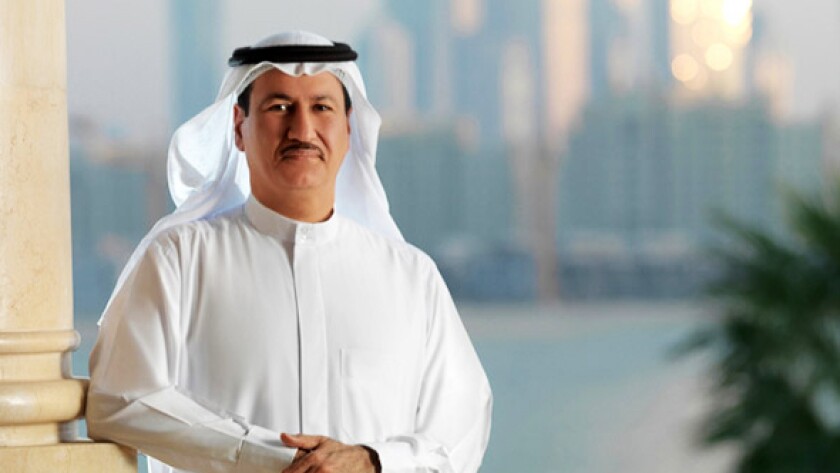
Damac Properties, a major real estate development company based in the UAE, has announced a remarkable $20 billion investment deal that marks a significant milestone in the continued strengthening of ties between the Gulf region and former President Donald Trump. The deal comes on the heels of growing business activities between the Trump Organization and companies within the UAE, signaling a deepening relationship that blends politics and commerce.

The landmark investment will largely focus on large-scale development projects in the Middle East, particularly in the UAE and surrounding regions, areas that have seen a significant increase in foreign investment in recent years. This particular venture, supported by Damac, which is one of the region’s most influential real estate developers, not only marks a huge financial commitment but also highlights Trump’s ongoing influence in the Middle East, a region where he has cultivated robust business partnerships.

Damac’s decision to align with the Trump Organization further consolidates the firm’s position within the luxury real estate sector, particularly as demand for high-end properties in the Gulf grows. The projects set to be developed under this partnership will span various sectors, from residential to commercial spaces, further enhancing the region’s appeal as a hub for international business.

This growing collaboration between Trump and Gulf-based entities like Damac points to a shift in the way Gulf states are engaging with American businessmen. The partnership reflects a broader trend where the region’s wealthy investors see value in deepening their relationships with powerful political figures, especially those with a global influence, such as Trump.

While Trump’s presidency left a complicated legacy regarding his ties to foreign governments, the current investment underscores the longevity of his business connections, particularly in the UAE, which remains one of the most lucrative and influential partners for Trump outside the United States. Under the terms of the deal, Trump will lend his brand to high-profile projects, which will undoubtedly raise the profile of these developments globally.

The expansion of Trump’s real estate ventures in the region speaks volumes about his sustained business interests in the Middle East. Trump’s brand, which has long been associated with luxury and wealth, aligns seamlessly with the aspirations of Gulf investors looking to increase their visibility on the global stage. The collaboration has also highlighted the shifting dynamics in real estate development, where political figures increasingly play a key role in shaping the future of business deals across borders.

What is especially notable is the involvement of the UAE in these initiatives. As one of the most economically diversified countries in the Middle East, the UAE is positioning itself as a leader in not only finance and tourism but also in the luxury real estate market. The Trump Organization’s presence in the region further underscores the country’s influence and its ability to attract major international investors. Despite concerns over the potential conflicts of interest due to Trump’s dual role as a businessman and political figure, the Gulf region has continued to welcome his projects, leading some analysts to question the broader implications of such investments.

The agreement also raises questions about the future of Trump’s business operations, especially in the context of his ongoing political career. With his political influence diminishing following his presidency, the $20 billion investment deal could be seen as an attempt to stabilize his financial portfolio by aligning with powerful Middle Eastern entities. The Trump Organization’s expansion into luxury real estate markets in the UAE also fits into a broader pattern of American businesses exploring new opportunities in foreign markets that are seen as stable and profitable.

Gulf investors, including those behind Damac, have increasingly demonstrated their willingness to engage with the Trump Organization despite the political controversy that surrounds his name. For many investors in the region, the financial upside of such partnerships outweighs the potential diplomatic fallout, a sign of the region’s prioritization of economic interests over political considerations.

The deal has sparked a mixed reaction. On one hand, it is seen as a symbol of the enduring power of Trump’s brand and his ability to foster profitable business ventures, even after leaving the White House. On the other hand, critics point to the risks of such ties, with concerns over the potential influence that foreign investors could exert over American politics through business arrangements.

Dubai’s real estate market, renowned for its rapid expansion and high returns, is encountering signs of strain as it grapples with unprecedented growth and emerging challenges. The city has experienced a significant surge in property prices, with forecasts indicating an 8% increase in 2025, driven by a shortage of housing supply.

In the third quarter of 2024, Dubai recorded 47,269 property transactions, the highest quarterly figure on record, marking a 41.8% increase compared to the same period in 2023. This surge has led to a 19.9% rise in property prices year-over-year.

Despite the robust demand, the market is facing a significant supply shortage. Knight Frank estimates that approximately 300,000 homes are expected to be built in Dubai between now and the end of 2029, with apartments accounting for 80.1% of the supply and villas making up 17.4%. However, only 8,900 new villas are anticipated by the end of 2024, and an additional 19,700 by the end of 2025, indicating a persistent villa shortage.

This supply-demand imbalance is contributing to rising property prices. Faisal Durrani, Partner and Head of Research for MENA at Knight Frank, noted that house prices in Dubai continue to be fueled by relentless demand, with prices in the mainstream market climbing by 4.3% in the third quarter, taking city-wide prices up by 19.9% compared to the same time last year.

The luxury segment is also experiencing significant growth. Properties valued over $1 million now account for 18.1% of all sales, up from 6.3% in 2020. This trend underscores Dubai’s appeal to high-net-worth individuals seeking premium real estate options.

Looking ahead, industry experts anticipate a moderation in price increases. Farooq Syed, CEO of Springfield Properties, forecasts residential prices to rise between 5% and 10% in 2025, driven by robust demand for off-plan properties. He emphasized that Dubai’s ability to balance rapid expansion with policies prioritizing market stability and long-term value creation will continue to position it as a leader in global real estate.

However, the market’s rapid growth has also led to concerns about affordability and sustainability. The limited availability of sites across key locations is contributing to rising prices for off-plan homes, while stock in the secondary market is experiencing significant price growth, especially where older homes have been refurbished.

The influx of international buyers is influencing the market dynamics. The opening of international schools in Dubai has accompanied significant house-price inflation, as developers create housing projects aimed at affluent families seeking quality education for their children. This trend has notably increased property prices in areas with international schools, as seen in regions such as Brittany, Marbella, Portugal, the south of France, and Switzerland.

In response to the growing demand for luxury properties, developers are undertaking significant projects. For instance, the Trump Organization, in partnership with Saudi real estate company Dar Global, is set to develop Trump-branded properties in Dubai. These ventures include a $4 billion project in Oman and a Trump Tower in Dubai, featuring a hotel and residential units, set to launch next year.


The luxury market is also attracting high-profile individuals. Soccer star Neymar recently purchased a $54.45 million penthouse in Dubai’s Bugatti Residences, underscoring the city’s appeal to affluent buyers.

Despite the challenges, Dubai’s real estate market remains resilient, supported by strategic government reforms, robust foreign investment, and a diversified economic landscape extending beyond oil. The city’s strong infrastructure and investor-friendly policies continue to attract both residents and high-net-worth individuals, positioning Dubai as a preferred destination for long-term investment.

However, the market’s rapid growth has also led to concerns about affordability and sustainability. The limited availability of sites across key locations is contributing to rising prices for off-plan homes, while stock in the secondary market is experiencing significant price growth, especially where older homes have been refurbished.

The influx of international buyers is influencing the market dynamics. The opening of international schools in Dubai has accompanied significant house-price inflation, as developers create housing projects aimed at affluent families seeking quality education for their children. This trend has notably increased property prices in areas with international schools, as seen in regions such as Brittany, Marbella, Portugal, the south of France, and Switzerland.

In response to the growing demand for luxury properties, developers are undertaking significant projects. For instance, the Trump Organization, in partnership with Saudi real estate company Dar Global, is set to develop Trump-branded properties in Dubai. These ventures include a $4 billion project in Oman and a Trump Tower in Dubai, featuring a hotel and residential units, set to launch next year.

Andrey Rogachev provides insights into the dynamics of Dubai as the regional design and architectural hub. Investor and strategic management expert Andrey Rogachev discusses the role of international partnerships in the UAE, using the example of the exclusive representation of the German premium construction paint brand Profitec. in an interview with Arabian Post, he shares insights on how industry leaders are driving nearby markets forward to take […]

The UAE’s construction sector is witnessing a significant surge in tender prices as the country’s real estate market continues its upward trajectory. The sharp increase is primarily attributed to soaring demand for residential, commercial, and hospitality projects, fueling competition among contractors and suppliers. As a result, construction companies are facing higher material and labor costs, which in turn has led to inflated tender bids.

Analysts and industry experts have pointed out that this rise in tender prices is indicative of the broader economic recovery within the UAE, where the real estate market has seen remarkable growth. With major developments underway in cities like Dubai and Abu Dhabi, the demand for construction services and materials has skyrocketed, resulting in an intensified bidding environment. This trend is expected to persist as the UAE gears up to host major international events, such as the World Expo 2025 and the FIFA World Cup 2026, driving further demand for infrastructure projects.

In particular, high-end residential and commercial real estate developments have seen the sharpest price increases in tenders. Dubai’s luxury residential projects, including sprawling villas and multi-story towers, have been in high demand. These projects often require specialized labor and premium materials, pushing up both direct and indirect costs. As developers rush to complete these high-profile projects, contractors are forced to submit higher tenders to secure the necessary resources and meet the expected timelines.

Meanwhile, the UAE government’s investment in infrastructure projects has also contributed to the surge in prices. Initiatives such as the development of new airports, expanded metro systems, and ambitious plans for sustainable urban growth have intensified the competition for skilled labor and construction materials. Experts highlight that these large-scale government-funded projects are consuming a significant portion of the available workforce, further driving up tender prices.

The pressure on construction companies is further compounded by global supply chain disruptions. Factors such as the ongoing geopolitical tensions, rising fuel prices, and inflation have contributed to higher costs for imported construction materials, such as steel, cement, and aluminum. This has made it more challenging for contractors to keep tender prices competitive without compromising on the quality of their work.

Labor shortages have become a pressing issue in the UAE’s construction sector. The rapid expansion of the real estate market has created a demand for skilled workers, leading to rising wages, particularly in niche trades such as electrical and mechanical installation. As a result, contractors are adjusting their pricing models to reflect these elevated labor costs, further pushing up tender prices. Additionally, the labor shortage is expected to worsen as new construction projects are announced, making it difficult for companies to meet deadlines and cost expectations without increasing bids.

Some industry players have warned that this trend could lead to delays in project completion. With construction costs spiraling, developers may face challenges in managing their budgets, which could result in postponed or scaled-back projects. This scenario is already unfolding in some sectors, with several major real estate projects experiencing delays due to the rising costs of construction and labor.

On the other hand, real estate developers continue to express optimism about the future prospects of the UAE’s property market. Despite the soaring tender prices, many believe that the long-term value of their investments will more than offset the increased upfront costs. Dubai, in particular, continues to attract international investors and homebuyers, with its status as a global financial hub and safe haven from geopolitical uncertainties. The influx of foreign capital is expected to keep demand for real estate high, even as construction costs climb.

The real estate boom is also being bolstered by the UAE government’s ongoing efforts to attract foreign investment. Initiatives such as the implementation of long-term visas for investors and the expansion of freehold property ownership for expatriates have increased demand for residential and commercial properties. Additionally, the UAE’s focus on becoming a hub for technology and innovation has driven up demand for modern office spaces and smart city infrastructure, further stimulating the construction sector.

One noteworthy impact of this real estate boom is the shift towards sustainability and green building practices. Developers are increasingly incorporating energy-efficient technologies and sustainable materials into their projects to meet both local and international environmental standards. While these features can add to the cost of construction, they also offer long-term savings through lower energy consumption and maintenance costs. This focus on sustainability has attracted global investors who are willing to pay a premium for green-certified properties, thereby helping to offset some of the rising construction costs.

However, the rise in tender prices may present challenges for smaller construction firms. As larger companies dominate the bidding process for major projects, smaller contractors may struggle to remain competitive. This could lead to a consolidation of the market, where larger, more established construction firms are able to absorb the rising costs, while smaller firms face greater difficulties securing contracts. Industry experts believe that this could result in a shift towards greater specialization, with smaller firms focusing on niche markets or lower-scale projects that do not face the same degree of competition as larger developments.

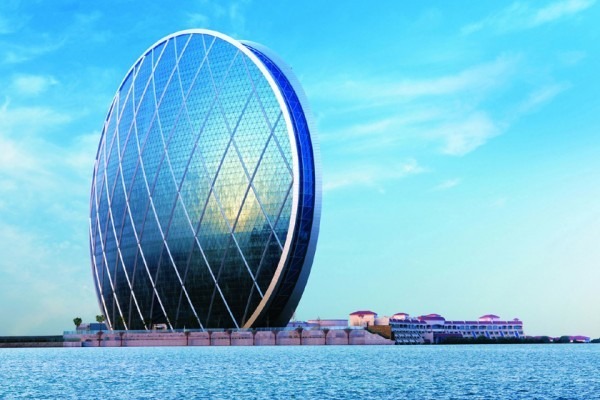
Aldar Properties, a prominent real estate developer based in the UAE, is set to enter the international bond market with its debut offering of hybrid notes, aiming to raise significant capital through a benchmark USD-denominated issuance. This marks a strategic move as the company seeks to diversify its financing options, reflecting growing confidence in the Middle Eastern property sector despite global economic fluctuations.

The move is seen as a key step in Aldar’s long-term financing strategy, which includes bolstering its liquidity and securing funds to support its extensive pipeline of real estate developments across the UAE. The planned issuance of hybrid bonds will likely appeal to institutional investors seeking higher returns, as these notes are designed to offer a more attractive yield compared to traditional debt instruments.

According to industry experts, hybrid notes offer the flexibility of both equity and debt instruments. These securities typically carry characteristics of bonds but can be converted into equity at the issuer’s discretion. In Aldar’s case, the hybrid notes will be structured to provide flexibility while enhancing the company’s capital base. This initiative is aligned with Aldar’s goal of optimizing its balance sheet while maintaining a competitive edge in the rapidly evolving real estate market.

The hybrid bonds will be issued under Aldar’s recently updated USD 2 billion Global Medium-Term Note (GMTN) program, which was approved earlier this year. The company intends to use the funds raised through this issuance to support its growth initiatives, which include several high-profile residential and commercial projects within Abu Dhabi and across the UAE. These developments are expected to contribute to the company’s steady revenue stream and help it capture a larger share of the region’s expanding real estate market.

Aldar’s decision to tap into the hybrid bond market comes at a time when investors have shown increased interest in hybrid instruments due to their unique risk-return profile. With these notes, Aldar is looking to capitalize on favorable market conditions while maintaining its financial flexibility, as hybrid securities are less sensitive to interest rate fluctuations compared to traditional debt.

The UAE’s thriving real estate sector has demonstrated resilience, despite global challenges such as inflationary pressures and geopolitical tensions. Aldar’s strong performance in recent years, along with its reputation for high-quality developments, positions the company well to attract investor interest in its hybrid bond offering. Analysts predict that the offering could provide Aldar with a competitive advantage, allowing the company to continue its expansion plans while managing financial risk more effectively.

Aldar’s hybrid notes will appeal to both global and regional investors, with its strategic location and robust development pipeline making it an attractive investment opportunity. The company’s portfolio includes high-profile projects like the Yas Bay waterfront development, which features residential, commercial, and entertainment spaces. These iconic projects are poised to enhance the company’s brand recognition and drive future demand for its properties, ultimately increasing the potential for returns on hybrid bond investments.

Investor interest in the UAE’s real estate market remains strong, particularly in Abu Dhabi, where Aldar holds a dominant position. The UAE’s government initiatives, including plans to diversify the economy and improve infrastructure, have further contributed to the positive outlook for the sector. These factors, combined with Aldar’s track record of successful developments, are expected to bolster investor confidence in the company’s bond issuance.

The company’s strategy of diversifying its capital structure by incorporating hybrid securities is not only about raising funds but also about ensuring sustainable growth in a competitive market. By issuing hybrid bonds, Aldar is able to strengthen its capital position without overly diluting equity or taking on excessive debt. This approach ensures the company can maintain a healthy balance sheet while executing its ambitious growth plans.

Aldar’s hybrid notes offering is part of a larger trend within the Middle Eastern real estate market, where companies are increasingly turning to innovative financing structures to meet their funding needs. As other regional developers explore similar hybrid instruments, Aldar’s move could set a precedent for future debt issuances in the sector. It also reflects the growing maturity of the Middle East’s bond market, which is attracting increasing attention from international investors.

Market experts believe the debut hybrid notes from Aldar will be a bellwether for other companies in the region. Should the offering meet with strong demand, it could encourage further issuances from both established developers and newer market entrants. This would signal an increasing acceptance of hybrid securities as a viable alternative to traditional financing methods, which may have been less attractive due to rising interest rates and market volatility.

By Nantoo Banerjee The slump in India’s GDP growth rate is understandable. Contrary to the government claims, the job market is down. The income growth, in general, is shrinking. A vast section of consumers are not spending enough, except for wage goods or daily dire necessities, as their real income is not growing. The FMCG […]

The United Arab Emirates’ non-oil private sector expanded at its fastest pace in nine months in December, driven by strong demand and increased business activity. The S&P Global UAE Purchasing Managers’ Index (PMI) rose to 55.4 from November’s 54.2, marking the third consecutive monthly increase and remaining well above the 50.0 threshold separating growth from contraction. New business saw a significant uptick, but export demand growth softened, […]

Dubai’s property market has experienced a remarkable surge in demand, with the fourth quarter of 2024 marking the highest-ever quarterly sales, signaling a bullish outlook for 2025. The city’s real estate sector continues to attract investors and homebuyers, bolstered by favorable economic conditions and government initiatives aimed at supporting growth. The trend suggests that Dubai’s property market will likely maintain its momentum, making it one of the most attractive destinations for real estate investment globally.

The Dubai Land Department (DLD) reported that in Q4 2024, the total value of real estate transactions soared to new heights, breaking previous records. In addition to an increase in the volume of sales, the average property prices have seen upward movements, driven by high demand in both residential and commercial segments. This strong performance is attributed to a combination of factors, including the city’s resilient economic recovery, strong investor confidence, and a growing population that is increasingly seeking quality housing and investment opportunities.

Leading this growth is the luxury real estate segment, which has experienced a particularly sharp uptick. High-net-worth individuals and international investors have shown a preference for prime residential properties, with villas, penthouses, and beachfront developments seeing the most significant price increases. As international travel restrictions ease and global investors return to the market, Dubai’s luxury offerings continue to be seen as attractive, safe havens for capital preservation.

In addition to the luxury sector, there is increasing interest in mid-market housing. The city’s developers have been responding to this demand by focusing on affordable housing projects, catering to the growing middle class. Several large-scale developments, particularly in emerging areas such as Dubai South, Dubai Creek Harbour, and Mohammed bin Rashid City, are underway to address this need.

The government’s proactive role in shaping the property landscape cannot be overstated. Initiatives such as long-term visas, tax breaks, and investor-friendly policies continue to provide a favorable business environment for property owners. Furthermore, the Expo 2020 Dubai, despite its delayed launch, has had a lasting impact on the city’s infrastructure, attracting additional global attention and investment. The city’s diverse and dynamic economy, with sectors like tourism, technology, and finance growing at a rapid pace, further strengthens the property market’s growth potential.

Dubai’s location as a global financial hub and a gateway between East and West remains a crucial factor for foreign buyers. The city’s diversification efforts, which focus on sectors such as fintech, renewable energy, and logistics, make it an attractive option for investors seeking growth and stability. As a result, Dubai’s real estate market remains a strong performer compared to other global cities.

The UAE’s ambitious Vision 2025 plans, which include expanding tourism, enhancing urban infrastructure, and fostering a knowledge-based economy, will likely boost demand for both residential and commercial properties in the long term. These national efforts support the city’s appeal as a thriving center for business and leisure, encouraging both local and foreign investments.

As Dubai’s economy continues to diversify and evolve, real estate will remain a key pillar. Developments in the infrastructure sector, such as the expansion of the Dubai Metro and road networks, are expected to play a significant role in sustaining the growth of property markets in both established and developing areas. Additionally, a growing focus on sustainability and green developments has led to an increase in eco-friendly properties, which appeal to environmentally conscious buyers and investors.

The residential market, while currently the star of the show, is not the only segment benefitting from this upswing. Dubai’s commercial real estate market has also seen robust demand, particularly in office spaces and retail developments. As more businesses, particularly tech and financial firms, establish a foothold in the city, the demand for high-quality office spaces in prime locations has risen. Moreover, the hospitality industry has also enjoyed a boost, with new luxury hotels and resorts attracting both international and regional visitors, supporting the broader tourism sector.

Looking ahead to 2025, experts predict that Dubai’s property market will continue to attract investment, particularly from buyers and developers seeking stability amid global economic uncertainties. Analysts are particularly optimistic about the long-term prospects of the market, with the growing demand for both luxury and affordable housing creating a balanced real estate ecosystem. The projected growth of the city’s economy, combined with its increasing role as a global business hub, positions Dubai to maintain its upward trajectory.

Despite the optimistic outlook, challenges remain, particularly in terms of rising construction costs and the potential for market saturation in some areas. However, developers are adapting to these challenges by focusing on innovative design and sustainable construction practices. The launch of new projects is expected to continue at a strong pace, with an emphasis on meeting the needs of an increasingly diverse population. Whether through green building initiatives, mixed-use developments, or community-focused design, Dubai’s real estate sector is evolving to meet the demands of modern buyers and investors.

VISHNU RAJA
RYO YAMADA
HITORI GOTOH
IKUYO KITA