News related to
developers

Vitalik Buterin has laid out ambitious plans for the future of Ethereum, focusing on a pivotal development known as The Verge phase. This latest initiative seeks to enhance the blockchain’s accessibility by enabling full verification on various devices, including mobile wallets and smartwatches. The integration of advanced technologies such as Verkle trees and Succinct Non-interactive Argument of Knowledge (SNARKs) is central to this transformation.

Buterin emphasized the importance of reducing the barriers to entry for Ethereum users. Currently, the process of verifying transactions on the Ethereum network can be resource-intensive and requires significant computational power, which limits the use of mobile and lightweight devices. By implementing Verkle trees, the aim is to optimize how data is stored and accessed on the blockchain. Verkle trees combine the efficiency of Merkle Patricia trees with the benefits of vector commitment, providing a way to reduce the amount of data required for verification.

This shift is designed to make blockchain technology more user-friendly, particularly for individuals who rely on mobile devices. The ability to conduct full verification from a smartphone or smartwatch would democratize access to Ethereum, making it easier for users to engage with decentralized applications (dApps) without needing specialized hardware. The implications for mobile security and user experience could be substantial, as users would no longer need to rely on third-party services to validate their transactions.

SNARKs, another key component of Buterin’s vision, will enhance privacy and efficiency within the network. This cryptographic tool allows for the validation of transactions without revealing the underlying data, addressing privacy concerns that have emerged as Ethereum has grown in popularity. By incorporating SNARKs, Ethereum aims to provide a layer of confidentiality that is appealing to both users and developers.

This focus on improving transaction verification methods aligns with a broader trend in the cryptocurrency space towards scalability and user empowerment. As Ethereum continues to compete with other blockchain platforms, such as Solana and Cardano, these enhancements could play a crucial role in maintaining its position as a leading smart contract platform. The Verge phase represents a critical step in Ethereum’s roadmap, which has been strategically outlined to adapt to the evolving needs of its user base.

The need for more efficient blockchain verification methods has been underscored by the growing demand for decentralized finance (DeFi) applications. With more users entering the space, ensuring that these applications remain accessible and user-friendly is vital. By leveraging the advancements in Verkle trees and SNARKs, Ethereum is positioning itself to handle the increased demand while maintaining its foundational principles of decentralization and security.

Developers have been encouraged by Buterin’s post, as it lays the groundwork for innovations that could lead to new use cases for Ethereum. The adoption of mobile wallets has surged, and the integration of robust verification methods could unlock further opportunities for developers to create applications that are not only functional but also secure and efficient. This forward-thinking approach could foster an ecosystem where more users can actively participate in Ethereum’s offerings.

The Verge phase is part of a larger series of upgrades collectively known as Ethereum 2.0, which aims to enhance the network’s scalability, security, and sustainability. The transition from a proof-of-work to a proof-of-stake consensus mechanism is already underway, with the goal of reducing energy consumption and increasing transaction throughput. The integration of The Verge phase signifies an important milestone in this ongoing transformation.

As Ethereum navigates its path forward, the emphasis on improving verification processes speaks volumes about its commitment to user experience and technological innovation. The potential for full blockchain verification on everyday devices could not only attract a new demographic of users but also solidify Ethereum’s reputation as a leading blockchain platform that prioritizes accessibility and efficiency.

Industry experts are optimistic about the developments that The Verge phase will bring, particularly regarding its impact on the broader cryptocurrency landscape. The ability to conduct secure transactions from mobile devices could set a new standard for blockchain technology, prompting other platforms to consider similar enhancements. As Buterin and the Ethereum development community continue to refine their vision, the implications for the future of decentralized technologies are profound.

A significant boost to Dubai’s real estate market is on the horizon as the emirate prepares to deliver an impressive 90,000 new homes within the next two years. This initiative, driven by rising demand and a focus on sustainable development, marks a pivotal moment for the city’s housing landscape. The initiative is part of Dubai’s broader strategy to enhance its residential offerings, with authorities anticipating a substantial […]

A significant slowdown in wind power development is hindering the world’s efforts to meet renewable energy goals, particularly as nations strive to cut carbon emissions in line with climate agreements. Wind energy, once seen as a pivotal solution to transitioning away from fossil fuels, is facing mounting challenges that threaten its viability as a cornerstone of the global energy mix. Despite the increasing urgency for green energy […]

Dubai’s real estate sector is poised for a significant expansion, projected to deliver approximately 90,000 new homes within the next two years. This surge, driven by a blend of robust demand, favorable government policies, and infrastructural advancements, marks a pivotal moment in the emirate’s housing market, indicating a strong recovery from the downturn experienced during the pandemic.

The influx of new housing is expected to address the growing population’s needs and meet the demand from expatriates and investors seeking to establish residence in the emirate. Recent reports from various real estate consultancies highlight that Dubai’s property market has shown resilience, with residential sales and rental prices steadily increasing. This trend has been underpinned by factors such as Dubai’s strategic location, world-class amenities, and a business-friendly environment that continues to attract global investments.

Leading real estate developers have ramped up their construction efforts, with several large-scale projects underway across various districts. Notable developers such as Emaar Properties, DAMAC Properties, and Nakheel are among the key players contributing to this ambitious housing agenda. Emaar, for instance, is actively advancing its Dubai Hills Estate and Downtown Dubai projects, which are anticipated to add thousands of units to the market.

Analysts emphasize that this upcoming supply will not only enhance housing availability but also introduce a diverse range of options, from affordable units to luxury villas. The diversification in housing stock is crucial for catering to the varied needs of potential buyers and renters. Moreover, government incentives aimed at boosting homeownership, including long-term residency visas for property investors, have further stimulated market interest.

Data from the Dubai Land Department indicates a remarkable growth trajectory in property transactions. The value of real estate transactions in Dubai reached AED 69 billion (approximately USD 18.8 billion) in the first half of 2024, reflecting a 23% increase compared to the same period in 2023. This vibrant market dynamic is expected to sustain momentum as the emirate continues to position itself as a global business hub.

Emerging trends in the housing market reveal a growing preference for sustainable and smart living solutions. Developers are increasingly incorporating green technologies and sustainable practices in their projects, appealing to environmentally-conscious buyers. This shift is aligned with Dubai’s broader vision to become one of the world’s most sustainable cities, as outlined in its Dubai 2040 Urban Master Plan.

In addition to sustainability, there is a heightened focus on community living, with many new developments emphasizing integrated communities that provide residents with a blend of lifestyle, leisure, and connectivity. The trend reflects a growing recognition of the importance of communal spaces and amenities in enhancing the overall quality of life for residents.

Infrastructure developments also play a pivotal role in bolstering Dubai’s real estate sector. The ongoing expansion of public transportation, including the Metro and road networks, is facilitating easier access to various neighborhoods, thereby enhancing their attractiveness. The upcoming Expo 2025 and the anticipated hosting of major events will further augment the demand for housing, as international visitors flock to experience what Dubai has to offer.

Challenges remain, however, as the market navigates through fluctuations in global economic conditions and interest rates. Rising construction costs and supply chain disruptions pose potential hurdles that could impact project timelines and profitability. Developers are urged to adopt innovative construction methodologies and materials to mitigate these challenges and maintain project viability.

Investors are also keeping a close watch on regulatory developments that could affect market dynamics. The Dubai government’s commitment to transparency and investor protection has fostered a favorable climate for investment. New regulations aimed at enhancing the ease of doing business and ensuring the stability of the property market are likely to maintain investor confidence and encourage further capital inflows.

Hedge funds are increasingly betting against the renewable energy sector, raising concerns over the viability of green investments. As climate change initiatives gain momentum and governments around the world push for a transition to clean energy, a growing number of hedge funds are accumulating short positions, signaling skepticism about the sustainability and profitability of these sectors. This strategic pivot reflects a complex interplay of market dynamics, regulatory […]

Ras Al Khaimah, the northernmost emirate in the UAE, is making a concerted effort to increase its population, particularly by attracting more residents and workers from both local and international markets. With its booming economy and strategic development initiatives, the emirate is positioning itself as a prime destination for living and working in the Gulf region. The ongoing initiatives, spearheaded by various government bodies and private sector […]

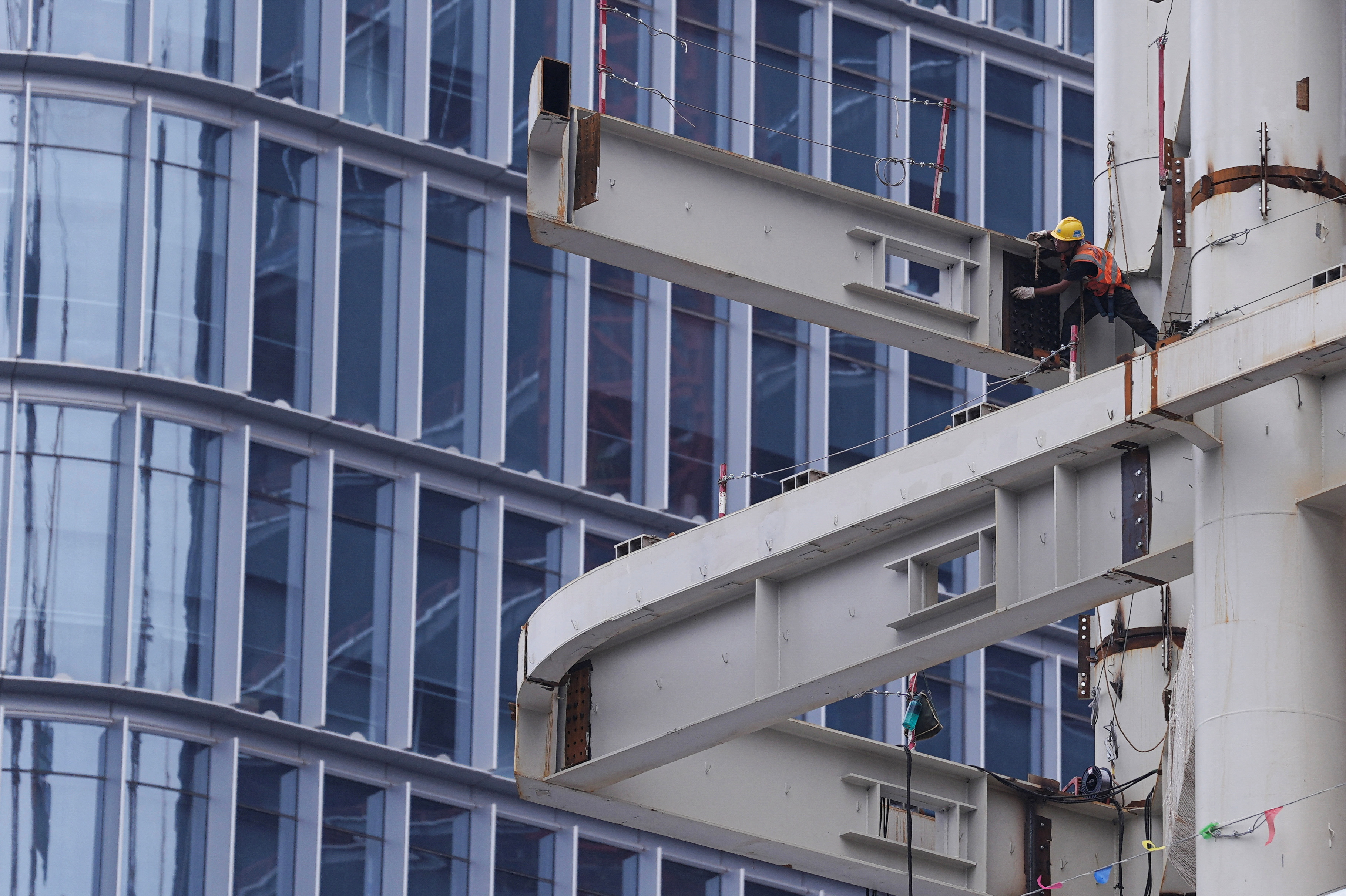
Construction plans in Dubai are unveiling a striking new addition to the skyline: a skyscraper designed to be just one apartment wide, set to reach an impressive height of 380 meters. This innovative architectural marvel, dubbed “The One,” is part of a growing trend in urban development focused on maximizing space in densely populated cities. The project represents a shift towards vertical living, showcasing a blend of cutting-edge design and functional urban planning that aims to redefine modern living.

Developed by the UAE-based firm, HDA Architecture, “The One” is positioned in the bustling Business Bay district, an area known for its luxurious residential and commercial properties. The building’s unique design aims to maximize views of the iconic Dubai skyline and the Burj Khalifa, enhancing the living experience for its residents. The project is emblematic of the ongoing transformation within Dubai, where space constraints and rising population demands have prompted architects to explore innovative solutions.

Construction of “The One” is slated to commence in early 2025, with completion expected in 2028. The structure will comprise 80 floors, housing a total of 140 luxury apartments. Each unit will feature floor-to-ceiling windows, offering unobstructed views and allowing natural light to permeate the narrow living spaces. This design approach aims to create a sense of openness despite the building’s slender profile, making it attractive to potential buyers seeking both luxury and uniqueness.

The concept of ultra-slim skyscrapers is not entirely new, with similar projects emerging worldwide. However, “The One” stands out due to its unprecedented width-to-height ratio. The tallest of such buildings, “The One,” sets a new benchmark for urban architecture. The development also includes various amenities, such as a sky garden, fitness center, and swimming pool, all designed to cater to the high-end lifestyle of its residents.

Dubai’s real estate market continues to flourish, driven by a combination of factors, including foreign investments, tourism, and the emirate’s status as a global business hub. The demand for unique living spaces has increased, particularly among high-net-worth individuals looking for exclusive properties that offer both luxury and distinctive features. “The One” is expected to attract significant interest from international buyers, further enhancing Dubai’s reputation as a destination for innovative and opulent living.

The construction of such a narrow skyscraper raises questions about the practicalities of living in a one-apartment-wide structure. Experts in architecture and urban design have pointed out that while the aesthetic appeal is undeniable, there are challenges related to logistics, fire safety, and structural integrity. The design and engineering teams behind “The One” are working diligently to address these concerns, ensuring that the building meets the highest safety and sustainability standards.

The development reflects broader trends in architecture, where the need for space efficiency is paramount. As urban centers become more congested, the focus shifts toward vertical living solutions that utilize limited land effectively. Innovations in materials and construction techniques have paved the way for skyscrapers that were previously deemed impractical. “The One” embodies this ethos, pushing the boundaries of what is possible in high-rise construction.

As the project moves forward, it will undergo rigorous evaluations and approvals from local authorities. Dubai’s Urban Planning Department and the Dubai Municipality will ensure that the design adheres to safety regulations and urban planning guidelines. These assessments are critical to the success of such an ambitious project, and stakeholders are optimistic about the outcomes.

The architectural vision for “The One” includes not only residential spaces but also a commitment to sustainability. Developers are incorporating eco-friendly technologies, such as energy-efficient systems and sustainable building materials, aiming to minimize the environmental footprint of the skyscraper. This aligns with Dubai’s broader goals to enhance sustainability and resilience within the built environment, as outlined in its urban development strategy.

Dubai’s reputation as a hub for innovative architecture and luxury living continues to solidify with projects like “The One.” The city’s skyline is rapidly evolving, characterized by futuristic designs that draw global attention. The upcoming construction of this narrow skyscraper not only showcases cutting-edge architecture but also reflects the emirate’s ambition to be at the forefront of urban innovation.

Advertisements

Recognized for its innovative AI-driven Smart Building Management System, transforming facility operations with predictive technology HONG KONG SAR – Media OutReach Newswire – 18 October 2024 – As part of NTT Group, a world-leading telecommunications and ICT service provider, NTT Com Asia (NTT) is proud to announce that it has been awarded the Best AI Application Award – Bronze at the 2024 CAHK STAR Awards. This prestigious […]

Lake Shore India Advisory, supported by the Abu Dhabi Investment Authority (ADIA), has successfully raised $143 million in a green loan to expand its Viviana Mall in Mumbai. This move aligns with the growing trend of sustainable financing in the commercial real estate sector, with the funds earmarked for eco-friendly upgrades to the shopping complex, a critical step in enhancing its green credentials. The mall, situated in […]

BANGKOK, THAILAND – Media OutReach Newswire – 16 October 2024 – Thailand’s real estate sector, estimated to be worth US 2 trillion, is on the brink of significant transformation, driven by three emerging megatrends: multigenerational living, semi-retirement, and hospitality-residence hybridization. These trends, identified by Proud Real Estate Plc, a leader in the SET-listed property market, are set to redefine the landscape in response to a shifting demographic […]

Winamp, once an iconic media player, faced another setback after deleting its entire source code from GitHub. This move came after weeks of turbulence following the release of its code for community collaboration, which sparked controversy over the licensing terms. The company had originally aimed to open up development, inviting global developers to contribute to the evolution of the platform. However, licensing issues led to widespread criticism […]

HONG KONG SAR – Media OutReach Newswire – 16 October 2024 – Response to the Policy Address 2024/25 by KK Chiu, International Director, Chief Executive, Greater China of Cushman & Wakefield: Farewell to subdivided units and optimize the living environment We are pleased to see that the government’s taking proactive measures in housing supply and land policy to address the housing problem. The introduction of a rental […]

Google has announced a pivotal partnership with Kairos Power to utilize small modular reactors (SMRs) to support its artificial intelligence (AI) operations. This marks a strategic move as the tech giant navigates the energy-intensive demands of AI. The decision to invest in nuclear energy comes as the company looks for more sustainable and reliable sources to power its vast data center operations. The announcement underscores the company’s […]

The Solana blockchain network is moving to strengthen its presence in the UAE, a key emerging market in the crypto world, by hosting the Founders’ Villa event. Organized by Solana Foundation and held at the luxury Founders’ Villa, the event attracted attention from global Web3 investors, entrepreneurs, and developers eager to engage with one of the fastest-growing ecosystems in blockchain.

Solana, known for its high-speed and low-cost transactions, has been pushing aggressively to expand its global footprint. The UAE, with its business-friendly regulatory environment, burgeoning tech hub, and growing interest in blockchain technologies, presents a strategic opportunity for Solana to establish itself as a major player in the region.

At the heart of the event was the growing interest from the UAE’s tech community in Web3 innovations. The Founders’ Villa featured panels, networking opportunities, and demonstrations that showcased Solana’s capabilities, particularly its decentralized finance (DeFi) applications and non-fungible token (NFT) projects. The event highlighted the blockchain’s commitment to improving scalability and security while addressing environmental concerns through energy-efficient Proof-of-History (PoH) consensus mechanisms.

The UAE’s recent strides in blockchain adoption have made it a significant player in the global blockchain ecosystem. Solana’s move into the region aligns with Dubai’s Vision 2030 initiative, which includes heavy investment in digital technologies, blockchain, and smart city solutions. The Dubai Multi Commodities Centre (DMCC) has also been a major supporter of blockchain innovation, launching initiatives such as the DMCC Crypto Centre, which provides a hub for blockchain and crypto-related companies.

Solana’s push into the UAE isn’t just about adoption—it’s about leadership in a market that’s rapidly expanding. The Founders’ Villa event provided a platform for investors to explore the potential of Solana’s ecosystem, with key figures emphasizing the importance of creating sustainable, scalable blockchain solutions. The event comes at a time when the UAE is increasingly viewed as a global hub for Web3, alongside major financial centers like Singapore and Switzerland.

In tandem with this effort, Solana has been targeting partnerships in the Gulf region. The blockchain’s ability to process transactions at a much higher speed than Ethereum and Bitcoin while maintaining lower fees has drawn interest from companies and governments looking for blockchain applications in finance, supply chain, and other sectors. The focus of Solana’s team at the event was not just on expanding the user base but also on ensuring that the network can continue to scale effectively without compromising on performance.

One of the key themes that emerged from the Founders’ Villa was the UAE’s readiness to integrate blockchain into mainstream sectors. Participants from industries including finance, real estate, and logistics expressed growing confidence in blockchain as a foundational technology for future digital ecosystems. Solana’s developers shared insights into new technical upgrades, including planned developments aimed at making the network more resilient against outages, a key challenge the network has faced in the past.

The Founders’ Villa event also provided a platform for showcasing NFT art and decentralized applications (dApps) being built on Solana. The UAE’s growing interest in NFTs, particularly as an investment class, was a major point of discussion. Experts at the event suggested that the region’s wealth managers and family offices are increasingly considering NFTs as part of a diversified investment strategy, particularly as the regulatory environment becomes more supportive of digital assets.

Meanwhile, Dubai’s commitment to fostering innovation in crypto is increasingly drawing global talent to the city. Solana’s decision to hold this event in the UAE signals the blockchain network’s strategic shift toward markets that are less saturated but hold significant potential for growth. The event was marked by a series of announcements about upcoming initiatives that will deepen Solana’s involvement in the region, further strengthening its role as a leader in the blockchain space.

The global blockchain industry has taken note of the UAE’s efforts, and Solana is positioning itself to be at the forefront of this movement. By building relationships with regulators, businesses, and developers in the region, Solana aims to tap into the vast potential of the Middle Eastern market, which is rapidly evolving as a center for blockchain innovation and Web3 technologies.

GITEX Global 2024 has drawn the attention of the global tech community, making Dubai a focal point for innovation and collaboration. Held at the Dubai World Trade Centre, this year’s event is showcasing an array of cutting-edge advancements, including artificial intelligence (AI), cybersecurity, blockchain, and more. With over 6,000 exhibitors from 180 countries, GITEX is promoting key sectors like AI-driven healthcare, fintech, and climate tech. The event has also placed a spotlight on cybersecurity challenges and solutions, attracting top industry players to discuss the future of AI in various fields.

One of the central themes of this year’s GITEX is AI’s role in reshaping industries. “AI Everything,” a major attraction at the event, is focusing on integrating AI into sectors such as digital finance, healthcare, and education. With demonstrations of AI-driven technologies, attendees are gaining insights into how AI will continue to disrupt traditional models, providing more efficiency and data-driven decision-making.

In tandem with these developments, the fintech sector is experiencing significant attention. “Fintech Surge,” another highlight of the event, is hosting global fintech leaders to explore how blockchain and AI are pushing boundaries in digital finance. Investors and startups alike are eyeing new opportunities as digital currencies, decentralized finance (DeFi), and AI-powered financial services grow in prominence. Dubai, positioning itself as a hub for innovation, offers the perfect backdrop for these transformative conversations.

Cybersecurity has emerged as a key topic, as threats in the digital space continue to escalate. GITEX’s “Cyber Valley” is addressing the intersection of AI and cybersecurity, gathering top experts to explore ways to counter cyber threats in an increasingly connected world. High-profile cybersecurity executives and government leaders are collaborating to establish frameworks that can protect sensitive data, infrastructure, and networks from sophisticated cyber-attacks.

Startups and entrepreneurs are also finding GITEX to be a launchpad for growth. “Expand North Star,” a major startup event running alongside GITEX, is connecting founders with venture capitalists and tech leaders to foster partnerships and scale new ventures. The event highlights the increasing importance of fostering an entrepreneurial ecosystem that nurtures innovative ideas and gives rise to the next generation of tech giants.

The event’s focus on sustainability is evident through “Gitex Impact,” where climate-tech innovators are unveiling solutions for environmental challenges. AI-driven sustainable technologies, including advancements in waste management and conservation, are on display, emphasizing the role of technology in addressing global climate issues.

Dubai’s ambition to be a leading global tech hub is reinforced by the diversity of participants and the scale of innovations being showcased at GITEX. Government leaders, industry experts, developers, and investors are all converging to forge partnerships and explore how emerging technologies can drive future economic growth.

GITEX Global 2024 is not just about presenting technological advancements, but also about sparking discussions around the ethical implications of such technologies. From the regulatory challenges of AI to privacy concerns, these critical issues are being debated as technology continues to evolve rapidly. The convergence of AI, cybersecurity, and fintech underlines the complex, interconnected nature of modern digital transformations.

HONG KONG SAR – Media OutReach Newswire – 14 October 2024 – Henderson Sunlight Asset Management Limited (the “Manager“) is pleased to announce that Sunlight REIT has achieved a four-star rating in the 2024 GRESB Real Estate Assessment (“GRESB Assessment“), the leading global environmental, social and governance (“ESG“) benchmark in the real estate sector. Mr. Wu Shiu Kee, Keith, Chief Executive Officer of the Manager, said, “We […]

The cryptocurrency market has seen a surge in the meme coin sector as Bitcoin edges closer to the $65,000 mark. This bullish sentiment has reverberated through the market, driving significant interest in meme tokens. Among the key players, MOG and Cat in a Dogs World (MEW) have caught the eye of investors with their sharp price increases and growing market caps. As the meme coin market pushes toward a $53 billion valuation, the potential for these tokens to hit all-time highs has become a hot topic of debate.

Meme coins, once considered a niche within the broader cryptocurrency landscape, have matured into a formidable asset class. Dogecoin and Shiba Inu set the precedent for meme coins, creating widespread adoption and community engagement. MOG, a new entrant into this space, has already made waves with a significant 10x price increase since its launch. Similarly, MEW has capitalized on the current market momentum, drawing attention due to its unique approach and steady price growth.

MOG, which markets itself as a token for the meme-obsessed generation, has leveraged social media virality to attract new users. Its developers have implemented innovative tokenomics, including staking rewards and burning mechanisms that contribute to its deflationary supply model. This has resonated with investors looking for high-risk, high-reward opportunities in the volatile cryptocurrency sector. MOG’s sudden price surge is also driven by speculative buying, with rumors circulating about potential listings on major exchanges.

Meanwhile, MEW, a relatively new meme coin with a doge-based theme, has captured the imagination of its growing community. Built with a focus on decentralized finance (DeFi) applications, MEW offers its holders the opportunity to earn rewards through various staking programs. The project’s roadmap outlines ambitious plans for expanding its ecosystem, including collaborations with other DeFi projects and the introduction of non-fungible tokens (NFTs). With its current growth trajectory, MEW appears well-positioned to capitalize on the meme coin mania, potentially reaching new all-time highs in the coming weeks.

As Bitcoin continues to rally, the correlation between its price movements and meme coin performance has become evident. Historically, when Bitcoin experiences a significant price surge, meme coins tend to follow, driven by retail investors looking for more affordable alternatives to the blue-chip cryptocurrencies. This trend is evident in the current market as MOG and MEW show signs of breaking through their resistance levels. However, the speculative nature of meme coins also means that they are prone to sudden and dramatic price swings.

The broader meme coin market has seen several tokens enter the limelight. Coins like Shiba Shootout and Sponge V2 have also posted impressive gains, highlighting the widespread appeal of these humorous yet often lucrative digital assets. Shiba Shootout, for example, has embraced gamification by offering its holders the ability to participate in Wild West-themed battles, staking tokens to earn rewards. Sponge V2, on the other hand, has focused on play-to-earn (P2E) mechanics, allowing users to earn tokens by participating in a racing game, which has helped boost its popularity.

As the market continues to evolve, meme coins are no longer just jokes or speculative assets; they are becoming integral parts of the broader cryptocurrency ecosystem. The increasing integration of DeFi, NFTs, and play-to-earn mechanics into meme coins has given them additional utility beyond mere speculation. For example, MOG’s ability to offer staking rewards through a decentralized platform has made it more appealing to long-term investors, rather than just day traders. MEW’s upcoming NFT marketplace launch could also drive further adoption as NFTs remain a hot trend in the crypto space.

While the future of meme coins is uncertain, their impact on the market cannot be ignored. The question now is whether MOG and MEW, alongside other trending tokens, can sustain their growth and reach new all-time highs. Analysts are divided on this issue, with some pointing to the inherent volatility of meme coins as a red flag. However, others believe that the combination of community engagement, innovative use cases, and market conditions could propel these tokens to unprecedented levels.

Offering a fresh perspective in the realm of code editing, the Kate editor from KDE is gaining traction among developers seeking an efficient and customizable solution. Its recent updates and features position it as a compelling alternative to traditional text editors and integrated development environments (IDEs). This revitalized interest in Kate reflects a broader trend within the tech community towards open-source tools that prioritize user control and […]

Ethena Labs has put forward a proposal to include Solana (SOL) in the collateral pool for its stablecoin, USDe. If approved, this move would position SOL alongside Bitcoin (BTC) and Ethereum (ETH) as part of Ethena’s diversified collateral strategy. The incorporation of SOL aims to enhance the stability and utility of USDe while tapping into the growing Solana ecosystem.

The proposal reflects Ethena Labs’ ongoing efforts to strengthen its product offerings and enhance the robustness of its stablecoin. Currently, USDe is backed by BTC and ETH, both of which have established themselves as reliable digital assets within the cryptocurrency market. By adding SOL, Ethena Labs hopes to leverage the asset’s increasing popularity and the broader developments in the Solana network.

Solana has garnered significant attention in recent years for its high throughput and low transaction costs. As the demand for efficient blockchain solutions grows, Solana has positioned itself as a leading contender. This is particularly relevant as various decentralized finance (DeFi) projects increasingly look for scalable solutions. Ethena Labs’ move to integrate SOL into USDe’s collateral mix could also signal a growing acceptance of diverse assets within the stablecoin market.

The proposal has sparked discussions among stakeholders within the cryptocurrency community, with many viewing it as a strategic alignment with current market trends. Several analysts believe that including SOL could help stabilize USDe by providing an additional layer of security and liquidity. Solana’s unique consensus mechanism, which allows for faster transaction speeds, could contribute positively to the stability of USDe, particularly during times of market volatility.

Industry experts point out that the successful integration of SOL will depend on regulatory compliance and market acceptance. Ethena Labs has emphasized its commitment to maintaining high standards of compliance and risk management as it navigates the complexities of including a new asset in its collateral pool. The company has also sought feedback from its community to ensure that all perspectives are considered before moving forward with the proposal.

The growing interest in Solana has not only been driven by its technological capabilities but also by its expanding ecosystem of projects and partnerships. As more developers build on Solana, its utility and value proposition are expected to increase, making it an attractive asset for collateralization. Ethena Labs’ strategic move could also encourage other stablecoin issuers to consider similar integrations, reflecting a broader trend of diversification in the stablecoin market.

Competitors in the space are also monitoring Ethena Labs’ proposal closely, as it may set a precedent for how stablecoins can adapt to the evolving cryptocurrency landscape. With the market continually shifting, the addition of diverse assets to stablecoin collateral pools could become increasingly common. This could help to further legitimize various cryptocurrencies as viable options for collateralization, enhancing their overall market presence.

The proposal for SOL’s inclusion in USDe collateral comes at a time when the stablecoin market is experiencing significant growth. With various stablecoins gaining traction among investors and users, the demand for innovative collateral strategies is paramount. By diversifying its collateral mix, Ethena Labs aims to enhance the resilience of USDe, providing greater confidence for users seeking stability in their digital assets.

Solana’s reputation as a scalable and efficient blockchain solution aligns with Ethena Labs’ objectives of improving the performance of its stablecoin. With SOL’s potential to contribute to faster transactions and lower fees, Ethena Labs is positioning itself to capture a segment of the market that values efficiency and innovation.

As discussions surrounding the proposal unfold, Ethena Labs has reaffirmed its commitment to transparency and stakeholder engagement. The company plans to conduct a thorough analysis of community feedback and regulatory implications before finalizing its decision on including SOL in USDe’s collateral framework. This approach underscores the importance of aligning business strategies with the expectations of users and regulators in the rapidly evolving cryptocurrency ecosystem.

The addition of SOL to Ethena Labs’ collateral mix would not only signify a strategic move for USDe but could also influence broader market dynamics. As stablecoins continue to gain popularity among traders and investors, the integration of diverse assets could reshape the landscape of digital currencies. Ethena Labs’ proactive approach reflects a growing recognition of the need for stablecoins to adapt to market changes while maintaining their core functions.

Dubai, a thriving metropolis renowned for its opulence and multicultural environment, is experiencing a surge in its expatriate population that is exerting pressure on the city’s infrastructure. The latest figures indicate that approximately 88% of Dubai’s population comprises expatriates, with many flocking to the emirate for employment opportunities and an enviable lifestyle. As this trend continues, authorities are faced with significant challenges in managing the growing demand […]

Goldman Sachs has revised its projection for China’s 2024 economic growth, raising the country’s GDP forecast to 4.9%, signaling renewed confidence in Beijing’s economic recovery efforts. The investment bank’s upward revision stems from several factors, including stronger-than-expected data on industrial output and increased consumer spending, coupled with the effects of more targeted policy support. These adjustments suggest that Chinese authorities are focusing on stabilizing the economy through both fiscal measures and monetary easing.

China’s economic performance in 2023 faced significant hurdles, particularly due to sluggish consumer demand following the lifting of strict pandemic-related restrictions, and a property sector in turmoil. However, signs of stabilization have emerged, leading global financial institutions, including Goldman Sachs, to reassess their outlook on the world’s second-largest economy.

The Chinese government’s approach to managing the country’s growth has evolved, reflecting a shift from aggressive pandemic-era fiscal policies toward more measured economic interventions. Goldman Sachs noted that China’s leadership has implemented strategies aimed at striking a balance between economic stimulus and long-term sustainability. This shift has helped calm investor concerns about structural issues, particularly in real estate, while stimulating sectors such as manufacturing and technology.

The revised forecast aligns with other optimistic assessments, suggesting that China is poised to achieve moderate yet sustainable growth in 2024. Goldman Sachs’ economists highlighted that China’s renewed focus on infrastructure spending, along with a gradual recovery in the property market, are likely to support the nation’s GDP growth trajectory. Additionally, the bank predicts that consumer confidence will continue to rebound, boosted by government initiatives aimed at alleviating unemployment and expanding credit availability.

Analysts also emphasize the role of China’s exports, which have benefitted from the relative strength of global demand, particularly in sectors such as electronics and machinery. While geopolitical tensions, including trade relations with the U.S., remain a potential risk, the bank noted that China’s diverse manufacturing base and strategic partnerships with emerging markets will continue to bolster its economic resilience.

However, challenges persist, particularly within the property sector. Although authorities have taken steps to stabilize the real estate market, the sector remains fragile due to high levels of debt among property developers and continued concerns about housing affordability. Goldman Sachs pointed out that resolving these issues will be critical to maintaining the momentum of China’s broader economic recovery.

A new co-working space aimed at promoting sustainable building practices has been launched by the Emirates Green Building Council (EmiratesGBC). The Sustainability Lounge, which is designed specifically for members, was inaugurated by Cristina Gamboa, CEO of the World Green Building Council, alongside Khaled Bushnaq, Chairman of EmiratesGBC. This initiative reflects a commitment to fostering collaboration among industry professionals dedicated to sustainability in the built environment. Located within […]

SIE is poised to revive the beloved horror franchise “Siren” with an eagerly anticipated release on PlayStation 4 and PlayStation 5. This launch is scheduled for October 15, 2024, and is part of a broader offering of new games for subscribers of PlayStation Plus. The return of “Siren” marks a notable moment for fans of survival horror, promising a fresh experience while evoking the chilling atmosphere that […]

A new player in the music identification arena, Audile, is gaining attention as an open-source alternative to Shazam, primarily for Android users. The app’s development is aimed at providing a viable option for users seeking privacy and customization in their music recognition experiences. Unlike Shazam, which has become a dominant force in this sector, Audile emphasizes transparency and community-driven enhancements.

Audile’s open-source nature allows developers to contribute to its ongoing evolution. This collaborative approach not only fosters innovation but also provides users with an alternative that aligns with the growing demand for privacy-conscious applications. Users can modify the app to suit their preferences, which is a distinct advantage over proprietary software that limits user control.

Key features of Audile include rapid song recognition, a simple user interface, and the ability to identify songs from a variety of audio sources, including live performances and background music. Users can also access additional functionalities like lyric displays and album information, enhancing the overall experience. As it stands, Audile is available for download through repositories like GitHub, where tech-savvy users can also view its source code and contribute to its development.

The music identification market is witnessing a surge in alternatives to Shazam, as users explore various options beyond the mainstream choice. SoundHound, for instance, has been a formidable competitor, notable for its ability to recognize songs through humming and singing. This feature sets SoundHound apart, appealing to users who might not have the original track readily available.

Another alternative gaining traction is MusiXmatch, which combines music recognition with lyric synchronization. This app enables users to view lyrics in real time as they listen to music from streaming platforms like Spotify and YouTube, enriching the listening experience. Genius, known for its extensive database of song lyrics and background stories, further diversifies the options available for music lovers.

Emerging trends suggest that users are increasingly inclined toward apps that offer not only music recognition but also additional features like lyric integration and social sharing capabilities. With growing competition in this sector, companies are focusing on enhancing user engagement through innovative features and streamlined interfaces.

As the landscape of music identification evolves, Audile’s open-source model may inspire other developers to explore similar paths. The shift towards more customizable applications aligns with broader trends in technology, where users prioritize control over their digital experiences. This shift has implications beyond music recognition, as more consumers seek software solutions that prioritize privacy and personalization.

VISHNU RAJA
RYO YAMADA
HITORI GOTOH
IKUYO KITA