News related to
network

XRP has emerged as a key focus in the cryptocurrency market, experiencing heightened activity in its futures contracts amid a notable price rally. The token has shown resilience following Ripple Labs’ partial legal victory against the U.S. Securities and Exchange Commission (SEC), with its value surpassing $1.20, marking a significant recovery in investor sentiment.

The surge in XRP’s price has been accompanied by a sharp increase in open interest (OI) within futures markets. This metric, which measures the number of outstanding contracts, rose substantially, signaling a robust influx of capital and growing trader interest. Analysts attribute this development to renewed confidence stemming from Ripple’s legal clarity, combined with broader market optimism toward the utility of blockchain-based payment solutions.

Technical indicators for XRP have bolstered this bullish narrative. Market charts highlight sustained momentum in its Relative Strength Index (RSI), suggesting strong buying pressure. Concurrently, the Moving Average Convergence Divergence (MACD) indicator remains positive, reinforcing expectations of a continued upward trajectory. A breakout above resistance levels has positioned XRP as a key contender for further price gains in the altcoin segment.

This optimistic outlook is underpinned by Ripple’s strategic initiatives. The company has expanded its operations globally, securing new partnerships and integrating its On-Demand Liquidity (ODL) solution across various markets. This expansion has not only enhanced the adoption of XRP in cross-border payments but also strengthened its position within the financial ecosystem. Ripple’s commitment to compliance and technological innovation has further boosted investor confidence, particularly as regulatory uncertainties begin to ease.

Market participants are also closely watching developments in the broader cryptocurrency space. The potential approval of exchange-traded funds (ETFs) for digital assets in major markets is anticipated to unlock institutional interest, with XRP positioned as a beneficiary. Additionally, Ripple’s focus on emerging markets and tokenization projects has attracted attention, creating pathways for further adoption of XRP-based solutions.

Understood. I’ll get started.

Nokia, in partnership with Islalink, has set a new benchmark in optical technology by achieving an 800Gbps data transmission rate on the IONIAN subsea cable system. Spanning 330 kilometers and connecting Crotone, Italy, to Preveza, Greece, the trial underscores the transformative capabilities of Nokia’s sixth-generation Photonic Service Engines (PSE-6s). This success marks a critical advancement in high-speed data transfer for Europe’s burgeoning digital economy.

The IONIAN cable system, developed to enhance connectivity between Western Europe and the Balkans, leverages the latest submarine optical fiber technology. The trial employed dual C-band and L-band wavelength systems, demonstrating the ability to maintain ultra-high-speed transmissions while significantly reducing power consumption per bit by 60%, a major leap toward sustainable digital infrastructure.

Beyond the subsea link, the trial also included terrestrial segments in Greece, with the PSE-6s delivering up to 1Tbps over the 452-kilometer route from Preveza to Athens and the extended 975-kilometer northern route to Thessaloniki. These achievements reflect the system’s adaptability to diverse network environments, ensuring robust performance across both submarine and terrestrial routes.

Islalink emphasized the importance of this milestone for regional connectivity, noting that the IONIAN system is now poised to support next-generation digital services in Italy, Greece, and beyond. This accomplishment also positions the IONIAN network as a critical player in meeting the growing demand for secure and high-speed data transmission by major tech firms and cloud providers.

Nokia’s PSE-6s technology has drawn industry attention for its ability to drive high-capacity networks while cutting operational costs and environmental impact. This innovation aligns with broader efforts to enhance data center interconnectivity and improve network efficiency for global service providers. By integrating advanced signal processing and spectral shaping techniques, the technology ensures that network operators can push the boundaries of existing infrastructure without compromising reliability or sustainability.

The successful deployment of 800Gbps channels on the IONIAN subsea cable demonstrates the readiness of European digital infrastructure to cater to future demands. As industries increasingly adopt cloud-based operations and data-heavy applications, the need for such high-capacity systems is more critical than ever. The collaboration between Nokia and Islalink highlights the role of private-public partnerships in driving technological advancements and building resilient connectivity ecosystems.

MOSCOW, RUSSIA – Media OutReach Newswire – 14 November 2024 – SIBUR plans to offset the carbon footprint of the Russian delegation attending the UN Climate Change Conference (COP29) in Azerbaijan, making it the first internationally verified carbon-neutral delegation in the history of the conference. The offset will be achieved using carbon credits generated through a climate project aimed at improving energy efficiency at SIBUR-Neftekhim. The credits […]

Masdar, the Abu Dhabi-based renewable energy firm, and the State Oil Company of Azerbaijan (SOCAR) have finalized financing for their solar ventures in Azerbaijan, marking a significant step in the region’s transition to renewable energy. The projects, totaling a combined capacity of 760 megawatts, are part of a broader plan to position Azerbaijan as a key player in global sustainable energy markets. The initiative, comprising the Garadagh […]

Masdar, the UAE’s prominent renewable energy company, has signed a landmark power purchase agreement for a 1GW wind power project in Kazakhstan’s Jambyl region. This ambitious initiative aligns with both nations’ shared commitment to expanding renewable energy capacities and fostering sustainability in the region. The agreement, signed at COP28, is a cornerstone for Kazakhstan’s strategy to increase renewables to 15% of its energy mix by 2030 and […]

McDonald’s is directing $100 million toward rebuilding its reputation following an E. coli outbreak traced to contaminated onions in its Quarter Pounder burgers. The company faced significant backlash after over 100 individuals across multiple states were sickened. Health officials linked the outbreak to onions supplied by Taylor Farms, although federal investigations have not pinpointed the precise grower responsible. The contamination prompted McDonald’s to temporarily pull Quarter Pounders […]

Switzerland’s winter sports scene remains unparalleled, offering a combination of spectacular Alpine views, luxurious accommodations, and world-class slopes. Ski enthusiasts from around the globe continue to flock to its renowned resorts, drawn by the promise of everything from challenging runs to year-round skiing on glacier-topped peaks. Among Switzerland’s most sought-after destinations is Zermatt, home to the famed Matterhorn mountain. This iconic peak, recognized worldwide, is not only […]

Advertisements

The pace at which glaciers are retreating across the globe has quickened, according to a new study that underscores the alarming consequences of climate change. The research, conducted by a group of international scientists, reveals a significant uptick in the speed of ice melt, pointing to a future that could see critical shifts in global sea levels and ecosystems. Glaciers, which have long acted as natural water […]

Etihad Airways, the national carrier of the UAE, achieved a substantial post-tax profit of $368 million (approximately AED 1.35 billion) for the first nine months of 2024, marking a 66% increase compared to the same period last year. This achievement underscores the success of its comprehensive restructuring strategy initiated in 2017, coupled with robust passenger and cargo performance.

The airline reported a 24% surge in total revenue, amounting to AED 11.7 billion for the first half of 2024, fueled by a significant rise in passenger traffic and an expanded network. Passenger revenue alone increased by 24% year-on-year, attributed to higher demand and frequency of flights across key routes. A total of 8.7 million passengers were transported in the first half, reflecting a 38% growth compared to the previous year. These figures highlight the airline’s ability to outperform regional competitors, with its growth rate surpassing the 13% industry average for Middle Eastern carriers during the same period.

Cargo operations also contributed significantly, recording a 10% revenue increase in the first half of the year. This growth was driven by heightened demand and increased fleet capacity dedicated to freight operations. The strong performance in cargo reflects Etihad’s ability to capitalize on global trade recovery and logistics demands.

Etihad’s operational efficiency has been pivotal in achieving these results. By maintaining a passenger load factor of 85% in the first half of 2024, the airline demonstrated its effective utilization of resources. This measure of profitability and seat occupancy aligns with its broader strategic goals, ensuring a balance between growth and financial sustainability.

The company’s achievements are a testament to its restructuring efforts over the past seven years. The initiative aimed at streamlining operations, optimizing routes, and enhancing fleet efficiency has led to a leaner, more focused business model. The restructuring has enabled the airline to transition from years of financial challenges to consistent profitability, positioning it as a formidable player in the aviation sector.

Looking ahead, Etihad Airways continues to focus on sustainability and innovation. The airline is actively investing in fuel-efficient technologies and exploring partnerships to minimize environmental impact. It recently expanded its use of sustainable aviation fuel (SAF) and adopted advanced technologies to enhance operational efficiency and customer experience.

SHANGHAI, CHINA – Media OutReach Newswire – 15 November 2024 – Frost & Sullivan released the Emerging Asia-Pacific Big Data Market Research Report, 2024, in October 2024. The report provides an in-depth analysis of the big data market across key emerging markets in the emerging Asia-Pacific region, including Hong Kong SAR, the Philippines, Indonesia, Malaysia, Singapore, Thailand, Bangladesh and Sri Lanka. The report highlights the critical role […]

HO CHI MINH CITY, VIETNAM – Media OutReach Newswire – 15 November 2024 – Cake by VPBank (Cake), Vietnam’s largest digital bank by user base, revenue and product variety, announced the launch of its first fully cloud-based Card Management System (CMS) in collaboration with Visa. The new cloud-based CMS utilizes Visa Cloud Connect on Google Cloud infrastructure as its access model to the Visa network. This innovative […]

By Nitya Chakraborty The 2024 G-20 Summit is taking place in Rio de Janeiro on November 18 and 19 in the background of two continuing wars in Ukraine and West Asia and the intensification of eco-political crisis in Europe. Moreover, the victory of Donald Trump in the November 5 presidential elections in USA has led […]

HONG KONG SAR – Media OutReach Newswire – 15 November 2024 – Humansa, a recognized thought leader in health management and longevity in Asia, is proud to announce its collaboration with AIA on the “Infinite Health Program” inspired by Humansa’s signature Future Health Program. This innovative program will be delivered at the AIA Wellness Haven powered by Humansa, the first one-stop integrated wellness space in the Hong […]

The surge in stablecoin transactions has brought the digital asset market to a pivotal moment, with adjusted on-chain volumes edging close to those of Visa, a global payment giant. Stablecoins, valued for their pegged nature to fiat currencies, have reached a circulation supply exceeding $150 billion, supported by an ecosystem of 27.5 million monthly active users. However, a nuanced examination reveals that this rapid growth masks complexities and operational challenges within the sector.

A significant portion of stablecoin activity is driven by large-scale traders and automated bots, as noted in a detailed study conducted by Visa in collaboration with Allium Labs. The findings highlighted that while on-chain stablecoin transactions surpassed $2.2 trillion in April alone, only $149 billion represented organic payment activities originating from genuine users. This discrepancy raises questions about the utility and adoption of stablecoins as mainstream payment instruments.

The competitive landscape within the stablecoin market has also intensified. Circle’s USDC has outperformed Tether’s USDT in transaction volumes, signifying shifting user preferences and adoption trends. On-chain analyses have further confirmed that the overall stablecoin transaction volume has exceeded Visa’s average monthly transaction values for 2023. Despite these milestones, experts underscore that stablecoin networks remain in a nascent phase of development.

Challenges, including double-counting during cross-chain transactions, contribute to inflated transaction figures. For instance, transferring $100 of USDC to another stablecoin on decentralized platforms such as Uniswap is recorded as $200 in on-chain activity. These anomalies underscore the need for more precise tracking mechanisms to evaluate the actual usage of stablecoins effectively.

Industry leaders, including Visa, are closely monitoring this evolution. Analysts forecast that the total value of circulating stablecoins could reach $2.8 trillion by 2028, marking an 18-fold increase from current levels. However, the pathway to achieving this growth depends on addressing critical infrastructural and regulatory hurdles. Observations from payments platforms such as Airwallex emphasize the importance of refining existing systems to improve the efficiency of stablecoin networks.

Glassnode’s analysis of stablecoin velocity, which measures the speed at which value circulates within networks, shows that only 20% of the total supply is transacted daily. Such metrics illustrate the limited penetration of stablecoins into broader economic activities despite their expanding market capitalization.

As the cryptocurrency market experiences continued volatility, a new wave of digital assets has caught the attention of investors looking for potential winners in the next bull run. Among the notable projects gaining traction are AurealOne (DLUME), DexBoss (DEBO), 5thScape (5SCAPE), Arbitrum (ARB), Immutable X (IMX), Chainlink (LINK), and VeChain (VET). These tokens are not only driving innovation in blockchain and decentralized finance (DeFi) but also positioning themselves at the forefront of the expanding digital economy.

AurealOne (DLUME) has rapidly emerged as a promising contender within the decentralized finance space. Built on the Ethereum blockchain, AurealOne’s primary focus is to create a seamless integration between traditional finance and blockchain technologies. Its utility token, DLUME, facilitates fast, low-cost transactions and offers liquidity options that appeal to investors seeking a robust alternative to traditional financial systems. This combination of ease-of-use, scalability, and long-term sustainability has made AurealOne a standout project in the DeFi ecosystem. Experts predict that AurealOne will play a key role in bridging the gap between institutional investors and the growing crypto market.

Similarly, DexBoss (DEBO) is aiming to make a significant impact within the decentralized exchange (DEX) market. The platform focuses on offering innovative solutions for decentralized trading, providing liquidity to users through automated market-making (AMM) protocols. DexBoss stands out due to its emphasis on user experience and security. The platform leverages advanced encryption protocols, ensuring that user funds and transactions are safeguarded from potential vulnerabilities. As the decentralized finance landscape continues to evolve, DexBoss is positioned to become a major player due to its commitment to offering efficient and secure trading solutions.

5thScape (5SCAPE) represents another important project within the DeFi sphere. 5thScape focuses on the development of decentralized applications (dApps) and its potential to power a new generation of blockchain-based platforms. The platform aims to increase interoperability between various blockchains, offering a solution to one of the key limitations faced by many decentralized applications today: the lack of cross-chain compatibility. With a focus on scalability and decentralized governance, 5thScape’s token 5SCAPE is gaining attention as a long-term investment. Industry experts predict significant growth for 5thScape as it continues to enhance its technology and attract developers to build on its ecosystem.

On the layer-2 scaling front, Arbitrum (ARB) has emerged as a leading contender in the race to enhance Ethereum’s scalability. Arbitrum leverages an optimistic rollup technology that significantly increases transaction throughput while reducing gas fees. By optimizing Ethereum’s existing infrastructure, Arbitrum has the potential to make decentralized applications more accessible and efficient. As Ethereum continues to be the dominant smart contract platform, layer-2 solutions like Arbitrum are vital for improving the network’s capacity and maintaining its competitive edge.

Immutable X (IMX) has also garnered significant attention due to its focus on the growing non-fungible token (NFT) market. Immutable X offers a layer-2 solution for NFTs, providing faster, more affordable minting and trading while maintaining the security and decentralization that Ethereum is known for. Immutable X aims to be the go-to platform for large-scale NFT applications by addressing key issues in the NFT space, such as high gas fees and slow transaction times. With the rise of NFT-based gaming and digital collectibles, Immutable X is set to be a major player in the sector, offering a scalable and eco-friendly solution for the growing demand in digital assets.

Chainlink (LINK), long regarded as one of the most reliable decentralized oracle networks, continues to solidify its position as an essential part of the blockchain infrastructure. Chainlink provides real-world data to smart contracts on any blockchain, bridging the gap between the digital and physical worlds. The network’s decentralized oracles ensure that smart contracts can operate without relying on a single source of truth, which adds a layer of trust and security to decentralized applications. As more enterprises and DeFi protocols look to integrate smart contracts into their operations, Chainlink is expected to maintain its crucial role in the ecosystem, further increasing demand for LINK tokens.

VeChain (VET) stands out in the blockchain space due to its focus on supply chain management and enterprise solutions. By leveraging blockchain technology, VeChain enables businesses to track products through their entire lifecycle, from production to delivery. The platform provides an immutable, transparent record of transactions that can be used to verify the authenticity and quality of products. As supply chain issues continue to be a global challenge, VeChain’s innovative approach to enhancing efficiency, transparency, and accountability in logistics has earned it recognition across various industries. VeChain’s growing partnerships with major corporations suggest that it has the potential to become a leading force in enterprise blockchain applications.

What makes these projects especially attractive is their ability to innovate beyond the basic principles of cryptocurrency. They are not merely digital assets; each project represents a unique contribution to the blockchain ecosystem, whether through scaling solutions, NFTs, or enterprise applications. Their development is centered around providing tangible solutions to real-world problems, such as high transaction fees, slow processing times, and lack of interoperability between blockchains.

Blockchain networks witnessed a surge in on-chain transactions during the week of the U.S. elections, with total transactions reaching an unprecedented 172 million, according to data from Dune Analytics. This marked the highest on-chain transaction count recorded in a single week, reflecting a significant uptick in activity across various blockchain platforms.

Among the major blockchain networks, Solana led the charge with 106.6 million transactions, a substantial portion of the total transaction volume. The surge in Solana’s activity is particularly notable as it surpassed its competitors by a wide margin. Following Solana, Tron registered 14.7 million transactions, while Binance’s BNB chain saw 12.1 million. Polygon and Ethereum experienced smaller but still notable transaction volumes, with Polygon handling 6.56 million transactions and Ethereum 6.55 million. Arbitrum, a layer-2 solution built on Ethereum, also recorded a considerable 5.7 million transactions, and Bitcoin, the largest cryptocurrency by market capitalization, accounted for 3.2 million.

The timing of this surge coincides with a high level of public and financial market attention surrounding the U.S. elections, which could have driven increased activity across various blockchain applications, particularly in decentralized finance (DeFi) platforms and other cryptocurrency-based services. It is possible that the surge was fueled by both speculative trading and a growing interest in blockchain technology as a means of securing financial transactions during a period of heightened geopolitical uncertainty.

Blockchain networks, known for their decentralized nature and transparent transaction records, have been increasingly viewed as a viable alternative to traditional financial systems, especially during times of political or economic instability. As a result, many investors and users may have turned to blockchain platforms for executing transactions with greater security, speed, and anonymity, which are some of the advantages offered by these networks.

While Solana’s dominant position in this surge is notable, it highlights a trend that has been growing over the past several months. Solana has been gaining traction as a faster, lower-cost alternative to Ethereum, attracting developers and users seeking to leverage its benefits in decentralized applications (dApps), non-fungible tokens (NFTs), and DeFi projects. Its high transaction volume during this period is a testament to its increasing popularity in the blockchain space.

Meanwhile, Tron, which has long been known for its focus on supporting decentralized applications and facilitating fast and low-cost transactions, also saw a significant increase in activity. The network’s positioning as a platform for entertainment, gaming, and DeFi applications may have driven a surge in user engagement during a time when many sectors, particularly those related to gaming and entertainment, were experiencing a boom in online activity.

Despite the dominance of Solana and Tron, the BNB chain, which is tied to Binance, the world’s largest cryptocurrency exchange by trading volume, also registered strong performance. BNB’s rise in transactions can be attributed to the continued expansion of the Binance ecosystem, with Binance Smart Chain (BSC) facilitating a wide range of decentralized finance products and services that attract both retail and institutional users. Binance’s ecosystem has been consistently growing in prominence, with many projects and tokens opting to build on BNB due to its low fees and fast processing speeds.

Ethereum, which has historically been the dominant blockchain for decentralized applications, including DeFi and NFTs, recorded 6.55 million transactions during the election week. Ethereum’s lower transaction volume compared to its competitors during this period is partly due to the high gas fees and scalability concerns that have plagued the network in recent months. However, the launch of Ethereum 2.0 and the ongoing improvements to its scalability through sharding and layer-2 solutions are expected to mitigate these issues and possibly lead to a resurgence in Ethereum’s transaction volume in the future.

Arbitrum, which has gained significant attention as a layer-2 scaling solution for Ethereum, also saw a notable increase in transaction activity. This could be attributed to the growing adoption of layer-2 technologies, which aim to address Ethereum’s scalability issues by processing transactions off-chain while still ensuring security and decentralization. Arbitrum’s success in handling 5.7 million transactions during this period highlights its growing role in the broader Ethereum ecosystem and the increasing reliance on layer-2 solutions to improve transaction speeds and lower costs.

Bitcoin, often seen as a store of value rather than a network for daily transactions, accounted for 3.2 million transactions during the election week. While this represents a smaller portion of the overall transaction volume, it is still a significant figure for the Bitcoin network, which tends to see lower transaction volume compared to other platforms that are more tailored to smart contracts and decentralized applications. Bitcoin’s activity during this period may have been driven by both market speculation and the ongoing institutional interest in the cryptocurrency as a hedge against inflation and geopolitical risk.

The surge in blockchain transactions also points to the broader trend of increased institutional involvement in the blockchain and cryptocurrency sectors. As more financial institutions, corporations, and governments explore the potential of blockchain technology for use in areas like supply chain management, finance, and voting systems, it is likely that the volume of on-chain transactions will continue to rise. Additionally, the growing interest in tokenized assets, digital currencies, and decentralized governance models is further pushing the adoption of blockchain networks across various industries.


Masdar, the clean energy powerhouse based in the United Arab Emirates, has announced plans to develop a 1GW wind farm in the Mingbulak region of Uzbekistan. This significant renewable energy project underscores Masdar’s ongoing expansion in Central Asia, positioning the company as a key player in the region’s transition toward sustainable energy. The wind farm, located in one of the country’s most promising areas for wind energy […]

As COP29 convenes in the United Arab Emirates, the growing urgency surrounding climate finance has emerged as one of the central themes of discussions. With world leaders absent from the talks, the focus has shifted to the pressing need for increased financial commitments to address the impacts of climate change, particularly for vulnerable nations. Despite the absence of key global figures such as German Chancellor Olaf Scholz […]

Saudi Arabia has further solidified its leadership in global green energy initiatives by signing a groundbreaking pact with Central Asian nations at COP29, amplifying efforts to address climate challenges and push for a greener future. This move, which underscores Riyadh’s commitment to transitioning to renewable energy, involves cooperation with countries such as Kazakhstan, Uzbekistan, and Turkmenistan. The deal aims to foster energy interconnections, share technology, and invest […]

Salik, the toll operator for Dubai’s roadways, has posted a significant increase in its earnings, signaling a promising growth trajectory. The toll operator, which manages Dubai’s Salik toll system, revealed that its profits have surged, bolstered by an uptick in traffic volumes and improved operational efficiencies. The company, which operates the electronic toll collection system across Dubai, saw its revenues climb sharply. The key factor behind this […]

The U.S. Securities and Exchange Commission (SEC) has postponed its decision on whether to approve the listing of options for spot Ethereum exchange-traded funds (ETFs), now pushing the deadline to December 3, 2024. The delay comes shortly after the SEC granted approval for options trading related to 11 Bitcoin ETFs, signaling continued regulatory cautiousness in the evolving cryptocurrency investment space.

Originally set for October 19, the decision to allow the Chicago Board Options Exchange (Cboe) to list options for multiple Ethereum-based ETFs was pushed back. This move follows growing anticipation in the market, particularly among Ether investors, who are keen on further legitimizing cryptocurrency assets in mainstream financial markets. Industry analysts speculate that the postponement reflects the SEC’s careful approach to ensuring robust regulatory frameworks around digital assets.

The SEC’s stance could also influence the broader trajectory for cryptocurrency investment products, particularly as more traditional financial instruments, such as ETFs, are introduced into the crypto market. Analysts point out that the approval of Bitcoin ETF options has set a precedent, but Ethereum-based products continue to face heightened scrutiny due to the perceived volatility and regulatory complexity surrounding Ether, the second-largest cryptocurrency by market capitalization.

This latest delay has sparked mixed reactions in the cryptocurrency space. Some market participants view the SEC’s caution as a sign of the agency’s thoroughness, ensuring that all necessary safeguards are in place before fully opening the door for such products. Others argue that the delay could signal further uncertainty for Ethereum as it continues to compete with Bitcoin in the growing crypto-investment market.

Ilya Lichtenstein, the mastermind behind one of the largest cryptocurrency heists in history, has been sentenced to five years in prison for laundering approximately 120,000 Bitcoin (BTC) stolen from the Bitfinex exchange in 2016. The sentencing, which took place on November 14, 2024, marks the final chapter in a prolonged legal battle that has captivated the cryptocurrency world.

Lichtenstein and his wife, Heather Morgan, were arrested in 2022 following a lengthy investigation into the theft and subsequent money laundering activities. The couple employed sophisticated methods to hide the origin of the stolen Bitcoin, including using cryptocurrency mixers, non-compliant exchanges, and the dark web. These efforts were designed to obscure the illicit source of the funds, making it difficult for authorities to track and recover the stolen assets. The authorities’ success in unraveling their operations came after nearly six years of forensic work, culminating in the seizure of a portion of the stolen Bitcoin.

The Bitfinex hack, which occurred in August 2016, shocked the cryptocurrency community when hackers gained access to the exchange’s hot wallets and drained nearly 120,000 BTC, valued at over $70 million at the time. Despite the scale of the hack, Bitfinex was able to recover a significant portion of the stolen funds in subsequent years, and the case remained a focus for law enforcement agencies globally.

Lichtenstein and Morgan’s involvement in laundering the stolen funds began shortly after the hack, with both individuals devising a complex network of transactions designed to obscure the illicit nature of the funds. Over the years, they used various techniques, including mixing services and decentralized exchanges, to layer the funds and further obscure their trail. Their efforts were finally thwarted by a multi-agency investigation that included the FBI, which successfully traced the stolen Bitcoin back to the couple.

In August 2023, Lichtenstein pleaded guilty to one count of money laundering conspiracy under U.S. federal law. This plea came after extensive negotiations with the Department of Justice, which acknowledged the couple’s extensive efforts to launder the stolen funds over a period of several years. In addition to money laundering, Lichtenstein and Morgan faced charges related to conspiracy to defraud the U.S. government.

The investigation into the hack and the subsequent legal proceedings were a significant moment for both the cryptocurrency industry and law enforcement agencies. It showcased the growing importance of blockchain forensics and the ability of authorities to trace cryptocurrency transactions, even those conducted with the intent to conceal their origin. The case also raised questions about the security of cryptocurrency exchanges and the need for stronger regulatory frameworks in the industry.

Morgan, who was involved in the money laundering activities alongside her husband, is set to face her sentencing on November 15, 2024. The couple’s case has drawn considerable attention, not only because of the scale of the hack but also due to the innovative techniques used to conceal the stolen Bitcoin. The legal proceedings serve as a reminder of the increasing focus on cryptocurrency crimes and the need for continued efforts in regulating the digital asset space.

The sentencing of Lichtenstein sends a strong message about the consequences of engaging in illegal activities within the cryptocurrency ecosystem. As more individuals and entities move toward digital currencies, the enforcement of existing laws and the introduction of new regulations are expected to play a key role in ensuring the integrity of the industry.

Shaping Responsible Supply Chains for a Sustainable Future HONG KONG SAR – Media OutReach Newswire – 14 November 2024 – Organised by amfori, a leading global business association for sustainable trade, its highly anticipated flagship event “amfori Asia Sustainability Summit” was concluded with great success yesterday at Hotel ICON in Hong Kong SAR, China. Attracting over a hundred participants from across Asia, this event highlighted the significant […]

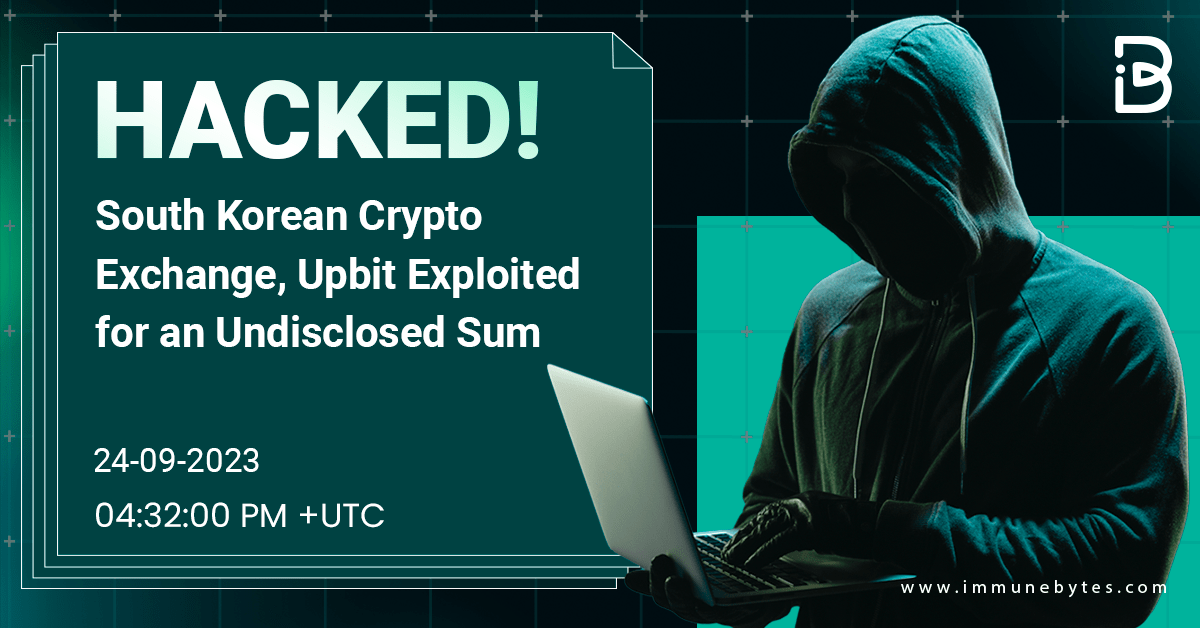
South Korea’s leading cryptocurrency exchange, Upbit, has come under intense scrutiny from the Financial Intelligence Unit (FIU) for allegedly failing to comply with key regulatory requirements related to Know Your Customer (KYC) processes. The FIU’s investigation uncovered a substantial number of potential KYC violations — estimated to involve up to 600,000 accounts. This review emerged as Upbit sought to renew its operational license, underscoring the growing regulatory pressures on South Korea’s crypto sector, especially as authorities tighten measures to combat money laundering and financial misconduct.

Regulatory authorities cited Upbit for allegedly neglecting to fully verify user identities, a fundamental requirement under South Korea’s Anti-Money Laundering (AML) regulations. Financial authorities in the country mandate that crypto exchanges like Upbit maintain strict KYC protocols to ensure that only legitimate transactions are processed, preventing criminal activities such as money laundering and fraud. This emphasis on KYC compliance follows a broader trend across South Korea’s financial ecosystem, where regulators increasingly demand transparency and rigorous operational standards in the virtual asset industry.

Upbit’s case highlights a significant challenge in balancing rapid growth in digital asset trading with compliance requirements. Industry analysts suggest that the reported KYC gaps could subject the exchange to hefty fines, potentially reaching millions of dollars if the FIU determines Upbit to be in severe violation. Legal experts in South Korea have indicated that the FIU may not only impose financial penalties but could also consider suspending Upbit’s operational license, depending on the severity and scale of the regulatory breach. This uncertainty could undermine investor confidence, as Upbit remains one of the most widely used cryptocurrency platforms in South Korea, holding significant sway in the country’s burgeoning crypto market.

While Upbit is not the only exchange in the regulatory spotlight, its high user volume and dominant market share make it a focal point for South Korea’s crypto regulations. In response to the FIU’s findings, Upbit has reportedly initiated efforts to improve its KYC protocols, though details on specific changes remain scarce. Observers believe that if Upbit fails to align its practices with the FIU’s expectations, it could face not only fines but also tighter regulatory controls that may restrict its operational flexibility.

The broader regulatory context in South Korea has grown notably stringent, particularly since the implementation of the Special Financial Transactions Information Act, which mandates full customer verification and reporting by virtual asset service providers (VASPs). This legislative framework, revised in 2021, was designed to safeguard the financial market from illicit activities. Exchanges now face a dual mandate: complying with both domestic laws and international standards set by bodies such as the Financial Action Task Force (FATF). Compliance has thus become a critical factor for the survival of crypto exchanges, as non-compliance risks both financial penalties and operational restrictions.

South Korea’s Financial Services Commission (FSC) has recently rolled out additional reforms aimed at curbing speculative trading and protecting users. In parallel, exchanges are required to notify users about upcoming verification mandates and transaction limits, effectively mandating them to educate users on compliance-related matters. The FSC’s initiatives underscore an intensifying crackdown on crypto firms that fail to abide by the stringent regulations, with an emphasis on maintaining robust security, transparency, and accountability within the industry.

Analysts contend that Upbit’s case could serve as a precedent for how South Korea’s FIU and FSC handle compliance violations in the crypto sector. Should the FIU penalize Upbit, other exchanges may face similar actions, potentially resulting in a ripple effect across the industry. Smaller platforms, in particular, might struggle to meet the financial and operational demands of these regulations, potentially leading to market consolidation where only the most compliant firms thrive. This increased regulatory pressure could ultimately reduce the number of exchanges in the market, affecting competitive dynamics and user access.

As the FIU’s review progresses, experts anticipate potential repercussions for the domestic crypto ecosystem. The growing regulatory focus on KYC compliance may compel exchanges to invest heavily in identity verification technologies and adopt advanced monitoring systems. In this climate, adherence to compliance standards will likely determine the longevity and credibility of cryptocurrency exchanges operating within South Korea.

VISHNU RAJA
RYO YAMADA
HITORI GOTOH
IKUYO KITA