News related to
network

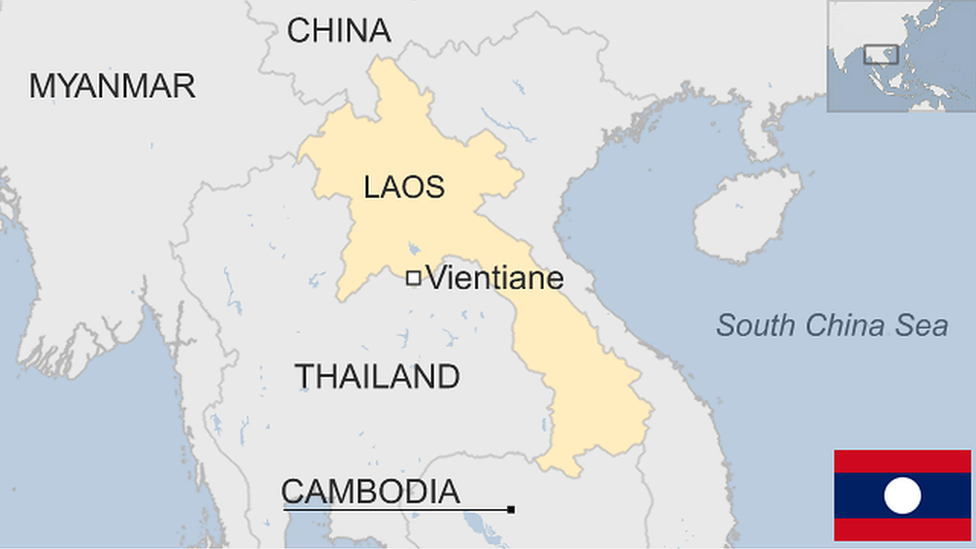
Laos has unveiled an ambitious plan to transform itself into a central hub for gold trading and refining in Asia by 2030, spearheaded by the Lao Bullion Bank . This initiative aims to bolster the nation’s financial stability and elevate its standing in the global precious metals market.

At a strategic meeting held on 2 May, LBB’s Chief Executive Officer, Chanthone Sitthixay, detailed the bank’s vision to establish Laos as a leader in the precious metals sector. The plan encompasses the development of comprehensive gold trading platforms, refining capabilities, and secure storage solutions, aligning with international standards to attract both regional and global investors.

The Lao Bullion Bank, officially launched in December 2024, represents a significant step in the country’s economic strategy. The bank’s establishment is a collaborative effort between the Lao government and PTL Holding, with the government holding a 25% stake and PTL Holding owning the remaining 75%. This partnership underscores a commitment to enhancing the nation’s gold reserves and stabilising the local currency, the Kip.

Since its inception, LBB has introduced various services, including gold deposit accounts, loans backed by gold collateral, and gold vending machines. These offerings aim to integrate gold more deeply into the financial system, providing citizens with alternative investment options and contributing to economic resilience.

To strengthen its position in the regional market, LBB has entered into strategic partnerships with key industry players. In October 2024, the bank signed a Memorandum of Understanding with the Singapore Bullion Market Association , focusing on knowledge exchange and regulatory collaboration to enhance Laos’s bullion market infrastructure. Additionally, a partnership with StoneX APAC was established to leverage technological expertise and develop new financial products tailored to the precious metals sector.

In March 2025, LBB further expanded its network by partnering with Samlane Jewelry, a prominent local gold retailer. This collaboration aims to standardise gold trading practices within the country and facilitate smoother transactions for investors and consumers. As part of this initiative, a promotional campaign was launched, offering incentives to customers who deposit gold with the bank, thereby encouraging public participation in the formal gold market.

The bank’s efforts are also directed towards refining unmined gold ores, transforming them into valuable assets that can contribute to the national budget and reserves. By doing so, Laos seeks to maximise the value derived from its natural resources, ensuring sustainable economic growth and financial independence.

LBB’s establishment and its subsequent initiatives reflect a broader governmental strategy to integrate Laos more fully into the global financial system. By positioning itself as a central player in the precious metals market, Laos aims to attract foreign investment, enhance its economic stability, and offer its citizens diversified financial services.

Dubai is set to host the 19th edition of the International Apparel & Textile Fair from 20 to 22 May 2025 at the Festival Arena, positioning itself as a pivotal platform for global fashion and textile stakeholders. Organised by Nihalani Events Management, the event anticipates participation from over 600 exhibitors representing more than 27 countries, and expects to attract approximately 15,000 visitors, including buyers, designers, and industry […]

A significant cybersecurity breach has compromised the LockBit ransomware syndicate, exposing nearly 60,000 Bitcoin addresses and a trove of internal data, including affiliate credentials. This development marks a pivotal moment in the ongoing efforts to dismantle one of the most prolific cybercriminal networks operating globally.

The breach, orchestrated by an international coalition of law enforcement agencies, has provided unprecedented insight into LockBit’s operations. Authorities now have access to a vast array of information detailing the group’s financial transactions, operational structures, and the identities of its affiliates. This intelligence is expected to significantly aid in the prosecution of individuals involved in the ransomware activities.

LockBit, known for its “ransomware-as-a-service” model, has been responsible for over 2,000 attacks worldwide, extorting more than $120 million from victims across various sectors, including healthcare, finance, and critical infrastructure. The group’s business model involved leasing its ransomware tools to affiliates, who would then carry out attacks and share a portion of the proceeds with the core group.

The exposed Bitcoin addresses reveal the extensive financial network underpinning LockBit’s operations. Analysis of these wallets indicates that the group had amassed over $110 million in unspent cryptocurrency, highlighting the scale of their illicit earnings. The transparency afforded by blockchain technology has enabled investigators to trace these funds, potentially leading to further asset seizures and the identification of additional perpetrators.

The breach also uncovered detailed records of LockBit’s internal communications and operational protocols. This information sheds light on the group’s recruitment strategies, target selection processes, and the methods employed to launder ransom payments. Notably, the data suggests that LockBit maintained a hierarchical structure, with a core leadership team overseeing a decentralized network of affiliates.

In response to the breach, several countries have imposed sanctions on key figures associated with LockBit. These measures include asset freezes and travel bans, aimed at disrupting the group’s activities and deterring future cybercriminal endeavors. The sanctions underscore the international community’s commitment to combating ransomware threats and holding perpetrators accountable.

HONG KONG SAR – Media OutReach Newswire – 8 May 2025 – On May 3, at the “China Lawyers Going Global – Hong Kong Session” held at the University of Hong Kong, GE Jun, Chairman and CEO of TOJOY Smart Enterprises Services, delivered an insightful lecture titled “Compliance Management and Globalized Operations for Enterprises Going Overseas.” The lecture offered a valuable learning opportunity for Chinese lawyers and […]

Leaders of the Group of Seven nations are set to address the escalating threat of North Korea’s cryptocurrency-fueled cybercrime at their upcoming summit in Alberta, Canada. The agenda reflects growing international concern over Pyongyang’s use of digital asset theft to circumvent sanctions and finance its weapons programmes.

North Korea has emerged as a dominant force in global cybercrime, with its state-sponsored hacking groups, notably the Lazarus Group and TraderTraitor, orchestrating sophisticated attacks on cryptocurrency platforms. In 2024 alone, these groups were responsible for stealing over $1.3 billion in digital assets, accounting for approximately 61% of the total crypto thefts that year. Such activities have significantly bolstered North Korea’s foreign currency reserves, with cyberattacks reportedly generating up to 50% of the country’s foreign exchange earnings.

One of the most significant incidents attributed to North Korean hackers was the $1.5 billion theft from the Dubai-based cryptocurrency exchange Bybit in early 2025. The attackers employed malware-laden trading applications to infiltrate the platform, subsequently laundering the stolen funds through a complex network of blockchain transactions. This breach not only marked the largest crypto heist to date but also underscored the regime’s advanced cyber capabilities.

Beyond large-scale exchange hacks, North Korean cybercriminals have diversified their tactics to include social engineering schemes. The “pig butchering” scam, for instance, involves operatives establishing fake online relationships to manipulate victims into investing in fraudulent cryptocurrency ventures. Such schemes have defrauded individuals, particularly retirees, of billions of dollars, further fueling Pyongyang’s illicit revenue streams.

The international community has responded with a series of sanctions and regulatory measures aimed at curbing North Korea’s cyber activities. In May 2025, the U.S. Treasury’s Financial Crimes Enforcement Network proposed banning Cambodia-based financial firm Huione Group from accessing the U.S. financial system. Huione is accused of laundering at least $4 billion in illicit funds, including $73 million in cryptocurrency linked to North Korean cyber heists. Similarly, South Korea imposed sanctions on 15 North Korean individuals involved in cyber theft and crypto heists, targeting their overseas operations that funnel funds back to Pyongyang’s weapons development programmes.

Despite these efforts, North Korea continues to refine its cyber strategies. The regime has reportedly infiltrated foreign companies by deploying operatives posing as freelance IT workers, thereby gaining access to sensitive systems and facilitating further cyberattacks. Such tactics not only enhance the regime’s ability to steal digital assets but also pose significant risks to global cybersecurity.

Dubai Municipality has launched a transformative project at Mushrif Park, positioning it as a premier sports and entertainment hub. The development introduces a 50-kilometre network of cycling paths, a 10-kilometre hiking trail, and a range of new amenities, including cafes, restaurants, locker rooms, and showers. Mushrif Park, established in 1982 and spanning 525 hectares, is located in the eastern part of the city near Al Khawaneej. It […]

By Saifur Rahman The Emirates Group reported an 18 percent growth in profit before tax exceeding US$6.2 billion (Dh22.7 billion) – a new record – in the financial year 2024-25. This is the first financial year that the UAE corporate tax, enacted in 2023, is applied to the Emirates Group. After accounting for the 9 percent tax charge, the Group’s profit after tax reached US$5.6 billion (Dh20.5 […]

Advertisements

Stripe has unveiled stablecoin-powered financial accounts for businesses in 101 countries, enabling users to hold, send, and receive US dollar-pegged digital currencies. This development aims to provide a stable financial infrastructure in regions with volatile currencies and limited banking access.

The new accounts support Circle’s USD Coin and Bridge’s USDB, allowing businesses to manage balances similarly to traditional fiat bank accounts. Stripe’s acquisition of the Bridge platform in October 2024 facilitated this integration, enhancing its capabilities in the stablecoin sector.

These accounts are accessible to businesses in countries including Argentina, Chile, Turkey, Colombia, and Peru, where stablecoins are increasingly utilized as a store of value amid high inflation and capital controls. By offering a secure and efficient means of transacting in US dollar-backed digital currencies, Stripe seeks to empower entrepreneurs and companies in emerging markets.

In addition to stablecoin accounts, Stripe has introduced an AI foundation model for payments, trained on billions of transactions to improve fraud detection and authorization rates. This model has demonstrated a significant increase in the detection of card testing attacks, enhancing the security of Stripe’s payment processing services.

Stripe’s partnership with Visa further extends the utility of stablecoins. Through this collaboration, businesses can issue Visa cards linked to stablecoin wallets, enabling users to make purchases at any merchant that accepts Visa. Bridge manages the backend processes, converting stablecoin balances into local currencies during transactions.

US regulators have opened a new chapter in cryptocurrency regulation, allowing national banks and federal savings associations to engage with digital assets. The move, led by the Office of the Comptroller of the Currency , authorises banks to facilitate cryptocurrency transactions and offer custodial services for crypto assets at their clients’ request. This decision signifies a crucial shift in how traditional financial institutions handle digital currencies and their increasing role in mainstream financial operations.

The OCC’s approval comes after considerable deliberation on the evolving nature of cryptocurrency in the financial ecosystem. With cryptocurrencies now embedded in many aspects of commerce and investment, the regulator’s stance reflects an effort to balance innovation with security. Banks will now be able to buy, sell, and trade cryptocurrencies like Bitcoin and Ethereum, following client requests. This broadens their service offerings and integrates digital currencies into their broader financial products, which can include savings accounts, mortgages, and more.

Banks are also authorised to provide custodial services for digital assets. This means they can store cryptocurrencies on behalf of their clients, ensuring both security and compliance with existing regulatory frameworks. Given the rising demand for secure storage options due to the high value and volatility of cryptocurrencies, this step offers a vital service for both individual and institutional investors.

The OCC also permits banks to outsource certain functions tied to cryptocurrency transactions, such as trading, accounting, and taxation, to third-party providers. However, this outsourcing is subject to stringent risk controls. Banks must ensure that any third-party service providers are vetted thoroughly to safeguard customer funds and data. This measure aims to mitigate risks associated with cryptocurrency’s unpredictable market fluctuations and the increasing occurrence of cyber threats targeting digital assets.

While the new guidelines aim to bolster the legitimacy of cryptocurrencies within the traditional banking sector, they also bring to light various risks that come with such integration. Experts caution that the fast-moving nature of the cryptocurrency market means that banks must maintain a proactive approach to risk management. The volatility and lack of uniform regulatory oversight on digital assets have raised concerns among some financial analysts, who argue that further regulations may be necessary to protect both investors and the financial system at large.

Despite these concerns, the move has been welcomed by several key players in the financial sector, including major banks looking to diversify their offerings in response to the growing influence of cryptocurrencies. Bank executives have expressed confidence that the regulation will foster greater trust among consumers who are hesitant about engaging with digital currencies outside traditional financial institutions. Some argue that the entry of established financial institutions will provide more stability to the crypto market, given the banks’ expertise in risk management and customer protection.

One of the significant advantages of this new policy is its potential to attract institutional investors. Many hedge funds, asset managers, and family offices have been cautious about direct investments in cryptocurrencies due to the lack of a secure, regulated framework. With banks now offering custodial services and transactional capabilities for cryptocurrencies, these investors may find it easier to enter the market.

The move could pave the way for more regulatory clarity around digital assets. The OCC’s decision positions the US as a leading authority on integrating cryptocurrencies into the financial mainstream, setting a precedent that may influence other countries. As digital currencies continue to blur the lines between traditional banking and fintech, regulatory bodies worldwide are closely monitoring the US’s stance to understand its broader implications.

As this development unfolds, the ongoing debate around cryptocurrency regulations will likely intensify. While some advocate for increased oversight to protect consumers and reduce systemic risks, others warn that excessive regulation could stifle innovation and deter investment. The decision by the OCC to empower banks to handle digital currencies highlights the importance of finding a balanced approach, one that allows for innovation while addressing the inherent risks of the crypto market.

The integration of cryptocurrencies into the banking system represents a significant shift in both sectors, but it is unlikely to be without challenges. Financial institutions will have to invest in robust security measures to safeguard digital assets against theft and fraud, while also ensuring compliance with anti-money laundering and know-your-customer regulations. The complexity of cryptocurrency markets also means that banks will need to enhance their internal expertise in blockchain technologies and digital asset management.

Bjarke Ingels Group , the renowned architectural firm, has unveiled a groundbreaking plan to redevelop the Jebel Ali Racecourse into a vibrant, sustainable urban district. The ambitious project, in collaboration with ARM Holding, a prominent Dubai-based development company, aims to revitalise a sprawling 5-square-kilometre area, turning the historical site into a hub for both residential and commercial spaces.

The proposal includes creating an environmentally friendly, mixed-use community that integrates cutting-edge design with green technologies. This redevelopment is expected to redefine urban living in Dubai, focusing on sustainability, innovation, and improved connectivity within the city.

BIG’s design concept emphasises green spaces, pedestrian-friendly walkways, and eco-conscious architecture, making it a model for future urban developments. The plan includes residential units, office spaces, recreational areas, and cultural hubs, all within a green environment designed to reduce the carbon footprint. The development aims to cater to the growing demand for urban spaces that not only meet residential needs but also foster community engagement and sustainability.

The project is being seen as a significant step in Dubai’s broader urban planning strategy, which aligns with the city’s Vision 2040. This vision focuses on creating a sustainable and diversified economy, with an emphasis on innovative, eco-friendly developments. By transforming the Jebel Ali Racecourse, the project supports the city’s ongoing efforts to establish a greener, more resilient urban landscape.

The existing racecourse, a significant landmark for horse racing enthusiasts in Dubai, will be integrated into the new district, preserving its cultural and historical value. The developers plan to retain the iconic racetrack as a key feature, while surrounding it with modern amenities and green infrastructure.

One of the key aspects of the plan is the extensive use of renewable energy sources and energy-efficient designs. Solar panels, energy-efficient buildings, and water conservation systems will be incorporated throughout the district. This will not only minimise the environmental impact of the development but also contribute to Dubai’s goals of reducing carbon emissions and enhancing the sustainability of its infrastructure.

The residential aspect of the development will offer a range of living options, including apartments, townhouses, and villas, catering to a diverse demographic. A variety of amenities, such as schools, healthcare facilities, and retail outlets, will be integrated into the design to ensure that the community is self-sufficient and well-connected.

The district will feature a state-of-the-art transportation network, including electric vehicle charging stations, bike paths, and enhanced public transport links. This will ensure that the development is easily accessible and fully integrated into the wider urban fabric of Dubai. The emphasis on sustainability extends to mobility solutions, with plans for a smart transport system aimed at reducing congestion and promoting greener travel alternatives.

The partnership between BIG and ARM Holding is a significant development for the city’s real estate market, with both parties bringing their expertise to the project. BIG, known for its innovative and sustainable designs, will be responsible for the architectural vision, while ARM Holding will manage the development and construction phases. Their collaboration is expected to set new benchmarks for urban development in the region.

As part of Dubai’s push to become a global leader in sustainable urban planning, the Jebel Ali Racecourse redevelopment is expected to attract considerable interest from international investors. The project aligns with Dubai’s efforts to position itself as a hub for innovation and sustainability in the Middle East.

The transformation of the Jebel Ali Racecourse site is part of a larger trend of reimagining historical spaces in Dubai to meet the demands of a growing population and economy. Similar projects are already underway in other parts of the city, focusing on transforming underutilised or outdated areas into modern, sustainable communities that offer high quality of life for residents.

The economic impact of this project is expected to be substantial, with job creation during the construction phase and long-term benefits from increased tourism, commerce, and real estate investments. The development will also contribute to the diversification of Dubai’s economy, with a focus on attracting high-tech industries and green businesses.

While the project is still in the early stages, it has already generated significant excitement in the city’s real estate and architectural sectors. Dubai’s reputation for ambitious and futuristic developments has been bolstered by similar large-scale projects, such as the Dubai Creek Tower and the Museum of the Future. The Jebel Ali Racecourse redevelopment is expected to continue this trend, setting a new standard for sustainable urban design in the region.

The UAE’s blockchain market is expected to experience robust growth, with a compound annual growth rate of approximately 42% from 2025 to 2030. This surge is being driven by strategic government initiatives aimed at harnessing the potential of blockchain technology, positioning the UAE as a global leader in the sector.

The Emirates Blockchain Strategy 2021, alongside the Dubai Blockchain Strategy, has been a key factor in propelling the country’s blockchain ambitions. The UAE government aims to transform Dubai into the first city fully powered by blockchain technology, establishing the city as a central hub for digital innovation. The National Blockchain Strategy, launched to cover the period from 2021 to 2031, outlines a bold vision for the country, with a target to convert 50% of government transactions into blockchain-based systems. This initiative is set to fundamentally reshape the public sector, enhancing transparency, efficiency, and security in governmental operations.

At the heart of this growth is a clear government-driven commitment to blockchain, which has fostered a conducive environment for both local and foreign investors. By encouraging blockchain adoption across various sectors, the UAE has attracted substantial interest from international businesses seeking to tap into this emerging market.

Blockchain’s applications in sectors beyond government administration, such as finance, healthcare, and logistics, are seeing increased adoption across the UAE. The integration of blockchain into these industries promises to revolutionise processes, particularly in terms of data security and automation.

The rise in interest surrounding digital assets, especially cryptocurrencies such as Bitcoin and Ethereum, has further bolstered blockchain’s relevance in the UAE. As a growing hub for cryptocurrency, the UAE’s regulatory bodies have facilitated the establishment of secure environments where blockchain-powered digital assets can thrive. The Abu Dhabi Global Market and Dubai Multi Commodities Centre have set high standards for crypto businesses, ensuring that these ventures operate within a structured, regulated framework. This regulatory clarity has positioned the UAE as a safe and attractive destination for cryptocurrency investors and entrepreneurs.

The surge in blockchain-related developments has also had a ripple effect on startup ecosystems in the UAE. Many tech startups are focusing on blockchain innovations, tapping into the opportunities offered by a market eager for cutting-edge technology solutions. The government has offered various incentives to these startups, making it easier for entrepreneurs to develop and launch blockchain solutions across different industries. This includes support for research and development, tax incentives, and access to venture capital funding.

International investors have also shown significant interest in the UAE’s blockchain market. The country’s stable regulatory environment, coupled with its proactive stance on blockchain integration, makes it an attractive destination for global investors seeking exposure to the digital economy. The UAE’s financial and regulatory bodies, such as the UAE Central Bank, have been instrumental in ensuring that blockchain technologies are seamlessly integrated into existing financial infrastructure, laying the groundwork for future innovations in digital banking and transactions.

The UAE’s focus on blockchain adoption has resulted in collaborations with global technology giants. International companies, especially those from the fintech and tech sectors, are increasingly establishing a presence in the UAE, taking advantage of the region’s favourable business environment. These collaborations are not only elevating the UAE’s technological landscape but also contributing to the global development of blockchain technology.

One of the UAE’s strategic advantages is its ability to position itself as a gateway for the Middle East, Africa, and Asia in terms of blockchain technology. The country’s well-established infrastructure, highly developed financial services industry, and strong governmental support provide an ideal backdrop for the scaling of blockchain-related businesses and projects.

In addition, the UAE is committed to building a strong talent pool in blockchain technology. With the rapid rise of blockchain across industries, there has been a growing demand for professionals with expertise in blockchain development, smart contracts, and digital asset management. The UAE has introduced various educational initiatives to address this demand, including partnerships with international universities and the establishment of blockchain-focused training programmes.

Despite the promising outlook, the UAE’s blockchain market faces challenges, including the need for continuous technological innovation and regulatory adaptation to keep pace with the rapidly evolving sector. The country will need to ensure that its legal and financial infrastructure remains flexible and dynamic, catering to the needs of blockchain developers, crypto investors, and businesses seeking to integrate blockchain into their operations.

The adoption of blockchain technology across various sectors will require overcoming cultural and institutional resistance. Although the government has made significant strides in promoting blockchain, further education and awareness campaigns may be needed to ensure that blockchain’s potential is fully realised across all industries.

AdGuard has officially launched version 1.0 of its ad-blocking software tailored for Linux, marking the company’s first stable release for the open-source operating system. This development introduces a system-wide, command-line-based ad-blocking solution, expanding AdGuard’s reach beyond its existing platforms, including Windows, macOS, Android, iOS, and browser extensions. The Linux version distinguishes itself by operating entirely through the command line, lacking a graphical user interface. This design choice […]

Bitcoin outpaced both gold and the S&P 500 in April 2025, surging over 30% to approach $97,200 by month’s end. This performance underscores the cryptocurrency’s growing appeal among institutional investors and its increasing alignment with traditional financial markets.

The rally followed a volatile start to the month, with Bitcoin dipping below $75,000 before rebounding sharply. Analysts attribute this resilience to heightened institutional adoption, bolstered by the proliferation of spot Bitcoin exchange-traded funds and strategic government initiatives. Notably, the United States’ establishment of a Strategic Bitcoin Reserve in March 2025 signaled a significant policy shift, aiming to position Bitcoin alongside traditional reserve assets.

Institutional interest has been further evidenced by major financial entities integrating Bitcoin into their portfolios. BlackRock’s iShares Bitcoin Trust ETF, for instance, has been incorporated into its $150 billion model-portfolio universe, allocating 1% to 2% to Bitcoin. Such moves reflect a broader trend of mainstream financial institutions embracing cryptocurrency as a legitimate asset class.

The correlation between Bitcoin and the S&P 500 has intensified, with recent analyses indicating a peak correlation coefficient of 0.87 in 2024. This suggests that Bitcoin is increasingly behaving like a leveraged version of traditional equity indices, offering amplified returns during market upswings. In 2024, while the S&P 500 rose by 24%, Bitcoin surged by 135%, highlighting its potential for higher alpha in bullish markets.

However, this amplified behavior also implies greater volatility. During market downturns, Bitcoin’s losses can be more pronounced, as evidenced in 2022 when the S&P 500 declined by 19% and Bitcoin plummeted by 65%. Investors are advised to consider this dynamic when incorporating Bitcoin into diversified portfolios.

The U.S. Federal Reserve’s decision to maintain interest rates at 4.25%-4.5% amid economic uncertainties, including a 0.3% GDP contraction in the first quarter, has also influenced market dynamics. Despite these challenges, Bitcoin’s performance suggests a decoupling from traditional economic indicators, driven by its unique supply dynamics and growing institutional demand.

Looking ahead, projections for Bitcoin’s price vary. Standard Chartered anticipates Bitcoin reaching close to $200,000 by the end of 2025, citing parallels with gold’s historic ETF-driven price surge. Similarly, AllianceBernstein forecasts a rise to $200,000 by September 2025, attributing this to increased institutional adoption and the effects of the 2024 Bitcoin halving event. Conversely, analysts at Blockware Solutions present a more conservative base case of $225,000, contingent on favorable macroeconomic conditions and continued corporate adoption.

The global landscape is also shifting, with several U.S. states, including Oklahoma, Texas, Arizona, and Utah, passing laws recognizing Bitcoin as a strategic asset for their state treasuries. Internationally, countries like Japan and Argentina are exploring the integration of Bitcoin into their financial systems, further legitimizing its role on the global stage.

Tether, the issuer of the popular stablecoin USDT, is set to launch its token on the Kaia blockchain, marking a significant move into the ecosystem of LINE NEXT, the subsidiary of the messaging giant LINE Corporation. This new development will enable LINE users to access a range of blockchain-based financial services directly from their platform. Through this partnership, the USDT stablecoin will be integrated into LINE’s Mini Dapp platform and wallet, broadening the scope of services available to millions of users within LINE’s ecosystem.

The collaboration between Tether, Kaia, and LINE NEXT aims to leverage the fast-growing trend of integrating blockchain technology with mobile apps, particularly in Asia, where LINE has a dominant presence. LINE NEXT, which focuses on the development of Web3 and blockchain-related technologies, is poised to play a key role in facilitating the adoption of digital currencies within LINE’s ecosystem. By integrating USDT into its Mini Dapp platform, LINE hopes to attract more users to explore decentralized finance services, including payments, cross-border remittances, and token transfers.

The partnership is expected to provide LINE users with enhanced payment options, allowing them to transfer funds internationally with minimal fees. The use of USDT, a stablecoin pegged to the US dollar, offers an appealing solution for users who wish to avoid the volatility often associated with cryptocurrencies. Tether’s USDT is already one of the most widely adopted stablecoins, with billions of dollars in circulation, making it a reliable option for both retail and institutional users.

The inclusion of USDT on the Kaia blockchain represents a significant milestone for both Tether and the broader blockchain industry. The Kaia blockchain, which has been gaining attention for its focus on scalability and security, will benefit from the increased demand for its services through this partnership. The Kaia blockchain is expected to provide a robust and efficient infrastructure for Tether’s USDT transactions, offering users fast and secure transfers while ensuring that the scalability needs of the growing LINE ecosystem are met.

With the integration of USDT into LINE’s Mini Dapp platform, users will be able to engage in a variety of blockchain-based financial activities without leaving the LINE app. This includes paying for goods and services, making cross-border payments, and participating in DeFi services such as lending and borrowing. LINE has already made significant strides in incorporating blockchain technology into its platform, and this move is expected to further solidify its position as a leader in the Web3 space.

The timing of this partnership comes at a crucial moment in the evolution of blockchain technology, as more companies and platforms are exploring ways to integrate digital currencies into their services. The popularity of mobile payment systems and the growing adoption of DeFi services make this collaboration particularly noteworthy. By providing a seamless experience for users to access both traditional and decentralized financial services, LINE and Tether are tapping into a new wave of digital financial innovation.

Netflix is set to develop a dramatic series surrounding the FTX collapse of 2022, which rocked the cryptocurrency world and resulted in major financial losses for investors. The story, one of the most significant in recent history, has caught the attention of top-tier actors, with Julia Garner in discussions to play Caroline Ellison, the former CEO of Alameda Research, the trading firm closely linked to FTX. Meanwhile, Evan Peters is rumored to portray Sam Bankman-Fried, the former CEO of FTX, whose arrest and legal proceedings following the scandal have made international headlines.

The collapse of FTX, once valued at $32 billion, shocked both the cryptocurrency and finance industries. Bankman-Fried’s fall from grace, from being one of the most prominent figures in the crypto space to facing multiple charges of fraud and money laundering, has become a subject of intense public interest. The bankruptcy of FTX, alongside the allegations against its executives, has led to widespread scrutiny of the cryptocurrency industry’s regulatory framework and the practices of its leading platforms. Bankman-Fried, who was once hailed as the “crypto wunderkind,” is now facing a complex legal battle after being accused of orchestrating a scheme that defrauded thousands of investors.

Netflix’s adaptation is expected to delve into the intricacies of the rise and fall of FTX, exploring not only Bankman-Fried’s role but also the individuals around him, including Caroline Ellison. Ellison, who was the chief executive of Alameda Research, has become a key figure in the FTX saga. She has publicly admitted to playing a role in the mismanagement of funds and has faced intense media scrutiny. The series will likely focus on her complex relationship with Bankman-Fried, along with the broader implications of the collapse on the cryptocurrency market.

Julia Garner, known for her critically acclaimed performance in *Inventing Anna*, has reportedly been tapped to bring Ellison to life on screen. Garner’s ability to portray complex, multi-dimensional characters has earned her significant praise, making her an ideal choice for the role. As the plot of the show centres around one of the most publicized financial collapses in recent memory, Garner’s portrayal of Ellison will be under close scrutiny, as audiences seek a deeper understanding of the individuals behind the scandal.

Evan Peters, who gained significant recognition for his work in *American Horror Story* and his portrayal of Jeffrey Dahmer in *Dahmer – Monster: The Jeffrey Dahmer Story*, is rumored to be cast as Sam Bankman-Fried. However, this casting has not been officially confirmed. If Peters does join the project, his performance could become a focal point, given Bankman-Fried’s high profile and the sheer drama surrounding his arrest and subsequent legal proceedings. Peters’ previous work has demonstrated his range and ability to embody controversial figures, making him a strong candidate for such a complex role.

The series will likely shed light on the inner workings of FTX, exploring its rise to prominence and the decisions that ultimately led to its downfall. Bankman-Fried, who was once celebrated for his philanthropy and innovative approach to crypto trading, has become a symbol of the dangers of unregulated financial ventures. His arrest in December 2022, just weeks after the collapse, marked the beginning of a high-profile legal process that continues to unfold.

As the series is still in development, few details have been released about the production timeline or the full cast. However, Netflix has a history of producing compelling dramas based on real-life events, from *The Crown* to *Making a Murderer*, and this new project is expected to garner significant attention. The platform’s focus on bringing real-world stories to life has proven successful in the past, with audiences eager to watch depictions of events that have captured the public’s imagination.

The FTX collapse continues to reverberate through the cryptocurrency industry, with ongoing investigations and trials. As the legal case against Bankman-Fried progresses, the series will likely serve as a poignant reminder of the consequences of financial mismanagement and the vulnerability of investors in the fast-paced world of digital currencies. With a star-studded cast and a compelling storyline, Netflix’s upcoming drama is poised to become a major cultural touchpoint for those following the saga of FTX.

Coinbase has officially added Worldcoin to its asset listing roadmap, marking a significant step toward integrating the controversial biometric-based cryptocurrency into one of the world’s most prominent digital asset exchanges. While the inclusion does not guarantee immediate trading, it signals Coinbase’s intent to support the token, pending liquidity and compliance reviews.

Worldcoin, spearheaded by OpenAI CEO Sam Altman, aims to establish a global digital identity system through iris-scanning devices known as “Orbs.” These devices verify users’ identities, granting them a unique World ID and distributing WLD tokens as part of an initiative to promote universal basic income in an AI-driven economy. The project, developed by Tools for Humanity, has already verified over 12 million users across more than 100 countries, despite facing scrutiny over privacy concerns.

The recent U.S. launch of Worldcoin has expanded its reach, with over 7,000 Orbs deployed in cities including Atlanta, Austin, Los Angeles, Miami, Nashville, and San Francisco. New users receive 16 WLD upon iris verification, while early adopters are granted 150 WLD, incentivizing participation in the burgeoning digital identity ecosystem.

Coinbase’s support for WLD extends to the Optimism network, an Ethereum Layer 2 scaling solution, enhancing transaction efficiency and reducing costs for users. This integration is expected to bolster liquidity and market volume for Worldcoin, potentially increasing its adoption and utility within the broader cryptocurrency landscape.

The listing aligns with Coinbase’s strategy to diversify its asset offerings and support innovative projects that address real-world challenges. However, Worldcoin’s approach has not been without controversy. Regulatory bodies in countries like Spain have raised concerns over the collection and storage of biometric data, leading to temporary suspensions and calls for stricter oversight.

Despite these challenges, Worldcoin’s proponents argue that the project offers a viable solution to the growing issue of online identity verification, particularly in distinguishing humans from AI-generated entities. The integration with Coinbase could serve as a catalyst for broader acceptance and implementation of biometric-based digital identities.

As the cryptocurrency market continues to evolve, the inclusion of Worldcoin on Coinbase’s roadmap underscores the exchange’s commitment to embracing novel technologies while navigating the complex regulatory landscape. The move also reflects a growing interest in leveraging blockchain solutions to address societal issues, such as income inequality and digital identity verification.

Worldcoin’s current market performance indicates a trading price of approximately $0.93, with a market capitalization of around $1.3 billion. The token has experienced fluctuations, reflecting investor sentiment and broader market trends. Its all-time high reached $11.80 in March 2024, highlighting the volatility inherent in emerging digital assets.

Canaan Inc. , a prominent manufacturer of bitcoin mining hardware, has been identified by Benchmark analyst Mark Palmer as a company with significant growth prospects. Palmer initiated coverage with a ‘buy’ rating and set a price target of $3 per share, suggesting a potential fivefold increase from its current trading price of approximately $0.60. This optimistic outlook is attributed to Canaan’s strategic initiatives in product innovation and global market expansion.

The company has been actively enhancing its product line, notably with the introduction of the Avalon Q, a compact, app-controlled home mining machine delivering 90 TH/s of computing power. This device is designed to cater to individual users, supporting a 110V home power supply, and is part of Canaan’s efforts to make bitcoin mining more accessible to a broader audience.

In addition to product development, Canaan has been expanding its operational footprint. The company reported a month-end deployed hashrate of 6.28 EH/s and an operating hashrate of 5.73 EH/s as of February 2025. These figures represent a sequential increase from the previous month, indicating steady growth in mining capabilities. Canaan’s self-mining operations have also been bolstered through partnerships, such as the joint mining collaboration with Luna Squares in Texas and the upgrade of mining rigs at Stronghold’s Panther Creek facility in Pennsylvania.

Financially, Canaan anticipates total revenues for fiscal year 2025 to range between $900 million and $1.1 billion, reflecting improved market demand and cost optimizations. The company also reported a narrowed gross loss for the fourth quarter of 2024, estimated between $10 million and $6 million, surpassing previous guidance.

Canaan’s strategic moves have not gone unnoticed in the market. The company secured significant orders from major players, including a follow-on order from HIVE Digital Technologies Ltd for 5,000 Avalon A15-194T miners and an agreement with AGM Group Holdings Inc. to provide 2,000 Avalon A15 Hydro Bitcoin mining machines, with an option for the customer to acquire up to 30,000 additional units. These deals underscore the growing demand for Canaan’s mining equipment and its strengthening position in the industry.

The company’s expansion into North America is a strategic pivot aimed at achieving a mining hash rate of 10 EH/s in the region and 15 EH/s globally by mid-2025. This move is complemented by the establishment of a localized team to explore partnerships and opportunities, as well as the implementation of new projects to solidify Canaan’s presence in the North American market.

Canaan’s commitment to innovation is further exemplified by its launch of the Avalon Mini 3 and Nano 3S Bitcoin mining heaters for home use at CES 2025. These devices combine efficient Bitcoin mining with home heating solutions, aiming to democratize cryptocurrency mining for individuals and expand the company’s reach to a wider customer base.

The company’s efforts are supported by a competitive all-in power cost of $0.04/kWh, which is considered industry-leading. This cost efficiency, coupled with the company’s strategic partnerships and product innovations, positions Canaan favorably in the evolving landscape of cryptocurrency mining.

Canaan’s stock performance reflects the market’s response to these developments. The company’s shares are currently trading at approximately $0.60, with a market capitalization of $361.06 million. The stock has experienced fluctuations, with an intraday high of $0.665 and a low of $0.5815, indicating investor interest and market volatility.

Metaplanet Inc., a Tokyo-listed investment firm, has fortified its position in the cryptocurrency market by acquiring an additional 555 Bitcoins, valued at approximately $53.4 million. This purchase was financed through the issuance of zero-coupon bonds to EVO FUND, raising $25 million, which was entirely allocated to the Bitcoin acquisition at an average price of $96,134 per coin.

This strategic move elevates Metaplanet’s total Bitcoin holdings to 2,235 BTC, positioning the company as one of the top 15 publicly traded entities globally in terms of Bitcoin reserves. The firm has set an ambitious target to amass 10,000 BTC by the end of 2025, with a longer-term goal of reaching 21,000 BTC by 2026, aligning with Bitcoin’s capped supply of 21 million coins.

Metaplanet’s aggressive accumulation strategy mirrors the approach of U.S.-based Strategy, formerly known as MicroStrategy, which has been a pioneer in corporate Bitcoin investment. Since adopting the Bitcoin Standard in April 2024, Metaplanet has experienced significant growth, with its market capitalization increasing by 7,000% and its shareholder base expanding to over 50,000.

The company’s financial performance has also seen a substantial boost, achieving a record-breaking 309.82% BTC yield in Q4 2024. Metaplanet measures its performance using BTC yield, focusing on the growth of Bitcoin per share rather than traditional fiat metrics. This approach underscores the company’s commitment to maximizing shareholder value in Bitcoin terms.

To fund its Bitcoin acquisitions, Metaplanet has employed innovative financial instruments, including the issuance of moving strike warrants and zero-coupon bonds. These tools have allowed the company to raise capital without incurring interest-bearing liabilities, thereby optimizing its capital structure and reducing financial risks.

Metaplanet’s CEO, Simon Gerovich, has emphasized the company’s mission to lead the Bitcoin renaissance in Japan and emerge as a global leader in Bitcoin treasury operations. The firm plans to utilize a mix of loans, equity, and convertible bonds to achieve its Bitcoin accumulation goals, reflecting a flexible and strategic approach to capital markets.

The company’s aggressive Bitcoin strategy has not gone unnoticed, with analysts projecting that Bitcoin could reach or surpass $200,000 by the end of 2025. Metaplanet’s bold moves are seen as a response to this bullish outlook, positioning the firm to capitalize on potential market gains.

Metaplanet’s stock performance has mirrored its Bitcoin strategy, with shares surging by over 4,000% in the past year. The company is set to be included in the MSCI Japan Index, a move expected to attract more investors and enhance its market presence.

HONG KONG SAR – Media OutReach Newswire – 7 May 2025 – Blue Cross (Asia-Pacific) Insurance Limited (“Blue Cross”) reported outstanding performance in the 2024 provisional statistics for Hong Kong general insurance business released by the Insurance Authority: Blue Cross achieved a 22.1% year-on-year growth in gross written premiums, significantly outpacing the market average of 6.3%1. Blue Cross’s overall market share has also increased. Non-medical business experienced […]

The UK Treasury has confirmed it will not pursue the establishment of a national cryptocurrency reserve, diverging from the approach taken by the United States. Instead, the government will focus on implementing a comprehensive regulatory framework for digital assets and exploring the issuance of sovereign debt via blockchain technology.

Treasury Secretary Emma Reynolds stated that creating a crypto reserve is not aligned with the UK’s strategic objectives. The emphasis will be on fostering innovation within a regulated environment, ensuring consumer protection, and maintaining financial stability.

To this end, the UK government has introduced draft legislation aimed at regulating cryptocurrency exchanges, dealers, and agents. These regulations will require crypto firms operating in the UK to adhere to standards for transparency, consumer protection, and operational resilience. The legislation is expected to be finalised by the end of 2025.

The Financial Conduct Authority plans to prohibit retail investors from borrowing funds, including via credit cards, to purchase cryptocurrencies. This measure is designed to protect consumers from the high risks associated with crypto investments. The FCA is also considering implementing credit checks and investment experience assessments for consumers involved in crypto lending and borrowing.

In a move to modernise the UK’s financial markets, the government is exploring the issuance of “digital gilts” on the blockchain. This initiative aims to enhance the efficiency and transparency of the debt issuance process. The Digital Securities Sandbox , launched jointly by the Bank of England and the FCA, will facilitate the testing of such innovations within a regulated environment.

The UK is also working closely with the United States to align regulatory approaches to digital assets. This collaboration includes discussions on a regulatory “sandbox” for digital securities and the exemption of overseas stablecoin issuers from UK regulations, provided they comply with equivalent standards in their home jurisdictions.

Industry leaders have expressed support for the UK’s approach, highlighting the importance of clear and forward-looking regulation to stimulate innovation and growth. They commend specific measures such as the proposed stablecoin regime and the UK-US regulatory sandbox, which are seen as steps towards establishing the UK as a global hub for digital assets.

While the UK government is accelerating efforts to develop a clear definition of cryptoasset staking and to establish a taxonomy of different staking business models, it does not intend to bring stablecoins into UK payments regulation at this time. This decision is based on the current use cases and aims to avoid placing additional regulatory burdens on certain stablecoin activities.

Norway’s housing market has witnessed its first contraction in home prices in nine months, as economic pressures weigh heavily on consumer confidence. Data released by the Norwegian Real Estate Association revealed a dip in house prices, following a period of growth driven by low interest rates and a robust economy. The slowdown in the housing market has been attributed to a delay in anticipated monetary easing, as […]

Greenlogue/AP CO2Wall, a Netherlands-based climate solutions company, has launched operations in Saudi Arabia with the opening of a new office in Riyadh. This move aligns with the Kingdom’s Vision 2030, which aims to achieve carbon neutrality by 2060 and enhance urban sustainability. The company’s expansion is facilitated through a partnership with AstroLabs, a business expansion platform in the Gulf region. Gerwin Pul, CEO of CO2Wall Group BV […]

KUALA LUMPUR, MALAYSIA – Media OutReach Newswire – 6 May 2025 – This Thursday, Bank Negara Malaysia (BNM) will announce its policy rate decision. While most analysts expect no change, Octa Broker suggests that a rate cut is on the table and is highly likely to take place later this year due to subdued inflation, stronger ringgit, and a higher likelihood for Fed rate cuts. On Thursday, […]

Panasonic Marketing Middle East and Africa has entered into a strategic partnership with Saudi Company for Hardware , a leading retailer in Saudi Arabia, to revolutionise the retail experience for customers in the Kingdom. This move marks a significant shift in the retail and electronics sectors, directly aligning one of Japan’s biggest manufacturers with a key local distributor, reshaping supply chains and enhancing customer engagement.

The collaboration between Panasonic and SACO will introduce a direct supply model, which aims to streamline product availability and improve service efficiency. By working closely together, the two companies will ensure a smoother, faster product distribution system, ultimately benefiting consumers with quicker access to Panasonic’s wide range of electronics and home appliances. SACO’s established retail network and expertise in the local market provide Panasonic with the necessary infrastructure to reach a broader audience while maintaining the highest service standards.

As part of the partnership, SACO will become Panasonic’s exclusive retail distributor for several product categories, including air conditioners, home appliances, and consumer electronics. The deal is expected to strengthen Panasonic’s presence in Saudi Arabia, which is one of the Middle East’s largest and most lucrative consumer markets. Both companies are focusing on providing customers with an enhanced shopping experience by offering a range of cutting-edge technologies and products, with a focus on energy-efficient and environmentally friendly solutions.

The collaboration is also set to create a seamless integration of Panasonic’s products into SACO’s expansive network of stores across the Kingdom. With a deep understanding of the Saudi consumer landscape, SACO is well-positioned to promote Panasonic’s products effectively while ensuring that they meet the local market’s unique needs and preferences. SACO’s strategic locations across major cities in Saudi Arabia will provide Panasonic with an enhanced retail footprint, allowing it to tap into new demographics and increase brand recognition.

The partnership comes at a time when Saudi Arabia’s retail and electronics sectors are experiencing substantial growth, driven by a youthful population, rising disposable incomes, and increased consumer demand for high-quality home electronics. This trend is further supported by the Saudi Vision 2030 initiative, which aims to diversify the economy and reduce its reliance on oil exports. As part of this vision, the Kingdom is increasingly focusing on expanding its non-oil sectors, with retail and consumer electronics being key growth areas.

Panasonic’s commitment to sustainability aligns with the growing demand for energy-efficient products in the Kingdom. In response to this demand, the company plans to introduce a range of environmentally conscious solutions, such as energy-saving home appliances and air conditioning systems, designed to meet Saudi Arabia’s strict energy regulations. These products are expected to resonate well with consumers who are becoming more environmentally aware and seek to reduce their carbon footprints while maintaining high standards of comfort and quality.

Through this collaboration, Panasonic also aims to strengthen its after-sales service network in Saudi Arabia. The partnership will facilitate the creation of dedicated service centres, staffed by highly trained technicians who can provide maintenance and repair services for Panasonic products. This move is designed to enhance customer satisfaction, ensuring that consumers receive comprehensive support throughout the life cycle of their purchased products. Panasonic’s reputation for high-quality manufacturing and reliability will be further bolstered by SACO’s robust service infrastructure.

The partnership is expected to play a pivotal role in transforming the electronics retail sector in Saudi Arabia. By leveraging SACO’s local expertise and Panasonic’s global brand strength, the companies aim to offer a unique value proposition to consumers. Shoppers will benefit from a more integrated shopping experience, including access to the latest Panasonic products, expert advice, and convenient after-sales support. Furthermore, the collaboration is likely to spark more innovation in the retail sector, as other manufacturers may look to follow suit and form similar partnerships with local distributors to enhance their market presence.

As the Kingdom continues to prioritise economic diversification and digital transformation under Saudi Vision 2030, the collaboration between Panasonic and SACO represents a significant step in aligning global brands with local expertise. By directly addressing consumer needs and preferences, the partnership is well-positioned to drive further growth in the Kingdom’s electronics and retail sectors, supporting the wider goal of modernising the economy and improving the quality of life for Saudi citizens.

VISHNU RAJA
RYO YAMADA
HITORI GOTOH
IKUYO KITA