News related to
promises

uBroker Spa has acquired a significant 49% share in the Italian independent game development studio, Memorable Games, marking a strategic move to broaden its presence in the burgeoning gaming industry. This partnership is poised to bolster the creative ambitions of Memorable Games, known for its innovative titles, while offering uBroker a stronger foothold in the gaming sector, which continues to grow rapidly worldwide. Memorable Games, founded in […]

Ogre Head Studio, the game development company behind the success of *Asura*, is rapidly making a name for itself in the gaming industry by tapping into India’s rich folklore. Following the immense success of its debut title, which drew from mythological themes and offered a fresh perspective on Hindu mythology, the studio is now focusing on expanding its portfolio. The upcoming game *Yodha*, a roguelike deckbuilder, is […]

Xanh SM, Indonesia’s first 100% electric ride-hailing service, has arrived in Jakarta, revolutionizing urban mobility with a sustainable transportation solution and setting a new standard for 5-star service. JAKARTA, INDONESIA – Media OutReach Newswire – 12 December 2024 – Jakarta, a sprawling metropolis known for its relentless traffic and highly-polluted air, now bears witness to a quiet revolution. Amid the city’s ceaseless motion, a fleet of bright […]

By P. Sudhir The rapid advance of Hayat Tahrir al-Sham and other armed factions led to the fall of Bashar al- Assad’s government in Syria. With this, the US has succeeded in toppling the last of the secular regimes in West Asia. US military interventions resulted not only in the fall of secular regimes in […]

The United Arab Emirates has finalized a comprehensive agreement aimed at boosting economic and trade relations with the Eurasian Economic Union (EAEU), marking a significant step in its efforts to diversify trade partnerships and expand its geopolitical influence. The deal, signed by top officials in both regions, is expected to enhance cooperation in sectors such as energy, technology, and logistics, and increase bilateral trade, which has already shown promising growth.

The EAEU, a political and economic union comprising Armenia, Belarus, Kazakhstan, Kyrgyzstan, and Russia, represents a growing market with over 180 million consumers. The agreement with the UAE promises to deepen economic integration between these countries and one of the Middle East’s most dynamic economies. This strategic alignment highlights the UAE’s broader ambition to strengthen its role as a global trading hub, positioning itself as a bridge between East and West.

Trade relations between the UAE and the EAEU have been steadily evolving, with the UAE emerging as a key partner for EAEU nations in recent years. This new pact, formalized after several rounds of negotiation, is designed to capitalize on existing commercial synergies, offering a platform for increased investment flows, joint ventures, and the expansion of supply chains. The agreement sets the stage for a substantial increase in trade volumes, as both parties have agreed to reduce trade barriers and streamline customs procedures, making it easier for goods and services to flow across borders.

In addition to the trade component, the agreement includes provisions for cooperation in technology and innovation. The UAE, already a leader in the tech sector in the Middle East, is looking to export its expertise in fields such as artificial intelligence (AI), renewable energy, and smart infrastructure. EAEU nations, particularly Russia and Kazakhstan, are keen to integrate more advanced technologies into their industries, and the UAE sees this as a prime opportunity to tap into these growing markets. The deal is expected to open up new avenues for collaboration in space technology, fintech, and cybersecurity, sectors in which the UAE has made substantial strides.

Energy remains one of the cornerstone industries in the relationship. The UAE, a member of the Organization of the Petroleum Exporting Countries (OPEC), and Russia, one of the world’s largest oil producers, have long had a robust partnership in the energy sector. This agreement formalizes their commitment to enhancing energy cooperation, particularly in the field of renewable energy. With both nations investing heavily in solar, wind, and nuclear power, the UAE’s clean energy expertise could play a pivotal role in helping EAEU countries achieve their energy transition goals.

The partnership holds significant strategic value for the UAE, which is seeking to diversify its international partnerships and reduce its reliance on traditional Western markets. As geopolitical dynamics shift, particularly with increasing tensions between the West and Russia, the UAE sees the EAEU as an important alternative to expand its global influence. The UAE’s government has been active in seeking closer relations with non-Western powers, building ties with China, India, and Russia in various sectors, including defense, technology, and trade.

For the EAEU, the agreement provides a new dimension to its outward economic orientation, as the bloc looks to reduce its dependence on Europe and enhance its engagement with the Middle East. This new avenue for collaboration is seen as critical for the EAEU’s long-term economic strategy, which aims to bolster ties with countries in Asia and the Arab world. The UAE’s rapidly growing economy and its strategic location between Asia, Africa, and Europe offer a unique gateway for EAEU countries to increase their exports, access global markets, and attract investments.

This agreement is part of a broader trend of the UAE pursuing economic diversification and expanding its trade footprint beyond its traditional partners. The UAE has been actively seeking new trade agreements with nations across the globe, and this deal with the EAEU complements similar initiatives with countries such as India, China, and various African nations. Through these agreements, the UAE is enhancing its position as a regional and global trade powerhouse, and the EAEU pact is a significant component of that vision.

The deal’s signing follows years of diplomatic and economic negotiations, with both sides recognizing the growing potential for collaboration across multiple sectors. The UAE has long prioritized the development of strong, diversified economic relationships, and this agreement with the EAEU is expected to deliver tangible benefits for both regions in the coming years.

While the agreement sets the stage for increased trade and investment, both sides are aware of the challenges involved in implementing such a broad partnership. Differences in regulatory environments, market structures, and political dynamics could present hurdles that need to be navigated carefully. However, the determination on both sides to push forward with these initiatives reflects the shared commitment to strengthening economic ties.

Google has unveiled its latest AI model, Gemini 2.0, which the tech giant positions as a critical step in the evolution of artificial intelligence. With a focus on enhancing decision-making and multi-step reasoning capabilities, Gemini 2.0 aims to serve as a powerful AI tool for both individual and business use. CEO Sundar Pichai, in his announcement, highlighted the model’s capacity to understand complex contexts, predict outcomes, and autonomously perform tasks for users, all of which are part of Google’s vision for what they call “agentic AI.”

Gemini 2.0 builds on Google’s previous AI models by adding more sophistication and versatility, designed to better serve a range of functions across Google products. One of its major enhancements is its ability to process and output various forms of data simultaneously—text, images, video, and even audio. This expansion comes as part of the company’s efforts to make its AI more integrated with other tools, such as Google Search and the broader Gemini platform. As part of the rollout, Gemini 2.0 will be available initially to developers and select testers, with a broader release planned for 2025.

For developers, the potential for innovation with Gemini 2.0 is immense. Powered by Google’s advanced TPU (Tensor Processing Unit) hardware, called Trillium, this new model promises substantial improvements in processing speed and efficiency. Google has also announced that its new model will be integrated into numerous Google products that already serve billions of users globally. This deployment is expected to expand rapidly, particularly through the Gemini app, which will incorporate Gemini 2.0 Flash for faster performance in multiple languages and regions.

The competition in AI is intensifying, with major players like OpenAI, Meta, and Amazon all making strides to develop more advanced models. Yet, Google’s focus on integrating agentic AI—AI capable of taking autonomous actions to meet specific goals—could give it an edge in applications that require deep contextual understanding and proactive decision-making.

One notable feature of Gemini 2.0 is its focus on enhancing the user experience by making AI more intuitive. The model’s enhanced ability to make decisions on behalf of users in various contexts is positioned as a way to add tangible value. For instance, AI agents can help users navigate complex workflows, assist in content creation, or automate decision-making processes that would traditionally require human intervention.

While the AI space continues to be dominated by hardware giants like Nvidia, which supplies the chips for much of the training behind these models, Google’s strategic use of its own hardware—Trillium—marks a significant step in its ambition to maintain leadership in AI development. The company’s decision to roll out Gemini 2.0 while ensuring its compatibility across multiple platforms will likely reinforce its dominance in the sector.

Looking forward, the integration of Gemini 2.0 into Google’s flagship products like Search promises to transform how users interact with information. Early testers have lauded the new model for its ability to provide more relevant, context-aware responses. This aligns with Google’s broader goal of refining how AI can streamline information retrieval, decision-making, and creative processes.

NEOM Media has teamed up with Hakawati Entertainment to propel Saudi Arabia’s film industry into the global spotlight, signaling a transformative step in the kingdom’s creative sector. The strategic collaboration aims to produce up to nine feature films and build a world-class production services division within the NEOM region.

This ambitious partnership is poised to enhance Saudi Arabia’s position as a key player in the global entertainment industry. By leveraging NEOM’s futuristic infrastructure and Hakawati’s extensive expertise in film, television, and literary management, the initiative promises to set a new standard for production in the region. The deal highlights the growing significance of Saudi Arabia’s Vision 2030, which prioritizes the diversification of the economy through sectors like media and entertainment.

The partnership focuses on creating high-quality cinematic productions that can appeal both regionally and globally. With access to NEOM’s state-of-the-art facilities, the collaboration aims to attract international talent and filmmakers. The new production division is expected to provide cutting-edge services, positioning Saudi Arabia as a top destination for film and television production in the Middle East.

Hakawati Entertainment, known for its pivotal role in advancing the local media landscape, brings a wealth of experience to the table. The company’s founder and CEO, who has worked on a variety of major film projects, emphasized the significance of this alliance in shaping the future of entertainment in the Kingdom. “This partnership allows us to combine world-class infrastructure with the storytelling traditions of the region, creating films that resonate globally,” said the CEO.

A major goal of the venture is to not only produce films but also foster the development of local talent. The initiative is expected to create thousands of jobs across multiple sectors, including production, creative development, and technical services. Training and mentorship programs will be integral to the project, empowering young filmmakers and actors and helping to build a sustainable, self-sufficient entertainment ecosystem.

Saudi Arabia’s growing interest in the media sector is a direct result of Crown Prince Mohammed bin Salman’s Vision 2030, which aims to reduce the country’s dependency on oil and develop new industries. As part of this vision, Saudi Arabia has been investing heavily in entertainment, sports, and culture to position itself as a global hub for creativity and innovation.

This partnership comes at a time when Saudi Arabia is already making significant strides in the global film industry. Earlier initiatives, such as the opening of cinemas in the kingdom after a decades-long ban, have brought international attention to the country’s evolving entertainment sector. The establishment of the Saudi Film Commission, which supports local filmmakers and fosters a creative economy, further demonstrates the country’s commitment to becoming a powerhouse in the film industry.

The partnership with NEOM is another critical step in the country’s broader strategy to attract international film productions and create a thriving local media ecosystem. The NEOM region itself, which is part of a larger $500 billion megacity project, promises to be a hub for technological innovation and sustainability, making it an attractive location for global production companies looking for state-of-the-art facilities and infrastructure.

Industry experts believe that this collaboration has the potential to revolutionize the Middle Eastern film market. Saudi Arabia’s growing film industry is well-positioned to tap into a vast, untapped market in the region, which has long been dominated by international players. As the entertainment industry in the Middle East becomes increasingly diverse and competitive, the region is on the brink of producing more high-quality films that reflect its unique cultural heritage while appealing to international audiences.

The partnership with Hakawati Entertainment also plays a crucial role in fostering Saudi Arabia’s position as a cultural and economic force in the region. By focusing on both local production and international collaborations, the kingdom is establishing itself as a place where creative minds from around the world can come together to tell powerful stories. The partnership aligns with broader regional efforts to promote the film industry and strengthen cultural ties across the Arab world.

Advertisements

MACAO SAR – Media OutReach Newswire – 10 December 2024 – As the holiday season sweeps in, Galaxy Macau™(referred to as “Galaxy Macau”), the world-class luxury integrated resort, is ready to unwrap a feast of festive-themed menus at its distinguished dining venues. Here, every dish is a curated work of art by the talented master chefs, designed to make this holiday moments sparkle. Whether it’s a family […]

Emirates Biotech, a prominent player in the UAE’s growing biotechnology sector, has announced plans to construct what is poised to become the world’s largest production facility for polylactic acid (PLA). The plant, set to break ground in the coming months, aims to revolutionize the global bioplastic industry by providing a sustainable alternative to petroleum-based plastics, which have long been associated with environmental damage. With a sharp focus […]

The Al Dhafra Book Festival, hosted in the scenic Madinat Zayed Public Park from December 9 to 15, has become a vibrant celebration of literature and culture. Organized by the Abu Dhabi Arabic Language Centre under the Department of Culture and Tourism – Abu Dhabi, this year’s event promises an enriching experience with over 50,000 books on display and a curated lineup of 200 diverse events catering to readers and cultural enthusiasts alike.

This edition, themed “Celebrating a Cultural Legacy,” underscores the region’s literary and artistic contributions. Attendees can engage in workshops, poetry nights, and interactive storytelling sessions, making the festival a platform for fostering community connections. Notable highlights include activities honoring the UAE’s literary figures, sessions promoting environmental awareness through art, and initiatives showcasing the talents of people of determination.

KUALA LUMPUR, MALAYSIA – Media OutReach Newswire – 5 December 2024 – Gold has been valued for its stability when the financial fires are raging. That stable nature was underscored in 2024 when its price shot upward, gaining over $700 per ounce. This amounted to a 34% increase since January. The vibrant price increase has gotten traders and investors all jazzed up again about gold, with the […]

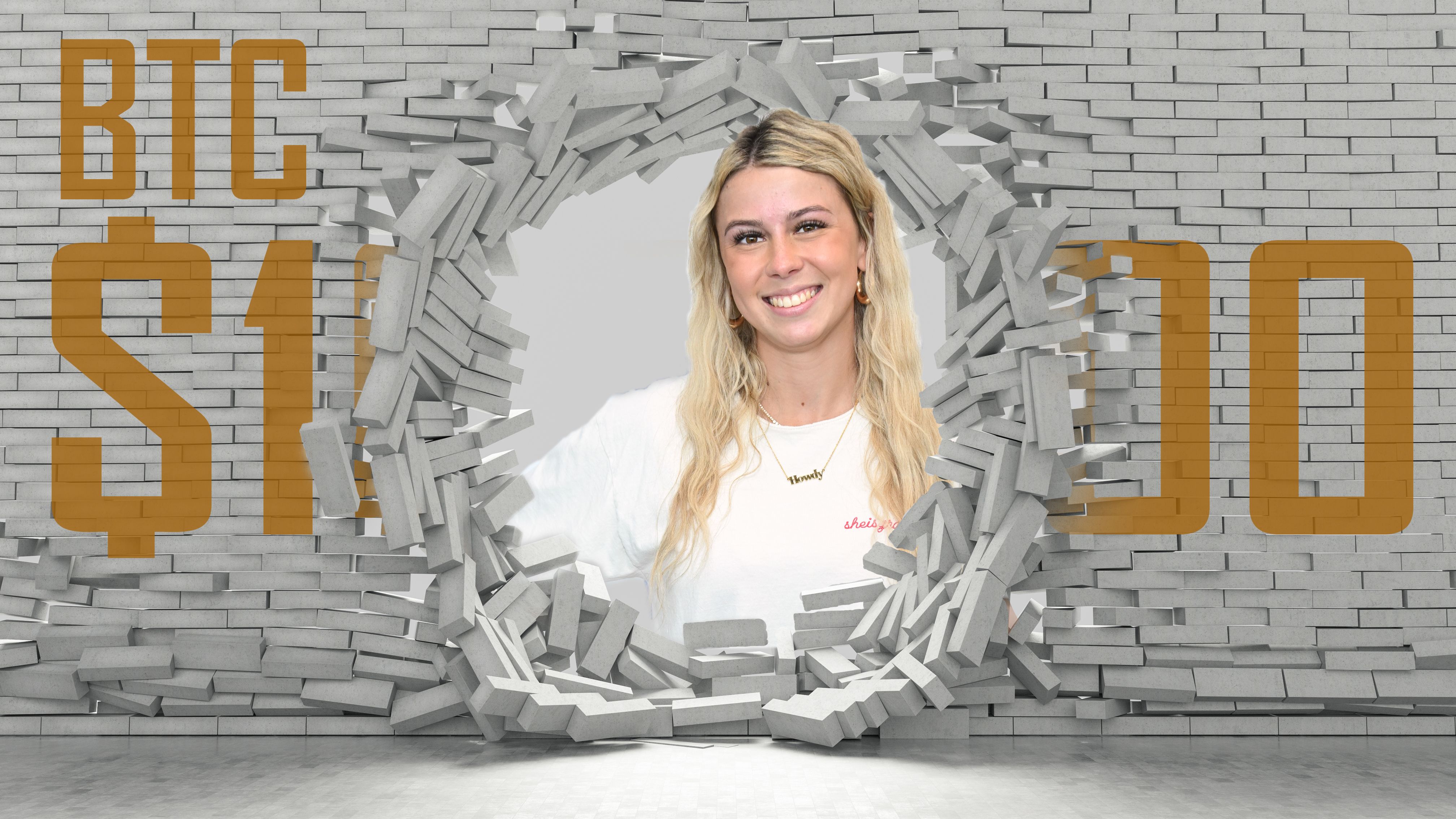
Bitcoin’s monumental climb to $100,000 had all the trappings of a historic achievement. The cryptocurrency’s value soared as market analysts predicted continued growth, and investors dreamed of an even greater financial revolution. Despite the fanfare surrounding Bitcoin’s rally, an unexpected event in the world of altcoins quickly drew significant attention: the sudden collapse of Hawk Tuah, a cryptocurrency that had captivated many. What was once seen as a promising token has now raised questions about the stability of digital assets and the volatile nature of the crypto space.

Bitcoin’s $100K achievement was anticipated for years by its most ardent supporters, who argue that the cryptocurrency is poised to disrupt traditional finance. Many analysts view Bitcoin as a store of value akin to gold, especially during times of economic instability. A surge in institutional investment and public interest contributed to the rise in Bitcoin’s price, spurred by fears of inflation, the erosion of traditional financial systems, and growing support from government-backed institutions worldwide. As Bitcoin breached the $100K mark, enthusiasts celebrated, hoping the moment would mark the beginning of a new era for digital currencies.

However, while Bitcoin was grabbing the headlines, an altcoin—Hawk Tuah—was making waves for a completely different reason. A social media frenzy about Hawk Tuah’s potential led to an influx of retail investors, many of whom viewed the coin as a shortcut to quick profits. Cryptocurrency enthusiasts, seeking new opportunities outside Bitcoin, were drawn to Hawk Tuah’s marketing promises, with influencers and self-styled financial gurus touting it as a major up-and-comer.

The coin’s rapid ascent was fueled by hype and speculation, yet the rapid downfall was equally abrupt. Less than a week after Hawk Tuah reached its all-time high, it became clear that the project was riddled with issues: broken promises, questionable development practices, and, in some cases, fraud allegations. In an industry plagued by instability and a lack of regulation, the Hawk Tuah crash was a stark reminder of the risks involved in crypto investments.

In many online communities, the collapse of Hawk Tuah overshadowed Bitcoin’s milestone. Enthusiasts who had once been excited about Bitcoin’s price surge seemed far more engaged in analyzing the rise and fall of the altcoin. Even conversations among casual investors and retail participants shifted focus toward the sudden evaporation of Hawk Tuah’s market capitalization. Some even compared the situation to the famous “pump and dump” schemes that have plagued the crypto space for years.

Experts have weighed in on why the drama surrounding Hawk Tuah stole attention from Bitcoin’s $100K moment. For one, the crypto space remains largely unregulated, making it difficult for investors to distinguish between legitimate projects and speculative ventures. As Bitcoin gains more mainstream acceptance, smaller projects like Hawk Tuah leverage social media and influencer marketing to attract the attention of everyday investors, often without offering a transparent roadmap or fundamental utility. These tactics have raised alarms among financial experts, who caution that the lack of due diligence can lead to catastrophic losses.

The emotional allure of altcoins often leads to impulsive decisions, driven by the fear of missing out on the next big thing. Retail investors, many of whom lack the expertise to fully assess the long-term viability of a crypto asset, tend to be drawn in by short-term price movements rather than evaluating the coin’s underlying technology and use case. Hawk Tuah was no exception. As news of its rapid price escalation spread across social media platforms, inexperienced traders piled in, hoping for a fast return.

While Bitcoin’s position as the leader of the cryptocurrency market remains undisputed, the Hawk Tuah debacle serves as a cautionary tale for investors. Even as Bitcoin’s market cap continues to soar, the volatility of altcoins like Hawk Tuah shows that the crypto landscape is still filled with uncertainty. The success of a few digital currencies can overshadow the broader, more dangerous realities of the market. While Bitcoin may continue to rise, the price of altcoins often remains susceptible to the whims of influencers, market sentiment, and, more ominously, scam artists.

For many, the Hawk Tuah disaster is emblematic of a larger issue in the crypto world: the lack of regulation and investor protections. Unlike traditional stocks, which are subject to stringent rules and oversight, the cryptocurrency market operates in a gray area, with minimal regulatory frameworks in place. This allows for rapid price fluctuations and allows unverified projects to thrive. With the crypto sector continually drawing new participants, questions surrounding accountability, transparency, and investor safety are growing louder.

Despite the turbulence in the altcoin market, Bitcoin’s fundamentals remain strong. Institutional adoption, continued mainstream integration, and growing interest from governments around the world are signs that Bitcoin’s rise may not be a fleeting moment but the start of a more stable, established financial instrument. Yet, even with Bitcoin’s increasing legitimacy, the volatility of the broader market continues to pose challenges for investors looking for consistent returns.

The Caribbean and the United States are now seamlessly connected through the newly unveiled Caribbean Elite Alliance (CELIA) undersea cable, marking a transformative leap in digital infrastructure for both regions. This high-capacity cable, which spans more than 5,000 kilometers, promises to revolutionize data transfer and telecommunications, providing faster, more reliable internet access for millions of people in the Caribbean and on the U.S. East Coast. CELIA, which […]

Pasqal, a prominent player in the quantum computing industry, has delivered a 100-qubit quantum computer to the Jülich Supercomputing Centre (JSC) at Forschungszentrum Jülich, marking a significant advancement in European quantum research. The delivery is a major step toward harnessing the power of quantum computing to address complex scientific and industrial challenges. The new quantum system, built on Pasqal’s pioneering neutral-atom quantum technology, is expected to enable […]

VYTAL Global acquires certain assets and team members from TURN to drive tech-enabled reuse solutions VYTAL Global expands to the U.S. with the launch of VYTAL US Inc. Germany-based digital reuse platform that continues global growth by acquiring certain key assets and team members from TURN, the leading U.S.-based reuse company, providing tech-enabled reuse solutions to events and venue customers. COLOGNE, GERMANY – Newsaktuell – 5 December […]

The GameFi sector, which combines gaming and decentralized finance, has emerged as one of the most volatile areas within the blockchain industry. A new report by ChainPlay reveals staggering statistics, including the failure of 93% of GameFi projects, marking it as the sector with the highest rate of collapse. These findings underscore the significant risks investors and developers face when venturing into this rapidly evolving space.

GameFi projects, on average, last only four months, according to the ChainPlay analysis. The short lifespan of these initiatives suggests that many are struggling to gain traction or sustain long-term interest. This trend reflects broader challenges within the blockchain and cryptocurrency industries, where volatility and high turnover rates are not uncommon. GameFi’s focus on integrating traditional gaming elements with decentralized finance has led to a surge in interest but also to an overwhelming number of unsustainable projects.

The report also highlighted the impact of these failures on investors. Around 58% of venture capitalists (VCs) who invested in GameFi initiatives have experienced substantial losses, with some reporting a loss between 2.5% and as much as 99% of their investments. This staggering range of losses points to the unpredictability and speculative nature of investing in the GameFi market. For VCs, the combination of high-risk projects and a lack of long-term viability has led to significant financial setbacks, causing many to reassess their strategies within this niche sector.

The performance of GameFi projects has been disappointing in terms of price sustainability. On average, these projects have seen a drastic 95% decline from their all-time high prices. This sharp drop in value has affected not only investors but also the development teams, gaming communities, and stakeholders who were optimistic about the potential of combining gaming with blockchain technology. The lack of sustained growth and the overwhelming number of failures in this space have contributed to the disillusionment among many participants, causing them to question the long-term viability of GameFi.

Despite these challenges, a small number of successful GameFi projects have managed to maintain their presence in the market, showing that there is still potential for innovation in the sector. However, the data highlights a broader trend of overhyped projects that fail to deliver on their promises. The combination of a highly competitive environment, speculative investing, and a lack of regulation has made it difficult for many GameFi projects to thrive.

The failure of GameFi projects is part of a larger pattern of struggles within the broader cryptocurrency and blockchain industries. The market has faced significant hurdles, from regulatory challenges to the volatility of digital currencies. GameFi, which attempts to blend gaming with decentralized finance, finds itself at the intersection of two sectors already marked by uncertainty. While there is potential for growth in blockchain-based gaming, the overwhelming majority of projects have not been able to capitalize on this opportunity.

Several factors have contributed to the high failure rate in GameFi, including inadequate funding, lack of clear use cases, and poor execution. Many projects have failed to capture the attention of mainstream gamers or failed to create a compelling gaming experience that integrates well with decentralized finance. This has led to a lack of sustained user engagement, which is essential for the long-term success of any gaming project. Moreover, the speculative nature of the market, where some projects are launched more for investment purposes than for genuine gaming experiences, has created an unstable foundation for growth.

Another challenge facing GameFi is the high level of competition within the space. As new blockchain-based games are launched at a rapid pace, it becomes increasingly difficult for any single project to stand out and maintain long-term relevance. Many of these projects face challenges in attracting and retaining a dedicated user base, with some failing to differentiate themselves from one another. The lack of differentiation between GameFi projects contributes to their short lifespans, as gamers and investors alike move on to the next big opportunity.

GameFi’s integration with decentralized finance has raised concerns about its sustainability. While the concept of combining gaming and finance holds appeal, the lack of regulation in both industries has led to a volatile market where fraud, scams, and market manipulation can thrive. In many cases, GameFi projects have faced criticism for lacking transparency and failing to deliver on promises made to investors and users. This lack of accountability has been a key factor in the high failure rate, as many projects have been abandoned or left incomplete, leaving investors with little recourse for recovery.

Despite the overwhelming number of failures, there is still a glimmer of hope for the GameFi sector. Some developers are focusing on creating projects that offer genuine value to users, such as offering in-game assets that can be traded or creating games that appeal to mainstream gamers. Additionally, blockchain-based gaming offers the potential for new business models and revenue streams that traditional gaming cannot provide. However, for these innovations to succeed, the GameFi sector will need to overcome its current challenges and create a more sustainable ecosystem.

Global cryptocurrency trading volumes surged to record highs in November, with spot markets witnessing a transaction volume of $2.7 trillion, marking the most significant activity since mid-2021. This dramatic increase coincided with substantial developments in the political and economic landscape, catalyzing heightened market enthusiasm. Futures trading also experienced a remarkable boost, with Bitcoin and Ethereum futures dominating the derivatives segment.

The momentum in the cryptocurrency market followed the reelection of Donald Trump as U.S. President, a development that fueled optimism around potential regulatory reforms. The departure of SEC Chair Gary Gensler added to this positive sentiment, as his tenure was marked by stringent scrutiny of digital assets. Market participants anticipate a more supportive stance toward cryptocurrencies under the new administration, especially after campaign promises to position the U.S. as a global hub for digital finance.

Bitcoin approached the $100,000 mark for the first time, underscoring a bull run driven by multiple factors. The approval of Bitcoin ETFs in several jurisdictions further encouraged institutional investment, with a combined inflow of $6.87 billion during November. This development was instrumental in providing institutional investors with a more streamlined pathway to crypto exposure, signaling a shift toward mainstream adoption.

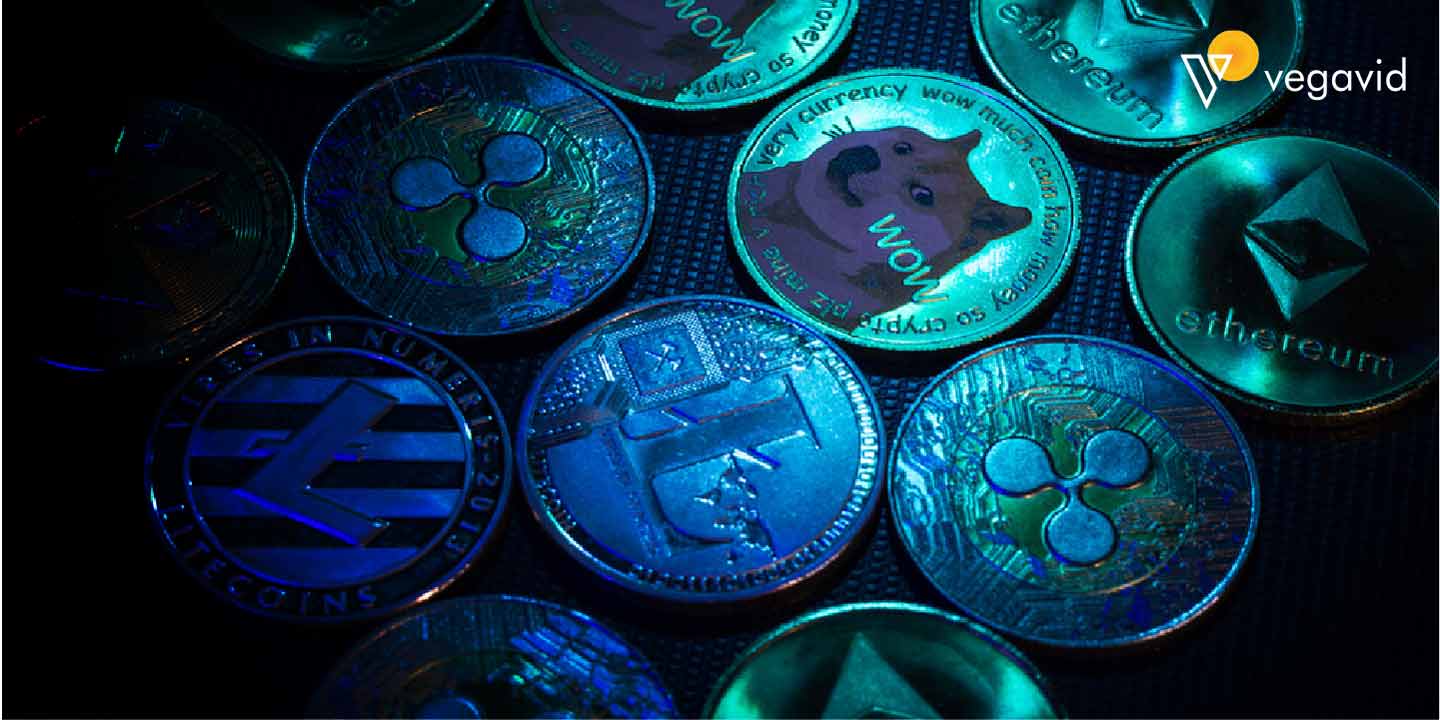
The global market cap for cryptocurrencies rose to $3.47 trillion, reflecting robust investor confidence. Exchanges such as Binance and Kraken reported unprecedented activity in perpetual contracts, with altcoins like Solana and Dogecoin showing significant trading volume increases. Dogecoin, often viewed as a speculative asset, briefly surpassed Ethereum in daily trading volumes, highlighting its growing appeal among traders.

Regulatory shifts outside the U.S. also contributed to the rally. Nations in Asia and Europe introduced or committed to frameworks for digital assets, providing much-needed clarity for investors. These developments have encouraged both institutional and retail investors to explore opportunities in the cryptocurrency ecosystem, further driving up trading volumes.

The macroeconomic environment also played a pivotal role. The U.S. Federal Reserve’s decision to ease monetary policy injected additional liquidity into financial markets. Investors flocked to cryptocurrencies as a hedge against inflation, drawn by their scarcity and potential for high returns. This influx of capital was particularly evident in Bitcoin, which saw substantial growth in both spot and futures markets.

Madinat Jumeirah will host a magical Christmas Market from December 6 to December 31, transforming Fort Island into a picturesque winter wonderland. The iconic Dubai destination will offer a unique festive experience, attracting visitors of all ages. From twinkling lights to festive food stalls, the market promises to deliver an enchanting atmosphere. Visitors can enjoy the market’s array of seasonal activities, starting daily from 3 PM on […]

Tesla’s long-anticipated Cybertruck production has been put on hold, marking a significant setback for Elon Musk and the electric vehicle giant. The delay follows a series of hurdles that have shaken investor confidence and raised concerns about the company’s ability to meet its ambitious targets. These setbacks compound the challenges Musk has faced this week, including a major drop in his stock valuation and continued issues related […]

The Liwa International Festival 2025 (LIWA 2025) will commence on December 13 in the Al Dhafra region of Abu Dhabi, running through January 4. The event, known for attracting motorsport enthusiasts from around the world, promises a captivating blend of high-octane motorsport competitions, cultural exhibitions, and family-friendly activities. With its strong focus on desert racing, LIWA 2025 is expected to offer unparalleled excitement for both competitors and spectators.

Held annually in the stunning Al Dhafra desert, the festival is a key highlight of the UAE’s motorsport calendar. This year’s event is anticipated to showcase a series of thrilling off-road racing events, including the famed Liwa Desert Challenge, where drivers compete against the harsh desert landscape in a test of skill and endurance. The challenge draws some of the world’s best off-road racers and features a range of vehicles, including 4x4s, motorcycles, and dune buggies.

LIWA 2025 will also spotlight the growing popularity of motorsports in the Middle East, a region that has increasingly become a hub for international racing events. This year’s festival is expected to be one of the largest yet, with organizers estimating that tens of thousands of visitors will flock to the desert over the course of the three-week event. The event’s success is partly attributed to its ability to attract a diverse crowd, with motorsport fans, local families, and international tourists all eager to experience the blend of speed, culture, and tradition.

One of the festival’s main draws is its ability to combine thrilling motorsports with cultural experiences. Alongside the races, LIWA 2025 will feature traditional Bedouin music and dance, local food stalls, and displays of regional crafts. This fusion of culture and sport is one of the reasons why the festival has grown in popularity over the years. Visitors can explore the region’s rich heritage while enjoying the electrifying atmosphere of the races.

The festival is not just for motorsports aficionados. The event also hosts a number of family-oriented activities, including camel races, falconry displays, and a vibrant market that showcases handicrafts and local products. These attractions offer a more immersive experience, allowing visitors to connect with the history and traditions of the UAE.

This year’s festival also aims to bring attention to sustainability efforts. Organizers have incorporated eco-friendly initiatives into the event’s planning, ensuring that it not only celebrates motorsports but also respects the fragile desert environment. This includes using solar-powered lighting, minimizing waste, and encouraging the use of electric vehicles for transportation around the festival grounds. These efforts reflect a growing trend in the region to balance high-impact events with environmental responsibility.

The Al Dhafra region, known for its vast and dramatic sand dunes, provides a spectacular backdrop for the festival. The desert’s unique landscape offers an exciting and challenging terrain for participants. The extreme conditions make it a true test of endurance, skill, and precision for drivers who face both natural and technical obstacles throughout the race. The Liwa Desert Challenge is considered one of the toughest off-road racing events globally, and it continues to attract drivers eager to test their mettle.

Beyond the races, LIWA 2025 will also feature an exhibition of cutting-edge automotive technology and innovation. Manufacturers and vendors will display the latest advancements in off-road vehicles, providing a glimpse into the future of motorsports. This expo is expected to draw significant attention from industry professionals, as well as fans eager to see the newest vehicles and gadgets designed for desert racing.

The Liwa International Festival’s reputation as a major motorsport and cultural event is not just limited to local audiences. The festival has seen increasing international attention in recent years, with visitors and competitors from across the globe making the journey to Abu Dhabi for the event. It serves as an important meeting point for motorsports enthusiasts, industry leaders, and cultural tourists alike.

The festival provides a platform for local businesses to showcase their products and services. The event offers sponsorship opportunities for a variety of brands, ranging from automotive companies to luxury goods and local hospitality services. These partnerships help fuel the growth of the event and ensure its continued success, benefiting both the motorsport industry and the local economy.

One of the key components of the festival is the opportunity it provides for networking within the motorsports community. As a hub for off-road racing, the festival allows competitors, fans, and industry professionals to meet and exchange ideas. It is an event where business, sports, and culture collide, fostering collaborations and partnerships that extend beyond the festival itself.

As the event grows in stature, the UAE continues to position itself as a major player on the global motorsports stage. With world-class facilities, a growing fan base, and a strategic location that connects East and West, the UAE is becoming a key destination for motorsport events, not just in the Middle East, but globally. This trend is expected to continue with events like the Liwa International Festival setting the standard for excellence in the region.

Organizers of LIWA 2025 are confident that the festival will be a major success, citing the growing interest in motorsports and the UAE’s strong infrastructure. With support from the government, as well as private sector partnerships, the event is set to leave a lasting impression on all who attend.


Importers in the Gulf region can now easily access a wide range of products manufactured by India’s Micro, Small, and Medium Enterprises (MSMEs) thanks to the launch of Post Office Export Centres (POECs). This new initiative, spearheaded by India’s Ministry of Communications, aims to streamline the export process for MSMEs and provide global access to their products, specifically targeting markets like the Gulf, which holds significant trade potential for small businesses in India.

The Post Office Export Centres are designed to function as export hubs within India’s vast postal network, connecting small-scale manufacturers to international buyers. By leveraging the extensive infrastructure of the India Post system, the initiative makes it easier for businesses in the Gulf and other foreign markets to procure products directly from Indian MSMEs. With post offices already having a presence in even remote areas of the country, this expansion is expected to break down logistical barriers, especially for smaller businesses that previously lacked the resources to access international trade networks.

The launch of the POECs is part of the broader vision to promote “Made in India” goods globally, especially MSME products that often struggle to find export channels. MSMEs make up a substantial portion of India’s industrial output, and their products are diverse, ranging from handmade textiles to agricultural goods and electronic components. These enterprises form the backbone of India’s economy but have long faced challenges when it comes to reaching international markets, particularly due to complicated and expensive export processes.

India Post’s established network of over 150,000 post offices across the country is now being utilized to open avenues for MSMEs to participate in global trade. This network, one of the largest in the world, will enable businesses in the Gulf to access Indian-made goods efficiently, while also simplifying the complexities often associated with international shipping and customs processes. The Post Office Export Centres will act as intermediaries, assisting with everything from documentation to packaging and final delivery.

With the Gulf region being a major trading partner for India, this move is seen as a strategic one to strengthen trade relations further. The UAE, Saudi Arabia, Qatar, and Kuwait are some of the leading destinations for Indian exports, and the introduction of POECs will make it easier for businesses there to tap into a wide variety of Indian products. This initiative also aligns with India’s “Atmanirbhar Bharat” campaign, which encourages self-reliance and seeks to boost exports from the country’s smaller enterprises, which are often overlooked in traditional trade practices.

Through these Post Office Export Centres, Indian MSMEs will be able to list their products in a more streamlined manner for foreign buyers. The system simplifies the process of exporting by allowing these enterprises to bypass the complexities typically associated with traditional export methods, such as dealing with multiple intermediaries and navigating intricate customs procedures. Additionally, India Post will provide support in areas such as financial transactions, ensuring that payments are secure and efficiently processed.

This move is expected to bring about a considerable shift in how MSMEs interact with the global market. By utilizing the postal system, which is known for its trust and reliability, India Post is positioning itself as a crucial facilitator of international trade for smaller businesses. The initiative also promises to open doors for a broader range of products, including those from underserved sectors like handicrafts, textiles, and regional food products.

The launch of POECs underscores a significant push towards enhancing digital infrastructure within the Indian postal system. While physical infrastructure remains key, the integration of online platforms for cataloging products, processing orders, and tracking shipments is also a crucial part of the system. The digitalization aspect will ensure that MSMEs are equipped to handle international trade in a manner consistent with global standards, fostering transparency and improving overall efficiency.

For businesses in the Gulf, this system will enable greater access to the vast array of goods that India produces. This is especially significant as Gulf countries have long been important partners for Indian exporters, with a growing demand for diverse products that include textiles, spices, and high-tech gadgets. The opening of these export centres makes the procurement of Indian goods more accessible and cost-effective for Gulf-based importers.

Experts view the initiative as a win-win for both India and the Gulf region. For India, the initiative will boost the export of MSME products and contribute to economic growth, while for the Gulf, it will bring in affordable and high-quality products from India. Additionally, the ease of access through the Post Office Export Centres offers a level of convenience that has been missing in the past, particularly for small-scale importers who often find it difficult to engage in international trade.

Bitcoin dominance has dropped significantly, falling from 61.53% in November 2024 to 55.24%, marking a substantial shift in the cryptocurrency market. This decline has allowed altcoins to rise, with over 75% of the top 100 altcoins outperforming Bitcoin in recent market trends. The surge in altcoin performance is reflected in the Altcoin Season Index, which has surged to 88 points, signaling a potential shift in investor focus toward alternative cryptocurrencies.

The fall in Bitcoin’s dominance comes at a time when altcoins, including Ethereum, Solana, and newer entrants, have gained traction. Investors, once solely focused on Bitcoin, are now diversifying their portfolios, seeing opportunities in altcoins that offer different use cases and growth potential. Ethereum, the second-largest cryptocurrency by market cap, has benefited from its upgrades and use cases in decentralized finance (DeFi) and non-fungible tokens (NFTs). Similarly, Solana’s faster transaction times and lower fees have made it an attractive alternative for developers and traders alike.

The decline in Bitcoin dominance indicates a broader trend in the market where investors are increasingly seeking higher returns by diversifying their holdings. Bitcoin, long viewed as a store of value, has struggled to maintain its dominance amidst growing competition from altcoins offering more advanced technological solutions. While Bitcoin remains the most recognized cryptocurrency, the emerging competition presents a challenge to its market supremacy.

The rise of decentralized finance platforms, smart contract capabilities, and innovations such as layer-2 solutions have further contributed to the growing popularity of altcoins. These technologies promise greater scalability, lower costs, and faster transaction speeds, which make them more appealing for developers and users alike. In particular, layer-2 networks built on Ethereum, such as Optimism and Arbitrum, have seen increasing use due to their ability to handle transactions more efficiently, leading to greater adoption in sectors like gaming and decentralized exchanges (DEXs).

Ethereum’s network upgrades have played a significant role in shifting the focus away from Bitcoin. Ethereum’s transition to Proof of Stake (PoS) with the Merge in 2022 reduced its energy consumption, which in turn attracted more environmentally-conscious investors. Moreover, Ethereum’s growing role in enabling decentralized applications (dApps) and facilitating the rise of NFTs has contributed to its recent resurgence in market performance.

Solana, with its high throughput capabilities, is emerging as a strong competitor. The blockchain’s fast transaction speeds, scalability, and low fees have made it an attractive option for both developers and users. Additionally, Solana’s ecosystem is growing rapidly with more decentralized applications (dApps) and projects built on the blockchain. These developments have attracted substantial capital and boosted Solana’s position among the top altcoins.

Several newer altcoins such as Polkadot, Cardano, and Avalanche have also garnered attention from both investors and developers. Polkadot’s focus on interoperability between different blockchains allows for a more interconnected decentralized ecosystem, making it a key player in the altcoin market. Similarly, Avalanche’s consensus protocol, which promises to enable faster transaction finality and scalability, has helped it build a solid user base.

The increasing performance of these altcoins has been evident in various metrics, from market capitalization to developer activity and adoption by decentralized finance platforms. As the dominance of Bitcoin wanes, a broader market shift toward alternative cryptocurrencies seems to be underway, with altcoins now commanding a more significant portion of the market share. The Altcoin Season Index, which tracks the performance of the top 50 altcoins in comparison to Bitcoin, has surged to 88 points, indicating that altcoins are now outpacing Bitcoin in the current market environment.

As the altcoin season intensifies, the shifting focus of investors toward these alternative cryptocurrencies may continue. While Bitcoin remains a significant force in the cryptocurrency space, its market dominance is being challenged by altcoins that are gaining relevance due to their innovation, use cases, and technological improvements. The increased performance and adoption of these cryptocurrencies signal a potential new phase for the digital asset market, with altcoins leading the way in growth.

Kinesis Network, a leading compute optimization platform, has launched an advanced serverless feature aimed at revolutionizing the way businesses execute workloads across diverse multi-cloud environments. This innovation, designed with artificial intelligence (AI) applications in mind, promises to enhance scalability, flexibility, and cost-efficiency for organizations worldwide. As companies increasingly rely on AI for business transformation, Kinesis Network’s new offering positions itself as a key player in optimizing cloud […]

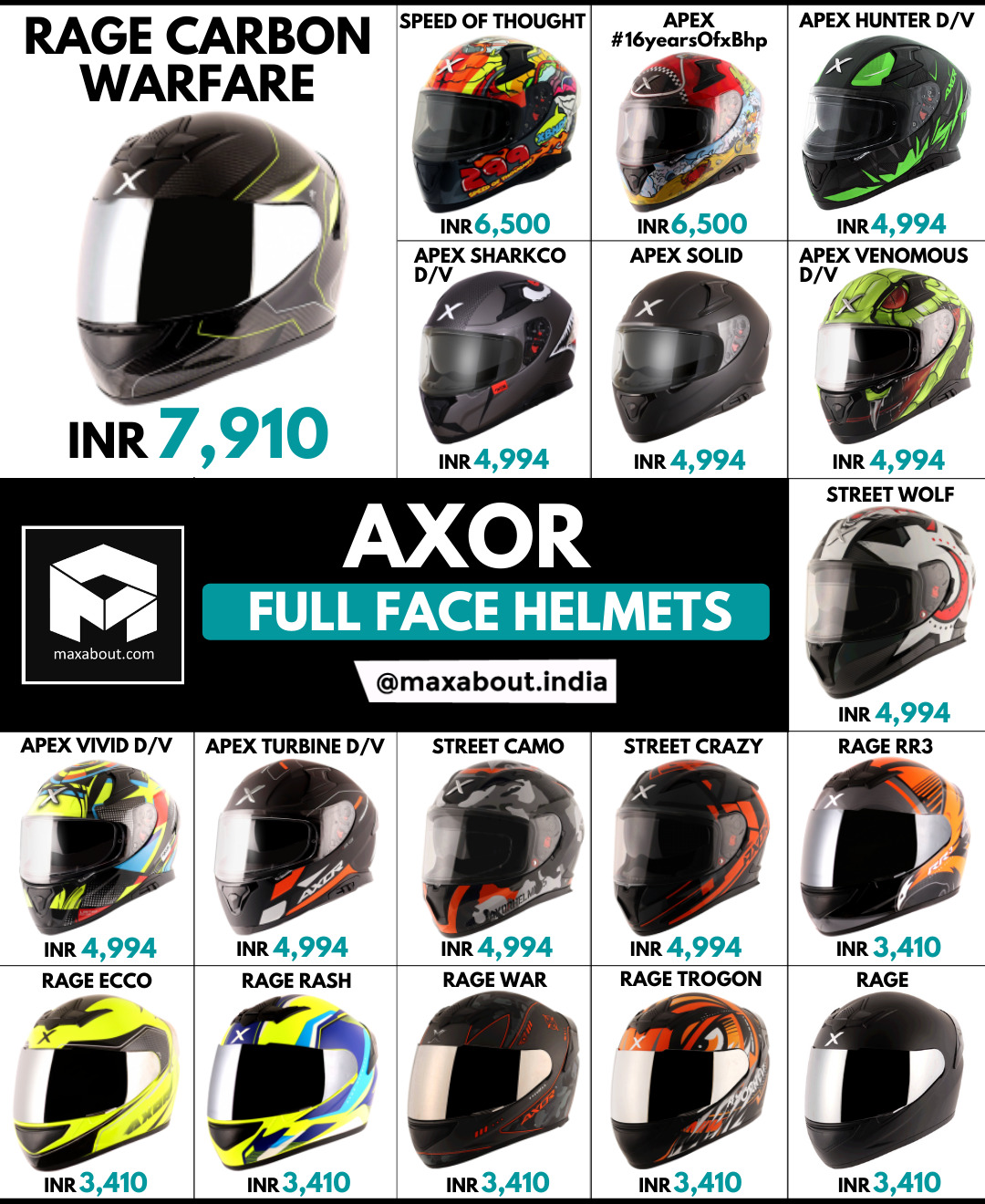
AXOR Helmets, a premium brand under Vega Auto Accessories Pvt Ltd, has been officially announced as the safety partner for the highly anticipated India Bike Week (IBW) 2024. Scheduled to take place on December 6 and 7 in Goa, the partnership aligns AXOR’s reputation for providing high-quality protective gear with IBW’s legacy of being one of Asia’s largest motorcycling festivals.

India Bike Week 2024 promises an array of activities for motorcycle enthusiasts, including live music performances, custom bike showcases, and the presence of leading two-wheeler brands. AXOR Helmets will play a pivotal role, not only by showcasing their product range but also by emphasizing safety awareness among participants. The brand, recognized for its innovative designs and rigorous safety standards, caters to professional riders and enthusiasts alike.

This year’s IBW is expected to draw a diverse audience, featuring vintage motorcycle exhibits, riding gear retailers, and interactive sessions with motorcycling communities. AXOR’s participation underscores the growing focus on rider safety in India’s burgeoning motorcycling culture. The event is anticipated to set benchmarks for safety protocols at large-scale biking gatherings, with AXOR Helmets taking a central role in promoting these initiatives.

VISHNU RAJA
RYO YAMADA
HITORI GOTOH
IKUYO KITA