News related to
secures

AM Green Technology and Solutions B.V., part of the AM Green Group, has finalized agreements to acquire Chempolis Oy, marking a significant step in its push toward sustainable fuel solutions. The acquisition of Chempolis, a biofuel technology company, aligns with AM Green’s strategy to strengthen its presence in the global energy transition market. AM Green plans to invest approximately $1 billion over the next three years to scale up the production of Sustainable Aviation Fuel (SAF) through Chempolis’ next-generation second-generation bio-refinery technology.

The acquisition is positioned to transform AM Green into a major player in the renewable fuels sector, focusing on producing over half a million metric tonnes per annum (MTPA) of SAF. The deal, formalized in a binding agreement, is seen as part of the broader industry trend toward decarbonizing the aviation sector, where SAF has gained increasing attention due to its potential to significantly reduce carbon emissions.

AM Green’s Chief Executive Officer described the acquisition as a “pivotal moment” for the company. He emphasized that the technology provided by Chempolis will allow for a more environmentally friendly approach to fuel production, particularly in the aviation industry, which is under mounting pressure to meet global carbon reduction targets. “This acquisition underscores our commitment to providing innovative, scalable solutions for energy transition. Chempolis’ bio-refinery technology is uniquely positioned to make a meaningful impact in the effort to decarbonize global airline operations,” he noted.

Chempolis is known for its cutting-edge, second-generation bio-refining technology that converts agricultural residues into biofuels. Unlike first-generation biofuels that rely on food crops like corn and sugarcane, second-generation biofuels are made from non-food sources, offering a more sustainable alternative without competing with global food supplies. By integrating Chempolis’ expertise, AM Green aims to rapidly scale its biofuel production to serve the growing global demand for SAF.

The aviation industry is facing increasing scrutiny over its environmental impact, with SAF emerging as a key solution to mitigate carbon emissions from flights. SAF is recognized for its ability to reduce greenhouse gas emissions by up to 80 percent compared to traditional jet fuel, depending on the production process. Many airlines, particularly in Europe and North America, have begun to incorporate SAF into their operations as part of broader sustainability goals. However, production volumes remain limited, with high costs and supply chain challenges posing obstacles to widespread adoption.

AM Green’s investment will help address these issues by ramping up SAF production and reducing costs through economies of scale. The company plans to leverage Chempolis’ technology not only in its own operations but also through a global licensing model. This strategy will enable other industry players to adopt the bio-refining technology, thus expanding the reach of SAF production beyond AM Green’s facilities. The aim is to create a broader ecosystem of bio-refineries around the world, working together to meet the aviation sector’s decarbonization targets.

Experts have noted that the acquisition reflects the growing competition among companies to acquire advanced biofuel technologies as the world shifts toward renewable energy sources. The airline industry is projected to face stricter environmental regulations in the coming years, driving the demand for alternative fuels. SAF, which can be blended with conventional jet fuel and used in existing aircraft without modifications, is seen as a practical solution to reduce emissions in the near term, while longer-term innovations like electric and hydrogen-powered planes remain under development.

AM Green’s $1 billion investment will be crucial in scaling up SAF production, which is still in its early stages. Currently, SAF represents less than 1 percent of total jet fuel consumption, but analysts predict that figure will rise significantly over the next decade as more airlines commit to sustainable fuel alternatives. By integrating Chempolis’ technology, AM Green is positioning itself to play a leading role in this transition.

The company also intends to partner with airlines and airports to facilitate the adoption of SAF on a global scale. In addition to producing SAF, AM Green plans to develop an extensive bio-refinery network, providing licensing opportunities for other companies interested in utilizing Chempolis’ technology. This approach could help lower the entry barriers for SAF production, making it more accessible and affordable for a wider range of stakeholders.

The bio-refinery technology that Chempolis offers is designed to be highly versatile, capable of processing various types of biomass, including agricultural residues, municipal waste, and forestry by-products. This flexibility allows for a more sustainable and diversified feedstock supply, reducing reliance on any single resource. Moreover, the technology is known for its efficiency in converting raw materials into usable fuels, minimizing waste and environmental impact.
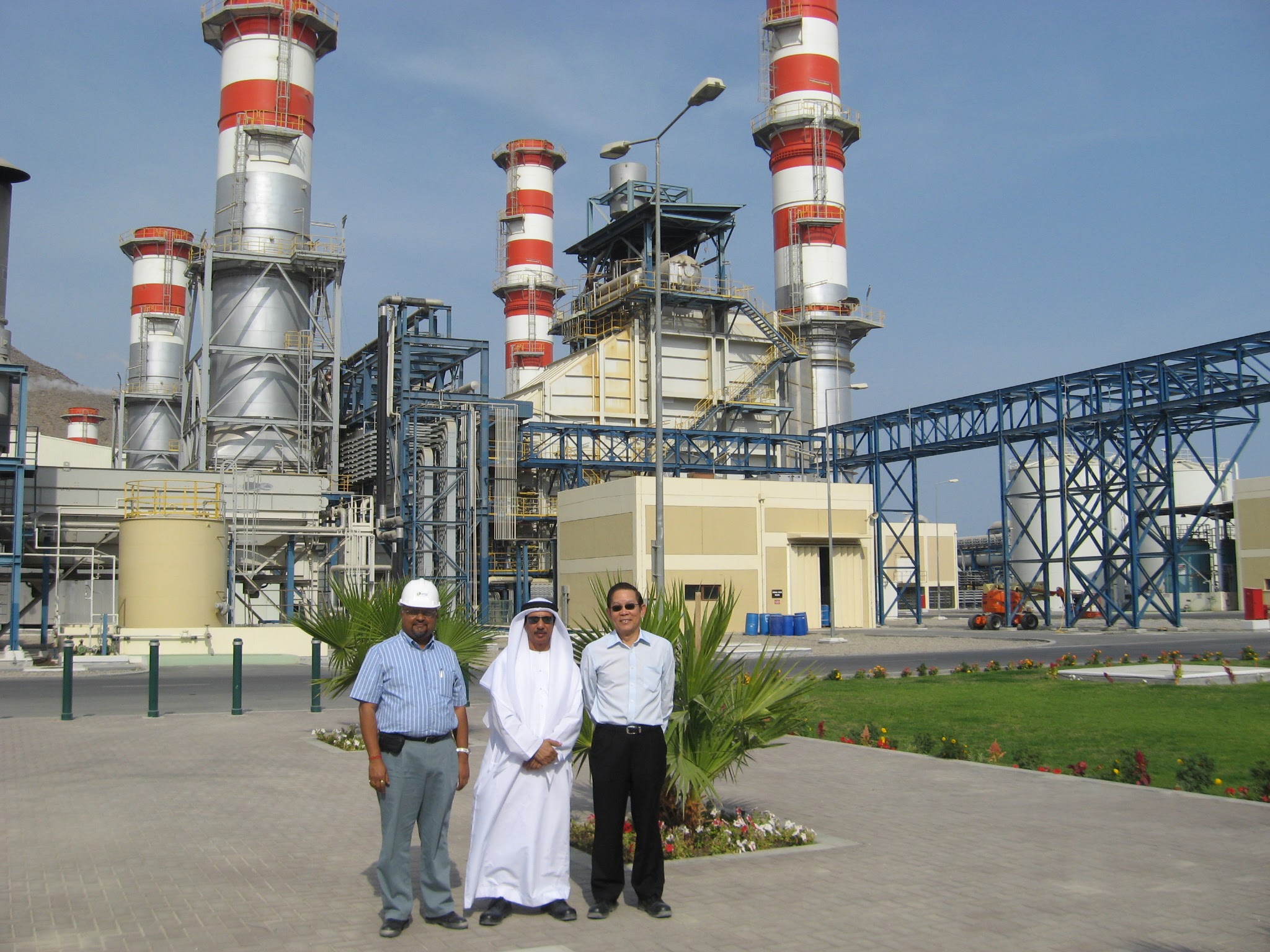
A significant deal has been struck in the UAE’s energy and water infrastructure sector as the UAE Offsets Group (UOG) awarded a $453 million contract to a consortium of Al Jaber Energy Services (AJES) and Technip for the transmission package of the Fujairah desalination and power project. The signing of this agreement marks a crucial step forward in efforts to meet the rising demand for water in Al Ain and power in the Northern Emirates.

The consortium, featuring AJES as the local partner and Technip, a global leader in engineering and construction, will be responsible for the design, construction, and commissioning of a 185-kilometer pipeline. This pipeline will transport water from Fujairah to Al Ain, including a 16-kilometer extension to Al Dhaid. In addition to the pipeline, the project involves the construction of associated infrastructure such as water pumping stations and storage tanks to ensure an efficient supply of water to meet growing consumption in the region.

The contract comes at a time when power demand in the Northern Emirates is increasing by 10 to 15 percent annually, particularly during the peak summer months. Addressing these needs has become a top priority for the UAE government. The project will provide a much-needed solution to the region’s persistent power shortages while catering to the growing population and industrial expansion in the area.

Al Jaber Energy Services and Technip were selected as the preferred bidders after a competitive tender process. The successful award of the contract is part of a broader strategy by the UAE to develop its water and energy infrastructure to meet both present and future needs. The project is also aligned with the country’s sustainable development goals, particularly in water conservation and energy efficiency.

The pipeline will play a critical role in ensuring the long-term security of water supply for residents of Al Ain, a city that has seen rapid growth in recent years. The consortium is expected to deliver the project with high standards of efficiency and reliability, leveraging their combined expertise in large-scale engineering projects.

This award follows a series of projects aimed at bolstering the UAE’s infrastructure, including power generation and desalination initiatives. The Fujairah desalination plant itself, part of the overall package, will have a significant capacity to meet future water demands, thus reinforcing the UAE’s commitment to sustainable water management and infrastructure resilience.

Al Jaber, a UAE-based conglomerate with vast experience in the construction and engineering sectors, has previously been involved in major infrastructure projects across the region. Meanwhile, Technip, known for its global reach and expertise in energy infrastructure, will provide the technical know-how and engineering capabilities needed to ensure the project’s success.

This contract award highlights the importance of public-private partnerships in the UAE’s ongoing efforts to address infrastructure challenges. The UOG’s involvement ensures that the project will be executed within the strategic framework of the UAE’s national development objectives. It also underscores the growing role of international companies like Technip in supporting the UAE’s infrastructure and energy needs.

Construction on the pipeline and its associated facilities is set to begin shortly, with a tight project timeline to meet the pressing demand for water and power. The Fujairah-Al Ain pipeline is expected to significantly improve water distribution efficiency and address critical shortages that have affected the region in recent years.

LiquidStack, a prominent player in liquid cooling technologies, has successfully raised $20 million in a Series B extension round. This funding, led by Tiger Global, brings the company’s total Series B round to $35 million and underscores the growing interest in liquid cooling for data centers, particularly as artificial intelligence (AI) and high-performance computing continue to escalate global energy demands.

This additional capital will be crucial for expanding LiquidStack’s research and development efforts as well as its commercial reach. With the rise of generative AI models, data centers are increasingly pressured to manage the heat generated by high-density servers. Traditional air-cooling methods are becoming less efficient, leading to a surge in demand for more advanced, sustainable cooling systems like those offered by LiquidStack.

Founded in 2020, LiquidStack has quickly gained recognition for its immersion cooling solutions, which involve submerging servers in dielectric fluids to disperse heat efficiently. The company’s solutions are specifically designed to support AI workloads, which are highly energy-intensive and require advanced thermal management to avoid throttling performance. As AI continues to grow in importance across various industries, LiquidStack’s technology is becoming integral to maintaining the operational efficiency of data centers while reducing their carbon footprint.

The strategic investment from Tiger Global comes at a critical juncture for the AI and data center industries. Market reports indicate that liquid cooling is becoming a key component in tackling the environmental challenges posed by the massive power consumption of AI servers. Estimates suggest that liquid cooling could lead to energy savings of up to 40%, positioning it as a crucial technology for the future of sustainable computing.

Polus Capital Management announced a significant capital commitment from the Abu Dhabi Investment Authority (ADIA) for its Special Situations strategy, increasing the assets under management for this strategy to approximately $5 billion. This development underscores a strategic alignment between Polus and ADIA, which is seeking to diversify its portfolio and leverage opportunities in distressed asset classes.

The investment comes on the heels of a pivotal shift in U.S. monetary policy, marked by the Federal Reserve’s first interest rate cut in four years. This change is anticipated to enhance liquidity and provide much-needed support for companies grappling with balance sheet issues, which aligns closely with the focus of Polus Capital’s investment strategy. The firm specializes in identifying and capitalizing on undervalued companies that may benefit from restructuring or operational improvements.

Polus Capital, known for its expertise in special situations investing, plans to deploy this new capital to target a range of distressed assets across various sectors. The firm’s strategy includes acquiring equity stakes in companies that are undergoing significant transformations or facing financial difficulties. Such investments not only aim to deliver attractive returns but also to assist these companies in their recovery processes.

ADIA’s decision to commit capital to Polus Capital reflects a growing trend among sovereign wealth funds to diversify their investments into specialized asset classes. With the current economic landscape presenting both challenges and opportunities, institutional investors are increasingly turning to experienced asset managers who can navigate complex market conditions.

The Federal Reserve’s rate cut is expected to have broad implications for the market. Lower interest rates typically reduce borrowing costs for companies, making it easier for them to finance operations and restructure debts. This environment is particularly conducive for special situations investing, as it enhances the prospects for companies that have been struggling financially but possess strong underlying business models.

Polus Capital’s leadership has expressed confidence that the partnership with ADIA will enable the firm to scale its operations significantly. This collaboration not only brings additional capital but also positions Polus to capitalize on potential investment opportunities in both established and emerging markets. The firm has outlined a commitment to rigorous due diligence processes, ensuring that every investment aligns with its strategic objectives and risk management frameworks.

Moreover, Polus Capital is poised to benefit from the expertise of ADIA, one of the world’s largest sovereign wealth funds, which manages a diverse portfolio across various asset classes. The insights and resources that ADIA brings to the table could prove invaluable in identifying high-potential investment opportunities, particularly in markets where Polus seeks to expand its footprint.

As global economic conditions evolve, the role of specialized investment firms like Polus Capital becomes increasingly significant. Investors are becoming more discerning, seeking out managers who can deliver value through innovative strategies and a deep understanding of market dynamics. Polus’ approach to special situations aligns well with this trend, as it focuses on navigating complexities to unearth investment potential.

Polus Capital’s recent capital commitment signals a broader shift in the investment landscape, where institutional investors are gravitating towards specialized strategies that offer unique value propositions. As the firm prepares to deploy the new capital, stakeholders are watching closely to see how it will leverage this opportunity to enhance its portfolio and achieve its investment goals.

AD Ports Group has successfully refinanced loans, taking advantage of favorable conditions following a recent reduction in interest rates by the Federal Reserve. This strategic move aims to bolster the company’s financial position and enhance its growth potential in the competitive logistics and port management sectors.

The refinancing encompasses a total of AED 1.1 billion ($300 million) in loans. These financial adjustments allow AD Ports to lower its cost of capital while extending the maturity period of its debt obligations. The revised terms reflect a significant shift in the financial landscape, influenced by the Fed’s decision to cut rates, which has eased borrowing conditions across global markets. This development is anticipated to support AD Ports’ expansion initiatives and operational efficiencies.

AD Ports Group operates a diverse portfolio that includes ports, logistics, and trade activities, playing a pivotal role in the UAE’s economic growth. The company has been at the forefront of enhancing the country’s status as a global logistics hub, strategically positioning itself to leverage emerging trends in trade and commerce. By securing more advantageous loan terms, AD Ports aims to sustain its momentum in capitalizing on opportunities within the region and beyond.

The decision to refinance aligns with broader trends in the industry, where companies are actively seeking to optimize their capital structures amid fluctuating interest rates. Analysts suggest that the refinancing is indicative of a proactive approach by AD Ports, enabling it to navigate economic uncertainties while pursuing growth strategies. The company’s management has expressed confidence that these improved financial conditions will facilitate investments in technology and infrastructure, further strengthening its operational capabilities.

Moreover, the impact of the Fed’s rate cut is being felt across various sectors, prompting businesses to reconsider their financial strategies. The logistics and transportation industries, in particular, are seeing a surge in refinancing activity as firms aim to enhance liquidity and reduce financing costs. This trend underscores the interconnectedness of global economic policies and local market dynamics, illustrating how international decisions can significantly influence domestic corporate strategies.

AD Ports Group’s commitment to sustainability and innovation has also played a vital role in its refinancing efforts. The company has been investing in green technologies and sustainable practices, aligning itself with global trends toward environmental responsibility. Such initiatives are not only crucial for meeting regulatory requirements but also resonate with investors who increasingly prioritize sustainable investment opportunities.

Key stakeholders within the logistics sector are closely monitoring AD Ports’ financial maneuvers, as they may set a precedent for similar companies in the region. The refinancing serves as a benchmark, demonstrating how organizations can leverage external economic shifts to enhance their financial health and competitive positioning. Industry experts predict that other logistics firms may follow suit, seeking to capitalize on the favorable lending environment.

As the global economy continues to grapple with challenges such as inflation and geopolitical tensions, companies like AD Ports are adapting their strategies to maintain resilience. The ability to refinance under improved terms not only reinforces AD Ports’ financial foundation but also positions it well for future investments that could yield substantial returns.

The logistics and shipping industry is evolving rapidly, with digital transformation and automation becoming central themes. AD Ports has made strides in integrating technology into its operations, enhancing efficiency and responsiveness to market demands. The refinancing initiative is expected to provide additional resources for further digital advancements, allowing the company to remain competitive in a fast-paced environment.

Nazara Technologies, a leading gaming and sports media platform, has raised $108 million in its latest funding round, signaling an aggressive push towards mergers and acquisitions. The capital injection comes at a time when the firm is looking to expand its foothold in international markets and strengthen its position as a dominant player in the digital entertainment space.

The funding round was led by major institutional investors, with support from several high-profile backers. This financial boost is expected to provide the Mumbai-based company with the necessary resources to accelerate its acquisition strategy, particularly in markets where it sees high growth potential, such as North America and the Middle East. Nazara has already established itself as a significant player in India’s gaming ecosystem, with interests spanning across esports, gamified learning, and sports-related digital content.

Nazara’s Chief Executive Officer, Nitish Mittersain, confirmed the capital raise and emphasized that the company is eyeing strategic acquisitions to enhance its product portfolio. With the global gaming industry projected to reach $340 billion by 2027, Nazara is positioning itself to be a leading player in this burgeoning market. Mittersain outlined that the funds will be primarily allocated towards acquiring companies that complement Nazara’s existing offerings in esports, mobile gaming, and digital sports media.

The $108 million funding round is one of the most significant capital raises in the Indian gaming sector this year. It underscores Nazara’s ambition to become a global player by targeting high-growth segments such as esports and interactive entertainment. The firm has previously made a series of high-profile acquisitions, including the purchase of a controlling stake in Nodwin Gaming, an esports company, and Sportskeeda, a sports content platform.

Nazara’s strategy of leveraging acquisitions to drive growth is in line with its broader mission of building a diversified digital entertainment ecosystem. Esports, in particular, remains a key focus area for the company. The esports industry has witnessed exponential growth in recent years, with a global audience expected to exceed 640 million by 2025. Nazara is banking on this surge in interest, not only through its investments in esports platforms but also by fostering partnerships with key stakeholders in the global esports ecosystem.

The latest funding round is part of Nazara’s broader vision to consolidate its market position and tap into new revenue streams. The company’s focus on esports and gamified learning aligns with the shifting preferences of younger, digitally-savvy consumers who are increasingly gravitating towards interactive entertainment. Esports, which blends gaming with competitive sports, has emerged as one of the fastest-growing entertainment segments globally, driven by the rise of streaming platforms and the increasing popularity of online gaming tournaments.

Nazara has also expanded into gamified learning through its Kiddopia app, which has gained significant traction among young learners in the U.S. market. The company sees education technology as another potential growth driver, as the demand for engaging, interactive learning tools continues to rise globally. Kiddopia’s success in North America is expected to provide Nazara with the impetus to explore other opportunities in the edtech space.

In addition to its core focus areas, Nazara has been strengthening its sports media offerings, as evidenced by its acquisition of Sportskeeda, a popular sports content platform. Sportskeeda has been instrumental in diversifying Nazara’s content offerings, providing a wide range of digital sports content, including live updates, player statistics, and expert analysis. The platform has also positioned Nazara to tap into the fast-growing sports media industry, which is increasingly becoming digital-first.

Nazara’s acquisition spree has been pivotal in its rapid growth, transforming it from a domestic gaming company into a global digital entertainment powerhouse. However, the firm has not been without its challenges. The gaming industry, particularly in India, is highly competitive, with both domestic and international players vying for market share. Nazara has managed to carve out a niche for itself by focusing on emerging sectors like esports, but the company will need to continuously innovate to stay ahead of the competition.

Despite the competitive pressures, Nazara’s strategy of expanding through targeted acquisitions has been largely successful. Its acquisition of Nodwin Gaming has provided Nazara with a significant foothold in the esports industry, while its investments in gamified learning and sports media have diversified its revenue streams and reduced its reliance on any single segment.

Nazara’s growth trajectory is further supported by its strong balance sheet and a growing portfolio of digital entertainment assets. The company has been able to maintain profitability, a rare achievement in the gaming industry, which is often characterized by high operating costs and intense competition. This has been a key factor in attracting institutional investors, who view Nazara as a solid long-term bet in the fast-evolving digital entertainment space.

As the gaming and esports industries continue to grow, Nazara is well-positioned to capitalize on the opportunities presented by this shift in consumer behavior. The $108 million capital raise will likely accelerate the company’s expansion plans, allowing it to further penetrate high-growth international markets and strengthen its competitive position globally.

Nazara’s leadership has indicated that it is already in advanced discussions with potential acquisition targets, with several deals expected to be finalized in the coming months. These acquisitions are likely to enhance Nazara’s capabilities in key areas such as content creation, digital distribution, and monetization, giving the company a competitive edge in the global digital entertainment market.

The Pokémon Company has achieved a significant legal victory, securing $15 million in a lawsuit against Chinese entities accused of intellectual property theft. This ruling addresses the unauthorized distribution of the game “Pocket Monster Reissue,” which allegedly copied elements from the popular Pokémon franchise.

The lawsuit, filed in a U.S. federal court, was centered around claims that several Chinese companies had unlawfully reproduced and distributed “Pocket Monster Reissue,” a game that closely mirrored the Pokémon series. The court found substantial evidence that these companies had infringed on The Pokémon Company’s copyrights and trademarks, leading to the substantial financial penalty.

In its judgment, the court highlighted that the game “Pocket Monster Reissue” contained numerous elements directly copied from the Pokémon series, including character designs, gameplay mechanics, and visual assets. This infringement was deemed to not only harm The Pokémon Company’s intellectual property but also mislead consumers who were led to believe they were purchasing an authentic Pokémon product.

The legal action against the Chinese companies has been ongoing for several years, with The Pokémon Company initially filing the complaint in 2020. The company argued that the unauthorized game undermined its brand and diverted potential revenue. The $15 million awarded will be used to compensate for damages and cover legal costs incurred during the litigation process.

This ruling underscores the broader issue of intellectual property theft in the digital age, particularly with the rise of online gaming and app distribution platforms. The Pokémon Company’s success in this case may set a precedent for similar cases involving digital content theft and enforcement of intellectual property rights.

Advertisements

AD Ports Group has finalized a significant contract with China’s Zhenhua Heavy Industries Co. (ZPMC) valued at $114.44 million for the procurement of cranes. This deal aims to bolster the development of terminal infrastructure across various African ports, enhancing operational capacities and efficiency.

The contract, announced earlier today, encompasses the delivery of advanced crane systems to several key terminal projects in Africa. These new cranes are expected to play a crucial role in increasing cargo handling capabilities, which is essential for supporting the growing maritime trade in the region. The investment is part of AD Ports Group’s broader strategy to expand its footprint and enhance its operational capabilities on a global scale.

ZPMC, a leading manufacturer of port machinery, is recognized for its technological advancements and high-quality equipment. The company’s cranes are widely used in major ports around the world, known for their reliability and efficiency. This latest contract reinforces ZPMC’s position as a significant player in the port equipment industry.

AD Ports Group, which manages and operates multiple port facilities across the Middle East and Africa, has been actively pursuing expansion projects to strengthen its position in the maritime sector. The procurement of these cranes aligns with the company’s objective to support regional economic growth and improve logistics infrastructure.

The terminal projects that will benefit from this contract include several high-profile developments in strategic locations across Africa. These projects are expected to facilitate smoother and faster cargo handling processes, thus improving trade flows and supporting regional economies. By integrating state-of-the-art crane technology, AD Ports Group aims to address the growing demands of international shipping and logistics.

The partnership between AD Ports Group and ZPMC underscores a growing trend of collaboration between global companies to enhance port infrastructure in developing regions. Such agreements are vital for addressing the logistical challenges faced by emerging markets, where increasing trade volumes require modern and efficient equipment.

This deal is also seen as a strategic move by AD Ports Group to leverage the advanced technological solutions offered by ZPMC to maintain competitive advantage in the global maritime industry. By incorporating cutting-edge crane systems into its operations, AD Ports Group is positioning itself to meet the evolving demands of international trade and logistics.

As the maritime sector continues to experience rapid growth, especially in emerging markets, the importance of modern port infrastructure cannot be overstated. Investments like the one announced today are crucial for ensuring that ports can handle increasing cargo volumes and maintain efficient operations.

Saudi Aramco has solidified its footprint in Asia with a new agreement involving China’s Rongsheng Petrochemical Co. Ltd. and Hengli Group. This strategic partnership is set to bolster Aramco’s position in the global petrochemical market while deepening ties with significant Chinese industrial players. The agreement includes a comprehensive framework for cooperation in the refining and petrochemical sectors. It encompasses both upstream and downstream activities, reinforcing Aramco’s strategy […]

Solidarity Group, a prominent insurance and investment company in Bahrain, has received approval from its board to acquire two units from Bahrain National Holding (BNH) in a transaction valued at $200 million. This strategic move is set to bolster Solidarity’s market position and diversify its portfolio significantly. The acquisition involves the purchase of BNH’s wholly-owned subsidiaries: Bahrain National Insurance Company (BNIC) and Bahrain National Life Assurance Company […]

Škoda Group, a leading Czech rail manufacturer, has secured a significant contract to supply up to 25 electric trains to Bulgaria, valued at 13 billion Czech crowns. This deal is part of Bulgaria’s ambitious plans to modernize its railway network and replace its aging fleet, enhancing the nation’s transportation infrastructure. The agreement centers on the delivery of 20 four-car electric train units, with an option for five […]

The Abu Dhabi National Oil Company (ADNOC) has announced a significant investment in ExxonMobil’s hydrogen production facility in Texas, acquiring a 35% stake in the project. This move marks a notable expansion of ADNOC’s global footprint in the low-carbon energy sector and underscores its commitment to advancing sustainable energy solutions. The facility in question, situated in the heart of Texas, is designed to produce up to 1 […]

Saudi Arabia’s Public Investment Fund (PIF) has returned to the bond market for the fourth time this year, showcasing its continued aggressive strategy to finance its expansive investment agenda. This latest issuance is part of the sovereign wealth fund’s broader plan to raise substantial capital, aimed at supporting Vision 2030, the kingdom’s ambitious initiative to diversify its economy away from oil dependence.

The PIF has set an initial price guidance for a new dollar-denominated bond, with an expected issuance close to $10 billion for 2024. This move marks its second sukuk offering this year, following previous issuances that cumulatively position the fund as a significant player in global bond markets.

The timing of this bond issuance is strategically aligned with the PIF’s ongoing efforts to bolster its investment portfolio, which spans across various sectors including technology, green energy, and entertainment. This strategy is not just about raising capital but also about reinforcing Saudi Arabia’s financial presence on the international stage.

Analysts have noted that this consistent tapping into the bond market is a clear indication of the PIF’s robust financial health and its capacity to leverage global capital markets to fund its initiatives. The fund’s ability to attract substantial investment reflects confidence among international investors in the PIF’s management and Saudi Arabia’s economic reforms.

As the PIF continues its trajectory of aggressive investment, the funds raised from these bond issuances are expected to be channeled into both domestic and international projects, further solidifying Saudi Arabia’s position as a leading global investor. This strategy underscores the fund’s critical role in driving the kingdom’s economic diversification goals, particularly in the non-oil sectors.

The latest bond offering is expected to close shortly, with strong investor interest anticipated, given the PIF’s proven track record and the attractive pricing structure of its bonds. This issuance will add to the fund’s growing portfolio of debt instruments, ensuring that it remains well-capitalized to meet its long-term investment objectives.

The Saudi Fund for Development (SFD) has finalized a $25 million agreement to support a new renewable energy initiative aimed at enhancing sustainable energy infrastructure. The deal, announced this week, is part of the Kingdom’s broader strategy to diversify its energy portfolio and reduce reliance on fossil fuels. The project, located in an emerging market region, will focus on the development and implementation of solar energy technologies. […]

AlephYa Education, a prominent educational provider across the Gulf Cooperation Council (GCC) region, has announced a significant majority investment from TA Associates. This strategic investment aims to accelerate AlephYa’s growth and enhance its educational offerings, reinforcing its position in the competitive GCC education market. The deal, disclosed earlier today, positions TA Associates as the majority stakeholder in AlephYa Education. This investment is anticipated to provide AlephYa with […]

A lone Bitcoin miner has achieved a significant milestone by solving a Bitcoin block independently, receiving a reward of 3.27 BTC, valued at approximately $199,094. This notable feat underscores the unpredictable nature of Bitcoin mining, where individual miners occasionally outpace large-scale mining operations. The block reward was obtained through solo mining, a method in which an individual miner attempts to solve cryptographic puzzles without relying on the […]

Saudi Arabia’s Public Investment Fund (PIF) has successfully secured a $15 billion revolving credit facility from a consortium of international banks. This move is a significant step in PIF’s ongoing efforts to bolster its financial capacity as it pursues an aggressive investment strategy aimed at diversifying the kingdom’s economy under the Vision 2030 plan.

The revolving credit facility, which allows the fund to borrow, repay, and borrow again up to the agreed limit, will provide PIF with greater financial flexibility as it looks to capitalize on investment opportunities across various sectors. This latest facility is in addition to the fund’s previous credit arrangements, marking a continuation of its strategy to leverage global financial markets to fund its initiatives.

PIF, which manages over $700 billion in assets, has been pivotal in spearheading Saudi Arabia’s economic diversification. The fund has made significant investments in technology, renewable energy, and other emerging industries, both within the kingdom and globally. With the new credit facility, PIF is expected to further expand its portfolio, focusing on sectors that align with the Vision 2030 goals, including tourism, entertainment, and clean energy.

The consortium of banks involved in the deal includes several of the world’s leading financial institutions, underscoring the confidence of international markets in PIF’s strategy and the broader economic reforms being undertaken in Saudi Arabia. The terms of the facility are reportedly favorable, reflecting PIF’s robust credit standing and the attractiveness of its investment portfolio.

This development is part of a broader trend where sovereign wealth funds are increasingly tapping into global financial markets to enhance their liquidity and investment capabilities. PIF’s strategy involves not only direct investments but also partnerships with international companies and institutions, aimed at bringing technology and expertise into Saudi Arabia.

As the kingdom continues its transformation, PIF’s ability to secure substantial credit facilities such as this one will be crucial in ensuring it can meet its ambitious targets. The fund’s investments are expected to play a key role in reducing Saudi Arabia’s reliance on oil revenues, fostering innovation, and creating new economic opportunities for the kingdom’s population.

This latest financial move is a clear indication of PIF’s growing influence in global markets and its commitment to achieving the long-term objectives of Vision 2030.

Dubai-based Web3 streaming platform Myco has raised $10 million in the first closing of its Series A funding round, pushing its post-money valuation to $80 million. This influx of capital will fuel Myco’s expansion plans and migration to blockchain technology, particularly its partnership with the Aptos Foundation to migrate the platform’s wallet infrastructure and re-launch its native utility token on the Aptos Blockchain by Q4 2024. The […]

Abu Dhabi’s Mubadala Investment Company, in partnership with Singapore-based CBC Group, has finalized a $680 million acquisition of the Chinese neurology and allergy business of Belgian pharmaceutical giant UCB. This strategic move strengthens Mubadala’s presence in the Chinese healthcare sector, a market with significant growth potential.

The deal encompasses UCB’s neurology products, including Keppra, Vimpat, and Neupro, along with its allergy medications, Zyrtec and Xyzal, in mainland China. Additionally, it includes UCB’s manufacturing facility in Zhuhai, a key asset for local production. Together, these products generated approximately €131 million ($146.5 million) in sales within China in 2023.

Mubadala’s head of China, Mohamed Albadr, emphasized that this acquisition aligns with the company’s long-term strategy to expand its healthcare investments in Asia, particularly in sectors with robust growth potential. The investment is expected to enhance UCB’s capacity to deliver innovative treatments in the region, benefiting from Mubadala’s financial backing and strategic expertise.

The transaction, currently awaiting regulatory approvals, is anticipated to be finalized by the fourth quarter of 2024. PJT Partners served as the financial advisor to Mubadala and CBC Group, while Clifford Chance provided legal counsel.

This move is part of Mubadala’s broader strategy to diversify its portfolio, particularly in the biotechnology and pharmaceutical sectors, where it has been increasingly active. The company has shown a strong commitment to expanding its influence in global healthcare, with recent investments spanning biotechnology firms and other healthcare-related ventures. The collaboration with CBC Group underscores the strategic importance of the Chinese market and highlights Mubadala’s continued focus on sectors poised for substantial growth.

As the deal progresses, it will likely influence the dynamics of the Chinese pharmaceutical industry, particularly in neurology and allergy treatments, where UCB’s products have already established a strong foothold. The integration of these assets into Mubadala’s portfolio could pave the way for future expansions and partnerships in the region, further solidifying its position as a key player in the global healthcare market.

Mubadala Investment Company, in collaboration with CBC Group, has taken full control of UCB Pharma’s mature business in China. This strategic move involves the acquisition of UCB’s neurology and allergy portfolios, including the Zhuhai manufacturing facility. UCB, a Belgium-based biopharma leader, continues to focus on expanding its presence in China, especially in neurology and immunology. The deal aligns with Mubadala’s broader strategy to grow its healthcare investments across Asia, particularly in high-growth sectors like pharmaceuticals. The transaction is set to close by Q4 2024, pending regulatory approvals.

Mubadala Investment Company, the sovereign wealth fund of Abu Dhabi, has finalized a significant investment in UCB Pharma’s assets in China. This strategic move underscores Mubadala’s growing commitment to the global healthcare sector and its expanding presence in the Chinese market. The deal involves Mubadala acquiring a substantial stake in UCB Pharma’s business operations in China, which encompasses a range of pharmaceuticals and biotechnological products. The transaction […]

Saudi Electricity Company (SEC) has finalized a significant financial arrangement, securing a SAR 15 billion ($4 billion) joint syndicated revolving credit facility. This substantial credit line has been arranged with the support of 15 major regional and global banking institutions. The funds from this credit facility will be allocated towards general corporate purposes, according to a statement released by SEC on Sunday. This agreement marks a pivotal […]

QatarEnergy has solidified its position as a key player in the global energy market by signing a long-term agreement to supply Kuwait with three million tons of liquefied natural gas (LNG) annually for the next 15 years. This significant deal, finalized on Monday, marks the second such agreement between the two nations since 2020, highlighting Kuwait’s growing reliance on imported LNG to meet its increasing power generation needs.

The agreement was formalized during a ceremony in Kuwait, with QatarEnergy’s CEO Saad Sherida al-Kaabi and Kuwait Petroleum Corporation’s (KPC) CEO Sheikh Nawaf al-Sabah leading the signing. The deliveries, scheduled to commence in January 2025, will provide a steady supply of LNG to fuel Kuwait’s power plants, a critical component of the country’s energy infrastructure.

This new deal follows a similar 15-year agreement signed in 2021, under which Qatar also committed to supplying three million tons of LNG annually to Kuwait’s Al-Zour terminal. The Al-Zour facility, operated by KPC’s subsidiary KIPIC, is one of the largest LNG import terminals globally, with a capacity of 22 million tons per annum.

QatarEnergy’s North Field LNG expansion project, which is expected to increase the country’s production capacity from 77 million tons per annum to 142 million tons by 2030, underpins these long-term supply commitments. This massive project includes the construction of six new LNG trains, with four dedicated to the North Field East expansion and two to the North Field South expansion.

The North Field project has attracted substantial international investment, with major energy companies such as Shell, ExxonMobil, and TotalEnergies partnering with QatarEnergy. These collaborations are set to significantly boost Qatar’s LNG output, reinforcing the nation’s status as one of the world’s leading LNG exporters.

Beyond Kuwait, QatarEnergy has been actively securing LNG supply deals globally. In 2024 alone, the company signed agreements with Taiwan’s CPC, India’s Petronet LNG, and Excelerate Energy in the U.S., further expanding its reach in key markets. These strategic moves are part of QatarEnergy’s broader vision to maintain its dominance in the LNG sector amid growing global demand.

The latest agreement with Kuwait is not only a testament to the strong bilateral relations between the two Gulf nations but also underscores Qatar’s pivotal role in meeting the energy needs of the region. As global energy dynamics continue to evolve, QatarEnergy’s strategic expansions and long-term contracts position it as a critical supplier in the world’s energy landscape.

The Indian government is preparing to launch a significant green bond issuance in the latter half of the fiscal year, aiming to raise approximately 120 billion rupees ($1.4 billion). This move marks the country’s renewed effort to attract investment in sustainable projects, reflecting a broader trend in global finance where environmental, social, and governance (ESG) criteria are increasingly influencing investment decisions. India’s green bond market has been […]

VISHNU RAJA
RYO YAMADA
HITORI GOTOH
IKUYO KITA