News related to
secures

OpenAI will lease approximately 4.5 gigawatts of data centre power from Oracle under a $30 billion‑per‑year agreement set to begin delivering revenue in Oracle’s fiscal year 2028. This significant capacity boost forms part of the expansive “Stargate” initiative—an AI infrastructure venture launched in January aiming to deploy up to $500 billion globally. Oracle plans to construct and expand multiple U. S. data centres to support this deal, including enhancements to its […]

Launches Extended Round to Accelerate Climate Tech Innovation Across Indonesia SINGAPORE – Media OutReach Newswire – 3 July 2025 – GreenTeams, a rapidly growing climate technology company advancing data-driven environmental governance in Indonesia, has announced the successful close of its Series A funding round. The round was led by Oriza Greenwillow Technology Fund. Operating at the intersection of environmental intelligence, regulatory compliance, and industrial decarbonization, GreenTeams empowers […]

President Trump has confirmed that the United States and Vietnam have reached a trade agreement, with a detailed framework now in place while formal terms await finalisation. The accord suspends the 46 per cent reciprocal tariff on Vietnamese imports, originally imposed in April, and paves the way for expanded market access and tighter controls on rerouted Chinese goods. Negotiations were fast-tracked to meet the looming July 9 deadline, when the […]

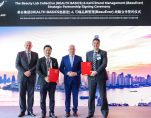
SHANGHAI, CHINA – Media OutReach Newswire – 2 July 2025 – At the 2025 China–New Zealand Trade Innovation Summit, New Zealand Prime Minister, the Right Hon. Christopher Luxon, witnessed the official signing of a strategic partnership between high-end anti-aging brand BeauEver and biotechnology leader The Beauty Lab Collective (TBLC). BeauEver Secures NZ Prime Minister’s Support in Historic China Summit to Accelerate Global Skincare Expansion This milestone partnership […]

Limitless, the leading prediction-market platform on Base, has closed a $4 million strategic funding round to bolster its forthcoming token generation event. The injection, led by Coinbase Ventures and featuring Arthur Hayes’s family office Maelstrom, elevates the total capital raised to $7 million. Hayes, co‑founder of BitMEX, also joins as an adviser, lending his market insight just as the platform unveils a new points system designed to reward active […]

PoliCloud has closed a €7.5 million seed funding round led by Global Ventures, with participation from MI8, OneRagtime, Inria and others, to accelerate its expansion of sovereign, decentralised cloud infrastructure aimed at European governments, enterprises and SMEs.

The Cannes‑based firm will deploy the capital to bolster its operational team, scale micro‑data centre deployment across Europe and target public sector clients that need secure, locally governed cloud services.

Founded in February 2025 by serial fintech entrepreneur David Gurlé, PoliCloud delivers containerised micro‑data centres housing proprietary hardware integrated with Hivenet’s distributed storage and computing software. Early traction includes four sold units and projected revenues in excess of €6 million by the end of 2025.

The firm’s micro‑data centres—equipped with up to 104 GPUs per unit and expected to scale beyond 1,000 GPUs by year‑end—are designed for high‑performance computing, AI processing and encrypted data storage, offering reduced dependency on US‑based cloud giants and enhanced compliance with European data sovereignty standards.

“PoliCloud is meeting a critical market demand for sovereign cloud infrastructure that is not only secure and abundant but also eco‑responsible,” Gurlé stated, underscoring an ambition to deliver affordable, decentralised compute infrastructure across the continent.

Global Ventures Senior Partner Simon Sharp explained the investment thesis, emphasising a need for visionary entrepreneurs offering solutions with clear market demand and global potential. The firm previously backed Hivenet in 2022 and views PoliCloud as a strategic addition to its portfolio.

OneRagtime CEO Stéphanie Hospital and Mi8 Managing Director Guillaume Dhamelincourt echoed the sentiment, citing the increasing demand for affordable, secure and sustainable computing power in Europe. Inria’s participation aligned with its strategic mission to support decentralised computing as a way to bolster France’s digital autonomy.

Industry analysts note that the cloud infrastructure sector in Europe has drawn significant venture investment, particularly in sovereign and AI-ready platforms. PoliCloud stands out for combining hardware innovation, distributed software architecture and environmental responsibility—promising 75% lower CO₂ emissions and zero‑water waste per unit.

PoliCloud’s edge compute strategy is being viewed as a potential game‑changer in the context of accelerating AI adoption. It offers municipalities, research institutions and regulated industries the flexibility to deploy GPU‑rich, GDPR‑compliant infrastructure locally, rather than relying on centralised hyperscalers.

Operating from Cannes, the company has so far sold four units within three months of its February launch at the World AI Cannes Festival. Hardware specifics remain under wraps, though insiders suggest each container may host more than 100 GPUs, with a roadmap targeting up to 10,000 GPUs by the end of 2026.

The €7.5 million lifeline will be used to recruit additional talent, fund technical development, scale production of micro‑data centres and initiate roll‑out across multiple European markets.

Mubadala Investment Company is set to acquire a 30 per cent stake in Loscam International, a move that significantly strengthens its foothold in Asia‑Pacific’s logistics and packaging sector. The agreement positions Mubadala alongside existing shareholders Trustar Capital, FountainVest and Sinotrans Limited, aligning sovereign wealth capital with a proven regional operator. The deal revolves around a share purchase agreement dated 26 June 2025, under which Mubadala, via its wholly owned Abu Dhabi […]

Advertisements

Abu Dhabi’s population surged by 7.5 per cent in 2024, reaching 4,135,985, fresh figures from the Statistics Centre – Abu Dhabi reveal. This marks a 51 per cent increase since 2014, reinforcing the emirate’s status as a magnet for global professionals and investment, outpacing many established financial centres. That population increase was driven by a 9.1 per cent expansion in the workforce, with professional roles rising 6.4 per cent. The demographic profile shows 54 per cent of […]

BitMine Immersion Technologies has unveiled a $250 million private placement of common stock to underwrite an ambitious Ethereum treasury initiative, alongside a high-profile board shift. CEO Jonathan Bates and newly appointed Chairman Thomas Lee, the Fundstrat founder, revealed that the move will dramatically reshape the company’s balance sheet and strategic direction.

This offering encompasses 55.6 million shares at $4.50 each, the proceeds earmarked for acquiring Ether as BitMine’s principal reserve asset. Supported by leading crypto firms including FalconX, Kraken, Galaxy Digital and custody providers BitGo and Fidelity Digital, the strategy seeks to transform BitMine into one of the largest publicly traded holders of Ethereum.

Driven by MOZAYYX with participation from Founders Fund, Pantera Capital, Republic Digital, DCG and others, the placement is scheduled to close around July 3, pending approval from the NYSE American. ThinkEquity acted as placement agent, and Cantor Fitzgerald advised the lead investor.

Thomas Lee emphasised that this marks “the rapid and continued convergence of traditional financial services and crypto,” noting that Ethereum’s dominance in stablecoin transactions makes it an optimal treasury asset. He described stablecoins as “the ‘chatGPT’ of crypto,” underlining Ethereum’s strategic importance.

BitMine’s pivot offers direct access to Ethereum’s protocol-level capabilities—staking and participation in decentralised finance mechanisms—shifting the firm beyond its origins as a pure-play miner.

Market reaction has been enthusiastic: BitMine’s stock surged over 200% in pre-market trading, carefully erasing what had been a roughly 45% year-to‑date decline. Investing.com reports volatility in its share price over recent months and warns that gross margins remain subdued, hovering at approximately 16.4%.

BitMine has already embarked on its crypto treasury plan, acquiring 100 BTC on 9 June and bringing its total bitcoin holdings to about 154.17 BTC purchased via a previous share issue. The Ethereum tranche will amplify crypto exposure—treasury levels are expected to multiply by over 16 times.

The firm aims to introduce ETH‑per‑share as a new key performance metric, aligning shareholder value directly with crypto asset holdings. The strategy reflects a belief in Ethereum’s broader technology utility—particularly through stablecoins, tokenised assets and smart contracts that underpin DeFi activities.

Officials caution that this strategy brings heightened volatility and regulatory risk. However, BitMine’s leadership sees this as a strategic diversification from Bitcoin‑centric holdings, moving towards programmable blockchain exposure. Their operational footprint—in Trinidad, Texas and Silverton—continues, but the treasury pivot signals a profound evolution.

The closing of this placement, conditional on standard regulatory approvals, will signal BitMine’s entry into a new class of hybrid crypto‑traditional finance entities. With institutional backing and strategic leadership in boardroom and treasury, the company is redefining its public profile.

Santos has granted a six‑week exclusive due‑diligence period to a consortium led by Abu Dhabi’s National Oil Company, signalling serious progress towards its A$36.5 billion takeover proposal.

The consortium, comprising ADNOC’s investment arm XRG, Abu Dhabi Development Holding Company and private equity investor Carlyle, has placed an all‑cash offer of A$8.89 per share—representing a roughly 28 per cent premium on Santos’s previous closing price. Santos’s board is prepared to endorse the deal, pending satisfactory outcomes from due diligence, no better competing bids and approval by an independent fairness expert.

Should the offer proceed, it would mark Australia’s largest-ever all‑cash corporate takeover and rank among the top three transactions nationally—holding an enterprise value near A$36.4 billion.

The acquisition targets Santos’s LNG assets, including Australia’s Gladstone and Darwin facilities, plus substantial interests in Papua New Guinea’s LNG project and the forthcoming Papua LNG development. XRG aims to build an integrated gas and LNG portfolio capable of delivering 20–25 million tonnes annually by 2035.

Adhering to regulatory requirements, the consortium has signed confidentiality agreements and secured exclusive negotiating rights for this due‑diligence phase.

Santos’s management is forecasting a binding scheme implementation agreement before enabling a shareholder vote needing at least 75 per cent support, as per Australian scheme‑of‑arrangement rules. Shareholder approval will depend on a legal and financial assessment of the offer’s fairness.

While the consortium has pledged to maintain Santos’s Adelaide headquarters, preserve local employment, and continue momentum on major projects like the Barossa LNG development and Moomba carbon‑capture initiative, significant regulatory scrutiny lies ahead.

National oversight will involve multiple bodies: Australia’s Foreign Investment Review Board, ACCC, ASIC, and National Offshore Petroleum Titles Administrator; Papua New Guinea’s Securities and Competition commissions; and the US Committee on Foreign Investment due to Santos’s cross-border interests.

Analysts caution that the central risk is FIRB rejection, given Santos’s control over critical gas infrastructure. Potential remedies, like spinning off assets, may invite legal and decommissioning complexities.

South Australian state officials, including Premier Peter Malinauskas and Energy Minister Tom Koutsantonis, have highlighted the importance of protecting domestic jobs, the company’s base, and energy security—leveraging recent legislative powers to oversee licence transfers.

The political backdrop complicates matters, with Treasurer Jim Chalmers in caretaker mode ahead of a potential election. His decision will pivot on FIRB advice and the national interest implications.

Santos has endured pressures in recent years, including a near‑16 per cent drop in annual profit and a 41 per cent dividend cut in 2024. It also abandoned merger negotiations with Woodside that would have created an A$80 billion energy entity.

The consortium’s revised offer follows an initial A$8.00 bid in March, raised to A$8.60 later that month, and now stands at A$8.89—reflecting sustained negotiations and valuation uplifts. Should the agreement proceed, final receipt of regulatory and shareholder clearances could extend into early 2026.

This transaction underscores ADNOC’s growing appetite for strategic LNG assets in the Asia‑Pacific region and exemplifies broader Middle Eastern investment trends in global energy infrastructure. The outcome will influence the balance of power in Australia’s evolving LNG market and set significant precedents for future foreign investment decisions.

Claira, a New York–based deal intelligence platform, has closed a $7 million seed funding round co-led by Barclays and Citi, alongside Reimagine Tech Ventures. Additional backing came from Activant Capital, KDX and OPCO Ventures. Claira’s platform integrates domain-native artificial intelligence directly into deal workflows, enabling banks, private-credit funds and financial institutions to speed up due diligence, unlock historical deal insights and scale decision‑making processes. Founder and chief executive […]

Avalonia UI has secured a €3 million sponsorship deal with Devolutions, the provider of Remote Desktop Manager, to boost the development of the Avalonia Accelerate suite over the next three years. This partnership aims to accelerate improvements in documentation, tooling, and core functionality, benefiting the entire Avalonia community. The alliance between Devolutions and Avalonia arrives as the latter seeks new means to sustain its open‑source framework while delivering […]

The United Arab Emirates drew AED 167.6 billion in foreign direct investment in 2024, climbing to tenth position globally, according to the UN Conference on Trade and Development’s World Investment Report 2025. This 48.7 percent surge from 2023 cements the UAE as a top-tier destination for international capital, with greenfield projects playing a central role. Foreign investors backed 1,369 new greenfield ventures worth AED 53.3 billion, placing the UAE second globally in […]

Cushman & Wakefield Greater China has been honoured with three five‑star awards at the 2025 Asia Pacific Property Awards, recognising its excellence in commercial real estate services across the region. The firm also received an additional “Award Winner” designation, strengthening its regional leadership credentials. Judged by an expert panel comprising property professionals, these awards are regarded as one of the industry’s most prestigious marks of quality, celebrating […]

Bitcoin.com has established its first Middle East and North Africa regional headquarters at Dubai’s DMCC Crypto Centre, signalling a strategic expansion in the emirate’s blockchain ecosystem. The move secures its place among over 650 companies specialising in blockchain infrastructure, decentralised finance, tokenisation and metaverse development within the DMCC’s Crypto Centre in Uptown Tower. Dubai’s position as a global cryptocurrency hub is underscored by the establishment of the […]

OpenTrade, a London-based fintech infrastructure provider, has closed a £5.5 million funding round, led by Notion Capital and Mercury Fund, raising its total capital to around £8.5 million since inception. The investment is earmarked to scale its build-out of real-world asset-backed stablecoin yield services across high-inflation markets in Latin America and Europe.

OpenTrade embeds “yield-as-a-service” into fintech apps, allowing users to earn interest on USD and EUR stablecoins—rates that significantly outperform traditional banking options. Fintech clients such as Criptan in Spain and Littio in Colombia now offer yields up to 9%, compared with local bank APRs of under 0.5%.

Co-founders Dave Sutter, Jeff Handler, and Tom Niermann have close links to USDC’s Centre consortium and hold decades of digital assets experience. They launched OpenTrade in early 2024 to address demand from emerging markets, where inflation erodes savings and dollar-denominated banking returns are negligible. The platform has since managed approximately $47 million in assets and processed nearly $200 million in transaction volume, growing at an average of 20% month-over-month.

The round also saw participation from a16z crypto, AlbionVC, and CMCC Global, reflecting continued investor confidence. OpenTrade intends to direct the funds towards enhancing its technological capabilities, supporting growth in client-facing applications, and broadening its product suite to include a wider range of real-world asset-backed instruments.

The company’s timing aligns with a broader surge in stablecoin infrastructure. Globally, stablecoin transaction volumes now exceed $20 trillion annually—outpacing conventional payment systems such as Visa, Mastercard, and PayPal. For fintech firms in emerging economies, embedding stablecoin yields into everyday platforms is reshaping perceptions of crypto, transforming digital currencies from purely transactional tools into accessible savings vehicles.

Argentina and Colombia exemplify this shift. Dollar accounts are rare, and where available, yields are negligible. In Colombia, dollar-denominated APRs are below 0.4%, while Littio users, through OpenTrade, attract up to 6%. Spain’s Criptan offers up to 9% in EUR stablecoin returns—generating user traction by outperforming traditional savings products.

Despite the rapid uptake of stablecoins, mainstream users in many regions face roadblocks: regulatory frameworks for safe yield generation have lagged behind adoption. OpenTrade bridges this gap by offering compliant real-world asset backing and embedded yield capabilities, supporting regulatory alignment while extending market reach.

This funding arrives amid a regulatory pivot in Europe. The Financial Conduct Authority plans to unveil discussion papers on stablecoin issuance and custody in Q4 2025, aligning with the EU’s Markets in Crypto-Assets framework. OpenTrade’s growth strategy demonstrates fintechs’ ambition to navigate both innovation and regulation in stablecoin infrastructure.

Fintech founders view embedded stablecoin yield as essential for financial inclusion. Sutter has emphasized that stablecoins have become crypto’s “killer app” and that over a third of Latin American consumers have used them for purchases. OpenTrade is positioned as an enabler: the platform supports deposits, withdrawals, and yield generation directly within existing fintech interfaces.

Investor sentiment adds context. Notion Capital’s Itxaso del Palacio remarked that the $240 billion stablecoin market needs robust infrastructure. Mercury Fund’s Samantha Lewis described OpenTrade as “core financial infrastructure for the next generation of fintech”. These endorsements highlight confidence in both OpenTrade’s leadership and market relevance.

Looking ahead, OpenTrade aims to expand its reach over the next 12–18 months. Key areas include launching new yield products, incorporating diverse asset classes, and enhancing the user experience for fintech clients. The vision is to become the go-to partner for compliant stablecoin yield solutions, competing across developed and emerging economies where rising inflation, currency volatility, and limited access to traditional deposits persist.

Gulf Navigation Holding PJSC has signed a definitive agreement to acquire the assets and subsidiaries of Nasdaq‑listed Brooge Energy for AED 3.2 billion, a move set to significantly expand its midstream oil and gas capacity. The transaction spans a blend of cash, share issuance, and mandatory convertible bonds, with completion anticipated by the close of the third quarter of 2025, subject to regulatory and shareholder approvals.

The bulk of the deal involves taking over Brooge Petroleum and Gas Investment Company FZE, its Phase III FZE entity, and BPGIC Phase 3 Limited—each operating advanced crude, fuel oil, and refined petroleum storage facilities in Fujairah. These strategically located assets will double GulfNav’s existing infrastructure, reinforcing its footprint at a key UAE bunkering and storage hub.

Under the structured settlement, GulfNav will allocate 358.8 million new shares at AED 1.25 each to Brooge Energy, enforceable with a 12‑month lock‑up period. It will also issue AED 2.336 billion in mandatory convertible bonds convertible at the same share price and restricted similarly. Existing shareholders have access to AED 500 million in MCBs at AED 1.10 per share, with major investors covering any unclaimed portion. Additionally, AED 460 million will be disbursed in cash.

Chief Executive Ahmad Kilani described this acquisition as transformational, explaining that integrating Brooge’s storage infrastructure with GulfNav’s maritime services will “unlock operational synergies, enhance storage capacity and drive long‑term value for shareholders.” Incoming facilities in Fujairah are expected to enhance logistical efficiency, lower costs, and broaden GulfNav’s revenue mix.

This move aligns with GulfNav’s strategy to transition from a legacy maritime operator to a diversified energy‑logistics conglomerate. The firm’s board was authorised in March 2025 to proceed with the asset acquisition, capital increase, and issue of MCBs, all in light of its shareholders’ approval. Regulatory processes and amendments to the company’s articles of association—particularly regarding foreign ownership—are now underway.

Brooge Energy has previously attracted scrutiny. In December 2024, U.S. investors filed a fraud claim against auditor Ernst & Young, alleging that revenues were overstated by between 30% and 80% during 2018–2020. The firm reached a $5 million settlement with the U.S. Securities and Exchange Commission over irregular accounting practices. Despite these concerns, GulfNav maintains the deal offers strategic value, citing diligence and planned regulatory housekeeping prior to close.

Analysts note the landmark nature of this deal; GulfNav’s storage assets are poised to surge, positioning it as a key player in the region’s rapidly evolving energy-logistics ecosystem. Fujairah’s strategic location outside the Strait of Hormuz means its terminals are well placed to serve global crude oil logistics, with Brooge’s high-tech blending capabilities offering an edge in operational efficiency.

Transaction conditions encompass customary requirements: shareholder approvals, regulatory consents, debt settlements, and commercial registration. GulfNav expects to finalise the share and bond issuance in tandem with regulatory clearance, with the goal of closing by end‑Q3 2025. After completion, the Brooge Energy shareholders and bondholders will receive equity in GulfNav under lock‑up terms.

Post-acquisition, GulfNav’s board plan includes integrating Brooge’s board representatives to ensure continuity and operational alignment throughout the transition. Integration is expected to elevate GulfNav’s EBITDA margins and open fresh revenue streams via enhanced storage, blending, and bunkering services.

Although GulfNav navigates complexities from Brooge’s previous accounting controversies, analysts emphasise the strategic benefits—particularly the ability to offer complete maritime-to-storage and product blending services from a single platform. The expanded Fujairah facilities will allow GulfNav to capitalise on growing crude export flows, further supported by Abu Dhabi’s energy growth ambitions.

With conventional execution risk low, attention now shifts to securing regulatory and legal clearances, along with capital-raising for the MCB component. Successful completion will mark GulfNav’s transformation into a fully integrated energy logistics powerhouse, ready to meet regional demand while delivering enhanced returns to investors.


GridFree AI has secured $5 million in funding to fast-track the deployment of modular artificial intelligence data centres, signalling a significant shift in how computational infrastructure will be developed and scaled worldwide. The funding round, led by Montauk Climate alongside other strategic investors, aims to support GridFree AI’s ambition to optimise the construction, operation, and scalability of AI data centres with a modular, climate-conscious approach. Emerging from […]

Bechtel Corporation has been appointed as the delivery partner for three new terminals at King Salman International Airport in Riyadh, marking a significant advancement in one of the world’s most ambitious aviation infrastructure projects.

The agreement, formalised during a high-profile visit by U.S. President Donald Trump to Saudi Arabia, entrusts the U.S.-based engineering firm with managing the development of a terminal for commercial airlines, Terminal 6 for low-cost carriers, and a private aviation terminal complete with hangars. This collaboration underscores the strengthening infrastructure ties between the United States and Saudi Arabia.

KSIA is poised to become the world’s largest airport upon completion, a cornerstone of Saudi Arabia’s Vision 2030 initiative aimed at diversifying the nation’s economy and enhancing global connectivity. The airport is designed to handle an anticipated capacity of 185 million passengers and 3.5 million tonnes of cargo annually by 2050. It will feature six parallel runways and encompass an area of 57 square kilometres, integrating advanced sustainable practices to achieve LEED Platinum certification across all terminals.

Darren Mort, President of Bechtel’s Infrastructure Business, expressed enthusiasm about the project, stating, “The King Salman International Airport is a landmark project that will reshape Riyadh and enhance the lives and communities it serves.” He highlighted Bechtel’s extensive experience in delivering complex airport projects globally, including Hamad International Airport in Qatar, Dubai International Airport in the UAE, and London City Airport in the UK.

Marco Mejia, Acting CEO of the King Salman International Airport Development Company, emphasized the project’s commitment to innovation and sustainability. He noted that the selection of Bechtel as the delivery partner reflects the project’s dedication to elevating aviation infrastructure standards through collaboration with a company possessing over 120 years of global experience.

The new terminals are expected to replace existing facilities at King Khalid International Airport, enhancing Riyadh’s status as a global hub for transportation, tourism, and trade. The development aligns with Saudi Arabia’s broader goals of economic diversification and infrastructure modernization.

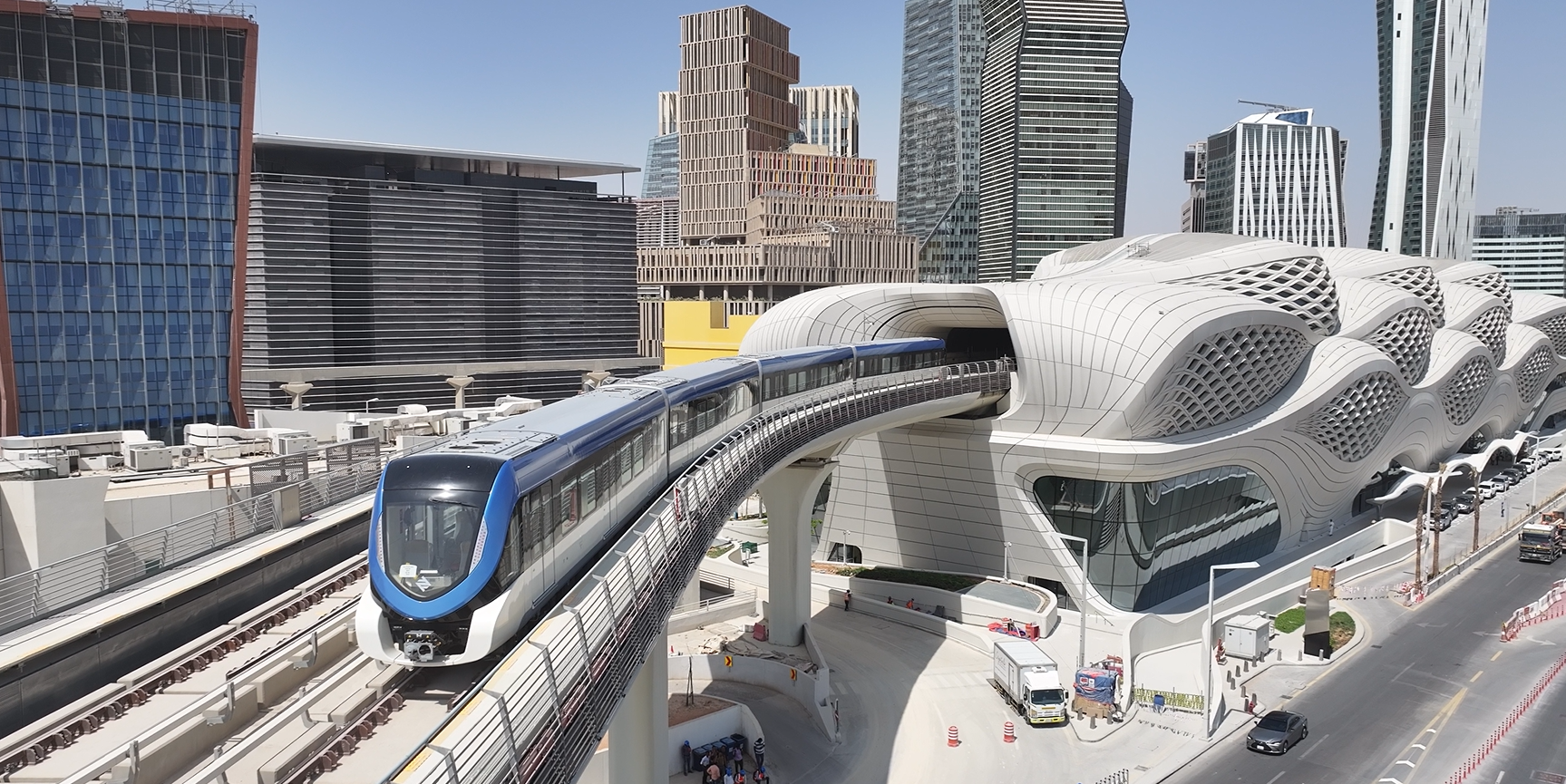
Bechtel’s role in the KSIA project builds upon its longstanding presence in Saudi Arabia, where it has completed over 300 projects, including the recently inaugurated Riyadh Metro. The company’s involvement in KSIA signifies a continued commitment to supporting the kingdom’s transformative infrastructure initiatives.

Dubai is poised to make a significant impact at the upcoming IMEX event, reinforcing its status as a premier destination for global meetings and events. The city’s persistent rise in the meetings and incentives travel sector has been highlighted by its sustained ranking as the top meeting destination in the Middle East and Africa, according to the latest industry data. The recognition by Cvent, a leading meetings […]

Dubai Future District Fund has reported securing over $1.65 billion in capital commitments and supporting more than 190 startups, marking a significant milestone in its mission to bolster the emirate’s innovation ecosystem.

Anchored by the Dubai International Financial Centre and the Dubai Future Foundation , DFDF unveiled these achievements at its Annual General Meeting, reflecting its alignment with Dubai’s economic vision and commitment to fostering a resilient innovation landscape.

In 2024, DFDF expanded its portfolio through direct investments and 12 Fund of Funds initiatives, aligning with the Dubai Economic Agenda to advance technology, talent, and venture capital in the region.

His Excellency Khalfan Belhoul, Chairman of DFDF’s Board and CEO of the Dubai Future Foundation, emphasized the fund’s role in driving the growth of Dubai’s digital economy, highlighting its focus on innovation and future technologies across key sectors.

Beyond capital allocation, DFDF engaged in strategic partnerships with entities like Dubai Land Department and Dubai Health, exploring innovation collaborations that align government priorities with startup-driven solutions.

Nader Albastaki, Managing Director at DFDF, noted that 2024 was pivotal for the fund, scaling investments and supporting innovators driving meaningful change. He expressed enthusiasm for 2025, designated as the Year of the Community, focusing on deeper collaboration and ecosystem resilience.

DFDF’s investment strategy involves deploying capital into venture capital funds with a local focus and directly into startups, aiming to boost venture capital investing and business activity in Dubai and the region.

The fund’s commitment to sustainability was underscored by allocating up to 20% of its AED 1 billion fund to climate technology and innovation, aligning with the UAE’s broader vision for economic diversification and sustainable development.

Arif Amiri, CEO of DIFC Authority and DFDF Board Member, highlighted the fund’s dedication to driving growth and supporting sustainability-focused tech ventures, emphasizing the importance of collaboration in cultivating innovation.

DFDF’s efforts contribute to Dubai’s ambition to establish itself as a global technology and innovation hub, reinforcing its position as a premier destination for global talent and entrepreneurship.

Messaging platform Telegram has successfully raised $1.7 billion through a convertible bond issuance, aiming to refinance existing debt and bolster its financial position. The five-year notes offer a 9% annual coupon and include a provision allowing bondholders to convert their holdings into equity at a 20% discount if Telegram proceeds with an initial public offering before maturity.

A significant portion of the proceeds, approximately $955 million, is earmarked to repurchase outstanding bonds from a 2021 issuance set to mature in March 2026. Telegram had previously repurchased around $400 million of this debt using internal funds. The remaining funds from the new bond sale will support the company’s operational expansion and strategic initiatives.

The bond offering attracted substantial interest from institutional investors. Existing backers like BlackRock and Abu Dhabi’s Mubadala Investment Company participated, alongside new entrants such as hedge fund Citadel. The high yield and potential for equity conversion made the bonds particularly appealing to investors seeking both income and growth opportunities.

Telegram’s financial performance has shown marked improvement. In 2024, the company reported a profit of $540 million on revenues of $1.4 billion, a significant turnaround from a loss of $173 million on $342 million in revenue the previous year. Projections for 2025 indicate a profit exceeding $700 million on revenues of $2 billion, driven by diversified income streams including advertising, in-app purchases, and premium subscriptions.

A notable contributor to Telegram’s revenue growth is a $300 million partnership with Elon Musk’s artificial intelligence firm, xAI. Under this agreement, Telegram will distribute xAI’s chatbot, Grok, within its platform, receiving compensation in both cash and equity. This collaboration signifies Telegram’s foray into integrating advanced AI technologies to enhance user engagement and service offerings.

Despite these financial strides, Telegram faces legal challenges. CEO Pavel Durov is currently under investigation in France for allegedly failing to cooperate with authorities probing illegal activities on the platform. Durov, who has been released on bail, is restricted from leaving France without official permission. His request to travel to the United States for investor meetings was denied by French prosecutors, citing insufficient justification. Durov maintains that Telegram has complied with all legal obligations and expresses uncertainty over the basis of the charges.

These legal issues have not deterred investor confidence. The successful bond issuance reflects a strong belief in Telegram’s growth trajectory and financial stability. The company’s user base continues to expand, with over 1 billion monthly active users and a doubling of paid subscribers to more than 15 million in the past year.

ADNOC Drilling has entered into an agreement to acquire a 70% stake in SLB’s land drilling rigs business in Kuwait and Oman for $112 million. The joint venture encompasses eight fully operational land rigs—two in Kuwait and six in Oman—currently under contract with the respective national oil companies. The transaction, pending customary regulatory approvals, is anticipated to close in the first quarter of 2026. ADNOC Drilling plans […]

Telegram has entered into a one-year agreement with Elon Musk’s artificial intelligence company, xAI, to integrate the Grok chatbot into its messaging platform, which boasts over one billion users globally. Under the terms of the deal, Telegram will receive $300 million in a combination of cash and equity, along with 50% of the revenue generated from xAI subscriptions sold through the app.

This partnership marks a significant expansion for Grok, which was previously available exclusively to premium subscribers of X . By integrating Grok into Telegram, xAI aims to broaden its user base and compete more directly with established AI chatbots like OpenAI’s ChatGPT and Google’s Gemini.

Telegram CEO Pavel Durov announced the collaboration on X, highlighting the strategic move to enhance user engagement through advanced AI capabilities. The integration of Grok into Telegram is expected to provide users with a more interactive and intelligent messaging experience, leveraging Grok’s ability to generate text, understand images, and summarise conversations.

The financial structure of the deal underscores the growing value of AI integration in messaging platforms. The $300 million investment from xAI not only provides Telegram with substantial capital but also aligns both companies’ interests through the shared revenue model. This approach reflects a broader trend in the tech industry, where companies seek to monetise AI tools by embedding them into widely used applications.

Grok’s integration into Telegram comes amid a competitive landscape for AI chatbots. xAI, founded by Elon Musk in 2023, has rapidly developed Grok to offer features such as web search results, PDF uploads, and image understanding. The chatbot is designed to provide responses with a touch of wit and humour, distinguishing it from more conventional AI assistants.

The rollout of Grok on Telegram also raises questions about content moderation and user data privacy. Telegram has faced scrutiny in the past for its approach to content oversight, and the addition of an AI chatbot with unfiltered responses could attract further attention from regulators and watchdogs. xAI has previously faced criticism for Grok’s use of user data from X, leading to investigations by European privacy regulators.

VISHNU RAJA
RYO YAMADA
HITORI GOTOH
IKUYO KITA