News related to
secures

HONG KONG SAR – Media OutReach Newswire – 22 August 2025 – Southco Asia Ltd., a subsidiary of Southco Inc., a leading global provider of engineered access solutions such as locks, latches, captive fasteners, electronic access solutions and hinges/ positioning technology has introduced RA Rack Attach to the server industries. RA Rack Attach As the race for the best AI technology heats up, manufacturers are turning to […]

Abu Dhabi National Energy Company has secured a substantial AED 8.5 billion term loan to bolster its liquidity and support its long-term growth objectives. The financial facility, which spans a two-year period, is expected to enhance the company’s operational flexibility, enabling it to pursue strategic investments and strengthen its position in the energy sector. The move reflects TAQA’s commitment to enhancing its financial standing amidst an increasingly competitive market.

The loan, denominated in UAE dirhams, is structured as a floating-rate instrument, which ties the interest payments to a benchmark rate, typically the LIBOR or its successor. This structure offers flexibility to the company, aligning its financial obligations with market conditions over the loan’s tenure. This large-scale financing arrangement also provides the company with the necessary funds to continue its diverse projects, including those in renewable energy, which are central to TAQA’s strategic shift toward sustainability.

TAQA’s loan agreement underscores its focus on transforming its energy portfolio, including expanding its investments in cleaner energy solutions and enhancing its existing assets. Over the past few years, the company has undertaken several initiatives aimed at increasing its renewable energy capacity, with a notable emphasis on solar, wind, and water energy projects both within the UAE and internationally. This aligns with the broader UAE vision to transition towards more sustainable energy sources while diversifying the national economy away from reliance on oil revenues.

The loan will also assist TAQA in fulfilling its ambitious growth plans. Its focus on improving liquidity is seen as crucial in maintaining stability and ensuring the company’s ability to secure additional investments in future projects. The energy sector is experiencing significant changes, driven by the global push for sustainability and a growing demand for energy diversification. As such, firms like TAQA are positioning themselves to leverage opportunities arising from these shifts in energy consumption patterns.

With the funding, TAQA will have the flexibility to manage ongoing infrastructure upgrades and explore new ventures, including potential acquisitions and investments that align with its strategy to expand across international markets. The company’s portfolio includes a range of assets in energy distribution, generation, and water desalination, providing it with a diverse stream of revenue and contributing to the stability of its financial outlook.

The term loan also reflects the confidence that financial institutions have in TAQA’s future growth prospects, especially in a market that is becoming increasingly dependent on green technologies. The global energy transition, fuelled by the shift towards decarbonisation, presents both challenges and opportunities for energy companies. For TAQA, expanding into renewable energy markets offers significant potential for long-term profitability and operational diversification.

This loan also comes at a time when the UAE is intensifying its efforts to implement its Green Agenda, which includes significant investments in renewable energy projects and a commitment to achieving net-zero emissions by 2050. As a key player in the region’s energy sector, TAQA’s ongoing efforts to decarbonise its portfolio and adopt innovative solutions will be critical in meeting these ambitious national and global targets.

TAQA’s ability to access such large-scale financing reflects its strong financial fundamentals and market reputation. The company’s management has been proactive in securing capital for key growth areas, ensuring that it remains at the forefront of the region’s energy transformation. The long-term focus on sustainability and diversification is set to position TAQA as a leading energy provider in the MENA region, with significant reach beyond its home market of the UAE.

The Trump family has completed the acquisition of financial technology firm ALT5 Sigma in a move expected to reshape their investment portfolio. At a purchase price of $15 billion, the deal signals a shift towards further diversification of their business interests, marking a significant venture into the fintech space. This acquisition, which involved a combination of private equity and strategic investments, has drawn the attention of hedge funds and investment groups keen on gaining a stake in the evolving financial technology sector.

ALT5 Sigma, known for its sophisticated algorithms and artificial intelligence solutions aimed at streamlining investment strategies, has long been regarded as a key player in the fintech arena. The company provides innovative tools for hedge funds and asset managers to optimise trading operations and enhance decision-making processes. In acquiring the firm, the Trump family gains access to these advanced technologies, positioning themselves at the forefront of the increasingly competitive tech-driven investment world.

Hedge funds have been particularly keen on ALT5 Sigma’s cutting-edge trading platforms, which leverage artificial intelligence and machine learning to predict market movements and analyse large sets of data. These tools have proven invaluable in helping firms maximise returns, mitigate risks, and remain agile in an ever-evolving market. By entering the fintech industry, the Trump family secures a stake in a sector that is expected to grow exponentially in the coming years.

Financial experts suggest that the acquisition could help the Trump family tap into new revenue streams while also increasing their exposure to emerging technologies. The fintech sector has been attracting substantial investment over the past decade, with companies like ALT5 Sigma leading the charge in transforming how financial services are delivered. With this acquisition, the Trump family joins the ranks of high-profile investors looking to capitalise on the growing demand for innovative financial tools.

The involvement of hedge funds in the deal further highlights the strategic importance of ALT5 Sigma’s offerings. Several prominent hedge funds have expressed interest in supporting the Trump family’s new venture, recognising the potential for long-term returns through the use of cutting-edge trading systems. These hedge funds, which are known for their appetite for high-risk, high-reward investments, view the acquisition as a means to enhance their portfolios by gaining access to superior trading technology.

For the Trump family, the acquisition also marks a potential shift in their investment strategy. Historically known for real estate and branding ventures, this deal represents a move into the tech industry, which could position them for success in the rapidly expanding digital economy. By diversifying into fintech, they not only gain access to a lucrative sector but also strengthen their influence in the evolving financial landscape.

Industry analysts have raised questions about the potential challenges the Trump family may face as they navigate the complexities of the fintech sector. The industry is known for its regulatory challenges, technological demands, and intense competition. However, with the backing of well-established financial firms and a strong track record of business acumen, the Trump family may be well-positioned to overcome these obstacles.

As the Trump family’s acquisition of ALT5 Sigma begins to take shape, the deal is expected to attract increasing interest from other investors and stakeholders within the fintech space. Analysts will be closely monitoring how the family leverages its new acquisition, particularly in how it integrates ALT5 Sigma’s technologies into its broader investment strategies.

Kotak Mahindra International Limited, a subsidiary of Kotak Mahindra Bank, has made a significant stride in expanding its footprint in the UAE’s financial sector. The firm has officially received a licence from the Securities and Commodities Authority, granting it the ability to manage investments and portfolios within the emirate’s capital markets. This makes KMIL the first Indian financial institution to obtain such a licence, opening the door to a wider range of investment opportunities in the region.

The SCA’s approval allows KMIL to operate in a competitive, high-growth financial market that is rapidly evolving. As a result, the firm is now positioned to offer both retail and institutional clients a broader spectrum of services, ranging from portfolio management to investment advisory. This move is expected to enhance the firm’s existing capabilities and leverage the UAE’s status as a global financial hub.

KMIL’s entry into the UAE market signifies a strategic effort to tap into the growing demand for professional investment services in the region, especially as the Middle East continues to be a lucrative market for global financial players. The UAE’s business environment is becoming more conducive to foreign investments, with its forward-thinking regulatory framework and attractive tax incentives drawing a significant number of international financial institutions.

The SCA’s move to issue such licences aligns with the UAE’s broader economic diversification strategy. By encouraging international firms to set up operations in the country, the UAE government aims to fortify its capital markets and establish itself as a leading financial centre in the region. The decision also underlines the country’s commitment to maintaining a stable and robust regulatory environment for financial services.

Kotak Mahindra’s strategic expansion comes at a time when global interest in the UAE’s financial markets is surging. The country’s strategic location, tax-friendly policies, and world-class infrastructure have led to an influx of capital from around the world, positioning it as an ideal base for firms like Kotak Mahindra International to service clients in both the Gulf Cooperation Council region and beyond.

The company’s move also reflects a growing trend of Indian financial institutions seeking to diversify their portfolios and expand internationally. With this licence, Kotak Mahindra International joins a select group of global players that have made the UAE their home for managing investments and portfolios. This development underscores the increasing prominence of the UAE as a financial epicentre.

KMIL’s parent company, Kotak Mahindra Bank, has long been a key player in India’s banking and financial services landscape. With its new licence, the bank’s international arm can now offer its expertise to a new set of clientele while taking advantage of the burgeoning investment opportunities in the Middle East. The UAE’s progressive economic policies and its positioning as a global financial hub make it an attractive destination for firms looking to serve the broader Middle Eastern, African, and Southeast Asian markets.

Industry experts note that the SCA’s licence is a vital step in enhancing the overall appeal of the UAE’s financial services sector. The SCA, tasked with overseeing the functioning of capital markets, is committed to fostering a conducive environment for businesses to thrive. By offering such licences to international firms, the authority is sending a strong signal about its readiness to support the financial community and encourage further investments into the UAE economy.

Greenlogue/AP SNB Capital has successfully facilitated the completion of a significant SAR7.1 billion capital increase for Acwa Power, a leading Saudi developer, investor, and operator of power generation and desalination plants. The deal, executed through a rights issue on the Saudi Exchange, marks one of the largest transactions of its kind in the region. The transaction involved the issuance of 33.93 million new shares, priced at SAR210 […]

SINGAPORE – Media OutReach Newswire – 15 August 2025 – SUNRATE, the global payment and treasury management platform, today announced it has secured a payment business licence in China following its successful acquisition of a 100% stake in Transfar Pay, a unit of Shenzhen-listed Transfar Group. The RMB 315 million (USD 43.8 million) acquisition has received approval from relevant Chinese regulatory authorities. This transaction had been previously […]

Samsung Electronics has secured a significant contract with Tesla, valued at $16.5 billion, to produce the electric vehicle manufacturer’s next-generation AI6 chips. The chips will be manufactured at Samsung’s advanced fabrication facility in Taylor, Texas, marking a pivotal development in both companies’ strategic plans.

The eight-year agreement, confirmed by Tesla CEO Elon Musk, is set to commence in 2025 and extend through 2033. This deal represents a substantial commitment from Tesla to Samsung’s foundry capabilities, particularly as the semiconductor industry faces increasing demand for advanced chips.

The AI6 chips are designed to power Tesla’s Full Self-Driving systems, the Optimus humanoid robot, and future robotaxi fleets. This move follows Tesla’s decision to discontinue its in-house Dojo supercomputer project, redirecting focus towards optimized chip design and external partnerships for AI infrastructure.

Samsung’s Taylor facility, supported by $6.4 billion in U. S. CHIPS Act funding, will utilize the company’s 2-nanometer process technology to manufacture the AI6 chips. This collaboration aims to enhance Samsung’s foundry business, which has faced challenges in recent years, and to position the company as a competitive player in the advanced semiconductor market.

While the deal is a strategic win for Samsung, it also presents challenges. The production of 2nm chips is complex, and achieving high yield rates is critical. Additionally, the financial terms of the contract suggest that Samsung may initially operate at a loss, viewing the deal as an investment in long-term growth and industry positioning.

The partnership with Tesla is expected to bolster Samsung’s position in the global semiconductor industry, particularly in competition with Taiwan’s TSMC, a dominant player in the foundry market. The success of this venture will depend on the effective scaling of production capabilities and the ability to meet Tesla’s stringent performance requirements.

Advertisements

A new Ethereum-based meme coin, Pepeto, has raised more than $6.09 million in its presale stage, signalling a strong demand and growing investor confidence in the project. The surge in funding comes as the cryptocurrency market continues to attract speculative investments, with meme coins often riding waves of social media trends and community-driven hype.

Pepeto, which launched its presale only a few weeks ago, is quickly gaining traction among crypto enthusiasts and investors. Its presale has been characterised by significant interest, with the project’s unique branding, which mimics the success of other meme tokens, such as Dogecoin and Shiba Inu, being one of the driving factors. The coin, a derivative of the meme-driven cryptocurrency ecosystem, appears to be tapping into a burgeoning market for low-cost, high-risk investment opportunities.

The presale phase, which is expected to reach its ninth stage soon, represents a crucial point for the token’s developers and backers. Ethereum-based tokens are particularly favoured for their robust network and security features, and the increasing popularity of meme coins on this platform makes Pepeto an attractive option for investors looking for the next breakout opportunity in the highly volatile crypto space.

Unlike other meme coins, which rely heavily on viral marketing campaigns and online communities, Pepeto has garnered attention through strategic partnerships and a steady stream of community engagement. By focusing on building a loyal following through transparency and open communication, the Pepeto team has managed to create a sense of trust among early investors, a key factor in the coin’s rapid success.

While the coin’s development team remains tight-lipped about the specifics of its long-term roadmap, experts believe that meme coins’ reliance on social media-driven hype can be both a strength and a vulnerability. The ability of a coin like Pepeto to maintain momentum and deliver real utility beyond mere speculation will determine whether it can break free from the boom-and-bust cycles that have plagued other meme coins in the past.

As the presale enters its final stages, the token’s backers are already planning its full public launch, which is expected to bring even more attention to the project. However, the risks associated with investing in meme coins are well known, and many market observers have cautioned investors to exercise caution.

Pepeto’s success thus far is a reflection of the broader trend in the crypto market, where meme tokens continue to garner attention and attract speculative investment. The explosive growth of tokens like Dogecoin and Shiba Inu has led to a proliferation of similar projects, all vying for a slice of the highly profitable, yet highly volatile, crypto market.

Critics argue that the speculative nature of meme coins poses a significant risk to investors, particularly as the market experiences periods of high volatility. Given the short-term focus of many meme coin investors, the long-term sustainability of projects like Pepeto remains uncertain. However, the project’s ability to raise funds at this stage is indicative of the appetite for risk among crypto investors.

In parallel, some cryptocurrency analysts believe that the boom in meme coins could be indicative of a broader trend towards decentralised finance and the growing interest in community-led projects. Pepeto’s success, however, will depend on how well it can transition from a meme-based speculative asset into a coin with genuine value.

Additional funding allows Agridence to better deliver its traceability modules and ESG solutions across agri-commodity sectors globally. SINGAPORE – Media OutReach Newswire – 13 August 2025 – Agridence Pte. Ltd. (“Agridence”), a Singapore-based technology leader in digital agri-commodity supply chains, today announced a funding round led by Cercano Management and supported by returning strategic investors EXEO Innovation Fund and Provident. This will empower Agridence to rapidly scale […]

Abu Dhabi’s Mubadala Energy has acquired a 24.1% equity stake in Caturus, a rebranded platform for natural gas and liquefied natural gas exports, following the successful closure of its investment in partnership with alternative asset manager Kimmeridge. This move marks a significant step in Mubadala’s strategy to strengthen its foothold in the US energy market, specifically within the integrated natural gas and LNG sectors.

Mubadala Energy’s involvement in the US market reflects its broader strategy to diversify its portfolio, tapping into high-growth energy markets outside its core base. The company’s new stake in Caturus aligns with its goal to expand its presence in global energy infrastructure, particularly in areas that promise long-term stability and returns.

The deal, valued at an undisclosed sum, solidifies Mubadala Energy’s growing influence in the North American energy sector, which has been experiencing a surge in LNG exports. The US has become a crucial player in the global LNG market, with rising production levels and the establishment of new infrastructure facilitating an increasing flow of exports, particularly to Europe and Asia.

Kimmeridge, a US-based alternative asset manager, has also made substantial strides with its role in Caturus, cementing its position as a key player in energy investments. The collaboration between Mubadala and Kimmeridge is part of a wider effort to create a more integrated and efficient LNG export system, as the two firms look to leverage their combined expertise to drive future growth and development in the sector.

This partnership highlights the growing trend of international energy companies and investment firms looking to the US as a prime location for natural gas and LNG infrastructure. The US energy landscape has seen significant transformation in recent years, with abundant shale gas reserves and increased technological advancements enabling greater extraction and export capabilities.

Caturus itself is designed to optimise the export of LNG, focusing on enhancing infrastructure, improving logistics, and ensuring the delivery of natural gas to international markets with efficiency and minimal environmental impact. The platform’s focus on sustainability aligns with Mubadala’s wider goals of promoting cleaner energy solutions and reducing carbon emissions within its portfolio.

By securing a stake in this critical infrastructure, Mubadala Energy not only diversifies its holdings but also strengthens its role in the ongoing global shift towards cleaner energy sources. The company has committed to transitioning its investments towards more sustainable energy solutions, with a particular focus on natural gas, which is seen as a cleaner alternative to coal and oil in power generation.

Caturus’s strategic location within the US allows it to access key markets, positioning it as a vital part of the LNG export network. With LNG demand increasing globally, particularly in Asia, the platform is well-placed to capitalize on the growing need for cleaner and more sustainable energy options. Mubadala’s participation in this project is expected to enhance its capacity to meet the increasing energy demands of international markets while positioning itself as a responsible player in global energy transitions.

The shift towards LNG and natural gas aligns with broader global energy policies that are looking to reduce carbon emissions and transition away from coal. As countries around the world pursue cleaner alternatives to traditional energy sources, LNG has become an attractive option due to its lower emissions profile compared to coal and oil. The increased export of LNG from the US is particularly important as it helps to meet the energy needs of European and Asian markets, which have increasingly turned to LNG for their energy security needs.

Mubadala Energy’s commitment to sustainability and the environment also underpins this investment. The company has set ambitious goals to reduce its carbon footprint and increase its investments in renewable and low-carbon energy technologies. This aligns with the UAE’s broader energy strategy, which has placed a strong emphasis on cleaner energy, and further reinforces Mubadala’s role in contributing to these global efforts.

Greenlogue/AP ACWA Power, a Saudi-listed leader in the global energy transition, has secured the Noor Midelt 2 and Noor Midelt 3 solar projects in Morocco. The projects were awarded following an international tender process facilitated by the Moroccan Agency for Sustainable Energy. These two projects are set to significantly contribute to Morocco’s efforts to diversify and expand its renewable energy capabilities. Both Noor Midelt 2 and Noor […]

Proton has unveiled a new two-factor authentication app, which positions itself as a robust alternative to Microsoft Authenticator. As security concerns around digital identities grow, Proton’s offering enters a competitive field, aiming to provide an enhanced user experience while addressing key issues in account protection. The app, designed by the Swiss company behind Proton Mail, integrates advanced security measures to protect sensitive user data from threats. Unlike […]

Arabian Post Staff -Dubai US-based artificial intelligence company Anaconda, Inc. has raised $150 million in a Series C funding round, marking a significant milestone in its expansion plans. Mubadala Capital, the asset management arm of Abu Dhabi’s Mubadala Investment Company, is among the key investors. This round, led by US software investor Insight Partners, aims to accelerate Anaconda’s growth, focusing on new AI capabilities, strategic acquisitions, and […]

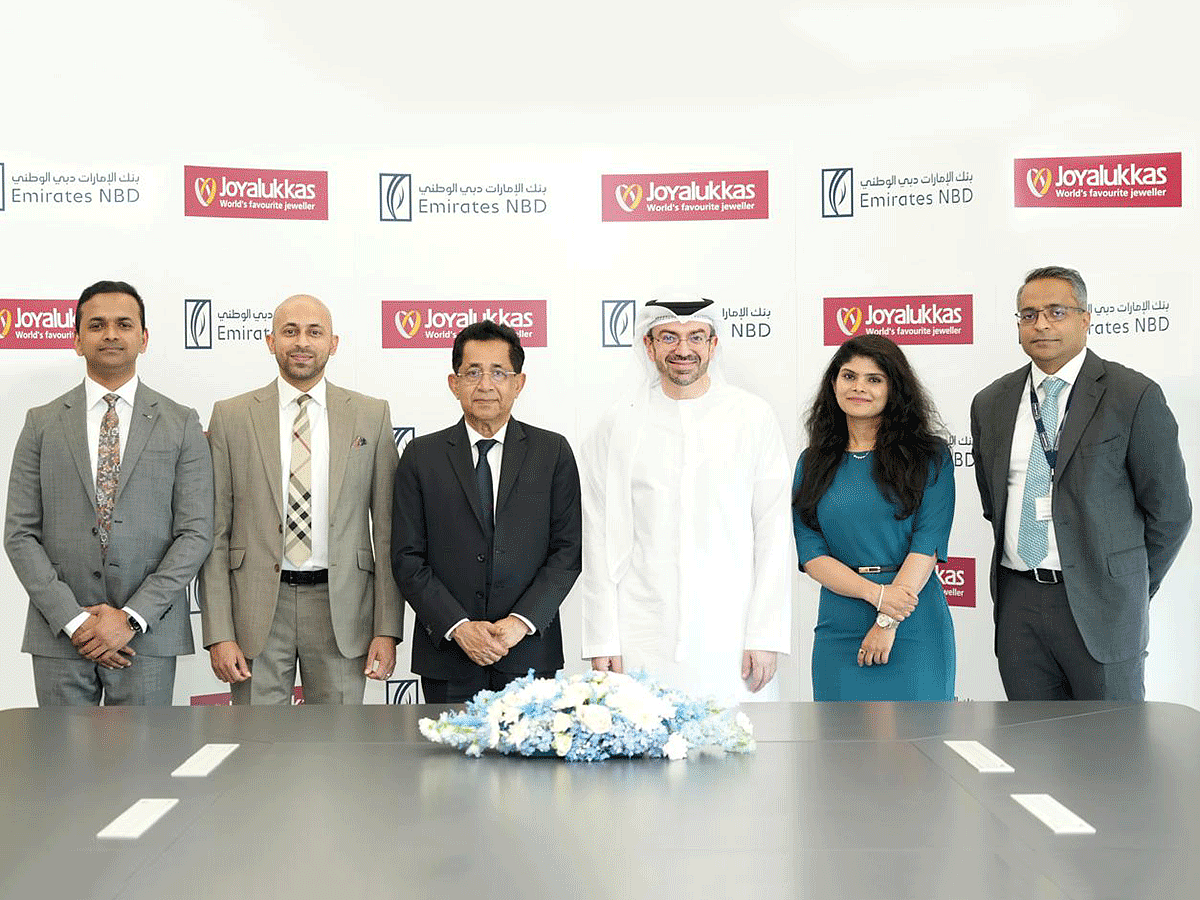
Gold retailer Joyalukkas has secured a significant financing deal with Emirates NBD, confirming a revolving credit facility of 500 million UAE dirhams. The facility will aid Joyalukkas in accelerating its expansion strategy across key international markets, which include the GCC, UK, US, Canada, and Australia. The partnership between Joyalukkas and Emirates NBD is designed to support the retailer’s ambitions by ensuring smooth operational liquidity, particularly during high-demand […]

FluidCloud, a startup dedicated to addressing one of the most pressing challenges in enterprise cloud computing, has announced its emergence from stealth mode with a seed funding round of $8.1 million. The funding will allow the company to expand its efforts in solving the longstanding issue of cloud vendor lock-in, which has long hindered businesses from achieving flexibility and efficiency in their digital infrastructure. The funding round, […]

Scala Data Centers has secured $328 million in international financing to fund the construction of three new hyperscale data centres and a critical power substation in Chile. This significant investment underscores the growing demand for high-capacity, scalable infrastructure to support the rapid expansion of digital services across Latin America.

The financing deal marks a pivotal moment for Scala as it continues to strengthen its position as a leader in the Latin American data centre sector. The new development in Chile forms part of the company’s broader strategy to expand its footprint in key markets across the region, which are increasingly becoming hubs for global data traffic and cloud services.

With digital transformation accelerating in multiple industries, Latin America has seen a surge in demand for high-performance data infrastructure. The planned facilities will cater to the needs of global cloud providers, hyperscale customers, and enterprises, allowing them to store, process, and manage vast amounts of data. The new data centres will also help reduce latency and improve connectivity for companies operating in the region.

The investment comes at a time when Latin America is experiencing a surge in the adoption of cloud computing, artificial intelligence, and big data analytics. With more companies moving their operations to the cloud, the need for secure, reliable, and energy-efficient data centres has never been more pressing. Scala’s expansion will enable it to meet these demands, providing businesses with the infrastructure necessary to drive innovation and growth.

Scala’s expansion in Chile also reflects the increasing importance of sustainable infrastructure. The new data centres will be designed with energy efficiency in mind, incorporating cutting-edge technologies to reduce energy consumption and carbon emissions. The company has also committed to using renewable energy sources to power its facilities, aligning with the growing trend of sustainability in the data centre industry.

Chile’s favourable business environment, combined with its advanced telecommunications infrastructure and strategic location, has made it an attractive destination for data centre investments. The country has been positioning itself as a key player in the global digital economy, offering tax incentives and other benefits to companies investing in technology and infrastructure. The addition of Scala’s new facilities further strengthens Chile’s standing as a leading hub for digital infrastructure in the region.

Alongside the construction of the data centres, the financing will also support the development of a major power substation, ensuring that the facilities have a stable and reliable energy supply. The substation will play a crucial role in supporting the growing demand for electricity, which is essential for the operation of the new data centres. With a growing number of digital services being powered by cloud platforms, the need for reliable and scalable energy solutions is increasingly important.

Scala’s investment comes amid a wave of expansion in the Latin American data centre market. The region has witnessed significant growth in the last few years, driven by increased cloud adoption, demand for edge computing, and the expansion of global tech giants in the area. The financing will allow Scala to build upon its already strong presence in the region and continue supporting the evolving needs of the digital economy.

Emirates NBD has entered into a landmark partnership with global jewellery retailer Joyalukkas, providing a substantial AED 500 million working capital facility. This agreement marks a crucial step in the expansion of Joyalukkas’ operations across the UAE, as well as its key international markets, including the UK, USA, Canada, and Australia.

The deal, announced today, highlights the growing collaboration between the two entities, cementing Emirates NBD’s role as a key financial partner in Joyalukkas’ global growth strategy. The working capital facility will allow Joyalukkas to bolster its operations, meet the increasing demand for luxury jewellery, and enhance its retail presence in multiple regions.

Joyalukkas, a household name in the jewellery industry with a vast network of outlets worldwide, is known for its exquisite designs and premium products. Founded in 1987, the retailer has rapidly expanded its footprint, particularly in the GCC region, India, and other high-potential international markets. This new facility from Emirates NBD enables Joyalukkas to navigate challenges associated with working capital and supply chain management while facilitating its growth in a highly competitive market.

The strategic decision to offer this significant financial support underscores Emirates NBD’s commitment to supporting leading UAE-based businesses with ambitious expansion plans. The partnership will also contribute to the local economy, enabling job creation and boosting the retail sector. With an extensive portfolio of services tailored for high-growth industries, Emirates NBD is positioning itself as a critical player in the UAE’s business ecosystem.

For Joyalukkas, the agreement reflects its robust financial health and operational readiness for a broader international reach. As luxury consumption in markets such as the UK, USA, and Australia continues to rise, the retailer is well-placed to capitalise on this growing demand. Furthermore, the working capital facility will enhance its ability to manage large-scale projects and optimise its inventory across regions.

With an extensive network of over 160 showrooms worldwide, Joyalukkas is keen to capitalise on its established reputation while strengthening its presence in key markets. The financial backing from Emirates NBD offers the flexibility required to support large-scale retail operations and secure further growth.

Analysts see this collaboration as a strong endorsement of Joyalukkas’ expansion strategy, particularly its targeted approach towards diversifying into high-potential international markets. As global luxury retail trends shift towards online platforms and omnichannel experiences, Joyalukkas has already begun adapting to these changes, with plans to enhance its digital presence alongside its physical stores.

Emirates NBD, one of the leading banks in the region, has long been known for its strategic partnerships with key players in the retail and manufacturing sectors. By offering tailored financial solutions, the bank has proven to be a crucial enabler of growth for businesses with global aspirations. This latest deal with Joyalukkas adds to the bank’s already impressive portfolio of financial support for companies looking to expand their market reach.

As both organisations look ahead, the partnership represents a shared vision for long-term growth, with Joyalukkas planning to increase its retail footprint in the coming years. The bank’s backing will facilitate Joyalukkas’ ability to expand both in terms of physical retail locations and in the digital domain, where it is likely to see increasing competition.

The deal is also a testament to the UAE’s growing position as a global hub for business and finance, with local institutions playing a pivotal role in helping regional businesses scale internationally. Emirates NBD’s deep involvement with international brands and retailers reflects the increasingly interconnected nature of global trade and commerce.

While the facility’s exact terms remain undisclosed, industry experts suggest that this could be one of many similar deals to follow, as both local banks and international businesses continue to seek mutually beneficial partnerships. The growing demand for high-end jewellery and the increasing prominence of luxury markets globally position this partnership as a key milestone in both organisations’ development.


Fintech firm Qlub has raised $30 million in a funding round aimed at accelerating its global expansion and deepening its technological capabilities. The Dubai-based startup, known for digitising the dining experience, has drawn strong investor interest as it scales operations across Asia, the Middle East, and other international markets. The funding round was co-led by UAE-headquartered Shorooq Partners and Berlin-based Cherry Ventures, marking a cross-border vote of […]

Abu Dhabi National Oil Company’s subsidiary ADNOC Gas Plc has signed a three‑year agreement to deliver 0.7 million tonnes of liquefied natural gas to Germany’s state‑owned SEFE Securing Energy for Europe. Valued at AED 1.5 billion, the contract begins this summer and sees LNG shipped from the Das Island facility. The arrangement builds upon a long‑term contract established last year between the two companies, offering SEFE greater flexibility to dispatch […]

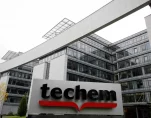
Abu Dhabi’s Mubadala Investment Company, Partners Group, GIC and TPG Rise Climate have agreed a €6.7 billion deal to acquire Techem, the Frankfurt-based energy‑efficiency firm, in a strategic move poised to reinforce digital-first submetering and sustainability in European real estate.

The transaction—set to conclude in the second half of 2025, pending regulatory approvals—will see Partners Group’s infrastructure arm retain a controlling stake, while Mubadala, GIC and TPG Rise Climate take minority positions alongside, marking a rotation in ownership strategy. The sale ends the tenure of the prior consortium including La Caisse and Ontario Teachers’ Pension Plan, which supported Techem since 2018.

Techem, founded in 1952 and based in Eschborn, operates in 18 countries and serves more than 440,000 customers with over 13 million dwellings under its care. Approximately 62 million devices are currently installed across its footprint.

Under Partners Group’s 2018 private equity-led acquisition, Techem grew its sales beyond €1 billion and increased EBITDA by nearly 50%. This expansion solidified its role as a leading provider of submetering services—a crucial component in the decarbonisation of real estate, a sector responsible for around 40% of global CO₂ emissions.

The new ownership strategy aims to deepen digital integration, expand offerings to include smart meters, and capitalise on evolving regulations, rising energy prices and corporate net-zero commitments. “Techem is at the forefront of energy services and is uniquely positioned to drive energy efficiency within the real estate sector,” noted Boon Chin Hau, CIO of GIC Infrastructure, underscoring the group’s confidence in Techem’s strategic outlook.

Abdulla Mohamed Shadid, Head of Energy and Sustainability at Mubadala’s private equity platform, emphasised the importance of helping find solutions to global challenges, reflecting the company’s ongoing shift toward purpose-driven capital deployment. Implementation will include further digitalisation of operations and service expansions tailored to improve building efficiency.

This deal, valued at €6.7 billion, ranks among the year’s largest private‑market transactions globally.

Techem’s technology deploys submetering for heating and water, enabling accurate billing and encouraging lower consumption. Their low‑investment, non‑invasive approach aligns well with landlords and property owners seeking cost-effective energy solutions. Trends in European regulation and growing pressure on emissions reduction give the firm a favourable market tailwind—a factor the new consortium appears ready to exploit.

Despite an earlier attempt by TPG to buy out Techem independently in October 2024, that bid fell through after EU antitrust scrutiny. The current agreement reflects a more collaborative structure that shares risk and maintains continuity under infrastructure stewardship.

Commenting on continuity, Techem’s CEO Matthias Hartmann stated that the company’s strategic direction would remain unchanged, emphasising a steady course under the incoming partners.

The transaction parallels broader investment patterns in smart‑energy firms. Over the past year, GIC has partnered with investors such as EQT to acquire UK smart‑meter provider Calisen—a sign of growing interest in climate‑aligned infrastructure.

With assets under management spanning global private markets, Partners Group leads the infrastructure side with over US$27 billion, while Mubadala and GIC bring sovereign-backed financial clout, and TPG Rise Climate adds dedicated impact‑investment expertise; together they form a powerful alliance geared towards scaling energy efficiency across European real estate.

DP World has finalised a 30‑year concession worth US $800 million to modernise and operate the port of Tartus on Syria’s Mediterranean coast, as per official statements issued on 13 July 2025. The agreement, inked in Damascus between DP World and Syria’s General Authority for Land and Sea Ports, was witnessed by Syrian President Ahmed al‑Sharaa, along with DP World’s Chairman and Group CEO Sultan Ahmed bin Sulayem and Qutaiba Ahmed Badawi, […]

UAE’s new Comprehensive Economic Partnership Agreement with Azerbaijan has catapulted bilateral non‑oil trade to unprecedented levels, now accounting for half of Azerbaijan’s commerce with Gulf Cooperation Council countries. This landmark pact promises to mould economic trajectories for both nations by 2031.

Dr Thani bin Ahmed Al Zeyoudi, UAE Minister of Foreign Trade, revealed that non‑oil trade surged by 36.2 percent in 2024, reaching US $2.24 billion—equivalent to 50 percent of Azerbaijan’s trade with the GCC. This accomplishment is underpinned by a robust 4.1 percent expansion in Azerbaijan’s overall GDP and a 6.3 percent rise in its non‑oil sector.

Signed in Abu Dhabi with the presence of UAE President Sheikh Mohamed bin Zayed Al Nahyan and Azerbaijani President Ilham Aliyev, CEPA is expected to inject US $680 million into UAE GDP and US $300 million into Azerbaijan by 2031. It further cements the UAE’s status as Azerbaijan’s top Arab investor, with cumulative UAE investments now exceeding US $1 billion.

The CEPA supports strategic priorities in manufacturing, automotive, agriculture, logistics, and financial services, with planned expansion of UAE investments in energy and renewables via state-owned giants ADNOC and Masdar. Masdar’s portfolio in Azerbaijan is set to exceed 1.2 GW by 2027 following a 4 GW renewables agreement including solar and hydrogen projects.

This accord also aligns with broader UAE ambitions under its CEPA programme, aimed at achieving US $1.1 trillion in non‑oil trade by 2031. Already, the initiative delivered a record US $816 billion in 2024, marking a 14.6 percent year-on-year increase, and positions the UAE as having 27 CEPA agreements with markets comprising over one‑quarter of global population.

Beyond trade figures, CEPA signifies a strategic push to diversify UAE exports and deepen supply‑chain resilience. It enables Azerbaijani goods access to Gulf and global markets, while encouraging UAE capital deployment in Eastern Europe via Azerbaijan’s Gateway logistics advantage. Sectors like food security, real estate, and logistics are flagged for development across both economies.

Financial cooperation is gaining momentum too. Talks between Azerbaijan’s Central Bank and Abu Dhabi Securities Exchange may lay groundwork for capital-market linkages. Additionally, Azerbaijani remittances to UAE saw a 52.1 percent rise in Q1 2025, reaching US $18.8 million.

Humanitarian and environmental collaboration with CEPA includes UAE support for demining through Azerbaijan’s Mine Action Agency and joint efforts during COP summits.

CEPA is poised to enrich private‑sector ties, particularly for SMEs, while also strengthening tourism links—highlighted by over 185 monthly flights connecting the UAE and Azerbaijan. Earlier cooperation has boosted non‑oil trade 43 percent in 2024 to about US $2.4 billion.

In the energy domain, strategic joint ventures have been flourishing. ADNOC holds a 30 percent stake in Azerbaijan’s Absheron project, and SOCAR reciprocated with oil‑field stakes in UAE territory. Renewable efforts include a 445 MW solar plant in Bilasuvar and a 315 MW installation in Neftchala under Saudi-UAE investment.

Stonepeak, a US-based infrastructure investor, has agreed to acquire a 50 per cent co-controlling stake in IFCO Group from a subsidiary of the Abu Dhabi Investment Authority. The transaction positions Stonepeak alongside European mid-market investor Triton, which will continue its existing 50 per cent ownership. Financial terms were not disclosed, and the deal remains subject to customary regulatory approvals, with completion targeted in the fourth quarter of 2025.

Founded in 1992, IFCO operates one of the world’s largest reusable packaging container systems, managing over 400 million units and facilitating approximately 2.5 billion shipments of fresh food annually across more than 50 countries. This extensive network, supported by around 140 service centres, serves more than 18,000 growers and over 300 retailers, delivering substantial cost efficiencies, sustainability gains, and operational scalability compared to single-use packaging.

ADIA initially invested in IFCO’s carve-out from Australian logistics group Brambles in 2019, following a $2.5 billion sale to Triton. Over the intervening years, IFCO has undergone a comprehensive strategic and operational transformation, including enhanced digitalisation and an expanded global footprint, setting the stage for this latest ownership transition.

IFCO’s chief executive officer, Michael Pooley, praised the combined expertise of Stonepeak and Triton, emphasising that the new partnership will support growth and reinforce IFCO’s “market leading position globally”. Nikolaus Woloszczuk, Senior Managing Director at Stonepeak, described IFCO as a “critical component of the logistics infrastructure delivering fresh produce” and underlined the firm’s commitment to accelerating the company’s expansion—particularly in North America—as part of Stonepeak’s broader infrastructure investment strategy.

Triton’s co‑head of business services, Stephan Förschle, affirmed the firm’s ongoing commitment to IFCO, signalling confidence in the combined vision with Stonepeak to deliver value through digitalisation and sustainability initiatives. Representing ADIA, executive director Hamad Shahwan Aldhaheri noted that since the 2019 investment, IFCO had built “solid foundations for the future, based on strong operational performance and enhanced digital capabilities”.

Advisory teams have been engaged from both sides of the transaction. Citi and Morgan Stanley served as financial advisers to ADIA and Triton, with Bank of America also representing ADIA, while Kirkland & Ellis and Latham & Watkins provided legal counsel. Stonepeak was advised by Citi financially and Kirkland & Ellis legally.

Analysts indicate that the deal could value IFCO at approximately €5.5 billion including debt, implying a consideration near €2 billion for the 50 per cent stake, according to Bloomberg. This valuation reflects IFCO’s robust market position and future growth prospects in sustainable logistics.

The combination of Triton’s deep sector knowledge and Stonepeak’s infrastructure expertise—including its focus on transport, logistics, and digitalisation—positions IFCO to capitalise on rising demand for circular economy solutions in food supply chains. With container reuse gaining regulatory momentum and retailer focus on waste reduction intensifying, IFCO’s closed-loop model is becoming increasingly central to sustainable logistics strategies.

Market observers expect this deal to reinforce growing investor interest in circular supply chain infrastructure, especially as environmental and governance factors shape capital allocation. The high valuation underscored by global advisory firms suggests confidence in IFCO’s ability to deliver both financial returns and environmental impact through its RPC-based system.

The completion of this transaction in late 2025 will mark a significant milestone for all stakeholders. ADIA exits after six years of investment and strategic support. Triton remains, signalling continuity in governance and operation. Stonepeak enters as a long-term partner, with capital and network to help scale IFCO’s platform further—particularly in North America.

San Francisco–based ZeroEntropy has emerged at the forefront of a crucial yet underrepresented segment in artificial intelligence: retrieval‑augmented generation. The startup, co‑founded by Moroccan engineer Ghita Houir Alami and CTO Nicolas Pipitone, has raised $4.2 million in seed funding to refine how large language models access contextually relevant data. This investment underscores growing investor conviction that LLM performance hinges on the quality of retrieved information, not just model […]

VISHNU RAJA
RYO YAMADA
HITORI GOTOH
IKUYO KITA