News related to
unit

By Nitya Chakraborty Leftwing Democratic senator Bernie Sanders is a veteran self proclaimed socialist who has been consistently fighting for drastic cut in the budget of the U.S. military since his election as a young senator from Vermont decades ago. In the November elections, he won his seat for the fourth time for another six […]

Tata Steel has launched an all-women shift at its Noamundi iron ore mine in Jharkhand, marking a groundbreaking initiative in India’s mining industry. This step underscores the company’s commitment to fostering gender equality and inclusivity in a traditionally male-dominated sector. The shift, which commenced in late 2024, is expected to pave the way for more women to actively participate in the mining workforce.

The decision to implement this all-women shift follows Tata Steel’s broader strategy to integrate diversity into its operations. The company has been at the forefront of promoting gender inclusivity, not just in leadership roles but across all levels of its workforce. By introducing an all-women shift, Tata Steel aims to challenge stereotypes that women are not suited for roles in industries such as mining, which have long been considered predominantly male environments.

The Noamundi mine, one of Tata Steel’s key iron ore production facilities, is known for its high-grade ore and plays a significant role in the company’s operations. The move to introduce the all-women shift is seen as a symbolic and strategic step toward normalizing the presence of women in mining operations, a sector where they have been underrepresented. According to industry experts, this shift has the potential to change the dynamics of the workforce in mines across the country.

Tata Steel’s decision was met with a positive response from both within the company and the larger industrial community. The company’s leadership, in particular, has emphasized that the initiative is part of a broader effort to provide equal opportunities for women in all spheres of business. The all-women shift is not only a step toward ensuring gender parity but also aligns with Tata Steel’s corporate social responsibility goals, which include fostering diversity and enhancing women’s participation in industrial operations.

The Noamundi mine is located in the mineral-rich region of Jharkhand, which is home to several large iron ore deposits. Tata Steel has a longstanding presence in the state, and its operations are crucial to the region’s economic growth. By introducing women into its workforce at the Noamundi mine, Tata Steel is setting an example for other mining companies to follow. The success of this initiative could lead to its expansion in other facilities operated by the company.

The women who have joined the all-women shift come from diverse backgrounds, and many are from the surrounding rural areas. Tata Steel has provided specialized training to ensure these women are equipped with the necessary skills to operate machinery, conduct safety checks, and manage other operational tasks within the mine. This training is part of the company’s broader commitment to skill development and empowerment for women in the region. By ensuring that these women have the right technical expertise, Tata Steel is fostering an environment where gender does not limit career advancement.

This initiative aligns with broader national and global trends aimed at increasing female participation in STEM (Science, Technology, Engineering, and Mathematics) fields and other traditionally male-dominated industries. The mining sector, in particular, has been under scrutiny for its lack of gender diversity. Across the world, efforts are being made to ensure women are given equal opportunities to succeed in industries like mining, which have historically sidelined them. By introducing an all-women shift, Tata Steel is actively contributing to this global movement.

The broader implications of this move are significant, not only for the mining industry but for corporate India at large. In an era where corporate social responsibility and diversity are increasingly becoming important metrics for success, Tata Steel’s initiative could set a precedent for other large companies, particularly in sectors like manufacturing, heavy industry, and construction, where gender diversity remains a challenge. The company’s initiative could be a catalyst for similar programs at other facilities across India, helping to shape the future of gender equality in the workforce.

Tata Steel has a longstanding history of championing diversity and inclusion. The company has previously been recognized for its efforts in empowering women, particularly in leadership roles. Over the years, Tata Steel has taken steps to break barriers for women in various parts of its operations. The introduction of the all-women shift at the Noamundi mine is a logical extension of this commitment, demonstrating the company’s ongoing efforts to ensure that women have a seat at the table in all aspects of its operations.

The shift also brings attention to the potential challenges women face in the mining sector, such as safety concerns, lack of infrastructure, and societal biases. Addressing these challenges requires significant investment in infrastructure, cultural change within the workplace, and ongoing training programs. Tata Steel has taken measures to ensure that the working conditions at the mine are conducive to a gender-inclusive environment, with the necessary facilities and safety standards in place.

With this new initiative, Tata Steel is not only reinforcing its leadership role in the mining sector but also setting a new standard for other companies in India. As the first company to operationalize an all-women shift in the country’s mining sector, Tata Steel is setting a benchmark that could inspire other industries to rethink their approach to gender diversity and inclusion. The Noamundi mine, which has long been an important part of Tata Steel’s operations, will now serve as a beacon of progress for gender equality within India’s industrial landscape.

The Arab Coordination Group (ACG), an alliance of ten prominent development finance institutions, has pledged up to $10 billion by 2030 to address the escalating challenges of land degradation, desertification, and drought. This significant commitment was announced during the Ministerial Dialogue on Finance at the 16th session of the Conference of the Parties (COP16) to the United Nations Convention to Combat Desertification (UNCCD), held in Riyadh, Saudi […]

The United Arab Emirates has unveiled a comprehensive health insurance initiative targeting private sector employees and domestic workers lacking coverage. Set to commence on January 1, 2025, this program aims to ensure universal health insurance across all emirates, extending mandatory coverage beyond Abu Dhabi and Dubai to include Sharjah, Ajman, Umm Al Quwain, Ras Al Khaimah, and Fujairah.

The Ministry of Human Resources and Emiratisation (MoHRE), in collaboration with the Federal Authority for Identity, Citizenship, Customs, and Port Security, and the Ministry of Health and Prevention, spearheads this initiative. Employers are now obligated to secure the new health insurance policy as a prerequisite for issuing or renewing residency permits. Notably, this mandate excludes employees with work permits issued before January 1, 2024, until their residency permits are due for renewal.

His Excellency Khalil Al Khoori, Undersecretary of Labour Market and Emiratisation Operations at MoHRE, emphasized the program’s significance, stating it reflects the UAE’s commitment to extending comprehensive protection to all workers, ensuring access to high-quality healthcare services.

The basic health insurance package is competitively priced at AED 320 per year, covering individuals aged 1 to 64. It offers both inpatient and outpatient treatments with minimal co-payments, thereby reducing the financial burden on employers compared to potential treatment expenses for uninsured workers.

This initiative is part of a broader strategy to enhance the UAE’s labor market competitiveness by improving quality of life, protecting rights, and ensuring social and healthcare security. It complements existing programs such as the Worker Protection Programme, Unemployment Insurance Scheme, and the voluntary alternative end-of-service benefits system known as the ‘Savings Scheme’.

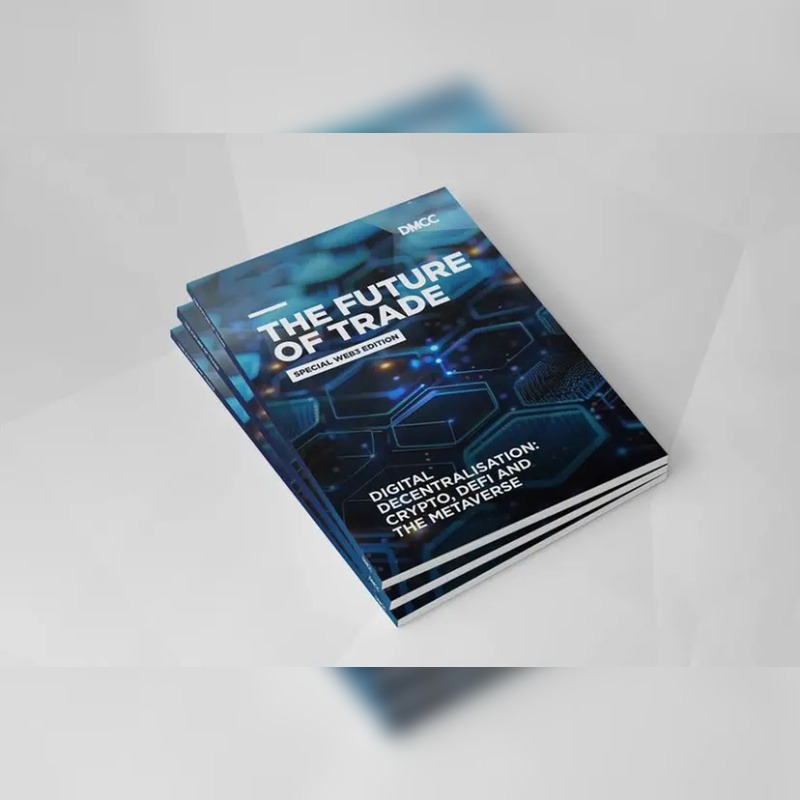
The Dubai Multi Commodities Centre (DMCC) has launched the DMCC Crypto Centre Metaverse, a digital twin of its physical Crypto Centre, developed in collaboration with Infinite Reality, a leader in immersive technologies. This initiative aims to enhance engagement within Dubai’s burgeoning Web3 ecosystem.

The metaverse platform offers users an interactive digital experience, featuring gamified zones and a trading game designed to educate participants about cryptocurrency markets. Belal Jassoma, Director of Ecosystems for DMCC, highlighted the significance of this development, noting that the global metaverse market is projected to exceed USD 3.1 trillion by 2030. He stated, “In launching the DMCC Crypto Centre Metaverse, we are not only providing a cutting-edge digital experience for our ecosystem members but also demonstrating a real pragmatic use case of next-gen technology at the intersection of blockchain and AI.”

This launch aligns with the UAE government’s Dubai Metaverse Strategy, which seeks to position the Emirate among the top 10 metaverse economies globally and establish Dubai as a leading hub for immersive technologies. The strategy underscores the government’s commitment to fostering innovation and integrating advanced technologies into various sectors.

The DMCC Crypto Centre, located in the Uptown Tower, serves as a hub for over 600 crypto firms, providing infrastructure and services to support the growth of startups and established companies in the crypto and blockchain sectors. The introduction of its metaverse counterpart is expected to further enhance collaboration and innovation within the community.

Dubai’s commitment to becoming a global leader in Web3 and blockchain technologies is evident through various initiatives. In October 2024, Sui, a prominent blockchain platform, launched ‘SuiHub Dubai,’ its first global hub aimed at driving Web3 innovation. SuiHub Dubai provides Web3 startup founders with access to workshops, technical support, community-driven events, resources, funding, and technical expertise, ensuring they have the support needed to launch and scale their projects using Sui’s blockchain infrastructure.

The Dubai International Financial Centre (DIFC) has been instrumental in fostering innovation within the financial sector. In January 2023, DIFC launched a metaverse platform as part of the Dubai Metaverse Strategy, providing startups with training, workshops, and networking opportunities. The platform focuses on policy development, legal frameworks, and digital identity, contributing to the broader adoption of metaverse technologies.

The UAE’s proactive approach to embracing advanced technologies has attracted global attention. The implementation of an Innovation Testing License provides a regulatory sandbox that allows companies to test new technologies and business models in a controlled environment. This initiative encourages innovation and enables regulatory bodies to better understand the risks associated with digital assets and new financial technologies.

The Dubai AI Campus, a dedicated ecosystem for AI and Web3 innovation, offers state-of-the-art physical and digital infrastructure to support the growth of these technologies. Located in the heart of Dubai, the campus provides an environment conducive to research, development, and collaboration among industry players.

The DMCC’s latest initiative is expected to play a pivotal role in attracting more businesses and talent to Dubai’s crypto and blockchain sectors. By providing a virtual environment that mirrors its physical counterpart, the DMCC Crypto Centre Metaverse offers companies the opportunity to engage with the ecosystem remotely, facilitating global collaboration and innovation.

The UAE-China Investment Summit, hosted by HSBC in collaboration with Abu Dhabi Global Market (ADGM) during Abu Dhabi Finance Week (ADFW), concluded with a strong call to enhance economic relations and build strategic partnerships between the United Arab Emirates and China.

Commemorating 40 years of economic partnership, the summit convened senior political and economic experts, investors, and business leaders to explore cooperation in trade, investment, sustainable finance, innovation, technology, and infrastructure development.

Salem Mohammed Al Darei, CEO of ADGM, highlighted the summit as a significant milestone in diplomatic relations, providing a platform to explore opportunities in trade, investment, and cultural exchange. He emphasized Abu Dhabi’s role as the “capital of capital” and ADGM’s position as the region’s fastest-growing international financial center.

Zhang Yiming, China’s Ambassador to the UAE, remarked on the four-decade-long diplomatic ties, built on shared aspirations and purposeful cooperation. He noted that the summit reflects a commitment to exploring new opportunities and fostering sustainable economic growth benefiting both nations.

Mohammed Abdulrahman Al Marzouqi, CEO of HSBC Bank Middle East in the UAE, underscored the bank’s role in promoting bilateral investments. He noted that non-oil trade between the UAE and China reached $81 billion in 2023, with expectations for significant growth as Abu Dhabi’s transformation accelerates and China strengthens its global leadership in trade, renewable energy, and innovation.

The summit featured discussions, presentations of investment opportunities, and exclusive networking sessions, reinforcing its status as a key event of Abu Dhabi Finance Week. Both nations expressed a commitment to accelerating growth in priority sectors, including renewable energy and digital transformation.

The UAE holds a pivotal position as China’s largest trading partner in the Middle East, serving as a gateway for Chinese firms seeking to expand in the region. The summit’s emphasis on strategic partnerships aims to leverage this position, fostering mutual investments and driving sustainable growth.

Jollibee Group’s flagship brand solidifies position as one of the top restaurant chains in Vietnam HO CHI MINH CITY, VIETNAM – Media OutReach Newswire – 17 December 2024 – The Jollibee Group, one of the largest and fastest-growing restaurant companies in the world, marks a significant milestone with the grand opening of its 200th Jollibee store in Vietnam. This achievement underscores the company’s success in market penetration […]

Advertisements

The U.S. Securities and Exchange Commission (SEC) has issued a Wells Notice to CyberKongz, a prominent non-fungible token (NFT) platform known for its gaming integrations. This notice indicates that the SEC is considering enforcement action against the company, primarily concerning the issuance and sale of its ERC-20 tokens in conjunction with blockchain-based games.

CyberKongz disclosed that initial contact with the SEC occurred two years ago, during which the regulatory body expressed concerns over the platform’s token-related activities. The SEC’s current stance suggests that any ERC-20 token associated with a blockchain game may need to be registered as a security, a position that could have significant implications for the broader Web3 gaming industry.

In response, CyberKongz has expressed its intention to challenge the SEC’s position, emphasizing the potential impact on innovation within the Web3 gaming sector. The company stated, “We hope that the new administration puts an end to this unjustness on our industry, but until then we will fight for NFT projects on all chains.”

The SEC’s scrutiny appears to focus on the “sale” of Genesis Kongz NFTs in April 2021. However, CyberKongz maintains that this event was a contract migration rather than a primary sale, suggesting a misunderstanding by the regulatory body.

The issuance of a Wells Notice grants CyberKongz a 30-day period to respond before the SEC decides on formal enforcement action. This development has sparked concern within the NFT and blockchain gaming communities, as it may set a precedent affecting other projects operating in similar domains.

Industry figures have voiced support for CyberKongz. Jihoz Zirlin, co-founder of Axie Infinity, expressed confidence that future administrative changes will cease the current regulatory pressures on the industry.

CyberKongz is renowned for its randomly generated two- and three-dimensional social avatars, which are utilized in games such as “Play & Kollect” and “Adventure Runs” on the Ronin blockchain. Despite the regulatory challenges, the market value of CyberKongz NFTs has shown resilience, with the average floor price rising by 11.7% over the past 24 hours to 6.69 Ether (approximately $26,900).

The UAE property market has experienced a significant surge in demand as a growing number of Europeans relocate to Dubai, seeking a dynamic lifestyle and favorable business environment. According to Ali Sajwani, Managing Director of Damac Properties, a leading real estate developer in the region, the shift has been fueled by a combination of factors that make Dubai an increasingly attractive destination for expatriates. These factors include […]

Parkin and BATIC, two prominent players in the realm of urban mobility solutions, have announced a strategic collaboration aimed at transforming parking systems in Saudi Arabia. The partnership focuses on leveraging cutting-edge technologies to enhance the efficiency and accessibility of parking infrastructure across key urban areas. Parkin, a company known for its innovative smart parking systems, and BATIC, a leader in digital transformation solutions for the transport […]

Vantage Data Centers, a leading global provider of hyperscale data center campuses, has secured a €1.4 billion ($1.5 billion) investment to bolster its operations across Europe, the Middle East, and Africa (EMEA). This substantial capital infusion comes from GIC, a prominent global investor, and MEAG, the asset manager for Munich Re Group. The transaction marks GIC’s inaugural investment in Vantage’s EMEA platform and signifies an expansion of […]

The UAE’s payment industry is on track for significant growth, projected to reach a value of $27.3 billion by 2028. This surge reflects the country’s increasing digital transformation, with innovative payment technologies gaining traction across multiple sectors. The shift toward a cashless economy and the growing demand for online and mobile payment solutions are key drivers behind this expansion. The shift to digital payments has been accelerated […]

US investors are closely watching the performance of the Gulf Cooperation Council (GCC) countries, with expectations that they will soon surpass Latin America in key global equity indices such as MSCI and FTSE. As geopolitical stability, economic diversification, and investment-friendly policies continue to reshape the GCC region, investor sentiment is shifting in favor of markets like Saudi Arabia, the UAE, and Qatar. These shifts are positioning the GCC as a competitive alternative to Latin American markets, which have traditionally dominated emerging market portfolios.

The transformation of the GCC has been driven by the Vision 2030 initiatives in Saudi Arabia and similar long-term strategies in the UAE, Oman, and other member states, which aim to reduce dependence on oil exports and stimulate private-sector growth. The shift towards sustainable, knowledge-based economies has attracted foreign investment, with an increasing number of global funds seeking exposure to these markets. As a result, GCC markets are becoming more integrated into international investment indices, which influences investor behavior and portfolio allocations.

Over the last few years, the region has experienced remarkable economic resilience. Saudi Arabia, for instance, has embarked on large-scale infrastructure projects, including the $500 billion NEOM city, aiming to transform the country into a global tech hub. The UAE’s successful diversification into technology, tourism, and finance, alongside Qatar’s investments in real estate and sports, have been pivotal in shaping the region’s economic future. These developments have helped insulate the GCC from global economic shocks that have impacted other emerging markets, particularly in Latin America.

On the other hand, Latin America faces several challenges, including political instability, high inflation rates, and the ongoing effects of the COVID-19 pandemic. While countries like Brazil and Mexico continue to attract significant foreign investment, they struggle with internal issues that undermine their competitiveness in global markets. Currency devaluations, fiscal deficits, and socio-political unrest have made it difficult for Latin American nations to maintain the economic momentum necessary to attract sustained foreign capital flows.

One key factor driving the GCC’s rise in global indices is the region’s regulatory reforms and commitment to improving market transparency. The recent opening up of Saudi Arabia’s stock market to foreign investors has significantly boosted its profile in the MSCI Emerging Markets Index, making it one of the most important global equity markets. Likewise, the UAE and Qatar have undergone similar reforms to make their markets more attractive to international investors. These changes have helped secure the region’s position as a top destination for investment.

By contrast, Latin American markets face continued hurdles in enhancing their market accessibility to foreign investors. While efforts to reform capital markets have been made, the pace of regulatory change has often been slow, and institutional instability in countries like Argentina and Venezuela poses ongoing risks to foreign capital. The lack of uniform regulatory standards across the region makes it harder for investors to manage risk efficiently compared to the more standardized frameworks seen in the GCC.

Investor preferences are also shifting toward sectors where the GCC has a clear competitive advantage. The rise of the global green economy, for instance, has created new opportunities for the region, particularly in the fields of renewable energy and sustainable infrastructure. Countries like Saudi Arabia and the UAE have announced major green energy projects that are not only environmentally beneficial but also expected to generate long-term economic returns. These initiatives align well with the investment priorities of ESG (Environmental, Social, and Governance) focused funds, further boosting the region’s appeal.

Latin America, by contrast, has yet to fully tap into the green economy. While there are emerging opportunities, the lack of coherent national strategies and adequate infrastructure to support renewable energy projects has hindered the region’s growth in this space. The region’s natural resources, such as lithium and copper, are essential for the global transition to electric vehicles, but the lack of stable governance and investment in infrastructure has delayed progress.

The relative stability of GCC countries—especially in terms of governance and fiscal policy—has made them more attractive to foreign investors. With some Latin American countries struggling with political volatility, the GCC offers a more secure investment environment. Saudi Arabia’s Crown Prince Mohammed bin Salman has implemented various reforms to strengthen the business environment, which have been widely praised by foreign investors. Similarly, the UAE’s policies of attracting global talent and fostering innovation have made it one of the most dynamic economies in the region.

As the global economic landscape shifts, the GCC’s strong economic fundamentals, combined with its strategic initiatives to diversify and attract foreign capital, are making it a prominent contender for investors. The region’s stock markets are likely to continue their upward trajectory, surpassing Latin America in indices like MSCI and FTSE, further consolidating their position in the global investment community.


Nokia has been selected by Nscale, a leading AI-focused hyperscaler, to provide an advanced IP network solution for Nscale’s new data center in Stavanger, Norway. This facility, powered entirely by renewable energy and optimized for energy-efficient cooling, is set to deliver cutting-edge AI services, including Graphics Processing Unit as a Service (GPUaaS), a domain where Nscale holds a prominent position. The escalating global demand for AI-driven applications […]

Former President Donald Trump recently addressed the Blockchain Association’s Annual Policy Summit, where he expressed strong support for the growth of the blockchain industry in the United States. During the dinner event, Trump emphasized the importance of blockchain technology as a key driver for maintaining economic strength and preventing American businesses from moving overseas to countries like China. His remarks at the summit highlighted the need for clear regulatory frameworks that encourage innovation while safeguarding national interests.

Trump’s engagement with blockchain technology comes as part of a broader push to modernize the U.S. economy and ensure that cutting-edge technologies remain within the country’s borders. The former president has previously voiced concerns over the global shift of technology and business hubs toward nations with more favorable regulatory environments, particularly China, which has become a major player in sectors like cryptocurrency mining and blockchain-based services.

Speaking to the gathered policy experts, business leaders, and lawmakers, Trump urged for a balanced approach to regulation that allows for growth and innovation in the blockchain sector. “The U.S. must stay ahead in this field,” he said, warning that without action, American companies may seek more favorable environments abroad. His comments reflect his long-standing view on the need to maintain U.S. competitiveness, particularly in sectors that are expected to define the global economy in the coming decades.

The former president’s endorsement of blockchain technology is seen as an attempt to position the U.S. as a global leader in the emerging digital economy. Blockchain, which underpins cryptocurrencies like Bitcoin and Ethereum, has a broad range of applications, including in finance, supply chain management, and even healthcare. As industries around the world explore its potential, the U.S. government faces pressure to implement regulations that both foster innovation and protect investors and consumers.

Trump’s position on blockchain aligns with a growing consensus in Washington about the need to establish clearer guidelines for the technology. Several lawmakers have recently introduced bills aimed at improving the regulatory environment for blockchain and cryptocurrencies. These efforts aim to address the challenges of crypto-related fraud, money laundering, and tax evasion, while also encouraging the growth of legitimate businesses in the space.

The Blockchain Association, which represents a wide array of blockchain companies, has been at the forefront of advocating for such regulations. Their policy priorities include ensuring that the U.S. remains a favorable jurisdiction for blockchain entrepreneurs, particularly when compared to jurisdictions like China, where regulatory crackdowns have stifled domestic innovation. For Trump, promoting blockchain development is part of his broader economic vision that focuses on retaining technological leadership within U.S. borders.

Trump’s dinner remarks were met with mixed reactions. Supporters lauded his call for stronger blockchain policies, viewing it as a necessary step to ensure that the U.S. remains a technological powerhouse. However, critics cautioned that any regulatory push must balance innovation with security and consumer protection. They highlighted concerns that overly restrictive regulations could stifle growth in a sector that is still in its early stages.

The blockchain industry has been grappling with regulatory uncertainty for years. While blockchain technology itself is decentralized and largely unregulated, the use of cryptocurrencies and blockchain-based applications in finance has drawn significant attention from government agencies. The U.S. Securities and Exchange Commission (SEC) and other regulatory bodies have been working to develop frameworks that protect investors and ensure that the industry does not become a haven for illegal activities.

For the blockchain sector, Trump’s comments highlight the urgency of developing a regulatory structure that allows businesses to thrive while maintaining a clear legal framework. Blockchain companies have expressed concerns over the patchwork of regulations at the state and federal levels, which can create confusion and limit their ability to scale operations.

As global competition heats up, blockchain is increasingly seen as a critical area for investment. Countries around the world are making moves to attract blockchain startups and developers by offering tax incentives, regulatory clarity, and business-friendly environments. Trump’s statements signal that the U.S. government may need to do more to support the sector to remain competitive.

The future of blockchain technology in the U.S. may hinge on the development of a coherent regulatory strategy. Proponents argue that clear and consistent guidelines are essential for encouraging investment and innovation, while detractors warn that too much regulation could stifle the sector’s potential. Trump’s position reflects the growing recognition that the U.S. must act quickly to ensure it remains a global leader in blockchain, cryptocurrency, and other emerging technologies.

Argentina is set to become the first country in South America to install a cryptocurrency ATM, with plans to launch in 2025. The announcement comes at a time when the country is exploring new ways to enhance its digital economy, underscored by a recent partnership with El Salvador, a leader in digital currency adoption. The collaboration between Argentina and El Salvador aims to boost cryptocurrency use and financial innovation in the region.

BitBase, a Spanish cryptocurrency company, will be responsible for the installation of the ATM. The move marks a significant milestone in Argentina’s push towards embracing cryptocurrencies as a legitimate financial instrument, especially amid the country’s ongoing economic challenges. As inflation soars and the national currency struggles, Argentinians have increasingly turned to digital currencies for financial security. BitBase’s ATM will allow users to buy and sell cryptocurrencies like Bitcoin, facilitating easier access to digital assets in a country that has seen rapid growth in crypto adoption.

Argentina’s decision to integrate a crypto ATM into its financial infrastructure is also seen as a response to the evolving global economic landscape. As inflation rates continue to climb, Argentinians have turned to Bitcoin and other cryptocurrencies as a hedge against their volatile local currency. The country has already witnessed a surge in cryptocurrency transactions, and the introduction of the crypto ATM is expected to further fuel this trend, making it more convenient for citizens to access digital currencies.

The partnership with El Salvador is also a critical aspect of this shift towards digital currency adoption. El Salvador, the first country to make Bitcoin legal tender, has experienced a variety of successes and challenges in its efforts to integrate cryptocurrency into its financial system. Argentina’s collaboration with El Salvador aims to leverage their collective experiences, enabling Argentina to accelerate its own adoption of digital currencies while mitigating potential challenges.

The Argentinian government has remained cautious but open to the idea of integrating cryptocurrency into its financial system. While there is no official endorsement of cryptocurrency as a national currency, the government has acknowledged the potential of blockchain technology and digital assets to improve financial inclusion. As part of its economic strategy, Argentina is actively exploring the use of technology to combat financial instability, and cryptocurrency has become an increasingly prominent part of that conversation.

In a nation where access to traditional banking services is limited for many, cryptocurrencies offer an alternative financial system that is not reliant on centralized institutions. The ability to engage with a decentralized financial ecosystem presents an opportunity for the underbanked and those with limited access to traditional financial services. The installation of the crypto ATM is expected to bridge the gap for many Argentinians, providing them with a more direct route to engage with the digital economy.

BitBase’s decision to target Argentina for its first crypto ATM installation outside of Europe demonstrates the growing interest in Latin America as a hub for cryptocurrency adoption. Argentina, with its large population and economic struggles, offers an ideal environment for such initiatives. The region has become a key battleground for cryptocurrency firms, with countries like Brazil, Mexico, and Colombia also taking steps toward increasing cryptocurrency adoption.

While the introduction of crypto ATMs presents opportunities, it also raises concerns about the regulatory environment. Argentina’s government has yet to fully regulate cryptocurrency transactions, and the potential for future legislation remains a point of uncertainty. The Argentine Central Bank has issued warnings about the risks associated with cryptocurrencies, including their volatility and the potential for money laundering and other illicit activities. Despite these concerns, the growing public interest in cryptocurrencies is pushing the government to adopt a more pragmatic approach.

The installation of the crypto ATM in Argentina is expected to open the door for further advancements in the digital economy. This initiative aligns with the broader trend in Latin America, where countries are increasingly seeking to integrate blockchain technology and digital currencies into their financial systems. Argentina’s move is a significant step toward positioning itself as a leader in digital finance in the region.

As for the collaboration with El Salvador, both nations are working to develop a framework that ensures the safe and effective use of cryptocurrencies. The experience of El Salvador, which is currently navigating the complexities of cryptocurrency adoption, will provide Argentina with valuable insights. By learning from the successes and challenges faced by El Salvador, Argentina hopes to build a more robust infrastructure for digital currencies that can serve as a model for other countries in Latin America.

Continuous investments have bolstered DHL’s aviation network and ground facilities in the past year, enabling it to support new trade demands and the traditional peak season spike The company saw 6% more international shipments move between Asia Pacific and other continents through its network, comparing the first nine months of 2023 and 2024 SINGAPORE – Media OutReach Newswire – 17 December 2024 – DHL Express, has bolstered […]

Abu Dhabi National Oil Company (ADNOC) has secured a pivotal 15-year Sales and Purchase Agreement (SPA) with Germany’s EnBW Energie Baden-Württemberg AG for the delivery of Liquefied Natural Gas (LNG) from the Ruwais project. This agreement, valued at over 15 years, marks the transformation of a previous Heads of Agreement (HoA) between both companies into a formal, legally binding contract.

The contract will see the supply of 0.6 million tons of LNG annually, signaling a significant step for both ADNOC and EnBW as they work together on the development and growth of the lower-carbon Ruwais LNG project. This long-term agreement further underscores the UAE’s growing commitment to diversifying energy exports and providing cleaner energy alternatives to global markets.

The Ruwais LNG project, positioned as an essential piece of ADNOC’s energy strategy, seeks to tap into the global LNG market by providing environmentally friendlier solutions. The project’s focus on carbon reduction is aligned with ADNOC’s broader sustainability goals and its drive to balance its role in global energy markets with commitments to lower carbon emissions.

As one of the first major deals to materialize under ADNOC’s expanded LNG export strategy, this SPA positions ADNOC as a crucial player in the global LNG market. The deal also underscores the UAE’s robust energy diplomacy, aligning closely with the country’s energy diversification objectives.

EnBW, a key German utility company, has seen its investment in the Ruwais LNG project as a vital step toward enhancing energy security in Europe while also meeting the increasing demand for cleaner energy sources. EnBW has long been an advocate of low-carbon energy solutions and sees this partnership as an essential addition to its LNG procurement strategy, marking a significant alignment between European energy needs and Middle Eastern resources.

The agreement comes amid heightened global interest in securing clean energy sources, with Europe especially focused on reducing dependence on traditional, carbon-intensive fuels. With this deal, EnBW solidifies its place in the strategic LNG supply chain and boosts its reputation as a responsible energy provider. Meanwhile, ADNOC continues to leverage its vast energy resources to foster long-term partnerships with key international players.

This milestone deal follows a series of strategic efforts by ADNOC to capitalize on its extensive infrastructure and supply capabilities in order to meet global energy demands while maintaining an eye on sustainability. The Ruwais LNG project, designed to produce lower-carbon LNG, is part of ADNOC’s broader vision to reduce carbon emissions from its natural gas and liquefied natural gas sectors. The project aligns with the company’s goal of contributing positively to the global transition towards cleaner energy, making ADNOC a more attractive partner for global investors looking to reduce the environmental impact of their energy consumption.

For ADNOC, the deal is part of a broader push to enhance its portfolio and expand its presence in global energy markets. The UAE has long been a key energy exporter, and this deal represents another step in ADNOC’s strategic expansion plans. The company continues to focus on providing low-carbon energy solutions, driven by both market demands and a global push for environmental responsibility.

The terms of the deal also underscore ADNOC’s ability to meet growing demand for LNG while ensuring a steady supply of energy to European markets, particularly during times of supply uncertainty. The UAE’s strategic location and its robust infrastructure make it an ideal hub for such critical energy partnerships. The deal also reflects the UAE’s ongoing efforts to strengthen its ties with global markets, enhancing energy security and fostering more sustainable energy practices worldwide.

Meanwhile, for EnBW, this deal with ADNOC is an important part of its strategic push to secure long-term, stable LNG supplies. Europe’s energy market is facing substantial challenges in the wake of the global energy crisis, and EnBW is taking proactive steps to secure the necessary energy resources to meet future demand. The partnership with ADNOC is expected to bolster EnBW’s energy mix, ensuring that the utility company can maintain a balance of secure and sustainable energy sources for its customers.

With an increasing emphasis on lowering carbon footprints across industries, both ADNOC and EnBW are positioning themselves as leaders in the shift toward cleaner energy. The move comes at a time when many global companies are seeking more environmentally responsible energy sources to comply with stringent emission reduction targets set by governments and international organizations. The deal represents a significant contribution to the global LNG market, and as the project progresses, both companies are expected to explore further opportunities for collaboration in areas related to renewable energy and emission reduction technologies.

Simon’s Cat (CAT), a meme-inspired cryptocurrency, has been listed on Binance, one of the world’s leading cryptocurrency exchanges. This development has significantly impacted the token’s market performance and investor sentiment.

Following the announcement of its listing, CAT experienced a substantial price increase, surging over 60% to reach an all-time high of $0.00006811. This surge propelled the token’s market capitalization to approximately $439 million. The listing on Binance has provided CAT with increased visibility and liquidity, attracting a broader range of investors and traders.

The CAT token is now available for trading against several major cryptocurrencies, including USDT, BNB, FDUSD, and TRY. This diverse range of trading pairs enhances its accessibility and appeal to a global audience. The listing on Binance is expected to bolster CAT’s position in the competitive meme coin market, potentially attracting new investors and increasing its market share.

In addition to the Binance listing, CAT has been introduced to the OKX exchange, where it is now available for trading against USDT. This expansion to multiple exchanges is anticipated to further enhance CAT’s liquidity and market presence. The listing on OKX, a prominent cryptocurrency exchange, signifies growing institutional interest and acceptance of the token.

The futures market for CAT has also seen significant activity, with open interest reaching over $17 million. This indicates a strong interest from traders in speculating on the token’s future price movements. The substantial open interest reflects the market’s confidence in CAT’s potential and the increasing demand for exposure to the token.

Despite the positive developments, the listing of CAT on Binance has raised concerns among some market participants. Critics have questioned Binance’s listing practices, citing instances where newly listed tokens experienced significant price volatility, followed by sharp declines. They argue that such patterns resemble pump-and-dump schemes, potentially disadvantaging retail investors. The rapid price fluctuations observed in some tokens listed on Binance have led to increased scrutiny of the exchange’s listing and trading practices.

The CAT token’s surge in price and trading volume underscores the dynamic nature of the cryptocurrency market. It highlights the influence of major exchanges like Binance in shaping the fortunes of digital assets. The listing has not only boosted CAT’s market capitalization but also sparked renewed interest in meme-inspired cryptocurrencies, which have gained popularity for their community-driven initiatives and potential for high returns.

As the cryptocurrency market continues to evolve, the performance of tokens like CAT will be closely monitored by investors and analysts. The listing on Binance and other exchanges is expected to play a pivotal role in determining CAT’s future trajectory. The token’s ability to maintain its momentum and navigate the challenges of market volatility will be crucial in sustaining investor confidence and achieving long-term success.

Dan Company, a subsidiary of Saudi Arabia’s Public Investment Fund (PIF) specializing in agritourism, ecotourism, and adventure tourism, has entered into a contract with Abdulmohsen Al-Tamimi Contracting Company to develop the first luxury resorts in Al-Ahsa, Saudi Arabia.

The signing ceremony took place at Dan Company’s headquarters in Riyadh, with Chairman Saad Abdulaziz Al-Kroud and Abdulmohsen Al-Tamimi Contracting Company’s Chairman Yousef Abdul Mohsen Al-Tamimi in attendance. The agreement was formalized by Dan Company’s CEO, Abdulrahman Abaalkhail, and Mohammed Abdul Mohsen Al-Tamimi, CEO of Abdulmohsen Al-Tamimi Contracting Company.

This project, branded as Tuaja Luxury Resorts, aims to enhance Saudi Arabia’s hospitality sector by integrating sustainability, innovation, and authentic hospitality. It also seeks to bolster Al-Ahsa’s appeal as a destination for both regional and international tourists.

Spanning 1.8 million square meters, the resort will feature 201 accommodation units, including hotel rooms and high-end villas, some equipped with private pools. The development will offer three distinct experiences:

– Tuaja Premium Farm Resort: Focused on luxury and exploration.

– Tuaja Eco Resort: An eco-friendly retreat emphasizing tranquility and contemplation.

– Tuaja Adventure Resort: Catering to guests seeking adventure and excitement.

Amenities will include diverse dining options featuring a ‘farm-to-table’ experience, a luxurious spa, a central activity area, a community center supporting local artisans, an event hall, and state-of-the-art sports facilities.

Chairman Saad Abdulaziz Al-Kroud stated, “We are pleased to announce the new resort, which aligns with the Kingdom’s efforts to enhance its hospitality and tourism offerings locally and internationally and reaffirms our commitment to contribute to the development of the tourism sector by leveraging the Kingdom’s enchanting natural landscapes and showcasing its rich natural diversity through agri, eco, and adventure tourism.”

Yousef Abdul Mohsen Al-Tamimi, Chairman of Abdulmohsen Al-Tamimi Contracting Company, expressed, “We are delighted to collaborate with Dan Company on this exceptional project, which underscores our unwavering commitment to shaping a sustainable future and actively contributing to the goals of Saudi Vision 2030.”

Dan Company is pursuing LEED (Leadership in Energy and Environmental Design) certification for the resort, emphasizing environmental conservation and sustainability. The project aims to blend modern sustainability practices with local traditions, preserving the region’s natural heritage and culture.

This initiative aligns with Saudi Arabia’s Vision 2030, which seeks to attract 150 million visitors by 2030 and increase the tourism sector’s contribution to the GDP from 6% to 10%. The development is expected to boost the local economy, create job opportunities, and elevate Al-Ahsa’s status as a premier tourist destination.

Abdulmohsen Al-Tamimi Contracting Company has a track record of involvement in significant projects within the Kingdom, including Red Sea Global, NEOM, and Qiddiya. Their collaboration with Dan Company reflects a shared vision to redefine hospitality and tourism in Saudi Arabia.

Al-Ahsa, recognized as a UNESCO World Heritage site, is renowned for its rich cultural and agricultural heritage. The introduction of Tuaja Luxury Resorts is poised to showcase the region’s unique character, offering guests immersive experiences in agritourism, ecotourism, and adventure tourism.

BANGKOK, THAILAND – Media OutReach Newswire – 17 December 2024 – The ACES Awards 2024 spotlighted Malaysia’s remarkable strides in sustainability, innovation, and community empowerment, placing the nation firmly at the forefront of Asia’s evolving business landscape. With 110 Malaysian nominations among 682 entries from 17 countries—and ultimately 250 finalists—this year’s awards showcase the country’s growing influence, diversity, and drive toward responsible progress. Recognising Leadership Excellence: 59 […]

Young Artists from Hong Kong Promoting Love for Hong Kong and Building a Sustainable City HONG KONG SAR – Media OutReach Newswire – 16 December 2024 – November 29 to December 1, 2024, the Hong Kong City Art Fair, organized by Art Life Foundation Co. and the Sino Art Creative & Extensive International Co., and co-organized by Top Consulting Company Limited (“Top Consulting”), made a grand return […]

A New Chapter for Aesthetic Medicine and Surgery in Hong Kong Connecting the Future: Bridging the Worlds of Aesthetic Medicine, Skin Health Management, Surgical Treatments & Anti-aging in The Greater Bay Area HONG KONG SAR – Media OutReach Newswire – 16 December 2024 – Organized by the Allied Health Society for Asia Pacific and Deltus, Aesthetic Medicine & Surgery Conference & Exhibition (AMSC) Hong Kong was held […]

By Nantoo Banerjee China’s sudden change of mind to uphold peace and tranquility with India at the Line of Actual Control (LAC) and work for early resolution of outstanding issues should not be read beyond these words as framed at the joint declaration at the end of the 30th meeting of the Working Mechanism for […]

VISHNU RAJA
RYO YAMADA
HITORI GOTOH
IKUYO KITA