News related to
world

Saudi Arabia has unveiled an ambitious initiative aimed at enhancing global capabilities in forecasting and mitigating the effects of sand and dust storms. The program, introduced during the 16th session of the United Nations Convention to Combat Desertification (COP16) in Riyadh, underscores the Kingdom’s growing commitment to environmental resilience and its efforts to combat the detrimental effects of desertification on health, infrastructure, and ecosystems. This initiative is […]

HAIKOU, CHINA – Media OutReach Newswire – 9 December 2024 – The 27th China (Hainan) International Trade Fair for Tropical Agricultural Products took place at the Hainan Free Trade Port on Dec. 5-8. Participants from 2,200 enterprises representing over 10 countries and regions attended the event, sharing the latest agricultural advancements and innovative technologies. The 27th China (Hainan) International Trade Fair for Tropical Agricultural Products During the […]

Regulators from El Salvador and Argentina have entered into a strategic agreement aimed at strengthening oversight in the cryptocurrency sector. The move is seen as a significant step toward enhancing regulatory frameworks and fostering innovation in the rapidly evolving world of digital assets. The collaboration, which aligns both countries’ regulatory authorities, focuses on boosting the integrity, efficiency, and security of virtual and digital asset services.

The agreement was formalized between the National Securities Commission (CNV) of El Salvador and Argentina’s National Digital Assets Commission (CNAD). It aims to establish a framework for better regulatory practices in both nations, with an emphasis on the prevention of fraud and the development of a robust digital financial system. The regulators plan to exchange expertise and best practices, engage in workshops, and share knowledge on digital asset supervision.

Dr. Roberto E. Silva, head of the CNV, expressed enthusiasm about the partnership, noting that El Salvador has long been a pioneer in the digital asset space, particularly with its adoption of Bitcoin as legal tender. He emphasized that the collaboration would build upon El Salvador’s experience with cryptocurrencies and help drive regional innovation.

El Salvador has made significant strides in cryptocurrency regulation, being one of the first countries to officially recognize Bitcoin as legal tender in 2021. This new agreement with Argentina marks the continuation of El Salvador’s efforts to solidify its position as a global leader in cryptocurrency regulation. The CNV has been actively working on enhancing its registry for virtual asset service providers (VASPs), which aims to provide a transparent and secure environment for crypto-related businesses.

For Argentina, the deal offers a chance to learn from El Salvador’s regulatory advancements and further solidify its position in the Latin American cryptocurrency ecosystem. The CNAD, which oversees all forms of digital assets in El Salvador, is expected to share its vast knowledge and regulatory frameworks with its Argentine counterparts, which have focused on regulating virtual assets and service providers, a narrower scope than El Salvador’s broader approach.

The signing of this agreement also highlights the increasing trend of cross-border collaboration in the digital assets space, as countries around the world look to establish clearer regulatory structures for cryptocurrencies. Both nations share a vision of developing more secure and transparent cryptocurrency markets that foster innovation while safeguarding investors.

In practical terms, the collaboration will enable both agencies to co-host workshops, joint seminars, and training programs for their respective teams. These efforts are aimed at improving the regulatory capabilities of both countries, ensuring that their digital asset markets remain competitive and secure. Experts suggest that this could also lead to a more integrated approach to managing digital assets across the region, making it easier for businesses and investors to navigate the growing cryptocurrency landscape.

The partnership comes at a time when both countries are navigating challenges in their financial sectors, with the volatility of digital assets adding complexity to their economic landscapes. By strengthening regulatory cooperation, both El Salvador and Argentina aim to mitigate risks associated with cryptocurrency investments, such as fraud and market manipulation, while encouraging further technological advancements in the sector.

HANOI, VIETNAM – Media OutReach Newswire – 11 December 2024 – V-GREEN and Prime Group, a diversified conglomerate, through its UAE subsidiary, have signed a Memorandum of Understanding (MoU) to develop a network of charging stations for VinFast electric vehicles in Indonesia. This MoU does not only signify a major step forward for V-GREEN in its global mission to expand the VinFast EV charging infrastructure, but also […]

Binance and Circle have formed a strategic partnership aimed at accelerating the adoption of USDC, a prominent stablecoin, and enhancing the global digital-asset ecosystem. This collaboration is set to significantly expand the reach of USDC, as Binance integrates the stablecoin into its vast array of services, providing access to over 240 million users. Circle, in turn, will contribute its expertise in technology and liquidity, with a focus on fostering greater user trust and driving innovation in the cryptocurrency space.

This partnership underscores the growing importance of stablecoins within the broader cryptocurrency market, with both Binance and Circle working to create more robust infrastructure for their use. As part of the agreement, Binance’s vast exchange network will include USDC for transactions, trading, and savings products, making it one of the largest platforms to integrate the stablecoin. Meanwhile, Circle’s role as the issuer of USDC places it in a pivotal position to influence the way this asset is used within digital finance ecosystems, ensuring that it remains a trusted option for transactions and as a store of value.

Stablecoins have become a central pillar in the cryptocurrency industry due to their stability and their ability to bridge the gap between traditional fiat currencies and digital assets. USDC, in particular, has seen increasing adoption among investors, traders, and institutions, thanks to its backing by fully audited reserves and its operational transparency. This makes it an attractive option for users looking to mitigate the volatility that is commonly associated with cryptocurrencies like Bitcoin and Ethereum. By joining forces, Binance and Circle aim to further enhance USDC’s prominence, creating a seamless, trustworthy experience for users across the globe.

For Binance, which has long been one of the leading cryptocurrency exchanges in the world, the integration of USDC represents a strategic move to diversify its offerings and broaden the scope of services available to its users. Binance has already become a hub for various digital assets, and the addition of USDC aligns with its efforts to cater to a wide range of financial products, from spot trading to decentralized finance (DeFi) and yield farming.

Through its integration of USDC, Binance aims to provide its 240 million users with access to a stable, reliable digital currency for everyday transactions, trading, and investments. This expands the utility of USDC, positioning it as not only a reserve asset but also a practical medium of exchange across Binance’s ecosystem. The stablecoin’s ability to offer faster, lower-cost transactions is expected to provide enhanced efficiency for users, particularly in markets where traditional banking infrastructure is limited or unreliable.

On the other hand, Circle’s involvement in this collaboration emphasizes its role as a leading technology provider in the stablecoin space. Circle has been at the forefront of developing USDC and ensuring its continued success by maintaining strong reserves and complying with regulatory standards. As the company behind USDC, Circle’s commitment to enhancing liquidity and transparency is crucial for the stablecoin’s long-term sustainability.

Circle’s contributions to the partnership will include expanding liquidity and improving the overall user experience for those utilizing USDC across Binance’s platform. The company’s deep understanding of the stablecoin’s infrastructure will enable Binance to tap into new use cases and better serve the growing demand for stablecoins in global markets. Moreover, Circle’s track record of maintaining a 1:1 backing of USDC with traditional currency reserves further solidifies the trust users have in the stablecoin, making it an appealing choice for both institutional and retail investors.

This strategic alliance also comes at a time when regulators across the globe are paying increasing attention to the stablecoin sector. The regulatory landscape surrounding digital assets continues to evolve, with governments exploring frameworks to manage stablecoins while ensuring that they do not pose systemic risks to the financial system. In this context, Binance and Circle’s partnership may help reinforce the legitimacy of USDC, as both companies are committed to maintaining full transparency and regulatory compliance.

By enhancing the adoption of USDC, this partnership could also contribute to the broader acceptance of digital currencies as legitimate financial instruments. USDC’s stability and growing ecosystem have made it a key player in areas like cross-border payments, remittances, and digital asset trading, and Binance’s involvement will only strengthen this trend. The ability to use USDC within Binance’s ecosystem will make it even more accessible to people in regions where access to traditional financial services is limited.

As both Binance and Circle continue to innovate in the digital-asset space, the broader impact of their collaboration is expected to influence how other companies view the role of stablecoins in the financial ecosystem. Other exchanges and financial institutions may look to replicate this partnership model, integrating stablecoins like USDC into their offerings as a way to provide users with more stable and accessible digital assets.

Bilateral trade between the UAE and China has seen a marked increase in the first nine months of 2024, reaching a total of $74.6 billion. This represents a 7% rise compared to the same period in 2023, underlining the ongoing strengthening of economic ties between the two nations.

The growth trajectory of trade between the UAE and China comes as part of a broader effort to deepen cooperation in various sectors, including energy, technology, infrastructure, and finance. Both countries have been working to enhance their economic partnership, focusing on leveraging the UAE’s strategic position as a gateway between East and West, and China’s expanding Belt and Road Initiative (BRI). Notably, the UAE is China’s largest trade partner in the Arab world, while China is the UAE’s second-largest trading partner globally.

Several factors contribute to this surge in trade. Increased demand for energy resources, particularly natural gas, has played a central role, with the UAE’s oil exports to China showing notable growth. Moreover, both nations have ramped up their collaborations in the tech sector, including the development of smart cities and renewable energy initiatives.

The UAE’s financial sector has also been a beneficiary of enhanced relations, with Chinese companies increasingly establishing operations in Dubai’s financial free zones, and UAE banks expanding their presence in China. This mutual interest in diversifying economic portfolios has also led to a rise in investment flows, further solidifying the economic connection between the two.

A key driver of this trade relationship is the diversification of both economies. While China continues to expand its manufacturing and high-tech exports, the UAE is shifting towards more sustainable industries, including clean energy and artificial intelligence, sectors where Chinese expertise has found a welcome market.

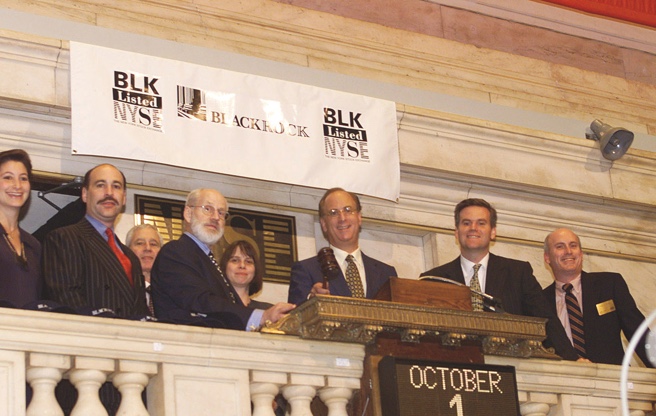
BlackRock, one of the world’s largest asset management firms, has expressed a strong interest in taking cornerstone investment roles in upcoming initial public offerings (IPOs) across the Middle East. The company’s move signals growing confidence in the region’s capital markets and a deepening commitment to its investment strategies in emerging markets.

Over the past few years, the Middle East has seen a substantial uptick in IPO activity, particularly in Saudi Arabia and the United Arab Emirates. Following the historic listing of Saudi Aramco in 2019, which set a new benchmark for the global IPO market, more companies in the region are exploring public offerings. With the backing of major sovereign wealth funds and private investors, these IPOs are seen as an attractive investment opportunity for global firms like BlackRock. The asset manager has previously been involved in such offerings, but now seeks a more pronounced stake by becoming cornerstone investors—those who commit to buying a significant portion of shares before the IPO is publicly launched.

A cornerstone investment carries considerable weight. It not only provides financial support to the issuing company but also bolsters the IPO’s credibility, often leading to greater investor confidence and successful market debuts. This dynamic is particularly critical in the Middle East, where many companies are looking to leverage their IPOs as a way to fund expansion and diversification. BlackRock’s potential involvement signals the growing maturity of the regional market, which has shifted from a reliance on local and regional investors to attracting global players.

The Middle East, particularly the Gulf Cooperation Council (GCC) countries, has become a major hub for investment in infrastructure, technology, and finance. Countries like Saudi Arabia, the UAE, and Qatar have been at the forefront of this transformation. Saudi Arabia’s Vision 2030 plan, which aims to diversify the kingdom’s economy away from oil dependency, has created an environment ripe for privatizations and IPOs in industries ranging from entertainment to healthcare and technology. Similarly, the UAE continues to open up its financial markets with initiatives like the Dubai Financial Market’s efforts to attract more international listings.

In parallel, BlackRock’s increased interest aligns with its broader strategic focus on emerging markets. The firm, which manages trillions of dollars in assets globally, has been expanding its footprint in the Middle East as part of its efforts to tap into the region’s growing wealth and investment opportunities. As the region’s financial ecosystem matures, global investors are keen to get a slice of what could be the next big opportunity.

For BlackRock, entering the IPO scene in the Middle East is not just about expanding its market share but also diversifying its portfolio with high-growth potential investments. The firm has made substantial efforts to ensure its involvement in emerging markets, viewing the Middle East as a key component of its global strategy. The region’s infrastructure development, economic reforms, and push towards diversification make it an attractive place for long-term investments. A cornerstone investment in an IPO could thus offer BlackRock the dual benefit of aligning with local growth ambitions while also capitalizing on new investment opportunities.

Saudi Arabia’s recent IPOs of major companies like the National Energy Services Company and Saudi Telecom have been highly anticipated. Both offerings demonstrated the kingdom’s ability to attract international investors, despite fluctuating oil prices and global economic uncertainty. BlackRock’s potential involvement in such high-profile deals would likely bring credibility to the process, further positioning the country as a growing investment hub. Moreover, it could drive further interest from other institutional investors looking to enter the Middle Eastern market.

The UAE’s stock exchange, the Dubai Financial Market (DFM), and the Abu Dhabi Securities Exchange (ADX) are also key players in the region. As the country looks to increase privatizations and diversify its economy, large-scale IPOs are expected in sectors such as real estate, energy, and technology. BlackRock’s interest in taking up cornerstone stakes reflects its belief in the resilience and expansion potential of the UAE’s market, particularly as it strengthens its status as a regional financial center.

The involvement of global asset managers in Middle Eastern IPOs not only signals the growing internationalization of the region’s capital markets but also highlights the increasing confidence in its long-term economic stability. While geopolitical risks and the ongoing volatility of global oil prices remain factors that could impact these markets, the resilience shown by the Middle East in navigating past crises and diversifying its economy makes it an attractive destination for investors.

Investors from the West have been particularly drawn to the region’s rapidly expanding consumer market and digital transformation initiatives. BlackRock’s strategy of anchoring cornerstone investments in this landscape reflects its commitment to these evolving markets. As companies continue to seek funds through public offerings, the expertise and financial muscle of major players like BlackRock are likely to influence the direction of the region’s IPOs.

Advertisements

The United Arab Emirates has concluded a major series of trade agreements with Russia, enhancing economic ties and positioning itself as a key player in the evolving global market. These developments come after high-level meetings at the Innoprom industrial exhibition in Yekaterinburg, where an Emirati delegation led by Dr. Sultan Al Jaber, Minister of Industry and Advanced Technology, negotiated deals on a range of strategic sectors. These agreements are expected to facilitate the establishment of a free-trade zone between the two nations and improve agricultural technology supply chains, among other initiatives.

A focal point of the discussions was the removal of trade barriers to accelerate bilateral commerce. Russian Industry and Trade Minister Anton Alikhanov expressed optimism about the future of these trade relations, highlighting the potential for significant growth once these barriers are overcome. In a statement, Alikhanov said that removing these obstacles would be key to maximizing the economic benefits of this partnership.

The UAE, which has emerged as one of Russia’s most important economic partners in the Middle East, continues to strengthen its position as a leading global trade hub. President Vladimir Putin, during his visit to Abu Dhabi in December 2023, underscored the UAE’s role as Russia’s top investor in the region. This growing economic relationship is not just limited to Russia; the UAE is also seeking to diversify its trading partnerships globally, with Russia playing a significant part in that strategy.

These deals further reflect the UAE’s broader approach to international trade, which involves forging deeper ties with nations like Russia while diversifying its economic portfolio. The Emirati leadership is keen to leverage its technological advancements and infrastructure, particularly in energy and agriculture, to build a more robust trading network with both traditional and emerging markets.

Matein Khalid The dramatic events of last week in Syria have only boosted President Erdogan’s role as the preeminent regional powerbroker in the heart of the Arab Levant as Turkish armed/financed Sunni militias engineered their collapse of the 54-year-old Assad dynastic tyranny in Damascus. Syria is once again a de facto Turkish protectorate, as it was in the five centuries since Sultan Selim Yavuz vanquished its Mamluk […]

Organizations Worldwide Brace for a Year of AI Transformation, Security Challenges, and Sustainability Imperatives SINGAPORE – Media OutReach Newswire – 11 December 2024 – NetApp® (NASDAQ: NTAP), the intelligent data infrastructure company, released its second annual Data Complexity Report, which examines how global organizations are navigating the increasing complexity of managing their data for AI. This year’s report provides a global view into how AI will impact […]

As the cryptocurrency market sees new highs, two distinct sectors are catching the attention of investors seeking the next big 100x opportunity: Telegram gaming and Solana meme coins. While meme coins like BONK and dogwifhat have garnered significant attention, a rising contender—Dogizen—stands out in the Telegram gaming space, presenting its unique offering.

Dogizen, currently in the midst of its presale, has already raised over $1.4 million, sparking intense speculation about its potential to become the next breakout cryptocurrency. This project leverages the massively popular Telegram platform to create an immersive gaming experience, combining the growing GameFi sector with the expansive reach of Telegram’s global user base. By integrating cryptocurrency directly into games hosted within Telegram, Dogizen capitalizes on the addictive nature of gaming while offering players a chance to earn real-time rewards.

One of the most promising aspects of Dogizen’s model is its focus on long-term sustainability and ecosystem growth. Unlike its competitors—such as Hamster Kombat and Catizen, which have suffered from price declines due to token dumps—Dogizen is focusing on building a strong community by offering an initial coin offering (ICO) rather than relying on airdrops. The platform’s creation of the Dogizen Universe, a Telegram gaming arcade where developers can launch games for its expanding community, positions it as a potential leader in the growing Telegram gaming niche.

Despite the popularity of Solana-based meme coins, Dogizen’s strategy offers a more stable, long-term growth outlook. While meme coins like BONK have benefited from hype and viral trends, their price volatility remains a major concern for investors looking for more consistent returns. Dogizen, in contrast, is crafting its value proposition through a robust gaming ecosystem and its positioning as the first Telegram ICO project—an opportunity that could bring millions of crypto users into its fold.

The Telegram gaming sector, although still emerging, shows substantial promise. As of late 2024, this market has already surpassed a $1 billion market cap, and platforms like Dogizen are leading the charge by combining gaming and crypto in ways that are appealing to both crypto enthusiasts and traditional gamers. With experts forecasting an impressive growth trajectory for GameFi and Telegram-based projects, many are looking to Dogizen as the future leader in this space.

While both sectors—Solana meme coins and Telegram gaming—offer opportunities for investors, they come with differing risk profiles. Meme coins tend to ride on trends, and their value can fluctuate drastically with market sentiment. Telegram gaming, however, provides a unique blend of entertainment and financial opportunity, offering a more resilient model driven by community engagement and platform development.

The increasing interest in Telegram gaming is also being fueled by the broader adoption of blockchain technology. With more developers integrating crypto into gaming platforms, the appeal of earning tokens through play is hard to ignore. As platforms like Dogizen build out their ecosystems, they offer not only potential for returns but also a chance to participate in a rapidly expanding sector that blends entertainment with real-world utility.

Mohammed Bin Rashid Aerospace Hub (MBRAH) has inaugurated a new hangar facility at Dubai World Central (DWC), marking a significant milestone for both the aviation industry in the UAE and global business aviation. The event, which took place recently, was attended by key figures including Khalifa Al Zaffin, Executive Chairman of Dubai Aviation City Corporation, alongside senior executives from MBRAH and Comlux, a prominent name in business aviation, known for its specialized services in aircraft transactions, completions, and maintenance.

The new hangar facility is part of MBRAH’s broader vision to strengthen Dubai’s position as a global aviation hub. The expansion of aviation infrastructure at DWC further supports Dubai’s goal to become a world-leading center for aviation excellence. Comlux’s investment in this new facility reflects the growing demand for business aviation services and underscores the strong partnership between the private sector and governmental initiatives aimed at enhancing the aviation ecosystem.

Comlux, headquartered in Switzerland, provides services including aircraft management, charter, completions, and maintenance. The company’s decision to establish a new base at DWC not only reinforces the UAE’s role in global aviation but also emphasizes Dubai’s strategic location as a prime hub for business aviation in the Middle East. With its newly inaugurated hangar, Comlux aims to enhance its operational capacity and cater to a wider range of clients across the region.

DWC has been positioning itself as a key player in the global aviation sector, offering world-class facilities for both commercial and private aviation. The MBRAH hub, in particular, serves as a dynamic platform for companies in the aerospace industry, providing tailored services and state-of-the-art infrastructure. This includes specialized hangars for the maintenance and repair of aircraft, as well as facilities designed to support business aviation operations.

The inauguration ceremony highlighted the growing importance of private and business aviation services within the UAE. With Dubai’s aviation sector continuing to thrive, the demand for high-end services such as those provided by Comlux has surged, prompting further investments in infrastructure to meet these needs. This new hangar is expected to serve a range of aircraft, from smaller jets to large, long-range models, with maintenance and servicing capabilities designed to handle diverse client requirements.

The development of the Comlux facility is expected to provide a significant boost to Dubai’s aviation ecosystem by fostering increased collaboration between local and international stakeholders. It also presents new opportunities for job creation within the sector, offering a variety of roles in aircraft management, engineering, and logistics. By strengthening its infrastructure, Dubai aims to not only meet the needs of the growing business aviation market but also drive further economic growth in the aviation and aerospace industries.

Modon has unveiled Nawayef Park Views, a new low-rise residential development located on Hudayriyat Island, marking a significant milestone in Abu Dhabi’s real estate market. This freehold apartment project is the first of its kind on the island, designed to offer a Mediterranean-inspired lifestyle with a mix of luxurious apartments and a variety of on-site amenities.

The development, comprising one- to four-bedroom units, offers expansive layouts with a modern design that caters to both residents and investors. Each apartment is built with high-quality finishes, and many feature panoramic views of the surrounding landscape, including the scenic views of the two manmade hills of Nawayef. This distinctive feature makes Nawayef Park Views an appealing option for those seeking a blend of comfort, style, and tranquility.

Nawayef Park Views is strategically located to provide convenient access to key areas of Abu Dhabi, combining the benefits of island living with proximity to urban centers. The development’s positioning between the two Nawayef hills contributes to its unique appeal, as it offers a serene environment while remaining within reach of major roads and city infrastructure.

In addition to residential spaces, Nawayef Park Views includes an array of leisure and lifestyle facilities, ensuring that it becomes a self-sustaining community. The project will feature retail outlets, high-end dining establishments, and ample green spaces, creating a vibrant neighborhood for residents and visitors alike. The combination of these elements is expected to make it one of the most sought-after living destinations in the capital.

With its Mediterranean-inspired architecture, Nawayef Park Views adds a touch of luxury to Abu Dhabi’s real estate market. The development is designed to cater to a wide range of prospective buyers, from young professionals to families, offering flexible apartment configurations and access to world-class amenities. The focus on leisure and community spaces reflects a growing demand for developments that prioritize quality of life alongside convenience and aesthetics.

Modon’s emphasis on the quality of design and its integration with nature highlights the project’s commitment to sustainability and environmental responsibility. With green spaces, pedestrian-friendly areas, and sustainable building practices, Nawayef Park Views aims to contribute positively to the ecological balance of Hudayriyat Island.

The development is also expected to attract significant investment, both locally and internationally, as demand for freehold properties in Abu Dhabi continues to grow. The launch of Nawayef Park Views comes as part of a broader trend in the UAE, where residential projects are increasingly catering to the growing demand for luxury, lifestyle-focused properties.

NEOM Media has teamed up with Hakawati Entertainment to propel Saudi Arabia’s film industry into the global spotlight, signaling a transformative step in the kingdom’s creative sector. The strategic collaboration aims to produce up to nine feature films and build a world-class production services division within the NEOM region.

This ambitious partnership is poised to enhance Saudi Arabia’s position as a key player in the global entertainment industry. By leveraging NEOM’s futuristic infrastructure and Hakawati’s extensive expertise in film, television, and literary management, the initiative promises to set a new standard for production in the region. The deal highlights the growing significance of Saudi Arabia’s Vision 2030, which prioritizes the diversification of the economy through sectors like media and entertainment.

The partnership focuses on creating high-quality cinematic productions that can appeal both regionally and globally. With access to NEOM’s state-of-the-art facilities, the collaboration aims to attract international talent and filmmakers. The new production division is expected to provide cutting-edge services, positioning Saudi Arabia as a top destination for film and television production in the Middle East.

Hakawati Entertainment, known for its pivotal role in advancing the local media landscape, brings a wealth of experience to the table. The company’s founder and CEO, who has worked on a variety of major film projects, emphasized the significance of this alliance in shaping the future of entertainment in the Kingdom. “This partnership allows us to combine world-class infrastructure with the storytelling traditions of the region, creating films that resonate globally,” said the CEO.

A major goal of the venture is to not only produce films but also foster the development of local talent. The initiative is expected to create thousands of jobs across multiple sectors, including production, creative development, and technical services. Training and mentorship programs will be integral to the project, empowering young filmmakers and actors and helping to build a sustainable, self-sufficient entertainment ecosystem.

Saudi Arabia’s growing interest in the media sector is a direct result of Crown Prince Mohammed bin Salman’s Vision 2030, which aims to reduce the country’s dependency on oil and develop new industries. As part of this vision, Saudi Arabia has been investing heavily in entertainment, sports, and culture to position itself as a global hub for creativity and innovation.

This partnership comes at a time when Saudi Arabia is already making significant strides in the global film industry. Earlier initiatives, such as the opening of cinemas in the kingdom after a decades-long ban, have brought international attention to the country’s evolving entertainment sector. The establishment of the Saudi Film Commission, which supports local filmmakers and fosters a creative economy, further demonstrates the country’s commitment to becoming a powerhouse in the film industry.

The partnership with NEOM is another critical step in the country’s broader strategy to attract international film productions and create a thriving local media ecosystem. The NEOM region itself, which is part of a larger $500 billion megacity project, promises to be a hub for technological innovation and sustainability, making it an attractive location for global production companies looking for state-of-the-art facilities and infrastructure.

Industry experts believe that this collaboration has the potential to revolutionize the Middle Eastern film market. Saudi Arabia’s growing film industry is well-positioned to tap into a vast, untapped market in the region, which has long been dominated by international players. As the entertainment industry in the Middle East becomes increasingly diverse and competitive, the region is on the brink of producing more high-quality films that reflect its unique cultural heritage while appealing to international audiences.

The partnership with Hakawati Entertainment also plays a crucial role in fostering Saudi Arabia’s position as a cultural and economic force in the region. By focusing on both local production and international collaborations, the kingdom is establishing itself as a place where creative minds from around the world can come together to tell powerful stories. The partnership aligns with broader regional efforts to promote the film industry and strengthen cultural ties across the Arab world.

A major cryptocurrency transaction occurred today when a whale deposited 1.2 million Dogwifhat (WIF) meme coins, valued at approximately $3.47 million, into the Coinbase exchange. This move has drawn attention to the coin’s substantial price surge over the past year.

The whale originally acquired the 1.2 million Dogwifhat tokens 11 months ago for $393,000, purchasing them at an average price of $0.3275 per token. At the time, Dogwifhat was still in its early stages of market entry. However, the meme coin has since experienced a significant rise in value, leading to a remarkable profit for the whale, who is now looking at a return of over $3 million—equating to a 790.58% increase.

This development highlights the continuing volatility and speculative nature of the meme coin market, where such trades can yield enormous returns or losses in short periods. Dogwifhat, like other meme coins, has gained traction largely through social media and online communities, where the power of viral marketing often dictates price movements more than traditional fundamentals.

The surge in Dogwifhat’s value can be attributed to a variety of factors. One significant influence has been the active promotion of the token by its community, bolstered by celebrity endorsements and viral internet trends that have propelled its visibility. As with other meme-based cryptocurrencies, there is often a heightened sense of community-driven hype, which can cause rapid and dramatic price fluctuations.

While some investors and traders view these kinds of investments as speculative, the recent deposit into Coinbase brings attention to the larger narrative surrounding meme coins. These tokens often operate on the fringes of the cryptocurrency market, with value driven less by underlying technology and more by community sentiment, social media influence, and market speculation.

Dogwifhat is part of a growing category of meme coins that includes more prominent examples like Dogecoin and Shiba Inu. Both coins have seen dramatic rises in value, thanks in large part to high-profile endorsements from figures such as Elon Musk, who has referred to Dogecoin as “the people’s crypto.” Despite their volatile nature, meme coins continue to attract investors looking for high-risk, high-reward opportunities in the crypto space.

The Coinbase transaction is also notable because it points to a broader trend of meme coins gaining institutional recognition. As cryptocurrency exchanges like Coinbase continue to list more meme coins, the legitimacy of these tokens in the eyes of institutional investors is being solidified. This shift is reflective of the growing maturity of the digital asset space, where regulatory clarity and mainstream adoption are becoming more prevalent.

However, despite the hype surrounding meme coins, many experts caution against treating these tokens as long-term investments. The lack of fundamental value and heavy reliance on speculative trading can lead to rapid losses, particularly when the market sentiment shifts or when broader economic factors affect cryptocurrency valuations.

The continued rise of meme coins like Dogwifhat underscores a larger theme in the crypto market—the blending of internet culture and digital finance. Social media-driven tokens are attracting an increasingly diverse range of investors, from seasoned traders looking for quick profits to retail investors hoping to capitalize on the next big trend. This phenomenon has raised questions about the sustainability of meme coin markets and their place in the future of digital finance.

Some critics argue that meme coins can be dangerous, as they promote a speculative environment where price surges may not always correlate with any real-world use case or technological advancement. Additionally, the decentralized nature of cryptocurrency markets means that whale traders and large holders can have an outsized impact on the price, leading to unpredictable volatility.

Nonetheless, meme coins continue to play a significant role in the overall cryptocurrency ecosystem. They contribute to the diversity of digital assets available on the market and have become a way for individuals to engage with the rapidly evolving world of blockchain and cryptocurrency without the traditional barriers to entry.

For the whale who made the $3 million profit from their Dogwifhat investment, today’s move represents the culmination of months of speculative trading. It also highlights a growing trend of early investors in meme coins reaping substantial rewards. However, it remains unclear whether the price of Dogwifhat will continue to rise, or if it will eventually face a downturn as market trends shift.

BANGKOK, THAILAND – Media OutReach Newswire – 11 December 2024 – The Asia Corporate Excellence and Sustainability (ACES) Awards 2024 brought together some of the most forward-thinking organisations and individuals from across Asia, highlighting their outstanding contributions to innovation, leadership, sustainability, and social impact. Since its inception in 2014, the ACES Awards has grown to become one of the region’s most esteemed accolades, consistently celebrating excellence and […]

HONG KONG SAR – Media OutReach Newswire – 10 December 2024 – XTransfer, the World’s Leading & China’s No.1 B2B Cross-Border Trade Payment Platform, is excited to announce that it has been awarded the “Best Payment Solutions Provider” at the Corporate Treasurer Awards 2024, organized by Corporate Treasurer magazine. This award highlights XTransfer’s exceptional performance in delivering innovative payment solutions for global SMEs engaged in foreign trade. […]

10+ inventions won awards at the 4th Asia Exhibition of Innovations and Inventions Hong Kong HONG KONG SAR – Media OutReach Newswire – 10 December 2024 – The Hong Kong Exporters’ Association (HKEA)’s “Hong Kong Innovation & Invention” (HKII) today showcased over 40 locally invented innovations at Entrepreneur Day 2024. (From Left to right: 1) Eric Sun, Chairman of the Hong Kong Exporters’ Association; 2) David Taji […]

MACAO SAR – Media OutReach Newswire – 10 December 2024 – As the holiday season sweeps in, Galaxy Macau™(referred to as “Galaxy Macau”), the world-class luxury integrated resort, is ready to unwrap a feast of festive-themed menus at its distinguished dining venues. Here, every dish is a curated work of art by the talented master chefs, designed to make this holiday moments sparkle. Whether it’s a family […]

KUALA LUMPUR, MALAYSIA – Media OutReach Newswire – 10 December 2024 – Octa, a financial broker with globally recognised licences, received two industry accolades for its proprietary trading platform OctaTrader: the ‘Best professional trading platform for functionality and ease of use’ award from Professional Trader Awards and the ‘Best proprietary platform’ award from FXScouts. Near the end of 2024, OctaTrader, Octa broker’s trading solution, received two prestigious […]

SINGAPORE – Media OutReach Newswire – 10 December 2024 – Organised by the Hong Kong Chinese Orchestra and presented by Chinachem Group, the “One Beat, One World: Connecting Through the Drum” Carnival and 5G Live Concert wrapped up triumphantly yesterday (8 December) at the Art Park in West Kowloon Cultural District. Now in its second year, the drumming extravaganza featured world-class drummers and dancers delivering a spectacular […]

BEIJING, CHINA – Media OutReach Newswire – 10 December 2024 – The innovative environmental governance model of China’s Kubuqi Desert has gained international recognition, establishing itself as a benchmark for combating desertification and addressing climate change worldwide. At the heart of this success is the Three-North Shelterbelt Forest Program, one of the world’s largest ecological initiatives. Since its inception in 1978, this monumental project has built a […]

Binance has disclosed its 25th proof of reserves, showing mixed movements in the assets held by users. As of December 1, the crypto exchange’s report highlighted shifts across multiple currencies, with some showing significant increases while others experienced declines.

According to the latest data, Bitcoin (BTC) holdings on the platform decreased by 4.68% compared to the previous month, dropping to 580,000 BTC. Ethereum (ETH), however, saw a notable increase of 5.24%, with the total Ethereum reserve rising to 4.9 million ETH. The rise in Ethereum’s balance suggests a continued confidence in the second-largest cryptocurrency, which has maintained its relevance in the market amid shifting investor preferences.

In stark contrast to the fluctuations in BTC and ETH, Tether (USDT) reserves on Binance surged by 20.93%, reaching $25.2 billion. This growth highlights the continued demand for stablecoins, with USDT maintaining its status as a preferred stablecoin for traders and investors seeking to hedge against volatility in the broader crypto market.

Binance’s native token, Binance Coin (BNB), saw a slight decline of 2.15%, bringing the total BNB balance to 37.1 million. Despite this dip, BNB remains one of the key assets on the platform, closely tied to various Binance services and offerings.

The exchange’s regular release of proof of reserves has been part of its ongoing efforts to assure users of the safety and transparency of their holdings. This initiative was initially implemented following the collapse of FTX in late 2022, which triggered widespread concerns over the solvency of cryptocurrency exchanges. Binance, as one of the largest players in the space, has consistently aimed to bolster user trust through these detailed reports, which are generated in collaboration with independent auditors.

The latest proof of reserves report comes at a time when the global crypto market has seen fluctuating trends. After a year of turbulence, some market participants are showing increased caution, while others are taking the opportunity to reinvest in leading assets like Ethereum. The surge in stablecoin reserves, particularly USDT, reflects the market’s ongoing uncertainty and the preference for liquidity that stablecoins provide in volatile conditions.

While Binance has provided more transparency than many of its competitors, the report does not fully dispel concerns about market dynamics. Experts continue to stress the need for enhanced regulatory oversight in the crypto industry, particularly around proof of reserves and the way exchanges report their holdings. Some analysts have raised questions about the accuracy of the data provided in such reports, suggesting that further scrutiny may be necessary to fully ensure the security of user assets.

Binance’s disclosure of its reserves also aligns with broader industry trends. Following FTX’s collapse, exchanges worldwide have been under pressure to increase their transparency and undergo regular audits to prove they hold sufficient assets to cover user deposits. As the crypto market matures, regulatory frameworks are evolving to address concerns over liquidity, security, and the overall stability of the ecosystem.

The Department of Government Efficiency (DOGE) disclosed that a significant portion of the U.S. federal government’s annual IT budget, approximately 80% of the total $100 billion, is allocated to maintaining outdated technology systems. This allocation raises concerns about the long-term sustainability of the federal IT infrastructure and its vulnerability to security threats.

Despite the substantial budget, the government faces a challenge in modernizing its technology while managing legacy systems that have become both inefficient and costly to maintain. Many of these systems were initially developed decades ago and have struggled to keep pace with rapid advancements in technology. As a result, maintaining these aging systems has grown more expensive, consuming a disproportionate share of the federal IT budget.

The situation has sparked debates about the federal government’s ability to balance its technological needs with its security priorities. Outdated systems are not only more costly to maintain but are also significantly more vulnerable to cyberattacks, raising concerns about national security risks. Experts argue that continued reliance on legacy systems could expose sensitive government data to increasing cybersecurity threats, further straining the government’s IT security efforts.

The revelation by DOGE comes at a time when federal agencies have faced criticism for their inability to modernize critical infrastructure quickly enough. A number of high-profile cyberattacks in recent years have underscored the urgency of addressing vulnerabilities in government systems. These incidents, which have targeted various agencies, have raised alarms about the resilience of federal IT networks and their capacity to defend against modern-day threats.

A primary issue is the government’s inability to fully transition from legacy technology to more secure, efficient, and adaptable systems. Experts argue that the high costs associated with maintaining outdated systems may be hindering the government’s ability to invest in cutting-edge technologies like artificial intelligence, cloud computing, and blockchain, all of which have the potential to enhance government operations and improve security.

There are concerns about the lack of skilled personnel required to manage these older systems effectively. Many IT professionals with expertise in outdated technologies are retiring or leaving the workforce, creating a knowledge gap that is challenging to fill. This lack of qualified personnel further complicates the effort to modernize federal IT infrastructure.

The burden of maintaining legacy systems has also led to inefficiencies within government operations. Modern systems are typically more agile, cost-effective, and scalable, which allows for improved service delivery and greater responsiveness to changing needs. However, due to the reliance on outdated systems, government agencies are often unable to take advantage of the efficiencies offered by newer technologies, leading to delays and increased operational costs.

In response to these challenges, DOGE has called for a reevaluation of how federal IT budgets are allocated. The department has urged a shift towards prioritizing investments in modernization initiatives, which could provide long-term savings by reducing the costs of maintaining legacy systems. Some experts suggest that adopting a more incremental approach to modernization—updating critical systems first while gradually phasing out older technologies—may offer a more practical solution.

The federal government’s struggle with outdated technology systems is not unique to the United States. Many governments around the world are facing similar issues as they attempt to navigate the complex landscape of digital transformation. However, given the scale of the U.S. government’s operations, the consequences of failing to modernize could have far-reaching implications, both in terms of efficiency and security.

Despite the challenges, there have been some steps taken towards modernization. Federal agencies have begun pilot programs to experiment with new technologies and test their applicability in government operations. Some agencies are already seeing positive results from these efforts, although the pace of change remains slow.

The financial implications of maintaining outdated systems are significant. According to estimates, the government spends billions annually on software upgrades, hardware maintenance, and security patches for legacy systems. As these systems continue to age, the costs associated with upkeep are expected to rise, further straining the federal IT budget.

As the government moves forward with its modernization efforts, the success of these initiatives will depend largely on the ability to balance cost, security, and innovation. A comprehensive, long-term strategy will be required to overhaul the federal IT infrastructure while addressing the immediate needs of maintaining legacy systems.

In light of the revelations by DOGE, there are growing calls for more transparency in the government’s IT spending, with some lawmakers pushing for increased oversight of federal IT contracts. Critics argue that without greater accountability, the government may continue to waste taxpayer dollars on outdated systems, undermining efforts to modernize and secure its infrastructure.


VISHNU RAJA
RYO YAMADA
HITORI GOTOH
IKUYO KITA