News related to
world

TAIPEI, TAIWAN – Media OutReach Newswire – 25 February 2025 – The Asian Hardware Online Exhibition 2025 (AsianHardware 2025) is set to redefine the hardware products industry with its innovative hybrid format, seamlessly blending virtual and physical elements. Scheduled to run from February 25, 2025, to May 31, 2025, the exhibition provides an unparalleled opportunity for Asian suppliers, importers, and exporters to connect, collaborate, and showcase their […]

In an unprecedented security breach, cryptocurrency exchange Bybit has fallen victim to a sophisticated cyberattack, resulting in the theft of approximately $1.5 billion worth of Ethereum . The notorious North Korean hacking collective, Lazarus Group, has been identified as the primary suspect behind this monumental heist. In the wake of the attack, industry leaders, including billionaire investor Mike Novogratz, have voiced strong opposition to proposals for an Ethereum hard fork as a remedial measure, instead calling for coordinated international efforts to combat such cyber threats.

The breach occurred during a routine transfer of funds from Bybit’s cold wallet to its hot wallet, a process intended to enhance security by keeping the majority of assets offline. However, attackers managed to intercept this transfer, redirecting 401,000 ETH—valued at approximately $1.5 billion—to an unknown address. This incident now stands as the largest cryptocurrency theft on record, surpassing previous high-profile hacks in the digital asset sector.

Bybit’s CEO, Ben Zhou, promptly addressed the situation, assuring clients that their assets remain secure despite the breach. Zhou emphasized that the company possesses sufficient reserves to cover the losses, stating that even if the stolen funds are not recovered, Bybit’s solvency remains intact. The exchange has initiated measures to restore its Ethereum reserves, securing 446,870 ETH through strategic acquisitions and loans, thereby ensuring all assets are backed on a one-to-one basis. Additionally, Bybit is collaborating with law enforcement agencies and cybersecurity experts to track and recover the stolen assets, while also offering a 10% bounty for information leading to the successful retrieval of the funds.

In response to the theft, some members of the cryptocurrency community have suggested implementing a hard fork in the Ethereum blockchain to invalidate the stolen funds. A hard fork involves creating a divergent path in the blockchain, effectively reversing specific transactions. This approach was previously employed in 2016 following the DAO hack, leading to the creation of Ethereum Classic. However, such a measure is contentious, as it challenges the principle of blockchain immutability and could undermine trust in the network’s integrity.

Mike Novogratz, CEO of Galaxy Digital and a prominent figure in the crypto industry, has publicly rejected the notion of an Ethereum hard fork as a solution to the Bybit hack. Novogratz argues that altering the blockchain’s history sets a dangerous precedent and could erode confidence in decentralized systems. Instead, he advocates for a unified global response to address the root cause of such attacks. Novogratz emphasizes the necessity for world leaders to take decisive action against state-sponsored hacking groups like Lazarus, which have been implicated in numerous cybercrimes aimed at destabilizing financial systems and funding illicit activities.

The Lazarus Group, linked to the North Korean government, has a notorious history of executing elaborate cyberattacks, particularly targeting financial institutions and cryptocurrency platforms. Their operations are believed to generate significant revenue used to support North Korea’s nuclear weapons program. The group’s involvement in the Bybit hack underscores the escalating threat posed by state-sponsored cybercriminals to the global financial ecosystem.

The Bybit incident has reignited discussions about the security vulnerabilities inherent in centralized cryptocurrency exchanges. While cold wallets are designed to offer enhanced protection by keeping assets offline, the process of transferring funds to hot wallets introduces potential attack vectors. This event highlights the critical need for exchanges to implement robust security protocols and for the industry to develop more resilient infrastructure to safeguard digital assets.

In the aftermath of the hack, Bybit has pledged to bolster its security measures to prevent future breaches. The exchange is conducting a comprehensive review of its internal processes and has engaged third-party cybersecurity firms to audit its systems. Bybit’s swift response aims to restore user confidence and set a precedent for how cryptocurrency platforms should address and manage security incidents.

The broader cryptocurrency market has also felt the impact of the Bybit hack. Following the news, Ethereum’s price experienced a temporary decline, reflecting investor concerns over the security of digital assets. Market analysts suggest that while such incidents can cause short-term volatility, the long-term implications depend on the industry’s ability to enhance security measures and prevent similar occurrences in the future.

Abu Dhabi’s Tadweer Group has partnered with FAMS Technologies to introduce the region’s first AI-driven Integrated Waste Management Platform, marking a significant advancement in the emirate’s approach to waste management. This innovative platform leverages Artificial Intelligence and the Internet of Things to enhance efficiency and sustainability across all stages of waste handling.

The newly launched platform is designed to revolutionise waste management by integrating AI and IoT technologies into every phase, from collection to disposal. By utilising real-time data and predictive analytics, the system aims to optimise waste collection routes, monitor processing facilities, and improve overall operational efficiency. This approach not only reduces operational costs but also minimises environmental impact by decreasing carbon emissions associated with waste transportation and processing.

Eng. Ali Al Dhaheri, CEO and Managing Director of Tadweer Group, emphasised the transformative potential of this initiative, stating that the collaboration with FAMS Technologies aligns with Tadweer’s mission to build an integrated waste management system and drive the conversion of waste into an economic asset. He highlighted that the AI-driven platform is a testament to their commitment to redefining waste management in the emirate and keeping pace with the global transition towards a circular economy.

The partnership with FAMS Technologies brings together Tadweer’s extensive experience in waste management and FAMS’s expertise in AI and IoT solutions. This collaboration is poised to set new benchmarks in the industry, positioning Abu Dhabi as a leader in adopting cutting-edge technologies for environmental sustainability. The AI-Integrated Waste Management Platform is expected to serve as a model for other regions aiming to modernise their waste management practices.

In addition to technological advancements, the platform is designed with scalability in mind, allowing for future expansions and integrations. This flexibility ensures that the system can adapt to the growing needs of Abu Dhabi’s urban landscape and its increasing waste management demands. The platform’s modular architecture facilitates the incorporation of new technologies and processes as they emerge, ensuring that Abu Dhabi remains at the forefront of sustainable waste management practices.

The implementation of this AI-driven platform is anticipated to have far-reaching economic benefits. By streamlining operations and reducing waste-related expenditures, the system is expected to generate cost savings for the municipality. These savings can be redirected towards other sustainability initiatives, further enhancing the city’s environmental stewardship. Moreover, the platform’s data-driven approach provides valuable insights that can inform policy decisions and strategic planning in waste management.

Environmental experts have lauded this initiative as a significant step towards achieving a circular economy in the region. By transforming waste into a resource through efficient management and processing, Abu Dhabi is making strides in reducing its ecological footprint. The AI-Integrated Waste Management Platform exemplifies how technology can be harnessed to address environmental challenges, setting a precedent for other cities worldwide.

This development comes as part of Tadweer Group’s broader strategy to enhance sustainability and environmental responsibility in Abu Dhabi. The group has been actively involved in various initiatives aimed at promoting recycling, waste reduction, and resource optimisation. The introduction of the AI-driven platform complements these efforts, providing a comprehensive solution that addresses multiple facets of waste management.

KUALA LUMPUR, MALAYSIA – Media OutReach Newswire – 25 February 2025 – Over the past few years, the strategic endorsements, enigmatic tweets, and business manoeuvres of Elon Musk have caused shock waves in the cryptocurrency market with wild price fluctuations. Today, he is creating a native cryptocurrency on the X platform under the temporary name, X Money. Source: Shutterstock When and if it happens, the project can […]

Bupa introduces a prestigious VHIS plan with enhanced protection, personalised health concierge services, and dedicated health expertise for those who seek the best HONG KONG SAR – Media OutReach Newswire – 24 February 2025 – For people in Hong Kong who want to safeguard what matters most with a plan that goes beyond, Bupa is now welcoming a new Voluntary Health Insurance Scheme (VHIS) plan into its […]

BANGKOK, THAILAND – Media OutReach Newswire – 24 February 2025 – Dr. Chana Poomee, Chairman of Thai Cement Manufacturers Association (TCMA), has been elected as the President of the ASEAN Federation of Cement Manufacturers (AFCM). In his two years term 2025–2027, he aims to strengthen collaboration among the eight ASEAN cement-producing member countries driving ASEAN Cement dynamically, accelerate the development of the AFCM Decarbonization Roadmap, and foster […]

Blockchain-based role-playing game BattleRise: Kingdom of Champions has announced its integration with the Beam Network, aiming to expand its multi-chain accessibility for players. This collaboration signifies a strategic move to enhance the game’s reach and provide a seamless gaming experience across various blockchain platforms.

The Beam Network, recognized for its focus on gaming infrastructure, recently transitioned to a Layer 1 blockchain. This shift, facilitated by the Avalanche Community Proposal ACP-77 and the Etna upgrade, allows Beam to operate independently while leveraging Avalanche’s technical framework. The transition offers Beam increased flexibility and decentralization, enabling it to tailor its infrastructure to better serve gaming applications.

BattleRise’s decision to join the Beam Network is part of its broader strategy to integrate multiple blockchain networks, thereby delivering an accessible multi-chain gaming environment. The game’s development team has actively engaged its community, soliciting feedback on preferred blockchain integrations. This collaborative approach underscores the game’s commitment to aligning with player preferences and enhancing user experience.

While the exact timeline for BattleRise’s integration with the Beam Network remains undisclosed, the partnership is expected to introduce new features and opportunities for players. Notably, following a previous minting of 1,500 NFT skins on Etherlink, an EVM-compatible Layer 2 network utilizing Tezos technology, there is speculation about an upcoming NFT mint on the Beam Network. This potential event would provide players with additional chances to acquire unique in-game skins and increase their allocation of the forthcoming $BATTLE token.

BattleRise: Kingdom of Champions offers a mobile fantasy RPG experience where players engage in turn-based battles to defend the world of Eos from the God of Death’s forces. Players can assemble teams of upgradable Champions from various factions, each possessing unique skills and abilities that enable strategic gameplay. The game features multiple modes, including Story mode, an endless dungeon mode, and a Player versus Player Arena, catering to diverse player preferences.

In addition to its gameplay offerings, BattleRise incorporates blockchain elements such as NFTs and the upcoming $BATTLE token. Players can earn these tokens through various in-game activities, including climbing PvP and Player versus Environment leaderboards and participating in social tasks on the game’s questing platform. The integration with the Beam Network is anticipated to further enrich these blockchain-based features, providing a more robust and interconnected gaming ecosystem.

The Beam Network’s evolution into a Layer 1 blockchain, coupled with its decentralized proof-of-stake consensus mechanism introduced through the Horizon upgrade, positions it as a formidable platform for gaming applications. This infrastructure supports community involvement in network security and offers developers the flexibility to customize their applications, aligning with BattleRise’s objectives of providing an immersive and player-centric gaming experience.

Advertisements

The Dubai International Financial Centre has officially recognised USDC and EURC as approved stablecoins, marking a significant advancement in the integration of digital currencies within the region’s financial ecosystem. This move aligns with DIFC’s commitment to fostering innovation while ensuring robust regulatory oversight in the rapidly evolving digital asset landscape.

USDC and EURC, issued by Circle, are stablecoins pegged to the US dollar and the euro, respectively. They are designed to maintain a stable value by being fully backed by their respective fiat currencies, providing a reliable medium of exchange in the digital economy. Circle has ensured that both USDC and EURC comply with the European Union’s Markets in Crypto-Assets regulations, obtaining an Electronic Money Institution licence from France’s Autorité de Contrôle Prudentiel et de Résolution . This compliance underscores Circle’s commitment to adhering to stringent regulatory standards, enhancing the credibility and acceptance of its stablecoins in global markets.

The recognition of these stablecoins by DIFC is a strategic move to position Dubai as a leading hub for digital finance. By incorporating USDC and EURC into its financial framework, DIFC aims to attract a broader spectrum of fintech companies and investors seeking a regulated environment for digital asset transactions. This initiative is expected to facilitate seamless cross-border transactions, reduce reliance on traditional banking systems, and promote financial inclusion by providing accessible digital payment solutions.

Dubai’s proactive approach to digital asset regulation is evident in its comprehensive framework governing crypto tokens. The Dubai Financial Services Authority has established clear guidelines for the issuance and use of crypto tokens within DIFC, ensuring that only recognised tokens meeting specific criteria are permitted. This regulatory clarity is designed to mitigate risks associated with digital assets, such as fraud and market volatility, thereby fostering a secure environment for investors and users.

The inclusion of USDC and EURC in DIFC’s recognised list of stablecoins is anticipated to have a profound impact on the financial landscape of the United Arab Emirates . It offers businesses and consumers a stable and efficient medium for transactions, potentially reducing transaction costs and enhancing the speed of financial operations. Moreover, it aligns with the UAE’s broader vision of embracing digital transformation and becoming a global leader in fintech innovation.

Industry experts view this development as a positive step towards the mainstream adoption of digital currencies in the region. The regulatory endorsement by a reputable financial centre like DIFC not only boosts confidence among existing crypto enthusiasts but also encourages traditional financial institutions to explore and integrate digital assets into their services. This convergence of traditional and digital finance is poised to unlock new opportunities for economic growth and diversification in the UAE.

However, the integration of stablecoins into the financial system is not without challenges. Regulatory bodies must continuously monitor and adapt to the dynamic nature of digital assets to address potential risks such as money laundering, cybersecurity threats, and market manipulation. Collaborative efforts between regulators, financial institutions, and technology providers are essential to establish robust safeguards and ensure the integrity of the financial system.

In the global context, the recognition of USDC and EURC by DIFC reflects a growing trend of regulatory acceptance of stablecoins. Jurisdictions worldwide are acknowledging the potential benefits of stablecoins in enhancing payment systems and promoting financial inclusion. The European Union’s MiCA regulations, for instance, provide a harmonised regulatory framework for crypto assets, aiming to protect consumers and ensure financial stability. Circle’s compliance with these regulations and its subsequent recognition by DIFC exemplify how adherence to regulatory standards can facilitate the integration of digital assets into mainstream finance.

A widely used artificial sweetener, aspartame, commonly found in diet beverages, chewing gum, and low-sugar yogurts, may elevate insulin levels, potentially increasing the risk of heart disease, according to a new study. Researchers from the Karolinska Institute in Sweden and Shandong University in China conducted experiments on mice to investigate the metabolic effects of aspartame. The study, published in *Cell Metabolism*, revealed that mice consuming aspartame exhibited […]

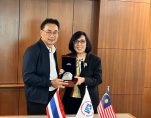
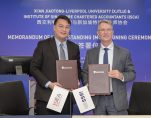
SINGAPORE – Media OutReach Newswire – 24 February 2025 – The Institute of Singapore Chartered Accountants (ISCA) has signed a Memorandum of Understanding (MOU) with Xi’an Jiaotong-Liverpool University (XJTLU) in Suzhou, China, to establish pathways for students in China to pursue the Singapore Chartered Accountant Qualification (SCAQ). The newly-formed partnership marks the first collaboration with a university in China for ISCA, since the launch of its first […]

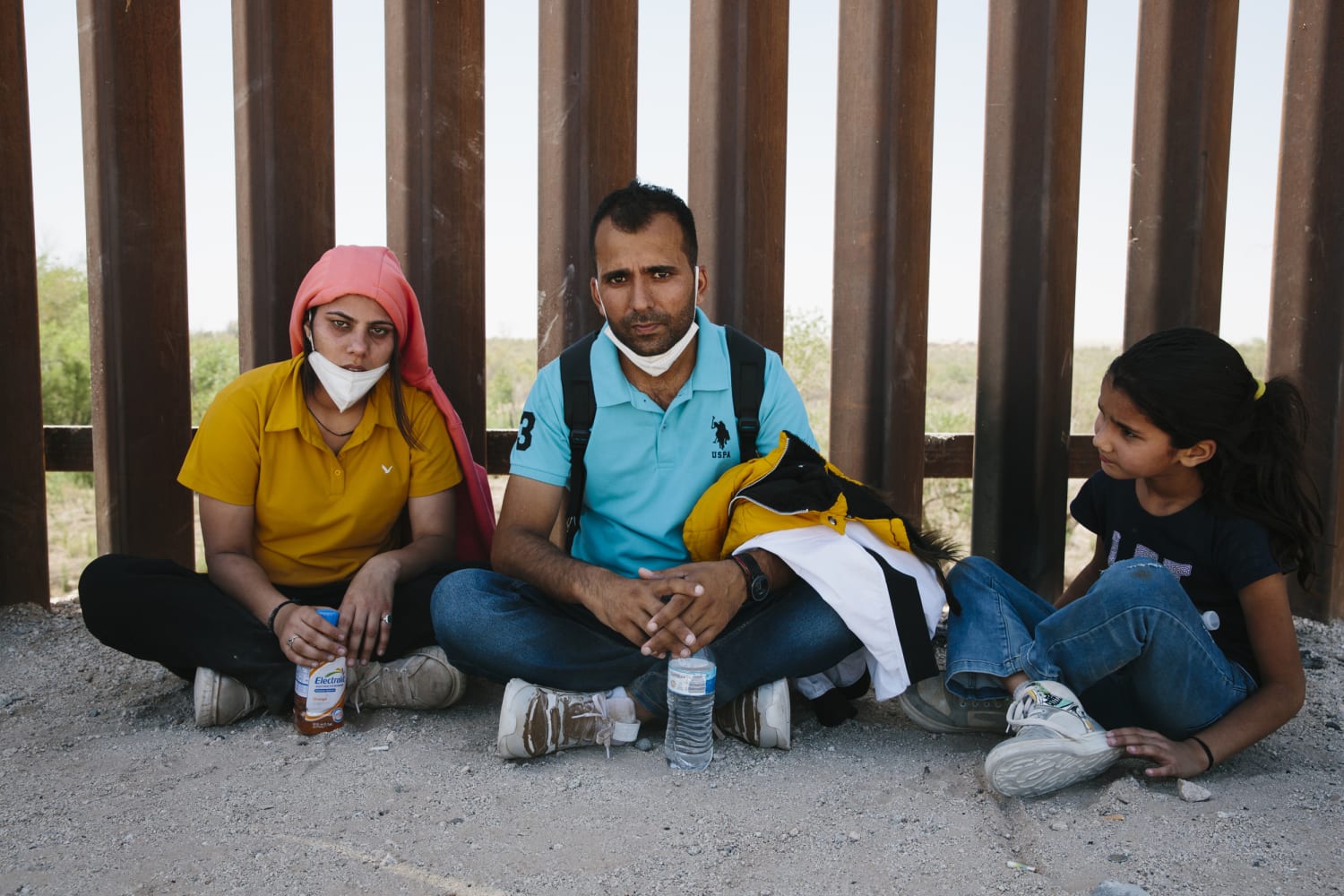
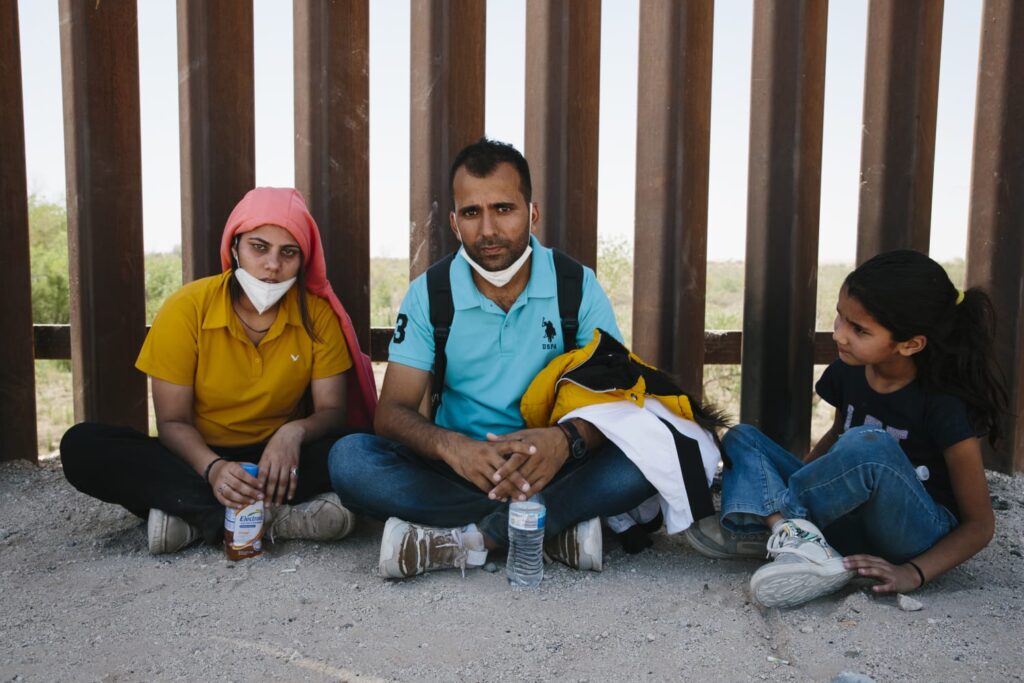
By Nantoo Banerjee India, the world’s second most preferred destination of illegal migrants, has a lot to learn from the United States about how the latter has been handling the situation in recent years. Although US President Donald Trump is lately hogging the limelight for forcing illegal immigrants out of the country, such deportations are […]

MG Motor has achieved a significant milestone in the Middle East automotive market, recording 70,033 vehicle sales in 2024. This figure represents a 10% increase compared to the previous year, underscoring the brand’s growing popularity in the region. The Kingdom of Saudi Arabia emerged as MG’s largest market, contributing over 30,000 units to the total sales. This robust performance solidifies MG’s position among the top car manufacturers […]

Arabian Post Staff -Dubai Visa has unveiled its Tap-to-Add Card service in Jordan, enabling cardholders to incorporate their Visa contactless cards into digital wallets by simply tapping them on their mobile devices. This initiative aims to enhance the security and convenience of digital wallet provisioning, eliminating the need for manual data entry—a process often prone to errors and potential security vulnerabilities. Mario Makary, Vice President and Cluster […]

Elon Musk’s Starlink, the pioneering satellite internet service, is encountering escalating competition from China’s state-backed SpaceSail and Amazon’s Project Kuiper. SpaceSail, headquartered in Shanghai, has embarked on an ambitious expansion, aiming to deploy up to 15,000 low-Earth orbit satellites by 2030. This initiative seeks to challenge Starlink’s current dominance in the high-speed satellite internet sector. Since its inception in 2020, Starlink has launched approximately 7,000 LEO satellites, […]

Strengthening Global Trade Financial Solutions NEW YORK, US – Media OutReach Newswire – 24 February 2025 – XTransfer, a leading global B2B cross-border trade payment platform, continues solidifying its regulatory presence in the United States by acquiring five new payment licenses in Illinois, Iowa, New Mexico, Idaho, and South Carolina. This milestone follows the company’s recent expansion into New Hampshire, the District of Columbia, Utah, Georgia, and […]

Japan’s digital trade deficit reached an unprecedented ¥6.65 trillion in 2024, highlighting the increasing reliance on foreign digital services, particularly from dominant U.S. technology firms. This figure has more than tripled since 2014, when comparable data first became available, according to a recent government report.

The surge in the digital trade deficit is primarily attributed to Japanese companies’ growing dependence on services provided by American tech giants such as Amazon, Microsoft, and Google. These services encompass cloud computing, online advertising, and licensing fees, which have become integral to enhancing operational efficiency across various sectors in Japan. The lack of competitive domestic alternatives has further entrenched the position of these foreign providers in the Japanese market.

In 2024, Japan’s imports of digital-related services outpaced exports, leading to the record deficit. This trend reflects the broader global dominance of U.S. information technology companies, whose advanced services have become indispensable to businesses worldwide. The Finance Ministry’s preliminary balance of payments report indicates that while Japan enjoyed a record current account surplus of ¥29.26 trillion in 2024, bolstered by higher dividend and interest receipts from abroad, the goods and services trade deficit stood at ¥6.51 trillion, heavily influenced by the digital trade imbalance.

Experts suggest that bridging this digital divide requires significant investment in domestic technological development. Kengo Wataya, a researcher at the Mitsubishi Research Institute, points out that despite efforts to develop homegrown cloud services, there remains a substantial gap in capabilities between Japanese and American companies. Wataya emphasizes the necessity for Japan to leverage digital technologies to generate revenue in other sectors, thereby mitigating the burgeoning deficit.

The government’s data also reveals that Japan’s digital trade deficit has been on a consistent upward trajectory over the past decade. In 2014, the deficit was recorded at ¥2.02 trillion, underscoring a more than threefold increase by 2024. This escalation is indicative of the rapid digital transformation globally and Japan’s escalating consumption of foreign digital services.

The digital trade balance encompasses various services, including payments for cloud infrastructure, online advertising, and licensing fees for digital content such as music and video. As both individuals and enterprises in Japan continue to digitize their operations and lifestyles, the demand for sophisticated digital services has surged. However, the domestic market’s inability to supply comparable services has resulted in increased reliance on imports, thereby widening the trade deficit.

While the overall current account surplus suggests a positive economic outlook, the underlying figures present a complex narrative. The substantial income from overseas investments has been a significant contributor to the surplus. However, the persistent and growing trade deficit, particularly in the digital sector, raises concerns about the sustainability of this economic model. Analysts warn that an overreliance on foreign digital services could expose Japan to external economic fluctuations and undermine the competitiveness of its domestic tech industry.

In response to these challenges, there have been calls for strategic policy interventions aimed at fostering innovation within Japan’s tech sector. Proposals include increased funding for research and development, incentives for startups, and collaborations between academia and industry to cultivate a robust digital ecosystem. By enhancing domestic capabilities, Japan could reduce its dependence on foreign services and improve its trade balance in the digital domain.

Addressing the digital trade deficit is not solely an economic imperative but also a matter of national security. Reliance on foreign digital infrastructure and services may pose risks related to data sovereignty and cybersecurity. Therefore, developing indigenous technologies and services is crucial for safeguarding sensitive information and maintaining technological autonomy.

The Islamic World Educational, Scientific and Cultural Organisation and the Emirates Scholar Research Centre have formalised a partnership aimed at enhancing scientific research and innovation. The Memorandum of Understanding was signed in Sharjah by Salem Omar Salem, Director of ICESCO’s Regional Office, and Dr. Firas Habbal, President of ESRC and Vice Chairman of its Board of Trustees.

This collaboration seeks to create a robust framework for addressing global challenges through the exchange of knowledge, joint research initiatives, and academic cooperation. By leveraging the strengths of both organisations, the partnership aspires to foster innovation and contribute to scientific advancement in the region.

Salem Omar Salem emphasised the significance of this alliance, stating that it represents a pivotal step towards integrating expertise and developing collaborative research projects aimed at tackling pressing global issues. He highlighted the UAE’s and Sharjah’s commitment to supporting international efforts in advancing scientific research and promoting tolerance.

Dr. Firas Habbal echoed these sentiments, noting that the partnership aligns with ESRC’s dedication to advancing scientific research and innovation through collaborations with leading international entities. He underscored the belief that scientific inquiry serves as the cornerstone for building a more tolerant and sustainable future.

The MoU outlines several key areas of cooperation, including the organisation of joint scientific conferences, the exchange of researchers and experts, and the development of innovative research projects. These initiatives aim to provide practical solutions to global challenges and contribute to the broader scientific community.

This partnership reflects a broader trend of collaborative efforts between ICESCO and various academic and research institutions. For instance, ICESCO has previously signed agreements with entities such as the University of Sharjah and the European Muslim Scholars Council, focusing on enhancing cooperation in education, culture, and scientific research. These alliances underscore ICESCO’s commitment to fostering international collaboration and promoting the exchange of knowledge across borders.

The collaboration between ICESCO and ESRC is poised to make significant contributions to the scientific landscape, not only within the UAE but also across the broader Islamic world. By pooling resources and expertise, both organisations aim to drive innovation, support sustainable development, and address complex global issues through research and academic excellence.

Dubai is solidifying its status as a premier destination for ultra-high-net-worth individuals and family offices, driven by a confluence of strategic initiatives, favourable economic policies, and an influx of global financial entities. This trend is reshaping the emirate’s financial landscape, positioning it as a global hub for wealth management and investment. The Dubai International Financial Centre has experienced remarkable growth, with the number of hedge funds increasing […]

Dubai’s property market is projected to stabilise or experience a slight decline in prices over the next 12 to 18 months, according to a recent report by Moody’s Ratings. This forecast comes as developers confront escalating construction costs and potential project delays, challenges that could reshape the emirate’s real estate landscape. The anticipated stabilisation follows a period of significant growth, with property prices in Dubai increasing by […]

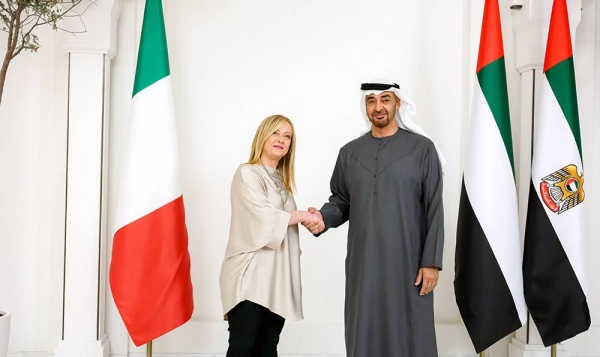
President Sheikh Mohamed bin Zayed Al Nahyan’s state visit to Italy has significantly bolstered the relationship between the United Arab Emirates and Italy. During a dinner banquet hosted by Italian President Sergio Mattarella, both leaders expressed their commitment to enhancing bilateral cooperation across various sectors.

President Mattarella welcomed Sheikh Mohamed and his delegation, highlighting the deep-rooted ties between the two nations and their mutual desire to further strengthen collaboration for the benefit of their peoples. In response, Sheikh Mohamed conveyed his appreciation for the warm reception and emphasized the strategic partnership’s ongoing growth. He noted that this visit reflects both countries’ aspirations to work together towards elevated cooperation and joint economic development.

A symbolic exchange of honors took place during the banquet. Sheikh Mohamed awarded President Mattarella the Order of Zayed, the UAE’s highest civilian honor bestowed upon world leaders. In return, President Mattarella conferred upon Sheikh Mohamed the Order of Merit of the Italian Republic, Italy’s highest accolade for foreign dignitaries.

The UAE delegation accompanying Sheikh Mohamed included Sheikh Abdullah bin Zayed Al Nahyan, Deputy Prime Minister and Minister of Foreign Affairs; Sheikh Hamdan bin Mohamed bin Zayed Al Nahyan, Deputy Chairman of the Presidential Court for Special Affairs; and Sheikh Mohammed bin Hamad bin Tahnoon Al Nahyan, Advisor to the UAE President. The Italian side was represented by several ministers, senior officials, and other dignitaries.

As Sheikh Mohamed’s aircraft entered Italian airspace, it was ceremoniously escorted by a squadron of Italian military jets, symbolizing the importance of this visit. This gesture underscores the mutual respect and the strengthening ties between the two nations.

The discussions between the leaders encompassed a wide range of topics, including investment opportunities, advancements in artificial intelligence, and cultural exchanges. Both countries are keen to explore collaborative ventures in these areas to foster innovation and economic growth.

Energy cooperation emerged as a focal point during the talks. The UAE’s Abu Dhabi National Oil Company and Italy’s energy giant Eni are expanding their partnership beyond traditional oil and gas sectors. Their collaboration now includes renewable energy projects, aligning with global efforts to transition towards sustainable energy solutions.

Defense and security were also prominent on the agenda. Italy’s Leonardo remains a key supplier to the UAE Armed Forces, and both nations are exploring avenues to deepen their defense cooperation. This includes potential joint ventures and knowledge exchange programs aimed at enhancing the capabilities of their respective armed forces.

Emerging sectors such as climate change mitigation, food security, and the space industry were identified as promising areas for future collaboration. Both countries recognize the importance of addressing global challenges through joint initiatives and are committed to working together to develop innovative solutions.

This visit follows Italian Prime Minister Giorgia Meloni’s diplomatic mission to Abu Dhabi, which took place approximately a month prior. During that visit, multiple cooperation agreements were signed, including a significant energy deal involving Albania. These developments signify a renewed vigor in UAE-Italy relations, moving beyond traditional frameworks to embrace broader regional and global partnerships.

Analysts suggest that the UAE-Italy relationship is evolving into a strategic alliance with the potential to influence regional dynamics. Both nations are positioning themselves as key players in the Indo-Mediterranean region, leveraging their economic and geopolitical strengths to foster stability and prosperity.

The leaders also discussed the possibility of developing trilateral and regional alliances, particularly focusing on Africa and East Asia. While Italy prioritizes Eastern Europe, the UAE maintains a strong focus on Africa, creating opportunities for strategic alignment and collaborative initiatives in these regions.


Qatar’s government has entered a five-year partnership with San Francisco-based Scale AI to integrate artificial intelligence into its public services. This collaboration aims to enhance operational efficiency and service quality across various government sectors.

The Ministry of Communications and Information Technology announced that the agreement focuses on deploying AI-powered tools such as predictive analytics, automation, and advanced data analysis. These technologies are expected to streamline government operations, making them more responsive and effective.

Over the next five years, Scale AI will develop more than 50 AI use cases tailored to Qatar’s governmental needs. Trevor Thompson, Scale AI’s global head of growth, emphasized the significance of this initiative, stating it “can be a blueprint for other governments around the world” and reflects a commitment to driving impactful change swiftly.

This move positions Qatar competitively in the regional race for AI leadership, especially amid similar advancements by neighboring countries like Saudi Arabia and the United Arab Emirates. The financial specifics of the deal have not been disclosed.

Founded in 2016, Scale AI specializes in providing accurately labeled data essential for training AI models. The company collaborates with major clients, including Microsoft and Morgan Stanley, to create and refine datasets that power various AI applications.

The partnership aligns with Qatar’s broader strategy to modernize its public sector through digital transformation. By integrating AI solutions, the government aims to improve service delivery, reduce operational complexities, and foster a more efficient administrative environment.

As part of the agreement, Scale AI will also offer training programs to develop the skills of Qatar’s national workforce. This initiative is designed to equip government employees with the necessary expertise to manage and sustain AI-driven systems, ensuring long-term success and self-reliance in technological operations.

The collaboration is expected to yield several benefits, including enhanced data-driven decision-making, improved public service responsiveness, and the creation of new opportunities within the tech sector. By embracing AI, Qatar aims to set a precedent for innovative governance in the region.

This development comes as part of Qatar’s ongoing efforts to diversify its economy and reduce reliance on hydrocarbon revenues. Investing in cutting-edge technologies like AI is a strategic move to build a knowledge-based economy and position the nation as a hub for technological innovation.

The successful implementation of AI solutions in government services could serve as a model for other nations seeking to modernize their public sectors. Qatar’s proactive approach demonstrates a commitment to leveraging technology for national development and improved quality of life for its citizens.

H5 Data Centers, a prominent wholesale data center operator, has announced a strategic partnership with DE-CIX, the world’s leading neutral Internet Exchange operator, to enhance digital connectivity in San Antonio. This collaboration designates the San Antonio Internet Exchange as the inaugural participant in DE-CIX’s Turnkey Connectivity Partner program, enabling seamless and low-latency connections between San Antonio and Dallas without the need for third-party transport solutions or additional […]

By K Raveendran The term disruption has undergone a significant transformation in meaning over the years. Traditionally, it carried a negative connotation, indicating disorder or interruption. However, in the contemporary technological setting, disruption is celebrated as a driver of innovation, progress, and problem-solving. Companies like Uber, Airbnb, and Tesla have all disrupted their respective industries, […]


HONG KONG SAR – Media OutReach Newswire – 24 February 2025 – Generali Hong Kong continues to lead efforts in Diversity, Equity, and Inclusion (DE&I) through its continued commitment to fostering an inclusive workplace and promoting understanding and respect across the broader community. Reflecting its mission to be a “Lifetime Partner”, these efforts highlight the company’s dedication to driving positive impact. Generali Hong Kong champions inclusion with […]

VISHNU RAJA
RYO YAMADA
HITORI GOTOH
IKUYO KITA
Just in: