News related to
world

BEIJING, CHINA – Media OutReach Newswire – 10 December 2024 – The innovative environmental governance model of China’s Kubuqi Desert has gained international recognition, establishing itself as a benchmark for combating desertification and addressing climate change worldwide. At the heart of this success is the Three-North Shelterbelt Forest Program, one of the world’s largest ecological initiatives. Since its inception in 1978, this monumental project has built a […]

Binance has disclosed its 25th proof of reserves, showing mixed movements in the assets held by users. As of December 1, the crypto exchange’s report highlighted shifts across multiple currencies, with some showing significant increases while others experienced declines.

According to the latest data, Bitcoin (BTC) holdings on the platform decreased by 4.68% compared to the previous month, dropping to 580,000 BTC. Ethereum (ETH), however, saw a notable increase of 5.24%, with the total Ethereum reserve rising to 4.9 million ETH. The rise in Ethereum’s balance suggests a continued confidence in the second-largest cryptocurrency, which has maintained its relevance in the market amid shifting investor preferences.

In stark contrast to the fluctuations in BTC and ETH, Tether (USDT) reserves on Binance surged by 20.93%, reaching $25.2 billion. This growth highlights the continued demand for stablecoins, with USDT maintaining its status as a preferred stablecoin for traders and investors seeking to hedge against volatility in the broader crypto market.

Binance’s native token, Binance Coin (BNB), saw a slight decline of 2.15%, bringing the total BNB balance to 37.1 million. Despite this dip, BNB remains one of the key assets on the platform, closely tied to various Binance services and offerings.

The exchange’s regular release of proof of reserves has been part of its ongoing efforts to assure users of the safety and transparency of their holdings. This initiative was initially implemented following the collapse of FTX in late 2022, which triggered widespread concerns over the solvency of cryptocurrency exchanges. Binance, as one of the largest players in the space, has consistently aimed to bolster user trust through these detailed reports, which are generated in collaboration with independent auditors.

The latest proof of reserves report comes at a time when the global crypto market has seen fluctuating trends. After a year of turbulence, some market participants are showing increased caution, while others are taking the opportunity to reinvest in leading assets like Ethereum. The surge in stablecoin reserves, particularly USDT, reflects the market’s ongoing uncertainty and the preference for liquidity that stablecoins provide in volatile conditions.

While Binance has provided more transparency than many of its competitors, the report does not fully dispel concerns about market dynamics. Experts continue to stress the need for enhanced regulatory oversight in the crypto industry, particularly around proof of reserves and the way exchanges report their holdings. Some analysts have raised questions about the accuracy of the data provided in such reports, suggesting that further scrutiny may be necessary to fully ensure the security of user assets.

Binance’s disclosure of its reserves also aligns with broader industry trends. Following FTX’s collapse, exchanges worldwide have been under pressure to increase their transparency and undergo regular audits to prove they hold sufficient assets to cover user deposits. As the crypto market matures, regulatory frameworks are evolving to address concerns over liquidity, security, and the overall stability of the ecosystem.

The Department of Government Efficiency (DOGE) disclosed that a significant portion of the U.S. federal government’s annual IT budget, approximately 80% of the total $100 billion, is allocated to maintaining outdated technology systems. This allocation raises concerns about the long-term sustainability of the federal IT infrastructure and its vulnerability to security threats.

Despite the substantial budget, the government faces a challenge in modernizing its technology while managing legacy systems that have become both inefficient and costly to maintain. Many of these systems were initially developed decades ago and have struggled to keep pace with rapid advancements in technology. As a result, maintaining these aging systems has grown more expensive, consuming a disproportionate share of the federal IT budget.

The situation has sparked debates about the federal government’s ability to balance its technological needs with its security priorities. Outdated systems are not only more costly to maintain but are also significantly more vulnerable to cyberattacks, raising concerns about national security risks. Experts argue that continued reliance on legacy systems could expose sensitive government data to increasing cybersecurity threats, further straining the government’s IT security efforts.

The revelation by DOGE comes at a time when federal agencies have faced criticism for their inability to modernize critical infrastructure quickly enough. A number of high-profile cyberattacks in recent years have underscored the urgency of addressing vulnerabilities in government systems. These incidents, which have targeted various agencies, have raised alarms about the resilience of federal IT networks and their capacity to defend against modern-day threats.

A primary issue is the government’s inability to fully transition from legacy technology to more secure, efficient, and adaptable systems. Experts argue that the high costs associated with maintaining outdated systems may be hindering the government’s ability to invest in cutting-edge technologies like artificial intelligence, cloud computing, and blockchain, all of which have the potential to enhance government operations and improve security.

There are concerns about the lack of skilled personnel required to manage these older systems effectively. Many IT professionals with expertise in outdated technologies are retiring or leaving the workforce, creating a knowledge gap that is challenging to fill. This lack of qualified personnel further complicates the effort to modernize federal IT infrastructure.

The burden of maintaining legacy systems has also led to inefficiencies within government operations. Modern systems are typically more agile, cost-effective, and scalable, which allows for improved service delivery and greater responsiveness to changing needs. However, due to the reliance on outdated systems, government agencies are often unable to take advantage of the efficiencies offered by newer technologies, leading to delays and increased operational costs.

In response to these challenges, DOGE has called for a reevaluation of how federal IT budgets are allocated. The department has urged a shift towards prioritizing investments in modernization initiatives, which could provide long-term savings by reducing the costs of maintaining legacy systems. Some experts suggest that adopting a more incremental approach to modernization—updating critical systems first while gradually phasing out older technologies—may offer a more practical solution.

The federal government’s struggle with outdated technology systems is not unique to the United States. Many governments around the world are facing similar issues as they attempt to navigate the complex landscape of digital transformation. However, given the scale of the U.S. government’s operations, the consequences of failing to modernize could have far-reaching implications, both in terms of efficiency and security.

Despite the challenges, there have been some steps taken towards modernization. Federal agencies have begun pilot programs to experiment with new technologies and test their applicability in government operations. Some agencies are already seeing positive results from these efforts, although the pace of change remains slow.

The financial implications of maintaining outdated systems are significant. According to estimates, the government spends billions annually on software upgrades, hardware maintenance, and security patches for legacy systems. As these systems continue to age, the costs associated with upkeep are expected to rise, further straining the federal IT budget.

As the government moves forward with its modernization efforts, the success of these initiatives will depend largely on the ability to balance cost, security, and innovation. A comprehensive, long-term strategy will be required to overhaul the federal IT infrastructure while addressing the immediate needs of maintaining legacy systems.

In light of the revelations by DOGE, there are growing calls for more transparency in the government’s IT spending, with some lawmakers pushing for increased oversight of federal IT contracts. Critics argue that without greater accountability, the government may continue to waste taxpayer dollars on outdated systems, undermining efforts to modernize and secure its infrastructure.

Emirates Biotech, a prominent player in the UAE’s growing biotechnology sector, has announced plans to construct what is poised to become the world’s largest production facility for polylactic acid (PLA). The plant, set to break ground in the coming months, aims to revolutionize the global bioplastic industry by providing a sustainable alternative to petroleum-based plastics, which have long been associated with environmental damage. With a sharp focus […]

Egypt has announced plans to issue green bonds and Islamic sukuk domestically, aiming to attract diverse investors and expand its financial instruments. Finance Minister Ahmed Kouchouk revealed that the government is preparing to float bonds valued between EGP 5 billion and EGP 10 billion in the local market during the fiscal year’s third and fourth quarters. These initiatives align with Egypt’s broader strategy to diversify financing sources […]

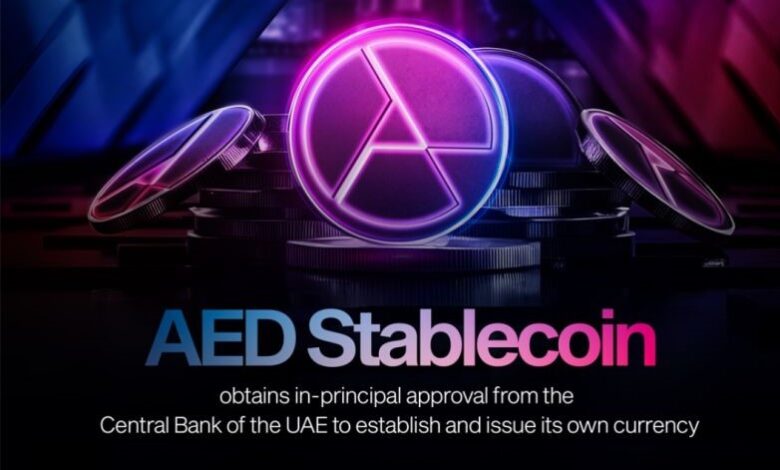
The UAE’s first regulated stablecoin has officially received the final green light from authorities, setting the stage for its anticipated launch across the country. This milestone marks a significant development in the UAE’s push to establish itself as a leading player in the global cryptocurrency market. With this approval, the stablecoin is poised to offer greater security and transparency in digital transactions, contributing to the growth of the digital economy in the region.

The UAE’s financial sector has undergone a significant transformation in recent years, driven by the government’s efforts to modernize its financial infrastructure. This stablecoin approval reflects the country’s ambition to integrate blockchain technology into its financial system and attract global investors looking for a secure digital asset to support transactions. The approval was granted by the UAE’s Financial Services Regulatory Authority (FSRA), which oversees all financial products and services in the Abu Dhabi Global Market (ADGM). This move is seen as part of a broader strategy to encourage the growth of fintech and blockchain-related ventures in the region.

The stablecoin, designed to be pegged to the value of the US dollar, will provide an alternative to more volatile cryptocurrencies such as Bitcoin and Ethereum. By pegging the value of the digital currency to a stable asset, the UAE’s stablecoin aims to mitigate the price fluctuations that often make other cryptocurrencies less attractive for everyday transactions. This stablecoin will be available to both businesses and consumers within the UAE, offering them a more secure, stable, and efficient way to carry out digital payments and trade.

The approval of the stablecoin also aligns with the UAE’s broader goals of expanding its digital economy. The UAE government has placed considerable emphasis on developing blockchain technologies, with the country’s leaders recognizing the potential for these innovations to revolutionize industries such as finance, real estate, and logistics. As part of the UAE’s “Vision 2021” initiative, there have been efforts to establish Dubai as a global hub for blockchain technology and cryptocurrency. These efforts have been amplified by the Dubai International Financial Centre (DIFC), which has introduced new regulations to govern the use of blockchain and cryptocurrency assets.

Industry experts view this approval as a major step forward for the UAE’s financial landscape. With the introduction of the stablecoin, businesses in the UAE will be able to make international transactions more efficiently, with fewer delays and reduced risks compared to traditional banking systems. Additionally, consumers will be able to use the stablecoin to pay for goods and services, facilitating everyday transactions in a secure and stable manner.

The issuance of a regulated stablecoin also brings the UAE in line with other countries that have moved forward with digital currencies. As countries around the world begin to recognize the need for secure, regulated digital currencies, the UAE’s stablecoin will likely gain traction as a reliable alternative for those seeking to move away from unstable fiat currencies. The stablecoin approval comes on the back of similar developments in countries such as China, where the People’s Bank of China has developed its own digital currency, and in Europe, where the European Central Bank has been exploring the creation of a digital euro.

UAE regulators have indicated that the stablecoin will undergo rigorous monitoring to ensure its stability and compliance with the country’s financial regulations. This will involve ongoing audits and checks to ensure that the stablecoin remains fully backed by the US dollar and that it adheres to anti-money laundering (AML) and know-your-customer (KYC) standards. The FSRA’s regulatory oversight is expected to instill greater confidence in users and investors, making the stablecoin a secure asset for transactions and investments.

With its stablecoin now officially approved, the UAE is positioning itself at the forefront of the cryptocurrency revolution. The development signals the country’s commitment to creating a forward-thinking financial system that embraces innovation while ensuring that new technologies are regulated in a way that protects consumers and businesses alike. The stablecoin is expected to become a key component of the UAE’s broader strategy to promote digital transformation, particularly in sectors such as finance, e-commerce, and international trade.

As the UAE becomes one of the first countries in the region to offer a regulated stablecoin, it sets a precedent for other countries in the Middle East and North Africa (MENA) to follow. The move could also position the UAE as a key player in the global cryptocurrency market, attracting international investors and businesses seeking a secure and regulated environment for their digital assets.

Several key figures from the Trump family and its network gathered at a high-profile cryptocurrency event in the Gulf region, where the convergence of digital currencies and the ever-growing market for crypto investments was on full display. The event, widely attended by industry leaders, investors, and political figures, provided a platform to discuss the emerging landscape of cryptocurrency, with a particular focus on Bitcoin, blockchain technology, and their future within global markets.

As the world navigates the evolving world of cryptocurrencies, the Gulf has become a hotspot for discussions around Bitcoin’s potential and the rising interest among both investors and political figures in the region. The event served as a reflection of broader global trends, where prominent political and business figures are increasingly aligning themselves with the digital currency space. For the Trump family and its allies, this marks an intensified involvement in the ever-growing crypto economy, a sector that has captured the attention of major global investors.

Donald Trump’s family members and political allies, including former White House officials and business partners, were seen attending various sessions during the gathering. These figures have been closely linked with the cryptocurrency movement for years, and their participation at the Gulf event highlights the increasing intersection between the digital currency world and high-profile political figures. Their presence not only signals a growing interest in the sector but also indicates how crypto has evolved from a niche technology to a mainstream financial asset.

The Trump family’s involvement in crypto aligns with broader Republican Party figures, some of whom have advocated for fewer regulations and a more lenient approach to crypto markets. Trump himself, while not overtly endorsing cryptocurrency in public statements, has repeatedly shown an interest in economic policies that benefit digital assets, often commenting on the need for more favorable conditions for businesses in the U.S. crypto space.

This growing alignment between the Trump family and cryptocurrency advocates has led to discussions regarding how the family’s network could further influence digital asset regulations. It is an environment that is ripe for policy lobbying and potential investment opportunities, making it a key area of focus for those gathered at the Gulf conference.

The Gulf region, particularly countries like the UAE and Saudi Arabia, has increasingly emerged as a global center for cryptocurrency innovation and regulation. These nations have been proactive in cultivating a crypto-friendly environment, with numerous free zones and financial hubs aimed at attracting digital asset companies and investors. Their push to position themselves as leaders in the digital finance sector is evident through initiatives aimed at creating regulatory frameworks that are conducive to cryptocurrency ventures.

For the Trump family and its allies, the event in the Gulf represents not just an opportunity to network, but also a deeper engagement with the region’s cryptocurrency potential. A number of Gulf-based investors have been vocal about their interest in Bitcoin, often citing its promise as a store of value amidst global economic instability. This is a view that aligns closely with statements made by key Trump allies, who see Bitcoin as a hedge against inflation and a safeguard for the future of financial systems.

While the Trump family’s direct involvement in crypto investments remains largely speculative, many members of their political network are increasingly vocal in advocating for the integration of cryptocurrency into mainstream financial markets. At the Gulf gathering, several key figures in the Trump camp discussed the potential for digital currencies to be integrated into broader financial systems, from asset management to cross-border payments, and even within the governance structures of central banks.

The event also highlighted the expanding role of cryptocurrency in global political and economic spheres. From the Trump family’s interactions with regional investors to the broader geopolitical implications of a burgeoning crypto economy, it is clear that the Gulf is positioning itself as a critical player in the digital finance space. For countries seeking to diversify their economies and establish dominance in future technologies, cryptocurrencies present an undeniable opportunity.

This expansion of crypto’s influence has not gone unnoticed among policy-makers. With growing calls for clearer regulations to protect both investors and the integrity of the financial system, the Gulf event also shed light on the regulatory challenges that come with rapid crypto adoption. Many industry leaders, alongside political figures, are discussing the importance of establishing global standards that could guide the industry in its growth while ensuring that digital currencies do not pose systemic risks to the financial ecosystem.

The Gulf event also served as a backdrop to discussions about the broader economic implications of cryptocurrencies, especially Bitcoin. As more global corporations and governments consider how to integrate digital assets into their financial systems, the Trump family’s growing involvement signals a broader shift in how political figures engage with the crypto industry. This is not just about investment but also about shaping the future of digital finance through favorable policies and regulatory measures.

As the cryptocurrency market continues to mature, it is clear that the involvement of key political figures, such as those from the Trump family, will play a crucial role in influencing both the regulatory landscape and the direction of investment in digital assets. The event in the Gulf was a clear demonstration of the growing interconnections between political figures, investors, and the rapidly evolving world of cryptocurrencies.

Advertisements

Abu Dhabi-based CYVN has finalized an agreement to acquire McLaren’s automotive division, marking a significant shift for the renowned British car manufacturer. The deal, valued at an estimated £1.2 billion, aims to secure McLaren’s future in the high-performance sports car sector, while ensuring its long-term growth and innovation. This agreement also signals the latest chapter in McLaren’s ongoing restructuring efforts, which have been crucial in navigating the challenges of global economic uncertainty and the shifting dynamics of the automotive market.

CYVN, a prominent investment group from the UAE with interests in luxury and high-tech industries, has been actively seeking strategic acquisitions to expand its portfolio in the automotive sector. The buyout of McLaren’s automotive business, which produces some of the world’s most coveted hypercars, aligns with CYVN’s goal to further solidify its presence in the global luxury market. McLaren’s automotive arm, known for its innovative designs and engineering prowess, will now be under the strategic guidance of CYVN’s management, which is expected to inject fresh capital and technological expertise.

The deal comes after a period of financial restructuring for McLaren, which has faced mounting debt and a need for investment to sustain its position in a competitive market. Over the past few years, McLaren has been exploring various avenues to maintain its financial health while continuing to produce high-performance cars that blend cutting-edge technology with luxury. The acquisition deal is expected to provide McLaren with the necessary funds to stabilize its operations and drive forward its plans for innovation, particularly in electric vehicle development and other eco-friendly technologies.

The automotive industry is undergoing a major transformation, with manufacturers pivoting towards sustainability, electrification, and advanced technologies. This shift has been a focal point for McLaren in recent years, with the brand aiming to integrate hybrid and electric powertrains into its lineup. The acquisition by CYVN is seen as an opportunity to accelerate these ambitions, as the investment group has already expressed interest in expanding McLaren’s electric vehicle capabilities.

For CYVN, the purchase represents a strategic move to gain a foothold in the ultra-luxury car market, which has shown resilience despite global economic fluctuations. The growing demand for high-end, bespoke vehicles, particularly among the wealthy elite in emerging markets, has created a favorable environment for investment in this sector. McLaren, with its strong brand heritage and established presence in key markets, presents an ideal acquisition target for CYVN to further enhance its standing in the global luxury goods and automotive industries.

This acquisition also positions McLaren to tap into new markets, particularly in Asia and the Middle East, where demand for luxury cars has been increasing. The UAE, a key hub for high-end automobiles, is expected to play a central role in McLaren’s continued expansion. The deal could potentially lead to new manufacturing facilities or partnerships within these regions, further strengthening McLaren’s market presence.

The automotive sector, particularly the luxury segment, has witnessed a surge in consolidation and strategic partnerships in recent years. Industry experts suggest that the combination of CYVN’s financial backing and McLaren’s engineering expertise could create a powerful synergy capable of rivaling the industry’s largest players. As competition intensifies, especially with the push towards sustainable technologies, automakers must remain agile, investing in innovation while maintaining profitability. McLaren, with its deep engineering heritage and now bolstered by CYVN’s resources, is positioned to play a significant role in the next generation of high-performance vehicles.

Although the deal was welcomed by many industry observers, it also raises questions about McLaren’s future identity. The brand, once fully independent, now faces the challenge of aligning its operations and vision with the broader strategic goals of its new owner. The transition may involve shifts in McLaren’s production processes, management structure, and product offerings. However, the emphasis on maintaining McLaren’s engineering excellence and brand prestige is expected to remain a top priority for CYVN.

McLaren’s existing leadership, including CEO Michael Fleischmann, is expected to retain their positions, although the influence of CYVN’s management will likely be felt across key areas of the business. The company has reiterated its commitment to preserving the iconic status of its automotive division, ensuring that future models will continue to offer the exceptional performance and design that McLaren fans have come to expect.

Partnership launched to transition Nguyen Gia Livestock Production Cooperative’s 50,000 hens to 100% certified cage-free production systems, providing solutions for Vietnamese companies to meet their cage-free commitments. HANOI, VIETNAM – Media OutReach Newswire – 10 December 2024 – Global Food Partners (GFP) has partnered with Nguyen Gia Livestock Production Cooperative, led by Mr. Nguyen Huu Tue, one of North Vietnam’s largest egg producers, to spearhead the country’s […]

BANGKOK, THAILAND – Media OutReach Newswire – 10 December 2024 – Jeffrey C. Lim, President of SM Prime Holdings, Inc., has been instrumental in transforming SM Prime into a leading property conglomerate, a journey now recognized with the Eminent Leaders in Asia Award at the Asia Corporate Excellence & Sustainability (ACES) 2024 Awards. An exceptional moment of recognition: Jeffrey Lim, President of SM Prime Holdings, Inc. (left […]

HANOI, VIETNAM – Media OutReach Newswire – 9 December 2024 – By electrifying its taxi fleet, Jakarta could significantly reduce emissions and improve air quality, as shown by the success of electric taxis in cities around the world. One standout example is Xanh SM in Vietnam, which has also reshaped public attitudes toward electric vehicles (EVs). Xanh SM fleet in Vietnam. Photo: GSM Jakarta is no stranger […]

KUALA LUMPUR, MALAYSIA – Pinion Newswire – 9 December 2024 – In 2024, OctaTrader has emerged as a popular trading platform, demonstrating a six-fold year-on-year growth in its user base since its launch in late 2022. Recognized for its seamless and user-friendly experience, OctaTrader now introduces “Space,” a sophisticated analytics hub integrated into its platform, catering to traders worldwide. Introducing Space: Elevating Decision-Making for Traders Launched in […]

AI Lab opened synchronously to drive Hong Kong forward a new milestone of “AI Plus” HONG KONG SAR – Media OutReach Newswire – 9 December 2024 – Cyberport’s Artificial Intelligence Supercomputing Centre (AISC), first of this kind currently in Hong Kong, officially commences operations, and the AI Lab is also open concurrently. The opening ceremony of the AISC and AI Lab was held today at AI Lab […]

Matein Khalid The late summer and autumn of 2024 may well go down in history as the Berlin Wall moment for the Middle East as the collapse of the nightmarish Assad dynastic dictatorship will have a seismic geopolitical fall out across the region. Iran has lost its land bridge/weapon supply conduit to its proxy militia Hezbollah, itself decapitated and militarily degraded by the IDF in Lebanon. Baathist […]

To truly make a difference, scientific innovation must translate into tangible benefits for society. VinFuture’s award criteria reflect this commitment to recognizing research with real-world applications. HANOI, VIETNAM – Media OutReach Newswire – 9 December 2024 – Prof. Richard Friend, Professor of Physics at the University of Cambridge (UK), Chair of the VinFuture Prize Council, expressed his enthusiasm for this year’s groundbreaking awards. He noted that the […]

The United States government has approved the export of cutting-edge artificial intelligence (AI) chips to the United Arab Emirates (UAE) under a deal involving Microsoft and the Emirati technology firm G42. This decision comes after a prolonged review, and the deal underscores growing interest in enhancing the UAE’s AI capabilities. Microsoft has invested heavily in G42, forming a partnership to push forward the development of AI technologies in the UAE, but the approval has sparked debates over security risks and potential misuse of the technology.

Microsoft’s $1.5 billion investment in G42 this year not only includes a minority stake but also a strategic partnership that integrates Microsoft’s cloud services with G42’s AI applications. This collaboration is expected to enhance the UAE’s role as a leading player in AI development, especially in areas such as healthcare, government services, and autonomous systems.

However, the deal has faced scrutiny from U.S. lawmakers, who expressed concerns over G42’s potential links to China. The fears center on the possibility of U.S. technology being leveraged by adversarial nations, particularly given G42’s connections to powerful players in the Middle East. U.S. officials have raised alarms about the company’s ties to the Chinese government and its military, fearing that advanced AI systems could inadvertently benefit Beijing or other entities of strategic concern to the U.S.

To mitigate these concerns, the U.S. government imposed strict conditions on the export. Among the most notable restrictions, personnel from countries subject to U.S. arms embargoes, including China, are prohibited from accessing the Microsoft-operated facility in the UAE. Additionally, the deal specifically blocks individuals linked to the Chinese government or organizations based in China from using the technology. These safeguards are designed to ensure that sensitive U.S. technology is not misappropriated by entities that could pose a threat to national security.

Despite these precautions, the deal has ignited a broader conversation about the global race to develop and deploy AI technologies. U.S. officials have repeatedly warned that AI advancements, particularly in fields like military applications and weapons technology, could have significant national security implications. In light of this, the Biden administration has taken steps to bolster oversight of AI development, with mandatory disclosures required from developers of large-scale AI systems regarding the potential security risks of their technologies.

G42, which is partially owned by Abu Dhabi’s sovereign wealth fund and chaired by Sheikh Tahnoon bin Zayed Al Nahyan, has tried to reassure critics by emphasizing its compliance with international standards on AI and its commitment to transparency. However, the company’s efforts have not fully alleviated concerns, with many observers questioning whether the restrictions will be sufficient to prevent sensitive technology from falling into the wrong hands.

The partnership with Microsoft is seen as a major boost for the UAE’s ambitions to position itself at the forefront of AI research and development. The country has long sought to diversify its economy beyond oil, and AI is seen as a key pillar of this transformation. Yet, as this deal shows, the international implications of such partnerships are complex and multifaceted. While the UAE stands to benefit from access to some of the world’s most advanced AI technologies, the potential security risks associated with the transfer of such capabilities remain a point of contention.

Khaldoon Al Mubarak’s leadership of Mubadala Investment Company has positioned the UAE-based sovereign wealth fund as a key global player in transforming the way sovereign funds engage with markets and investments. Al Mubarak, who is not a member of the ruling royal family, stands out in the Gulf as an influential figure overseeing one of the world’s largest and most diversified wealth funds. Under Al Mubarak’s guidance, […]

Saudi Arabia has taken a significant step toward its environmental ambitions by officially launching the National Sustainability Committee. The initiative, which aligns with the Kingdom’s Vision 2030 reform program, aims to spearhead the country’s efforts in sustainability, focusing on comprehensive environmental reforms across various sectors. The committee’s formation is a direct response to the growing global demand for sustainable development practices, as well as the Kingdom’s commitment […]

Polen Capital, a prominent global asset management firm, has announced its plans to open an office in Abu Dhabi, marking a significant step in its strategy to expand its operations in the Middle East. The firm, which has a strong track record in managing equity and fixed-income portfolios, aims to tap into the growing wealth and investment opportunities in the region. This move underscores the increasing importance […]

Eric Trump, the son of former U.S. President Donald Trump, is set to deliver a keynote address at the Bitcoin MENA conference in Abu Dhabi, marking his debut at a major cryptocurrency event. The conference, one of the most anticipated gatherings of cryptocurrency enthusiasts and investors in the Middle East and North Africa (MENA) region, comes at a time when the global digital asset market is experiencing a surge in both interest and investment.

Bitcoin MENA, which is scheduled to take place in Abu Dhabi in the coming weeks, will bring together industry leaders, investors, regulators, and developers from around the world to discuss the future of digital currencies and blockchain technology. The event is expected to focus on the rapid developments in the cryptocurrency space, regulatory changes, and opportunities for growth, especially in emerging markets.

Eric Trump’s involvement is seen as significant given his family’s established prominence in the political and business arenas. As the executive vice president of the Trump Organization, Eric Trump has been involved in several business ventures, though this marks a rare public appearance in the cryptocurrency sector. His participation is seen as part of a broader trend where mainstream business figures are increasingly engaging with digital assets as part of their investment strategies.

The cryptocurrency market has seen explosive growth over the past few years, with Bitcoin and other digital currencies reaching all-time highs in value. The MENA region, in particular, has emerged as a key player in the global crypto space, with several countries, including the UAE, creating favorable environments for blockchain and cryptocurrency innovations. Abu Dhabi, with its burgeoning tech infrastructure and regulatory framework, has positioned itself as a hub for fintech and digital finance in the region.

The UAE, where Bitcoin MENA is taking place, has been proactive in adopting blockchain technology. The UAE government’s initiative to integrate blockchain into various sectors, including finance, real estate, and healthcare, has been a driving force in the rise of digital assets within the region. The UAE’s progressive stance on cryptocurrencies has attracted significant foreign investment and a growing number of startups focused on blockchain technology.

In particular, the Abu Dhabi Global Market (ADGM), a financial free zone, has been pivotal in shaping the regulatory landscape for cryptocurrencies in the region. ADGM has implemented clear regulations for cryptocurrency exchanges and trading, creating a safer and more attractive environment for investors and businesses. The UAE’s leadership has also signaled its intent to develop the nation into a leading global fintech center, with blockchain technology at the forefront of these ambitions.

The timing of the Bitcoin MENA conference is particularly notable given the broader context of the cryptocurrency market’s performance. Bitcoin, the largest cryptocurrency by market capitalization, recently surpassed $35,000, reaching new heights despite some ongoing concerns around regulatory scrutiny and market volatility. Analysts suggest that the market is entering a new phase, characterized by institutional adoption and growing acceptance of cryptocurrencies as a legitimate asset class.

Several factors have contributed to the rise of cryptocurrency, including the increasing institutional interest in digital assets, as well as the growing recognition of blockchain technology’s potential to revolutionize various industries. Investment firms, hedge funds, and even governments are increasingly looking at ways to incorporate digital currencies into their portfolios, with some countries exploring the creation of central bank digital currencies (CBDCs) as part of their financial strategies.

For Eric Trump, his appearance at the Bitcoin MENA conference aligns with his family’s broader interest in global business opportunities, including those in the tech and finance sectors. Though primarily known for his family’s real estate business, the Trump Organization has diversified its interests into various fields over the years. Eric Trump’s participation is also likely to draw attention from investors who are looking to connect the worlds of traditional business and cryptocurrency.

The UAE’s role as a key player in the digital economy is also attracting increasing interest from global investors, particularly those looking for opportunities in the cryptocurrency and blockchain sectors. The country’s focus on diversifying its economy away from oil dependence has led to a greater emphasis on tech-driven industries, including fintech, artificial intelligence, and digital assets. This approach aligns with the global trend toward digitization and offers promising prospects for growth in the cryptocurrency market.

As Bitcoin and other cryptocurrencies continue to gain traction across the globe, the role of events like Bitcoin MENA will be crucial in shaping the discourse around regulation, innovation, and market development. The conference will provide an opportunity for thought leaders and experts to engage in discussions on the future of digital currencies, including their impact on global financial systems and their potential to disrupt traditional industries.


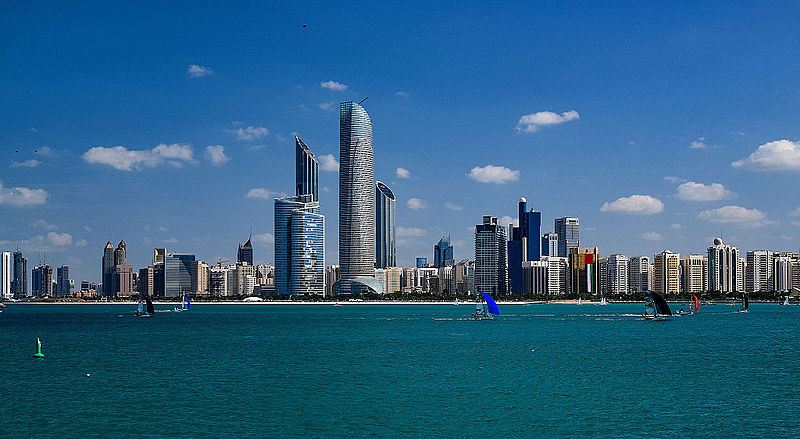
Abu Dhabi is steadily positioning itself as a global financial hub, attracting an increasing number of international bankers, investors, and financial institutions. The capital of the United Arab Emirates (UAE) has long been known for its oil wealth, but in recent years, its economic diversification strategies have begun to bear fruit, transforming it into a key player in the world’s financial markets. This shift is no longer just a future possibility; it is happening now, with rising interest from top-tier banking executives seeking to leverage the city’s infrastructure, favorable regulatory environment, and strategic position at the crossroads of Europe, Asia, and Africa.

As part of its ambition to become a leader in global finance, Abu Dhabi has made significant strides in enhancing its financial services ecosystem. Financial institutions, including major international banks, are increasingly opening branches and expanding operations in the city, attracted by its strategic location and investor-friendly policies. The UAE capital has also established itself as a center for private equity, wealth management, and Islamic finance, sectors where it continues to see consistent growth.

The financial sector in Abu Dhabi has grown rapidly, not just due to its historical advantages but because of deliberate policy decisions made by the government. For example, the Abu Dhabi Global Market (ADGM), a financial free zone established in 2015, has been pivotal in attracting foreign investment. ADGM offers a robust regulatory framework, tax exemptions, and a business-friendly environment that allows for greater ease of doing business compared to other regions in the Middle East.

Another factor drawing attention is Abu Dhabi’s growing role as a leading center for sustainable finance. The UAE has positioned itself as a key player in the global push towards greener investments, with Abu Dhabi at the forefront of green bonds and other sustainable financial products. In addition to the nation’s investment in renewable energy projects like the massive solar farm at Mohammed bin Rashid Al Maktoum Solar Park, the UAE has been a significant proponent of integrating environmental, social, and governance (ESG) criteria into investment strategies.

Abu Dhabi’s rise as a financial powerhouse is not only benefiting the city’s banks but also drawing the attention of global investment funds, particularly those looking to invest in markets with high growth potential. Financial giants from New York to London are setting up operations to tap into the rapidly growing wealth in the Gulf region, with Abu Dhabi being a prime location. The city’s appeal is also reinforced by its relatively low tax environment, particularly for foreign businesses, and the increased liberalization of the banking sector. This has helped make Abu Dhabi a go-to destination for global funds seeking to access emerging markets with fewer barriers.

The UAE government has long supported policies that encourage the diversification of the economy beyond oil, and banking and finance have become pivotal to this transformation. The establishment of the Financial Services Regulatory Authority (FSRA) has played an essential role in strengthening the regulatory framework, providing international businesses with confidence in operating within the emirate’s borders. This system offers a well-defined legal framework, based on international best practices, which ensures transparency and stability in the financial sector.

Abu Dhabi is seeking to capitalize on the global demand for fintech, especially with the increased adoption of digital financial services. Many leading global fintech companies have established a presence in the emirate, while government-backed initiatives continue to promote innovation in the sector. The growth of digital banking, blockchain technologies, and cryptocurrency is becoming more pronounced, positioning the city as an attractive destination for tech-driven financial services. The authorities in Abu Dhabi are keen to foster an ecosystem conducive to fintech startups, leveraging the city’s burgeoning tech infrastructure and access to venture capital funding.

In addition to financial services, Abu Dhabi’s ambitions are evident in its wealth management strategies. With a high concentration of wealthy individuals and families, Abu Dhabi has seen a surge in the demand for sophisticated wealth management services. The city’s wealth managers, private banks, and family offices are increasingly seeking to provide tailored services that cater to the unique needs of their clients. As such, Abu Dhabi is establishing itself as a key player in the high-net-worth individual (HNWI) market, attracting wealthy clients from the Gulf region and beyond.

International investors, particularly from Europe and Asia, are closely monitoring the developments in Abu Dhabi as they seek to capitalize on the economic growth that the emirate is experiencing. Many analysts view the city as one of the best places to invest in the Middle East, noting its ability to offer competitive returns and stability, especially in comparison to other regional markets that have seen geopolitical instability in recent years. Moreover, the city’s efforts to embrace innovation, sustainability, and diversification are making it an increasingly attractive destination for both traditional investors and those seeking to invest in cutting-edge sectors like green technologies and digital finance.

BANGKOK, THAILAND – Media OutReach Newswire – 9 December 2024 – Multi-jurisdiction regulated broker FPG Fortune Prime Global has appointed Alice, the former Fullerton Markets Country Manager, as the Country Manager for Thailand to further strengthening the company’s presence in the ASEAN region. Country Manager, Alice Alice brings over 8 years of experience in the financial industry, including her role as Country Manager at Fullerton Markets. With […]

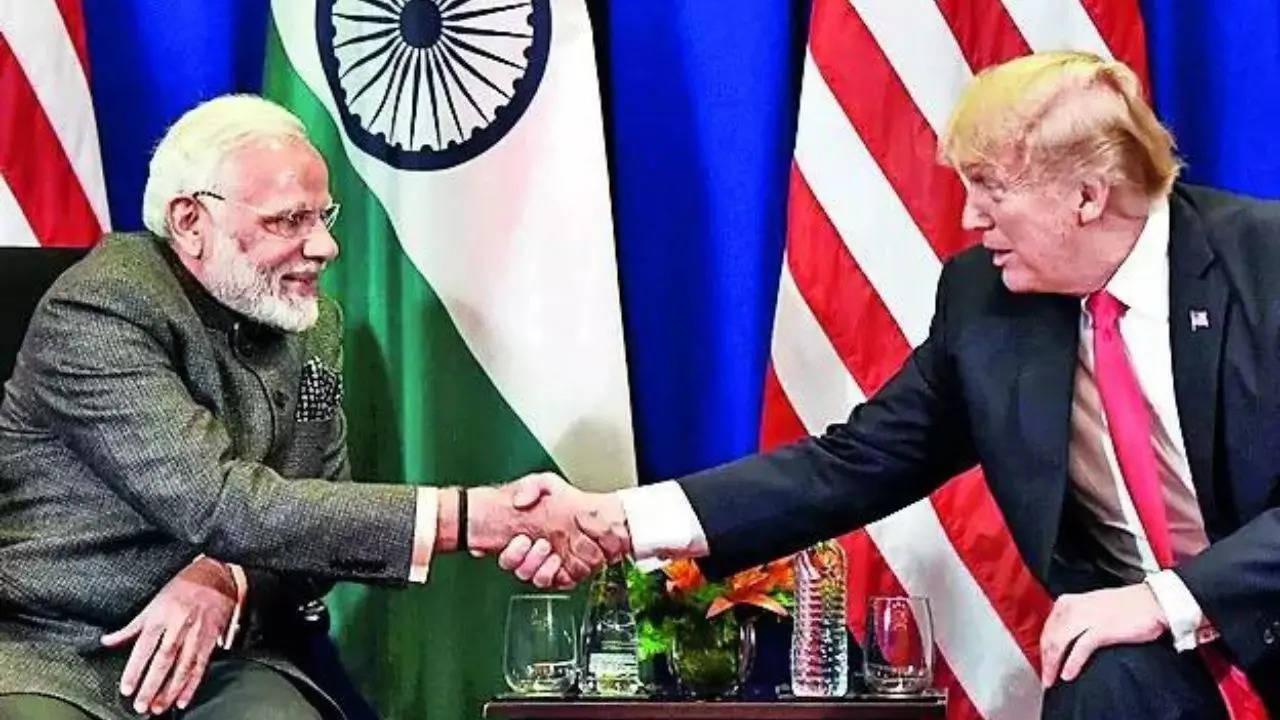
By Girish Linganna Donald Trump’s re-election as U.S. President could have a big impact on India-US relations, especially in areas like technology, chips, and semiconductors. As he begins his second term on January 20 next year ,, both countries will face a mix of opportunities and challenges that could shape their tech and economic ties […]


KUALA LUMPUR, MALAYSIA – Media OutReach Newswire – 5 December 2024 – Gold has been valued for its stability when the financial fires are raging. That stable nature was underscored in 2024 when its price shot upward, gaining over $700 per ounce. This amounted to a 34% increase since January. The vibrant price increase has gotten traders and investors all jazzed up again about gold, with the […]

VISHNU RAJA
RYO YAMADA
HITORI GOTOH
IKUYO KITA