News related to
world

Saudia and Delta Air Lines have announced a strategic partnership aimed at significantly enhancing their global network, promising to expand travel options for passengers around the world. This collaboration is expected to strengthen their respective positions in the aviation market, allowing for a more integrated travel experience for customers flying between the United States and the Middle East.

Under the agreement, both airlines will offer reciprocal codeshare flights, facilitating smoother connections and increased travel options. This partnership is set to take effect soon, allowing travelers to book flights seamlessly across the two carriers’ networks. Customers will benefit from access to a broader range of destinations and improved connectivity between major cities in the United States, Saudi Arabia, and other international locations.

The collaboration comes at a time when the aviation industry is gradually rebounding from the challenges posed by the COVID-19 pandemic. Demand for air travel has been on the rise, particularly in the long-haul market, and both Saudia and Delta are eager to capitalize on this trend. The partnership allows both airlines to leverage their strengths, with Saudia providing extensive connections in the Middle East and Delta offering a robust presence in North America.

Delta Air Lines, based in Atlanta, Georgia, has long been a key player in the U.S. aviation sector, known for its extensive domestic and international network. Saudia, the national carrier of Saudi Arabia, boasts a strong foothold in the Middle East and Asia, operating flights to numerous destinations across the globe. By joining forces, both airlines aim to enhance their operational efficiencies while providing better service to their customers.

The expansion of the partnership is particularly timely as travel demand surges in key markets. The Middle East, in particular, has seen a significant increase in tourism and business travel, driven by a growing appetite for international travel. Saudia’s existing routes to cities like Riyadh, Jeddah, and Dammam complement Delta’s offerings from various U.S. hubs, creating a more attractive proposition for travelers looking to explore these regions.

This alliance reflects a broader trend in the aviation industry where airlines are increasingly seeking strategic partnerships to bolster their networks and market share. Codeshare agreements allow airlines to collaborate on pricing, scheduling, and marketing, thereby enhancing their competitive edge. As air travel continues to evolve, such partnerships are likely to become more common as airlines adapt to changing market conditions.

With this partnership, passengers will also have the advantage of combined loyalty programs, allowing travelers to earn and redeem miles across both airlines. This integration is expected to enhance customer satisfaction and encourage loyalty, as travelers increasingly prefer airlines that provide seamless travel experiences.

The collaboration aligns with the growing focus on sustainability in the aviation industry. Both Saudia and Delta have committed to reducing their carbon footprints and improving operational efficiencies. This partnership is expected to facilitate more efficient route planning and flight scheduling, ultimately contributing to a greener aviation sector.

Industry analysts view this collaboration as a significant move, potentially reshaping the competitive landscape in international air travel. By combining their resources, Saudia and Delta can provide more comprehensive travel solutions, catering to the needs of both leisure and business travelers. As global travel restrictions ease and demand for air travel grows, this partnership positions both airlines well to capture a larger share of the market.

In addition to expanding their network, this collaboration is likely to benefit cargo operations as well. Both Saudia and Delta have strong cargo divisions, and the partnership may lead to increased efficiency in cargo transportation between the U.S. and the Middle East. This could be particularly advantageous for businesses looking to streamline their supply chains and enhance their logistics capabilities.

The partnership is expected to evolve further, with both airlines exploring additional areas of collaboration. This may include joint marketing initiatives, shared airport lounges, and other customer-centric services that enhance the overall travel experience. As the aviation industry continues to recover, partnerships like this one will be crucial for airlines seeking to innovate and adapt to new market realities.

As the collaboration between Saudia and Delta Air Lines unfolds, it will be essential for both airlines to maintain a keen focus on customer service and operational excellence. Travelers will be looking for reliable, efficient, and enjoyable travel experiences, and both carriers will need to deliver on these expectations to ensure the partnership’s success.

BAODING, CHINA – Media OutReach Newswire – 5 October 2024 – On October 1st, Great Wall Motor (GWM) and tens of thousands of its owners set the Alxa Desert ablaze with the grandeur of the “Hero Festival.” Featuring the TANK series, GWM POER Series, and the newly launched 2nd generation GWM HAVAL H9, GWM united off-road enthusiasts from around the world for an exhilarating celebration of off-road […]

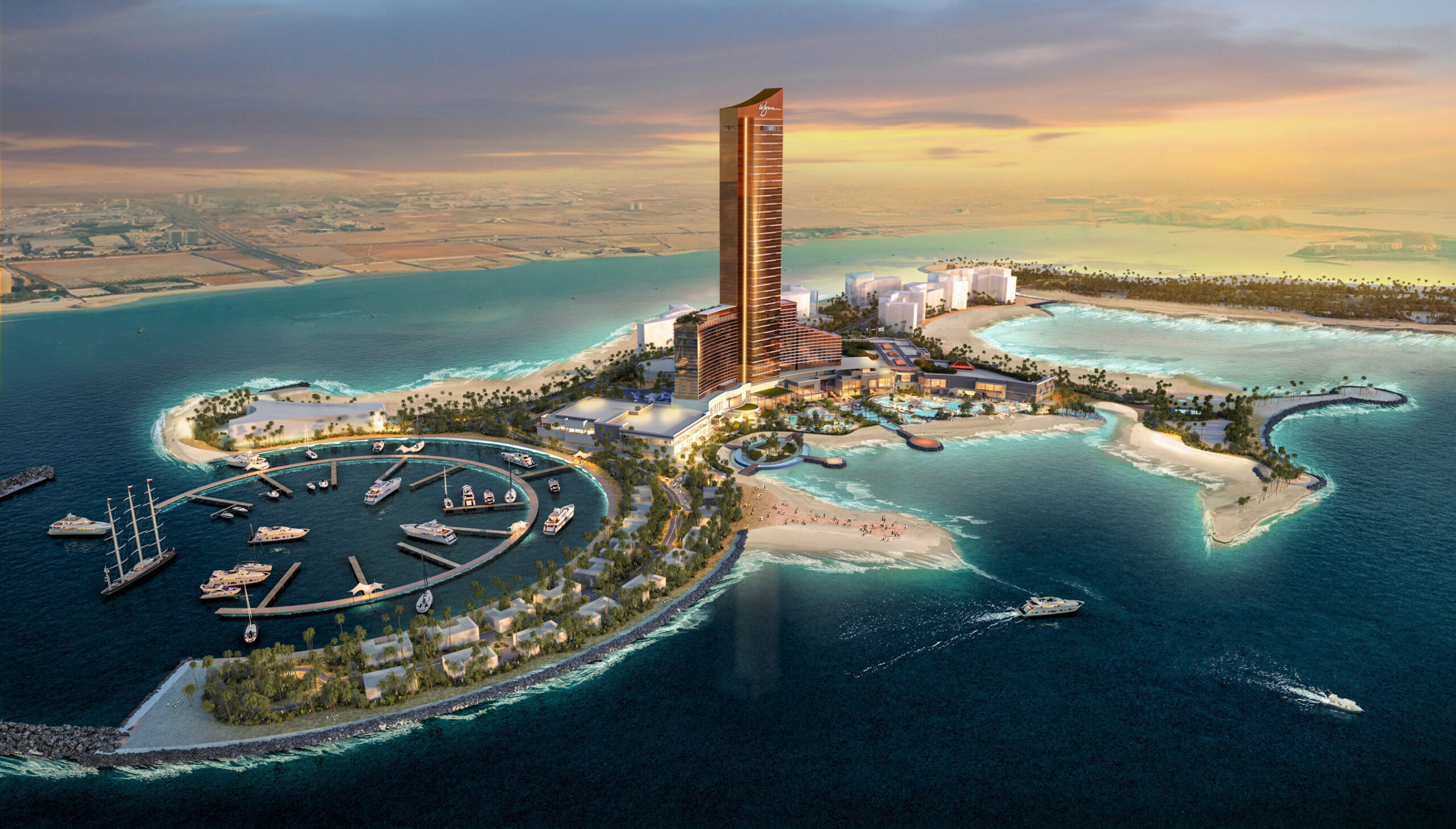
Wynn Resorts has officially received the first gaming license ever granted in the United Arab Emirates (UAE), marking a pivotal moment in the nation’s evolving stance towards regulated gambling. This approval paves the way for the company’s new multibillion-dollar integrated resort, which is currently under construction in Ras Al Khaimah and slated to open by 2027.

This significant development follows months of anticipation regarding the UAE’s potential move toward legalizing gambling, with Wynn Resorts at the center of the speculation. The project, titled Wynn Al Marjan Island, will include a luxury hotel, entertainment venues, and the nation’s first licensed casino, offering a highly curated experience that mirrors the glamour of Wynn’s Las Vegas operations. Wynn Resorts has expressed confidence in its ability to navigate the cultural and regulatory landscape in the region, highlighting that the gaming element will be incorporated sensitively to align with local expectations.

Ras Al Khaimah’s Tourism Development Authority has been instrumental in enabling this venture, introducing a new regulatory framework specifically to manage gaming activities. The Emirate’s regulations, crafted to uphold international standards of compliance, ensure responsible gaming practices are adhered to, with a focus on safeguarding social and economic interests. Ras Al Khaimah’s move appears strategic, aiming to bolster its tourism industry and compete with regional hubs, such as Dubai and Abu Dhabi, that have traditionally attracted tourists for non-gaming entertainment and luxury experiences.

For Wynn Resorts, this project marks its first foray into the Middle Eastern market, a bold step that positions the company as a trailblazer in the region’s nascent gaming sector. While Las Vegas Sands and MGM Resorts have also shown interest in expanding into Middle Eastern markets, Wynn’s success in securing the first license puts it ahead of its competitors.

As discussions about regulated gambling gain momentum across the UAE, it remains unclear whether this approval will set a precedent for future gaming licenses or whether Ras Al Khaimah will maintain its unique status. The UAE has long maintained strict regulations prohibiting gambling, making this decision a watershed moment for the country’s economic and social policies.

The investment is anticipated to bring significant economic benefits, with the resort set to create thousands of jobs and drive tourism to Ras Al Khaimah. Industry experts expect that the integrated resort could attract high-net-worth individuals from across the Gulf region, Europe, and Asia, helping to diversify the Emirate’s economy. This new focus on gaming as part of a broader tourism strategy represents a notable shift in Ras Al Khaimah’s ambitions to compete on a global scale.

Wynn Resorts, which operates successful properties in Las Vegas, Macau, and Boston, has stated that it aims to replicate the high standards of luxury and entertainment that it is known for worldwide. The company remains tight-lipped about the specifics of the gaming offerings, although it has been suggested that the casino will cater primarily to international tourists rather than local residents.

Cycle & Carriage and smart Expand EV Offerings with New Showroom and SUV Coupé SINGAPORE – Media OutReach Newswire – 4 October 2024 – Cycle & Carriage and smart Automobile have announced the official opening of the smart showroom at Level 3 of the Mercedes-Benz Center, located at 301 Alexandra Road. The new showroom features the smart #1 compact SUV and marks the launch of the smart […]

‘Run with ViewQwest’ Challenge Offers Over SGD 20,000 in Cash Prizes Across All Race Categories Challenge invites all non-competitive SCSM runners to join for FREE SINGAPORE – Media OutReach Newswire – 4 October 2024 – ViewQwest is sponsoring the Standard Chartered Singapore Marathon (SCSM) for the third consecutive year, aligning with its commitment to support world-class endeavours in Singapore. The SCSM is recognised as one of the […]

Abu Dhabi National Energy Company (TAQA) has successfully priced its $1.75 billion dual-tranche bond offering, continuing its strategy of leveraging debt to support both its business objectives and environmental commitments. The issuance consists of two portions: a seven-year tranche worth $900 million, maturing in 2031, and a 12-year tranche of $850 million, maturing in 2037. The longer-term bonds come with a coupon rate of 4.75%, while the […]

Dubai’s Roads and Transport Authority (RTA) has lifted the restriction on foldable e-scooters within the Dubai Metro and Tram system, marking a shift in transport policy that comes with a firm set of guidelines. The RTA had initially introduced the ban in March 2024, citing concerns for commuter safety. However, with revised safety protocols in place, e-scooter riders are once again permitted to carry their devices on public transit, provided they adhere to stringent conditions aimed at maintaining safety and order within metro and tram stations.

The decision to relax the ban coincides with an increase in the popularity of e-scooters as a convenient mode of transport, especially for the last-mile commute in Dubai’s growing urban landscape. Foldable e-scooters have now been given the green light, provided they meet specific criteria set by the RTA. These scooters must be no larger than 120cmx70cmx40cm and weigh no more than 20kg. Additionally, they must be folded and placed in designated areas when inside stations or on public transport. This move comes as part of Dubai’s broader strategy to enhance eco-friendly transportation options, integrate diverse mobility solutions, and alleviate congestion in high-density areas.

Safety, however, remains a top priority. The new rules emphasize that riding e-scooters inside stations or on public transport is strictly prohibited, with the RTA reiterating that passengers must fold their scooters upon entering metro or tram premises. Failure to comply with these rules could lead to penalties, as part of the city’s drive to maintain high safety standards in public areas.

This policy adjustment reflects Dubai’s commitment to promoting sustainable transport, aligning with global trends that see cities embracing micro-mobility solutions. With e-scooters gaining traction in urban areas worldwide, especially in Europe and the US, cities are increasingly adopting frameworks to ensure these devices coexist safely with other forms of transport.

RTA’s renewed focus on safety is also evident in the broader context of its micro-mobility regulations. In addition to the size and weight restrictions, users are reminded that scooters must meet specific technical standards, such as brake functionality and proper lighting. Moreover, the RTA has announced that it will continue to monitor compliance and may introduce further updates to these regulations as necessary.

This regulatory shift follows a period of deliberation and review after the initial ban was imposed earlier this year. Public feedback and input from safety experts were reportedly considered in developing the new rules, ensuring that e-scooters can be integrated into the city’s public transport network without compromising the safety of metro and tram passengers.

By lifting the ban and putting these guidelines in place, Dubai joins a growing number of global cities that are actively working to incorporate micro-mobility solutions into their transport networks. It is yet another step in Dubai’s transformation into a smart city, enhancing the quality of life for residents by providing more flexible and sustainable transport options.

For e-scooter users, the easing of restrictions offers new convenience, particularly for commuters looking to bridge the gap between metro stations and their final destinations. As this mode of transport continues to evolve, the RTA is expected to remain vigilant in enforcing safety measures and adapting to the needs of a rapidly changing urban mobility landscape.

Advertisements

DUBAI, UAE – EQS Newswire – 4 October 2024 – The 10th World Green Economy Summit (www.WorldGreenEconomy.org) hosted a high-level roundtable that featured HE Surangel Whipps Jr, President of Palau; HE Dr Amna bint Abdullah Al Dahak, UAE Minister of Climate Change and Environment; HH Abdulla Balalaa, Assistant Minister for Energy and Sustainable Affairs at the UAE Ministry of Foreign Affairs; Dr Mahmoud Fathallah, Director of the […]

Abu Dhabi’s Abu Dhabi Holding Company (ADQ) has joined forces with EQTY Lab to introduce ClimateGPT, an innovative artificial intelligence tool aimed at addressing climate change challenges. The collaboration emphasizes the commitment of both organizations to leverage cutting-edge technology in the pursuit of sustainability and climate resilience. ClimateGPT is designed to provide actionable insights and recommendations to policymakers, businesses, and communities, facilitating more informed decision-making in the […]

SINGAPORE – Media OutReach Newswire – 4 October 2024 – As MotoGP™ marks its 75th anniversary in 2024, MOTUL Asia Pacific proudly celebrates its longstanding role at the centre of motorsports alongside its title sponsor of MotoGP™ Japan 2024. Since the 1950s Motul has been a key player in motorcycle racing, continuing its legacy of supporting motorsports with cutting-edge lubricant technology. Their innovations have powered iconic racing […]

Private jets provide passengers with a high level of luxury and convenience, but choosing the right aircraft can be extremely overwhelming, especially with the range of options available. From nimble light jets to well-stocked long-range models, each category serves unique travel needs and customer preferences. This guide navigates the world of private aviation, breaking down popular jets by size and capability. We’ll explore their features, costs, and […]

Masdar, the renewable energy subsidiary of Abu Dhabi’s Mubadala Investment Company, is experiencing accelerated growth in the United States, reflecting the country’s increasing commitment to clean energy. The company’s expansion strategy in the US has been underscored by its recent projects, significant investments, and partnerships aimed at enhancing its renewable energy capacity, particularly in solar and wind energy sectors. This momentum coincides with the US government’s focus […]

KUALA LUMPUR, MALAYSIA – Media OutReach Newswire – 4 October 2024 – Trading in the financial markets offers a valuable opportunity for supplementary income. Still, there is a caveat: the learning curve can be steep for new traders, which, combined with high ambitions, can result in a frustrating experience. Octa, a global broker with more than 13 years in the markets, offers some time-proven tips for traders […]

Dubai’s booming real estate sector, characterized by record demand and competitive opportunities, is posing mounting challenges for developers seeking prime land. According to Reef Luxury Developments CEO, Samer Ambar, securing high-value plots has become a significant hurdle as the market continues to grow, attracting a diverse array of investors from around the globe. Ambar’s insights come at a pivotal moment for Dubai’s real estate market, which has […]

Dubai has maintained its position as the world’s top destination for greenfield foreign direct investment (FDI) projects in the first half of 2024, solidifying its leadership in global markets. The city attracted a high volume of investments, surpassing all other major financial hubs globally. These investments, particularly in greenfield projects, continue to play a significant role in driving the city’s economic diversification and positioning it as a […]

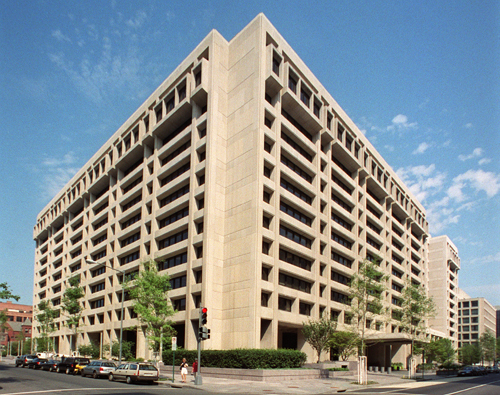
The International Monetary Fund (IMF) has raised serious concerns over the potential economic fallout from the escalating conflict in the Middle East. As violence spreads and tensions rise, the conflict threatens not only the region’s stability but also the global economy, particularly through disruptions in energy supplies, trade routes, and investor confidence.

The war in Gaza has intensified, drawing in multiple countries and raising fears of broader regional involvement. The IMF’s latest assessments highlight the possibility of severe economic impacts, particularly on energy markets. With the Middle East responsible for a significant portion of the world’s oil production, any disruptions could lead to increased volatility in oil prices. The IMF warned that sustained conflict could push oil prices higher, potentially surpassing $100 per barrel, a figure already approached during earlier hostilities this year. This price surge would have far-reaching consequences, especially for oil-importing nations, straining budgets and intensifying inflationary pressures.

Global financial markets have already shown signs of nervousness. Investors, traditionally wary of instability in key regions, have begun reallocating assets, with several stock indices experiencing sharp drops. Analysts suggest that if the conflict escalates further, the damage could spread beyond energy markets, affecting sectors such as manufacturing and technology that rely heavily on supply chains running through or near conflict zones.

The IMF’s mission chief underscored that while oil prices are the most immediate concern, the broader economic picture is equally troubling. Trade disruptions, particularly in critical shipping lanes like the Suez Canal, could severely impact the flow of goods, exacerbating the already fragile global supply chains. For nations in the region, the toll could be devastating. Countries like Lebanon and Egypt, already grappling with economic crises, could face further destabilization, compounding their debt issues and putting millions more at risk of poverty.

While energy exporters such as Saudi Arabia and the UAE may temporarily benefit from higher oil revenues, the broader economic instability could erode those gains, particularly if conflict spreads further across the region. Additionally, prolonged unrest could deter much-needed foreign investment in the Gulf region, which has been aggressively pursuing diversification away from oil dependency.

The IMF’s warning also extends to food security concerns, as the Middle East plays a crucial role in global grain trade. Egypt, for instance, is one of the world’s largest wheat importers, and disruptions to shipping could lead to shortages and price hikes. This would disproportionately affect lower-income nations, already struggling with inflationary food costs and economic stagnation.

As the situation continues to evolve, the IMF has urged regional governments and the international community to take immediate steps to prevent further escalation. In addition to diplomatic efforts, the IMF is advocating for emergency economic measures to protect the most vulnerable economies. These include securing financial aid, stabilizing food supply chains, and safeguarding energy markets from excessive speculation.

However, the global response remains uncertain. While Western powers and international organizations have expressed concern, efforts to mediate the conflict have so far been limited. The longer the fighting continues, the higher the economic risks become, making it crucial for governments to work towards de-escalation before the crisis spirals further out of control.

Focusing on OTC Trading, Security Token Offerings, and Real-World Asset Tokenization HONG KONG SAR – Media OutReach Newswire – 4 October 2024 – Hong Kong Virtual Asset Exchange (HKVAX) has obtained Type 1 (dealing in securities) and Type 7 (providing automated trading services) licences from the Securities and Futures Commission (SFC), along with the Anti-Money Laundering and Counter-Terrorist Financing Ordinance (AMLO) licence to operate a virtual asset […]

The 15th edition of IGEM will bring together thought leaders worldwide to share breakthrough technologies and strategies for achieving net zero emissions. KUALA LUMPUR, MALAYSIA – Media OutReach Newswire – 4 October 2024 – The International Greentech & Eco Products Exhibition and Conference Malaysia (IGEM) returns for its landmark 15th edition from 9 to 11 October 2024. As one of Southeast Asia’s largest green technology showcases, IGEM […]

BANGKOK, THAILAND – Media OutReach Newswire – 1 October 2024 – Being a part of the non-oil business unit of PTT Oil and Retail Business Plc. (OR), Café Amazon has developed its fame at a small corner of PTT Station for a meeting place to those who are fascinated with coffee flavors. Over two decades, it has grown up to the brand that successfully builds up a […]

Guests can also look forward to refreshing ways to enjoy their favourite cuppa under Citadines brand signature ‘For the Love of Coffee’ SINGAPORE – Media OutReach Newswire – 1 October 2024 – The Ascott Limited (Ascott), the lodging business unit wholly owned by CapitaLand Investment (CLI), today announced a global brand partnership between its Citadines brand and ClassPass, a monthly subscription service providing members access to the […]

Archicad users can design sustainable and better-performing buildings in less time with intelligent digital design solutions SINGAPORE – Media OutReach Newswire – 3 October 2024 – Graphisoft, the leading developer of Building Information Modeling (BIM) software solutions for architecture and multidisciplinary design, announced its latest product lineup today, including significant feature updates to Archicad, BIMcloud, BIMx, and DDScad. The newest version helps architects and engineers design sustainable […]

India stands at the cusp of an AI-driven revolution, a transformation led by its burgeoning software-as-a-service (SaaS) market and a rapidly growing talent pool in artificial intelligence. As global demand for AI-based solutions intensifies, India’s developers are crucial to harnessing this opportunity. The country’s tech landscape is expanding with AI start-ups, cutting-edge research, and AI-powered platforms, yet a significant gap remains: a shortage of highly specialized developers needed to accelerate this transformation.

The Indian SaaS sector is uniquely positioned to benefit from artificial intelligence. As businesses worldwide shift towards cloud computing and automation, Indian companies are emerging as key players in delivering scalable AI-powered solutions. Indian SaaS firms have been instrumental in providing software that caters to a wide array of industries, from healthcare to financial services, retail, and logistics. AI integration into these sectors can provide enhanced decision-making capabilities, process automation, and predictive analytics. But the key enablers for such integration are India’s developers, who must possess the requisite skills to drive innovation.

India already has a solid base of AI talent, with thousands of engineers graduating from prestigious institutions every year. These developers are skilled in areas like machine learning, natural language processing, and computer vision. However, many experts believe that a gap still exists between the number of developers available and the demand for highly specialized talent in AI development. As artificial intelligence becomes more sophisticated, businesses require developers who can design complex AI models, scale algorithms efficiently, and apply AI to solve real-world problems. Closing this gap is critical to ensuring that India remains a global leader in AI innovation.

Many challenges hinder the development of a more robust AI developer ecosystem in India. The skill gap is one of the foremost concerns, especially as AI evolves into more complex fields like deep learning, generative adversarial networks, and reinforcement learning. These advanced concepts require developers to be fluent not only in programming languages but also in mathematical modeling, data science, and statistical analysis. While India produces a significant number of developers each year, few receive formal training in such advanced AI technologies. Bridging this educational divide is essential to boosting India’s competitiveness in AI.

A lack of industry-relevant exposure for developers remains a bottleneck. Much of the AI research happening in academic institutions does not always translate into industry-ready applications. Many developers, while skilled in theory, lack practical experience with large-scale AI projects or are unfamiliar with integrating AI solutions into business ecosystems. This disconnect between academia and industry must be addressed through greater collaboration between educational institutions and the corporate sector. Providing developers with opportunities to work on real-world AI projects, whether through internships, mentorship programs, or partnerships with tech companies, is essential.

Another barrier to strengthening India’s AI developer community is the challenge of retaining talent. With the global demand for AI professionals skyrocketing, Indian developers often find themselves being recruited by foreign companies. This talent drain means that many of India’s most skilled AI developers leave the country to work on high-profile projects abroad. While this is a testament to the strength of India’s tech talent, it also creates a vacuum domestically. Indian companies must create environments that foster innovation and offer competitive compensation to keep talent from leaving. Moreover, providing opportunities for continuous learning and professional growth will ensure that developers remain engaged and invested in contributing to the AI landscape in India.

Building a strong AI developer community also requires investment in infrastructure and resources. Developing AI solutions requires access to vast amounts of data, computing power, and sophisticated tools for model building and testing. Start-ups and smaller companies, especially in the SaaS sector, may not have the necessary resources to invest in these technologies on their own. Government initiatives and public-private partnerships can help by providing grants, funding research, and setting up AI innovation hubs where developers can collaborate on projects. Creating a supportive ecosystem where developers have access to the tools they need is vital for fostering AI innovation.

One of the most promising areas of growth for India’s AI sector is the integration of AI into traditional industries like agriculture, manufacturing, and healthcare. These sectors are ripe for disruption through AI-powered technologies, whether by using predictive analytics for crop yields, automating manufacturing processes, or deploying AI-driven diagnostics in healthcare. However, for this transformation to occur, developers must be equipped to work with industry-specific data and understand the unique challenges these sectors face. Investing in upskilling programs that target AI applications in these sectors could significantly boost India’s AI capabilities and ensure that developers can build solutions tailored to the needs of these industries.

Another challenge that India’s developer community must overcome is ensuring ethical and responsible AI development. As AI becomes more pervasive, concerns about privacy, data security, and algorithmic bias have become increasingly prevalent. Developers play a crucial role in addressing these concerns by designing AI systems that are transparent, fair, and accountable. This requires a deep understanding of the ethical implications of AI and a commitment to developing technologies that benefit society as a whole. Training developers to approach AI development with these ethical considerations in mind will be key to ensuring that India leads in the responsible deployment of AI technologies.

The role of government policy in shaping India’s AI future cannot be overstated. Encouraging innovation in AI development requires regulatory frameworks that strike a balance between fostering innovation and protecting public interests. Policies that promote AI research, provide funding for start-ups, and incentivize companies to invest in AI development will help create an environment where developers can thrive. Furthermore, government support for AI education initiatives, whether through funding universities or creating AI-specific learning modules for schools, can help nurture the next generation of AI developers.

India’s strong cultural affinity for education and technology positions the country to capitalize on the AI boom, but this potential will only be realized if the developer community is nurtured and supported. The demand for AI-driven business solutions is set to grow exponentially, and the SaaS market is well-placed to ride this wave. However, without a strong developer base, India risks falling behind in the global AI race. Investing in education, infrastructure, industry collaboration, and ethical AI practices will be critical in closing the skill gap and ensuring that India can fully leverage the power of artificial intelligence.

The global AI race is intensifying, with countries around the world vying for leadership in AI innovation. While India has established itself as a key player in the global tech landscape, maintaining its edge in the AI sector will require sustained efforts to build a stronger developer ecosystem. The demand for AI professionals is increasing, and as businesses move towards more advanced AI technologies, the need for highly specialized developers will become even more pronounced.

Cloud backup provider Eon has emerged from stealth mode, securing $127 million in funding as it aims to redefine the management of cloud backup systems. This next-generation startup is leveraging its expertise in cloud migration and disaster recovery to introduce innovative solutions in a rapidly growing market, where data security and management have become critical for organizations worldwide. Founded by experienced entrepreneurs Ofer Ehrlich, Ziv Stein, and […]

Amazon.sg Prime members can enjoy incredible savings on popular brands, including SMEG, Sennheiser, Mattel and Spectra, from 8 to 13 October SINGAPORE – Media OutReach Newswire – 3 October 2024 – (NASDAQ: AMZN) — Amazon Singapore is gearing up for Amazon Prime Big Deal Days, running from 8 to 13 October, by unveiling thousands of deals exclusively for Prime members from top local and international brands, and […]

VISHNU RAJA
RYO YAMADA
HITORI GOTOH
IKUYO KITA