Just in:
Emirates Group records AED 4.1 billion half-year profit // Xi Jinping Preparing For A Trilateral Summit With Trump And Putin At APEC Summit On Nov 18-19 // Ousted top Kochi cop gets IG post // Emaar approves Development buyout ahead of planned delisting // Geely’s i-HEV Intelligent Hybrid Technology Offers a New Direction for Gasoline-Powered Vehicles // UK air traffic outage inflicted £33m financial losses // Miss Universe Hong Kong Jen Zhou Departs for Puerto Rico to Compete in the 75th Miss Universe World Final // Dubai boat show confirms international shipyard line-up for November // Millions Of Indians May Soon Be Deprived Of Government Assistance // Beyond the exhibition floor: How robots, AI and networks are moving into the real world // The “1st Greater Bay Area Health and Longevity Summit & Awards Ceremony” concludes successfully in Macao // OpenAI identifies 948 Linux privilege escalation flaws using AI // CR Longdation Aethereal Cybersecurity × Global Cybersecurity Alliance (GCSA) Join Hands to Establish the “AI and Cybersecurity Research Centre” // OpenAI introduces GPT-6 Cyber with restricted security access // Private varsities bill all set to face the axe // e-Crime Bureau Signs Cybersecurity Partnership With Smart Africa, Reinforcing Its Global Expansion // Meraas showcases five residential zones at Dubai Design Week // Dubai details five-year visa benefits for returning visitors // Trump’s Iran War Has A Share Of Contribution To His Midterm Debacle // APT29-linked campaign exploits outdated Apple and Android software //

News related to
world

Dubai is a global icon of rapid urban transformation, evolving from a quiet desert town into a bustling international metropolis in just a few decades. Behind this remarkable growth lies a network of services enabling the city’s expansion and mobility. Among these, moving companies in Dubai are key players, ensuring seamless transitions for residents, businesses, and global professionals. The Unprecedented Growth of Dubai Population Growth and Urban […]

Dubai has unveiled the world’s largest mosaic artwork, an extraordinary tribute to the UAE’s Founding Fathers, Sheikh Zayed bin Sultan Al Nahyan and Sheikh Rashid bin Saeed Al Maktoum. This monumental piece, spanning 50 meters in length, is located at the Dubai International Financial Centre (DIFC) Gate, an iconic site in the city. The artwork commemorates the vision and leadership that shaped the nation, immortalizing the founding leaders in a bold and innovative display.

The mosaic, designed by Emirati artist Maitha Demithan, fuses both traditional art forms and modern technology. Demithan’s work combines intricate photographic imagery and contemporary artistic techniques, creating a three-dimensional visual experience. This piece prominently features historic photos by renowned photographer Ramesh Shukla, whose work has documented the UAE’s evolution over the past five decades.

Shaima Al Suwaidi, Director of Brand Dubai, highlighted that the artwork serves as a symbol of national unity and collective achievement. The installation is part of the #ZayedAndRashid campaign, which is aligned with national celebrations such as Flag Day and Eid Al Etihad, marking significant milestones in the UAE’s history.

The artwork also embodies the nation’s ongoing progress, set against the backdrop of Dubai’s modern skyline. By showcasing the two leaders against this backdrop, the piece highlights the enduring legacy of their leadership in shaping the UAE’s transformation into a global hub.

Morocco’s central bank has confirmed that it is preparing legislation to integrate cryptocurrencies into the country’s legal framework, marking a significant shift in its financial strategy. Abdellatif Jouahiri, the Governor of Bank Al-Maghrib (BAM), announced that the regulatory framework has been finalized and will be subjected to discussions with industry stakeholders before legislative implementation. This initiative reflects the growing recognition of cryptocurrencies’ potential within the global economy, particularly in emerging markets like Morocco.

The proposed regulations aim to define and contextualize cryptocurrencies in a manner suitable for Morocco’s economic and financial environment. The draft bill is expected to balance innovation with necessary safeguards, focusing on protecting individuals while encouraging the development of financial technologies. It also underscores Morocco’s commitment to participating in the digital economy without compromising regulatory oversight. The central bank collaborated with institutions like the International Monetary Fund and the World Bank to develop the guidelines. Insights were also drawn from the regulatory approaches of countries such as France, Sweden, and Switzerland to align the framework with international standards.

Morocco’s stance on cryptocurrency has evolved significantly in recent years. While cryptocurrency trading is currently outlawed in the country, the increasing adoption of digital assets among its population has created a push for regulatory reforms. Reports from Chainalysis indicate that Morocco is one of the fastest-growing cryptocurrency markets in the Middle East and North Africa region, with digital asset ownership rising from 2.4% of the population in 2021 to 3.1% in 2022. This growth mirrors a broader regional trend, as the MENA region recorded a 48% increase in cryptocurrency transaction volumes between mid-2021 and mid-2022.

The legislation’s introduction aligns with the country’s broader economic ambitions. Morocco has shown a keen interest in leveraging blockchain technologies, as demonstrated by projects like Soluna, a blockchain-powered wind farm in Dakhla. The farm channels surplus energy into cryptocurrency mining, exemplifying how digital innovations can integrate with traditional sectors such as renewable energy.

The new legal framework also responds to international concerns about the risks associated with cryptocurrencies, such as money laundering and financial instability. By regulating the sector, Morocco aims to mitigate these risks while harnessing the benefits of blockchain technology. This development could attract foreign investments and spur domestic innovation in the fintech space, potentially positioning Morocco as a regional hub for digital finance.

Arabian Post Staff -Dubai Iraqi Prime Minister Mohammed Shia al-Sudani met with Saudi Arabian Energy Minister Prince Abdulaziz bin Salman and Russian Deputy Prime Minister Alexander Novak in Baghdad to address pressing concerns in global energy markets. The discussions, held on Tuesday, centered on ensuring stability in oil markets, balancing production, and meeting international demand.The high-level talks come at a pivotal moment as fluctuating oil prices and […]

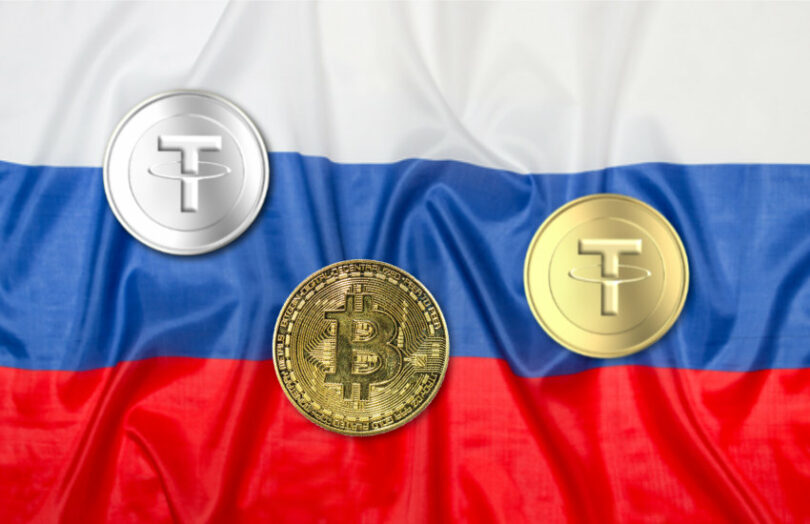
Digital currencies are officially recognized as taxable property in Russia, following legislative amendments approved by the State Duma. This landmark development introduces comprehensive tax rules for cryptocurrency transactions and mining, slated to take effect from January 1, 2025. The amendments represent a significant step in the country’s regulatory approach to digital assets, aiming to streamline income reporting and ensure compliance.

The legislative changes impose a tax of 13% for individual income from cryptocurrency operations, with a slightly higher rate of 15% applicable to non-resident individuals. Additionally, businesses involved in cryptocurrency-related activities will benefit from a value-added tax (VAT) exemption for mining-related transactions. This provision is designed to encourage greater participation in the crypto-mining sector while fostering a controlled environment for its growth. These measures reflect the government’s effort to balance innovation with the need for robust oversight in the digital economy.

A crucial aspect of the legislation involves the stricter regulation of mining infrastructure operators. Companies in this domain will be required to register and comply with stringent guidelines aimed at curbing illegal activities and ensuring transparency. By regulating these operators, authorities seek to establish a framework that promotes legitimate operations and protects market participants from fraud or exploitation.

The move aligns with Russia’s broader strategy to regulate cryptocurrencies amidst increasing global scrutiny of the sector. Cryptocurrencies, often viewed as tools for money laundering or tax evasion, have prompted governments worldwide to introduce regulations to monitor and manage their use effectively. By categorizing digital currencies as property, Russia not only brings clarity to their legal status but also signals its intention to integrate them into the formal economy.

Market analysts suggest that the taxation framework could encourage crypto-mining firms to operate within the law, as compliance becomes a prerequisite for business continuity. This development is especially significant for Russia, which is among the leading countries in crypto-mining due to its vast energy resources and favorable climate. The regulatory measures are expected to attract domestic and international players seeking stability and legal certainty in their operations.

The new rules also mandate the disclosure of cryptocurrency holdings and transactions in annual tax filings, creating an accountability system for individuals and entities involved in digital asset trading. Failure to comply with reporting requirements could result in severe penalties, reinforcing the government’s commitment to maintaining integrity within the sector.

Russia’s decision to implement these measures comes against a backdrop of evolving global attitudes toward cryptocurrency regulation. Countries such as the United States and members of the European Union have been advancing similar initiatives, highlighting a collective acknowledgment of the economic potential and risks associated with digital currencies. By joining this regulatory movement, Russia positions itself as a key player in shaping the future of the global crypto landscape.

Despite the optimism surrounding these changes, critics have raised concerns about the potential for overregulation to stifle innovation. Some industry stakeholders argue that the stringent requirements for mining infrastructure operators could create barriers for small-scale participants, thereby consolidating the industry in favor of larger entities. This, they warn, might undermine the decentralized ethos of cryptocurrency and limit opportunities for new entrants.

The effectiveness of these regulations will largely depend on their implementation and enforcement. Ensuring compliance in a rapidly evolving and highly technical sector presents significant challenges, requiring continuous adaptation and investment in oversight mechanisms. Observers emphasize the need for authorities to strike a balance between fostering growth and maintaining control to avoid unintended consequences.

The Guangdong-Hong Kong-Macao Greater Bay Area Listed Companies Summit 2024 Unveils the “Hong Kong—Best Headquarters Choice for Greater Bay Area Listed Companies” Initiative Empowering Mainland Enterprises to Leverage Hong Kong for IPOs and International Growth HONG KONG SAR – Media OutReach Newswire – 26 November 2024 – On November 25, the “Guangdong-Hong Kong-Macao Greater Bay Area Listed Companies Summit 2024,” hosted by the Greater Bay Area Association […]

Let’s start with an unsettling thought: your home has secrets. No, not the charming, quirky kind. I’m talking about the secrets that lurk in the shadows—dust mites partying in your mattress, grime gathering in the grout, and allergens taking up residence in your air vents. You may not see them, but they’re there. And they’re not just freeloading—they’re impacting how you live, breathe, and feel in your […]

Advertisements

Harbour City Shopping Mall in Hong Kong is set to captivate visitors this holiday season with a spectacular lineup of festive attractions, combining art, light displays, and interactive experiences. The renowned shopping center, known for its large-scale holiday celebrations, has revealed a series of events that are expected to become some of the city’s signature attractions this Christmas.

The centerpiece of the celebrations is the mall’s iconic outdoor lighting display. This annual installation has become a major draw for both locals and tourists, transforming the exterior of the shopping complex into a dazzling spectacle. This year’s theme features an innovative mix of cutting-edge LED technology and traditional Christmas motifs, designed to create an immersive holiday experience. The display spans several stories of the building and showcases intricate light patterns that change throughout the evening, inviting passersby to marvel at its grandeur. The festive lights will continue to shine through the holiday season, attracting both photography enthusiasts and families looking for a memorable Christmas outing.

Alongside the lighting display, Harbour City has partnered with internationally acclaimed Japanese artist Tatsuya Tanaka to present a unique miniature art exhibition. Known for his whimsical and imaginative dioramas, Tanaka’s art will offer a fresh perspective on Christmas traditions. His miniature sculptures will bring holiday scenes to life with an unexpected, playful twist, combining familiar Christmas imagery with his signature miniature world. The exhibit will allow visitors to engage with the art in a way that encourages creativity and exploration. Tanaka’s work has previously been showcased in major art venues around the world, and his latest exhibition at Harbour City promises to be another highlight for art lovers during the holiday season.

In addition to the art display, Harbour City is also introducing an interactive Peko’s Candy House, a festive, family-friendly attraction. This installation brings the beloved Japanese character, Peko-chan, to life in an immersive candy-themed environment. Visitors will have the chance to step inside the Candy House, where they can explore a world of sweets and treats, from oversized candy sculptures to Peko-themed merchandise. The Candy House will be designed with vibrant colors and playful elements, making it a perfect spot for families and children to enjoy together. As part of the experience, special events and themed activities will take place, ensuring that there is something for every age group to enjoy.

Harbour City’s festive season also includes various promotions and collaborations with top retail brands, giving shoppers a chance to take advantage of exclusive offers. The mall’s annual Christmas market will feature a selection of international and local vendors offering seasonal gifts, decorations, and artisanal goods. Visitors can browse a variety of high-quality items, making it a great opportunity to find unique presents for loved ones. Special Christmas-themed pop-up stores will also add to the shopping experience, with limited-edition products and festive merchandise from global brands.

The multi-faceted nature of this year’s Christmas celebrations at Harbour City highlights the mall’s commitment to providing a diverse and engaging experience for its visitors. Whether it’s the stunning lighting display, Tanaka’s intricate art, or the whimsical charm of Peko’s Candy House, the mall is set to become a central hub of holiday activities in Hong Kong.

Beyond entertainment, the event underscores the growing trend of experiential retail in Hong Kong, where shopping centers are becoming more than just places to buy goods. This shift towards creating memorable, immersive experiences for visitors has been a key strategy for many leading malls across the region. Harbour City, in particular, continues to be a pioneer in integrating art, culture, and entertainment into its retail offerings.

UAE’s eCommerce Market is expected to reach $11.01 billion in 2024. With the rise of eCommerce, events like Cyber Monday are gaining traction. Cyber Monday is an online shopping event that occurs on the Monday after the Thanksgiving holiday in the US. Let’s understand more about Cyber Monday and the year’s biggest furniture sale. The Origin of Cyber Monday Cyber Monday began in the USA in 2005. […]

Brace yourselves—Donald Trump is back on the scene, and the markets are bracing for impact. If history is any guide, a second Trump presidency could ignite a perfect storm for bonds. Inflationary policies, debt-fuelled spending sprees, and geopolitical curveballs are all in the cards. If you’re clinging to a “safe” bond portfolio, it’s time to wake up and smell the burning yields. Trump doesn’t do things by […]

Exploring the Unique Characteristics of Tsuen Wan and Sha Tau Kok and Presenting Hong Kong’s Diverse Tourism Experience HONG KONG SAR – Media OutReach Newswire – 25 November 2024 – “Design District Hong Kong” (#ddHK) creative tourism project, organised by the Tourism Commission of Hong Kong, is set to return from 12 December 2024 to 14 February 2025, bringing visitors from around the world to explore the […]

SINGAPORE – Media OutReach Newswire – 25 November 2024 – FBS, a leading global broker, celebrates winning the Outstanding Trading Education Asia 2024 award from CFI.co, a prestigious international publication. This award highlights FBS’s commitment to providing cutting-edge, accessible, and impactful trading education to traders of all experience levels across Asia and beyond. FBS Wins Outstanding Trading Education Asia 2024 Award Trading financial markets can be complex, […]

A leading Thai official has underscored the inadequacy of current measures to combat the rising global temperature, emphasizing the need for urgent action at the ongoing UN climate change conference in Baku. Chalermchai Sri-on, Thailand’s Minister of Natural Resources and the Environment, voiced strong concerns about the global response to climate change at COP29, calling on world leaders to prioritize climate financing and effective solutions for the […]

“Engineered for Sustainability: Hong Kong’s Contribution to United Nations Sustainable Development Goals” Showcasing over 40 Sustainable Engineering Projects HONG KONG SAR – Media OutReach Newswire – 25 November 2024 – The Hong Kong Institution of Engineers (“HKIE”) launched an eBook, Engineered for Sustainability: Hong Kong’s Contribution to United Nations Sustainable Development Goals, which introduces Hong Kong engineering industry’s progress towards achieving the United Nations Sustainable Development Goals […]

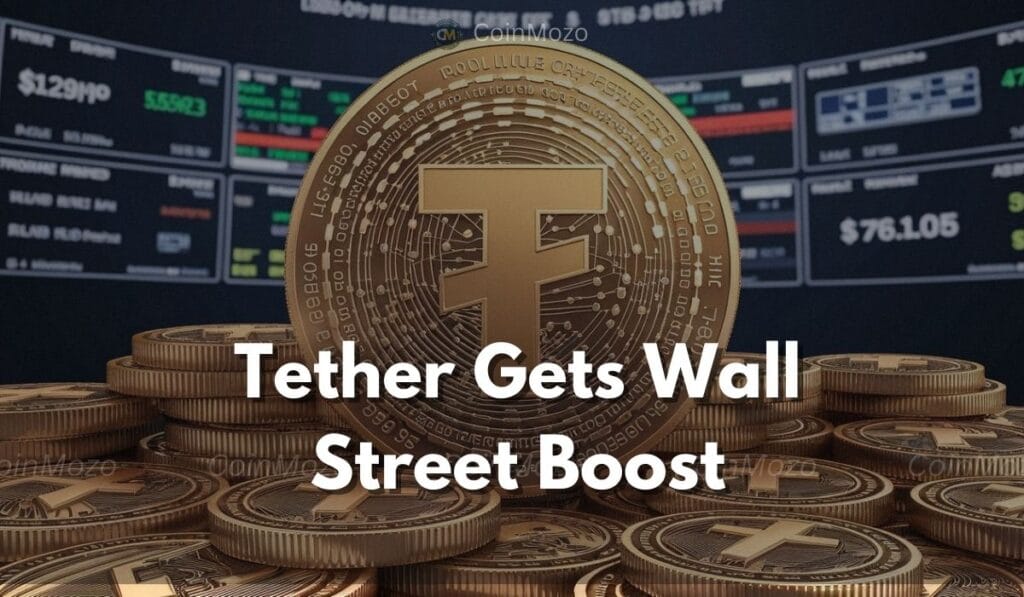
Cantor Fitzgerald, a prominent global financial services firm, is reportedly positioning itself to acquire approximately 5% ownership in Tether Holdings, the issuer of the world’s most widely used stablecoin, USDT. This move is viewed as part of Cantor’s strategy to deepen its foothold in the burgeoning cryptocurrency sector, which has seen a surge in institutional interest and regulatory scrutiny.

Tether, known for its dollar-pegged digital token, has grown into a pivotal entity in the cryptocurrency ecosystem, facilitating billions of dollars in daily transactions. The anticipated investment highlights the increasing convergence between traditional financial institutions and the crypto industry, as players like Cantor Fitzgerald seek to leverage the opportunities within blockchain technology and digital currencies.

Howard Lutnick, Cantor Fitzgerald’s CEO and a longstanding ally of President-elect Donald Trump, is expected to play a dual role in shaping these developments. Lutnick is slated to assume the role of Secretary of Commerce under Trump’s administration, raising questions about the interplay of political and business interests, particularly regarding regulatory landscapes affecting digital assets and related financial technologies.

The reported stake acquisition comes amidst broader crypto-related activities on Wall Street, as firms adopt blockchain solutions to modernize trading and record-keeping processes. Observers note that Cantor Fitzgerald’s history of resilience and adaptation, especially following its recovery from significant losses during the 9/11 attacks, positions it well to navigate the volatile but promising crypto market.

As Tether continues to face regulatory challenges globally, including concerns about its reserves’ transparency and governance, the involvement of a major Wall Street firm could signal a shift in perception and potentially bolster confidence in the stablecoin’s operational integrity. Cantor’s move could also influence other financial institutions to consider strategic investments in digital assets, underscoring a growing acceptance of cryptocurrency as a mainstream asset class.

While details about the terms of the deal remain undisclosed, industry insiders suggest that the partnership could herald increased institutionalization of the cryptocurrency market, fostering closer ties between digital finance innovators and established financial entities. This evolution aligns with a broader narrative of transformation within the financial sector, driven by technological advancements and the global adoption of digital payment solutions.

The anticipated collaboration between Cantor Fitzgerald and Tether may also have implications for regulatory policies under the Trump administration. With Lutnick at the helm of the Department of Commerce, there is speculation about potential shifts in the U.S. regulatory approach to cryptocurrencies and blockchain technologies. Some analysts believe that Lutnick’s involvement could provide Tether with a strategic advantage in addressing regulatory challenges and expanding its market reach.

A prominent shopping center in Bahrain has joined forces with Yellow Door Energy to launch a 4.7 MWp solar power plant, marking a significant step in the kingdom’s efforts to achieve net-zero carbon emissions by 2060. The new solar plant, which will supply clean energy to the mall, highlights Bahrain’s growing commitment to sustainable energy practices and its pursuit of a greener future. This collaboration is part […]

Delta Dunia Group, via its indirect subsidiary BUMA International [1], will expand its presence in the Bowen Basin in Queensland, through a US$455 [2] million proposed acquisition of a 51% interest in the Dawson Complex, one of Australia’s largest metallurgical coal mines. The proposed acquisition further delivers on the Group’s multi-year strategic plan to diversify into a leading coal services provider and producer, leveraging its industry-leading capabilities. […]

Binance has experienced a remarkable surge in stablecoin inflows, with a staggering $10.2 billion flowing into its platform over the past 30 days. This influx highlights the growing importance of stablecoins in cryptocurrency trading and the pivotal role Binance continues to play in this sector.

The surge is primarily driven by traders’ increasing reliance on stablecoins, particularly USDT (Tether) and USDC (USD Coin), to engage in various trading activities such as spot trading, futures, and decentralized finance (DeFi) opportunities within Binance’s extensive ecosystem. The trend signals a shift in trading behavior, with stablecoins now playing an even more prominent role in the daily operations of cryptocurrency markets.

Stablecoins are digital currencies pegged to stable assets like the US dollar, designed to reduce the volatility typically associated with cryptocurrencies like Bitcoin or Ethereum. Their use has grown significantly in recent years as traders and investors seek ways to navigate the fluctuating crypto market while maintaining liquidity and minimizing exposure to market swings. USDT, in particular, has remained the most widely used stablecoin, providing liquidity for a range of trading strategies.

The inflow of such a large volume of stablecoins into Binance further cements its status as a dominant force in the global cryptocurrency ecosystem. Binance’s platform, known for its wide range of services, including spot trading, futures contracts, and DeFi offerings, continues to attract traders looking to capitalize on the benefits of stablecoins. With a user-friendly interface and comprehensive suite of tools, Binance is able to support a variety of trading strategies, from the most basic to complex DeFi protocols.

A significant portion of the stablecoin influx is linked to the growing popularity of decentralized finance (DeFi) projects. DeFi has emerged as one of the most transformative aspects of the crypto space, offering users the ability to trade, borrow, lend, and invest in decentralized markets, often without the need for traditional financial intermediaries. Binance’s DeFi offerings, including decentralized exchanges (DEXs) and lending platforms, have attracted a significant amount of stablecoin liquidity, enabling users to leverage their holdings for greater financial returns.

The stablecoin influx has also been bolstered by Binance’s ability to cater to traders across various regions, providing a platform with global reach. Traders from regions with unstable fiat currencies have increasingly turned to stablecoins as a safe haven, further fueling the demand for USDT and USDC. This shift is reflected in the trading volumes across Binance’s multiple markets, which have seen a significant rise as stablecoins are increasingly used to hedge against currency fluctuations and store value in a more stable form.

Another factor contributing to this trend is the growing adoption of stablecoins by institutional investors. As more hedge funds, family offices, and institutional investors enter the cryptocurrency space, stablecoins have become a preferred medium for large-scale transactions. These investors are attracted to stablecoins’ ability to offer a low-risk, high-liquidity option for large transactions, and Binance is positioning itself as a key player in this market.

Binance’s ability to process such a large volume of stablecoin inflows also speaks to the efficiency of its platform. With advanced liquidity management systems and robust risk controls, Binance can handle vast amounts of capital without significant slippage or disruptions to the market. This is particularly important in the volatile world of cryptocurrency trading, where even small disruptions can have ripple effects across the entire ecosystem.

Despite the positive momentum, some concerns have emerged about the regulatory landscape surrounding stablecoins. As regulators around the world begin to pay closer attention to the growing use of stablecoins, questions about their long-term stability and regulatory treatment are gaining prominence. The U.S. Securities and Exchange Commission (SEC) and other global financial authorities have expressed interest in introducing stricter regulations for stablecoins, which could affect their use in platforms like Binance. However, for now, stablecoins continue to play a critical role in the global crypto trading ecosystem.

Binance’s dominance in the stablecoin space may not go uncontested. Other cryptocurrency exchanges, such as Coinbase, Kraken, and Gemini, are also seeing growth in stablecoin inflows, though none have matched Binance’s sheer volume. The competition among exchanges is likely to intensify as the market for stablecoins continues to expand, with firms racing to offer the best products and services to attract traders.

Binance has maintained its edge in this competitive environment through continuous innovation. Recent updates to its platform, such as the introduction of new trading pairs and features tailored to DeFi users, have enhanced its appeal. Additionally, Binance has introduced a series of initiatives aimed at increasing the accessibility of stablecoins, including support for a wider range of fiat currencies and the integration of various blockchain networks. This flexibility has allowed Binance to remain a leader in stablecoin trading, even as the landscape evolves.


The value of virtual land tokens, such as The Sandbox (SAND) and Decentraland (MANA), is showing promising signs of recovery, as both assets have experienced notable price surges in recent weeks. While these tokens had been overshadowed by the rise of memecoins, there is now an increasing sense of optimism surrounding the future of metaverse-related assets.

For a long period, the NFT market, as part of the broader crypto landscape, struggled to maintain a sustained focus from investors, especially with rising interest in memecoins and other segments like DeFi and gaming. However, a recent resurgence in investor interest seems to be pushing the boundaries for tokens like SAND and MANA, which have seen impressive price movements.

SAND, which is associated with The Sandbox, a prominent player in the metaverse space, recently surged past the $0.96 mark, peaking as high as $1.12. Meanwhile, Decentraland’s MANA has climbed from lows of $0.6 to highs above $1.30, marking significant growth. Despite these advancements, both tokens face the challenge of sustaining momentum and surpassing critical resistance levels.

The renewed price movements in these tokens are being fueled by several factors, including renewed investor confidence and the broader crypto market’s performance, which has shown recovery signs after a period of stagnation. As these projects continue to develop and enhance their virtual worlds, there is potential for the market to become more mainstream, bringing in new investors.

However, the price increases have not come without caution. Analysts note that while the upward trend is positive, both SAND and MANA still face significant hurdles. Specifically, for sustained price growth, they must break above key resistance levels. For MANA, surpassing the $1.48 mark is crucial to further validating the bullish trend, and similarly, SAND needs to push past the $1.80 resistance to trigger further upward momentum.

Despite this cautious outlook, the growing interest in the metaverse and virtual assets suggests that if these tokens can maintain or exceed their current levels, they could very well reach the $1 threshold or even higher in the near future. Additionally, emerging partnerships and platform upgrades within these ecosystems could catalyze further growth.

Abu Dhabi has been selected as the first region in the Middle East and North Africa (MENA) to implement the Enhanced Transparency Framework (ETF) at a subnational level, marking a significant step in the emirate’s climate strategy. This initiative, unveiled by the Environment Agency – Abu Dhabi (EAD), follows the successful introduction of the ETF at a national level by the Ministry of Climate Change and Environment (MOCCAE) in 2023. The move signals a broader commitment to meet international climate goals and bolsters Abu Dhabi’s role in regional and global environmental governance.

The ETF is a cornerstone of the Paris Agreement, which aims to increase accountability and foster a more transparent global response to climate change. It requires countries to provide regular updates on their greenhouse gas emissions, climate mitigation efforts, and progress in adapting to environmental changes. With the launch of the framework on a subnational scale, Abu Dhabi is positioning itself as a pioneer in sustainable governance within the MENA region, demonstrating a growing emphasis on local-level climate actions that align with global objectives.

By implementing the ETF, Abu Dhabi will align its efforts with the Paris Agreement’s transparency provisions, which aim to enhance global cooperation and climate commitments. The initiative involves providing data on emissions reductions, evaluating progress on mitigation strategies, and detailing actions taken to address the adverse impacts of climate change. This transparency will allow both local and global stakeholders to track the progress made and encourage greater accountability.

One of the key elements of this new framework is the establishment of a more rigorous and systematic reporting mechanism that supports better decision-making for climate-related investments and actions. The initiative will provide more precise data on the effectiveness of policies and strategies aimed at reducing carbon footprints. These reports will be made accessible to the public, offering a new level of transparency regarding the emirate’s progress in combating climate change.

Abu Dhabi’s move to implement the ETF at the subnational level comes at a time when the region is facing growing environmental challenges. Rising temperatures, changing weather patterns, and the increasing scarcity of water resources are pressing issues for many MENA countries. In this context, the new framework is not just a tool for global compliance but an essential part of the city’s broader efforts to enhance its resilience to climate change.

This initiative also aligns with Abu Dhabi’s broader sustainable development goals, which include reducing the city’s carbon footprint, increasing renewable energy adoption, and promoting green technologies. As part of the UAE’s long-term strategy, the implementation of the ETF will complement the nation’s efforts to meet its ambitious targets for reducing carbon emissions by 2030 and achieving net-zero emissions by 2050.

Abu Dhabi’s adoption of the ETF on a subnational level serves as a model for other cities and regions across MENA. The emirate’s leadership in this space is expected to inspire neighboring countries and cities to follow suit and adopt similar transparency frameworks. It also highlights the role that local governments can play in advancing global climate goals, especially in regions where national-level initiatives may face more significant challenges due to political or economic factors.

For Abu Dhabi, the ETF is not only a tool for accountability but also an opportunity to attract international investment in climate technology and sustainable infrastructure. As businesses and governments worldwide increasingly demand transparency in environmental practices, cities with robust climate frameworks will likely see a rise in green investments. Abu Dhabi’s early adoption of the ETF positions it as a leader in attracting such investment, further cementing its role as a global hub for sustainability and innovation.

The successful implementation of the ETF in Abu Dhabi will also have ripple effects in other key sectors of the economy. In particular, industries such as construction, transportation, and energy will need to align their operations with the new reporting standards. The city’s shift towards transparent climate practices may prompt major changes in corporate strategies, encouraging private sector companies to adopt cleaner technologies and enhance their environmental stewardship.

The introduction of the ETF is expected to foster increased collaboration between public and private sector stakeholders. Governments, businesses, and civil society organizations will need to work together to ensure the smooth implementation of the framework, sharing data, best practices, and strategies for climate action. This collaborative approach will be crucial in helping Abu Dhabi meet its long-term climate goals while driving innovation in sustainability.

While the ETF will undoubtedly present challenges—particularly in terms of data collection, monitoring, and reporting—Abu Dhabi’s existing climate infrastructure, supported by the EAD and other local agencies, places the city in a strong position to succeed. Additionally, the emirate has a track record of leadership in environmental policy, with notable initiatives such as the Masdar City project and the development of solar energy capacity. These past successes provide a solid foundation upon which to build more transparent, data-driven climate actions.

Upbit, South Korea’s largest cryptocurrency exchange, witnessed a significant surge in its trading activity over the weekend, reaching a trading volume of $14 billion on both Saturday and Sunday. This level of activity equaled the entire trading volume of the country’s stock market during the same period, marking a pivotal moment for the digital asset exchange.

The surge in trading on Upbit highlights the growing demand for cryptocurrency trading in South Korea, a nation that has become one of the most active markets for digital currencies. The figures underscore the increasing role of cryptocurrency exchanges in global financial markets and the rapid integration of digital assets into mainstream financial systems.

Upbit’s performance is indicative of a broader trend in the cryptocurrency industry. As more institutional investors and individual traders turn to digital currencies, the trading volumes of leading exchanges like Upbit have soared. On any given day, Upbit processes billions in trades, and its weekend performance stands as a testament to the exchange’s dominance in the Korean crypto space.

The exchange’s success is driven by a variety of factors, including a robust user base, the increasing adoption of digital currencies, and South Korea’s generally favorable regulatory environment for crypto trading. Despite some regulatory hurdles, the country remains one of the most crypto-friendly nations globally, with clear guidelines for cryptocurrency exchanges and market participants. This environment has fostered the growth of exchanges like Upbit, which have capitalized on the rising demand for crypto trading.

Over the last few years, Upbit has expanded its offerings, including trading services for a wide variety of cryptocurrencies, from established coins like Bitcoin and Ethereum to lesser-known altcoins. This extensive selection has attracted a broad range of users, from novice traders to seasoned investors, all eager to capitalize on the growing interest in digital assets.

In addition to its diverse range of cryptocurrencies, Upbit has invested heavily in user experience and security. The platform has implemented a range of measures to protect users’ funds, including robust encryption, two-factor authentication, and a dedicated security team that monitors transactions in real-time. These efforts have helped Upbit maintain its reputation as one of the safest and most reliable exchanges in the region.

While Upbit’s success is undeniable, it is also part of a larger global trend that sees cryptocurrencies increasingly viewed as a store of value, an investment vehicle, and even a hedge against inflation. The volatility of the digital asset market has drawn significant attention from both retail and institutional investors, many of whom see crypto assets as a way to diversify their portfolios.

The increased trading volume on Upbit also reflects a broader shift in the financial markets. With global economic uncertainty and concerns about inflation, many investors have turned to alternative assets like cryptocurrencies as a way to safeguard their wealth. The rapid rise in demand for digital currencies in markets like South Korea has encouraged exchanges to innovate and adapt to a rapidly changing landscape.

Upbit’s performance is also a response to the intensifying competition in the global cryptocurrency exchange market. While the exchange is the largest in South Korea, it faces stiff competition from global players like Binance, Coinbase, and Kraken. These exchanges are also vying for market share in Asia, and their presence has raised the stakes for Upbit.

As cryptocurrency trading continues to grow, exchanges like Upbit are expected to face greater scrutiny from regulators around the world. South Korea, while known for its crypto-friendly approach, has been tightening its regulatory stance in recent months. Authorities have imposed stricter measures on crypto exchanges to curb illegal activities, such as money laundering and market manipulation. These developments have spurred concerns among exchanges about potential regulations that could impact their operations.

Despite these challenges, Upbit continues to perform well, maintaining its position as South Korea’s leading exchange. The platform’s ability to withstand regulatory pressures and continue to grow its user base speaks to its resilience and adaptability in a dynamic market.

Reducing waste by collaborating with the World Green Organisation and a local farm to upcycle materials for farming use HONG KONG SAR – Media OutReach Newswire – 25 November 2024 – Mead Johnson Nutrition Hong Kong (“Mead Johnson”) is re-introducing the “We CAN Protect the Future” formula cans recycling program today, inviting parents and the community to join forces in promoting recycling and resource recovery. Additionally, the […]

Eastern Europe is quickly becoming a popular destination for ski enthusiasts seeking a thrilling adventure without the hefty price tag associated with more established resorts in the Alps. Ski resorts in countries like Poland, Slovakia, and Bulgaria are gaining attention as affordable alternatives to the high-end ski destinations in Western Europe. These lesser-known mountains provide an exhilarating experience with much lower costs, making them an attractive option for budget-conscious travelers looking for a mix of adventure and value.

The snow-capped peaks of Eastern Europe offer a diverse range of ski options that rival some of the world’s most renowned destinations. With hundreds of miles of ski slopes, well-developed infrastructure, and stunning views, these regions are poised to capitalize on the growing trend of alternative winter sports destinations. Skiers can expect varied terrain suitable for all levels of expertise, from beginner slopes to challenging off-piste runs. The range of facilities is comparable to those in the Alps, but at a fraction of the cost.

In Bulgaria, the Bansko ski resort has become a standout location, renowned for its mix of traditional culture and modern amenities. Located in the Pirin Mountains, Bansko offers over 70 kilometers of ski slopes, making it one of the largest ski areas in the Balkans. What sets it apart is its exceptional value proposition, offering ski passes, accommodations, and meals that are significantly cheaper than similar services in the Alps. The resort is known for its friendly atmosphere, combining Eastern European hospitality with high-quality ski runs. Visitors are often drawn to the lively après-ski scene, which blends cultural authenticity with vibrant nightlife. Bansko’s reputation has grown steadily over the past decade, attracting both seasoned skiers and newcomers alike.

Neighboring Romania also presents enticing options for winter sports enthusiasts, with its Carpathian Mountains offering a variety of resorts that appeal to different tastes and budgets. Poiana Brașov, for example, is one of the country’s premier ski resorts. It boasts more than 24 kilometers of well-maintained slopes, snowboarding parks, and modern cable cars, all set against a dramatic backdrop of dense forests and medieval villages. Poiana Brașov is renowned for being both a family-friendly destination and a location that provides quality skiing without breaking the bank.

Poland is another Eastern European country with an emerging ski scene. Zakopane, situated at the foot of the Tatra Mountains, has long been a favorite for Polish tourists and is gaining recognition on the international stage. Zakopane offers over 40 kilometers of skiing terrain and a lively après-ski culture that is distinctly Polish. The town is particularly appealing for its picturesque charm, offering a combination of rustic wooden cottages and modern ski resorts. Zakopane’s affordable prices, particularly in comparison to neighboring Austria and Slovakia, have made it a rising star in the Eastern European ski market.

Slovakia, with its well-maintained ski resorts such as Jasná in the Low Tatras, is another destination that offers great value. Jasná, the largest ski resort in Slovakia, is renowned for its high-standard facilities, extensive terrain, and affordability. It has rapidly become a popular choice for those looking to experience skiing in the heart of Europe, offering nearly 50 kilometers of ski slopes and a range of winter activities for visitors of all levels. The resort’s modern amenities and beautiful setting in the Low Tatras National Park make it an attractive alternative to some of the more expensive Alpine resorts.

Despite the increasing competition from other countries, these Eastern European destinations retain a unique advantage: their affordability. In many of these regions, the cost of accommodation, food, and lift passes is significantly lower than in Western European ski resorts. For example, the cost of a ski pass in Bansko can be less than half of what visitors would pay at popular Alpine resorts like Chamonix or Zermatt. Similarly, lodging and dining options in countries such as Romania and Poland are often considerably cheaper, making it easier for families and smaller groups to enjoy a ski holiday without the financial strain that typically comes with top-tier Alpine resorts.

Beyond their affordability, these resorts also offer a different cultural experience that sets them apart from the traditional Alpine destinations. Skiers in Eastern Europe can expect a blend of history, culture, and scenic beauty that is unique to this region. Traditional cuisine, charming villages, and centuries-old castles add a distinctive charm to the ski experience. Eastern European resorts are also known for their hospitality, with smaller crowds and a more relaxed atmosphere than the sometimes over-crowded slopes in Western Europe.

The publishing rights for the action-adventure game *Shenmue 3* have officially shifted to Inin Games, marking a significant change in its distribution and future updates. This development follows a strategic move to expand the reach and availability of the game across various platforms. Inin Games, a company known for its work with retro titles and a growing portfolio, will now oversee the publishing and distribution of *Shenmue […]

VISHNU RAJA
RYO YAMADA
HITORI GOTOH
IKUYO KITA
Just in:
After Reaching 7 Million Users in the Philippines, Skyro Launches Transparent Cash Loans in Malaysia // Ousted top Kochi cop gets IG post // Geely’s i-HEV Intelligent Hybrid Technology Offers a New Direction for Gasoline-Powered Vehicles // Millions Of Indians May Soon Be Deprived Of Government Assistance // Oil advances towards $100 as tanker attacks persist // Emirates Group records AED 4.1 billion half-year profit // Asia Left Behind: Ten international companies have yet to report delivering on their cage-free egg pledges across the region // Hong Kong mandates crypto transaction disclosures to tax authorities // Cloudflare unveils Zero Wire vulnerability intelligence service // Emaar approves Development buyout ahead of planned delisting // e-Crime Bureau Signs Cybersecurity Partnership With Smart Africa, Reinforcing Its Global Expansion // Xi Jinping Preparing For A Trilateral Summit With Trump And Putin At APEC Summit On Nov 18-19 // The “1st Greater Bay Area Health and Longevity Summit & Awards Ceremony” concludes successfully in Macao // APT29-linked campaign exploits outdated Apple and Android software // Technology shares plunge as Nasdaq enters correction // UK air traffic outage inflicted £33m financial losses // Dubai boat show confirms international shipyard line-up for November // Meraas showcases five residential zones at Dubai Design Week // TVM –Mangaluru Vande Bharat claims top spot // OpenAI identifies 948 Linux privilege escalation flaws using AI //