

Sega Sammy Holdings announced a substantial impairment charge against Finnish studio Rovio Entertainment as part of its financial results for the nine months ended 31 December 2025, underscoring challenges in its bid to expand mobile gaming revenue and prompting strategic shifts in its broader gaming portfolio. The company recorded an impairment loss close to US $200 million linked to Rovio’s performance, coinciding with a sharp fall in operating and ordinary income even as total sales grew modestly.
The impairment reflects a reassessment of the acquired studio’s value less than three years after Sega’s US $776 million acquisition, completed in 2023 with the aim of accelerating its mobile presence. Despite slight net sales growth of about 4 per cent to ¥335.2 billion, operating income plunged by more than half to ¥19.8 billion, and ordinary income also slipped around 50 per cent, as weak title performance and intensifying competition took their toll.
Within the Entertainment Contents segment, which includes Sega’s core video game development and publishing operations, operating income contracted by about 31 per cent. New full-price and free-to-play releases failed to ignite strong consumer interest, although existing games maintained steady engagement. Revenue from licensing, subscriptions and animation content outpaced expectations, driven in part by growing interest in Sega’s transmedia properties.
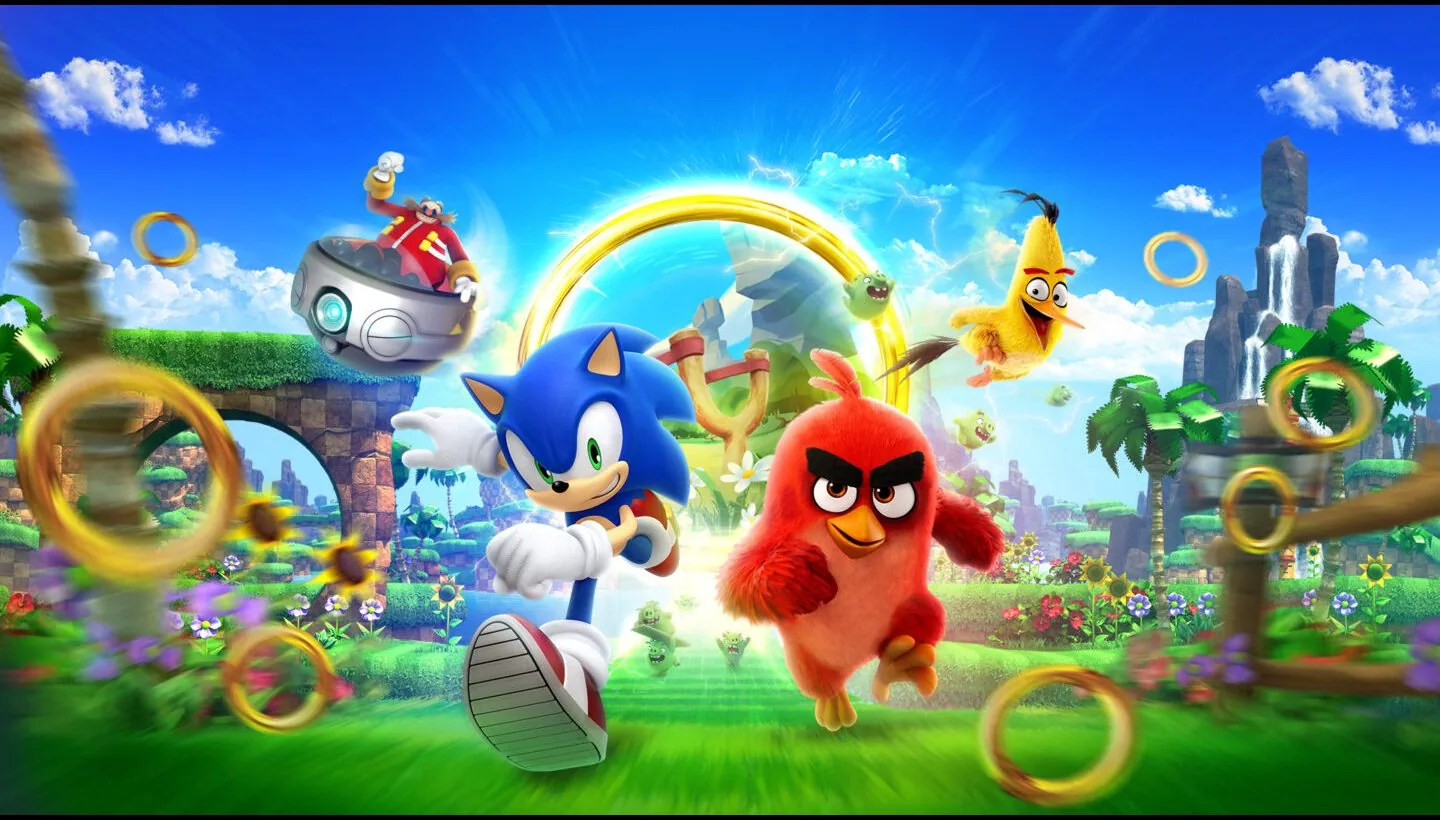
Rovio’s own results were singled out as a key drag on performance. Sega noted that the studio found it difficult to meet its business development goals amid rapid market shifts and heightened competition, particularly in customer acquisition metrics. The mobile game Sonic Rumble, co-developed with Rovio and released during the quarter, underperformed across key performance indicators, including user growth and engagement, compounding pressure on the segment’s overall profitability.
The write-down is recorded against goodwill and other intangible assets tied to Rovio, signalling that the expected future economic benefits from the acquisition have diminished significantly. Sega’s impairment test found the recoverable amount of Rovio’s assets well below prior carrying values, necessitating the extraordinary loss in its quarterly accounts.
Beyond impairment charges, Sega’s adjusted earnings before interest, taxes, depreciation and amortisation tumbled sharply compared with the prior period, reflecting broader earnings weakness even as sales edged higher. Adjusted EBITDA for the period was a fraction of its previous level, underscoring the severity of the decline in underlying profitability across key segments.
Sega’s management has responded by revising its full-year financial outlook, trimming operating profit forecasts while maintaining modest sales growth expectations. The company also indicated a strategic review of its capital allocation approach, with a decision to pause large-scale mergers and acquisitions for the time being and redirect resources, including share buybacks and internal investments, aimed at strengthening existing businesses.
Leadership changes within Rovio’s operations are part of Sega’s effort to stabilise performance, with an industry veteran brought in to oversee daily management. The intention is to sharpen focus on key intellectual properties such as Angry Birds and improve monetisation strategies, including external payment uptake across titles.
Despite setbacks in mobile gaming, certain parts of Sega’s business offered brighter notes. Licensing revenues, tied to gaming franchises and animated content, grew, bolstered by ongoing interest in Sega’s intellectual properties across media formats. The company also reported strength in pachislot and pachinko machine sales, driven by popular new releases in those categories, and gains in North American gaming equipment sales lifted by demand for core titles.
Financial results also reflected broader industry dynamics. Sega cited rapid market evolution, with fierce competition and the emergence of multiple major rival titles intensifying the battle for users in the mobile space. This underscores a wider trend among legacy gaming companies grappling with shifting player preferences and monetisation challenges amid a crowded digital marketplace.
Follow Arabian Post
Select Arabian Post as your preferred source on Google and MSN News for trusted business news and Arab politics and updates.




