

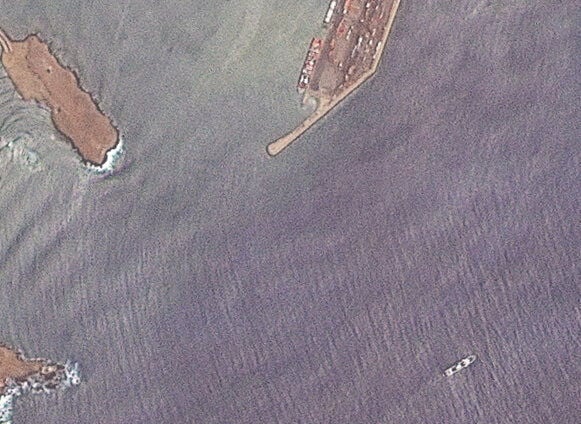
Swiss health authorities have confirmed a hantavirus infection in a man who had travelled aboard the MV Hondius, sharpening international scrutiny of a deadly outbreak linked to the Dutch-flagged expedition vessel now off Cape Verde.
The patient is being treated at Zurich University Hospital, with officials indicating that wider risk to the Swiss population remains low. The case adds a new European dimension to an outbreak that has already killed three passengers and triggered medical evacuations, contact tracing and port-access negotiations across several jurisdictions.
The MV Hondius, operated by Oceanwide Expeditions, had been carrying 147 passengers and crew on an Atlantic itinerary that began in Ushuaia, Argentina, on April 1. The voyage included South Atlantic and polar expedition segments before illness among passengers prompted emergency medical action. The vessel has remained off Cape Verde while authorities and the operator worked through arrangements for evacuation, disembarkation and onward routing.
Health officials have identified the Andes strain of hantavirus in the outbreak investigation. Unlike most hantaviruses, which are generally linked to exposure to infected rodents and their droppings, urine or saliva, the Andes strain is known for rare human-to-human transmission, usually involving close and prolonged contact. That characteristic has raised concern among disease specialists, though public-health agencies have continued to assess the broader population risk as low.
Three deaths have been associated with the voyage, including a Dutch couple and a German passenger. Other suspected or confirmed cases have involved passengers and crew with respiratory symptoms ranging from mild illness to life-threatening complications. A British passenger has been treated in intensive care in South Africa, while additional evacuations have been arranged for patients needing specialist care in Europe.
The Swiss case involves a man who returned after travelling on the vessel. Authorities have not publicly specified the exact dates of his time on board, but his diagnosis has placed Switzerland among the countries now participating in the medical follow-up. Contact tracing is focused on passengers, crew members, cabin contacts and medical interactions during the journey.
Hantavirus infections can develop after an incubation period that may extend over several weeks. Early symptoms often resemble influenza, including fever, muscle aches, fatigue and gastrointestinal complaints. Severe cases can progress quickly to hantavirus pulmonary syndrome, marked by breathing difficulty and fluid accumulation in the lungs. The condition can be fatal without rapid medical intervention.
The outbreak has placed cruise medicine and expedition travel safety under renewed examination. Unlike mass-market cruise liners, expedition vessels such as the Hondius are designed for remote travel, wildlife observation and landings in areas with limited immediate medical infrastructure. That operating model can complicate evacuation, isolation and laboratory confirmation when passengers fall ill far from major ports.
Cape Verde’s caution over port access reflected the challenge of balancing urgent medical needs with domestic public-health concerns. Spain’s Canary Islands emerged as a potential destination for controlled disembarkation and health assessment, though local concerns were reported as officials weighed the requirements for quarantine, medical screening and vessel disinfection.
Oceanwide Expeditions has said it activated emergency protocols, including isolation measures, enhanced hygiene procedures, medical monitoring and coordination with international authorities. The operator has also stated that the exact source of the infections has not been conclusively established. Investigators are assessing whether exposure occurred during land activities in South America, through environmental contamination, or through limited close-contact transmission on board.
Disease experts have stressed that hantavirus does not spread like influenza or Covid-19. Most strains do not pass between people, and even Andes virus transmission requires specific close-contact conditions. That distinction is central to the risk assessment now guiding public-health responses in Europe, South Africa and countries linked to the ship’s itinerary.
Follow Arabian Post
Select Arabian Post as your preferred source on Google and MSN News for trusted business news and Arab politics and updates.




