

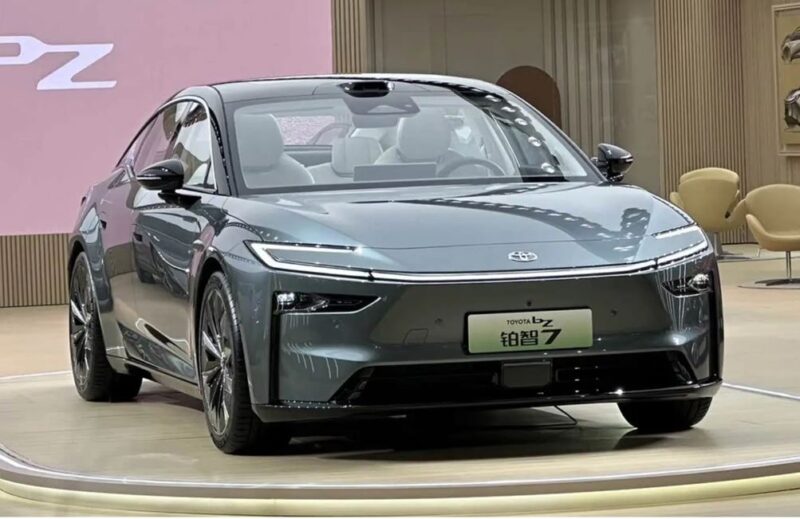
Toyota has partnered with Huawei to integrate the Chinese tech giant’s HarmonyOS in its upcoming electric sedan model. This move marks a significant shift in the automotive industry as the Japanese automaker aligns itself with a technology platform developed by a key competitor to Google’s Android in the connected car space. The decision comes amid growing tensions between the US and China, as well as a rapidly evolving global market where automakers are increasingly dependent on innovative software for everything from vehicle performance to customer experience.
HarmonyOS, launched by Huawei as a competitor to Android, is designed to offer greater security and seamless integration across various devices. While initially developed for smartphones, the system has expanded into a variety of smart devices, including automobiles. Toyota’s adoption of HarmonyOS in its new electric sedan reflects the growing importance of software in vehicles, especially as automakers shift focus to electric and autonomous technologies.
The electric sedan, set to hit the Chinese market first, will benefit from the advanced connectivity and smart features of HarmonyOS, such as AI-based in-car assistants and enhanced user interfaces. This is expected to provide a competitive edge for Toyota as it navigates the increasingly crowded Chinese electric vehicle market, where local companies such as BYD and NIO have already established a strong foothold.
Huawei’s HarmonyOS has faced challenges in gaining international traction, particularly due to its ties to the Chinese government and its exclusion from key US-based app ecosystems. However, the system has found significant success within China, where Huawei has a commanding presence in both telecommunications and consumer electronics. Toyota’s decision to integrate the platform may not only strengthen its position in the Chinese market but also mark a turning point in the global race for automotive software dominance.
While Toyota continues to rely on established partners like Google for its global connected car initiatives, this collaboration with Huawei represents a key step in diversifying its software strategy, particularly in regions like China where local technology is often favoured. As automakers seek to ensure the security and functionality of increasingly digital vehicles, HarmonyOS’s promise of enhanced privacy features could play a crucial role in attracting tech-savvy consumers.
The automotive industry has long been navigating a delicate balance between software development and traditional vehicle manufacturing. Toyota’s embrace of Huawei’s operating system is indicative of the growing reliance on third-party tech companies to provide the kind of high-tech, integrated solutions that are rapidly becoming a standard in modern cars. The partnership also underscores the importance of China as a strategic market for global automakers, with its massive population and burgeoning EV market offering significant growth potential.
This development comes at a time when other major tech players are making inroads into the automotive sector. SK Telecom’s announcement to replace SIM cards in its vehicles after a data breach underscores the growing importance of cybersecurity in connected car systems. Moreover, India’s advancements in satellite docking automation signal a broader trend toward increased integration of autonomous systems in the automotive sector. In China, companies are working toward greener solutions, with efforts to reduce the carbon footprint of data centres becoming a focal point for many technology giants.
With the global automotive industry rapidly evolving, Toyota’s partnership with Huawei places the automaker at the crossroads of software innovation and traditional vehicle manufacturing. The collaboration may not only affect the Chinese electric sedan market but could also set a precedent for future ventures between automakers and tech companies, particularly as the digital landscape of the automotive sector continues to evolve.
Follow Arabian Post
Select Arabian Post as your preferred source on Google and MSN News for trusted business news and Arab politics and updates.



