

Several airlines have expanded their operations over Afghanistan, marking a significant shift in air traffic dynamics in a region characterized by geopolitical instability and ongoing tensions. This development comes in the wake of changing airspace policies and a gradual restoration of air routes previously closed due to security concerns. The resumption of flights has attracted attention from various sectors, including commerce, humanitarian efforts, and diplomatic engagements.
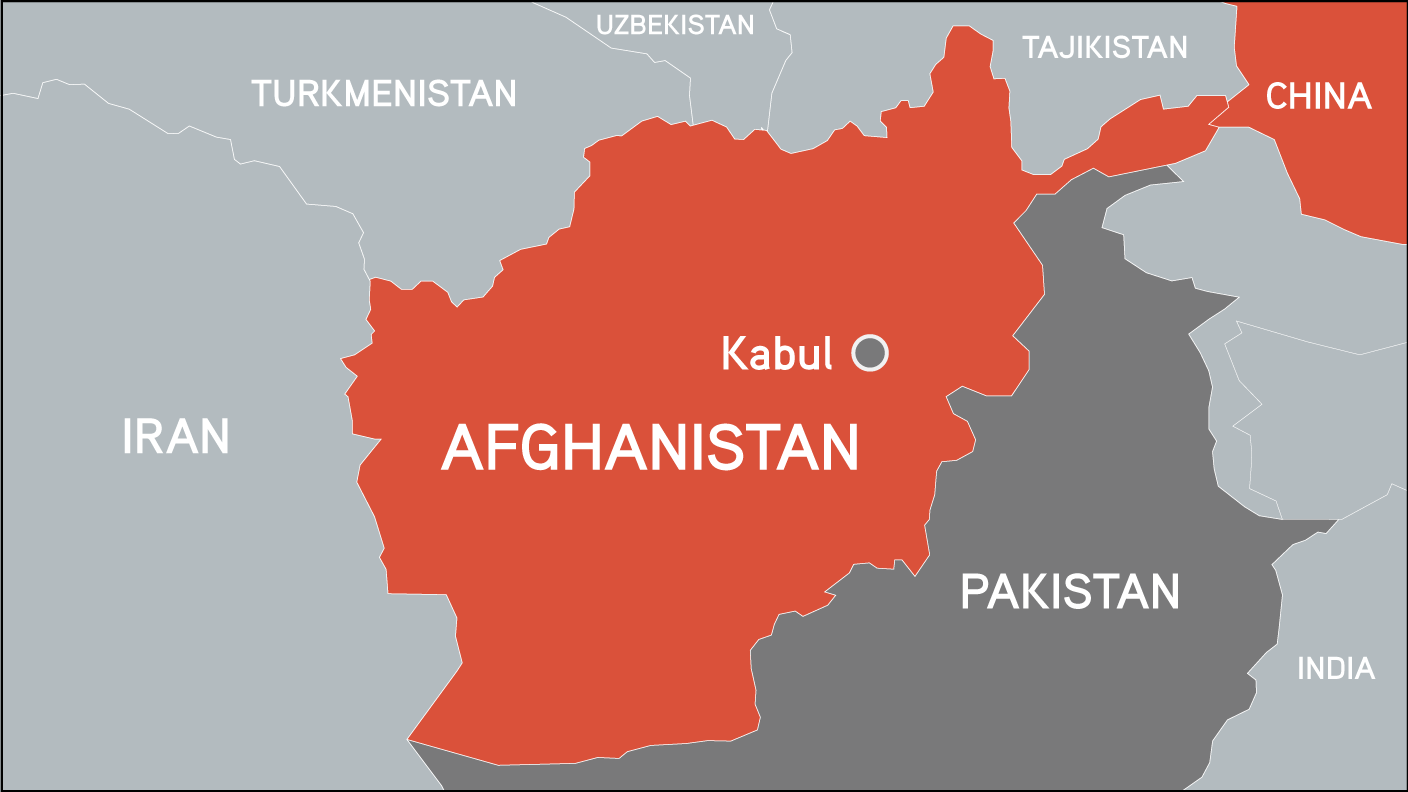
Countries surrounding Afghanistan, including Iran, Pakistan, and Central Asian nations, have been adjusting their airspace management strategies in light of evolving political situations. The increase in airline activity is also a response to heightened demand for air travel within the region. As nations look to enhance connectivity and foster economic ties, airlines are capitalizing on this opportunity, implementing new routes that encompass Afghanistan.
The Taliban’s takeover of Afghanistan in August 2021 sparked fears of escalating conflicts and humanitarian crises. However, airlines are now taking a more optimistic view, as conditions on the ground have stabilized to some extent. The ability to conduct commercial flights over Afghanistan has reopened avenues for trade and tourism, facilitating regional economic growth.
Experts note that this trend signals a cautious optimism among airlines and governments regarding Afghanistan’s future. In discussions with industry analysts, it has been highlighted that maintaining air travel routes is essential for economic recovery and regional stability. The shift in air traffic patterns reflects a broader strategy aimed at integrating Afghanistan into the regional economy while navigating the complex political landscape.
The increase in air traffic has not gone unnoticed by international organizations and governments monitoring the situation in Afghanistan. While airlines expand their routes, concerns remain regarding the humanitarian situation on the ground. The Taliban’s rule has led to significant human rights challenges, particularly for women and minorities. Nevertheless, airlines view their operations as crucial for delivering humanitarian aid and enabling the movement of individuals seeking refuge or support.
Iran has played a pivotal role in facilitating flights over Afghanistan. With its extensive air travel network, Iranian airlines have been among the first to re-establish routes that traverse Afghan airspace. Additionally, flights from Central Asian countries have also increased, reflecting a collaborative effort to enhance connectivity in the region. This resurgence in air traffic is indicative of a broader regional effort to engage with Afghanistan and mitigate the impact of isolation.
While the expansion of air routes may signify progress, challenges persist. Security concerns remain a top priority for airlines, as incidents of violence and instability can disrupt operations and compromise safety. Airlines are implementing robust security measures and collaborating with regional governments to ensure the safety of passengers and crew. This proactive approach aims to build trust and confidence in air travel over Afghanistan.
Market analysts have also noted that this uptick in flights presents opportunities for businesses looking to expand their operations in Afghanistan. The availability of air transport facilitates the movement of goods and services, enhancing trade prospects. Companies in sectors such as construction, agriculture, and telecommunications are exploring avenues for investment, indicating a shift toward economic engagement.
Regional governments are recognizing the potential economic benefits associated with increased airline operations. By fostering a conducive environment for air travel, countries can promote tourism, enhance trade, and encourage foreign investment. This collaborative effort underscores the importance of regional connectivity in addressing economic challenges and promoting stability.
Looking ahead, industry experts anticipate that airlines will continue to assess the evolving political landscape in Afghanistan. Factors such as security, government policies, and international relations will influence their operations. As airlines adapt to these dynamics, the potential for increased connectivity and collaboration within the region remains promising.
Follow Arabian Post
Select Arabian Post as your preferred source on Google and MSN News for trusted business news and Arab politics and updates.




