

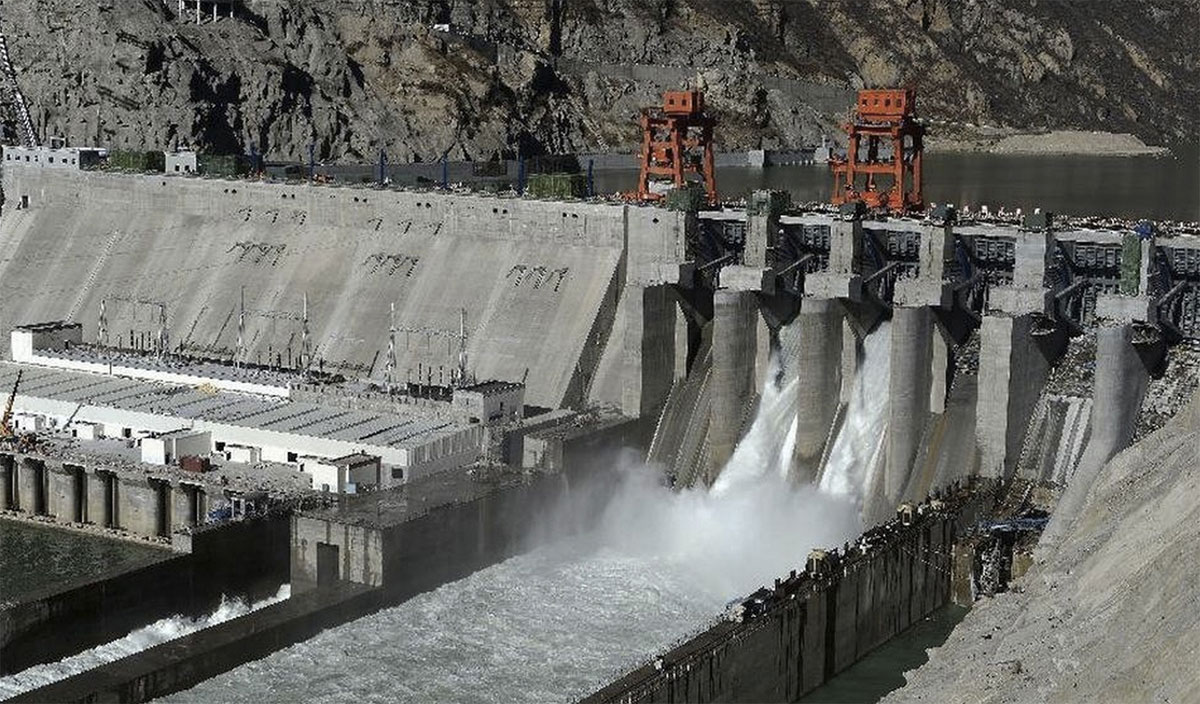
China has officially launched the construction of a massive hydropower project along the Yarlung Tsangpo river, known as the Brahmaputra in India. This new initiative, expected to be one of the largest of its kind globally, has ignited significant debate over its environmental, geopolitical, and economic implications. The hydropower station is a crucial part of China’s long-term strategy to increase its control over water resources in the region and boost its energy supply.
Located in Tibet, the project is designed to harness the Yarlung Tsangpo’s potential as a major energy source. The proposed mega-dam is anticipated to produce electricity on an unprecedented scale, contributing to China’s ambitious goal of transitioning to cleaner energy. However, experts warn that the dam could have wide-ranging effects on the downstream nations—particularly India and Bangladesh—which rely on the river for water and agricultural needs.
The Yarlung Tsangpo originates in the Tibetan Plateau before flowing southward into India and Bangladesh, making it a critical water source for millions of people. The river’s significance has led to increasing tensions between China and its neighbours. India, for instance, has raised concerns over Beijing’s unilateral control over the river’s upstream resources, which could result in reduced water flow for Indian states like Arunachal Pradesh and Assam. This could severely impact agriculture, water supply, and biodiversity in the region.
China, on the other hand, justifies the project as an essential component of its energy diversification plan and a step towards ensuring a sustainable future. The dam is expected to meet growing energy demands, particularly in Tibet and other western provinces. The country has already constructed several smaller dams on the river, and the new project will dwarf them in terms of capacity. However, this unprecedented scale has raised alarms among environmental groups who argue that the dam could lead to severe ecological disruption.
One major concern is the impact on the fragile ecosystem surrounding the Yarlung Tsangpo, which is home to a variety of endangered species, including the Tibetan antelope and snow leopard. The dam will alter the flow of the river, potentially threatening the habitats of these species and disrupting the delicate balance of the ecosystem. Further, large-scale water diversion for hydropower could lead to changes in sediment flow, which may erode downstream landscapes, damage fertile agricultural land, and affect the livelihoods of millions of people.
Experts also warn that the construction of the dam could have a devastating impact on the lower riparian states in South Asia. Bangladesh, for example, is already grappling with water scarcity issues, and any reduction in the flow of the Brahmaputra could worsen the country’s challenges. Furthermore, the dam’s potential to alter seasonal flooding patterns could increase the likelihood of both droughts and devastating floods in the region, exacerbating the socio-economic instability of affected areas.
The project has raised diplomatic tensions between China and India. Relations between the two countries have been strained in recent years, with territorial disputes and military standoffs adding to the complexity of the situation. The Yarlung Tsangpo project further complicates these dynamics, with India voicing concerns over China’s increasing control over vital river systems. Although Beijing claims that the project will not harm neighbouring countries, it has not provided detailed assessments of the dam’s potential downstream effects, leaving a sense of uncertainty and mistrust.
China’s actions have triggered calls for international cooperation and regulation regarding transboundary rivers. Critics argue that there is a need for a multilateral framework to manage shared water resources, particularly in areas like the Himalayas, where multiple countries depend on rivers originating in one nation. The lack of transparency around the environmental impact assessments for such large-scale projects has also raised concerns within the global community, with some advocating for stronger environmental safeguards.
Follow Arabian Post
Select Arabian Post as your preferred source on Google and MSN News for trusted business news and Arab politics and updates.




