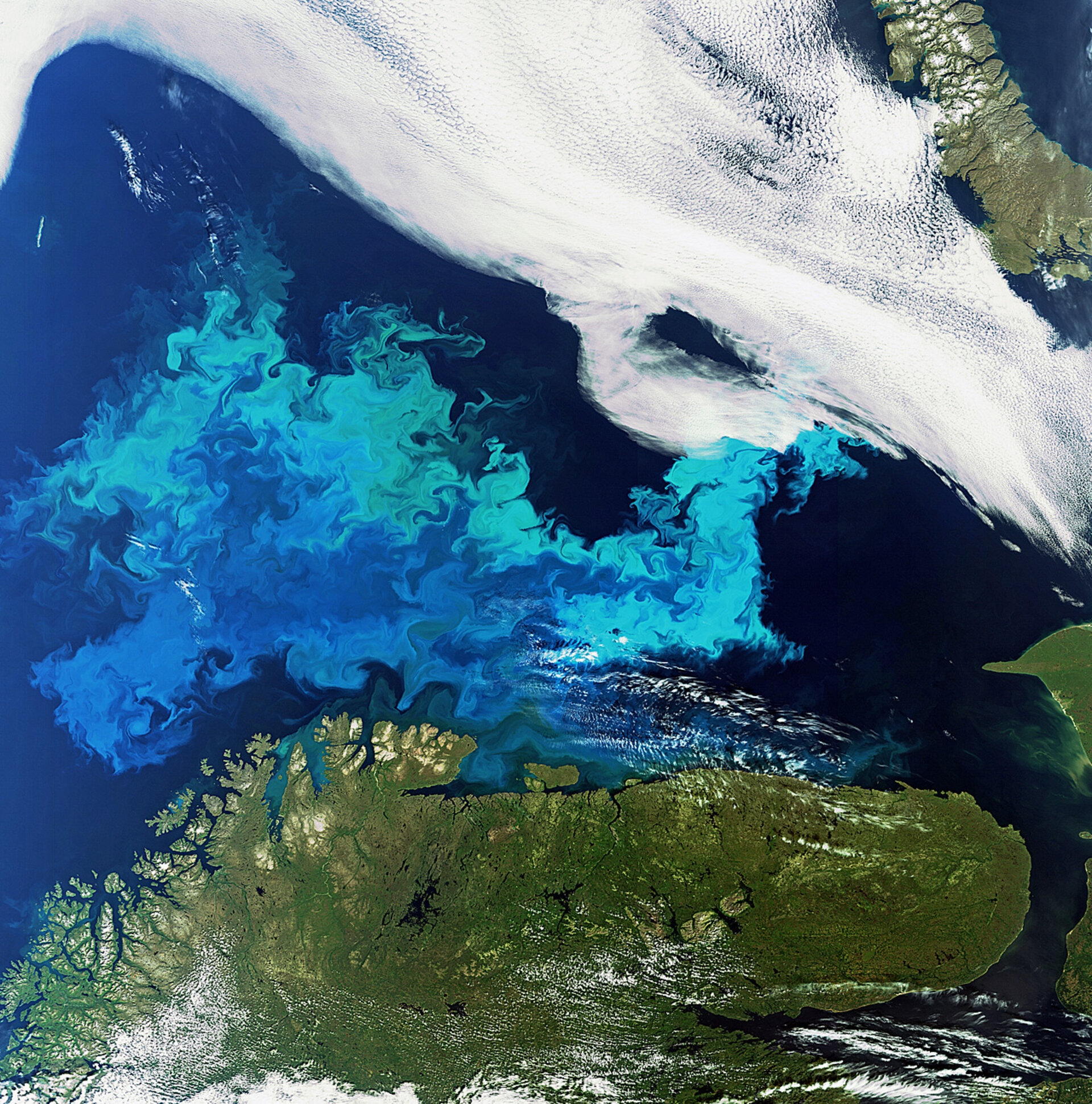
The vast Southern Ocean plays a critical role in mitigating climate change by absorbing a significant portion of the carbon dioxide we emit. New research sheds light on an unexpected contributor to this process:airborne dust.
Scientists have long known that the world’s oceans absorb about a third of our carbon emissions. Phytoplankton, tiny marine organisms that form the base of the ocean’s food web, play a key role in this absorption. Through photosynthesis, they consume carbon dioxide and release oxygen. When these organisms die, they sink to the deep ocean, effectively locking away carbon for millennia.
The Southern Ocean is particularly adept at carbon sequestration, thanks to its cold, churning waters. However, a crucial element for phytoplankton growth is often limited in these waters:iron. This is where airborne dust comes in. Deserts and other arid regions release dust particles that travel vast distances through the atmosphere. These particles, rich in iron and other nutrients, act as a fertilizer for phytoplankton in the iron-depleted Southern Ocean.
A recent study utilized a network of floating robots to measure nitrate levels across the Southern Ocean. Nitrate is another essential nutrient for phytoplankton. The researchers observed significant drops in nitrate levels, indicating phytoplankton blooms. By comparing this data with models of airborne dust distribution, they were able to determine that dust supplies iron for roughly a third of the phytoplankton growth in the Southern Ocean.
This discovery highlights the complex interplay between atmospheric and oceanic processes. Dust storms, often seen as a negative environmental consequence, play a surprising role in maintaining the health of our oceans and mitigating the effects of climate change.
Further research is needed to fully understand the intricacies of this process. The impact of factors like climate change on dust patterns and phytoplankton communities needs to be explored. However, this study offers valuable insights into the natural systems that help regulate Earth’s climate.
Understanding these mechanisms is crucial for developing strategies to combat climate change. While iron fertilization of the oceans has been proposed as a way to enhance carbon sequestration, it’s a complex approach with potential unintended consequences. A more thorough understanding of the role of natural dust deposition can help us make informed decisions about potential interventions in the future.
Follow Arabian Post
Select Arabian Post as your preferred source on Google and MSN News for trusted business news and Arab politics and updates.