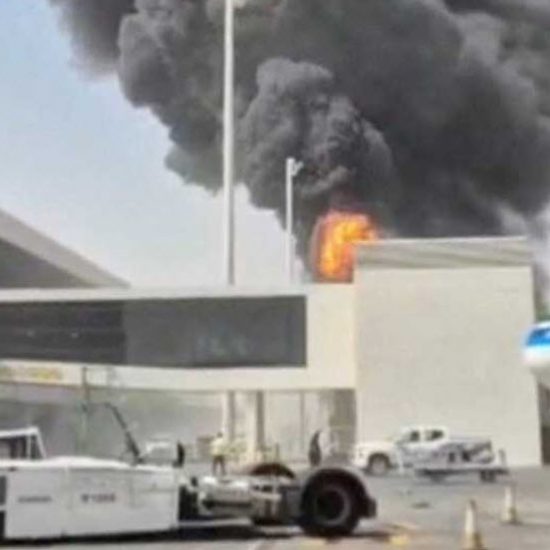
Violent protests have forced the University of Fort Hare in Alice, Eastern Cape, to suspend all operations, as buildings were set ablaze and mounting demands for institutional accountability intensified.
Officials estimate damage to campus infrastructure could reach between R 250 million and R 500 million after fires consumed the main administration building, the student affairs block, an agriculture facility and a new clinic under construction.
Police have arrested at least seven students for public violence, and reports indicate that law enforcement used rubber bullets to disperse protesters who blocked roads and threatened further destruction.
Tensions ignited when the university’s governing council announced intention to appoint an interim Student Representative Council during a process to amend its student governance constitution. Protesters call for an immediate SRC election and the removal of Vice-Chancellor Professor Sakhela Buhlungu, whom they accuse of institutional mismanagement and silence in the face of student grievances.
In response, the university’s management secured an interim interdict from the High Court in Bhisho, prohibiting student-led gatherings or events deemed “unlawful.” It has also named ten students it wishes to bar from organizing protests.
Campus administrators ordered mandatory evacuation by 17:00 local time on 9 October, citing risk to life and further infrastructure loss.
Eastern Cape Premier Oscar Mabuyane condemned the violence, declaring that while student voices deserve to be heard, “the destruction of property and assaulting fellow students is unacceptable.”
The Economic Freedom Fighters in the Eastern Cape seized on the unrest as emblematic of deeper institutional failures. They accused management of suppressing student participation, neglecting safety, and failing to deliver basic services. The EFF claimed the disruptions extended to satellite campuses beyond Alice.
National Higher Education Minister Buti Manamela has instructed the university to submit a de-escalation strategy to safeguard students, staff and assets. He emphasised the state’s commitment to preserving the right to protest, while holding that incitement to violence cannot be tolerated.
The current crisis at Fort Hare recalls broader patterns in South African higher education, notably the #FeesMustFall movement, where student unrest over governance, funding, and accountability spiralled into violent confrontations and institutional shutdowns across multiple campuses.
University communication director J. P. Roodt signalled that campus operations would resume only once security conditions become stable. He suggested that “a significant component of sponsored violence and criminality” plays a role in escalating the unrest beyond grassroots student activism.
Follow Arabian Post
Select Arabian Post as your preferred source on Google and MSN News for trusted business news and Arab politics and updates.