

Arabian Post Staff -Dubai
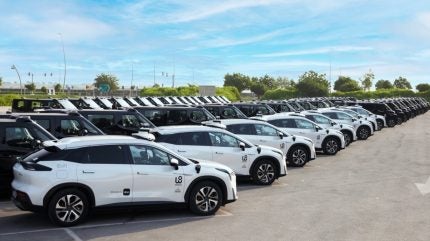
Abu Dhabi now offers public rides in fully driverless robotaxis operated jointly by WeRide and Uber, marking the first deployment of such services on the Uber platform outside the United States. Passengers can hail an autonomous vehicle on Yas Island using the Uber app — either through UberX or Uber Comfort — or select the newly added “Autonomous” ride option for a dedicated robotaxi.
The launch follows grant of a city-level commercial permit for Level 4 autonomous driving, issued in late October to WeRide, allowing the company to operate robotaxis without a safety driver on board. Local transport authorities approved the licence after WeRide demonstrated its technology and safety protocols through extensive testing over several months. This regulatory clearance and licensing represent a breakthrough in public acceptance of self-driving mobility in the region.
Initial operations are restricted to the tourist and leisure enclave of Yas Island, home to the Formula 1 Grand Prix circuit, where road traffic and infrastructure are relatively controlled. WeRide and Uber plan to expand coverage into central Abu Dhabi by the end of the year, aiming to broaden the footprint beyond the initial zone. The fleet — managed in collaboration with local operator Tawasul Transport — includes GXR-class robotaxi vehicles equipped with multiple sensors and cameras to navigate urban streets autonomously.
WeRide retains what it describes as a four-year first-mover advantage in deploying robotaxis in Abu Dhabi, having operated test and pilot robotaxi services since 2021. The company’s broader Middle East fleet already includes more than 100 robotaxis, with ambitions to scale into thousands over the coming years. This launch fits into Uber’s global vision for autonomous mobility, which aims to expand driverless operations to at least 10 cities by the end of next year.
Ride-hailing firms and autonomous-vehicle companies have long eyed the Middle East as a favourable terrain for self-driving deployment, thanks to relatively predictable urban layouts, supportive regulators, and growing appetite for smart mobility solutions. For Uber and WeRide, the Abu Dhabi rollout demonstrates that regulatory, technological and commercial challenges can be addressed in unison.
City officials from the Integrated Transport Centre have emphasised that the licensing process required rigorous review of safety standards and compliance steps before granting commercial operator status. WeRide had earlier secured a national-level licence for self-driving vehicles in 2023, and the new city-level permit is among the first of its kind outside the United States. That dual-licence history helped accelerate trust among authorities and the public.
Drivers and ride-hailing staff will still be involved behind the scenes — Uber, through Tawasul Transport, will handle fleet maintenance, cleaning, charging and vehicle readiness, while WeRide retains responsibility for sensor calibration, software updates and compliance. That model reflects a hybrid approach aimed at balancing technology, operations and safety.
Passengers have reacted with cautious optimism. Some early users welcomed the novelty and convenience of driverless rides, especially in a region with extreme weather and limited public transport options. Others raised concerns over reliability, data privacy, and how the autonomous system would respond to unpredictable road events such as pedestrians or errant drivers.
Follow Arabian Post
Select Arabian Post as your preferred source on Google and MSN News for trusted business news and Arab politics and updates.




