

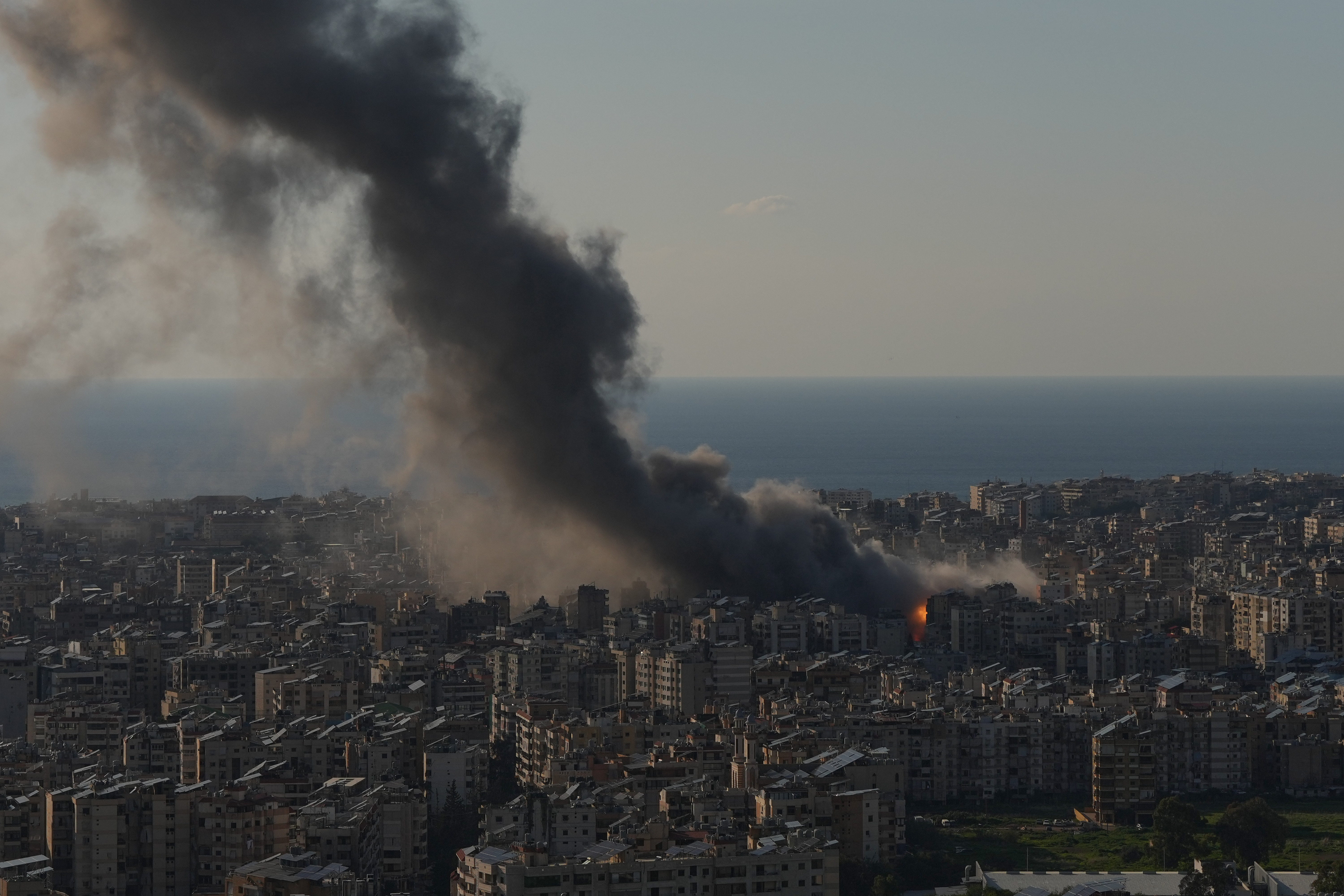
Iran struck Gulf energy infrastructure again overnight into Friday, setting fire to Kuwait’s Mina al-Ahmadi refinery and damaging a power and water desalination plant, as US President Donald Trump warned that Washington could escalate by targeting more of Iran’s infrastructure if Tehran did not yield. The attacks sharpened fears that a conflict already disrupting shipping and fuel markets is moving deeper into the economic core of the Gulf.
Kuwait Petroleum Corporation said the refinery attack caused fires in operating units but no injuries. Kuwaiti authorities separately said one of the country’s power-generation and desalination facilities sustained material damage, though the wider electricity and water system remained in operation under contingency plans. Those twin incidents underscored how the conflict is now threatening both export infrastructure and basic utilities in states that have sought to avoid direct involvement in the war.
The latest strikes came hours after Trump renewed threats against Iran’s civilian and economic infrastructure. Reuters reported that he said bridges and electric power plants could be next, following earlier remarks that oil and energy facilities could also be hit if Iran failed to strike a deal. The language marked another escalation in rhetoric from Washington and drew legal and diplomatic concern because international humanitarian law places strict limits on attacks against civilian objects unless they are being used for military purposes.
Markets reacted quickly. Brent crude was reported around $109 a barrel after surging about 8%, with some trading briefly above $111, while analysts warned that a prolonged disruption around the Strait of Hormuz could drive prices much higher. J. P. Morgan said oil could climb to more than $150 a barrel if supply dislocation persisted into mid-May. For Gulf governments, the danger is no longer only lost export revenue or damaged facilities, but the knock-on effect on inflation, shipping costs and domestic services.
The refinery hit in Kuwait was not an isolated episode. Over the past week, Bahrain’s Alba aluminium facilities confirmed they had also been attacked, and other reports from major outlets have pointed to wider strikes or attempted strikes on strategic sites in the Gulf. That pattern suggests Tehran is broadening its target set beyond military installations and transport chokepoints towards industrial and utility assets that are vital to Gulf economies and to global supply chains.
Diplomatic and military responses are beginning to harden. Britain said it would deploy its Rapid Sentry air-defence system to Kuwait after the refinery strike, with Prime Minister Keir Starmer telling Kuwait’s leadership that London stood with Gulf partners. At the United Nations, Bahrain watered down a draft resolution on reopening the Strait of Hormuz after opposition from Russia, China and France to language that could have authorised offensive force. The revised text focuses on defensive measures, reflecting how even countries alarmed by Iran’s actions are wary of opening the door to a wider regional war.
Gulf financial markets showed a mixed but nervous response. Dubai’s main share index fell, dragged by property stocks, while Abu Dhabi edged higher on support from banking and petrochemical shares. That split captured the uncertainty facing investors: oil-exporting states may gain from higher crude prices for a time, but the strategic premium now attached to Gulf assets is rising as missiles and drones edge closer to refineries, desalination plants and industrial hubs.
The chronology of the crisis matters. Reuters said the war began on February 28 with a joint US-Israeli offensive against Iran, after which Tehran retaliated against Israel and US-linked targets across the region. Trump’s latest threat followed reports that the United States had already struck a major bridge inside Iran, and it coincided with another sharp turn in the conflict after a US fighter jet went down over Iranian territory on Friday. That sequence has weakened hopes of a fast diplomatic off-ramp and increased pressure on Gulf capitals to defend themselves while avoiding a direct plunge into the war.
Follow Arabian Post
Select Arabian Post as your preferred source on Google and MSN News for trusted business news and Arab politics and updates.



