Arabian Post Staff -Dubai
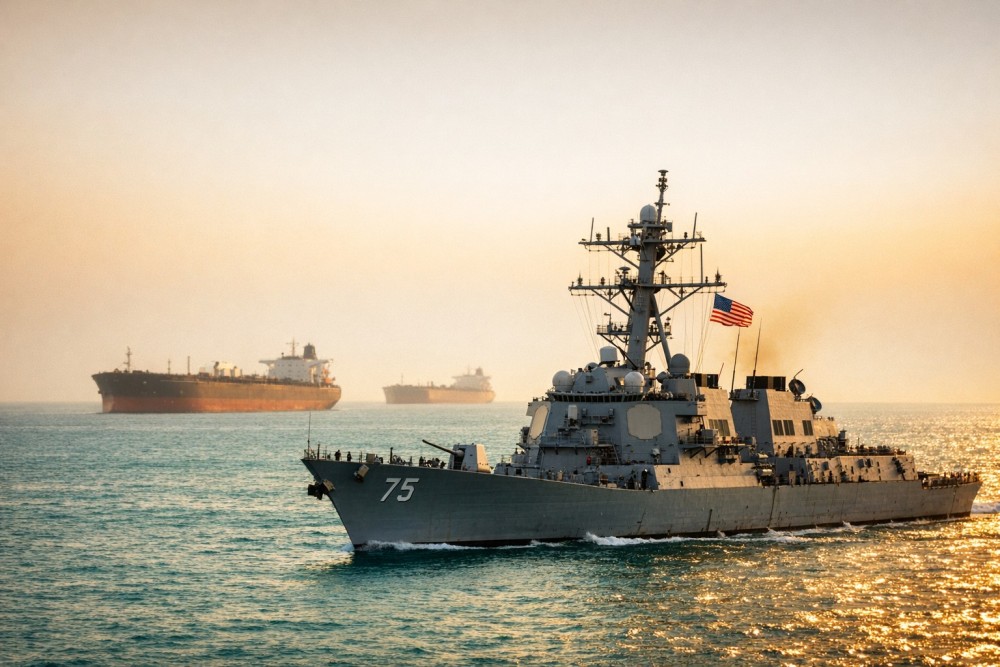
Global equities advanced and crude oil retreated from session highs after Iran offered Washington a proposal to reopen the Strait of Hormuz and move towards ending the war, easing pressure on investors after stalled peace efforts had lifted energy prices.
Asian shares rose 1.4 per cent, while the MSCI emerging markets index climbed to a record high as traders reacted to signs that diplomatic channels remained active despite the breakdown in efforts to restart direct talks. The proposal, conveyed through Pakistani mediators, would reopen the key maritime route and extend the ceasefire while pushing nuclear negotiations into a later phase.
Technology stocks led the advance. A regional technology gauge jumped 3.8 per cent to an all-time high, helped by continued demand for artificial intelligence-linked shares and renewed confidence that a wider energy shock could still be avoided. Taiwan Semiconductor Manufacturing Co., Asia’s most valuable listed company, surged 5.5 per cent to a record, reinforcing the dominance of chipmakers in the current equity rally. Nasdaq 100 futures gained 0.3 per cent, signalling that Wall Street’s technology-heavy segment could extend its momentum as major earnings from leading US technology groups come into focus.
Oil markets remained volatile. Brent crude had climbed above $107 a barrel and US West Texas Intermediate traded near $96 earlier in the session as the disruption to Gulf energy routes kept supply concerns elevated. Prices later pared gains after details of Tehran’s offer emerged, though traders remained cautious because shipping through the strait has yet to return to normal and the political path to a durable settlement remains uncertain.
The Strait of Hormuz is central to global energy security. Around 20 million barrels per day of crude oil and condensates moved through the waterway in 2024, equal to roughly one-fifth of global petroleum liquids consumption. About a quarter of seaborne oil trade and a significant share of liquefied natural gas shipments also pass through the route, with Asia the main destination. Any sustained interruption raises costs for refiners, airlines, shipping companies and consumers, while threatening inflation-sensitive economies that rely heavily on imported fuel.
Market sentiment improved because Iran’s proposal appeared to separate immediate shipping and ceasefire issues from the more difficult nuclear file. That sequencing could allow both sides to claim progress without resolving the most contentious dispute at once. Tehran has resisted pressure to halt uranium enrichment, while Washington has insisted that any wider agreement must prevent Iran from acquiring nuclear weapons capability. The gap between the two positions has repeatedly delayed diplomacy.
The offer followed a weekend of uncertainty after US-led diplomatic efforts failed to produce a new round of talks. Iran’s Foreign Minister Abbas Araghchi continued regional consultations, including contacts through Pakistan, while Washington maintained pressure on Tehran over maritime access and security guarantees. The latest proposal does not amount to a settlement, but it has given investors a reason to reassess the probability of a prolonged closure of the strait.
Emerging markets benefited from the shift. Lower perceived energy risk helped currencies and equities across developing economies, while the AI trade added a separate driver for Asian bourses. South Korea, Taiwan and other semiconductor-linked markets drew fresh inflows as investors positioned for strong capital spending by cloud, chip and software companies. The record move in the MSCI emerging markets index reflected both geopolitical relief and the concentration of gains in technology-heavy markets.
Still, the rally carries risks. A diplomatic proposal can lift sentiment quickly, but oil prices may remain vulnerable until physical flows through Hormuz are restored and verified. Tanker operators, insurers and energy buyers are likely to wait for clearer security guarantees before normal activity resumes. War-risk premiums, higher freight rates and rerouting costs may persist even if talks progress.
Also published on Medium.
Follow Arabian Post
Select Arabian Post as your preferred source on Google and MSN News for trusted business news and Arab politics and updates.