The Middle East and North Africa (MENA) region is grappling with a rising tide of debt, sparking anxieties about its potential to destabilize the global economy. Fueled by a confluence of factors, including lower oil revenues, social spending increases, and the economic fallout from the COVID-19 pandemic, the region’s debt-to-GDP ratio has ballooned in recent years. This trend has financial institutions and international organizations warily watching, as a potential debt crisis in the MENA region could have far-reaching consequences.
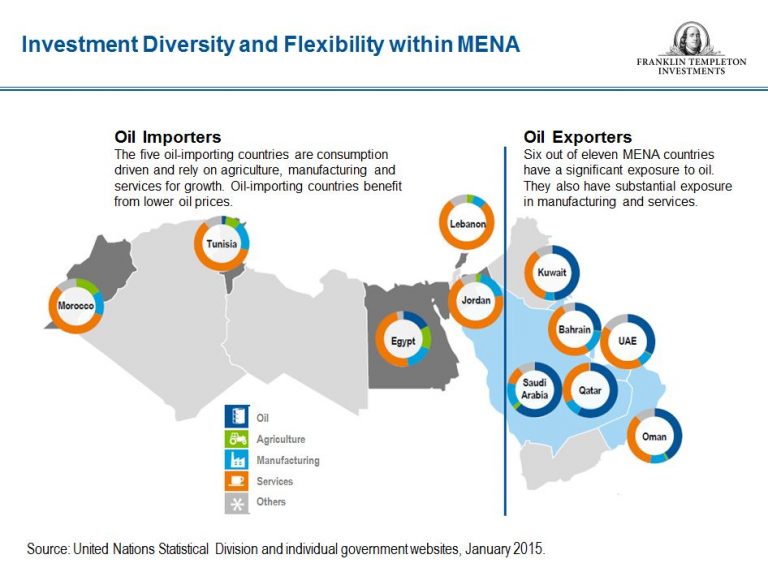
One of the primary drivers of the debt surge is the decline in global oil prices. The MENA region is heavily reliant on hydrocarbon exports, and the slump in oil prices since 2014 has significantly squeezed government coffers. This loss of revenue has forced many countries in the region to borrow heavily to maintain social spending programs and fund infrastructure projects.
Further compounding the issue are the expenditures necessitated by regional instability. The ongoing conflicts and civil wars in Syria, Yemen, and Libya have placed a massive burden on these countries’ budgets, diverting resources away from development projects and towards military spending and humanitarian aid.
The COVID-19 pandemic delivered another blow to the MENA region’s economic well-being. Lockdowns and travel restrictions crippled critical sectors like tourism and hospitality, further straining government finances. To mitigate the pandemic’s economic effects, many MENA countries implemented stimulus packages, adding to their already mounting debt.
The rising debt levels raise a number of concerns for the global economy. A sovereign debt crisis in a major MENA oil producer could trigger financial instability and disrupt global energy markets. Additionally, highly indebted countries may be less able to invest in crucial areas like infrastructure development and education, hindering their long-term economic growth prospects. This, in turn, could dampen global trade and investment flows.
While the situation is concerning, there are reasons for cautious optimism. Several MENA countries have embarked on fiscal consolidation programs, aiming to reduce their budget deficits and debt burdens. These programs often involve streamlining government spending, implementing tax reforms, and diversifying economies away from their dependence on oil exports.
The international community also has a role to play in addressing the MENA region’s debt challenges. Multilateral institutions like the International Monetary Fund (IMF) can provide financial assistance and technical expertise to help countries implement sustainable debt management strategies. Additionally, foreign direct investment can be a crucial source of funding for infrastructure development and economic diversification in the region.
The path forward for the MENA region will require a multi-pronged approach. By implementing sound fiscal policies, attracting foreign investment, and fostering economic diversification, MENA countries can chart a course towards a more stable and sustainable future. Addressing the debt challenge will not only benefit the region’s own economic well-being but also contribute to a more secure and prosperous global economy.
Follow Arabian Post
Select Arabian Post as your preferred source on Google and MSN News for trusted business news and Arab politics and updates.