

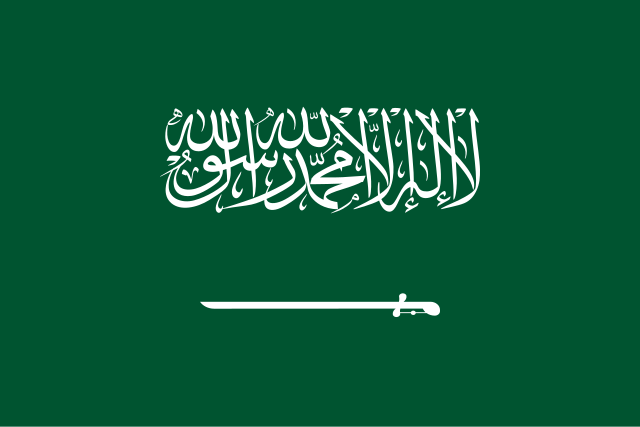
Saudi Arabia is set to increase its crude oil exports by roughly 500,000 barrels per day this month, driven by heightened production and weaker domestic oil consumption. These shifts are intensifying concerns that the global oil market may swing into oversupply later this year.
Aramco and Saudi authorities have scaled back domestic crude burn for power generation, particularly as cooling demand following the summer peak reduces the need for oil-fired electricity. At the same time, OPEC+—with Saudi Arabia in the lead—is raising production quotas, planning an output increase of 137,000 bpd from October, as part of a broader effort that has already added 2.5 million bpd since April.
Shipments to key importers such as China are also growing. Saudi crude allocations to China are expected to rise to about 1.65 million bpd in October, compared with around 1.43 million bpd in September. Lower official selling prices for Arab Light crude to Asian buyers are helping push this increase.
Global supply growth is now projected to outpace demand growth. The International Energy Agency reports supply will rise by 2.7 million bpd this year and by another 2.1 million bpd in 2026. Demand growth, meanwhile, is forecast to be about 740,000 bpd for 2025, creating a widening gap. Inventories are already climbing, with surplus pressures particularly apparent in OECD storage data.
The output boost from Saudi Arabia is matched by its strategy to reclaim market share. Price reductions for Middle Eastern crude grades are seen as a competitive play, especially towards Asian refiners. Analysts warn that this dynamic, coupled with weaker economic growth in some demand centres, may place downward pressure on Brent crude pricing.
Despite OPEC+ maintaining optimistic demand forecasts, some member states are operating near capacity limits, which may constrain how much of the production quota increases actually reach global markets. Spare capacity remains more firmly in Saudi hands than among many of its peers.
Follow Arabian Post
Select Arabian Post as your preferred source on Google and MSN News for trusted business news and Arab politics and updates.




