News related to
Abu Dhabi

Greenlogue/AP Abu Dhabi’s sovereign investor Mubadala and the Abu Dhabi National Energy Company have finalised the acquisition of an 875-megawatt combined-cycle gas-fired power plant at the Talimarjan Power Complex in Uzbekistan, marking a significant step in the ongoing privatisation of the Central Asian country’s energy sector. Each entity now holds a 40 per cent stake in the TPP1 gas-fired plant through a newly created project company, Talimarjan […]

Investcorp Capital, the Abu Dhabi Securities Exchange-listed alternative investment firm, has concluded the sale of 12 multifamily residential properties across five US states for approximately $550 million. The transactions, executed over several months beginning in 2024, encompassed the complete liquidation of a multifamily portfolio. Despite prevailing challenges in the US housing market, including elevated mortgage rates and economic uncertainties, the firm reported securing the exits at a […]

Gridora, a new infrastructure platform supported by ADQ, the Investment Holding Company , and Modon Holding, has formalised its first major collaboration by signing a memorandum of understanding with the Abu Dhabi Projects and Infrastructure Centre . This partnership aims to streamline the planning and execution of key transport infrastructure projects within the emirate. The MoU sets a strategic framework for cooperation, enabling Gridora and ADPIC to […]

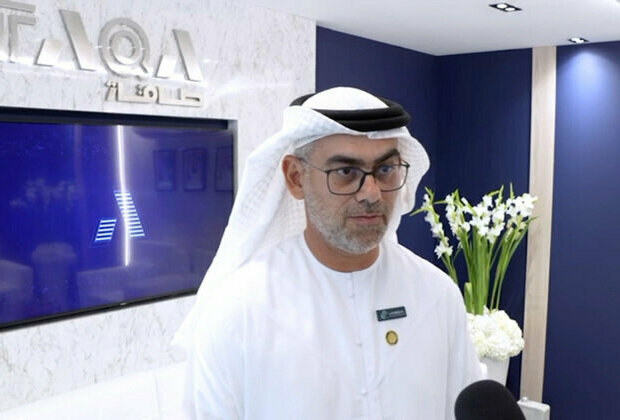
Abu Dhabi National Energy Company has unveiled plans to invest more than AED37 billion to meet the escalating power demands of the emirate’s expanding data centre and artificial intelligence infrastructure. The announcement was made by Group CEO and Managing Director Jasim Husain Thabet during the World Utilities Congress 2025.

This substantial investment is integral to TAQA’s strategy to deliver clean, certified, and reliable energy to critical infrastructure. The company aims to support Abu Dhabi’s ambition to become a global hub for digital innovation and AI development.

TAQA’s market capitalisation stands at approximately AED360 billion, positioning it among the top five companies in electricity generation, transmission, and water desalination across Europe, Africa, and the Middle East. Operating in 25 countries, TAQA has doubled its electricity production capacity to 56 gigawatts over the past four years, surpassing the total electricity consumption of the United Kingdom.

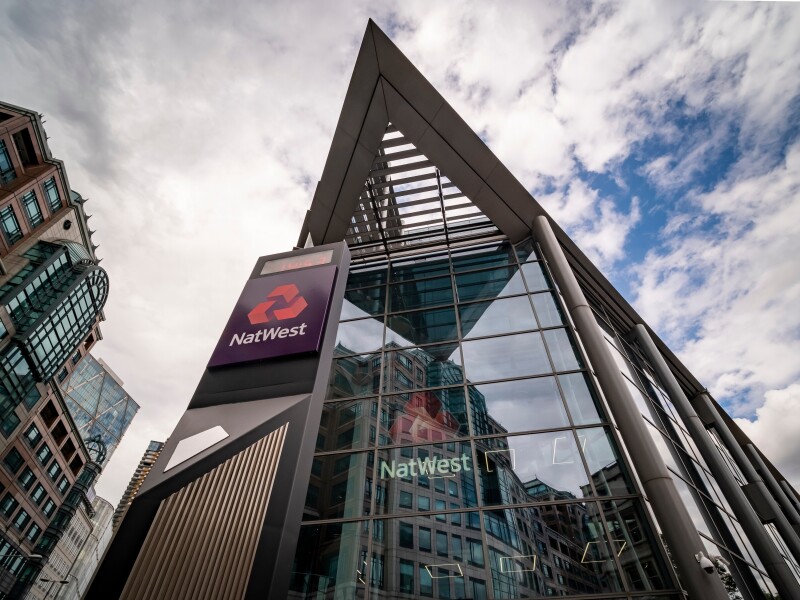
The company’s growth strategy includes significant international acquisitions. TAQA recently partnered with Mubadala to acquire an 875-megawatt gas-powered electricity station in Uzbekistan, aiding the country’s energy transition and opening new markets in Central Asia. Additionally, TAQA has acquired Transmission Investment, a leading UK-based energy and utility investment platform, enhancing its capabilities in offshore transmission services and infrastructure development.

In collaboration with Masdar, where TAQA holds a major stake, the company is developing 5 gigawatts of solar energy supported by 19 gigawatt-hours of battery storage. This integrated solar and battery system is designed to deliver a continuous supply of 1 gigawatt for 24 hours, marking it as the largest project of its kind globally.

TAQA plans to invest AED75 billion by 2030 to triple its electricity generation capacity to 150 gigawatts. Part of this strategy includes developing water desalination plants with a combined capacity of 1.3 billion gallons per day, with two-thirds utilising highly efficient reverse osmosis technology.

The company is also exploring acquisition opportunities in the United States, identifying it as a key market for expansion. TAQA aims to spend around $20 billion between 2023 and 2030 on organic and inorganic growth, targeting 150 gigawatts of capacity by the end of that period, up from around 56 gigawatts currently.

Akshay Dosaj and Asif Rashid  The UAE’s small and medium-sized enterprises (SMEs) sector is poised for substantial expansion, with projections estimating nearly one million businesses by 2030. As these enterprises navigate a competitive and dynamic environment, mergers and acquisitions (M&A) have become essential strategies for sustainable growth. To maximize these opportunities, SMEs need tailored solutions and expert guidance to achieve their growth ambitions and align with the […]

Messaging platform Telegram has successfully raised $1.7 billion through a convertible bond issuance, aiming to refinance existing debt and bolster its financial position. The five-year notes offer a 9% annual coupon and include a provision allowing bondholders to convert their holdings into equity at a 20% discount if Telegram proceeds with an initial public offering before maturity.

A significant portion of the proceeds, approximately $955 million, is earmarked to repurchase outstanding bonds from a 2021 issuance set to mature in March 2026. Telegram had previously repurchased around $400 million of this debt using internal funds. The remaining funds from the new bond sale will support the company’s operational expansion and strategic initiatives.

The bond offering attracted substantial interest from institutional investors. Existing backers like BlackRock and Abu Dhabi’s Mubadala Investment Company participated, alongside new entrants such as hedge fund Citadel. The high yield and potential for equity conversion made the bonds particularly appealing to investors seeking both income and growth opportunities.

Telegram’s financial performance has shown marked improvement. In 2024, the company reported a profit of $540 million on revenues of $1.4 billion, a significant turnaround from a loss of $173 million on $342 million in revenue the previous year. Projections for 2025 indicate a profit exceeding $700 million on revenues of $2 billion, driven by diversified income streams including advertising, in-app purchases, and premium subscriptions.

A notable contributor to Telegram’s revenue growth is a $300 million partnership with Elon Musk’s artificial intelligence firm, xAI. Under this agreement, Telegram will distribute xAI’s chatbot, Grok, within its platform, receiving compensation in both cash and equity. This collaboration signifies Telegram’s foray into integrating advanced AI technologies to enhance user engagement and service offerings.

Despite these financial strides, Telegram faces legal challenges. CEO Pavel Durov is currently under investigation in France for allegedly failing to cooperate with authorities probing illegal activities on the platform. Durov, who has been released on bail, is restricted from leaving France without official permission. His request to travel to the United States for investor meetings was denied by French prosecutors, citing insufficient justification. Durov maintains that Telegram has complied with all legal obligations and expresses uncertainty over the basis of the charges.

These legal issues have not deterred investor confidence. The successful bond issuance reflects a strong belief in Telegram’s growth trajectory and financial stability. The company’s user base continues to expand, with over 1 billion monthly active users and a doubling of paid subscribers to more than 15 million in the past year.

ADNOC Drilling has entered into an agreement to acquire a 70% stake in SLB’s land drilling rigs business in Kuwait and Oman for $112 million. The joint venture encompasses eight fully operational land rigs—two in Kuwait and six in Oman—currently under contract with the respective national oil companies. The transaction, pending customary regulatory approvals, is anticipated to close in the first quarter of 2026. ADNOC Drilling plans […]

Advertisements

Abu Dhabi’s sovereign wealth fund Mubadala Investment Company has raised $1 billion through a 10-year U.S. dollar-denominated Islamic bond, or sukuk, marking its first debt issuance of the year. The bonds, issued via its financing arm Mamoura Diversified Global Holding, were priced at 60 basis points over U.S. Treasuries, tightening from initial guidance of 95 basis points, following robust investor demand.

The offering attracted orders exceeding $4.75 billion, leading to a fivefold oversubscription, underscoring strong investor confidence in Mubadala’s creditworthiness and the appeal of Islamic finance instruments. This issuance follows Mubadala’s previous sukuk sale in October, where it raised 1 billion dirhams through a five-year bond.

The sukuk employs a wakalah structure, utilizing a portfolio of publicly listed shares as underlying assets, a first for a UAE-origin sukuk. This innovative approach reflects a shift towards more flexible and equity-based structures in Islamic finance, potentially setting a precedent for future issuances in the region.

Mubadala’s latest financial results indicate a 9.1% increase in assets under management, reaching 1.2 trillion dirhams, driven by strategic investments in sectors such as technology, manufacturing, and private credit. As the second-largest state investment fund in Abu Dhabi, following the Abu Dhabi Investment Authority, Mubadala plays a pivotal role in the emirate’s economic diversification efforts.

Air Arabia, the largest low-cost carrier in the Middle East and North Africa region, has entered a strategic partnership with Al Maryah Community Bank , the UAE’s pioneering fully integrated digital bank, to transform payment solutions for air travel bookings. The collaboration aims to streamline and enhance customer experience by integrating a dedicated payment platform using AE Coin, a digital currency developed within the UAE’s evolving fintech ecosystem.

The agreement represents a notable development in the aviation and financial technology sectors, aligning with broader efforts across the Gulf to digitize and modernize consumer transactions. Air Arabia’s expansive footprint across over 170 destinations and its growing digital adoption underscore the potential scale and impact of this partnership, while Mbank’s innovative banking infrastructure provides the technological backbone necessary for secure and efficient digital payments.

AE Coin, a digital asset issued under regulatory frameworks established by the UAE Central Bank, is designed to support seamless transactions, offering users a faster, more secure alternative to conventional payment methods. By incorporating AE Coin into the travel booking process, Air Arabia customers can now enjoy reduced transaction costs and enhanced payment speed, particularly beneficial for frequent flyers and cross-border travellers navigating currency exchange complexities.

This joint initiative aligns with the UAE’s vision of becoming a global hub for digital innovation, especially in fintech and blockchain technology applications. Authorities have actively promoted digital currencies as a means to foster economic diversification and financial inclusion, setting regulatory standards to encourage institutional adoption without compromising security or compliance. Air Arabia and Mbank’s collaboration is a direct manifestation of this vision, potentially setting a precedent for other airlines and banks in the region.

Beyond operational efficiency, the deal aims to provide a competitive edge to Air Arabia in the increasingly crowded low-cost airline market. The digital payment facility is expected to attract a broader demographic, including tech-savvy millennials and Gen Z customers who favour quick and convenient digital financial services. Mbank’s platform offers an intuitive user interface backed by advanced cybersecurity measures, ensuring transaction integrity and user privacy—a crucial factor in digital payment adoption.

Industry experts observe that this partnership could stimulate further innovation in travel-related financial products, such as loyalty programmes integrated with blockchain technology or smart contracts automating travel insurance claims and refunds. Given Air Arabia’s status as a trailblazer in the LCC market within the region, the integration of digital currency payments may drive more airlines to explore similar fintech collaborations to boost customer engagement and operational resilience.

The UAE’s fintech landscape has been expanding rapidly, supported by government initiatives like the Dubai Blockchain Strategy and Abu Dhabi’s financial free zones encouraging fintech startups and established institutions to experiment with digital currencies and payment systems. Al Maryah Community Bank has been at the forefront of this evolution, leveraging its digital-first banking model to offer innovative solutions that address gaps in traditional banking services, especially for younger, digitally native consumers.

The banking sector’s shift toward digital currencies is also influenced by the growing emphasis on cross-border remittances and e-commerce in the Gulf Cooperation Council economies. With millions of expatriates living and working in the UAE, seamless and cost-effective international payments are essential. AE Coin’s integration into travel payments potentially simplifies the complex landscape of foreign exchange and international fees, offering transparent, instant settlement.

Air Arabia’s move complements broader aviation industry trends where airlines increasingly seek to diversify revenue streams through ancillary services, including payment facilitation. Providing customers with alternative payment methods can enhance booking flexibility and reduce abandoned transactions, particularly in regions where credit card penetration remains variable.

Mbank’s leadership has highlighted the collaboration as a step toward building a future-ready banking environment that embraces emerging technologies and anticipates customer needs. Their approach includes ongoing investments in blockchain research and partnerships aimed at expanding the utility of digital currencies beyond conventional use cases.

Sceptics caution, however, that widespread adoption of digital currencies in mainstream commercial sectors faces hurdles such as regulatory uncertainty in some jurisdictions, fluctuating asset valuations, and the need for consumer education. Nevertheless, the tightly regulated environment of the UAE and its proactive approach to digital asset regulation mitigate some of these concerns, positioning this partnership as a test case for successful integration.

Air Arabia’s CEO emphasised that the move reflects a commitment to innovation and customer-centricity, stating that digital payment solutions are integral to the airline’s future growth strategy. The ability to offer fast, secure, and cost-effective payment options will enhance the overall travel experience and contribute to operational efficiencies.

Analysts note that this partnership signals a broader shift in the travel and banking sectors towards embracing digital ecosystems that reduce friction and enhance service delivery. The potential for scaling such solutions beyond air travel, into areas such as hotel bookings, car rentals, and travel insurance, could redefine consumer expectations in the region’s travel market.

Arabian Post Staff For expatriates settling into the United Arab Emirates, understanding the country’s unique postal system is essential. Unlike many nations that utilize traditional postal codes, the UAE primarily relies on a Post Office Box system for mail distribution. This approach reflects the country’s infrastructural evolution and its emphasis on centralized mail collection points. In the UAE, individuals and businesses typically rent P.O. Boxes from Emirates […]

All 133 units of the Waldorf Astoria Residences Yas were sold out on launch day, generating AED 850 million in sales. This marks the first branded residential development on Yas Island, reflecting a significant demand for luxury living in Abu Dhabi.

Aldar Properties, the developer behind the project, reported that the swift sell-out underscores Yas Island’s growing appeal as a premier destination for both investors and residents seeking upscale living experiences. The development’s success is attributed to its prime location, waterfront views, and association with the Waldorf Astoria brand, known for its luxury and service excellence.

The residences, part of a broader strategy by Aldar to introduce iconic hospitality brands to Abu Dhabi, are situated near key leisure and entertainment attractions on Yas Island. This aligns with Aldar’s AED 1.5 billion investment programme aimed at transforming its hospitality portfolio to cater to the growing demand for premium experiences in the emirate.

The rapid sell-out of the Waldorf Astoria Residences Yas follows similar successes by Aldar, including the complete sale of Yas Riva, a luxury canal-front community, within 24 hours, generating over AED 1.4 billion in sales. These developments highlight the robust demand for high-end residential properties in Abu Dhabi, particularly among younger buyers and international investors.

The trend indicates a shift towards branded residences that offer not only luxurious accommodations but also a lifestyle associated with renowned hospitality brands. Aldar’s strategic partnerships with global brands like Waldorf Astoria and IHG’s Vignette Collection are central to this approach, aiming to enhance Abu Dhabi’s position in the global luxury real estate market.

Etihad Airways reported a profit of 685 million dirhams for the first quarter of 2025, marking a 30% increase year-on-year. This growth was attributed to robust demand and enhanced operational efficiency. Total revenue rose by 15%, supported by gains in both passenger and cargo business. Passenger revenue climbed 16% to 5.5 billion dirhams , bolstered by increased capacity, ongoing network expansion, and more frequent flights. The airline […]

The UAE’s real estate sector recorded transactions exceeding AED239 billion in the first quarter of 2025, driven by investor confidence, regulatory reforms, and a robust pipeline of developments. A total of 94,719 sales, purchase, and mortgage deals were registered across Abu Dhabi, Dubai, Sharjah, Ajman, and Ras Al Khaimah, signalling a strong start to the year for the property market.

Dubai led the surge with 45,474 transactions valued at AED142.7 billion, marking a 22% increase in volume and a 30% rise in value compared to the same period in 2024. The ready property segment achieved its highest quarterly performance in over a decade, with 20,034 transactions worth AED87.5 billion. Off-plan sales also remained robust, accounting for 25,440 transactions valued at AED55.2 billion. This growth reflects sustained demand from both end-users and investors, supported by a shift from renting to owning amid rising rental prices.

Abu Dhabi’s real estate market also demonstrated significant growth, with transaction values increasing by 34.5% to AED25.3 billion across 6,896 deals. Saadiyat Island emerged as the leading area for real estate transactions, recording deals amounting to AED5.6 billion, followed by Yas Island with AED3.6 billion and Mohammed Bin Zayed City with AED2.1 billion. The emirate’s focus on high-value existing homes indicates a maturing and strategic market movement.

Sharjah reported a 31.9% increase in real estate transactions, totaling AED13.2 billion across 24,597 deals. Muwailih Commercial led the sales with 1,787 transactions worth AED1.9 billion. The growth is attributed to legislative changes allowing foreign ownership in specific areas, enhancing the emirate’s position on the global real estate investment map.

Ajman recorded 15,125 real estate transactions in 2024, with a value totaling AED20.5 billion, marking a 21% growth compared to 2023. The numbers indicate the emirate’s upward trajectory in real estate, supported by modern infrastructure and a wide array of investment opportunities.

Talal Al Dhiyebi, Group Chief Executive Officer at Aldar Properties, noted that the UAE’s real estate boom is fuelled by the country’s broader economic and cultural progress, making it one of the world’s most attractive destinations for living, working, and investing. He highlighted that 40% of property buyers are international, reflecting the growing interest in the region.

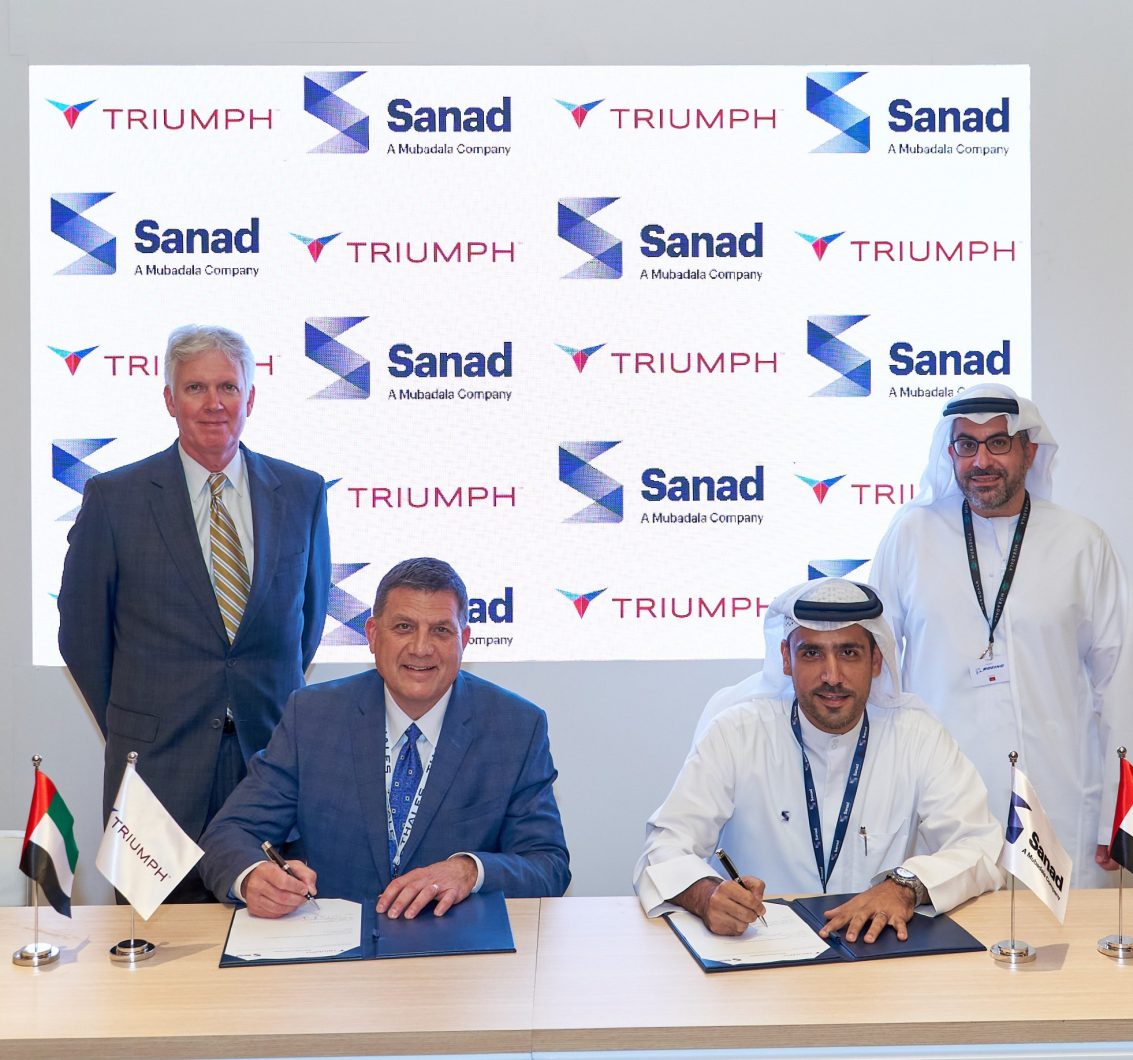
Sanad, a global aerospace engineering and leasing solutions provider wholly owned by Abu Dhabi’s Mubadala Investment Company, has partnered with GE Aerospace to bolster the UAE’s aerospace talent pool. This collaboration aims to address the projected surge in global demand for Maintenance, Repair, and Overhaul professionals, with the sector expected to reach $169 billion by 2037.

The partnership has led to the inauguration of the LEAP Engine MRO Center in Abu Dhabi, the first certified facility of its kind in the South Asia, Middle East, and North Africa region. This center is set to support over 450 LEAP-1A and LEAP-1B engines over an 11-year period, enhancing the UAE’s capabilities in servicing next-generation aircraft engines.

Sanad has invested over AED 100 million into its Abu Dhabi facility, expanding its state-of-the-art engine MRO capabilities. The center spans 5,000 square meters, contributing to a total of 30,000 square meters in Sanad’s Abu Dhabi campus. This expansion not only augments the company’s technical capabilities but also reinforces Abu Dhabi’s position as a leading global aviation hub.

The collaboration with GE Aerospace and Safran Aircraft Engines, formalized during the Paris Air Show in June 2023, has significantly expanded Sanad’s MRO services to include the new-generation CFM International LEAP-1A and -1B engines. These engines, powering Airbus A320neo and Boeing 737 MAX family aircraft, are recognized for their exceptional reliability and fuel efficiency.

Sanad’s LEAP Engine MRO Center began operations within a month of signing the agreement and successfully completed the MRO process on the first LEAP engine from flydubai just four months later. This rapid operationalization underscores Sanad’s commitment to excellence and speed in establishing state-of-the-art MRO capabilities.

The center is operated by a dedicated team of technical and engineering experts, utilizing cutting-edge MRO technologies. Sanad’s engineers and technicians have undergone intensive training programs with GE Aerospace, equipping them with the skills required for tasks such as Rotor Drive System and Inlet Gear Box quick turnaround, borescope inspection, and general familiarization.

This initiative not only ensures the operational efficiency of LEAP engines but also contributes to reducing the carbon footprint associated with transporting engines outside the region for maintenance. By providing in-country solutions, the partnership aligns with the UAE’s commitment to sustainability and operational efficiency.

The LEAP engine’s popularity has surged, with a backlog exceeding 10,000 engines, primarily due to its innovative design aimed at reducing carbon emissions in air transport. Sanad’s enhanced capabilities position it to meet the growing demand for MRO services for the LEAP engine, reinforcing Abu Dhabi’s status as a global aviation hub.

In addition to the LEAP Engine MRO Center, Sanad has expanded its global partnerships, including a strategic agreement with Airbus to provide MRO services for engines powering Airbus single-aisle and wide-body aircraft. This collaboration further solidifies Sanad’s position as a global partner of choice and a key player in the aerospace industry.

Sanad’s commitment to workforce development is evident in its focus on training and upskilling local talent. The company has established multi-tiered training programs to nurture local expertise, combining classroom training in aviation principles with hands-on experience in its facilities. This approach supports the UAE’s broader goals of economic diversification and the development of a knowledge-based economy.

Dense fog blanketed parts of the United Arab Emirates on Saturday morning, significantly reducing visibility and prompting the National Center of Meteorology to issue yellow alerts for several coastal and internal regions. The advisory, effective until 9am, particularly affected areas in the western part of the country, including Ghiyathi and Bada Dafas in the Al Dhafra region.

Motorists were urged to exercise extreme caution, as horizontal visibility dropped sharply in affected areas. Abu Dhabi Police also issued warnings to drivers, emphasizing the importance of adhering to speed limits and maintaining safe distances between vehicles.

The fog coincided with soaring temperatures, with inland areas expected to reach between 44°C and 48°C. Coastal regions and islands were forecasted to experience highs ranging from 40°C to 45°C, while mountainous areas could see temperatures between 35°C and 40°C. Sweihan, Al Quaa, and Gasyoura were among the locations anticipated to record the highest temperatures, potentially reaching up to 49°C.

Despite the morning fog, the overall weather was expected to be fair, with partly cloudy conditions in eastern parts of the country. Winds were predicted to be light to moderate, shifting from southeast to northwest at speeds of 10 to 20 km/h, with gusts up to 30 km/h. Sea conditions were expected to remain slight in both the Arabian Gulf and the Oman Sea.

Abu Dhabi is set to host the world’s largest artificial intelligence data centre outside the United States, following a landmark agreement between OpenAI, G42, Oracle, NVIDIA, SoftBank, and Cisco. The project, named Stargate UAE, will be situated at the newly established UAE–US AI Campus in the capital. The Stargate UAE initiative is part of OpenAI’s broader “OpenAI for Countries” programme and represents a significant AI investment by […]

Abu Dhabi National Oil Company has entered into framework agreements valued at Dhs6 billion with 12 UAE-based manufacturers to produce critical industrial equipment locally. This initiative, part of the “Make it in the Emirates” programme, aims to enhance the resilience of the nation’s supply chain and create up to 1,300 skilled private-sector jobs.

The agreements focus on the domestic production of cables and pressure vessels, essential components in ADNOC’s operations. By localising the manufacturing of these items, ADNOC seeks to ensure timely availability, reduce dependency on international suppliers, and mitigate global supply chain disruptions.

The signing took place during the “Make it in the Emirates” forum in Abu Dhabi, attended by Dr Sultan Ahmed Al Jaber, Minister of Industry and Advanced Technology and ADNOC’s Managing Director and Group CEO. Dr Al Jaber emphasised the importance of strengthening local manufacturing capabilities to support the UAE’s industrial growth and economic diversification.

This move aligns with ADNOC’s broader strategy to stimulate domestic manufacturing. Previously, the company announced agreements with over 60 companies to locally produce critical non-oil products, aiming to manufacture AED70 billion worth of products in its procurement pipeline by 2027. These efforts are expected to create thousands of job opportunities and enhance the resilience of the local supply chain.

In addition to the current agreements, ADNOC has committed over AED20 billion for the procurement of structures and metal products from national companies. This commitment is part of a broader initiative to stimulate industrial growth and create more private-sector jobs for UAE nationals.

The “Make it in the Emirates” initiative, led by the Ministry of Industry and Advanced Technology, aims to position the UAE as a global hub for advanced industry and innovation. The programme encourages local manufacturing, supports the development of national talent, and promotes sustainable industrial practices.

ADNOC’s investment in local manufacturing is complemented by its focus on sustainability and technological innovation. The company has been leveraging artificial intelligence and advanced technologies to optimise operations and reduce emissions. Facilities like the Habshan 5 gas processing plant and Zirku Island offshore operations have been at the forefront of deploying such technologies, contributing to ADNOC’s goal of becoming a low-carbon energy leader.

ADNOC’s In-Country Value programme incentivises suppliers to adopt clean technologies and establish new manufacturing facilities in the UAE. Since its inception, the ICV programme has driven significant investment back into the UAE economy, supporting the nation’s Net Zero by 2050 Strategic Initiative.

The “Make it in the Emirates” forum serves as a platform for collaboration between government entities, industry leaders, and investors. It showcases the UAE’s commitment to fostering a robust industrial sector, enhancing economic resilience, and achieving sustainable growth.

Bitcoin Suisse, a pioneering Swiss crypto-financial services firm, has obtained regulatory approval to operate in Abu Dhabi, marking its inaugural venture beyond Europe since its establishment in 2013. This development underscores the United Arab Emirates’ emergence as a magnet for global digital asset enterprises.

The Abu Dhabi Global Market , the emirate’s international financial centre, granted the licence, enabling Bitcoin Suisse to offer its suite of crypto services within the region. This move aligns with the company’s strategy to tap into the Middle East’s burgeoning demand for regulated digital asset solutions.

Andrej Majcen, CEO of Bitcoin Suisse, emphasized the significance of this expansion, stating that the company’s Swiss heritage and decade-long experience position it well to serve the Middle Eastern market. He highlighted the UAE’s progressive regulatory framework and its commitment to fostering innovation in the financial sector as key factors influencing the decision.

Abu Dhabi has been proactive in establishing itself as a hub for digital assets, attracting a slew of international crypto firms. The ADGM’s introduction of comprehensive digital asset regulations in 2018 has been instrumental in this regard, providing clarity and fostering investor confidence.

Several notable crypto entities have set up operations in Abu Dhabi, including Standard Chartered-backed Zodia Markets, which received regulatory approval to operate as a virtual asset brokerage. Similarly, Singapore-based custody provider Liminal secured permission to offer its services in the region, reflecting a broader trend of global crypto firms gravitating towards the UAE.

The UAE’s appeal lies not only in its regulatory environment but also in its strategic location and robust infrastructure. The government’s initiatives to diversify the economy and invest in fintech have created a conducive ecosystem for digital asset companies.

Bitcoin Suisse’s entry into the Abu Dhabi market is expected to catalyze further growth in the region’s digital asset sector. The company’s comprehensive offerings, ranging from trading and custody to staking and tokenization, will cater to a diverse clientele, including institutional investors and high-net-worth individuals seeking regulated crypto services.

This expansion also signifies a broader shift in the global crypto landscape, with firms increasingly seeking jurisdictions that offer regulatory clarity and support for innovation. The UAE’s proactive stance positions it as a leading destination for such enterprises, potentially setting a benchmark for other regions aiming to attract digital asset businesses.

Enercap by Apex Energy and ROX Motor have entered into a strategic partnership aimed at integrating advanced energy storage solutions into electric vehicles. The agreement was formalised at the Make it in the Emirates 2025 forum in Abu Dhabi, highlighting a commitment to sustainable mobility and localised manufacturing.

Enercap, a subsidiary of Apex Investment, specialises in non-chemical, electrostatic energy storage systems. These systems, developed and manufactured in the UAE, offer rapid charging capabilities, extended lifespans, and mitigate risks associated with thermal runaway. ROX Motor, an international new energy vehicle brand, plans to incorporate Enercap’s technology into its next-generation electric vehicles, enhancing performance and sustainability.

The collaboration aligns with the UAE’s national strategies, including Operation 300Bn, UAE Industry 4.0, and the Net Zero by 2050 initiative. By leveraging local innovation and manufacturing, the partnership aims to bolster the UAE’s position in the global electric vehicle market and contribute to the country’s industrial growth.

Drone and robotics are evolving industry worldwide as well as in the Middle East where the UAE has taken a leadership role in gradually deploying them in government departments and public facilities – in addition to bringing in driver less vehicles and flying taxis – to transform its urban infrastructure into smart cities where drones, machines, robotics and AI will play a crucial role. The UAE’s General […]

Artificial Intelligence is expected to contribute around US$320 billion to the Middle East’s Gross Domestic Product (GDP) by 2030, with the Gulf Cooperation Council countries accounting for nearly 80 percent of that impact, translating to approximately US$260 billion, according to a latest report by global accounting firm PriceWaterhouseCoopers (PwC). The Gulf Cooperation Council (GCC) countries—Bahrain, Kuwait, Oman, Qatar, Saudi Arabia, and the United Arab Emirates—are at a […]

Abu Dhabi’s aerospace firm Space 42 is set to initiate production of prototype platforms designed to operate at altitudes reaching thousands of metres above the Earth’s surface. This development marks a significant step in the emirate’s growing ambitions within the aerospace sector, targeting near-space exploration and flight operations.

The prototypes will serve as platforms to launch near-space flights, a field that bridges traditional aviation and outer space exploration by operating at the edge of the Earth’s atmosphere. Space 42’s initiative is aligned with broader national goals to position Abu Dhabi and the United Arab Emirates as leaders in aerospace innovation and technology development. The company aims to contribute to the emerging commercial space economy by developing technologies capable of operating in the stratosphere and beyond.

Near-space platforms have a variety of potential applications, ranging from scientific research and atmospheric monitoring to telecommunications and high-altitude surveillance. These platforms can also serve as launchpads for suborbital missions, enabling experimental payloads or commercial ventures to access near-space environments more cost-effectively than traditional rockets.

Space 42 plans to produce the prototypes by the end of the year, employing advanced aerospace engineering and leveraging local expertise alongside international collaborations. The company’s approach involves creating modular, reusable platforms that can carry payloads to high altitudes while maintaining stability and control in the thin upper atmosphere.

Abu Dhabi has invested heavily in aerospace and space-related ventures as part of its strategy to diversify the economy away from oil. Space 42 is among several entities in the emirate focused on fostering innovation and building capabilities in advanced technologies. The move toward near-space flights reflects a global trend where governments and private companies alike are investing in technologies that can bridge the gap between Earth-bound aviation and space travel.

The platforms under development will use cutting-edge materials and propulsion technologies tailored to withstand harsh near-space conditions, including extreme temperature variations and low atmospheric pressure. The prototypes are expected to undergo rigorous testing phases before any commercial or scientific deployments.

Space 42’s project is part of a broader wave of interest in high-altitude platforms worldwide. These platforms offer a middle ground between satellites and aircraft, combining endurance and payload capacity with relative ease of deployment and maintenance. Their ability to provide persistent observation or communication coverage without the high costs associated with orbital launches makes them attractive for various industries.

The company’s initiative aligns with the UAE’s long-term space ambitions, which include Mars exploration, satellite development, and fostering a local space industry ecosystem. By manufacturing these prototype platforms, Space 42 aims to develop a technological edge that can be leveraged for both domestic and international markets.

Industry experts note that near-space platforms could transform how data is collected and transmitted across multiple sectors. They can support environmental monitoring by offering high-resolution data on atmospheric conditions, track climate change indicators, and improve weather prediction models. Telecommunications companies see potential in using such platforms to extend internet coverage to remote areas or enhance network resilience during emergencies.

Globally, the near-space flight market is gaining momentum as new entrants join established aerospace firms in developing technologies for stratospheric operations. Governments are increasingly recognising the strategic importance of controlling near-space assets for national security, scientific advancement, and economic competitiveness.

The production of prototype platforms by Space 42 is expected to position Abu Dhabi as a key player in this expanding field. This move may encourage further investments in research and development, talent acquisition, and infrastructure to support near-space flight activities. The initiative also aligns with the UAE’s vision to be a hub for science and technology innovation in the Middle East.

Space 42 has emphasised the role of sustainability and cost-effectiveness in their design philosophy, aiming to reduce the environmental footprint compared to traditional aerospace operations. Reusability and energy-efficient propulsion systems are central to this strategy, ensuring that the platforms can operate repeatedly without significant resource expenditure.

As the prototypes enter production, the company plans to collaborate with academic institutions, industry partners, and government bodies to validate performance and explore potential applications. This cooperation will be critical to overcoming technical challenges inherent in operating at the edge of space, where conditions differ markedly from those experienced by conventional aircraft.

The near-space platform project reflects a strategic blend of ambition and pragmatism. By focusing on prototype development, Space 42 is taking measured steps toward establishing a presence in an area that promises to grow significantly in importance and economic value. The company’s work contributes to the broader narrative of the UAE’s emergence as a forward-looking aerospace nation, committed to advancing scientific knowledge and commercial capabilities beyond the atmosphere.

While the production timeline anticipates completion before year-end, the path ahead will involve iterative testing and refinement. These phases are crucial to ensure the platforms meet stringent operational standards for safety, reliability, and performance under near-space conditions.

The company’s announcement has drawn attention from industry analysts and potential customers interested in utilising high-altitude platforms for various applications, from telecommunications to defence. The development also signals increasing competition in a sector where innovation and technical mastery are vital.


Blackstone has initiated its entry into the cryptocurrency market by acquiring a stake in BlackRock’s iShares Bitcoin Trust , marking its first foray into digital assets. This move aligns with a broader trend of institutional investors embracing cryptocurrency through regulated investment vehicles.

The exact size of Blackstone’s investment has not been publicly disclosed, but filings with the U.S. Securities and Exchange Commission indicate a modest position. This strategic investment underscores a growing institutional interest in Bitcoin, particularly through spot exchange-traded funds , which offer regulated exposure to the cryptocurrency without the complexities of direct ownership.

BlackRock’s IBIT has emerged as a leading product in the spot Bitcoin ETF market, surpassing Grayscale’s Bitcoin Trust in assets under management. As of late May 2024, IBIT held nearly $20 billion in Bitcoin, reflecting significant investor confidence and inflows.

The approval of spot Bitcoin ETFs by the SEC in January 2024 marked a pivotal moment for cryptocurrency adoption among institutional investors. These ETFs provide a regulated avenue for exposure to Bitcoin, mitigating some of the risks associated with direct cryptocurrency investments. Since their approval, spot Bitcoin ETFs have attracted substantial capital, with inflows exceeding $40 billion, signaling robust demand from institutional players.

Blackstone’s investment follows similar moves by other major financial institutions. Barclays disclosed a $131 million stake in IBIT, while Morgan Stanley reported holdings worth $188 million. Additionally, sovereign wealth funds, such as Abu Dhabi’s Mubadala Investments, have made significant investments, with Mubadala holding a $437 million stake in IBIT as of December 2024.

The increasing institutional adoption of Bitcoin ETFs is contributing to the convergence of traditional finance and the cryptocurrency market. BlackRock executives have noted that the introduction of Bitcoin ETFs is facilitating this integration, as traditional financial institutions seek exposure to digital assets through familiar investment vehicles.

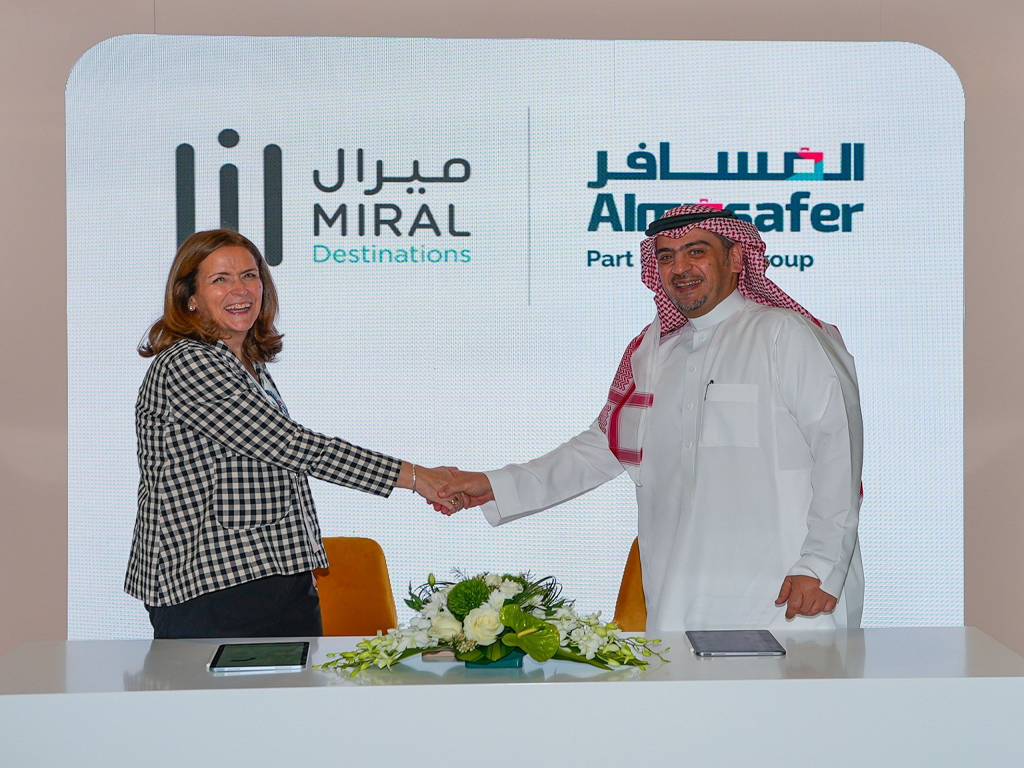
Almosafer, a leading travel services provider in Saudi Arabia, has entered into a strategic partnership with Abu Dhabi-based Miral to promote Yas Island as a premier leisure destination among travellers from the Kingdom and the wider Gulf Cooperation Council region.

Under the agreement, Almosafer will leverage its extensive consumer travel platforms and regional expertise to market Yas Island’s diverse attractions, including theme parks, luxury accommodations, and cultural events. This collaboration aims to boost visitor numbers from Saudi Arabia, a market that has shown significant growth in outbound tourism.

Yas Island has experienced a surge in popularity, recording over 38 million visits in 2024—a 10% increase from the previous year. The destination’s appeal has been bolstered by a variety of attractions, such as Warner Bros. World, SeaWorld, and Yas Waterworld, as well as a calendar filled with international events and performances. Notably, there has been a 56% increase in visitors from the GCC, with Saudi Arabia contributing a substantial portion of this growth.

The partnership between Almosafer and Miral is expected to further enhance Yas Island’s visibility and accessibility to Saudi travellers. Almosafer plans to integrate Yas Island offerings into its booking platforms, provide tailored travel packages, and launch targeted marketing campaigns to showcase the destination’s unique experiences.

This initiative aligns with broader regional efforts to promote tourism and diversify economies. By capitalising on the growing interest in leisure travel among Saudi residents, the collaboration seeks to position Yas Island as a top choice for family vacations, cultural exploration, and entertainment within the GCC.

VISHNU RAJA
RYO YAMADA
HITORI GOTOH
IKUYO KITA