News related to
Abu Dhabi

TAQA, an Abu Dhabi-listed utility firm, is set to acquire Sustainable Water Solutions Holding Company (SWS Holding) for AED 1.7 billion ($463 million). This transaction represents a significant consolidation in the region’s water management sector, marking a major step for TAQA’s expansion into sustainable and infrastructure-focused investments.

SWS Holding, headquartered in Abu Dhabi, is the parent entity of Abu Dhabi Sustainable Water Solutions Company (ADSWS). ADSWS plays a crucial role in the emirate’s infrastructure, handling wastewater collection and the production of recycled water. This acquisition is poised to enhance TAQA’s portfolio by integrating a company with a pivotal role in water sustainability and environmental management.

The deal aligns with TAQA’s strategic focus on broadening its investments in essential and sustainable infrastructure. The company has been actively diversifying its assets, aiming to support Abu Dhabi’s long-term environmental goals and water management strategies. The acquisition is expected to fortify TAQA’s position in the utilities sector and contribute to its sustainability objectives.

SWS Holding has been instrumental in advancing Abu Dhabi’s efforts towards efficient water management. Through its subsidiary, ADSWS, the company has been central to implementing wastewater solutions and developing infrastructure for recycled water. This integration under TAQA is anticipated to streamline operations and enhance the efficiency of water management services in the region.

As part of the acquisition, TAQA will gain full control over SWS Holding’s operational capabilities, including its advanced wastewater treatment facilities and recycling technologies. This move is expected to not only bolster TAQA’s market presence but also support its sustainability commitments, reflecting a growing trend among utility companies to invest in environmentally responsible practices.

The acquisition also underscores a broader trend in the utilities sector where companies are increasingly seeking to invest in sustainable and technology-driven solutions. The consolidation of such entities often leads to enhanced operational synergies and more robust infrastructure development, aligning with global movements towards greater sustainability and resource efficiency.

TAQA’s decision to acquire SWS Holding highlights the company’s commitment to expanding its capabilities in sectors that are critical to long-term environmental and economic stability. By integrating SWS Holding’s expertise and infrastructure into its operations, TAQA aims to strengthen its role in Abu Dhabi’s water management sector and contribute to the emirate’s sustainability goals.

The transaction reflects a broader shift in the utilities sector where companies are increasingly focused on sustainability and efficiency. As global awareness of environmental issues rises, utility companies are investing in technologies and infrastructure that support sustainable development and resource management.

This acquisition is expected to have significant implications for the regional utilities market, potentially setting a precedent for future consolidations and investments in the sector. TAQA’s move to integrate SWS Holding’s resources aligns with its strategic goals of enhancing its service offerings and expanding its influence in the sustainability sector.


Economic sentiment across the Gulf Cooperation Council (GCC) remains largely positive despite facing significant challenges. Leaders from the region’s six member states—Saudi Arabia, the United Arab Emirates, Qatar, Kuwait, Oman, and Bahrain—are projecting continued economic growth driven by strategic diversification and investment in key sectors.

Saudi Arabia’s Vision 2030 continues to shape its economic landscape. The Kingdom is expanding its non-oil industries, particularly focusing on tourism, technology, and entertainment. Major projects like NEOM, a futuristic city planned to be powered entirely by renewable energy, are set to bolster economic diversification efforts. Despite fluctuations in oil prices and global economic uncertainties, Saudi Arabia’s economic policies aim to position the country as a global hub for innovation and investment.

The United Arab Emirates is also charting a course of strategic growth. Dubai, in particular, is enhancing its status as a global business and tourism center. The emirate’s emphasis on sustainable development, with initiatives such as the Dubai Clean Energy Strategy 2050, underscores its commitment to a diversified economy. Additionally, Abu Dhabi’s investments in renewable energy and technology sectors are expected to drive future economic stability.

Qatar’s economy is benefiting from its robust infrastructure projects and strategic investments. The country has been preparing for the 2022 FIFA World Cup, which is anticipated to provide a substantial boost to the hospitality and tourism sectors. Additionally, Qatar is focusing on strengthening its natural gas sector, positioning itself as a leading global exporter. This economic strategy aims to maintain Qatar’s high growth trajectory despite regional geopolitical tensions.

Kuwait is working towards economic diversification through its Vision 2035 plan, which seeks to reduce dependency on oil revenues by investing in sectors such as finance, technology, and healthcare. Despite facing budget deficits and economic pressures, Kuwait’s government is committed to implementing reforms and enhancing the investment climate to attract foreign capital.

Oman’s economic policies are geared towards improving its economic resilience through diversification. The Sultanate is investing in industries such as mining, tourism, and manufacturing. Oman’s efforts to enhance its business environment, coupled with regional trade agreements, are designed to foster economic growth. The government is also focusing on developing its infrastructure to support economic activities.

Bahrain is making strides in transforming its economy through investments in banking, finance, and technology. The Kingdom’s focus on becoming a fintech hub reflects its strategy to attract international businesses and foster innovation. Additionally, Bahrain’s efforts to enhance its human capital and improve its regulatory framework are expected to contribute to its long-term economic stability.

Saudi Arabia’s leading low-cost carrier, flynas, has significantly expanded its operations within the United Arab Emirates, marking a major development in regional air connectivity. This expansion adds Abu Dhabi, Sharjah, and Al Maktoum International Airport in Dubai to its growing network, enhancing air travel options between Saudi Arabia and the UAE. These new routes complement the existing services to Dubai International Airport, making flynas the first Saudi […]

Shares of Premier Energies, a Hyderabad-based renewable energy company, surged on their debut in the Indian stock market, marking a successful listing fueled by substantial backing from the Abu Dhabi Investment Authority (ADIA). Opening at a price significantly above its initial public offering (IPO) price, the stock quickly doubled, reflecting strong investor confidence in the company’s prospects.

Premier Energies, which has been in the spotlight for its aggressive expansion in the solar energy sector, made its stock market debut amid considerable anticipation. The company’s IPO, which was oversubscribed multiple times, raised significant capital intended to bolster its capacity and expand its footprint in the renewable energy sector, particularly in the manufacturing of solar photovoltaic (PV) cells and modules. The robust performance of the stock on its first day of trading highlights the growing investor appetite for green energy investments in India, driven by both governmental policies and global environmental commitments.

Premier Energies has been recognized as one of the fastest-growing companies in the renewable energy space, particularly in solar manufacturing. The company’s strategic partnerships and technological advancements have positioned it as a key player in India’s renewable energy transition. Its collaboration with ADIA has provided it with the financial muscle to scale its operations, including the establishment of new manufacturing facilities and research centers focused on innovation in solar technology.

ADIA, one of the world’s largest sovereign wealth funds, has increasingly turned its attention towards sustainable and renewable energy investments, aligning with global trends favoring environmentally responsible projects. Its investment in Premier Energies is part of a broader strategy to capitalize on the rapid growth of the renewable energy market in emerging economies like India. The success of Premier Energies’ IPO and subsequent stock performance underscores the effectiveness of this strategy, as well as the growing market opportunities in the green energy sector.

The listing comes at a time when India is aggressively pushing for renewable energy expansion to meet its ambitious climate goals. The country aims to achieve 500 GW of non-fossil fuel-based capacity by 2030, with solar energy expected to play a pivotal role. Premier Energies, with its advanced manufacturing capabilities and strategic partnerships, is well-positioned to contribute significantly to this target.

Market analysts have noted that the stellar debut of Premier Energies’ stock is indicative of a broader trend where companies in the renewable energy sector are increasingly favored by investors. This shift is driven by several factors, including government incentives, the decreasing cost of renewable technologies, and rising awareness of environmental issues among both consumers and investors. The company’s strong fundamentals, combined with its strategic alliances and future growth potential, have made it a highly attractive proposition in the eyes of investors.

The doubling of Premier Energies’ share price on its first day of trading also reflects the broader confidence in the Indian stock market, particularly in sectors aligned with the government’s long-term vision of sustainable development. The success of this IPO could pave the way for more renewable energy companies to tap into the public markets, further fueling the sector’s growth and contributing to India’s renewable energy goals.

Premier Energies has announced plans to use the funds raised from the IPO to enhance its manufacturing capacity, including setting up new facilities and upgrading existing ones to incorporate the latest technologies in solar PV manufacturing. The company is also exploring opportunities to expand its product portfolio and enter new markets, both within India and internationally. This expansion strategy is expected to drive further growth and consolidate its position as a leader in the renewable energy sector.

The stock’s performance on its debut is seen as a positive indicator of the market’s confidence in Premier Energies’ business model and growth prospects. Analysts have highlighted the company’s strong order book, experienced management team, and strategic partnerships as key factors contributing to its successful listing. As the company continues to execute its expansion plans, it is expected to attract further interest from institutional and retail investors alike.

Gulf Cooperation Council (GCC) stock markets experienced limited gains amid a significant decline in oil prices and heightened geopolitical risks. The region’s financial markets, which have historically been sensitive to fluctuations in crude oil prices due to their oil-dependent economies, are grappling with the dual impact of falling oil values and regional instability. Oil prices have seen a notable drop, with Brent crude trading below $85 per […]

Singapore has secured the top position in the Henley Crypto Adoption Index for 2024, showcasing its leading role in the global cryptocurrency landscape. The city-state’s rise to the forefront of crypto adoption reflects its robust regulatory framework, innovative financial infrastructure, and growing investment in digital assets. Singapore’s commitment to creating a supportive environment for cryptocurrencies, including clear regulations and a proactive stance towards technological advancements, has solidified […]

UAE and Kuwait have reinforced their diplomatic and economic ties by signing several memoranda of understanding (MoUs) aimed at enhancing cooperation across various strategic sectors. The agreements were finalized during the fifth session of the UAE-Kuwait Joint Higher Committee, held in Abu Dhabi and chaired by UAE Deputy Prime Minister and Minister of Foreign Affairs, Sheikh Abdullah bin Zayed Al Nahyan.

The discussions underscored the significance of deepening collaboration in areas such as industry, trade, renewable energy, transportation, and infrastructure development. Both countries highlighted the importance of these sectors in driving economic growth and diversifying their economies, particularly in the context of shifting global energy dynamics.

Sheikh Abdullah emphasized the strong historical relationship between the two nations and the mutual benefits of the agreements. He noted that the partnership between UAE and Kuwait has always been a cornerstone of stability and progress in the Gulf region. The MoUs, he added, are not just symbolic but represent actionable plans that will have a tangible impact on the economic and social development of both countries.

The Kuwaiti delegation, led by Foreign Minister Sheikh Salem Abdullah Al-Jaber Al-Sabah, echoed these sentiments, stressing the strategic importance of the agreements in fostering long-term cooperation. Sheikh Salem highlighted that these MoUs are aligned with Kuwait’s Vision 2035, which aims to transform the country into a financial and trade hub, with a sustainable and diversified economy.

One of the key areas of focus during the talks was the renewable energy sector. Both UAE and Kuwait have committed to increasing investments in this area, recognizing the critical role of renewable energy in achieving energy security and environmental sustainability. The UAE, with its ambitious clean energy targets, is expected to share its expertise and technological advancements with Kuwait, which is also exploring ways to reduce its dependency on fossil fuels.

Trade and industry were also central to the discussions, with both sides agreeing to enhance bilateral trade relations. The MoUs are expected to facilitate easier access to markets, remove trade barriers, and encourage joint ventures in key industries. This move is anticipated to boost economic activity and create new opportunities for businesses in both countries.

Transportation and infrastructure development were other major topics on the agenda. The two countries plan to collaborate on large-scale infrastructure projects, including the expansion of transportation networks and the development of smart cities. These initiatives are part of broader efforts to modernize infrastructure and improve connectivity within the Gulf region, which is vital for sustaining economic growth and enhancing regional integration.

The UAE-Kuwait Joint Higher Committee has been a key platform for strengthening bilateral relations since its establishment. The committee meets periodically to review the progress of joint initiatives and explore new areas of cooperation. This latest session marked a significant step forward in UAE-Kuwait relations, with both sides expressing optimism about the future of their partnership.

As the global landscape continues to evolve, UAE and Kuwait are positioning themselves as key players in the Gulf region by building on their strong diplomatic ties and expanding their cooperation in critical sectors. The MoUs signed at the fifth session of the Joint Higher Committee are expected to pave the way for further collaboration and contribute to the economic and social development of both countries.

Advertisements

A joint venture between ADNOC Drilling and Alpha Dhabi has secured an expanded stake in Gordon Technologies, marking a significant development in the energy sector. This acquisition comes as part of an ongoing effort to enhance the technological capabilities of ADNOC’s oilfield services, reflecting a broader strategy to strengthen the company’s global presence. Gordon Technologies, a Texas-based firm specializing in Measurement While Drilling (MWD) technology, has been […]

Silal, the agricultural investment firm supported by Abu Dhabi Developmental Holding Company (ADQ), has taken a major step in expanding its portfolio by acquiring a controlling interest in Al Bakrawe Holding. This acquisition reflects Silal’s strategic move to strengthen its foothold in the agricultural sector and enhance its market presence.

Al Bakrawe Holding, a diversified company with interests spanning agriculture, real estate, and industrial sectors, has seen a significant shift in its ownership structure with this transaction. Silal’s acquisition of a majority stake is poised to bring a substantial capital injection and operational expertise to Al Bakrawe’s existing ventures. The deal, valued at an undisclosed amount, is expected to drive growth and innovation within the company’s agricultural and industrial operations.

The acquisition aligns with ADQ’s broader strategy to bolster investments in key sectors that drive economic diversification and sustainable development in the UAE. Silal’s focus on agriculture, particularly in advancing technology and sustainability practices, complements Al Bakrawe’s established market position. This synergy is anticipated to yield enhanced operational efficiencies and expansion opportunities for both entities.

Industry experts note that this deal positions Silal as a pivotal player in the regional agricultural landscape. The firm’s investment is expected to facilitate the introduction of advanced agricultural technologies and practices to Al Bakrawe’s operations, thereby boosting productivity and sustainability. The integration of Silal’s resources and expertise is likely to accelerate the growth trajectory of Al Bakrawe, leveraging innovative solutions to address the evolving demands of the agriculture sector.

The acquisition also underscores ADQ’s commitment to supporting companies that contribute to the UAE’s strategic goals of food security and economic diversification. By backing Silal’s acquisition, ADQ reinforces its role in shaping the future of key industries and promoting sustainable development within the region. The investment is part of a larger trend of strategic acquisitions and partnerships aimed at fostering growth and resilience in critical sectors.

Al Bakrawe Holding, founded in 1992, has established a diverse portfolio with significant investments in agriculture, real estate, and industrial sectors. The company’s agricultural arm focuses on crop production and agro-technology, making it a fitting candidate for Silal’s investment. The acquisition is expected to enhance Al Bakrawe’s capabilities and expand its market reach, leveraging Silal’s expertise in modern agricultural practices.

Silal, on its part, continues to strengthen its investment strategy in line with its mission to revolutionize the agricultural industry. The firm has been actively pursuing opportunities to integrate advanced technology and sustainable practices across its investments. This latest acquisition is a testament to Silal’s strategic vision and its commitment to driving progress in the agricultural sector.

As the integration process unfolds, stakeholders will be keenly observing the impact of this acquisition on both Silal and Al Bakrawe Holding. The deal is likely to set a precedent for future investments in the agricultural sector and further cement ADQ’s role as a key driver of economic growth and diversification in the UAE.

With this strategic acquisition, Silal is poised to make a significant mark on the agricultural industry, enhancing its capabilities and influence in the region. The partnership between Silal and Al Bakrawe Holding is expected to bring about notable advancements and opportunities, reflecting a growing trend of investment and innovation in the UAE’s key sectors.

AD Ports Group has ascended to the top 20 global port operators, according to the latest survey by a leading maritime research firm. This notable achievement reflects a significant leap for the Abu Dhabi-based company, which has rapidly expanded its operations and infrastructure to enhance its global footprint. The survey, which assesses port operators based on various metrics including cargo throughput, operational efficiency, and service diversity, highlighted […]

Abu Dhabi’s Mohamed bin Zayed University of Artificial Intelligence (MBZUAI) has inaugurated its largest-ever cohort, welcoming over 200 graduate students from around the world. This milestone marks a significant expansion of the university’s role in shaping the future of artificial intelligence.

The new class comprises a diverse group of scholars from more than 50 countries, reflecting MBZUAI’s commitment to global collaboration and innovation in AI. This substantial increase in student enrollment underscores the university’s growing influence in the field and its pivotal role in advancing AI research and applications.

MBZUAI, established as a leading institution for AI education and research, offers specialized programs in machine learning, computer vision, and natural language processing. The influx of students aligns with the university’s vision to foster international talent and address complex challenges in artificial intelligence.

The university’s rigorous selection process ensures that students possess exceptional academic backgrounds and research potential. The new cohort will engage in cutting-edge projects and collaborate with industry leaders to drive technological advancements. This growth in student numbers is expected to further enhance MBZUAI’s reputation as a premier hub for AI research and innovation.

The expansion comes at a time when artificial intelligence is becoming increasingly central to technological advancements and industry developments globally. By attracting a large, diverse student body, MBZUAI aims to contribute significantly to the global AI landscape, addressing key issues and pushing the boundaries of technology.

This development highlights Abu Dhabi’s strategic focus on becoming a global leader in technology and innovation. The UAE has been investing heavily in AI and related technologies, recognizing their potential to transform various sectors including healthcare, finance, and transportation.

As MBZUAI continues to grow, it will play a crucial role in shaping the future of AI through its academic programs and research initiatives. The university’s efforts are anticipated to have a lasting impact on the field, contributing to the development of new technologies and methodologies.

With this record-setting cohort, MBZUAI reaffirms its position as a critical player in the global AI ecosystem, offering students unparalleled opportunities to advance their knowledge and make significant contributions to the field.

By leveraging each other’s strengths, both companies aim to break new ground and plant flags in destinations where they have yet to have a presence. BANGKOK, THAILAND – Media OutReach Newswire – 29 August 2024 – Dusit Hotels and Resorts, the hotel arm of Dusit International, one of Thailand’s leading hotel and property development companies, and Generator and Freehand Hotels, an award-winning developer and operator of experiential […]

Brookfield Asset Management is in advanced discussions with Abu Dhabi’s ADQ and other sovereign wealth funds to acquire the Spanish plasma therapeutics company Grifols, a deal valued at approximately $10.6 billion. The move comes as Grifols, a leading producer of plasma-derived medicines, faces significant financial pressure due to mounting debt.

The proposed acquisition would involve Brookfield collaborating with major lenders to refinance Grifols’ existing obligations through a combination of loans and high-yield bonds. This financial restructuring could provide the necessary capital to stabilize Grifols while potentially leading to its privatization, a prospect that may see current shareholders being bought out above market rates due to specific financing clauses.

Brookfield’s interest in Grifols aligns with its strategy of investing in distressed but fundamentally strong companies. For Grifols, the potential takeover offers a lifeline as it struggles with declining revenues and rising debt, which has impacted its share prices and overall market performance. The company’s shares have experienced volatility, fluctuating between $7 and $17 per share over the past year, with a notable recovery in recent weeks.

If successful, the acquisition would not only mark one of the most significant deals in the pharmaceutical sector this year but could also shift the landscape of the plasma therapeutics market, with Brookfield and its partners gaining control of a critical player in the industry. However, the complexity of the deal, combined with the need to navigate regulatory approvals and potential resistance from stakeholders, means that the outcome remains uncertain.

As Brookfield continues to finalize terms with ADQ and other potential investors, the market is closely watching the developments, with Grifols’ stock reacting positively to the news. The strategic importance of Grifols’ assets, including its extensive network of blood donation centers, underscores the high stakes involved in this acquisition, which could have far-reaching implications for the global healthcare market.

Invictus Investment, a company listed on the Abu Dhabi Securities Exchange (ADX), is significantly strengthening its foothold in Africa through the acquisition of a prominent food processing entity. The acquisition, which aligns with Invictus’s broader strategy to diversify its operations across the continent, focuses on expanding its portfolio in the agribusiness sector. This move is part of a larger plan to invest over AED 1 billion across North and East Africa, with the aim of integrating further into the food processing value chain.

The company’s recent actions underscore its commitment to growing its presence in Africa, particularly in the agri-food sector. The acquisition enables Invictus to tap into the region’s rapidly expanding market for processed food products, including staples like flour, pasta, and animal feed. Invictus is not only focusing on the supply of raw agro-commodities but also on providing finished products, thereby adding significant value to its offerings.

Amir Daoud Abdellatif, CEO of Invictus, highlighted the importance of this acquisition as a pivotal step in achieving the company’s long-term goals. Abdellatif emphasized that the company is keen on forming strategic partnerships across various African markets, ensuring that Invictus remains at the forefront of the region’s food processing industry. He noted that the expansion is designed to cater to the rising consumer demand and the increasing need for food security across Africa.

In addition to this acquisition, Invictus has successfully completed over one million metric tonnes of agro-commodity exports to Egypt this year alone. This achievement reflects the company’s ability to scale its operations and manage significant volumes of trade within the region. The company’s strategic investments are expected to create a ripple effect across the African agribusiness landscape, enhancing the availability of essential food products and contributing to the continent’s economic growth.

This latest development marks a significant milestone in Invictus’s broader expansion strategy, which is set to include more acquisitions and partnerships in the coming years. As Invictus continues to diversify its portfolio and expand its market reach, the company is poised to play a crucial role in Africa’s food processing and agribusiness sectors, positioning itself as a key player in the region.

The acquisition is expected to have a positive impact on Invictus’s financial performance, with analysts predicting that it will drive revenue growth and improve the company’s market share in Africa. As the company continues to implement its ambitious expansion plans, it is likely to attract further attention from investors and stakeholders interested in the African agribusiness sector.

This strategic move by Invictus Investment underscores the growing importance of Africa as a key market for global agribusiness players, as well as the increasing demand for food processing capabilities across the continent.

Aggregate net profits for companies listed on Gulf Cooperation Council (GCC) exchanges grew by 5.7% year on year (YoY) during the second quarter of 2024, driven by broad-based growth across most regional markets. This performance reflects the resilience of key sectors amid global economic challenges, with particular strength observed in the banking, materials, and telecommunications industries.

Saudi Arabia, the largest economy in the region, saw a 2.6% YoY increase in aggregate net profits, reaching $39.1 billion in Q2-2024. The banking, materials, and telecommunications sectors were the main contributors to this growth. However, several sectors, including energy and consumer services, experienced profit declines, tempering the overall increase.

The United Arab Emirates (UAE) displayed robust financial results across both its main markets, Dubai and Abu Dhabi. Dubai-listed companies reported a significant 30.9% YoY rise in net profits, totaling $6.7 billion. Banks, capital goods, and telecommunications companies drove this growth, with these sectors accounting for over 80% of the exchange’s aggregate earnings.

Abu Dhabi’s companies experienced a more moderate 4.7% YoY increase in net profits, amounting to $8.3 billion. The banking and energy sectors were the primary growth drivers, with the latter witnessing a 20.7% YoY surge in profits. However, on a half-year basis, Abu Dhabi’s total net profits slightly declined by 2.2% compared to the same period in 2023.

Bahrain and Kuwait also reported positive financial performances. Bahrain-listed companies achieved a 37.5% YoY rise in total net profits for Q2-2024, driven by gains in the banking and materials sectors. Meanwhile, Kuwait’s listed firms saw a modest 1.0% YoY growth in net profits, with the real estate sector showing the most significant improvement, reporting a 104.4% jump in profits.

Qatar’s stock market recorded a 5.6% YoY gain in total earnings for Q2-2024, reaching $3.35 billion. The banking, insurance, and capital goods sectors were the primary contributors, although this growth was partially offset by declines in the materials and real estate sectors.

In contrast, Oman was the only GCC market to report a slight decline in total net profits, with a 0.9% YoY decrease to $506.4 million in Q2-2024. This was largely due to underperformance in several key sectors, despite growth in banking and commercial services.

The overall 5.7% YoY growth in the GCC’s aggregate net profits highlights the region’s economic resilience, with a diverse range of sectors contributing to the financial health of these markets. As the global economic landscape continues to evolve, the GCC remains a key area of focus for investors seeking stability and growth opportunities.

Fertiglobe, a major ammonia producer based in Abu Dhabi, has secured a groundbreaking deal to supply green ammonia to the European Union, marking a significant step in the global transition towards renewable energy. The agreement, a result of a competitive H2Global auction funded by Germany’s Federal Ministry for Economic Affairs and Climate Action, positions Fertiglobe as a key player in the EU’s renewable energy supply chain. Under […]

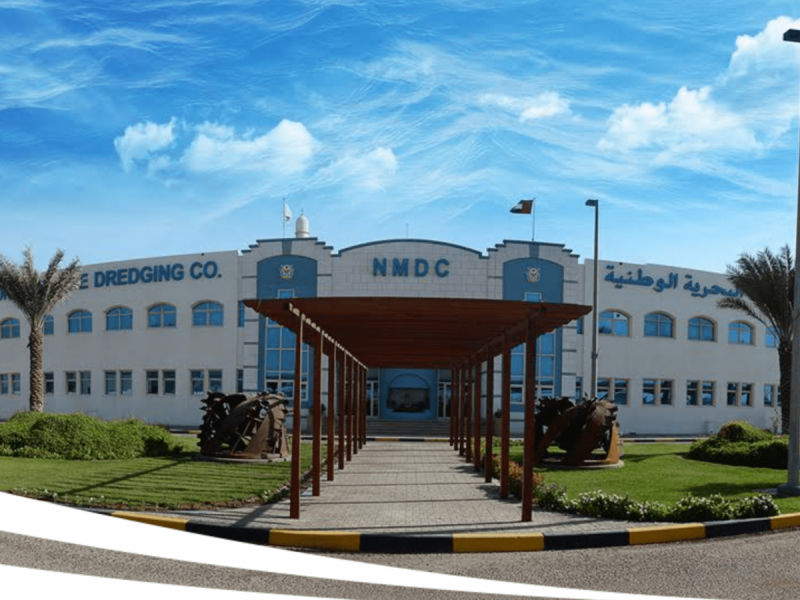
The UAE-based NMDC Group is preparing for what is set to be the country’s largest initial public offering (IPO) of the year. The firm, which was established as a subsidiary of the Abu Dhabi National Oil Company (ADNOC), aims to raise up to $2 billion through the listing. The company is now majority-owned by Alpha Dhabi Holding.

NMDC provides integrated drilling services across the Middle East, has announced plans to float around 7.5% of its shares on the Abu Dhabi Securities Exchange (ADX). The IPO will offer approximately 1.5 billion shares to institutional and retail investors, marking a significant milestone in the UAE’s financial markets.

The NMDC IPO comes at a time of fluctuating oil prices and global economic uncertainties. NMDC has reported substantial revenue growth over the past few years, driven by increasing demand for its drilling services and an expanding portfolio of projects across the region.

Abu Dhabi National Oil Company (Adnoc) has received multiple bids for its initiative to develop sustainable aviation fuel (SAF). This significant move marks a step forward in Adnoc’s strategy to meet growing demands for environmentally friendly aviation solutions. The bids, submitted by leading energy and technology companies, aim to advance SAF production capabilities and foster a reduction in carbon emissions associated with air travel. The SAF package […]

Adani Power, the energy arm of the Indian conglomerate Adani Group, has launched a new subsidiary in Abu Dhabi, marking a significant expansion into the Middle Eastern market. This strategic move highlights the company’s commitment to broadening its international footprint and tapping into the lucrative energy sector of the UAE. The newly established subsidiary, Adani Power Middle East, aims to leverage Abu Dhabi’s strategic location and growing […]

Abu Dhabi National Oil Company (ADNOC) has finalized its due diligence process for a potential acquisition of Covestro, the German chemical manufacturer. The development signifies a major step forward in ADNOC’s strategic expansion into the global chemicals market. Sources indicate that ADNOC’s evaluation of Covestro has been thorough, encompassing financial, operational, and regulatory aspects. This extensive review is intended to ensure a smooth integration should the acquisition […]

Dubai and Abu Dhabi have risen to prominence as premier destinations for executive digital nomads, according to the latest Savills Executive Nomad Index for 2023. Dubai clinched the top spot, outpacing other global cities thanks to its thriving fintech and financial services sectors, a tax-free environment, and a high standard of living. The city’s appeal is further bolstered by its world-class digital infrastructure, with the UAE boasting the fastest mobile internet speeds globally. This combination of factors has positioned Dubai as a magnet for high-earning professionals who have the flexibility to work remotely.

Abu Dhabi, a new entrant in the top five, has also made significant strides, ranking fourth in the index. The capital’s growing reputation as a hub for technology and innovation, coupled with its cultural offerings and high quality of life, has made it an attractive destination for digital nomads seeking a dynamic yet stable environment. The city’s strategic location and excellent connectivity, with Abu Dhabi International Airport serving as a key gateway to the world, further enhance its appeal.

This year’s index highlights a shift in the global landscape for remote work, with cities that offer robust digital infrastructure, favorable business conditions, and an exceptional quality of life taking the lead. Dubai and Abu Dhabi’s rise in the rankings underscores the growing importance of these factors for executive nomads, who prioritize seamless digital connectivity and a vibrant, cosmopolitan lifestyle.

The Savills report also noted the emergence of new locations such as Malaga, which took second place due to its cultural appeal and the introduction of Spain’s digital nomad visa. However, it is the Middle Eastern cities that have captured the attention of the global workforce, with both Dubai and Abu Dhabi setting the standard for what executive nomads seek in a remote work destination.

The UAE’s financial landscape is experiencing a significant boost, as portfolio management companies and investment funds across the region report an impressive surge in assets under management (AUM), totaling an increase of $9.5 billion. This growth reflects the country’s strategic position as a leading financial hub and the successful efforts of its key players to attract and manage substantial global investments. The surge is largely driven by […]

A severe heatwave in the United Arab Emirates has pushed temperatures beyond 50℃, marking an extraordinary peak in the region’s climatic extremes. This unprecedented surge in temperature has prompted immediate health warnings and advisories from meteorological and health authorities across the country. The heatwave, which began intensifying earlier this week, has led to daily high-temperature records being shattered in several cities, including Dubai and Abu Dhabi. The […]

flynas, Saudi Arabia’s leading low-cost airline, is set to significantly expand its operations in the UAE, introducing eight new direct routes between Saudi Arabia and the Emirates. This ambitious expansion, scheduled to commence in September, aligns with the airline’s broader goal of increasing connectivity in the region.

The new routes will make flynas the only Saudi airline to serve all four major UAE airports. These include Al Maktoum International Airport (DWC) in Dubai, Abu Dhabi’s Sheikh Zayed International Airport, and Sharjah International Airport. The expansion is expected to elevate the number of daily flights between Saudi Arabia and the UAE to over 20, enhancing accessibility for both business and leisure travelers.

Key routes launching include services from Riyadh to DWC and from Jeddah to both Abu Dhabi and Sharjah. These additions reflect flynas’ strategic vision to broaden its reach, catering to growing demand in the UAE-Saudi corridor, especially under Saudi Arabia’s Vision 2030 plan, which seeks to position the kingdom as a global transport hub.

The airline’s network is poised to expand further, targeting 165 destinations worldwide, underscoring its commitment to strengthening regional ties and offering more travel options to its passengers. As the airline continues to grow, it remains a pivotal player in fostering greater connectivity between Saudi Arabia and the UAE.

VISHNU RAJA
RYO YAMADA
HITORI GOTOH
IKUYO KITA